How to Make Simple Syrup: A Quick Guide for Perfect Sweetening
Making simple syrup requires just two ingredients: sugar and water. The process involves dissolving sugar completely into water, usually by heating, to create a smooth, easy-to-mix syrup that sweetens beverages and recipes evenly. You can make basic simple syrup in about five minutes at home with common kitchen tools.
Simple syrup matters because it blends seamlessly into cold drinks and cold dishes, unlike granulated sugar which can settle or remain grainy. This syrup is foundational in bars for cocktails and is also used for sweetening iced teas, lemonades, and desserts where a consistent texture and sweetness level is desired.
In this article, we will review the core methods for making simple syrup, variations in sugar types, tips for storage and longer shelf life, safety considerations, and practical uses for your homemade simple syrup.
Simple Syrup Basics: Ingredients and Equipment
Choosing the Right Sugar for Simple Syrup
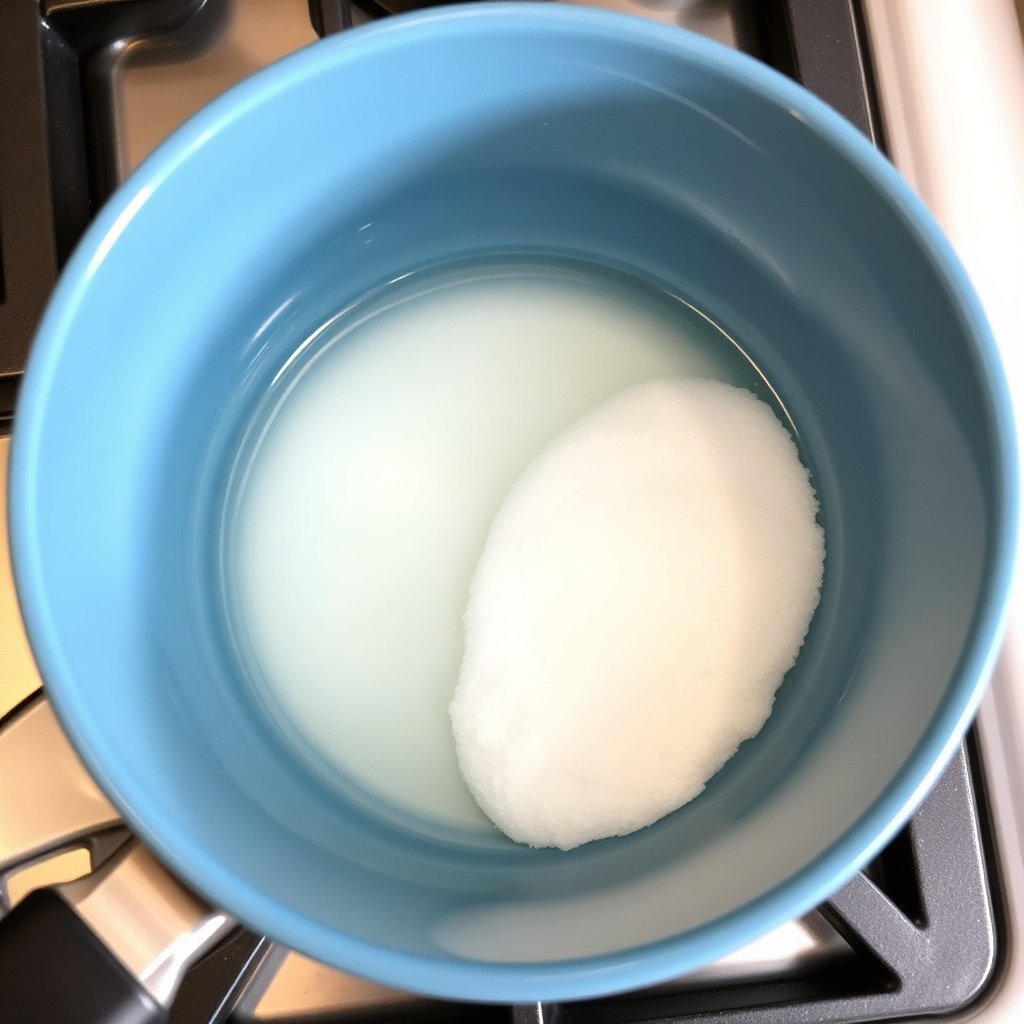
White granulated sugar is the most common choice for making simple syrup because it dissolves easily and produces a clear, neutral-flavored syrup. However, alternatives like raw sugar, brown sugar, and even honey can add unique flavors and colors to your syrup.
Different sugars affect both the taste and appearance. For example, brown sugar imparts a caramel-like richness and a darker color, which can complement autumnal cocktails or desserts. Using honey not only sweetens but also adds floral undertones.
- White granulated sugar for neutral flavor
- Brown sugar for caramel notes
- Raw sugar for subtle molasses flavor
- Honey for a floral sweetness
Essential Equipment for Making Simple Syrup
Making simple syrup needs minimal equipment: a small saucepan to combine and heat the sugar and water, a stirring spoon, and a clean container for storage. A thermometer is optional but can help maintain precise temperatures for clarity and safety.
Choose a container that seals well, like a glass bottle or jar, to keep your syrup fresh. Labeling the storage container with the date aids in tracking freshness. Filtering with a fine strainer is helpful if you infuse herbs or spices during the process.
- Small saucepan
- Stirring spoon
- Glass jar or bottle with lid
- Fine strainer (optional)
Step-by-Step Simple Syrup Preparation Methods

The Basic Hot Method for Making Simple Syrup
Combine equal parts of sugar and water in a saucepan over medium heat. Stir continuously until all sugar crystals dissolve completely and the liquid becomes clear. Avoid boiling for too long to prevent caramelization, which alters the flavor and color.
Once the sugar dissolves fully, remove the pan from heat and let the syrup cool to room temperature before transferring it to storage containers. This method typically takes around five minutes and yields a smooth, clear syrup.
- Use a 1:1 sugar-to-water ratio
- Heat over medium heat while stirring
- Do not boil excessively
- Cool before storage
For more on this, see our related guide: How to Make French Toast: A Complete Guide for Perfect Results.
Cold Method for Preparing Simple Syrup
The cold method involves mixing sugar directly into room temperature water and stirring vigorously until dissolved. This technique takes longer and often requires several minutes of stirring, but it avoids heating which can be preferable for delicate flavors.
Cold simple syrup might not dissolve 100% with regular granulated sugar, so superfine sugar is recommended. While slower, this method is handy when you want a quick preparation without turning on the stove and minimizes any flavor changes.
- Use superfine sugar for best results
- Stir sugar into water thoroughly
- Takes longer for full dissolution
- No heating involved
Variations and Flavor Enhancements for Simple Syrup

Infused Simple Syrup Recipes
Adding herbs, spices, or citrus peels to simple syrup while heating infuses pleasant aromas and flavors. Popular infusions include mint, rosemary, vanilla beans, cinnamon sticks, and lemon or orange zest. This creates customized syrups suitable for specialized cocktails or desserts.
To make infused syrup, add chosen flavorings in the saucepan during the hot method and let steep after removing from heat until desired flavor strength is reached. Strain before bottling to avoid sediment and extend shelf life.
- Mint for refreshing notes
- Vanilla bean for warmth
- Cinnamon sticks for spice
- Citrus zest for brightness
Adjusting Sweetness Levels with Different Ratios
Altering the sugar-to-water ratio affects syrup sweetness and thickness. The standard 1:1 ratio suits most applications, but a 2:1 ratio (two parts sugar to one part water) produces a richer, thicker syrup ideal for desserts or sweeter cocktails.
Lighter syrups with a 1:2 ratio are thinner and less sweet, perfect for subtle sweetening in recipes or beverages. Deciding on ratios depends on your intended use and personal preference for sweetness intensity.
- 1:1 for general use
- 2:1 for thicker, sweeter syrup
- 1:2 for lighter syrup
- Adjust based on recipe needs
Storage and Shelf Life of Simple Syrup

Best Practices for Storing Simple Syrup
Store simple syrup in a clean, airtight glass container to keep it fresh and prevent contamination. Refrigeration slows degradation and inhibits mold or bacterial growth, helping syrup last longer.
Avoid leaving syrup at room temperature for extended periods, especially homemade batches without preservatives. Properly stored simple syrup can maintain quality and safety for up to one month.
- Use sterilized jars or bottles
- Keep refrigerated
- Label with preparation date
- Avoid room temperature storage
For more on this, see our related guide: How to Make Bacon at Home: Safe, Simple Steps with Best Cooking Methods.
Recognizing When Simple Syrup Has Gone Bad
Look for changes such as cloudiness, mold growth, off smells, or fermentation bubbles, which indicate spoilage. Using spoiled syrup can affect the flavor and safety of your drinks and recipes.
If you notice any visible mold or strange odor, discard the syrup immediately. Regular inspection before use keeps your preparations tasting fresh and ensures health safety.
- Cloudiness or discoloration
- Presence of mold
- Off or sour smell
- Bubbles indicating fermentation
Practical Uses for Simple Syrup in Cooking and Drinks
Sweetening Cold Beverages with Simple Syrup
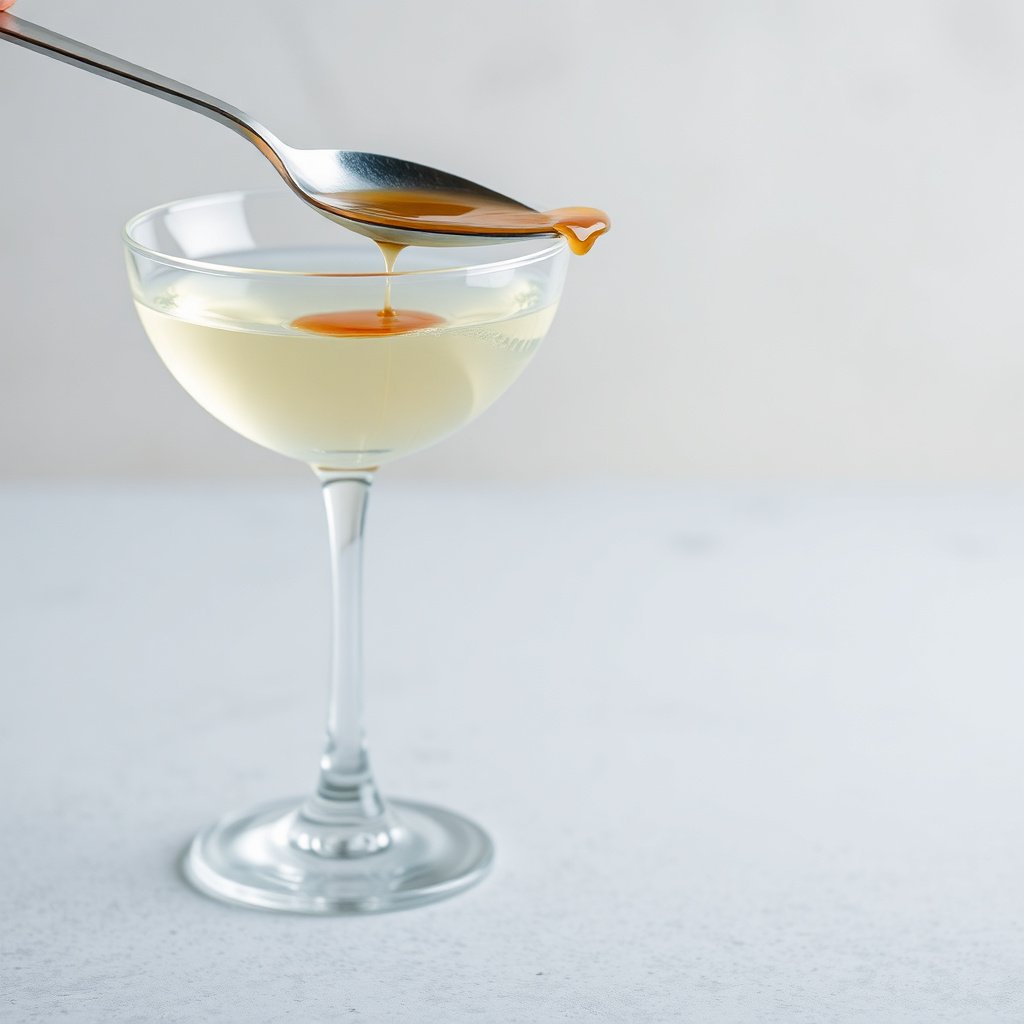
Simple syrup dissolves quickly in cold drinks such as iced coffee, tea, lemonade, and cocktails, providing smooth sweetness without gritty sugar residues. This makes it ideal for baristas and mixologists seeking consistent flavor.
Different infused syrups can add depth to drinks, while adjusting syrup concentration tailors sweetness levels. Simple syrup also blends well with sparkling water for homemade sodas.
- Iced coffee and tea sweetener
- Cocktail ingredient
- Lemonade and sodas
- Adjust concentration for sweetness
For more detailed background and variations of simple syrup, see the simple syrup information on Wikipedia. simple syrup information on Wikipedia.
Using Simple Syrup in Baking and Desserts
In baking, simple syrup can moisten cakes or pastries by brushing it on layers for added moisture and sweetness. Infused syrups add subtle flavor notes that complement vanilla, chocolate, or fruit-based recipes.
It also works as a drizzle or glaze over fruits, ice creams, and custards, enhancing texture and taste without altering the structure of desserts.
- Moisturize cake layers
- Add flavor to pastries
- Drizzle on fruit or ice cream
- Use as glaze or syrup
Simple Syrup Preparation Methods Comparison
Review key differences among common simple syrup types to pick the best method for your needs.
| Type | Sugar-to-Water Ratio | Preparation Time | Flavor Profile | Storage Life |
|---|---|---|---|---|
| Basic Hot Method | 1:1 | 5-10 minutes | Neutral and clear | Up to 1 month refrigerated |
| Cold Method | 1:1 with superfine sugar | 15-30 minutes | Neutral, slightly less clear | Up to 1 month refrigerated |
| Rich Syrup | 2:1 | 5-10 minutes | Sweeter, thicker | Up to 1 month refrigerated |
| Brown Sugar Syrup | 1:1 | 5-10 minutes | Caramel-like, darker | Up to 2 weeks refrigerated |
| Infused Syrup | 1:1 | 5-15 minutes plus steeping | Varies by infusion | Up to 2 weeks refrigerated |
Frequently Asked Questions
What is the best ratio for simple syrup?
The standard ratio is one part sugar to one part water, providing a balanced sweetness and consistency suitable for most uses.
Can I use other sweeteners besides sugar?
Yes, honey, agave, and brown sugar can be used to make simple syrup, each imparting unique flavors and textures.
How long does homemade simple syrup last?
Stored properly refrigerated in a clean container, simple syrup typically lasts up to one month; infusions may last less time.
Do I have to heat simple syrup to make it?
Heating helps sugar dissolve faster, but superfine sugar can dissolve in cold water with enough stirring, though it takes longer.
Can simple syrup be frozen for later use?
Freezing simple syrup is possible but not recommended because it can crystallize and change consistency upon thawing.
Key Takeaways
- Simple syrup is a blend of sugar and water that sweetens evenly in cold drinks and recipes.
- The basic hot method with a 1:1 ratio is quick and produces clear, neutral syrup.
- Infused and rich syrups add flavor and varying sweetness intensities for diverse uses.
- Store syrup refrigerated in airtight containers and watch for spoilage signs.
Conclusion
Making simple syrup is straightforward and requires just sugar and water. You make it by dissolving sugar completely into water using heat or cold stirring, aiming to create a smooth syrup that blends easily into beverages or recipes. Recognizing how variations in sugar type or ratio change the syrup's viscosity and flavor lets you tailor sweetening to your preferences or dish requirements. Understanding storage and spoilage signs helps keep your syrup fresh and safe for use.
For everyday use, the basic hot method with a 1:1 sugar-to-water ratio meets most needs: it’s quick, clear, and versatile. If you want a thicker or sweeter syrup, go for a 2:1 ratio. Adding herbs or spices during heating creates infused simple syrup ideal for cocktails or desserts, while brown sugar brings caramel depth. The cold method works when avoiding heat is preferred, especially with superfine sugar for complete dissolution. Adjust your choice based on time, flavor goals, and preparation ease.
Start by making a small batch of basic simple syrup to become familiar with the process. Experiment with slight ratio changes or infusions to customize flavors. Always store syrup in a clean container in the fridge, and discard if you notice any spoilage signs. Using homemade simple syrup enhances sweetness and texture in drinks and foods smoothly, making it a handy ingredient to prepare and keep ready.