How to Muddle Mint Like a Pro for Perfect Cocktails
Muddling mint is a simple technique that involves gently crushing the leaves to release their essential oils and aroma without tearing them apart. The goal is to extract rich mint flavor into your drink, especially in cocktails like mojitos and mint juleps, where fresh mint is key. By mastering how to muddle mint correctly, you enhance your beverages with bright, refreshing notes.
Mint leaves contain fragrant oils that bring a cool and vibrant taste to drinks. Muddling breaks the leaves’ cell walls just enough to release those oils, but over-muddling can result in bitter, grassy flavors. Knowing the right pressure and tools can make all the difference in your cocktail preparation and elevate your mixology skills.
This article will walk you through the tools, techniques, and tips for muddling mint effectively. You'll learn how to avoid common mistakes, what tools work best, and how to incorporate muddled mint into various drinks. Whether you're a home enthusiast or just curious about cocktail craft, these insights will help you muddle mint like a pro.
Choosing the Right Tools for Muddling Mint
Types of Muddlers Suitable for Mint
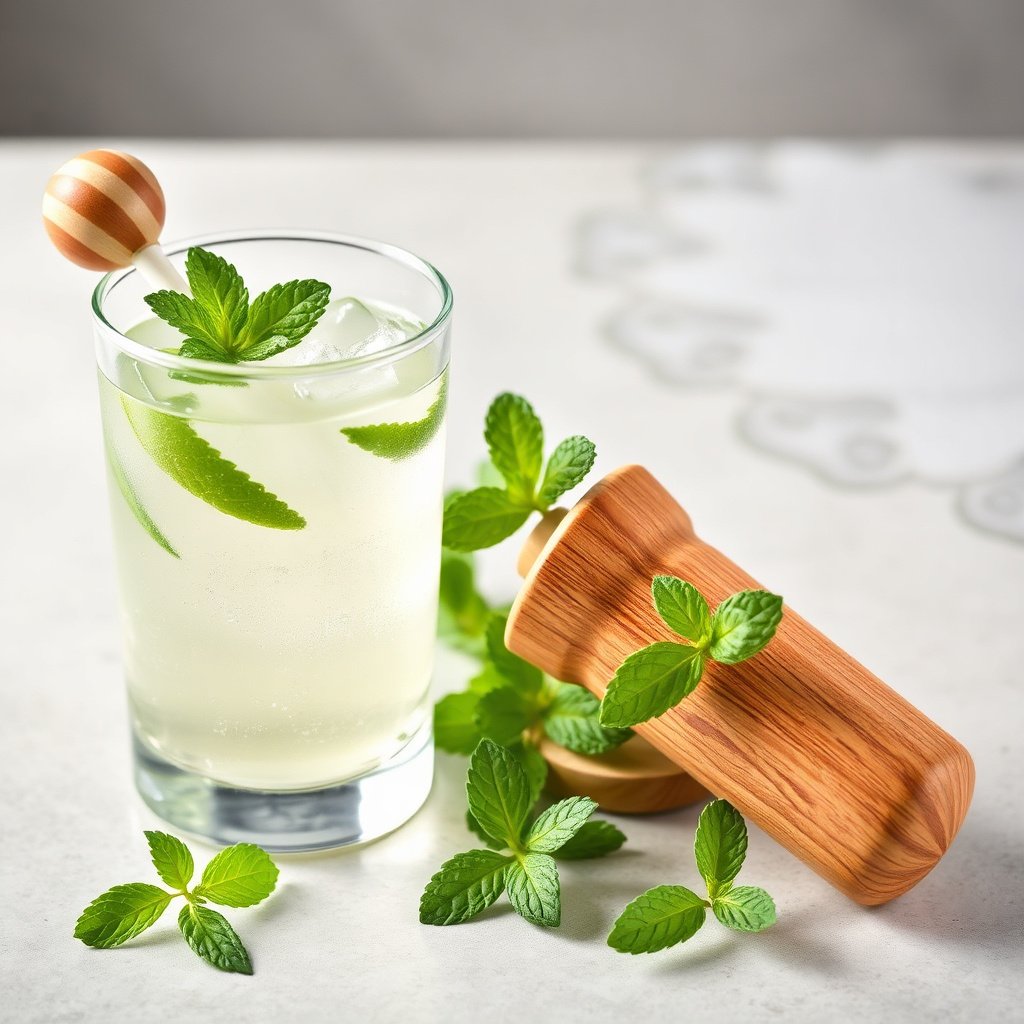
Muddler designs vary in material and shape, with wooden, stainless steel, and plastic options available. Wooden muddlers offer a traditional feel and smooth surface that’s gentle on mint leaves. Stainless steel muddlers tend to be more durable and provide extra weight, helping extract flavors efficiently.
The muddler's tip shapes are crucial: flat or slightly rounded tips prevent tearing leaves unlike those with harsh teeth or spikes, which can over-brush the mint and release bitterness. For mint specifically, a smooth, flat-ended muddler is generally best.
- Wooden muddlers: gentle and traditional
- Stainless steel muddlers: durable and weighted
- Flat or rounded tips preferred for mint
- Avoid pointed or toothed ends
Alternative Tools for Muddling Mint
If you don't have a muddler, using the back of a wooden spoon or a pestle from a mortar and pestle can work well. These tools provide a similar flattening pressure necessary for releasing mint oils without crushing the leaves into a pulp.
Avoid using sharp or pointed objects, as these can shred the leaves and introduce bitterness, diminishing the refreshing quality of mint in your drinks.
Techniques for Effective Mint Muddling

How to Apply Pressure When Muddling Mint
The key to muddling mint is applying gentle, controlled pressure. Place the mint leaves at the bottom of the glass and press down softly with the muddler. The leaves should bruise and release aroma without becoming shredded or torn into bits.
Pressing too hard can cause the release of chlorophyll and bitter compounds, which overpower the fresh mint flavor and ruin your cocktail’s balance.
- Use gentle downward pressure
- Stop as soon as aroma intensifies
- Avoid crushing or shredding leaves
Timing and Order in the Cocktail Process
Muddle the mint after adding sugar or other sweeteners but before adding liquids like liquor and ice. This allows the sugar to help extract oils by grinding the leaves gently against it.
Muddling too late in the process with ice already added can crush the leaves against the ice, releasing unwanted flavors and cooling the leaves too quickly, which dulls their aromatic qualities.
- Muddle mint with sugar first
- Add liquids and ice after muddling
- Avoid muddling mint with ice present
Common Mistakes to Avoid When Muddling Mint

Over-Muddling and Its Effects
Over-muddling mint damages the leaf structure too much, causing the release of chlorophyll and other harsh compounds that taste bitter and grassy. Instead of a fresh herbal note, your cocktail might end up with astringent or unpleasant flavors masking the intended mint aroma.
Signs of over-muddling include darkened or mushy leaves and an excessively greenish or bitter taste in the drink.
- Recognize mushy, torn leaves
- Avoid excessive pressing or twisting
- Stop muddling once aroma is strong
For more on this, see our related guide: What Is a Call Drink? A Complete Guide to Ordering and Choosing.
Using Old or Wilted Mint
Freshness is essential when muddling mint; wilted or old leaves lack the vibrant oils and instead add muted or off flavors. Muddling poor-quality mint also increases the chance of unpleasant bitterness and weak aroma extraction.
Always use bright green, fragrant mint leaves and rinse them gently to keep them crisp before muddling.
- Avoid brown or dry leaves
- Select vibrant fresh mint
- Rinse gently before use
Incorporating Muddled Mint into Various Drinks

Classic Cocktails Featuring Muddled Mint
Mojitos and mint juleps are two of the most popular cocktails that rely heavily on the bright, fresh flavor of muddled mint. In mojitos, muddled mint mixed with lime and sugar balances the rum’s sweetness, while mint juleps pair bourbon with mint for a cooling effect.
Other drinks like mint gimlets and certain variations of non-alcoholic beverages also benefit from the aromatic lift that muddled mint provides.
Non-alcoholic Uses of Muddled Mint
Muddled mint blends well in refreshing non-alcoholic drinks such as iced teas, lemonades, and sparkling water infusions. The mint elevates these beverages with a natural herbal zest that enhances summer refreshment without alcohol.
Experimenting with muddled mint in smoothies or fruit punches can also add a layer of complexity and freshness.
Cleaning and Maintaining Your Muddler
Proper Cleaning for Longevity
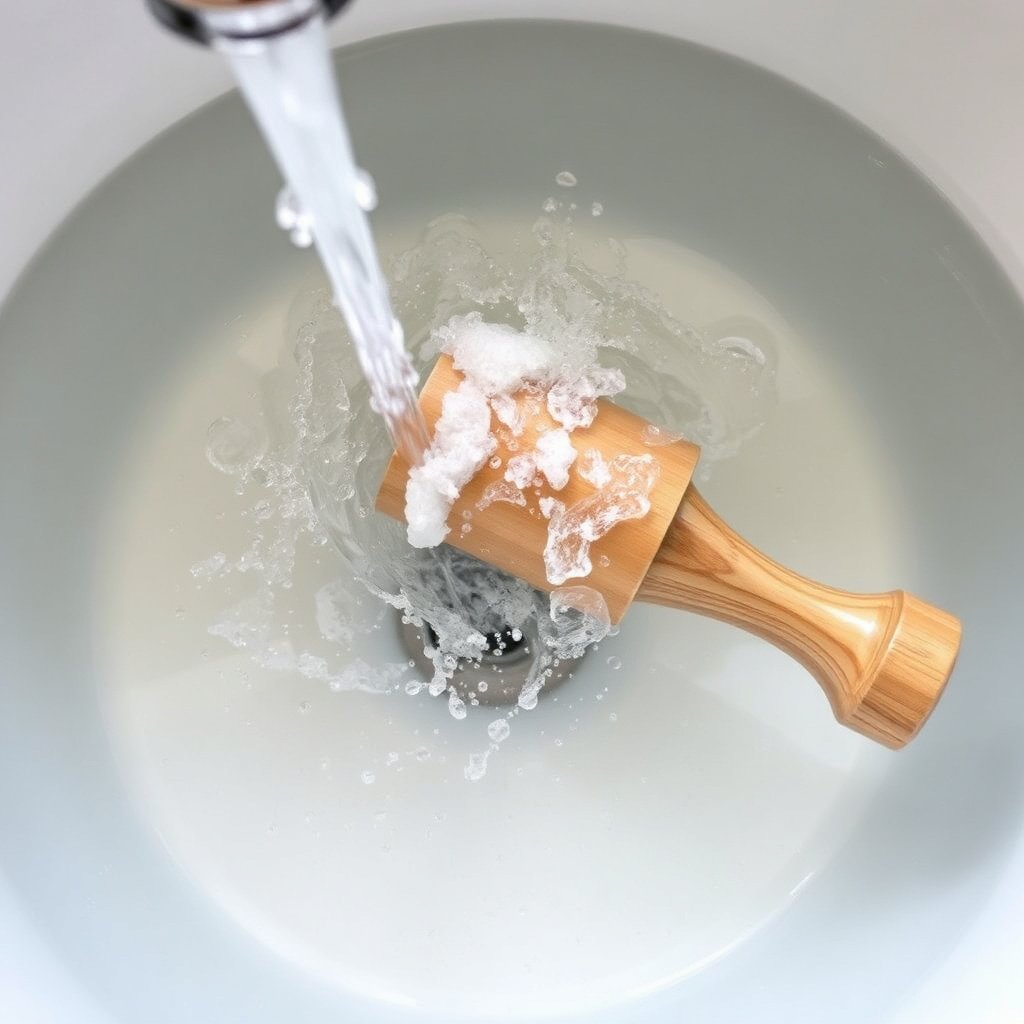
To maintain the integrity of your muddler, especially wooden ones, rinse immediately after use with warm water and mild soap. Avoid soaking wooden muddlers for long periods as this can cause cracking or warping. Dry thoroughly to prevent mold and odors.
Stainless steel and plastic muddlers can be washed similarly but typically withstand dishwasher cycles better, making cleaning more convenient.
- Rinse promptly after use
- Use mild soap and warm water
- Avoid prolonged soaking for wood
- Dry completely before storage
For more on this, see our related guide: What Is the Best Easy Cocktail: 8 Simple Recipes and Tips for Beginners.
Storage Tips to Preserve Flavor
Store your muddler in a dry place away from direct sunlight or excessive heat which can damage the material. Keeping it separate from strong-smelling cleaners preserves the muddler’s neutrality, so mint flavors remain clean.
Regular upkeep increases muddler lifespan and keeps your drinks tasting fresh.
Advanced Tips for Enhancing Mint Flavor When Muddling

Combining Mint with Sugars and Citrus
Mixing mint leaves with sugar or sugar syrups during muddling helps to smooth harsh edges and lift oils more effectively. The sugar acts as a gentle abrasive to crush the leaves without tearing.
Adding a splash of citrus juice immediately after muddling helps brighten the mint’s flavor and can balance sweetness and bitterness in your drink.
- Use granulated or raw sugar for rough texture
- Add fresh lime or lemon juice post-muddling
- Do not muddle citrus with mint to avoid over-extraction
For detailed botanical information about mint species and their uses, refer to the mint (Mentha) on Wikipedia. mint (Mentha) on Wikipedia.
Using Cold or Room Temperature Mint
Mint at room temperature releases oils more readily when muddled, while cold mint straight from the fridge can be less aromatic. Allowing mint to sit out for a few minutes before muddling will improve flavor extraction.
However, avoid letting mint warm up too long, as the leaves can wilt and lose freshness.
- Let mint reach room temperature before muddling
- Avoid warm, wilted mint leaves
- Store mint properly before use
Comparison of Mint Muddling Tools and Their Features
Here’s a detailed look at popular tools used for muddling mint, highlighting their materials, ease of use, and impact on mint flavor extraction.
| Tool Type | Material | Tip Shape | Durability | Effectiveness with Mint |
|---|---|---|---|---|
| Traditional Muddler | Wood | Flat or Rounded | Moderate | Gentle extraction, classic feel |
| Stainless Steel Muddler | Metal | Flat Rounded | High | Efficient but requires control |
| Plastic Muddler | Plastic | Flat | Moderate | Budget-friendly, less tactile feedback |
| Mortar and Pestle | Stone or Wood | Rounded | High | Versatile but risk of over-crushing |
| Wooden Spoon | Wood | Flat (spoon back) | Moderate | Impromptu tool, gentle if careful |
Frequently Asked Questions
Can I muddle mint with ice already in the glass?
It’s best not to muddle mint when ice is already in the glass, as this can crush the leaves excessively and release bitter flavors instead of fresh oils.
How many leaves should I use for muddling in a cocktail?
Typically, using 8 to 12 fresh mint leaves is sufficient to flavor a single cocktail without overwhelming the drink.
What if I don’t have a muddler? Can I use other tools?
Yes, the back of a wooden spoon or a pestle from a mortar and pestle works well if you don’t have a dedicated muddler. Just avoid sharp or pointed tools.
How do I prevent mint from turning bitter when muddling?
Apply gentle pressure and stop as soon as you smell the mint’s aroma. Over-muddling and tearing leaves cause bitterness.
Should mint be rinsed before muddling?
Yes, rinse fresh mint carefully under cold water and pat dry to preserve flavor and prevent watering down your drink.
Key Takeaways
- Use a flat or gently rounded muddler tip to prevent shredding mint leaves.
- Apply light pressure when muddling to avoid bitter flavors.
- Muddle mint with sugar before adding liquid and ice.
- Fresh, vibrant mint leaves produce the best flavor.
Conclusion
Muddling mint is an essential cocktail technique that unlocks the herb’s vibrant aroma and flavor when done properly. The main factor in success lies in using the right tools and gentle technique to crush the mint leaves just enough without breaking them down excessively. Paying attention to detail, such as muddling with sugar before ice and choosing fresh mint, significantly influences the final taste. Understanding how to muddle mint is part science and part art, blending tactile skill with sensory awareness.
For cocktail enthusiasts seeking consistent results, a traditional wooden muddler with a flat or rounded tip offers an accessible and effective tool. Stainless steel muddlers provide extra weight and durability for those comfortable applying measured pressure. For classic cocktails like mojitos and mint juleps, incorporating muddled mint properly enhances the drink’s complexity, while non-alcoholic beverages benefit from a fresh, herbal lift. Remember to avoid over-muddling to protect the mint's bright, refreshing character.
If you’re just starting, practice with fresh mint and a simple muddler or spoon, focusing on gentle presses until you recognize the aroma cue that signals enough extraction. Experiment with sugar and citrus additions after muddling to further elevate your drinks. By honing your technique step-by-step, you’ll soon muddle mint like a pro, adding a fresh botanical burst to your beverage repertoire.