What Is Craft Beer? Understanding Its Unique Appeal and Brewing Process
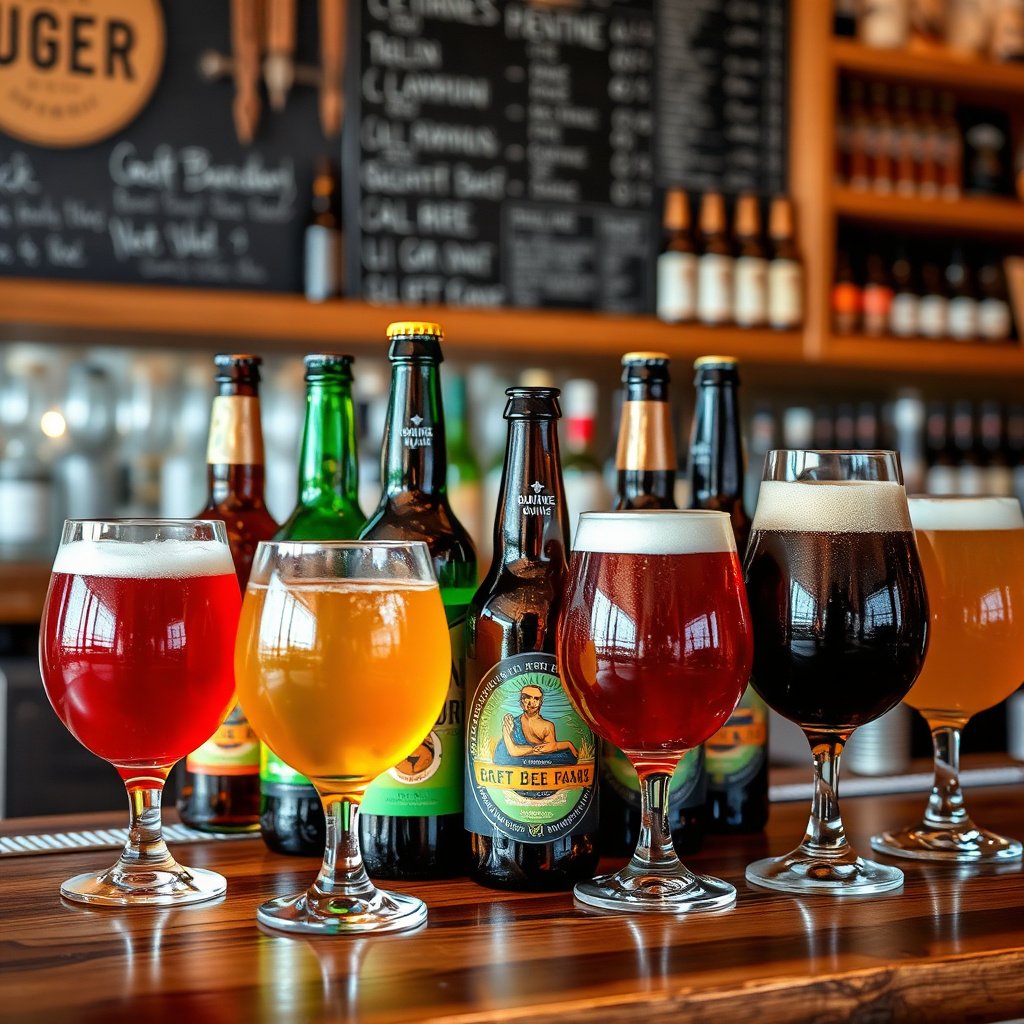
Craft beer is beer made by small, independent breweries that focus on quality, flavor, and traditional brewing methods. Unlike mass-produced commercial beers, craft beers often emphasize unique ingredients, artisan techniques, and creativity in brewing. These beers typically showcase a wide variety of styles, from IPAs to stouts, emphasizing diverse taste experiences.
The appeal of craft beer lies in its contrast to mainstream lagers. Craft brewers experiment with local ingredients and novel recipes, offering drinkers more distinctive and complex flavors. This approach supports regional economies and creates a closer connection between the brewer and the consumer, reflecting a passion for artisanal drink-making.
This article will explore the defining characteristics of craft beer, how craft brewers operate, and what sets these brews apart in both production and taste. You'll learn about major craft beer styles, the role of hops and yeast, and popular trends within the craft beer community.
Defining Craft Beer: What Makes It Different
Characteristics of Craft Beer
Craft beer is defined primarily by the size, independence, and traditional methods of its breweries. According to the Brewers Association, a craft brewery is small (annual production under 6 million barrels), independent (less than 25% owned by a non-craft beer company), and uses traditional or innovative brewing techniques. This definition sets craft beers apart from large commercial brews.
These brews often highlight robust flavors and aromatic profiles, ranging from hoppy American IPAs to rich Belgian ales. Unlike mass-produced beers aiming for a consistent mild taste, craft beers tend to showcase bold experimentation and variety.
History and Growth of Craft Beer
Craft brewing in the United States started gaining momentum in the late 1970s and 80s. Early pioneers focused on reviving classic beer styles and local ingredients, contrasting with prevailing commercial light lagers. This movement grew rapidly, expanding choices for beer lovers craving complexity.
Today, craft beer accounts for a significant share of total beer sales, with thousands of breweries globally. Its growth reflects shifting consumer preferences favoring authenticity, creativity, and quality.
The Craft Beer Brewing Process
Ingredients Unique to Craft Beer
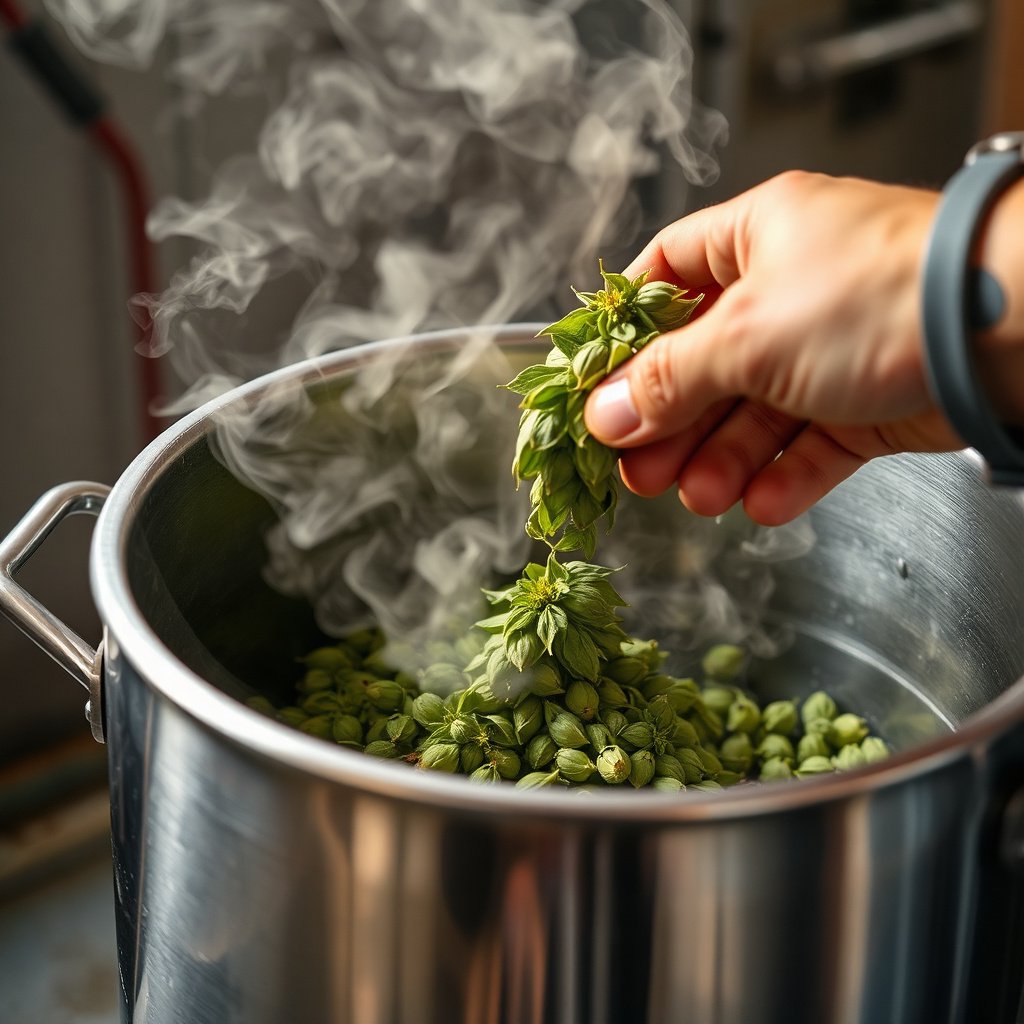
Craft beer ingredients include malted barley, hops, yeast, and water, much like any beer, but craft brewers often use specialty malts and exotic hop varieties to enhance flavor complexity. Some brewers add adjuncts like fruit, spices, or wild yeasts to produce unique profiles.
The choice and quality of ingredients directly influence aroma, bitterness, mouthfeel, and color, with a focus on freshness and sourcing from local or artisanal suppliers when possible.
- Specialty malts for depth and color
- Single-origin hop varieties for distinct aromas
- Wild yeasts for sour and funky notes
Brewing Techniques and Fermentation
Craft breweries often use traditional fermentation techniques combined with careful temperature and timing control. Smaller batch sizes allow brewers to closely monitor each stage, resulting in consistent flavor and high quality.
Experimentation during fermentation, like dry hopping or barrel aging, is common and contributes to the wide range of craft beer styles.
- Open fermentation for some Belgian styles
- Dry hopping to boost aroma
- Barrel aging for complexity
Popular Styles of Craft Beer
Hoppy and Bitter Styles
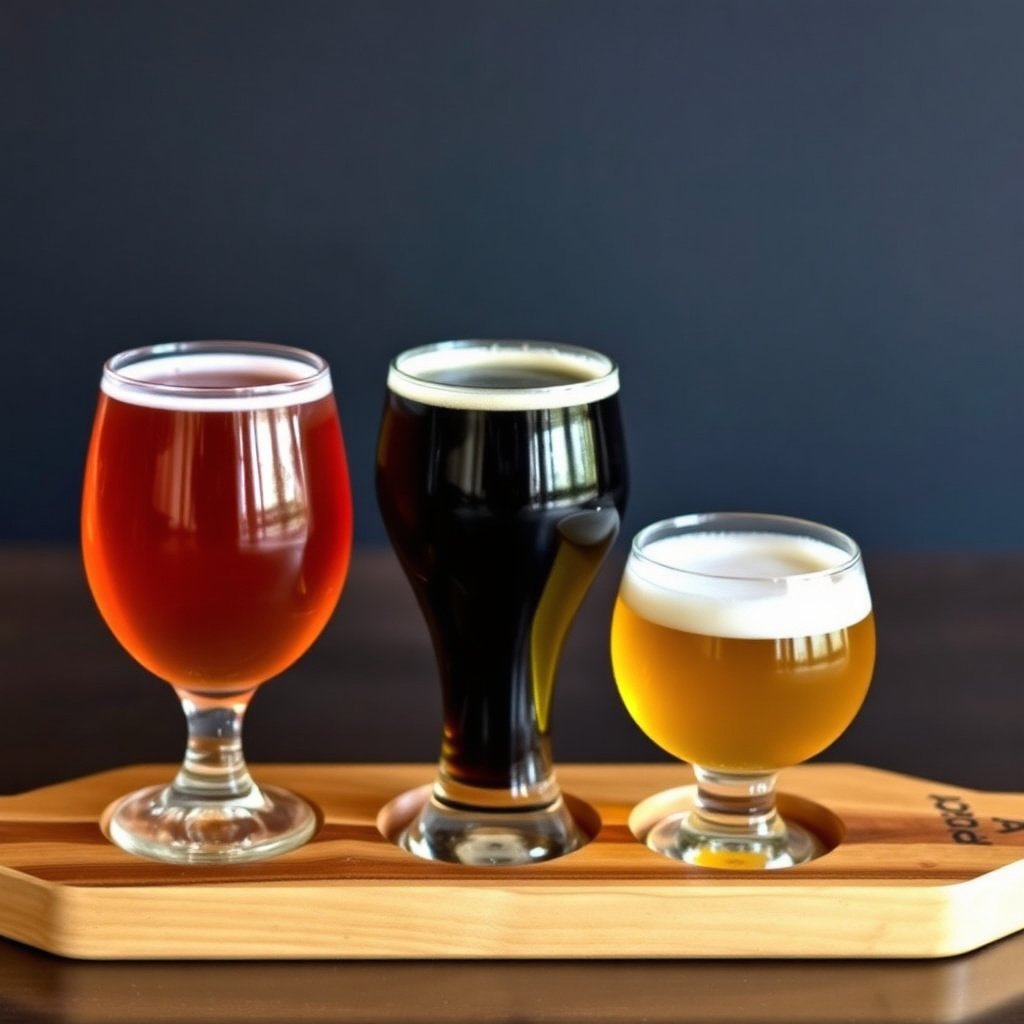
India Pale Ale (IPA) is one of the most popular craft beer styles, known for its strong hop bitterness and aromatic citrus or pine notes. American IPAs often use aggressive hop additions, while English IPAs provide more malt balance.
Other hoppy styles include Double IPAs, which boost alcohol and bitterness levels, and Session IPAs that aim for lower alcohol but retain hop flavor.
- American IPA
- Double IPA
- Session IPA
For more on this, see our related guide: What Is the Best Craft Beer? Top Picks and Expert Selection Guide.
Malty and Dark Styles
Stouts and porters are darker craft beer styles featuring roasted malt flavors like coffee, chocolate, and caramel. These styles vary from dry Irish stouts to rich imperial versions with higher alcohol content.
Amber ales and brown ales offer malt-forward profiles with moderate hoppiness, focusing on smooth drinkability and a balance of sweetness and bitterness.
- Irish Dry Stout
- Imperial Stout
- Amber Ale
Craft Beer Culture and Community

Craft Breweries and Local Impact
Small craft breweries often serve as community hubs, supporting local jobs and sourcing. They foster regional identity by producing styles that resonate with local tastes and culture.
Many engage customers through tasting rooms, festivals, and collaborations, strengthening the bond between producer and consumer.
- Local ingredient sourcing
- Community events
- Collaborative brews
Consumer Education and Tasting
Craft beer drinkers frequently educate themselves about styles, brewing techniques, and flavors, developing a sophisticated palate. Many breweries offer tours and tasting sessions to deepen appreciation for their craft.
This growing knowledge encourages experimentation and supports a vibrant craft beer scene worldwide.
- Brewery tours
- Tasting flights
- Beer festivals
How to Choose and Enjoy Craft Beer
Selecting Craft Beers by Style and Flavor
When choosing craft beer, consider personal taste preferences like bitterness or sweetness. Starting with popular styles such as pale ales or wheat beers can help newcomers explore flavor profiles. Seasonal and limited releases offer chances to try unique ingredients.
Many craft beer shops and bars provide descriptions or ratings to guide selection, along with recommendations from knowledgeable staff.
For more on this, see our related guide: What Is a Growler? A Complete Guide to Craft Beer Storage & Use.
Pairing Craft Beer with Food
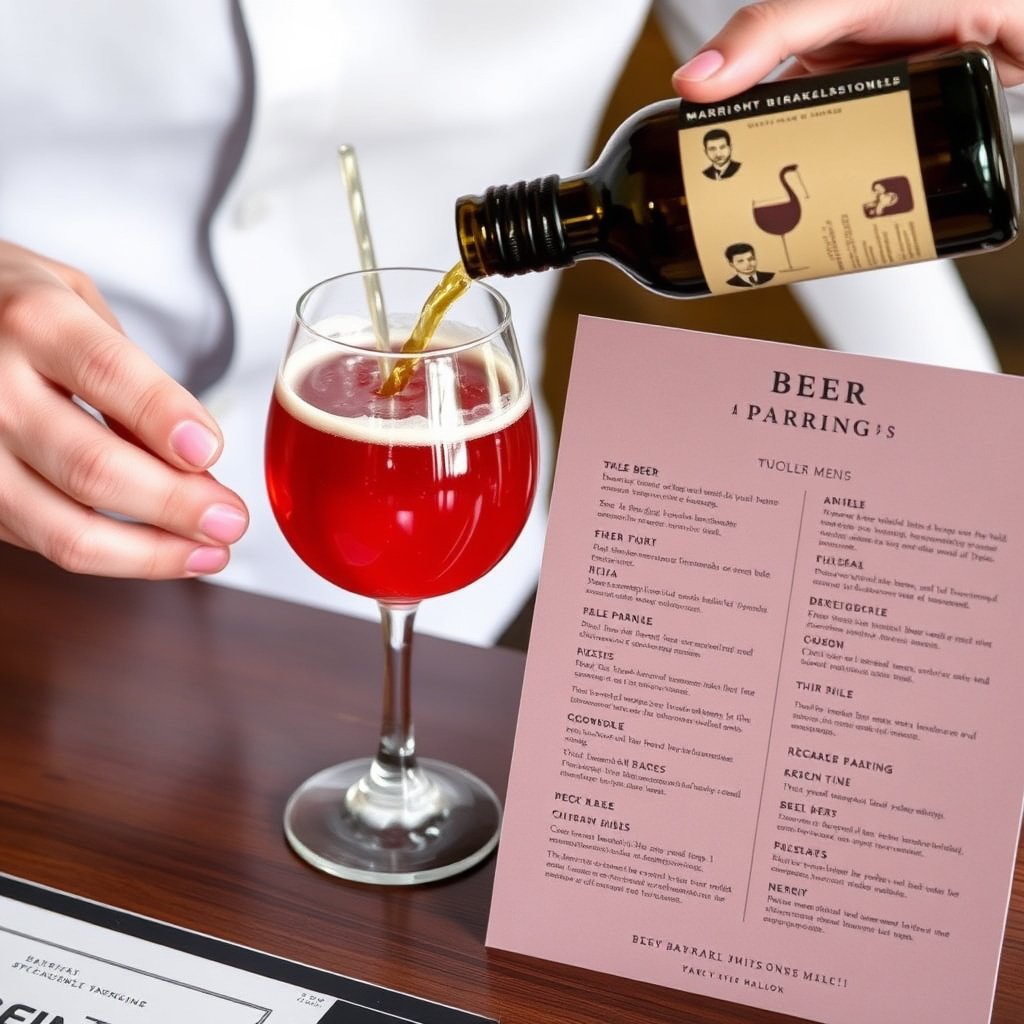
Craft beer pairs well with a range of foods: hoppy IPAs complement spicy dishes, malty amber ales work with roasted meats, and sour ales enhance salads or seafood. Matching beer carbonation and intensity with food texture can create balanced experiences.
Experimenting with craft beer and food pairings adds another dimension to enjoying these beverages.
- IPA with spicy food
- Stout with chocolate desserts
- Sour ales with seafood
Trends and Innovations in Craft Beer
Emerging Styles and Flavors
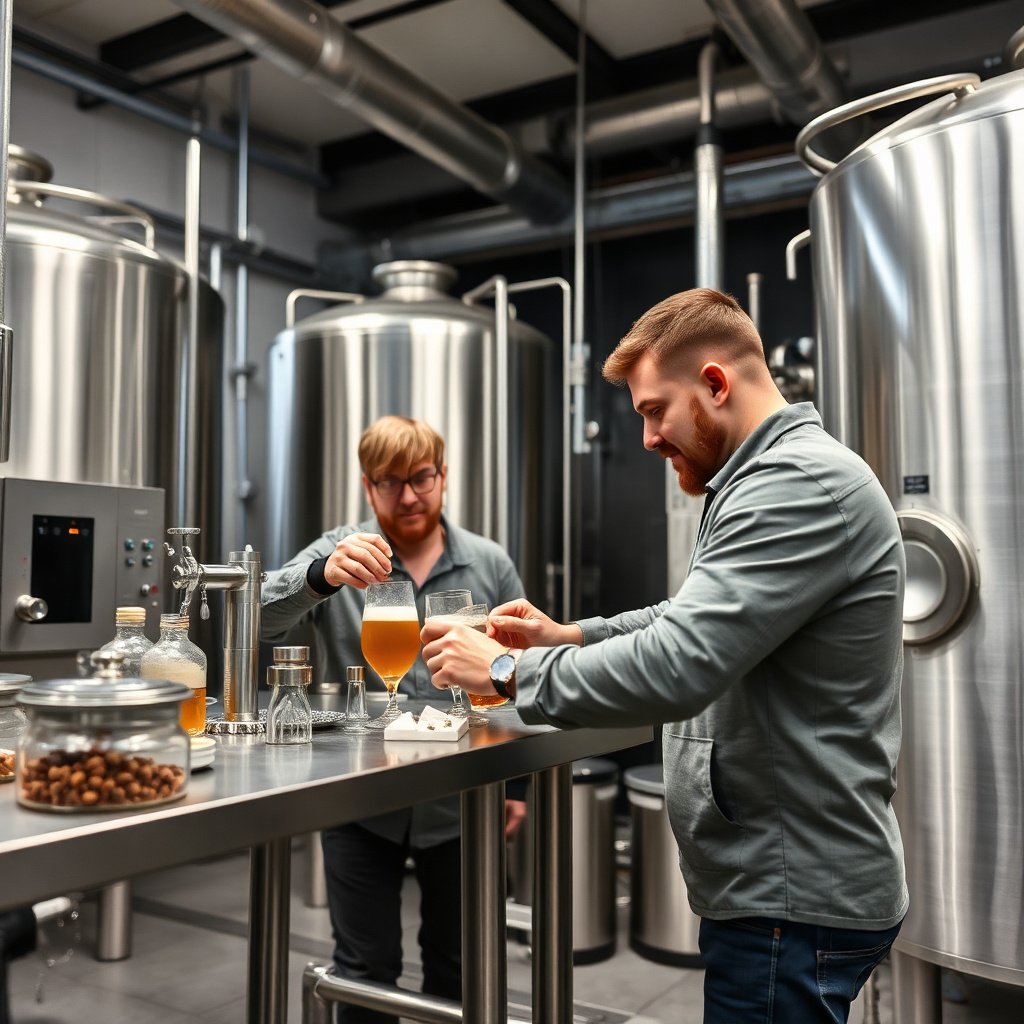
Craft brewers continuously explore new styles by using unconventional ingredients like exotic fruits, coffee, and barrel-aging techniques. Low-alcohol and non-alcoholic craft beers are also gaining traction among health-conscious consumers.
Experimental sours, hybrid styles, and international influences are expanding the craft beer palette.
For a detailed overview of craft beer history and industry standards, see the Craft beer on Wikipedia. Craft beer on Wikipedia.
Sustainability and Innovation in Brewing
Many craft breweries focus on sustainability through water conservation, solar energy use, and recycling spent grains. Innovations include energy-efficient systems and zero-waste processes.
These efforts reflect craft brewers’ commitment to environmental impact alongside flavor quality.
- Water recycling
- Renewable energy use
- Waste reduction programs
Craft Beer Category Comparison
This table compares different categories of craft beer based on flavor, alcohol content, and typical serving occasions to help you decide what suits your palate.
| Category | Typical ABV | Flavor Profile | Common Ingredients | Recommended Pairings |
|---|---|---|---|---|
| IPA | 5.5-7.5% | Hoppy, bitter, citrusy | Pale malt, multiple hop varieties | Spicy food, grilled meat |
| Stout | 4.0-8.0% | Roasted, coffee, chocolate | Roasted barley, dark malts | Chocolate desserts, oysters |
| Sour Ale | 4.0-6.5% | Tart, fruity, funky | Wild yeast, fruit additions | Salads, seafood, cheese |
| Amber Ale | 4.5-6.0% | Malty, caramel, balanced | Caramel malts, moderate hops | Roasted meats, pizza |
| Wheat Beer | 4.0-5.5% | Light, fruity, smooth | Wheat malt, noble hops | Seafood, light salads |
Frequently Asked Questions
Is craft beer always more expensive than regular beer?
Craft beer often costs more due to smaller production scales, quality ingredients, and labor-intensive processes, but pricing varies by brand, style, and market.
Can craft beer be unhealthy?
Like all alcoholic beverages, craft beer should be consumed in moderation. It differs from regular beer mainly in flavor and brewing methods, not in health impact.
What makes craft beer taste different from commercial beer?
Craft beer flavor diversity comes from unique ingredients, traditional brewing techniques, and creative recipes, as opposed to formulaic commercial lagers.
Are there gluten-free craft beers?
Yes, some craft brewers produce gluten-free beers using alternative grains like sorghum or rice, catering to people with gluten sensitivities.
How should craft beer be stored to preserve its quality?
Keep craft beer in a cool, dark place, ideally around 50°F (10°C), avoid temperature fluctuations, and consume fresh for the best taste.
Key Takeaways
- Craft beer is defined by small-scale, independent production with focus on flavor and tradition.
- Unique ingredients and innovative brewing techniques create diverse taste experiences.
- Popular craft beer styles include IPA, stout, sour, amber, and wheat beer.
- Choosing craft beer involves considering style, flavor preferences, and food pairings.
Conclusion
Understanding what craft beer is involves recognizing its foundation in small-batch production emphasizing creativity, quality ingredients, and traditional or innovative brewing processes. The distinction between craft beer and mass-market beer lies in its varied flavor profiles, artisanal approach, and commitment to local identity. When deciding on a craft beer, consider both the style that suits your palate and the story behind the brewery's methods and values. Appreciating these factors helps you make a more informed and satisfying choice.
For those beginning to explore craft beer or seeking recommendations, starting with accessible styles like American IPAs offers a potent hop experience, while stouts and amber ales provide malt-forward richness. Sours and wheat beers offer lighter, fruitier alternatives for different taste preferences. Depending on your interest in flavor complexity or experimenting with new tastes, different craft beer categories highlighted here serve diverse purposes—from casual sipping to food pairings. Embracing these options enriches both your drinking experience and knowledge.
If you want to explore craft beer further, visit local breweries to sample fresh small-batch beer brewing, ask for tasting flights, and attend festivals where you can learn directly from brewers. This hands-on approach deepens your appreciation and exposure, helping you discover new favorites that connect you to the vibrant craft beer community. Through exploration and informed choice, craft beer becomes not just a beverage, but an engaging cultural experience.