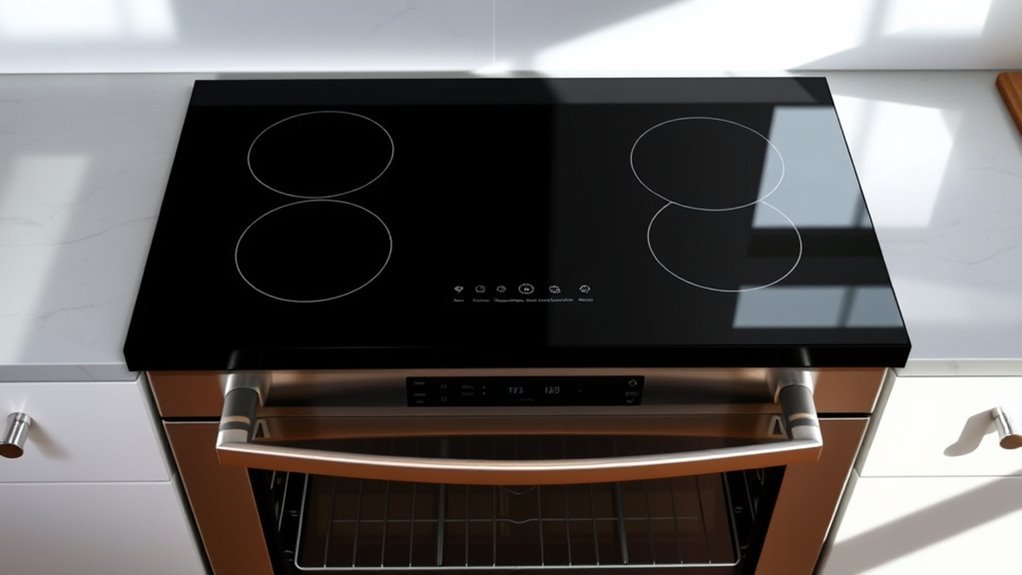
Induction Stove and Oven: A Complete Buying Guide
Are you tired of struggling with traditional stovetops that take forever to heat up or aren’t precise enough? You’re not alone—many people want a faster, safer, and more efficient way to cook.
Luckily, induction stoves and ovens can make your kitchen experience much better.
If you’re considering an induction stove and oven, know they use electromagnetic energy to heat cookware directly, offering fast, precise cooking while saving energy.
You’ll benefit from safety features like child locks and automatic shutoff. Choose cookware that’s induction-compatible, usually ferrous metal, for best results.
Look for the right oven size and features that fit your cooking style.
Keep electrical requirements in mind for smooth installation.
Investigate more to find the perfect match and care tips for your kitchen upgrade.
Key Takeaways
- Induction cooking uses electromagnetic energy to heat cookware directly, giving you precise temperature control and quick heating.
- Induction stoves are energy-efficient and come with safety features like child locks and cookware detection, making cooking faster and safer.
- When choosing an oven, think about capacity, your kitchen space, and whether a single or double oven fits your cooking needs best.
- Use ferrous metal cookware that works with induction stovetops. You can test it with a magnet or look for induction symbols on the packaging.
- Compare brands based on heating speed, temperature control, energy efficiency, durability, and customer support before making a decision.
How Induction Cooking Works Compared to Gas and Electric
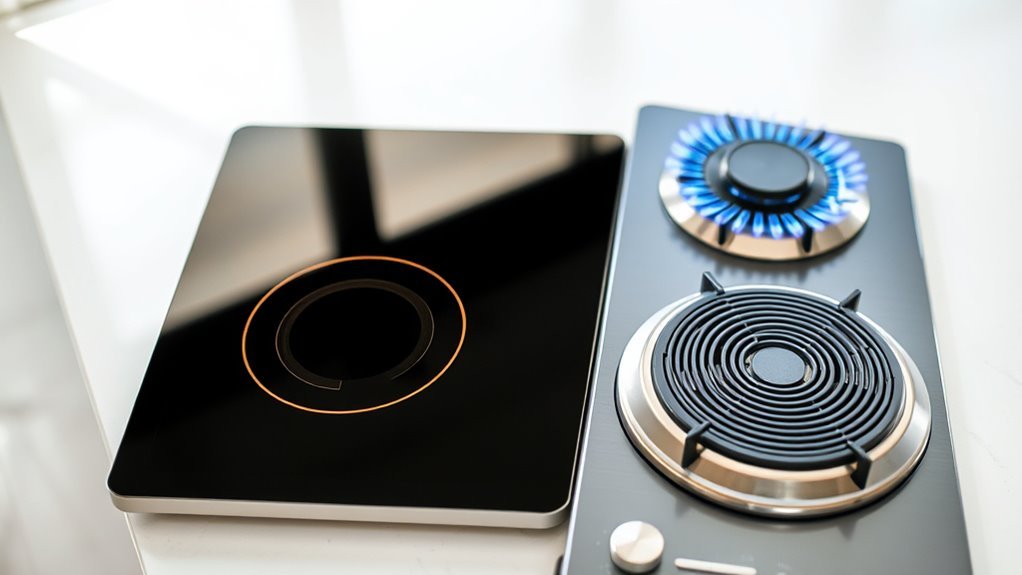
Although gas and electric stoves use direct heat to cook your food, induction cooking relies on electromagnetic energy to heat the cookware itself.
Induction technology creates magnetic fields that generate electric currents directly in the pan’s metal, causing it to heat up instantly. This method guarantees efficient energy transfer, minimizing wasted heat and boosting cooking precision.
You’ll notice the difference in heat control. Induction stoves respond immediately when you adjust the temperature, giving you unmatched control over your cooking process.
Unlike gas or electric, where the heat source warms the air before the pan, induction heats only the pot or pan. This enhances your user experience with faster cooking times and safer surfaces.
Key Benefits of Induction Stoves and Ovens
Induction stoves and ovens are pretty great because they heat cookware directly, which means they use energy more efficiently than traditional stoves. That’s a win for both your wallet and the environment!
They also come with safety features that help reduce the risk of burns and accidents, giving you extra peace of mind while cooking. Plus, you’ll love how quickly they heat up, so you can get your meals on the table faster than ever.
Energy Efficiency Advantages
Because induction stoves use electromagnetic energy to heat cookware directly, they waste far less heat compared to traditional gas or electric stoves. This direct heating method boosts energy conservation, meaning you use less power to cook your meals efficiently.
You’ll notice your kitchen stays cooler, which reduces the need for extra ventilation or air conditioning. Plus, induction cooking supports eco-friendly practices by lowering your overall energy consumption and helping reduce your carbon footprint.
When you choose an induction stove, you’re investing in a modern appliance that maximizes energy use without sacrificing performance. This efficiency not only saves you money on utility bills but also aligns with sustainable living habits, making it a smart choice for environmentally conscious cooks like you.
Safety Features Overview
When you cook with an induction stove, safety features are a big deal. They’re designed to protect you and your home, making your cooking experience worry-free.
First, safety certifications show that your appliance meets strict standards, so you can trust it. Child locks stop accidental activation, keeping little ones safe.
Overheating protection automatically turns off the stove if it gets too hot, helping avoid potential hazards. Cookware detection means the stove only heats when compatible pots or pans are on it, reducing burns and saving energy.
Surge protection guards the appliance from electrical spikes, which can extend its lifespan. Plus, flame prevention technology eliminates open flames, lowering fire risks and making your kitchen safer.
All these features make induction stoves a smart and secure choice for any household.
Cooking Speed Benefits
Although many cooking methods take time to heat up, induction stoves deliver rapid and precise heat directly to your cookware, cutting down your overall cooking time considerably. This speed advantage lets you master various cooking techniques faster and try new recipe ideas without long waits.
Here’s how cooking speed benefits you:
- Faster boiling and simmering, saving you valuable time.
- Instant heat adjustments, giving you precise control over cooking.
- Reduced preheating time, so you can start cooking immediately.
- Efficient energy use, which speeds up meals and lowers bills.
With these benefits, you can explore diverse recipes and cooking styles more easily, turning everyday meals into quick, satisfying culinary experiences.
Is an Induction Stove Right for You?
Wondering if an induction stove fits your cooking style and kitchen needs? Induction benefits include faster heating and precise temperature control, which can improve your cooking if you value efficiency and accuracy. If you like experimenting with recipes or need quick meal prep, an induction stove might be perfect for you.
Safety is another important factor. Induction stoves stay cool to touch, reducing burn risks. This makes them a great choice if you have kids or want a safer kitchen.
But don’t forget to do a cost check. Induction stoves are usually more expensive upfront compared to gas or electric models. Plus, you might need special cookware, which adds to the overall cost.
In the end, if speed, safety, and modern tech matter to you and you’re okay with the investment, an induction stove could be a great fit. Otherwise, consider your cooking habits and budget before making a decision.
Must-Have Features in an Induction Stove and Oven
Choosing an induction stove that matches your needs means paying attention to specific features that boost performance and convenience. To help you find the must-have features, consider your user preferences carefully. Here are four essential aspects to look for:
1. Power Levels and Heat Control
Precise temperature adjustments allow you to cook a variety of dishes perfectly. Being able to fine-tune heat makes all the difference.
2. Safety Features
Look for auto shut-off, child lock, and overheat protection. These features help keep your kitchen safe and worry-free.
3. Easy-to-Clean Surface
A smooth, glass-ceramic top makes cleanup simple and keeps your stove looking sleek. It’s a big plus for everyday convenience.
4. Smart Technology
Touch controls, timers, and connectivity options improve usability and make cooking more efficient.
Choosing the Right Size and Configuration
When you’re picking out a stove and oven, the first thing to do is take a good look at your kitchen space. You want to make sure everything fits comfortably without feeling cramped. It’s all about finding that perfect spot where your new appliance can sit nicely.
Next up, think about how you cook day to day. Do you often make big meals or just quick snacks? This will help you decide on the right size. And don’t forget about oven capacity—if you’re cooking for a family or regularly hosting gatherings, a larger oven might be just what you need.
Assess Kitchen Space
Before buying an induction stove and oven, take careful measurements of your kitchen space to ensure everything fits perfectly. Knowing your kitchen layout is key for making the best use of the space and keeping your workflow smooth.
Start by measuring the width, depth, and height where you plan to install the stove and oven. This will give you a clear idea of what size units will fit comfortably.
Next, check for nearby cabinets, vents, or other appliances that might impact placement. These can affect how and where you install your new appliances.
Don’t forget to consider the countertop clearance needed for safe and comfortable cooking. Ample space around the stove is important for safety and convenience.
Finally, visualize how the stove and oven will look within your kitchen layout. Make sure they won’t overcrowd the space and that the setup feels natural for everyday use.
Determine Cooking Needs
Once you’ve measured your kitchen space, the next step is to match your cooking habits with the right stove and oven size. Think about the meal types you prepare most often.
If you cook large family dinners or entertain frequently, a stove with multiple burners and a versatile configuration will suit you best. On the other hand, if you mostly make simple meals or have limited counter space, a compact model might be enough.
Consider whether you need specialized burners for simmering or high-heat searing based on your cooking style. Also, reflect on how often you cook simultaneously on different burners.
Aligning your stove and oven choice with your cooking habits guarantees efficiency and convenience in your kitchen. This makes meal preparation smoother and more enjoyable.
Consider Oven Capacity
Because oven capacity directly affects what and how much you can cook at once, choosing the right size and configuration is key. Make sure to consider both the oven dimensions and cooking capacity to fit your kitchen space and meal prep needs.
Start by measuring your available space carefully to ensure the oven fits without crowding. Think about how much food you usually cook—larger capacity means you can handle more dishes at once.
Decide between a single or double oven setup based on how often you cook and the complexity of your meals. Lastly, look at the rack layout and accessibility to make handling multiple trays easier.
Compatible Cookware for Induction Stoves
How do you know which cookware works with an induction stove? The key is magnetic compatibility. Induction stoves need cookware made of ferrous metals like cast iron or some stainless steels.
Look for cookware materials that attract a magnet. If it sticks, it’s compatible. Many brands now label their products with induction symbols, making it easier to spot suitable pots and pans.
When choosing your cookware, think about heat distribution. Even if a pot is induction-compatible, uneven heating can mess with your cooking. Opt for cookware with a layered base or magnetic stainless steel for consistent heat.
Also, pay attention to pot sizes. Induction cooktops work best with pots that match the burner’s diameter to maximize efficiency. Avoid cookware that’s too small or too large.
Following these tips will help your cookware perform well on your induction stove, giving you better control and cooking results.
How Induction Stoves Save Energy and Money
Choosing the right cookware helps your induction stove perform efficiently, which directly impacts energy use and costs. Induction stoves save you money by using energy more effectively, unlike traditional gas or electric ranges that waste heat.
Here’s how they boost energy savings and cost efficiency:
- Fast Heating: Induction stoves heat cookware instantly, cutting cooking time and energy use.
- Precise Temperature Control: You avoid overheating, reducing wasted energy and preventing food from burning.
- Less Heat Loss: Induction directly heats the pot or pan, minimizing heat loss to the surrounding air.
- Automatic Shutoff: Many models turn off when cookware is removed, preventing unnecessary energy consumption.
Comparing Top Induction Stove and Oven Brands
When you’re trying to pick the best induction stove and oven, it’s really helpful to see how different brands perform in actual kitchens. Watching how they work in real-life situations can give you a better idea of which one will suit your cooking style.
Pay attention to the key features like power settings, safety options, and how easy they are to use. These little details can make a big difference in your everyday cooking experience. Taking the time to compare these aspects will help you find a model that fits your needs perfectly.
Brand Performance Overview
When comparing top induction stove and oven brands, performance factors like heating speed, temperature control, and energy efficiency really stand out. You want a brand that not only promises quality but actually delivers on reliability and customer satisfaction.
Here’s what to keep in mind:
- Heating Speed – Look for brands that heat up quickly without sacrificing consistency. Fast and reliable heating makes cooking much easier.
- Temperature Control – Precise controls mean better cooking results and less guesswork. Good control helps you achieve perfect dishes every time.
- Energy Efficiency – Efficient models save you money on energy bills and are better for the environment. It’s a smart choice for long-term use.
- Durability and Support – Choose brands that back their products with strong warranties and responsive customer service. Reliable support is key if issues come up.
Feature Comparison Highlights
Although many induction stoves and ovens share basic features, differences in design, controls, and additional functions can really impact your cooking experience. When comparing top brands, pay close attention to how each uses advancements like faster heating zones and precise temperature controls.
Some models offer smart connectivity, so you can monitor your cooking remotely. Others focus on intuitive touch controls that make operation simple and straightforward. User reviews suggest that brands emphasizing safety—like automatic shutoff and child locks—offer extra peace of mind.
Also, think about the variety and placement of cooking zones to match your cookware and cooking style. By weighing these feature differences, you can find an induction stove and oven that fit your needs and enhance your kitchen.
Installation Tips and Troubleshooting Common Problems
Since induction stoves require specific electrical setups, proper installation is key to ensuring safety and optimal performance. Be sure to carefully review the user manual for detailed setup instructions and wiring requirements.
Follow safety precautions to avoid electrical hazards and confirm your circuit can handle the stove’s power load. Here are some essential installation tips and troubleshooting advice to keep in mind:
First, check that your electrical system matches the stove’s voltage and amperage needs before you start. It’s also important to use a dedicated circuit and ensure proper grounding to prevent issues.
Verify your electrical system’s voltage and amperage, use a dedicated circuit, and ensure proper grounding before installation.
If the stove isn’t heating, double-check that your cookware is induction-compatible and centered correctly on the burner. For error codes or power problems, consult the user manual to identify common issues and recommended fixes.
How to Maintain and Clean Your Induction Stove and Oven
Proper installation and troubleshooting set the foundation for your induction stove and oven’s efficiency, but maintaining and cleaning your appliance regularly will keep it running smoothly over time.
Start with daily cleaning techniques: wipe the cooktop with a soft, damp cloth and mild detergent after each use to prevent buildup. Avoid abrasive scrubbers that can scratch the surface. For tougher stains, use a specialized induction cooktop cleaner.
As for maintenance tips, regularly check the ventilation areas to guarantee they’re free of dust and debris, which can cause overheating. Inspect the power cord and plug for damage to avoid electrical issues.
Periodically, clean the oven’s interior with a non-abrasive cleaner and remove racks to clean them separately.
Frequently Asked Questions
Can Induction Stoves Interfere With Medical Devices Like Pacemakers?
Induction stoves generally don’t interfere with medical devices like pacemakers if you follow induction safety guidelines. The electromagnetic fields they generate are usually low and well-shielded.
However, if you have a pacemaker or a similar device, it’s smart to keep a safe distance and talk to your doctor to be sure. You shouldn’t hold pots or pans on the stove longer than necessary, as closer exposure might cause minor interference with sensitive medical devices.
Are Induction Stoves Safe for Children to Use?
Yes, induction stoves are generally safe for children, but you should always supervise them while they’re cooking.
These stoves cool down quickly and don’t have open flames, which helps reduce burn risks. Still, it’s important to teach kids about hot surfaces and safe handling.
Do Induction Stoves Emit Any Harmful Radiation?
No, induction stoves don’t emit harmful radiation that can affect your health. They use electromagnetic fields to generate heat directly in the cookware, so the energy stays contained.
The electromagnetic fields produced are low frequency and well within safety limits, so you won’t experience any adverse health effects. You can cook confidently without worrying about radiation exposure.
These stoves are designed with your safety and well-being in mind, making them a safe choice for your kitchen.
How Loud Are Induction Stoves During Operation?
You’ll find that induction stoves produce operation noise around 30-40 decibels, similar to a quiet library. This low noise level won’t distract you while cooking, making the kitchen environment peaceful.
Plus, their cooking efficiency means they heat faster without loud burners. So, if you value a calm kitchen and quick meal prep, induction stoves are a great choice without the usual clatter of traditional stovetops.
Can Induction Stoves Be Used During a Power Outage?
No, you can’t use induction stoves during a power outage because they need electricity to work. Unlike gas stoves, which have a flame, induction stoves create a magnetic field that heats your cookware.
They rely completely on an electric power source to generate heat, so if the power’s out, they won’t turn on. When powered, they heat food quickly and evenly, saving you time and energy.
Conclusion
Now that you understand how induction stoves work and why they’re considered game-changers, the big question is—are you ready to make the switch? Imagine cooking faster, saving energy, and enjoying precise control all with one sleek appliance.
But here’s the thing: not every kitchen is built for induction. Before you jump in, think about your space, your needs, and your lifestyle.
Your perfect cooking upgrade might be closer than you think—if you choose wisely. Consider your kitchen’s size and your cooking habits to decide if an induction stove and oven are the right fit for you.