Top 15 Best Pizza Crust Secrets You Need to Try Now!
Many know the frustration of a soggy or burnt base ruining a homemade pizza night. The best pizza crust can make all the difference between a meal that feels homemade and one that tastes like it came from a takeout box. A crust that’s too thick might dominate the toppings, while a thin one could become tough or tear easily.
Achieving the right balance is key to enjoying pizza as it should be.
Good pizza crusts usually start with high-quality flour, often bread flour for its protein content that gives chewiness. Proper hydration levels in the dough range around 60-65%, impacting softness and crispiness.
A well-made crust also requires a good fermentation period, sometimes 24 to 72 hours, to develop flavor and texture. Thickness normally falls between 8 to 12 millimeters for a flexible base that crisps well but remains tender enough to fold or slice easily.
Need a Quick Check?
| Image | Product | Price |
|---|---|---|
Our Top Picks 1  | Golden Home Ultra Thin | Check Price |
Our Top Picks 2  | Mama Marys Original Crust | Check Price |
Our Top Picks 3  | Pillsbury Classic Dough | Check Price |
Our Selected Top 15 Pizza Crust Picks for Every Need
This list features a variety of pizza crust options to suit different tastes and dietary needs. Each review explains how the crust performs, highlights its strengths and weaknesses, and suggests who it may be best suited for, helping you find the right choice for your preferences.
1. Golden Home Ultra Thin Pizza Crust
Ultra thin and light, these pizza crusts are great for anyone who prefers a less doughy, crisp base. Ideal for those who want a quick and protein-rich option, they stand out for having 16g of protein per crust, making them a solid choice for a healthier pizza night.
Using these crusts straight from the package is simple, and they last long unopened, up to six months on the shelf. After opening, you can keep leftovers fresh for a few days in the fridge or stash them in the freezer for up to a month, which helps reduce waste.
The flatbread form cooks quickly and holds toppings well without getting soggy too fast.
Performance-wise, the ultra thin design cooks to a nice crisp and holds up under toppings, so it works well for lighter pizzas. The 16g protein content gives it a firmer bite than typical crusts.
Most people appreciated how thin yet sturdy it is, while a few felt it could be a bit more pliable when handling. The packaging in a simple resealable packet helps keep them fresh between uses.
The 16g protein per crust stands out as a strong point, providing a more substantial base than many thin crust alternatives. Common feedback mentions the crust as a bit stiff to handle before cooking, which some find less flexible compared to traditional dough.
Those looking for a low-carb, protein-focused crust with decent shelf stability will appreciate this choice. People wanting a softer, more pliable dough for folding or thick toppings might prefer a different option.
Pros
- High protein content for a pizza crust
- Long shelf life unopened
- Thin, crisp texture after baking
- Resealable packaging for easy storage
Cons
- Can feel a bit stiff when handling
- Only a 3-pack per package
| Specification | Details |
|---|---|
| Protein | 16g |
| Container Type | Packet |
| Unit Count | 3 Count |
| Item Form | Flatbread |
| Shelf Stability (Unopened) | Up to 6 months |
| Storage (After Opening) | 3-5 days fridge, up to 30 days freezer |
2. Mama Marys Original Ready to Bake Pizza Crust
Mama Marys Original Ready to Bake Pizza Crust offers a simple and reliable way to enjoy pizza at home without fuss. Great for anyone wanting a quick, no-prep base to build your own pizza, it stands out for its convenience and consistent texture.
Easy to store and use straight from the pack, the pizza crust comes ready to bake, eliminating any need for rolling or shaping dough. You just add your favorite sauce, cheese, and toppings, and pop it in the oven. Its flatbread form makes it straightforward to handle, and the pack of three means you have enough for multiple meals or sharing.
The crust bakes evenly and maintains a good balance between crispness and chewiness, delivering a classic pizza feel. It’s made by B&G Foods, ensuring a consistent quality in each 12-ounce pack.
One common note from users mentions the flavor stays basic, no added seasoning, while the biggest compliment goes to how easy it is to get a nicely textured crust every time without much effort.
Many find the crust reliably bakes well, producing a satisfying texture with consistent results. Some mention the flavor is quite plain, meaning it relies on your toppings to bring the taste. Its simplicity supports fast use but may feel basic for those wanting more flavor in the crust itself.
Anyone looking for easy, quick homemade pizza bases will appreciate this product’s ease and reliability. Those seeking crusts with more pre-seasoning or artisan qualities might want to consider alternatives.
Pros
- Comes ready to bake, no prep needed
- Pack of three for multiple meals
- Keeps a good balance of crisp and chew
- Suitable for all ages
Cons
- Basic, plain flavor without seasoning
- Only three crusts per pack
| Specification | Details |
|---|---|
| Unit Count | 12 Ounce |
| Container Type | Pack |
| Set Name | Pizza Crusts |
| Brand Name | Mama Mary’s |
| Item Form | Flatbread |
| Kosher | Yes |
3. Pillsbury Classic Pizza Crust Dough
Refrigerated classic pizza dough made with wheat offers a simple, ready-to-bake base for homemade-style pizza and beyond. Ideal for those wanting quick meal prep without the need to mix ingredients, it stands out by providing a convenient crust that adapts to many toppings and recipes.
Setup involves preheating your oven to 400 degrees F, then prebaking the dough for about 8 minutes before layering on toppings. After that, you finish baking for 6 to 10 minutes. The dough comes in a 13.8-ounce aluminum can, stored in the fridge, so it’s accessible and easy to handle on busy days without extra fuss.
The dough bakes into a classic crust that holds its shape well, suited for everything from traditional pizza to calzones and breadsticks. It is praised for tasting homemade despite being ready-made, while some mention it could benefit from a bit more rise or thickness. Clean-up is minimal since no mixing or mess is involved, making it a practical option for all ages.
The dough is consistently praised for delivering a homemade taste with no mess or mixing, simplifying pizza nights considerably. Some find that the crust could be thicker or more substantial after baking, which may affect preferences around texture and chewiness.
Those who want quick, straightforward pizza preparation with a familiar crust will appreciate this dough. People looking for a thicker or more artisanal crust might want to explore other options suited to more substantial baking preferences.
Pros
- Ready-to-bake with no mixing required
- Versatile for pizzas, calzones, and breadsticks
- Easy to handle and store in refrigerator
- Classic, familiar crust flavor
Cons
- Dough thickness might be thinner than desired
- Requires prebaking step before topping
| Specification | Details |
|---|---|
| Item Form | Dough |
| Unit Count | 13.8 Ounce |
| Cuisine | Italian |
| Container Type | Box with aluminum can |
| Specialty | Frozen |
4. Golden Home Ultra Thin Protein Pizza Crust

Ultra Thin Protein Pizza Crust stands out for its super thin profile and light weight, making it ideal for those who prefer a crisp, firm pizza base with added protein. It suits people looking for a healthier, leaner option without sacrificing texture and ease of use.
Handling this crust is pretty straightforward since it’s pre-shaped in a 7 x 7 inch square, perfect for quick homemade pizzas. Its wafer-thin 0.04-inch thickness means it heats quickly and evenly, cutting down cook time. Weighing just 4.3 ounces, it feels light but holds toppings well.
Storing it requires minimal space, and preparation involves just adding your favorite ingredients before baking.
The crust delivers a crispy crunch rather than a doughy chew, making it a refreshing change for those who don’t like thick, heavy pizza bases. Its protein content helps it maintain structure without becoming soggy.
Most find it pleasantly thin and flavorful, while a few mention it can dry out if cooked too long or overloaded with moist toppings. It performs solidly for light crust lovers.
This crust gets praised for its crispness and protein content that keeps it sturdy without heaviness. The most frequent complaint is it dries out easily when left in the oven too long or when topped with too much sauce.
People who prefer a thin, crunchy base with a healthier protein boost will enjoy it. Those wanting thicker, chewier crust or pizzas loaded with toppings might want to look elsewhere.
Pros
- Extremely thin for crisp and light crust
- High in protein for better nutrition
- Quick to bake due to thinness
- Takes up minimal storage space
Cons
- Can dry out if overbaked
- Not ideal for heavy toppings
| Specification | Details |
|---|---|
| Product Dimensions | 7 x 7 x 0.04 inches |
| Item Weight | 4.3 ounces |
| Item Model Number | 23402087356 |
5. Sourdough Pizza Starter Kit
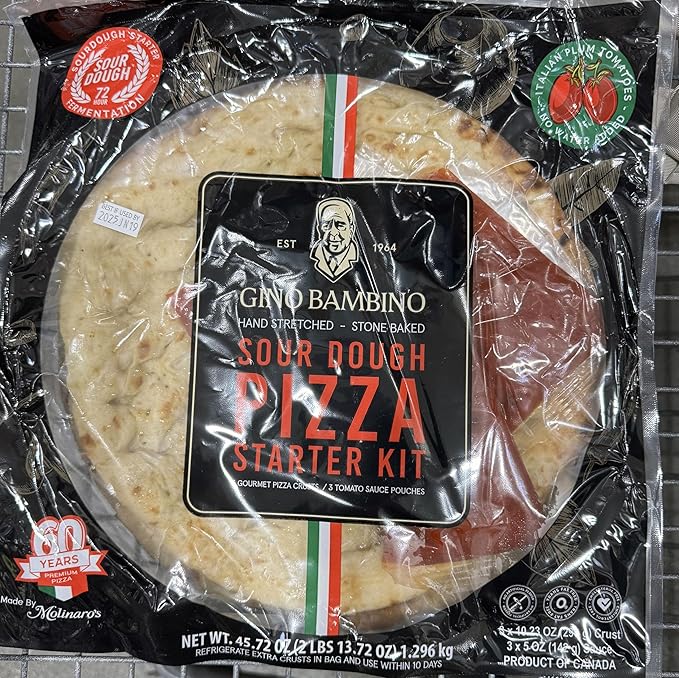
Hand-stretched and stone-baked with a 72-hour fermentation process, these sourdough pizza crusts offer authentic flavor and texture that stands out from standard store-bought options. Ideal for anyone who wants an easy way to make family-sized pizzas with real sourdough character without the fuss of making dough from scratch.
Each kit includes three 10.23-ounce pizza crusts and matching tomato sauce pouches for quick assembly. Everything arrives refrigerated and is best used within 10 days for optimum freshness.
The crusts are ready to top and bake, cutting down prep time while still delivering homemade quality that feels special during weeknight dinners or casual gatherings.
The crusts cook evenly with a nice stone-baked finish that holds toppings well without becoming soggy. The long fermentation adds a subtle tang and chewy texture that’s very close to authentic sourdough pizzas.
Most users praise the flavor and convenience but sometimes note that the timeframe for use after purchase is tight. The build is thoughtful with portion sizes suitable for family meals.
Reviews highlight the rich sourdough flavor and texture from the extended fermentation as the strongest point. At the same time, the need to use crusts within 10 days of refrigeration is a commonly mentioned drawback, which can be restrictive for less frequent pizza makers.
Those looking for quick, authentic-tasting sourdough pizza with minimal preparation will appreciate the convenience and quality offered. People who don’t bake pizzas often or need longer storage may prefer different options with longer shelf life or frozen alternatives.
Pros
- Authentic sourdough flavor from 72-hour fermentation
- Hand-stretched, stone-baked crust texture
- Includes tomato sauce pouches for easy preparation
- Portion sizes suitable for family pizzas
Cons
- Must use crusts within 10 days of purchase
- Limited to refrigerated storage, not shelf-stable
| Specification | Details |
|---|---|
| Unit Count | 45 Ounce |
| Item Weight | 3.8 pounds |
| Number of Items | 1 |
| Number of Packs | 3 |
| Size | 45.72 Ounces |
6. King Arthur 00 Pizza Flour
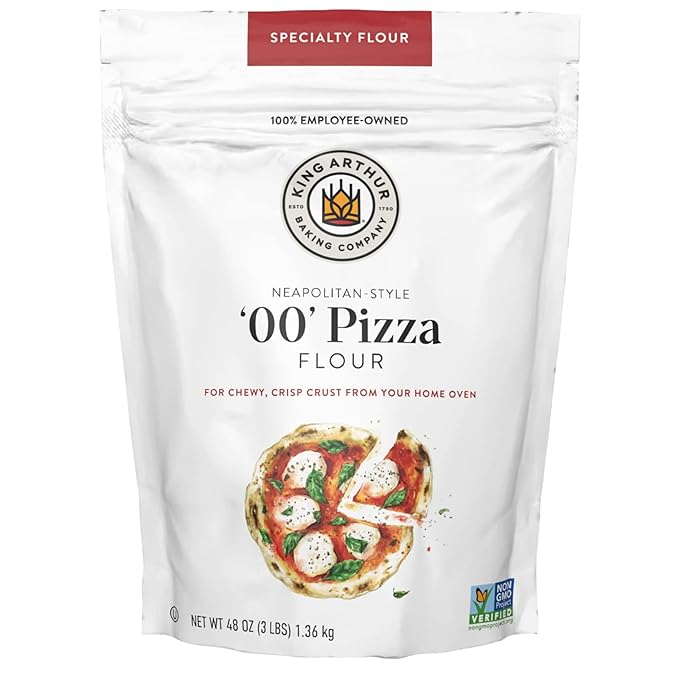
Baking a truly authentic Neapolitan-style pizza crust at home usually means struggling to get the right texture and crispness. King Arthur 00 Pizza Flour suits home bakers who want that classic Italian pizzeria feel with leopard spots on the crust. Its single biggest strength is the incredibly fine milling that delivers that perfect texture every time.
Using the flour is straightforward since it behaves well during mixing and kneading, thanks to its balance of hard and soft American-grown wheat. It blends smoothly without clumping, making dough preparation less frustrating.
It’s also versatile, so you can turn it into pasta or even Italian-inspired bread without switching flours. You just measure, mix, and watch the dough rise beautifully with no unusual handling needed.
Performance-wise, this flour handles rising and baking consistently well, giving a crust that crisps up without becoming tough. The fine milling makes it easier to stretch the dough thin while keeping it elastic, which is key for that leopard-spotted look. The most common complaint noted is the price, which can be higher than regular flour.
It is packaged in a standard 3-pound bag that stores easily but doesn’t have resealable features.
The flour consistently produces dough that stretches easily and bakes to a crisp crust with classic leopard spots, highly praised for authentic Italian-style results. The most common downside is its premium price point, which some find steeper than general-purpose flours.
Those serious about creating true Neapolitan pizzas at home will appreciate its texture and baking qualities. Bakers seeking a more budget-friendly option or requiring a larger quantity for frequent use might look elsewhere for their daily flour needs.
Pros
- Incredibly fine milling for authentic texture
- Balanced blend of hard and soft wheat
- Non-GMO and suitable for various diets
- Versatile for pizza, pasta, and bread
Cons
- Higher price compared to standard flours
- Bag is not resealable for long-term storage
| Specification | Details |
|---|---|
| Brand Name | King Arthur |
| Item Form | Raw flour |
| Specialty | GMO Free |
| Diet Type | Kosher, Vegan, Vegetarian |
| Container Type | Bag |
| Region of Origin | America |
7. King Arthur Gluten Free Pizza Flour

King Arthur Gluten Free Pizza Flour delivers a crispy, airy Neapolitan-style pizza crust designed specifically for gluten-sensitive individuals. Its unique blend of sorghum flour, gluten free wheat starch, and xanthan gum provides an authentic texture and flavor that stands out in the gluten free pizza world.
Using the flour is straightforward, just substitute it for regular flour when making pizza dough. The blend is formulated to give the right rise and airiness.
It works well in home ovens, and the packaging in a plastic pouch keeps it fresh and easy to measure. This calm, no-fuss setup fits well into a regular cooking routine for anyone avoiding gluten.
King Arthur’s blend handles the main job of creating a crisp, airy crust impressively, bringing out the texture traditional pizza lovers want but with a gluten free mix. The flour is consistent in quality and easy to work with.
One common downside is the use of gluten free wheat starch, which may concern people with wheat allergies despite being gluten free. Otherwise, it reliably produces a good pizza crust.
Users praise the flour for delivering a cracker-like, airy crust resembling traditional pizza, which many other gluten free options lack. The most noted complaint involves the presence of wheat starch, making it unsuitable for those with severe wheat allergies despite being gluten free.
This flour suits anyone following a gluten free diet who wants authentic pizza texture without compromise. Those allergic to wheat or seeking a strictly wheat-free product should look elsewhere to avoid potential reactions.
Pros
- Crispy, airy Neapolitan-style crust texture
- Special blend ideal for gluten free pizza
- Easy to measure and store
- Suitable for all ages
Cons
- Contains gluten free wheat starch, not for wheat allergies
- May not satisfy those avoiding wheat completely
| Specification | Details |
|---|---|
| Brand Name | King Arthur |
| Diet Type | Gluten Free |
| Allergen Information | Wheat |
| Item Form | Plastic Pouch |
| Model Number | 0071012075379 |
8. Betty Crocker Pizza Crust Mix
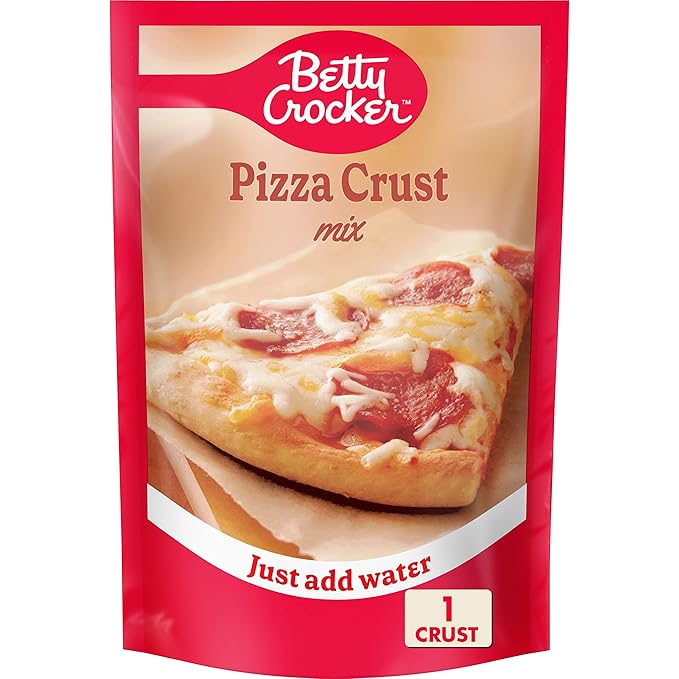
Anyone looking for a quick and tasty pizza crust will like this mix. It suits those who want to make a homemade pizza fast without fuss. Its biggest strength is how simple it is, just add hot water, rest, and bake, making pizza night much easier.
Getting started takes only a few minutes. Add hot water to the dry mix, stir, and let the dough rest for five minutes.
Then roll it out into a 12-inch crust, add your choice of toppings, and bake. The process doesn’t require special tools or extra ingredients, making it perfect for busy weeknights or last-minute meals.
The crust comes out with a solid texture and holds toppings well without becoming soggy. The build is basic as a dry mix in a 6.5-ounce bag, but the resulting pizza feels fresh and homemade. Most people find it tasty and easy to work with.
The common complaint is that it contains allergens like eggs, milk, and soy, which some may need to avoid.
The mix earns praise for its quick and easy preparation, allowing homemade pizza without complicated steps. The rest time and simple add-hot-water process fit well into busy schedules. Some users find the allergen content limiting, especially if avoiding eggs or milk is important.
People who want to enjoy pizza with minimal effort and have no allergy concerns will appreciate this mix. Those needing allergen-free options or larger crusts might want to pick a different product better suited to those needs.
Pros
- Ready in under 30 minutes
- Only requires hot water to prepare
- Versatile for all types of toppings
- Kosher dairy certified
Cons
- Contains common allergens like eggs and milk
- Only makes one 12-inch crust per bag
| Specification | Details |
|---|---|
| Brand Name | Betty Crocker |
| Flavor | Original |
| Item Form | Dry mix |
| Makes | One 12-inch pizza crust |
| Allergen Information | Eggs, Milk, Soy, Wheat |
9. 365 Organic Rustic White Pizza Crust
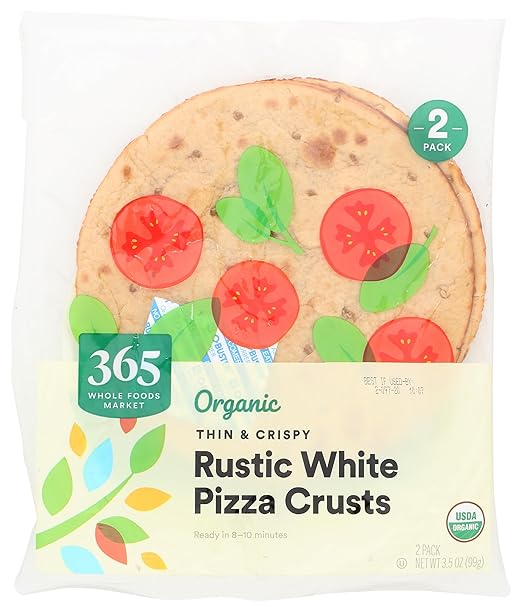
A great choice for those who want organic and vegan-friendly pizza crusts in a perfect personal size. These 7-inch rustic white pizza crusts stand out for their thin, crispy texture with toasted edges that hold toppings well without getting soggy.
Using the crusts is straightforward since they come ready to bake in a convenient two-pack. They make an easy base for experimenting with various toppings, fitting nicely on any oven tray. The organic wheat flour and low sodium content keep the ingredients clean and health-conscious, making them suitable for daily meals or quick pizzas after work.
They bake evenly with a satisfying crunch, delivering a classic pizza experience with a rustic feel. The organic ingredients add authentic flavor while keeping it vegan and kosher. Some mention the 7-inch size is on the smaller side, which suits personal pizzas but may not satisfy a group hungry for slices.
The build balances crispiness and sturdiness well.
Many find the thin and crispy crust perfect for a personal pizza with authentic, organic flavor. A common drawback mentioned is the 7-inch size, which can feel small if expecting larger slices or sharing with others.
Those who look for a wholesome, vegan-friendly crust that bakes crisp and holds creative toppings will appreciate this product. It may not suit those needing larger pizzas or avoiding wheat and soy allergens.
Pros
- Thin and crispy with toasted edges
- Perfect 7-inch size for personal pizzas
- Made from premium organic ingredients
- Suitable for vegan and kosher diets
Cons
- Smaller size may not serve multiple people
- Contains wheat and soy allergens
| Specification | Details |
|---|---|
| Brand Name | 365 by Whole Foods Market |
| Diet Type | Vegan, Vegetarian |
| Item Form | Flatbread |
| Set Name | Two-Pack Rustic White Pizza Crusts (7-inch each) |
| Specialty | GMO-Free; Kosher; Low-Sodium; Organic; USDA Organic; Vegan |
10. Mama Marys Original Ready to Bake Pizza Crust

Mama Marys Original Ready to Bake Pizza Crust offers a no-fuss base that suits anyone wanting quick homemade pizza with quality ingredients. Its biggest strength lies in being ready to bake in just 7 to 10 minutes while keeping sodium and unhealthy fats low.
Setup is straightforward since each pack contains two 12-inch crusts ready for your favorite toppings. The fact it is kosher and free from cholesterol, MSG, trans-fats, and animal fats means it fits well into thoughtful meal planning.
Day-to-day use feels convenient because the crusts come fresh, packed immediately after baking, requiring only a short oven time.
The crust bakes evenly, delivering a solid and tasty foundation without the need to prepare dough from scratch. It is made from high-quality ingredients and has a firm, flatbread form that holds toppings well.
Most praise focuses on its quick bake and flavor, while some find it less crispy than expected once out of the oven.
The crust is appreciated for baking quickly and having a pleasant flavor without unhealthy ingredients. Most common criticism revolves around it not achieving a very crisp texture after baking. It comes fresh and stays true to quality standards by avoiding additives like MSG and animal fats.
People looking for a quick pizza base with controlled sodium and no cholesterol will likely enjoy this crust. Those wanting an extra crispy or gluten-free crust might find better options elsewhere. It works well for straightforward pizza nights that prioritize convenience and cleaner ingredients.
Pros
- Ready to bake in 7 – 10 minutes
- Lower in sodium than many brands
- No cholesterol, MSG, or trans-fats
- Two 12-inch pizza crusts per pack
Cons
- May lack crispiness for some preferences
- Contains wheat, not suitable for gluten-free diets
| Specification | Details |
|---|---|
| Brand Name | Mama Mary’s |
| Diet Type | Kosher |
| Container Type | Pack |
| Flavor | Original |
| Item Form | Flatbread |
| Set Name | Pack of 2 |
11. King Arthur Keto Pizza Crust Mix

King Arthur Keto Pizza Crust Mix feels surprisingly close to traditional pizza crust while keeping carbs extremely low, making it perfect for those following a keto diet or anyone cutting carbs. The mix’s biggest strength lies in delivering a tasty crust that fits a low-carb lifestyle without sacrificing the pizza experience.
Using the mix is straightforward since one 10.25 oz package makes two 12-inch crusts, so you can easily prepare pizzas for a family dinner or guests. It’s a versatile base that lets you try different toppings. Straight from the box, mixing and baking require only standard kitchen tools, fitting well into a regular cooking routine.
The crust holds up well during baking, crisping nicely without becoming too dense or crumbly. Being keto-friendly at just 1g net carbs per serving means it fits well into low-carb diets.
The product is made by King Arthur, known for quality baking mixes, and the main complaint centers on allergen content, as it includes gluten, barley, milk, and wheat, limiting options for some.
This pizza crust mix manages to deliver a flavorful, crisp base with just 1g net carbs per serving, which fits well into a low-carb lifestyle. A frequent criticism is the presence of allergens like gluten, barley, milk, and wheat, which means it’s not safe for people with related allergies or intolerances.
People committed to keto or low-carb eating who don’t have gluten or dairy concerns will appreciate this mix. Those needing allergen-free or gluten-free options would be better served by a different product that avoids these ingredients entirely.
Pros
- Very low net carbs, suits keto diets
- Makes two large 12-inch crusts per pack
- Simple preparation for versatile pizzas
- Trusted King Arthur brand quality
Cons
- Contains common allergens like gluten and milk
- Not suitable for gluten-free diets
| Specification | Details |
|---|---|
| Brand Name | King Arthur |
| Diet Type | Keto |
| Net Carbs per Serving | 1g |
| Package Size | 10.25 oz |
| Pizza Crusts per Pack | Two 12 in |
| Allergens | Barley, Gluten, Milk, Wheat |
12. 365 Organic Whole Wheat Pizza Crust

Perfect for anyone wanting a healthier twist on pizza night, this crust brings organic whole wheat flavor alongside a firm, crispy texture. It stands out for holding up well under lots of toppings without getting soggy or floppy.
Using the crust is straightforward, just brush it with olive oil before adding your favorite toppings to get those golden brown edges every time. It arrives as a 10-ounce packet, ready to be topped and baked. The thinness keeps cooking times quick, and being USDA Organic certified fits nicely into vegan and health-conscious diets.
It performs as expected for a thin crust, balancing sturdiness with crispness. The traditional whole wheat dough offers a genuine homemade flavor and aroma that appeals to grain lovers. The crust rarely falls flat under heavy toppings, but some find it a bit drier than they prefer after baking.
The crust’s strongest point is its sturdy texture that keeps all toppings in place while delivering that crisp bite. Common feedback points to the dryness after baking, which some might soften with extra olive oil or toppings.
People looking for organic, vegan-friendly crusts that won’t cave under heavy loads will appreciate this option. Those who prefer a softer, chewier crust may want to explore other alternatives better suited to that texture preference.
Pros
- Holds toppings without sogging or folding
- Organic and vegan-friendly ingredients
- Thin and crispy texture with authentic wheat flavor
- Quick and easy preparation with olive oil brush
Cons
- Can become a little dry when baked
- Only available in 2-pack packaging
| Specification | Details |
|---|---|
| Flavor | Wheat |
| Unit Count | 10 Ounce |
| Diet Type | Vegan |
| Specialty | GMO-Free; Kosher; Low-Sodium; Organic; USDA Organic; Vegan |
| Item Form | Flatbread |
13. CAULIPOWER Cauliflower Pizza Crust

Cauliflower forms the base of this pizza crust, designed especially for those avoiding gluten and dairy. It suits people seeking a lighter, vegetable-based alternative to traditional dough while still craving a familiar pizza crust texture.
Its biggest strength is offering a gluten-free option that doesn’t compromise on taste or crispness.
Preparing the crust is straightforward since it comes frozen in a box containing two. It’s ready to bake straight from the package without worrying about artificial additives because there are no artificial colors, flavors, or preservatives.
The dairy-free aspect means it fits well into various dietary needs. Simply add toppings and bake until crispy for an easy, quick meal setup.
The crust holds toppings well and delivers a crispy texture that stands up during baking. Made with real cauliflower, it maintains good structural integrity without falling apart.
The most common complaint is that it doesn’t brown as much as traditional wheat crusts. Most praise highlights its genuine cauliflower flavor combined with a satisfying crunch.
The crust consistently delivers a crispy texture with authentic cauliflower flavor but tends to brown less than wheat-based alternatives. Baking results are generally good, though some notice the crust can soften more with too many toppings.
Those looking for a gluten-free and dairy-free pizza option with vegetable ingredients will appreciate this crust. People wanting a fully browned or very firm pizza base might prefer traditional or different gluten-free crusts instead.
Pros
- Gluten-free and dairy-free for special diets
- No artificial colors, flavors, or preservatives
- Comes as two crusts in one box
- Uses real cauliflower in the crust
Cons
- Doesn’t brown as much as traditional crusts
- Texture can be less firm under heavy toppings
| Specification | Details |
|---|---|
| Flavor | Original |
| Unit Count | 2 Count |
| Diet Type | Gluten Free |
| Allergen Information | Dairy Free, Eggs, Gluten Free, Milk |
| Item Form | Crust |
14. Schär Gluten-Free Pizza Crust

Gluten-free pizza crusts often struggle with texture, but Schär nails the balance between crispy and tender, making it a solid choice for anyone avoiding gluten. Its ready-to-bake convenience fits well for quick homemade pizzas without sacrificing quality.
Baking involves adding your preferred toppings onto the pre-baked crust and popping it in the oven. It heats quickly, so meal prep is speedy. The neutral taste doesn’t overpower ingredients, allowing you to experiment with toppings from simple pepperoni to more adventurous options like goat cheese and arugula.
Storing the crust in the fridge or freezer keeps it handy for last-minute meals.
The crust holds up well under all kinds of toppings, staying crisp on the outside while remaining tender inside. The premium gluten-free ingredients make a noticeable difference in flavor compared to typical gluten-free bases. A few users find it slightly thinner than expected, which can be a downside for those who prefer thicker crusts.
It performs consistently and delivers a satisfying pizza base.
The main compliment about the crust is its balanced texture that stays crispy and tender after baking. Some find the thinness a drawback when hoping for a thicker, more substantial base. Everyday use involves minimal prep, making it a quick option for homemade gluten-free pizzas.
Those who favor a crispy yet tender base and want convenience will appreciate this crust. Pizza fans who prefer a thick or doughy crust might want to explore alternatives better suited to that style.
Pros
- Perfect mix of crunch and softness
- Pre-baked for fast cooking
- High-quality gluten-free ingredients
- Works with many topping styles
Cons
- Sometimes thinner than expected
- May not satisfy thick crust lovers
| Specification | Details |
|---|---|
| Texture | Crispy & Tender |
| Preparation | Pre-baked |
| Ingredients | Premium gluten-free |
| Topping compatibility | Neutral taste |
15. Nutmeg State Sourdough Pizza Dough Mix

Nutmeg State Sourdough Pizza Dough Mix is a great pick for those who want organic ingredients and a genuine sourdough flavor in their pizza crust. It’s especially suited for home cooks who value simplicity and quality in their pizza-making experience. Its biggest strength lies in delivering a traditional, tasty crust with minimal fuss.
Making pizza dough is straightforward, just add water and oil to the mix. The preparation doesn’t require extra ingredients or complicated steps, making it easy to get dinner on the table.
The mix comes in a bag containing enough flour to make three crusts, so it suits weekly pizza nights or flatbread baking without waste. The dough’s vegan nature adds another layer of convenience for plant-based diets.
The sourdough flavor comes through nicely after baking in a home oven, providing a crisp and flavorful base whether you prefer thin crust or thicker styles. The flour is finely milled from organic American grains, giving the dough a satisfying, authentic texture.
Most people love how well it captures the traditional pizza crust taste, though some think the thin crust can get a bit too crispy for their preference.
Many appreciate how the dough mix captures a true sourdough flavor while remaining easy to prepare with minimal ingredients. The crust tends to come out thin and crispy, which some find a bit too crisp depending on personal preference. The organic flour and vegan formulation add extra appeal for clean eating.
People who enjoy making homemade pizzas with organic ingredients and want a reliable sourdough base will be happy with this mix. Those looking for a thicker or doughier crust might want to explore other options better suited for deep-dish styles or bulkier crusts.
Pros
- Uses organic, American grown grains
- Only requires water and oil to make dough
- Produces a traditional sourdough pizza crust taste
- Suitable for vegan diets
Cons
- Thin crust style can become overly crispy
- Only contains enough mix for three crusts per bag
| Specification | Details |
|---|---|
| Brand Name | Nutmeg State Pizza Company |
| Flavor | Sourdough |
| Diet Type | Vegan |
| Specialty | Organic, Vegan |
| Number of Items | 1 |
| Set Name | Pizza Dough Mix – 3 Crusts |
Best Pizza Crusts Compared Side by Side
| Product | Cuisine | Diet Type | Item Form | Specialty |
|---|---|---|---|---|
| Golden Home Ultra Thin | European | All Ages | Flatbread | – |
| Mama Marys Original Crust | Italian cuisine | All Ages | Flatbread | – |
| Pillsbury Classic Dough | Italian | All Ages | Dough | Frozen, Ready-To-Bake |
| Golden Home Protein Crust | – | – | – | – |
| Sourdough Pizza Starter | – | – | – | – |
| King Arthur 00 Flour | Italian cuisine | Kosher, Vegan, Vegetarian | Raw flour | GMO Free |
| King Arthur Gluten-Free Flour | Italian | Gluten Free | Plastic Pouch | Gluten Free |
| Betty Crocker Crust Mix | – | Kosher | – | Dairy |
| 365 Organic Rustic Crust | American | Vegan, Vegetarian | Flatbread | GMO-Free, Organic |
| Mama Marys Bakeable Crust | Italian | Kosher | Flatbread | Cholesterol Free |
| King Arthur Keto Mix | Italian | Keto | Mix | Keto Friendly |
| 365 Organic Whole Wheat | – | Vegan | Flatbread | Organic, GMO-Free |
| CAULIPOWER Cauliflower Crust | – | Gluten Free | Crust | Dairy Free, Gluten Free |
| Schär Gluten-Free Crust | – | – | Crust | Gluten Free |
| Nutmeg State Sourdough Mix | Italian cuisine | Vegan | Mix | Organic |
- CuisineEuropean
- Diet TypeAll Ages
- Item FormFlatbread
- Specialty–
- CuisineItalian cuisine
- Diet TypeAll Ages
- Item FormFlatbread
- Specialty–
- CuisineItalian
- Diet TypeAll Ages
- Item FormDough
- SpecialtyFrozen, Ready-To-Bake
- Cuisine–
- Diet Type–
- Item Form–
- Specialty–
- Cuisine–
- Diet Type–
- Item Form–
- Specialty–
- CuisineItalian cuisine
- Diet TypeKosher, Vegan, Vegetarian
- Item FormRaw flour
- SpecialtyGMO Free
- CuisineItalian
- Diet TypeGluten Free
- Item FormPlastic Pouch
- SpecialtyGluten Free
- Cuisine–
- Diet TypeKosher
- Item Form–
- SpecialtyDairy
- CuisineAmerican
- Diet TypeVegan, Vegetarian
- Item FormFlatbread
- SpecialtyGMO-Free, Organic
- CuisineItalian
- Diet TypeKosher
- Item FormFlatbread
- SpecialtyCholesterol Free
- CuisineItalian
- Diet TypeKeto
- Item FormMix
- SpecialtyKeto Friendly
- Cuisine–
- Diet TypeVegan
- Item FormFlatbread
- SpecialtyOrganic, GMO-Free
- Cuisine–
- Diet TypeGluten Free
- Item FormCrust
- SpecialtyDairy Free, Gluten Free
- Cuisine–
- Diet Type–
- Item FormCrust
- SpecialtyGluten Free
- CuisineItalian cuisine
- Diet TypeVegan
- Item FormMix
- SpecialtyOrganic
How to Choose the Perfect Pizza Crust
Choosing the right pizza crust depends on texture, thickness, and how well it holds toppings without becoming soggy. Considering these factors ensures a better baking experience and reduces waste, saving money by avoiding poorly made or unsuitable crusts that don’t meet your cooking style or taste preferences.
Texture and Crispiness
It’s common to buy a crust that looks great out of the package but turns soggy shortly after baking or reheating. This happens when the balance between soft interior and crunchy exterior isn’t right.
A good crust holds up its crispiness for several minutes after coming out of the oven, especially important for styles like thin crust or deep dish where texture varies widely.
Thinner crusts usually need to be crisp without drying out, while thicker or deep dish styles should maintain a tender bite inside but still offer a satisfying crunch around the edges. Look for crusts made with a balanced hydration level and slightly firm dough. The ability to stay crisp after reheating is a useful indicator, especially if you tend to reheat leftovers or bake from frozen.
Flavor Profile and Ingredients
Crusts made with fresh, high-quality ingredients noticeably improve flavor. The use of natural yeast, quality flour, and minimal artificial additives gives a cleaner, richer taste. Products labeled with whole grain or gluten-free options add variety for dietary needs but watch for how these ingredients affect texture and flavor.
Artificial flavors sometimes mask inferior ingredients, leading to a less satisfying experience. Specialty ingredients like olive oil or herbs can subtly boost crust flavor without overpowering the pizza.
Read labels carefully to confirm whether ingredients align with dietary preferences and taste expectations.
Ease of Preparation
Some crusts require lengthy defrosting or several preparation steps like rolling or pre-baking before adding toppings. This can be frustrating if you want a quick meal. Crusts designed to bake directly from frozen or with minimal prep simplify cooking and reduce mistakes.
Compatibility with standard home ovens and methods like baking on a pizza stone or sheet pan matters. Avoid crusts that call for unusual equipment or additional ingredients you don’t have.
Keep an eye on preparation instructions and prep time; good crusts fit smoothly into everyday cooking routines without extra hassle.
Size and Portion Consistency
Crusts that don’t fit standard pizza pans or trays make baking awkward and can cook unevenly. Irregular shapes or inconsistent thickness lead to hot spots or doughy areas. Size uniformity ensures the crust cooks evenly and toppings spread predictably.
Consider portion size too. Individual servings around 8 to 10 inches diameter work well for one person, while 12 to 14 inches suit sharing. Family-sized crusts should maintain consistent thickness and shape to bake fully without burning edges or leaving centers undercooked.
Packaging and Shelf Life
Packaging plays a big role in freshness. Crusts wrapped in airtight, moisture-resistant material maintain quality and avoid freezer burn or sogginess.
This is especially important for products stored frozen or refrigerated before use.
Clear expiration or best-before dates reduce guesswork and help manage storage. Some crusts sit well on shelves, while others need freezer space.
Knowing storage requirements upfront avoids throwing out spoiled crusts and ensures every pizza starts with fresh dough.
Comparing Thin Crust vs Thick Crust: Flavor and Texture Insights
Thin crust pizza usually cooks faster and offers a crunchier texture, while thick crust tends to be chewier and more filling. The difference in thickness influences not just mouthfeel, but also how the toppings and sauce interact with the dough. A thin crust often highlights the toppings better since the dough doesn’t overwhelm flavors.
Thick crust gives a bread-like base that holds up well with heavy toppings and lots of cheese. Texture-wise, thin crust can sometimes become too brittle if overcooked, leading to easy breakage.
Thick crust generally remains soft inside, although it requires longer baking times to avoid doughiness. Texture preferences vary, so deciding on the best crust depends on whether you prioritize crispiness or a substantial bite. Both styles call for slightly different techniques during preparation to get the right balance of flavor and mouthfeel.
Common Mistakes to Avoid When Preparing Pizza Dough
One of the biggest errors in pizza dough preparation is rushing the fermentation process. Skipping or shortening the proofing can lead to dense dough lacking airiness. Overworking the dough can make it too tough and difficult to stretch, while under-kneading leaves it prone to tearing.
Using too much flour during kneading or rolling can dry out the dough, resulting in a hard crust after baking. It is important to measure ingredients accurately; too much water makes the dough sticky, too little makes it stiff.
Temperature control is key, dough that sits in a cold environment slows yeast activity, while excessively warm conditions can kill the yeast. Ignoring these factors often causes uneven texture and poor rise.
Allowing the dough to rest and rise properly gives the best chance for a light, flavorful crust.
Tips for Achieving the Perfect Crispy Pizza Crust at Home
To get a crispy pizza crust at home, start with a hot oven, ideally above 475°F (245°C). Using a preheated pizza stone or steel helps transfer heat evenly and crisps the base quickly.
Stretch the dough thinly but without holes to encourage crisping while preventing sogginess. Avoid piling on too much sauce or wet toppings, which can weigh down the crust and introduce moisture that softens it. Brushing the edge of the crust with a little olive oil before baking promotes browning and adds crunch.
After removing the pizza, let it rest on a wire rack for several minutes instead of placing it on a solid surface; this stops steam from softening the bottom. These simple steps control moisture and heat distribution, essential for a pizza crust that’s crisp without being brittle or burnt.
People Also Asked
How Do I Store Pizza Crust to Keep It Fresh Longer?
Store pizza crust in an airtight container or plastic wrap at room temperature for up to two days or freeze it for longer storage. When freezing, wrap it tightly to prevent freezer burn and thaw it in the fridge before use to keep it from drying out.
What Is the Safest Way to Reheat Leftover Pizza Crust?
Reheat leftover pizza crust in a skillet on medium heat without oil for a few minutes on each side to keep it crispy. Using a microwave often makes it chewy and soggy because it heats unevenly.
Can I Use Gluten-Free Crusts with Traditional Pizza Toppings?
Gluten-free crusts work fine with traditional pizza toppings like tomato sauce, cheese, and meats. Avoid heavy or watery toppings as gluten-free crusts can be more delicate and may get soggy faster.
How Thick Should a Pizza Crust Be for Even Cooking?
A pizza crust about a quarter to a half inch thick cooks evenly in most home ovens. Thicker crusts may need more time and can bake unevenly unless the oven is preheated well and the dough is spread consistently.
Why Does My Pizza Crust Become Soggy After Baking?
A soggy crust usually comes from excess moisture either from sauce, toppings, or underbaking. Using less sauce and pre-baking the crust for a few minutes before adding toppings can prevent sogginess.
Conclusion
Choosing the right pizza crust mainly depends on texture, bake time, and how easy it is to handle. A good crust should hold toppings well without becoming soggy, bake evenly in your oven, and fit your preferred pizza style, whether thin and crispy or thick and chewy. Consider how much effort you want to put into preparation and how the crust complements your favorite toppings.
Think about your kitchen setup and how often you plan to make pizza when picking a crust. Some require more space or longer proofing times. Also take your budget into account since store-bought crusts and dough mixes vary in price.
The comparison table and detailed picks above can help you find the best match for your needs and routine.