How Much Is a Kitchen Remodel? The Complete Answer
Are you dreaming of a kitchen makeover but feeling overwhelmed by the potential costs? You’re not alone—many people struggle with figuring out how much a kitchen remodel might really set them back.
It’s easy to get lost in the details and wonder if it’s worth the investment. You can expect a kitchen remodel to cost between $10,000 and $25,000 for basic updates, with costs rising considerably for mid-range and luxury projects depending on materials, appliances, and design complexity.
Your kitchen’s size also plays a big role, as larger spaces demand more labor and materials.
Budget wisely by balancing upgrades and considering whether to DIY or hire pros.
Keep exploring to uncover key cost factors and smart budgeting tips for your remodel.
Key Takeaways
- A basic kitchen remodel usually costs between $10,000 and $25,000. The final price depends on the size of your kitchen and the materials you choose.
- Mid-range remodels use higher-quality materials, specialized labor, and better appliances, which can increase overall costs.
- Luxury remodels involve premium materials, custom cabinetry, upscale appliances, and designer layouts. All of these things can significantly raise the price.
- The size of your kitchen also impacts costs. Smaller kitchens tend to be less expensive, while larger ones require more materials and labor.
- When planning your budget, it’s smart to set realistic goals, decide whether to do some work yourself or hire professionals, and include a 10-15% contingency fund for unexpected costs.
How Much Does a Basic Kitchen Remodel Cost?
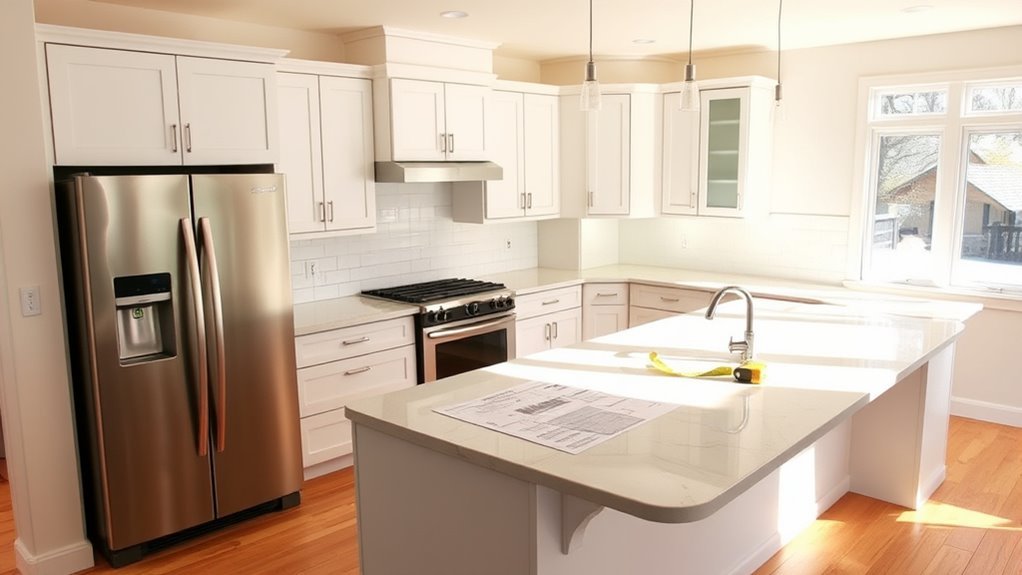
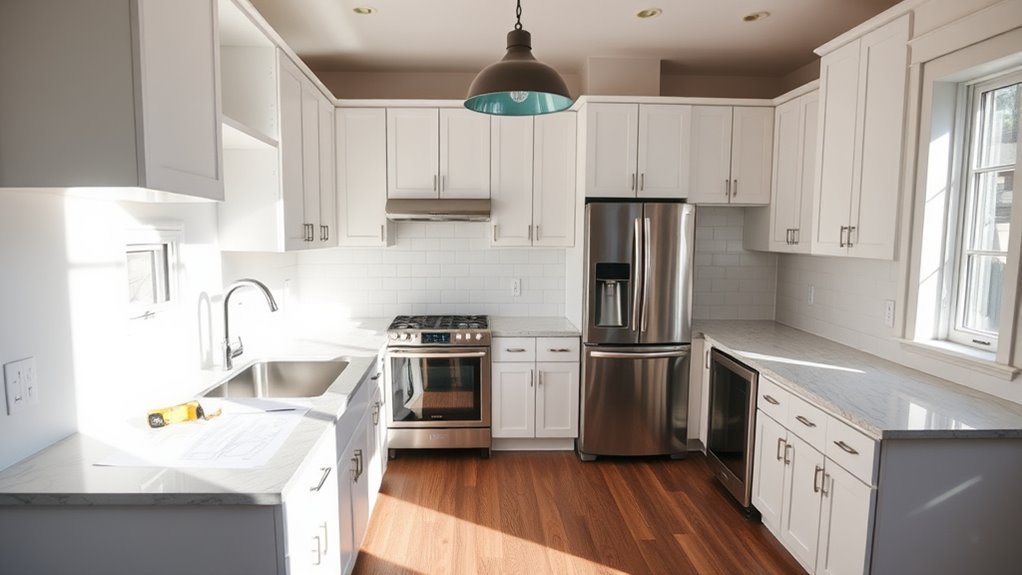
A basic kitchen remodel usually costs between $10,000 and $25,000, depending on the size of your space and the materials you pick. If you want to refresh your kitchen on a budget, focus on options that still make a noticeable difference.
Simple upgrades like replacing countertops, updating cabinet fronts, or installing new flooring can completely change your kitchen’s look without overspending. You don’t need luxury finishes to improve both functionality and style.
Small updates like modern lighting fixtures, a fresh coat of paint, or new hardware on cabinets are also great ways to keep costs manageable. Prioritizing these upgrades helps you get a modern, fresh kitchen that fits your budget.
What Factors Drive Up Mid-Range Kitchen Remodel Costs?
When you opt for higher-quality materials, it’s no surprise that your mid-range kitchen remodel costs will go up. People often choose better countertops, cabinets, and appliances to get a more polished look, but those upgrades come with a higher price tag.
And don’t forget about labor costs—if your design is more complicated or needs specialized skills, that can also drive the costs higher. It’s good to keep these factors in mind so you can plan your budget wisely and avoid any unexpected surprises along the way.
Material Quality Choices
Since you want your kitchen to look great and last long, choosing the right materials plays a big role in your remodel’s cost. You’ll need to weigh luxury finishes against budget-friendly options, especially when picking countertop choices like granite or quartz.
Cabinetry styles vary widely, from custom hardwood to eco-friendly materials, affecting your budget accordingly. Flooring types like hardwood, tile, or vinyl also impact cost and durability.
Don’t overlook backsplash designs, which can add style without breaking the bank. Appliance upgrades like energy-efficient models may increase expenses but save money long term.
Lighting fixtures and plumbing selections further influence your overall spend. Each material choice can drive up mid-range kitchen remodel costs, so balancing quality with affordability is key to staying within your budget.
Labor and Design Complexity
Material choices set the foundation, but labor and design complexity often influence how much you’ll pay beyond materials. When your kitchen remodel follows current design trends, expect more intricate layouts or custom features that need skilled labor, which drives up costs.
Complex designs with angled cabinets, built-in appliances, or unique backsplashes take longer to install. This reduces labor efficiency and increases expenses. On the other hand, straightforward designs help contractors work faster, keeping labor costs down.
If your remodel involves relocating plumbing or electrical systems, labor time and complexity increase significantly. By balancing trendy elements with practical design, you can control costs without sacrificing style.
Understanding how labor and design complexity impact your budget helps you make smarter remodeling decisions.
How Luxury Kitchen Remodels Affect Your Budget
Opting for a luxury kitchen remodel means you’ll need to prepare for a much higher budget than a standard renovation. When you go for elite updates, every detail from custom cabinetry to high-end fixtures adds up quickly.
Gourmet kitchens call for premium materials and upscale appliances, which can significantly increase costs. Designer layouts also impact your budget since they often require specialized craftsmanship and more elaborate installations.
Here’s what impacts your budget in a luxury remodel:
- Luxury finishes like marble countertops and hardwood floors
- Upscale appliances including built-in refrigerators and professional-grade ranges
- Custom cabinetry tailored to optimize space and aesthetics
How Kitchen Size Affects Kitchen Remodel Costs
Your kitchen size really impacts how much you’ll end up spending on your remodel. If you have a smaller kitchen, you’ll probably spend less overall. Medium-sized kitchens tend to hit that sweet spot where you get enough space without breaking the bank. And if your kitchen is larger, be prepared for higher costs because you’ll need more materials and extra labor to get everything just right.
Small Kitchens Cost Less
A smaller kitchen can significantly cut your remodeling costs because it uses fewer materials and requires less labor.
Focusing on efficient space use can make a big difference without overspending. Small kitchens are great for budget-friendly upgrades that boost both function and style.
Think about these benefits of remodeling a small kitchen:
- Less cabinetry and countertop material needed
- Less flooring and wall coverage
- Faster installation, which lowers labor costs
Medium Kitchens Balance Price
While medium kitchens don’t save as much as smaller ones, they strike a good balance between cost and functionality. When you remodel a medium kitchen, you’ll find more flexibility in choosing styles without breaking the bank.
This size allows for modern designs and efficient layouts that make the most of the available space. Space optimization is key to keeping costs reasonable while boosting usability.
You can add smart storage solutions, update appliances, and improve lighting without needing a huge budget. Remodeling a medium kitchen is a great chance to blend style with practicality.
It gives you a fresh, attractive space without overspending. By making smart design choices, you’ll get the most out of your investment and enjoy a kitchen that feels both spacious and efficient.
Large Kitchens Increase Expenses
Large kitchens demand more materials, labor, and design work, which quickly drives up remodeling costs. When managing expenses, you’ll find that your kitchen layout and how you optimize space really influence your budget.
Larger spaces often require higher-end appliances to keep up with current design trends and style considerations. To stay cost-efficient, focus on smart material choices and realistic renovation timelines.
Keep these tips in mind:
- Prioritize key areas that impact daily use to avoid overspending.
- Choose durable, stylish materials that fit your budget.
- Plan appliance upgrades carefully to balance performance and cost.
Which Materials Make the Biggest Difference in Kitchen Remodel Prices?
Three key materials can dramatically impact your kitchen remodel costs: countertops, cabinetry, and flooring. When choosing material types for these elements, cost comparisons reveal significant price differences.
For countertops, options range from affordable laminate to premium granite or quartz, with costs scaling accordingly. Cabinetry prices vary widely depending on whether you pick stock, semi-custom, or custom cabinets. Custom designs can easily double your expenses.
Flooring material types also influence your budget. Vinyl or laminate floors cost less than hardwood or natural stone.
What Labor and Contractor Fees Mean for Your Kitchen Remodel Total
When you’re planning a kitchen remodel, it’s really helpful to get a handle on how labor costs are broken down and how contractor fees are structured. These parts of the project can make a pretty big difference in your overall budget, so it’s smart to know what to expect from the start.
Understanding these charges beforehand can help you plan better and avoid surprises down the line. Let’s take a closer look at how labor and contractor fees can impact the total cost of your kitchen renovation.
Understanding Labor Cost Breakdown
Anyone planning a kitchen remodel should understand how labor and contractor fees impact the overall cost. Labor costs often make up a big part of your budget and are influenced by wage trends in your area. Knowing this can help you anticipate price changes and avoid surprises.
Effective project management tips can help keep labor expenses in check by reducing delays and miscommunications. Staying on top of scheduling and communication can make a real difference.
Here are key factors affecting labor costs:
- Skilled labor rates vary depending on the specialty and location.
- The complexity of the project directly impacts the number of hours needed.
- Good scheduling minimizes downtime and extra charges.
Contractor Fee Structures
Although labor costs are a big part of your kitchen remodel, contractor fee structures can really impact your final bill.
Understanding the different pricing models is key. Some contractors charge a fixed fee, so you know the cost upfront. Others bill by the hour, which can change depending on how complex the project gets.
You might also come across cost-plus pricing, where the contractor adds a percentage on top of materials and labor costs. Knowing these options helps you plan your budget and avoid surprises.
When talking about fees, don’t be shy about negotiating. Ask for detailed estimates, compare quotes, and make sure you understand what’s included.
Being proactive about contractor fees helps keep your remodel within budget without sacrificing quality.
Impact on Remodel Budget
Understanding how contractor fee structures work helps you build a solid foundation for managing your overall kitchen remodel budget. Labor and contractor fees often make up a big part of your total costs, so careful planning is key.
To keep your remodel on track, focus on negotiating clear terms to avoid surprise fees. Prioritize essential tasks to better control labor hours.
You can also explore cost-saving strategies like bundling services or scheduling work efficiently to make the most of your budget.
Should You DIY or Hire Professionals for Your Kitchen Remodel?
How do you decide whether to tackle your kitchen remodel yourself or call in professionals? Start by weighing the DIY benefits against hiring pros. Doing it yourself can save money upfront and give you full control, but consider your skill assessment carefully. Mistakes might extend your project timeline and affect design consistency.
Hiring pros guarantees quality assurance and reduces stress thanks to their expertise and experience. They handle safety considerations and complex tasks efficiently. Cost comparison is vital; while DIY might seem cheaper, unforeseen expenses and time can add up.
Professionals often deliver better long-term value by using quality materials and craftsmanship that last. Ultimately, if you have the skills and time, DIY might work. But if you want a smoother process, consistent design, and reliable results, hiring professionals is the smarter choice for your kitchen remodel.
How to Plan Your Kitchen Remodel Budget Wisely
Before you dive into your kitchen remodel, it’s important to set a realistic budget that covers all the essential costs without any surprises. Good budgeting helps you allocate your funds wisely and prepares you for unexpected expenses that can pop up during renovations. Start by researching the average costs for materials and labor in your area, then list out your must-haves versus nice-to-haves.
To plan your budget wisely, keep these tips in mind. Build a contingency fund of at least 10-15% for unexpected expenses. Focus on key elements like cabinetry, appliances, and flooring. And don’t forget to get multiple quotes from contractors to compare prices and services.
Where to Save and Where to Splurge on Your Kitchen Remodel
Where should you cut corners, and where is it worth spending more when remodeling your kitchen? Focus your budget on elements that impact daily use and how your kitchen looks.
Splurge on quality appliances and energy efficiency to save money in the long run. Investing in durable countertops and stylish cabinetry helps define your kitchen’s look and feel.
Prioritize quality appliances and durable surfaces to enhance your kitchen’s style and long-term savings.
Save on lighting options and flooring by choosing stylish yet affordable solutions. Smart storage solutions can be both budget-friendly and highly functional, so balance your spending here.
Keep renovation timelines in mind to avoid costly delays. Balancing where to splurge and where to save ensures your kitchen is both beautiful and functional without breaking the bank.
Key Cost Factors in Kitchen Remodeling
Several key factors determine the overall cost of your kitchen remodel, and understanding them helps you plan effectively. Knowing what drives expenses allows you to make smarter choices and stay within your budget.
First, consider the scope of your remodel. Are you updating cabinets, appliances, or the entire layout? Next, material quality plays a big role; high-end finishes follow current design trends but can raise costs. Finally, labor charges vary depending on your location and project complexity.
Keep these points in mind:
- Materials and finishes: Choose wisely to balance style and cost.
- Appliances and fixtures: Modern, energy-efficient models may have higher upfront costs but save money long-term.
- Labor and permits: Skilled professionals and local regulations impact your budget.
Use these budgeting tips to prioritize your needs while embracing design trends that match your style without overspending.
Frequently Asked Questions
How Long Does a Typical Kitchen Remodel Take to Complete?
A typical kitchen remodel usually takes about 6 to 12 weeks to complete. You’ll want to focus on managing the timeline to keep everything on track and avoid delays.
Budget considerations can also affect how long the project lasts, especially if you decide to upgrade materials or add custom features. Staying organized and communicating regularly with your contractor helps ensure your remodel finishes as planned without unexpected hold-ups.
What Permits Are Needed for a Kitchen Remodel?
You’ll need permits that meet your local kitchen rules, which usually include electrical, plumbing, and building permits.
Before you get started, check your remodeling checklist to make sure you’ve got everything covered.
These permits help ensure safety and that your project follows the right codes.
Always reach out to your city’s building department to find out exactly what’s needed.
Skipping this step can lead to fines or having to redo work, so it’s best not to overlook it!
How Can I Improve Kitchen Storage During a Remodel?
Picture your kitchen transformed with pull-out shelves that glide smoothly, revealing every spice and pan. You can improve your storage by adding vertical storage to use those empty walls and corners.
Organize drawers with dividers to keep utensils and gadgets tidy, while under-sink solutions hide cleaning supplies efficiently. These smart upgrades make your kitchen feel spacious and keep everything within easy reach.
They turn clutter into harmony, making your space more functional and enjoyable to cook in.
What Are the Best Kitchen Lighting Options?
The best kitchen lighting options include a mix of ambient, task, and accent lighting to cover all your needs. Use energy-efficient LED bulbs to save power and pick fixture styles that match your kitchen’s vibe.
Installing dimmer switches lets you easily adjust brightness for cooking or relaxing. Think recessed lights for a gentle ambient glow, under-cabinet lights for tasks, and pendant or spotlight fixtures to highlight design features or artwork.
How Do I Choose the Right Kitchen Layout?
You choose the right kitchen layout by thinking about how you move around and your favorite design styles. Imagine Sarah, who loves cooking and entertaining; she picked a U-shaped layout to keep everything within reach and make her workflow smoother.
Start by mapping out how you move between cooking, cleaning, and storage areas. This helps you find a layout that fits your daily routines. Then, match that workflow with styles you like—whether modern, farmhouse, or minimalist—to create a space that’s both functional and stylish, just for you.
Conclusion
When you’re planning your kitchen remodel, remember it’s not rocket science but it can definitely feel overwhelming with all the costs involved.
By understanding what influences prices, choosing where to save and where to splurge, and deciding between DIY or hiring professionals, you’ll keep your budget on track.
A well-planned kitchen remodel transforms your space without breaking the bank.
So jump in confidently and create the kitchen of your dreams without the stress.
And if you’re wondering how much a kitchen remodel costs, knowing the details can make all the difference.