How Tall Are Kitchen Base Cabinets? The Complete Answer
Feeling overwhelmed by the many choices when designing your kitchen? You’re not alone. One common challenge is figuring out the right height for your base cabinets to make cooking and prep work comfortable.
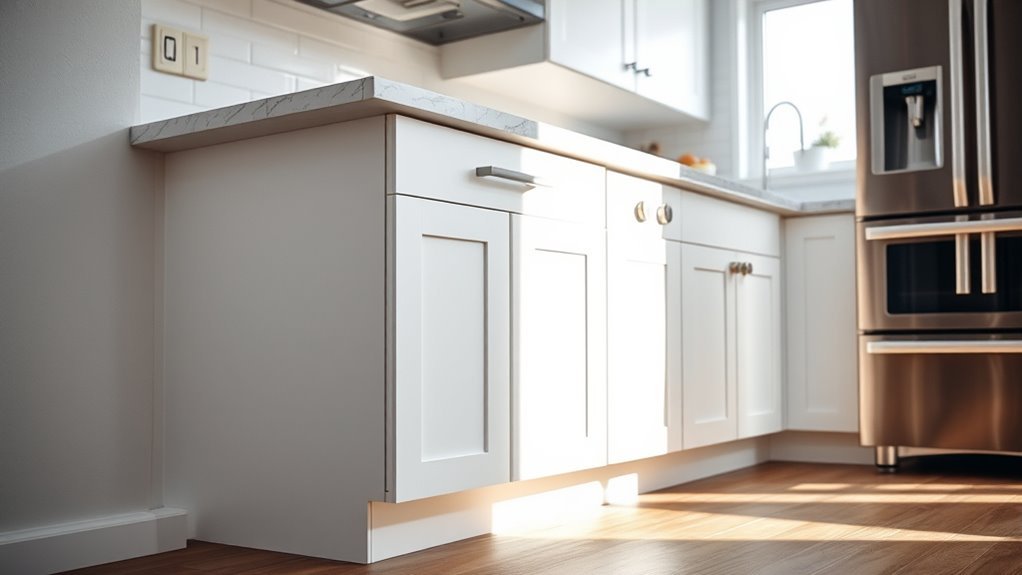
Kitchen base cabinets are typically 34.5 inches tall without the countertop, which generally adds 1.5 inches, making your total working height about 36 inches. This height helps keep your workspace comfortable and reduces strain while you cook.
Countertop thickness varies—laminate is thinner, while quartz or butcher block can be thicker, affecting overall height.
Custom options let you tweak these numbers for better comfort and style.
Keep exploring to find the perfect fit for your kitchen.
Key Takeaways
- Standard kitchen base cabinets are usually 34.5 inches tall without the countertop for comfortable use.
- When you add the countertop, the total height tends to be around 36 inches, making the workspace ergonomic.
- Countertop thickness varies depending on the material, typically between 0.5 and 2 inches, which can affect the overall height and how appliances line up.
- Custom cabinets can range from 34 to 36 inches or taller, designed to fit your comfort and the style of your kitchen.
- To get an accurate measurement, check the height, width, depth, and levelness of your cabinets to ensure they fit properly and work well.
What Is the Standard Height for Kitchen Base Cabinets?
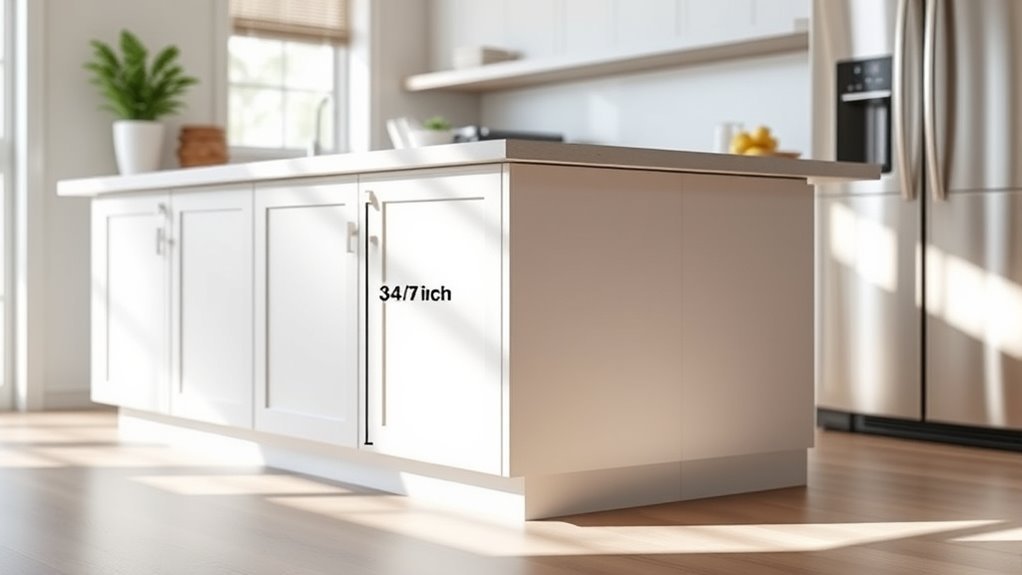
Although kitchen base cabinets come in various sizes, the standard height is typically 34.5 inches without the countertop. This height has become a benchmark because it balances kitchen ergonomics and cabinet proportions effectively.
When designing or remodeling your kitchen, you want cabinets that support comfortable work habits and reduce strain during meal prep. At 34.5 inches, base cabinets provide a practical surface height that suits most people, promoting better posture and efficiency.
You’ll find this standard height aligns well with common countertop thicknesses, usually about 1.5 inches, bringing the total working height close to 36 inches. This setup respects kitchen ergonomics by allowing you to work without hunching or reaching awkwardly.
Cabinet proportions at this height also maintain a visually appealing balance with wall cabinets and appliances. So, sticking to the standard 34.5-inch base cabinet height helps you create a functional and harmonious kitchen space.
Why Does Kitchen Base Cabinet Height Matter for Comfort?
Choosing the right height for your kitchen base cabinets directly impacts your comfort while cooking and preparing meals. When cabinets are too low or too high, you might strain your back, shoulders, or wrists, making kitchen tasks less enjoyable.
An ergonomic design guarantees your workspace matches your body’s natural posture, reducing fatigue and discomfort. Focusing on user comfort creates a kitchen where you can work efficiently and without pain.
An ergonomic kitchen design aligns with your posture, enhancing comfort and efficiency while reducing fatigue.
Proper base cabinet height helps you maintain a neutral stance, making chopping, mixing, and cleaning easier. It also supports a better workflow, allowing smooth movement between tasks.
When your cabinets align with your height, you avoid unnecessary bending or reaching, which can cause long-term aches. Choosing the right height isn’t just about looks—it’s about making your kitchen more comfortable and user-friendly for your needs.
How to Measure Your Kitchen Base Cabinets Accurately
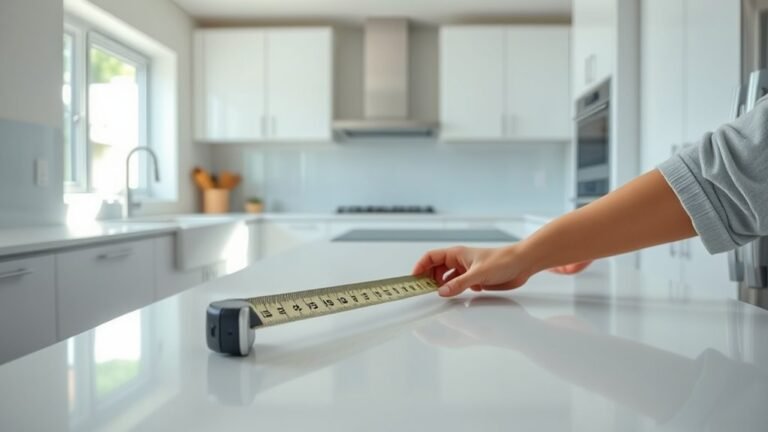
Wondering how to get precise measurements for your kitchen base cabinets? Start by gathering the right tools—a tape measure, a level, and a pencil will do.
Begin measuring the cabinet dimensions from the floor to the top edge, making sure your tape measure stays straight and isn’t slanted. Check multiple points along the height to confirm everything is consistent.
Don’t forget to measure the cabinet’s width and depth for a complete picture. Use your level to verify the cabinet’s alignment, since uneven floors can throw off your measurements.
Record each number carefully and double-check your work to avoid mistakes. Accurate cabinet dimensions are key whether you’re replacing doors, installing countertops, or planning a remodel.
How Does Countertop Thickness Affect Kitchen Base Cabinet Height?
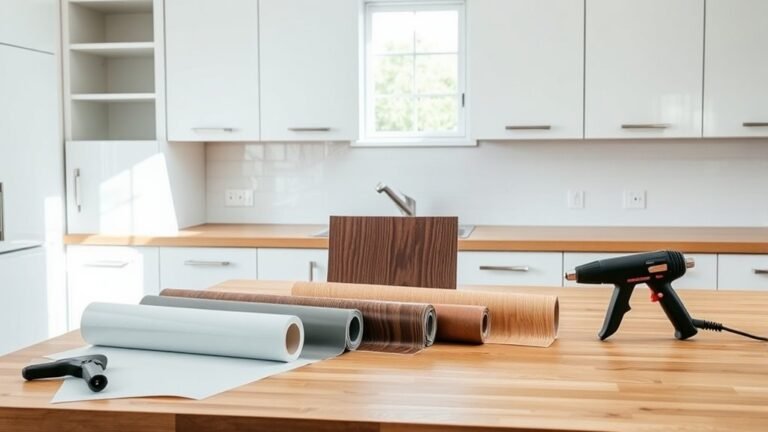
Now that you’ve measured your kitchen base cabinets accurately, it’s important to consider how the thickness of your countertop impacts the overall height. Different countertop types come in various thicknesses, which can affect how your cabinets align with appliances or backsplashes.
Thicker countertops add height, so you may need to adjust your base cabinets to ensure a seamless fit. This way, everything looks balanced and functions properly.
Here’s a quick guide on common countertop thicknesses and how they affect your cabinet height:
| Countertop Type | Typical Thickness (inches) |
|---|---|
| Laminate | 0.5 – 0.75 |
| Granite | 1.25 – 1.5 |
| Quartz | 1.5 – 2 |
| Marble | 1.25 – 1.5 |
| Butcher Block | 1.5 – 2 |
Common Variations in Base Cabinet Height by Kitchen Style
You’ll see that traditional kitchens usually have base cabinets with standard heights—that’s kind of the classic look we’re used to. But in modern styles, you might spot taller or shorter cabinets, which help create that clean, sleek vibe.
Nowadays, customization is a big deal, so you can really tweak those cabinet heights to suit how you like to work and the overall look you’re going for. Knowing these different options can help you pick the perfect height to match your kitchen style and make everything feel just right.
Traditional Vs. Modern Heights
Although both traditional and modern kitchens focus on functionality, their base cabinet heights often reflect different design ideas. Traditional heights usually stick to the standard 34.5 inches, offering a familiar and comfortable workspace that most people find practical.
This height supports classic kitchen looks, emphasizing practicality and timeless appeal. In contrast, modern designs often play around with slightly different heights to improve ergonomics and style.
You might see base cabinets raised to 36 inches or more, especially when paired with thicker countertops. This creates a sleeker, more customized look that feels fresh and contemporary.
These small height adjustments in modern kitchens aim to boost comfort and fit newer appliances better. Meanwhile, traditional heights stick to tried-and-true standards that have worked well for years.
Understanding these differences can help you pick the right cabinet height for your kitchen’s style and how you want it to function.
Customization Trends by Style
Design preferences really influence how base cabinet heights vary across different kitchen styles. In modern designs, you’ll often see taller base cabinets, around 36 inches, to match sleek countertops and ergonomic standards. This height supports streamlined appliances and creates a clean, functional workspace.
On the other hand, rustic styles tend to have slightly shorter base cabinets, around 34 to 35 inches. They emphasize a cozy, handcrafted feel that complements farmhouse sinks and vintage hardware.
When customizing your kitchen, think about how these height differences affect comfort and aesthetics. You can also adjust cabinet height to match your reach and cooking habits, making sure your kitchen is both stylish and practical, no matter your preferred style.
How to Adjust Kitchen Base Cabinet Height for Different Users
When customizing kitchen base cabinet height for different users, focus on their comfort and ergonomics to avoid strain during daily tasks. Start by asking about their preferences—taller folks might want cabinets a few inches higher than the standard 34.5 inches, while shorter users could benefit from slightly lower cabinets.
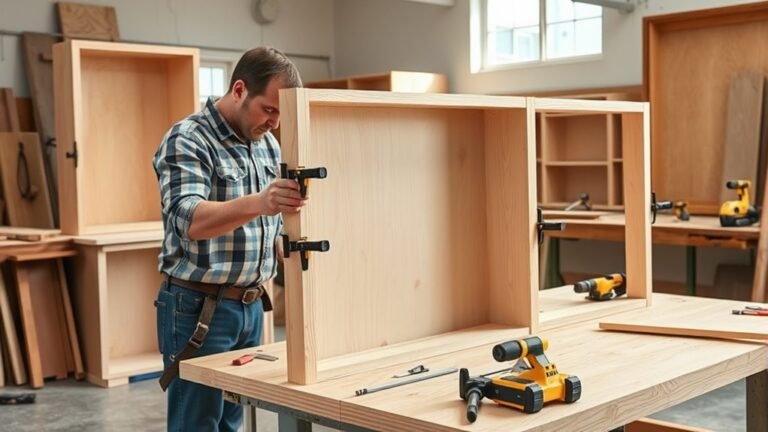
Think about ergonomic comfort too. Aim for a countertop height that lets users work comfortably without bending or stretching too much. You can change the cabinet height by adjusting the cabinet box, countertop thickness, or the base frame.
For families with multiple users, consider adjustable workstations or modular designs that fit different heights. Also, keep in mind the types of tasks like food prep or baking, which might need specific heights for comfort.
Why Does the Toe Kick Matter for Cabinet Height?
Adjusting your kitchen base cabinet height for comfort is important, but don’t forget about the toe kick. The toe kick is the recessed space at the bottom front of your cabinets, usually around 3.5 inches high and 3 inches deep. These measurements matter more than you might think.
They let you stand closer to the countertop without straining your feet or messing with your posture. If the toe kick is too shallow or too high, you’ll find yourself awkwardly leaning or shifting weight, which can cause discomfort over time.
From an ergonomic perspective, the toe kick helps reduce fatigue by giving your feet room to move naturally while you work. It creates a better stance so tasks like chopping or washing dishes feel less tiring. When you consider toe kick dimensions along with cabinet height, you set up a kitchen that supports your body’s natural movements.
How Kitchen Base Cabinet Height Affects Appliance Installation
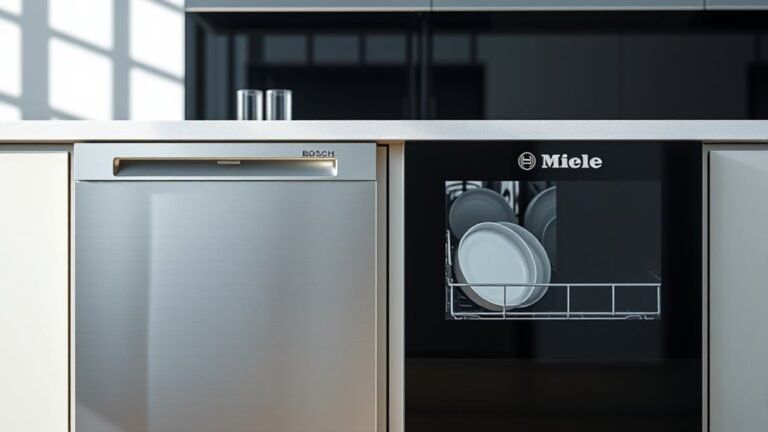
Since base cabinet height directly influences the space available for appliances, you need to assess it carefully during installation. If your cabinets are too tall or too short, you might run into appliance clearance issues, especially with built-in ovens, dishwashers, or microwaves.
Confirming the right height helps appliances fit seamlessly without gaps or forced adjustments. You also want to consider ergonomic factors. If your base cabinets are at an uncomfortable height, using appliances can become awkward and cause strain or inconvenience.
Proper height allows for easy access to controls and safe operation. Paying attention to base cabinet height ensures your kitchen functions efficiently, maximizing comfort and appliance performance.
Tips for Customizing Base Cabinet Height to Fit Your Kitchen
How can you guarantee your base cabinets fit perfectly in your kitchen space? Start by making precise height adjustments tailored to your needs. Measure your countertop height, making sure it lines up well with nearby appliances and your overall kitchen style.
Don’t forget ergonomic considerations—aim for a height that reduces strain while you’re cooking. If you’re taller or shorter than average, customize the cabinet height to suit your comfort level.
You can also adjust the cabinet legs or add a thicker countertop to fine-tune the height. Modifying the toe kick can improve accessibility without sacrificing stability.
Choosing the Right Base Cabinet Height for Your Remodel
When you’re remodeling your kitchen, it’s a good idea to start with the standard base cabinet height, which is usually around 34.5 inches. But don’t forget, you can always tweak that to better suit your needs.
Think about your countertop thickness and how comfortable you feel while working in the space. Picking the right height makes sure your kitchen isn’t just stylish but also super functional and comfortable to use every day.
Standard Base Cabinet Heights
Choosing the right base cabinet height is key to making your kitchen both comfortable and functional. Standard base cabinet heights are usually 34.5 inches, including the cabinet box and countertop.
This height works well for most people and matches common countertop thicknesses, making food prep easier and more ergonomic. Standard cabinets also typically have a depth of 24 inches, providing enough storage without crowding the space.
Sticking with these standard dimensions ensures your appliances and fixtures will fit smoothly. While it might be tempting to customize heights, starting with the standard sizes helps keep your kitchen balanced and practical.
Customizing Cabinet Heights
Although standard base cabinet heights suit most kitchens, you might want to customize them to better fit your needs or design preferences. Customizing cabinet heights allows you to create an ergonomic setup tailored to your comfort, which can reduce strain while cooking or prepping.
If you’re taller or shorter than average, adjusting the cabinet height makes your workspace more functional. Adding adjustable shelves inside these cabinets also adds flexibility, letting you store items of various sizes more efficiently.
When planning your remodel, consider the height of your countertops and appliances to ensure everything aligns seamlessly. Custom heights can boost your kitchen’s aesthetic, giving it a unique, personalized look.
Frequently Asked Questions
What Materials Are Commonly Used for Kitchen Base Cabinets?
You’ll find that common cabinet materials include plywood, MDF, solid wood, and particleboard. Each offers different durability and price points.
Construction techniques matter too. Plywood cabinets use layers for strength, while MDF provides a smooth surface for painting.
Solid wood cabinets give a classic look but can be pricier. Particleboard is budget-friendly but less durable.
Choosing the right cabinet materials and construction techniques guarantees your kitchen base cabinets last and look great.
How Do Kitchen Base Cabinets Impact Storage Capacity?
You might not realize it, but kitchen base cabinets can seriously boost your storage space. They offer deep drawers and shelves, making it easy to store pots, pans, and bulky items.
With smart organization inside your cabinets, everything stays within reach and stays tidy. This helps cut down on clutter and keeps your kitchen looking clean.
When you use your base cabinets wisely, you’re making the most of your kitchen area. It turns chaos into a smooth, enjoyable cooking space you’ll actually love.
What Is the Average Cost of Kitchen Base Cabinets?
The average cost of kitchen base cabinets usually ranges from $100 to $500 per linear foot. When you’re planning your remodel, cabinet prices can vary a lot depending on materials, finishes, and custom features.
You’ll want to keep your budget in mind, balancing quality and affordability. Spending a bit more upfront can often save you from costly replacements later.
How Long Do Kitchen Base Cabinets Typically Last?
Kitchen base cabinets usually last between 10 to 30 years, depending on factors like the quality of materials, how they’re built, and how often they’re used.
You can make them last longer by taking good care of them. Regularly clean the surfaces, avoid exposing them to too much moisture, and tighten any loose hardware.
If you stay on top of maintenance and fix any wear and tear quickly, you’ll get more years of good use out of your cabinets without the need for expensive replacements.
Are Kitchen Base Cabinets Easy to Install for DIYERS?
You’ll find kitchen base cabinets pretty straightforward to install if you’ve got the right DIY tools. It’s not rocket science. Just follow some key installation tips like measuring twice, leveling properly, and securing cabinets firmly to studs.
Taking your time can prevent headaches later on. If you’re comfortable with a drill, level, and stud finder, you’ll have no trouble handling this project yourself. Plus, you’ll save money by doing it on your own.
Conclusion
So, you want kitchen base cabinets tall enough to avoid back-breaking bends but not so tall you need a ladder for the sink—got it! Remember, standard heights keep your kitchen comfy, but feel free to customize unless you’re aiming for a countertop that doubles as a shelf for your ceiling fan.
Measure twice, consider your appliances, and don’t forget the toe kick—because no one wants a cabinet that’s more foot than base.
When it comes to kitchen base cabinet height, standard is usually around 34.5 inches tall, with a 1.5-inch toe kick for comfort. This makes the total height about 36 inches, perfect for most people.
If you’re taller or shorter, you can adjust these measurements accordingly. Just keep in mind that customizing helps you get the most comfortable and functional kitchen.
Happy remodeling!