How to Host a Beer Tasting: A Step-by-Step Guide for Enthusiasts
Hosting a beer tasting requires selecting a variety of beers, preparing the right environment, and guiding guests through tasting notes and pairings. The key to success is balancing diverse flavors and providing clear instructions so everyone can enjoy and learn.
Beer tastings let enthusiasts explore different styles and brewing techniques while socializing in a structured yet relaxed setting. Knowing how to host a beer tasting can elevate any gathering from casual to memorable by creating a thoughtful experience centered on discovery and conversation.
This article covers choosing beers appropriate for taste variety, setting up your space with proper glassware and tasting sheets, organizing the event flow, and tips for facilitating engaging discussions. Whether you’re a seasoned brewer or just curious, these steps will help you host a rewarding beer tasting.
Selecting the Right Beers for Your Beer Tasting
Choosing a Variety of Beer Styles
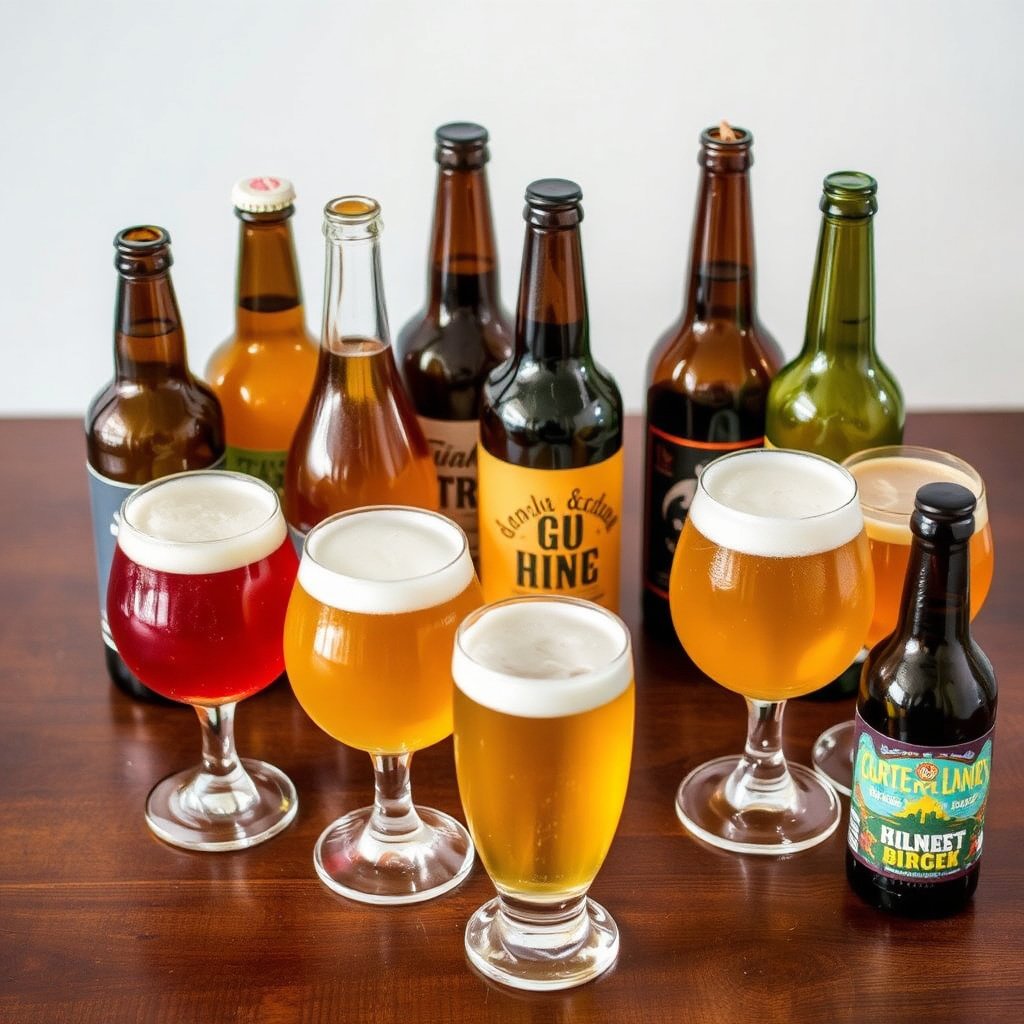
Aim to include a range of beer types to showcase contrasts in flavor, aroma, and body. Common categories include ales like IPAs, stouts, and lagers. Introducing different bitterness levels and malt profiles encourages guests to discover personal preferences.
Balancing lighter beers with heavier or highly hopped ones keeps the tasting interesting and educational. Sampling from various breweries or regions expands the experience and illustrates brewing diversity.
- Pilsners or light lagers for crisp, clean flavors
- IPAs for hoppy bitterness and citrus notes
- Stouts or porters offering roasted malt richness
- Sours or wheat beers for tartness and fruitiness
Determining the Number of Beers to Include
Plan for 5 to 7 beers in a session; more can overwhelm palates and reduce focus. Smaller quantities poured per tasting help maintain sensitivity and encourage discussion.
Consider guest experience levels and the event length when deciding how many beers to feature. A shorter tasting may focus on fewer but more distinct brews to maximize appreciation.
- 5-7 beers is a common range
- Serve 2-3 ounces per pour
- Allow breaks between samples
Preparing Your Space and Supplies

Glassware and Tasting Tools
Use clear tulip or snifter glasses to concentrate aromas and allow guests to inspect color and carbonation. Each person should have a clean glass for every beer style to avoid flavor mixing.
Provide tasting sheets or note cards for guests to record observations. Include sections for appearance, aroma, taste, mouthfeel, and overall impression.
- Tulip or snifter glasses
- Spittoons for optional tastings
- Notepads or printed tasting sheets
- Water and plain crackers for palate cleansing
For more on this, see our related guide: How Much Does It Cost to Host a Rehearsal Dinner? A Complete Budget Guide.
Setting Up the Environment
Choose a well-lit, comfortable area with enough space for pouring and seating. Neutral backgrounds improve the ability to see beer colors accurately. Avoid strong odors or distracting noises.
Label each beer clearly with brewer name, style, and alcohol content. This helps guests track samples without confusion and sparks further questions.
- Good lighting and comfortable seating
- Neutral scents and minimal noise
- Clear beer labels or tent cards
- Temperature control for optimal beer enjoyment
Organizing and Running the Beer Tasting Event

Structuring the Tasting Sequence
Start with lighter, milder beers and progress to heavier, stronger flavors to avoid palate fatigue. This order helps guests discern subtle flavor differences and prevents intense beers from overpowering milder ones.
Allow brief pauses between pours to cleanse the palate with water or crackers and encourage note-taking and sharing reactions. Guiding the flow maintains attention and enhances learning.
- Begin with lighter lagers
- Move to ales and IPAs
- Finish with stouts, porters, or sours
- Pause and reset the palate as needed
Engaging Guests During the Tasting
Spark conversation by asking guests what aromas or flavors they detect and sharing background on each beer’s style or brewery. Encourage open-ended discussion without pressuring opinions.
Motivate guests to compare beers and identify favorites. This interaction creates a social and educational atmosphere, transforming a simple tasting into a shared experience.
- Prompt descriptive tasting notes
- Explain beer styles and ingredients
- Invite comparisons and favorites
- Encourage questions and interaction
Food Pairings and Complementary Elements

Selecting Snacks to Enhance Flavors
Offer mild cheeses, salted nuts, and crusty bread to balance beer bitterness and refresh the palate. Foods with contrasting textures and flavors amplify beer tasting notes when paired thoughtfully.
Avoid overpowering or spicy foods that can mask beer characteristics. Instead, focus on simple, complementary bites that highlight malt sweetness or hop sharpness.
- Cheddar, gouda, or cream cheese
- Raw almonds and cashews
- Sourdough or baguette slices
- Lightly salted crackers
For more on this, see our related guide: What Is the Best Beer for Beginners: A Complete Guide to Easy & Enjoyable Choices.
Incorporating Non-Alcoholic Options
Provide water to cleanse the palate between samples and prevent dehydration. Sparkling water can refresh the mouth more effectively than still water.
Include juice or soda options for guests who prefer to skip certain beers or want a palate reset. This ensures comfort and keeps energy high during the tasting event.
- Still and sparkling water
- Apple or grape juice
- Optional soft drinks
- Palate-cleansing snacks
Additional Tips for Hosting a Successful Beer Tasting

Managing Timing and Guest Comfort
Keep the overall event to about 1.5 to 2 hours to maintain focus and enjoyment. More extended tastings risk palate fatigue and diminished guest engagement.
Encourage responsible drinking and provide transportation options or reminders to prioritize safety. Comfortable seating and clear instructions help maintain a relaxed atmosphere.
- 1.5 to 2 hours duration
- Clear instructions for pours
- Encourage hydration
- Have transportation plans ready
For more detailed background on beer tasting practices, you can visit the comprehensive beer tasting guidelines. beer tasting guidelines.
Documenting and Sharing the Experience
Collect tasting notes or use apps to record guest impressions for future reference and to track favorite beers. Sharing photos or summaries after the event extends the experience online or among friends.
Consider inviting local brewers or beer experts to add insights and authenticity. This can elevate the event’s educational value and deepen appreciation.
- Use tasting sheets or apps
- Share photos and notes post-event
- Invite experts or brewers
- Create a follow-up group or forum
Common Beer Tasting Categories Compared
Here’s a comparison of various beer styles suited for tastings, highlighting characteristics important to guests.
| Category | Flavor Profile | Typical ABV | Recommended Serving Temp | Common Pairings |
|---|---|---|---|---|
| Pilsner | Crisp, light, slightly bitter | 4.5-5.5% | 38-45°F (3-7°C) | Light cheeses, salads |
| IPA | Hoppy, bitter, citrus or pine notes | 5.5-7.5% | 45-50°F (7-10°C) | Spicy foods, sharp cheeses |
| Stout | Roasted, rich, coffee or chocolate notes | 5-8% | 50-55°F (10-13°C) | Chocolate desserts, smoked meats |
| Wheat Beer | Fruity, tart, smooth | 4.5-6% | 40-45°F (4-7°C) | Fruity dishes, seafood |
| Sour | Tart, funky, refreshing | 4-6% | 40-45°F (4-7°C) | Goat cheese, fruit |
| Lager | Clean, balanced, mild | 4-5.5% | 38-45°F (3-7°C) | Grilled meats, burgers |
Frequently Asked Questions
How many beers should I serve at a beer tasting?
Serving between 5 and 7 beers allows guests to experience variety without overwhelming their palate or appetite.
What glassware is best for beer tasting?
Tulip or snifter glasses concentrate aromas and allow guests to appreciate color and carbonation, enhancing the tasting experience.
Should I include food at a beer tasting event?
Offering simple snacks like cheeses and nuts helps cleanse the palate and complements beer flavors without overpowering them.
How do I organize the tasting order?
Start with lighter, milder beers and gradually move to heavier, more robust styles to maintain palate sensitivity.
Can non-beer drinkers participate in the tasting?
Providing water, juices, or sodas allows non-beer drinkers to engage without pressure, keeping the event inclusive and enjoyable.
Key Takeaways
- Select 5-7 diverse beers showcasing different styles and flavors.
- Use proper glassware and tasting sheets for a focused experience.
- Organize tasting from lighter to stronger beers to protect palate.
- Include complementary snacks and non-alcoholic options.
Conclusion
Hosting a beer tasting blends thoughtful beer selection with a welcoming environment and clear guidance. By balancing flavor variety, using appropriate glassware, and pacing the tasting well, you create an experience that educates and delights guests. This approach honors the craft of brewing and sparks meaningful conversation about flavors and styles.
For those interested in specific beer categories, starting with approachable lagers and wheat beers before progressing to IPAs and richer stouts works well for most tastings. Integrating food pairings like cheeses and nuts enhances guests’ sensory experience, while providing non-alcoholic options ensures everyone can comfortably participate. These practical choices deepen appreciation and make the event enjoyable for all attendees.
If you’re planning your first beer tasting, begin with a small group and focus on quality over quantity. Prepare your space with clear labels and tasting notes, and encourage relaxed interaction. Experiment over time with different beer selections and formats as you learn your group’s preferences. Hosting thoughtfully turns beer tasting into a memorable and repeatable gathering.