How to Make Mead: A Step-by-Step Guide to Crafting Your Own Honey Wine
Making mead, a fermented honey wine, involves combining honey, water, yeast, and letting it ferment until the sugars convert into alcohol. The process is straightforward: dissolve honey into water, add yeast, then wait for fermentation to finish, resulting in a sweet or dry alcoholic beverage depending on your preference.
Mead is one of the oldest known alcoholic drinks, dating back thousands of years, appreciated for its unique flavors and versatility. Learning how to make mead allows you to create personalized flavors by choosing different honey varieties, adjusting sweetness, or incorporating fruits and spices.
This article will guide you through the essential equipment needed, ingredients selection including the best honey for mead, the step-by-step brewing and fermentation process, tips for bottling, and troubleshooting common issues encountered while making mead at home.
Essential Equipment Needed for Making Mead
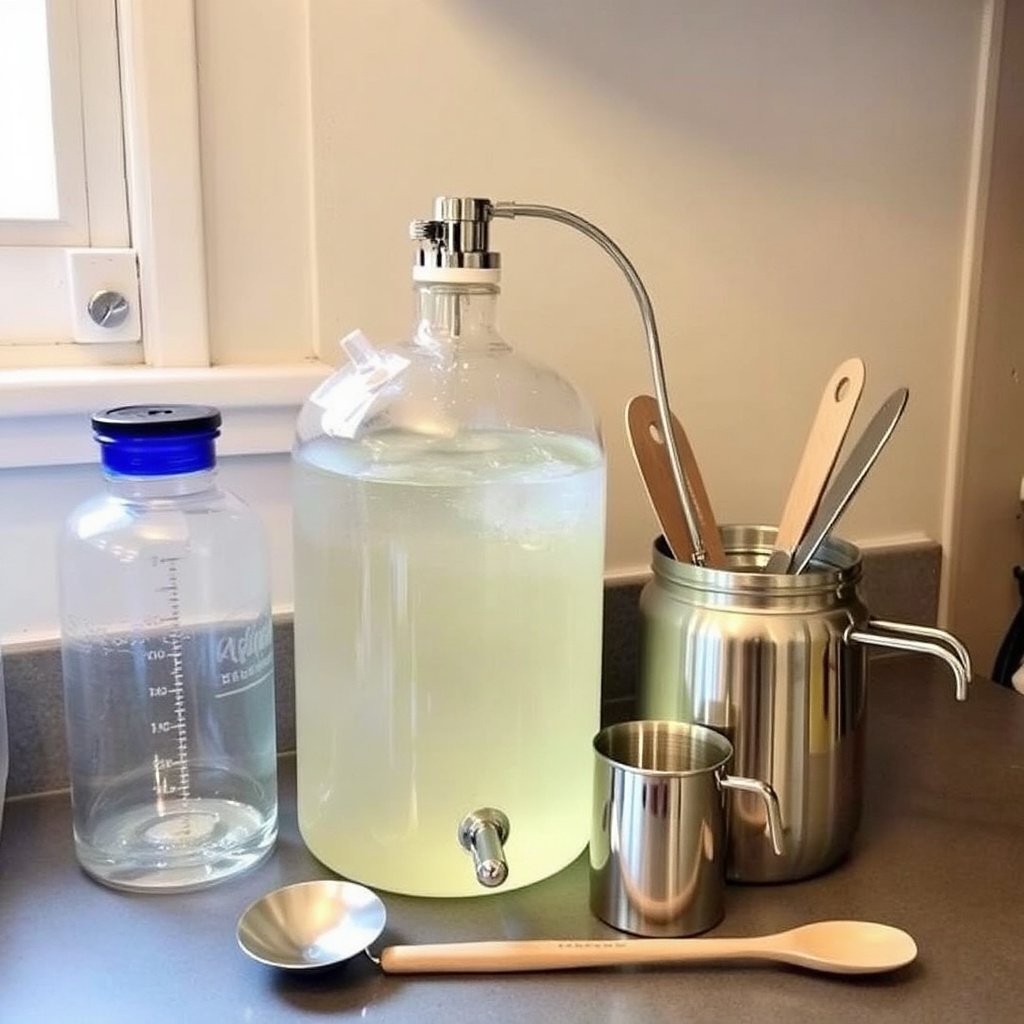
Primary Fermenter and Airlock
The primary fermenter is usually a glass or food-grade plastic container where honey and water are mixed with yeast. It must be sanitized thoroughly to prevent contamination. An airlock attaches to the fermenter to allow gas release while preventing outside air and bacteria from entering.
Choosing the right size fermenter depends on the volume you want to make—most home mead makers start with 1 to 5 gallons. A good airlock system minimizes oxidation and infection risks, which are common pitfalls in beginner mead brewing.
Other Necessary Tools
Besides the fermenter and airlock, you’ll need a large mixing pot or bucket, a hydrometer to measure sugar content, sanitizing solution, siphon tubing for transferring the mead, and bottles for final storage.
Many home brewers find a kitchen scale useful for precise honey measurement and a thermometer helpful for monitoring fermentation temperature. Proper cleanliness of all tools is critical to prevent off-flavors or spoilage.
- Sanitizing solution
- Hydrometer
- Siphon tubing
- Bottles and caps
Selecting Ingredients for Your Mead

Choosing the Best Honey for Mead
The quality and type of honey significantly influence your mead’s flavor profile. Clover and wildflower honeys are popular for their balanced sweetness, while orange blossom and buckwheat honeys offer distinctive aromatic notes.
When selecting honey, opt for raw, unpasteurized varieties if possible, as they contain natural enzymes that aid fermentation. Avoid any honey with additives or flavors to keep your mead pure-tasting.
- Raw or unpasteurized honey
- Single-source honeys for unique flavors
- Avoid flavored or blended honeys
Yeast and Additional Flavorings
The choice of yeast affects fermentation speed, alcohol tolerance, and aroma. Wine yeasts like Lalvin D-47 or EC-1118 are common choices, providing clean fermentation with good alcohol tolerance.
You can add fruits, spices, or herbs during secondary fermentation to create meads like melomel or metheglin, enhancing complexity. Common additions include cinnamon sticks, cloves, lemons, or berries.
- Wine yeast strains (e.g., Lalvin D-47)
- Optional fruits and spices
- Nutrients to support yeast
Step-by-Step Brewing Process for Mead

Preparing the Must and Starting Fermentation
Begin by warming water (not boiling) and dissolving honey thoroughly to create the 'must.' The sugar concentration can be adjusted based on desired sweetness and alcohol content. Once cooled to around 70°F (21°C), pitch your yeast.
Add yeast nutrient at this stage to help the yeast thrive. Transfer the must into the fermenter, seal it with an airlock, and store it in a dark, temperate place between 60-75°F (15-24°C) to promote steady fermentation.
For more on this, see our related guide: What Is the Susquehanna River? A Complete Guide to History, Geography, and Recreation.
Monitoring and Managing Fermentation
During the first few days, fermentation will be active with bubbling in the airlock as CO2 is released. Use a hydrometer to track the gravity drop, signaling sugar consumption.
After 2 to 4 weeks, most sugars will ferment, and bubbling slows or stops. At this point, you can rack the mead off sediment into a clean carboy for secondary fermentation to clarify and mature the flavor.
Secondary Fermentation and Aging Your Mead
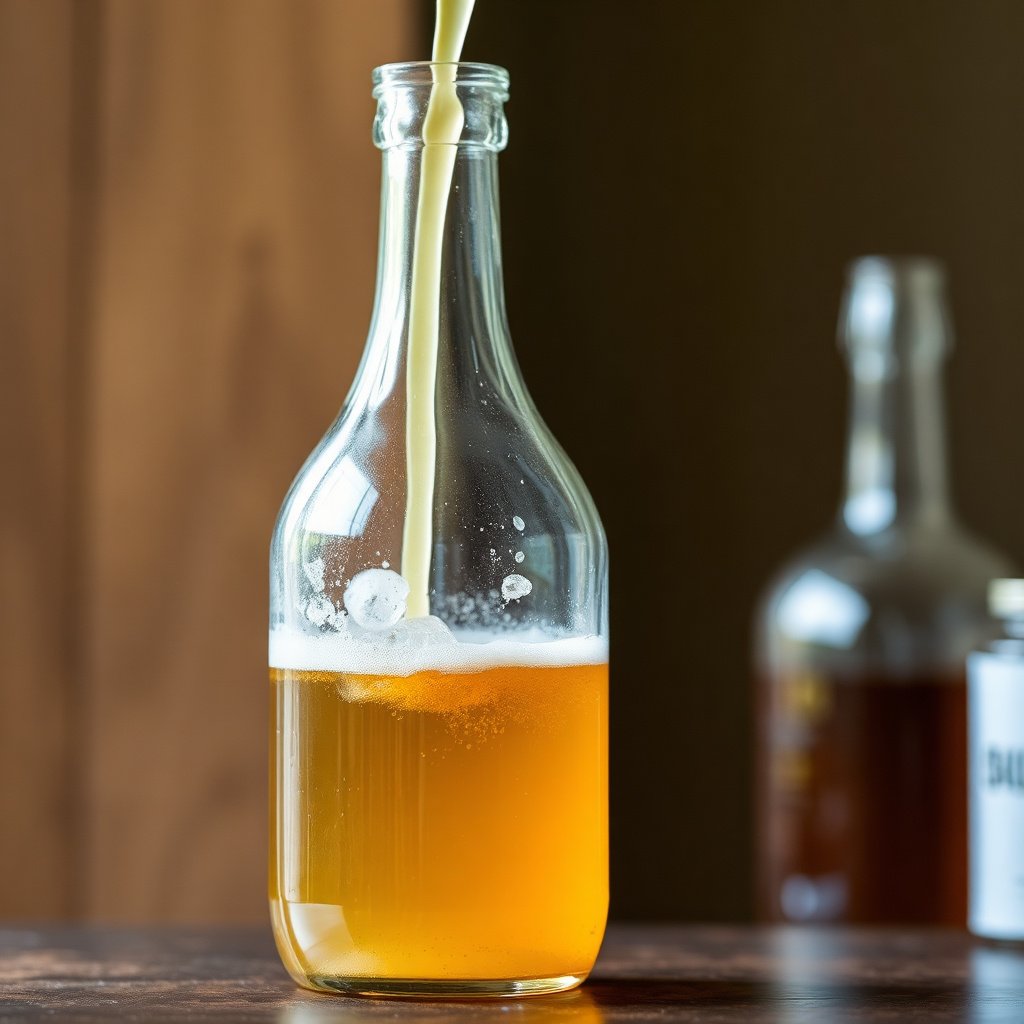
Racking and Clarification
Racking removes mead from dead yeast cells and sediment, reducing off-flavors and clarifying the beverage. Use sanitized siphon tubing to transfer the mead gently without disturbing the sediment.
This stage can last several weeks to months. Some brewers use fining agents to accelerate clarity, though patience often yields the best results with a naturally settling mead.
- Use sanitized siphoning tools
- Avoid agitation during transfer
- Consider fining agents if desired
Aging Tips for Better Flavor Development
Aging mead in glass carboys or bottles for 3 to 12 months mellows sharp flavors and enhances complexity. Store bottles horizontally in a cool, dark place to avoid light and heat damage.
Periodic tasting helps track progress; mead improves with age but can vary depending on honey type and fermentation style. Patience during aging rewards with smoother, richer flavors.
Bottling, Storage, and Final Touches

Proper Bottling Techniques
When mead is clear and stable, bottling is the final step. Sanitize bottles and caps thoroughly to prevent contamination. Use a siphon to fill bottles, avoiding sediment transfer.
Seal bottles tightly and optionally add cork or screw caps depending on bottle design. Label your batches with date and type for future reference.
- Sanitize all bottles and caps
- Avoid sediment when filling
- Label each bottle clearly
For more on this, see our related guide: What Is the Best Day Trip from Harrisburg? Your Complete Guide with Top Picks.
Storage Conditions and Serving Suggestions
Store bottled mead in a cool, dark environment, ideally 55-65°F (13-18°C), to maintain flavor stability. Avoid temperature fluctuations and sunlight exposure to preserve quality.
Serve chilled or at room temperature based on preference. Sparkling or sweet meads make excellent aperitifs, while dry meads complement savory dishes.
Troubleshooting and Common Issues in Mead Making
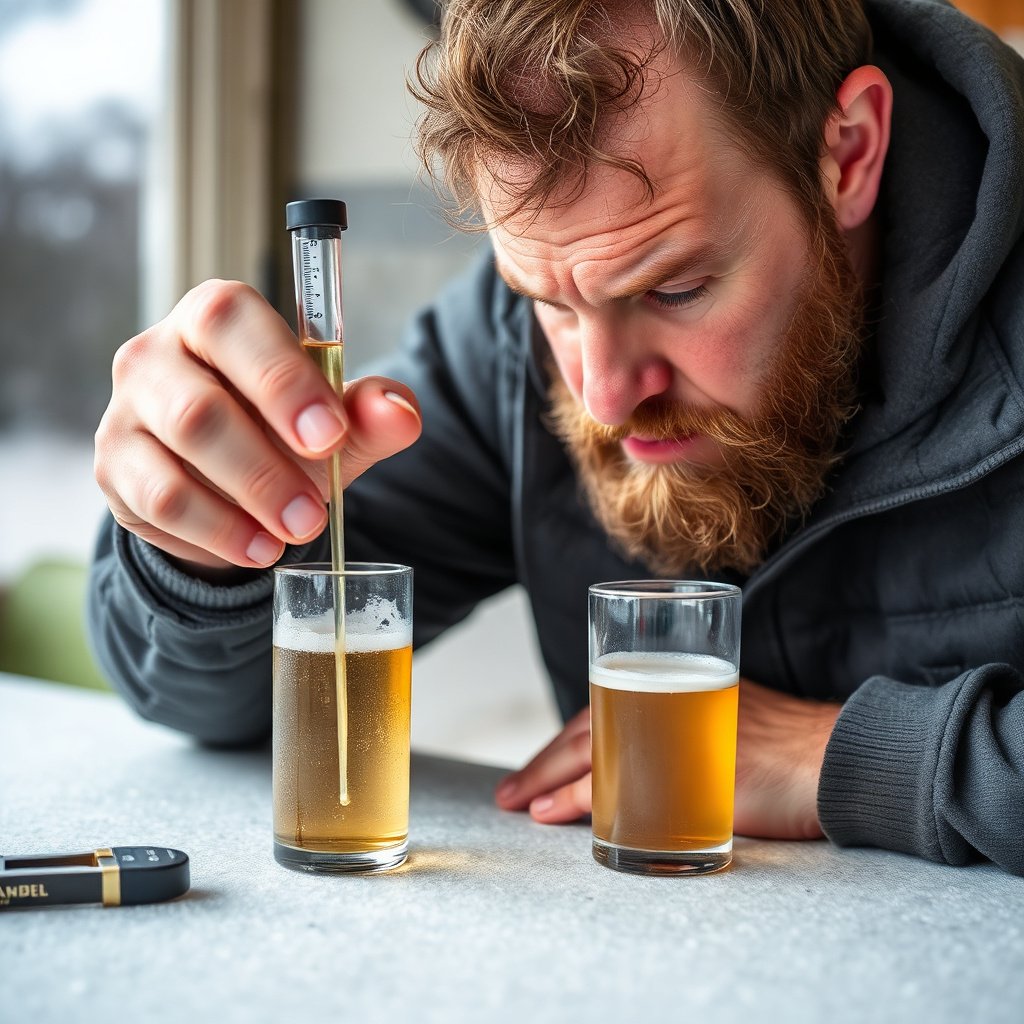
Dealing with Cloudiness and Off-Flavors
Cloudy mead is often due to suspended yeast or proteins. Extended aging and racking typically resolve haze. Off-flavors like sulfur or vinegar smell can arise from yeast stress or contamination.
Using high-quality ingredients and monitoring fermentation temperature reduces these risks. Activated charcoal or specific fining agents can help remove undesirable aromas post-fermentation.
To explore more about the history and variations of mead, you can visit mead on Wikipedia. mead on Wikipedia.
Preventing Stuck Fermentation
Stuck fermentation happens when yeast stops converting sugars before completion. This may be caused by insufficient nutrients, high temperatures, or alcohol toxicity.
Gradual temperature increases, yeast nutrient additions, or repitching healthy yeast can restart fermentation. Regular gravity checks with a hydrometer help catch issues early.
- Add yeast nutrients
- Keep fermentation temperature stable
- Consider repitching yeast if stuck
Mead Preparation Methods Comparison
Here's a side-by-side comparison of common mead types based on ingredients, fermentation time, and flavor profile to help you choose the right style.
| Mead Type | Main Ingredients | Fermentation Time | Typical Flavor Profile |
|---|---|---|---|
| Traditional Mead | Honey, water, yeast | 4-6 weeks | Honey-forward, sweet to dry |
| Melomel | Honey, fruit, water, yeast | 6-8 weeks | Fruity, aromatic, often sweet |
| Metheglin | Honey, spices/herbs, water, yeast | 6-10 weeks | Spiced, complex, variable sweetness |
| Cyser | Honey, apple juice/cider, yeast | 5-7 weeks | Apple notes, semi-sweet, crisp |
| Sack Mead | Honey, water, yeast (high honey ratio) | 6-12 weeks | Very sweet, rich, high alcohol |
Frequently Asked Questions
How long does mead take to ferment?
Primary fermentation generally takes 2 to 4 weeks, but aging and secondary fermentation can extend the process by several months for smoother flavor.
Can I use any type of honey to make mead?
You can use many honey types, but raw, unpasteurized honey with strong flavors like wildflower or orange blossom often produce the best mead.
Do I need special yeast for mead?
While bread yeast can work, wine yeasts designed for mead or wine ensure better fermentation control, higher alcohol tolerance, and cleaner taste.
How do I know when my mead is ready to bottle?
When fermentation has stopped (no bubbling), gravity readings stabilize over several days, and the mead clarifies, it’s generally ready for bottling.
What causes a stuck fermentation and how can I fix it?
Stuck fermentation can result from low nutrients, temperature extremes, or excessive alcohol. Adding yeast nutrients or gently warming the fermenter may restart it.
Key Takeaways
- Mead is a fermented honey wine made by mixing honey, water, and yeast.
- Choosing the best honey for mead impacts flavor and fermentation success.
- Monitoring fermentation and using proper equipment helps avoid common issues.
- Aging mead enhances flavor, with bottling done once fermentation completes.
Conclusion
Deciding how to make mead involves balancing ingredient quality, equipment readiness, and patience during fermentation and aging. Starting with the right honey and yeast sets a strong foundation. Careful temperature control and sanitation throughout are key to producing clean, flavorful mead that reflects your tastes and choices.
For beginners, traditional mead is a solid starting point, requiring only honey, water, and yeast. Once comfortable, experimenting with melomel or metheglin allows incorporating fruits and spices to create unique profiles. Those aiming for sweeter, richer drinks might try sack meads with higher honey content. Each method has distinct fermentation times and flavor outcomes.
Begin by gathering quality ingredients and proper tools, then follow measured steps for mixing, fermenting, and aging. Track progress regularly with a hydrometer to detect fermentation changes. Ultimately, keep notes on batches to refine recipes over time. Making your own mead can be deeply satisfying, offering rewarding custom flavors and a connection to an ancient craft.