How to Plan a Road Trip in Pennsylvania: A Complete Guide with Routes & Tips
Planning a road trip in Pennsylvania means mapping out scenic drives, must-see stops, and practical details like budget and vehicle prep. You’ll want routes that suit families, couples, or solo travelers, with plenty of outdoor activities and historic sites along the way. Knowing how to plan a road trip in Pennsylvania helps you organize your timing, stops, and supplies so the trip runs smoothly and stays fun for everyone.
This advice fits anyone dreaming of exploring Pennsylvania’s natural wonders and charming towns by car. From the Pennsylvania Grand Canyon to the Laurel Highlands Scenic Byway, you’ll find routes and tips tailored to your travel style and group. This sets you up for a great experience on the roads, from city sights to quiet country escapes.
Key Takeaways
- Start by choosing routes like the Laurel Highlands Scenic Byway for varied landscapes and cultural stops.
- Allow extra driving time; Pennsylvania’s scenic routes can add hours beyond direct travel estimates.
- Include outdoor destinations such as Pine Creek Gorge for hiking and family-friendly adventures.
- Plan your budget by factoring fuel, tolls, lodging, and meals along your chosen routes.
- Prepare your vehicle with a safety check before the trip to avoid breakdowns on rural roads.
- Pack entertainment and snacks to keep children occupied during longer stretches of driving.
Step-By-Step Guide to Planning a Pennsylvania Road Trip
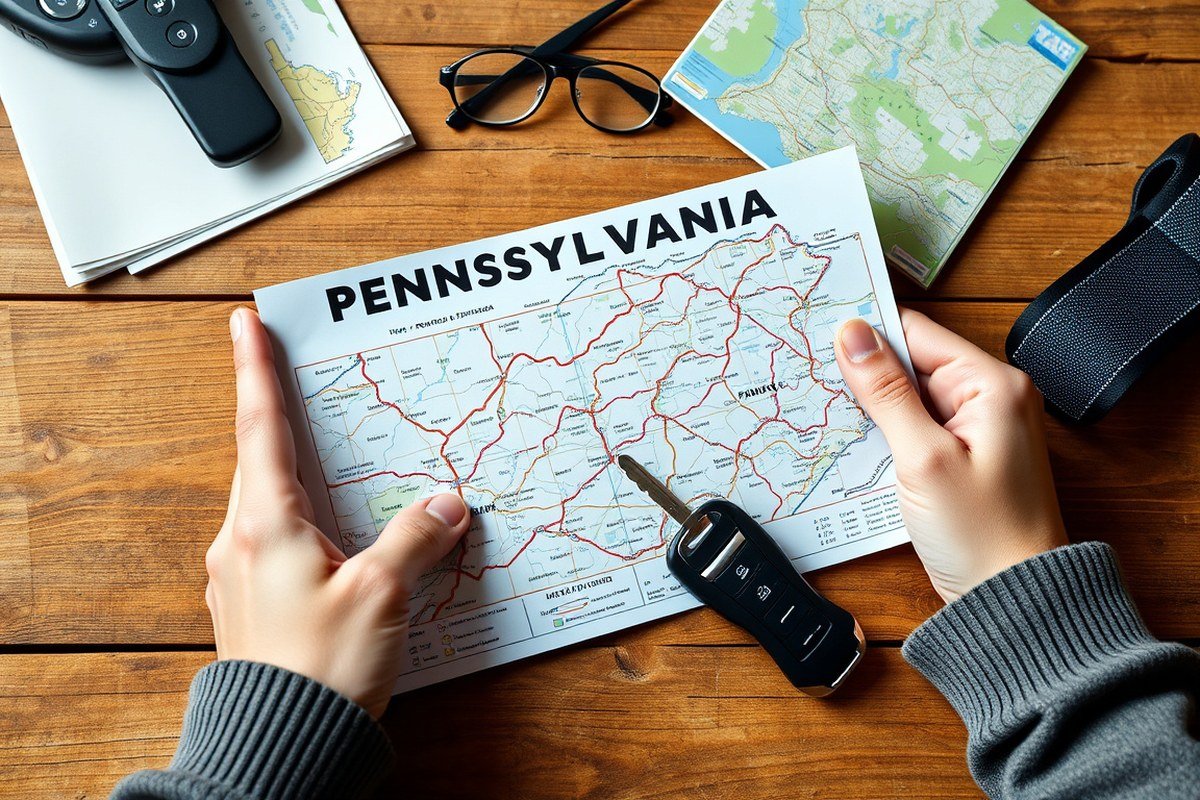
Planning a road trip in Pennsylvania starts with clear decisions about your route, schedule, budget, and must-see spots. Knowing these key details helps avoid last-minute hassles, keeps your days full of enjoyable activities, and lets you make the most of the state’s variety, from cities to mountains and historic towns. Organizing your trip carefully will save time and money, whether you’re traveling solo, as a couple, or with family. Follow these essential steps to build your itinerary efficiently and cater it to your interests and pace.
- Choose your main destinations. Pick a few key places you want to visit such as Philadelphia for its vibrant city life, the Pennsylvania Grand Canyon for its outdoors, or State College to catch a college town vibe. Limit your stops to avoid rushing. Three to five major stops is a practical number for a week-long trip.
- Map your route and estimate driving times. Use a mapping app to chart your course and check drive durations between stops. For instance, driving from Butler County to State College takes about 2.5 hours. Make sure each leg of the trip is manageable, generally under four hours of drive time per day works well to stay relaxed, especially with kids.
- Decide on trip duration and timing. Block out how many days you will dedicate to the trip based on your available time. Include rest days or half days to explore local attractions or relax. Remember seasonal conditions; spring and fall offer pleasant weather around 50, 70°F in most areas, perfect for outdoor activities.
- Budget your major expenses. Estimate costs for fuel, lodging, food, and tolls. Pennsylvania has many toll roads, so factor in roughly $5 to $15 per toll section depending on routes. Book accommodations early in popular areas like the Poconos or near tourist spots to get better prices and availability.
- Build a flexible daily itinerary. Outline what activities or sights you want to do each day, but allow wiggle room for spontaneous stops or rest. Include visiting parks, scenic lookouts, museums, or family-friendly places. For example, plan a half-day hike at Trough Creek State Park or a few hours exploring Philadelphia’s historic district.
- Prepare travel essentials. List what to pack, road snacks, refillable water bottles, maps, chargers, and entertainment for kids during long drives. Check your vehicle and get any maintenance done beforehand to avoid breakdowns.
- Communicate with fellow travelers. Agree on what everyone wants from the trip. Adjust your plan if needed for groups like families who might prefer shorter drives with more stops versus couples seeking adventure and fewer interruptions.
With these steps, you will have a clear and manageable plan tailored to your interests, timing, and budget that helps you explore Pennsylvania safely and enjoyably.
Top Scenic Routes and Byways to Explore in Pennsylvania
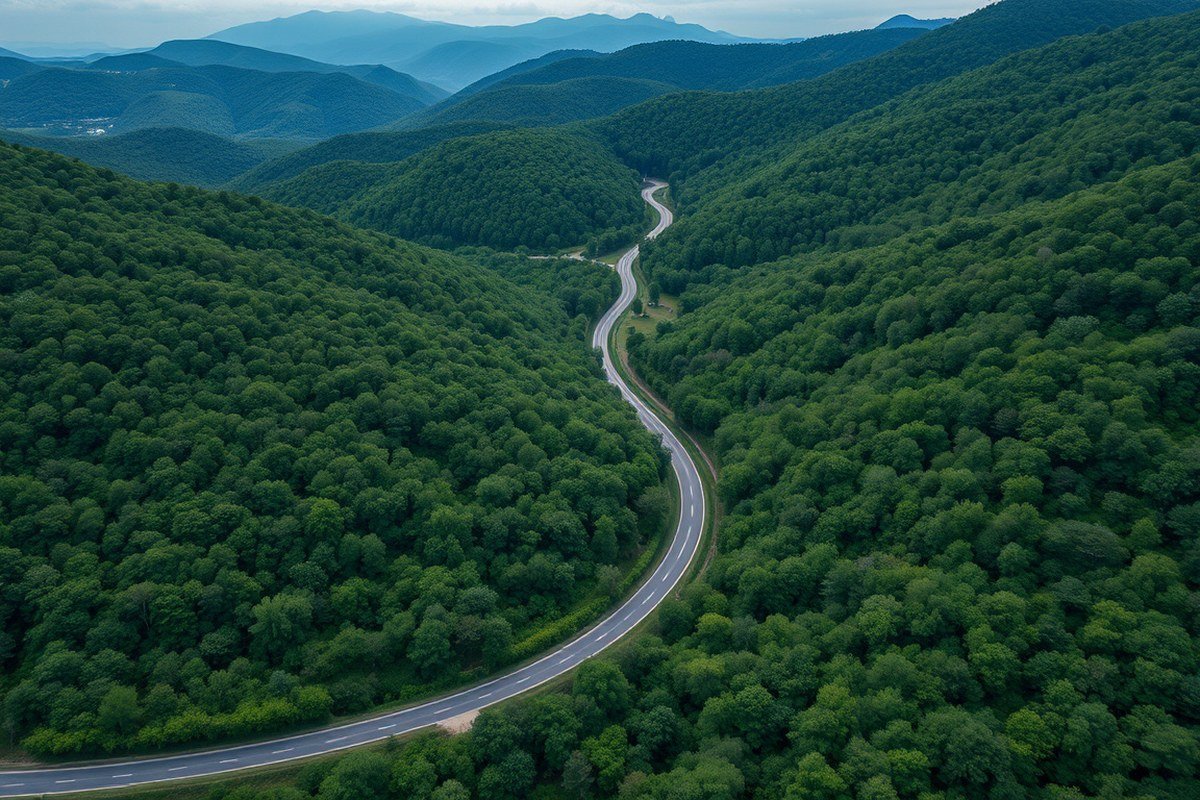
Pennsylvania offers a range of scenic routes that suit various trip goals, whether you seek historic landmarks, natural beauty, or a relaxed countryside drive. Route 6 and the Laurel Highlands Scenic Byway are two major options with distinct appeals. Route 6 showcases classic Americana along a lengthy, varied trail, while Laurel Highlands delivers a compact journey rich in sensory and cultural highlights. Additional routes add diversity, letting you tailor your drive by time, interest, or season.
Historic Route 6 and Its Unique Attractions
Route 6 stretches across northern Pennsylvania and has been named by National Geographic as one of the most scenic drives in the country. This road captures the heart of American history and culture with its vintage Americana charm, featuring small towns, roadside diners, and historic sites. It offers a long scenic journey that lets you experience the state’s rural and small-town landscapes.
Your drive along Route 6 can last several days depending on your pace, and it suits travelers who enjoy exploring diverse attractions such as local museums, parks, and classic road trip stops. This route holds appeal for those who want a nostalgic experience mixed with scenic beauty.
Laurel Highlands Scenic Byway Highlights
The Laurel Highlands Scenic Byway is a 68-mile route in southwestern Pennsylvania renowned for its thrilling landscapes and cultural interest points. It takes you through mountainous terrain, forested areas, and charming towns. Highlights include historic sites, outdoor recreational opportunities, and sensory experiences such as autumn foliage and regional cuisine.
Designed as a shorter route, this byway is ideal for a day or two of focused exploration. Its compact size means you can cover significant ground without rushing and still have time for stops at sites like the Ligonier Valley Rail Road Museum. Visiting in spring or fall improve your experience with blooming gardens or vibrant leaves.
Other Noteworthy Routes: Erie Seaway Trail, Brandywine Valley
The Erie Seaway Trail covers 518 miles along Lake Erie, the Niagara River, and Lake Ontario, partly through Pennsylvania on U.S. Route 20. This byway combines natural waterfront views with historic and cultural sites spanning several states. It’s a great option if you want a long, water-focused road trip experience.
The Brandywine Valley Scenic Byway follows portions of Routes 100 and 52 and offers a more relaxed, countryside drive focused on history, art, and nature. It’s perfect for travelers interested in gardens, historic sites, and local food and is especially popular during spring and fall. This route is shorter and more manageable for half-day or day trips.
Choosing a Route Based on Trip Length and Interests
The best scenic route depends on how much time you have and what you want to see. The table below compares key routes by length, focus, and best travel season to help you pick the right option.
| Route | Length (miles) | Main Attractions | Best Time to Visit | Ideal Trip Duration |
|---|---|---|---|---|
| Route 6 | Approximately 400 (PA segment) | Historic towns, Americana culture, small museums | Spring to Fall | Several days to a week |
| Laurel Highlands Scenic Byway | 68 | Mountain views, historic sites, museums, foliage | Spring and Fall | 1, 2 days |
| Erie Seaway Trail | 518 (multi-state) | Lakeshore views, historic sites, cultural attractions | Spring through Early Fall | Multiple days |
| Brandywine Valley Scenic Byway | Varies (short segments) | Gardens, historic houses, art, nature | Year-round (best Spring & Fall) | Half to full day |
Consider your interests: history buffs may prefer Route 6 or Brandywine Valley, while nature lovers might enjoy the Laurel Highlands and Erie Seaway Trail. Your available time is a major factor, as longer routes like Route 6 and Erie Seaway require multiple days. Shorter drives like Laurel Highlands or Brandywine Valley easily fit into a weekend schedule.
Tip: Avoid tight schedules on longer routes; rushing can reduce your enjoyment of roadside attractions and scenic stops.
Must-See Destinations and Activities for Every Traveler
Pennsylvania offers a wide range of destinations that appeal to families, couples, and solo travelers alike. From impressive natural parks and historical sites to engaging family amusement spots and quiet, romantic settings, you can tailor your stops to match your interests. Key places include vast wilderness areas, charming small towns, and cultural hubs with plenty to explore and enjoy.
Outdoor Gems: Pennsylvania Grand Canyon, Raymondskill Falls, Hiking Spots
The Pennsylvania Grand Canyon, or Pine Creek Gorge, stretches 47 miles long and is about 1,000 feet deep, making it a must-see for nature lovers and anyone drawn to dramatic landscapes. Hiking in this area is one of the best ways to experience its beauty, with trails varying from easy walks to challenging hikes. The nearby Allegheny National Forest and the Pine Creek Valley offer additional trails and scenic drives.
Raymondskill Falls, the state’s highest waterfall at about 150 feet tall, is another highlight surrounded by easy hiking paths. It’s accessible year-round and offers a refreshing break during your trip. Hickory Run State Park, with around 40 miles of trails, is perfect if you want more extensive hiking or even winter snowshoeing.
- Pennsylvania Grand Canyon hike: from moderate day hikes to full-day treks
- Raymondskill Falls: short, family-friendly walking trails
- Hickory Run State Park: over 40 miles of trails with varied difficulty
- Allegheny National Forest: hundreds of miles of trails with wilderness camping
- Blue Ridge Mountains birding and scenic drives
For solo travelers, these parks provide peaceful solitude and wildlife observation opportunities. Families and couples will appreciate the variety of trail lengths and the chance to picnic or camp in well-equipped parks. Weather varies with season, so prepare accordingly, especially in winter when trails can be icy or snowy.
Historic and Cultural Stops: Philadelphia, Amish Country, Rail Museums
Philadelphia stands out with its rich history, including the Liberty Bell and Independence Hall. It’s a great destination for anyone interested in American history and culture. Local museums and historic landmarks offer guided tours and interactive exhibits that suit visitors of all ages.
Amish Country shows a different side of Pennsylvania’s culture, with its scenic farmlands and traditional crafts. Towns like Lancaster offer buggy rides, farmers markets, and handmade goods, making this a unique place to slow down and learn about another way of life.
- Liberty Bell and Independence Hall in Philadelphia
- The Amish farms and markets around Lancaster
- Horseshoe Curve: an engineering marvel and railroad museum
- Searights Tollhouse along the historic National Road
- The Carnegie Museum of Natural History in Pittsburgh
Couples interested in history will find intimate walking tours and quiet cafes in historic districts. Families can enjoy interactive museums with educational programs. Solo travelers may appreciate the freedom to explore at their own pace and join small group tours for deeper insights.
Family-Friendly Attractions: Hershey Park, Museums, River Trails
Hershey Park offers more than a dozen roller coasters and numerous attractions in a candy-themed setting. It’s designed for families seeking excitement and variety, with rides suitable for all ages and plenty of food options. Tickets vary by season, but plan for full days here to enjoy everything.
River trails, like those along the Susquehanna or Delaware Rivers, provide easy access for walking, biking, and picnic spots that your family can enjoy together outdoors. Museums with interactive exhibits, such as the Carnegie Museum of Natural History, also cater to younger visitors with dinosaur displays and hands-on learning.
- Hershey Park amusement rides and chocolate tours
- Carnegie Museum’s dinosaur and natural history exhibits
- Susquehanna River and Delaware River trail walks and bike rides
- Bushkill Falls trails with multiple waterfalls and wildlife viewing
- Outdoor playgrounds and picnic areas at state parks
Families should prepare for crowds during weekends and holidays by arriving early or purchasing tickets in advance. Solo travelers can enjoy quieter weekdays and take part in specialized tours or workshops offered by many museums.
Romantic and Unique Spots for Couples
Couples can find romantic settings in Pennsylvania’s quieter corners. Ringing Rocks Park near Allentown offers a unique experience where you can hear boulders ring like bells, an unusual and memorable stop. The Blue Ridge Mountains area offers scenic drives that are ideal for slow, relaxed afternoons taking in the views.
Historic small towns with quaint inns, local dining, and antique shops provide cozy spots for couples. The dark sky area near the Pennsylvania Grand Canyon is perfect for stargazing, especially in clear weather when you can see countless stars without city light interference.
- Ringing Rocks Park for a one-of-a-kind natural sound experience
- Scenic Blue Ridge Mountain drives with overlooks and picnic spots
- Historic small towns with bed and breakfasts and local dining
- Dark sky viewing near the Pennsylvania Grand Canyon
How Long Does It Take to Drive Through Pennsylvania?
Driving across Pennsylvania varies widely depending on your route, traffic, and stops. For east to west travel, Route 6 stretches near the northern edge of the state from the Ohio border to Port Jervis, New York. This drives roughly 400 miles and can take about 7 to 8 hours without extended breaks. North to south routes, especially through central or eastern Pennsylvania, tend to be shorter but depend on your exact start and end points.
Planning your drive duration means considering more than just mileage. Pennsylvania’s geography means road conditions change, especially when driving near mountainous areas or orchards like those south and west of Gettysburg. Traffic around cities such as Harrisburg or Philadelphia can add time, especially during rush hours. Including regular breaks every 2 hours helps prevent fatigue and lets you enjoy local attractions or meals.
Multi-day trips can be paced efficiently by dividing your total driving time into manageable segments. Common advice is to limit driving to around 4 hours per day to keep energy high and allow time for sightseeing. Adjust your itinerary based on weather, road status, and the needs of your travel group, especially if you’re with family or older drivers.
| Route | Distance (approx.) | Estimated Drive Time (no breaks) | Recommended Break Frequency | Notable Stops / Terrain |
|---|---|---|---|---|
| Route 6 (Ohio border to NY) | ~400 miles | 7-8 hours | Every 2 hours | Rural areas, forested terrain, small towns |
| Gettysburg loop | 36 miles | 1-1.5 hours | Optional | Orchards, historical sites |
| Pennsylvania Turnpike (East-West) | ~360 miles (via I-76) | 6-7 hours | Every 2-3 hours | Tolls, mountainous areas, rest stops |
| Blue Ridge Parkway to Virginia border | Varies, ~100 miles in PA | 2-3 hours | Every 1.5-2 hours | Mountainous, scenic views |
By dividing your trip into daily legs under 4 hours, you avoid excessive fatigue and keep the trip enjoyable. Breaks at rest stops, park areas, or small towns let you stretch and try local food. For example, stopping south of Gettysburg to explore orchards can add value without significant delays. If traveling with older adults or children, frequent breaks every 1.5 to 2 hours help maintain comfort and mood.
Check current traffic and weather before starting your drive. Snow or heavy rain can increase travel times on mountain routes. Using apps can help adjust your plan on the go. Road rules in Pennsylvania require attention, especially near tolls or changing speed limits, so staying alert avoids delays or safety issues.
How to Tailor a Pennsylvania Road Trip for Families or Couples
Customizing a Pennsylvania road trip depends on who’s in your car. Families need to plan for kid-friendly stops and entertainment, while couples often want quieter, romantic experiences. Tailoring your trip ensures everyone enjoys the journey and feels comfortable throughout.
Family Road Trip Must-Haves and Boredom Busters
Kids usually need frequent breaks, snacks, and engaging activities to stay happy during a road trip. Look for attractions that combine fun and learning, such as Discovery Space of Central Pennsylvania near State College, which offers hands-on exhibits that spark curiosity about physics and mechanics. Picking destinations like Butler County with kid-friendly stops helps keep their energy positive. Include outdoor parks or playgrounds along your route to burn off energy between drives.
To prevent boredom, pack small games, books, or tablets loaded with movies and educational apps. Rotate activities every hour to keep kids interested without overwhelming them.
- Portable chargers or extra batteries for tablets and devices
- Snack packs with healthy options like fruit, nuts, and granola bars
- Comfortable pillows and blankets for naps in the car
- Travel-sized coloring books or magnetic puzzles
- Reusable water bottles to stay hydrated
- Headphones for each child to avoid noise conflicts
Including these items boosts comfort and keeps the trip running smoothly, especially during longer drives. Unplanned stops at roadside attractions or historic sites like Gettysburg can offer educational pit stops, mixing fun with learning.
Romantic Stops and Activities for Couples in PA
Couples looking for romance or quiet time should plan routes that allow scenic views, intimate dining, and low-key activities. Pennsylvania’s covered bridges, vineyards, and small towns offer peaceful spots away from crowds. Driving the back roads through places like Lancaster or the Poconos lets you experience cozy bed-and-breakfasts and charming local eateries.
Include at least one romantic stop per day, such as a winery tour, a sunset at a scenic overlook, or a quiet hike. Choose accommodations that feature privacy, like cabins or boutique inns, to improve the mood.
Prioritize flexible schedules to avoid rushing. Allow time to relax at cafes or stroll through quaint towns without a strict itinerary. This downtime creates space for conversation and connection, essential for a romantic road trip.
Packing Lists for Different Traveler Types
Carrying the right gear makes all the difference. Families should pack for comfort, entertainment, and quick snack runs. Couples need a mix of casual and dressy clothes for both daytime exploring and romantic evenings. Here’s a quick checklist by traveler type:
- Families: First aid kit, cleaning wipes, extra clothes for kids, sun hats, booster seats if needed
- Couples: Dress shoes, camera for capturing moments, picnic blanket, travel-size aromatherapy oils or candles
- All travelers: Chargers, map or GPS device, reusable water bottles, weather-appropriate layers
Weather in Pennsylvania can shift quickly in spring and summer, so pack light rain jackets and versatile shoes. Keeping a small cooler with drinks and perishables adds convenience and cost savings, especially on longer drives.
Safety and Comfort Tips for All Groups
Staying safe and comfortable is key to enjoying any road trip. Make sure to plan regular breaks every two hours to stretch, especially with kids on board. Passengers should stay buckled up, and drivers need to avoid distractions.
For comfort, set the car’s temperature between 68 to 72 degrees Fahrenheit to suit most passengers. Bring sunglasses and sunshades to reduce glare, which helps prevent driver fatigue.
Regularly check tire pressure before and during your trip to avoid delays or breakdowns; underinflated tires can reduce fuel efficiency and handling.
Don’t forget to have a basic roadside emergency kit including jumper cables, a flashlight, and reflective warning triangles. When traveling with children, secure all child seats properly according to Pennsylvania law to ensure safety on the road.
Planning Your Budget: Fuel, Tolls, Lodging, and Food Expenses
Budgeting for a road trip in Pennsylvania starts with fuel and tolls. The Pennsylvania Turnpike (Interstate 76) is a major toll road to factor in, with tolls varying by distance and vehicle type. Most cars pay between $5 and $20 for a typical trip along the Turnpike. Fuel costs depend on your vehicle’s mileage and how far you drive, but you can roughly estimate $3 to $4 per gallon, with an average mid-size car getting about 25 miles per gallon.
Lodging options in Pennsylvania range from budget motels and camping sites to mid-range hotels and upscale resorts, especially near popular areas like Hershey, the Poconos, or the Jersey Shore. A budget motel might cost $60 to $100 per night, while mid-range hotels run $100 to $200 per night. Camping fees in state parks often range from $20 to $50 per night, providing affordable alternatives if you enjoy the outdoors. Booking in advance can secure better rates, especially during peak seasons.
Food expenses vary greatly depending on how often you eat out and the type of dining you choose. Planning food stops at diners or fast food restaurants in small towns along your route can help control costs, averaging $10 to $15 per meal per person. Bringing snacks and drinks for the car reduces the need for frequent stops and helps keep your budget steady. Below is a table summarizing expected costs to help you plan your budget effectively:
| Expense | Typical Cost | Notes |
|---|---|---|
| Fuel | $3, $4 per gallon | Average vehicle ~25 mpg; plan for stops in towns along routes |
| Tolls | $5, $20 (Turnpike) | Cost varies by distance; consider cash or E-ZPass for convenience |
| Budget Lodging | $60, $100 per night | Motels and campgrounds; book early for summer and weekends |
| Mid-Range Lodging | $100, $200 per night | Hotels near popular spots like Poconos or Hershey |
| Food | $10, $15 per meal/person | Fast food or diners in small towns; pack snacks to save money |
For solo travelers aiming to save, camping or budget motels combined with packed meals stretches your dollars farther. Couples can enjoy mid-range hotels and occasional sit-down meals, factoring around $150 to $250 per day. Families might allocate more for food and lodging but can save by booking group-friendly accommodations like cabins or suites. Monitor weather forecasts before you go to anticipate changes that could increase fuel use or necessitate lodging changes.
Tracking your route fuel stops with apps before the trip and on the road helps stick to budget estimates. E-ZPass offers a discount on Turnpike tolls and speeds up toll booth passage, reducing delays. Always carry some cash for tolls on secondary roads without electronic payment options. Planning food stops in historic towns such as Brownsville or Washington can add scenic breaks that double as low-cost meal opportunities in local diners.
Vehicle Prep and Safety Tips for a Smooth Pennsylvania Drive
Preparing your vehicle before a Pennsylvania road trip ensures a safer and smoother experience, especially across diverse conditions you might face. Begin with a thorough maintenance check. Verify tire pressure and tread depth, as proper grip is important on wet or icy roads. Check fluids such as oil, coolant, brake, and windshield washer fluid to avoid breakdowns and maintain visibility. A professional tune-up within a month of your trip can address unnoticed issues.
Emergency kits are essential, particularly because Pennsylvania’s weather can change quickly. Assemble supplies suited for your travel season and route. Include items like a flashlight with extra batteries, jumper cables, a first aid kit, and a basic toolset. In colder months, add blankets, hand warmers, and an ice scraper to handle snow and ice. Water and non-perishable snacks help if you get stuck.
- Spare tire, lug wrench, and jack
- Reflective warning triangles or flares
- Portable phone charger and paper maps
- Extra windshield washer fluid rated for freezing temperatures
- High-visibility vest
Understanding Pennsylvania’s driving laws and toll systems can prevent costly fines and delays. The state enforces speed limits strictly, often ranging from 55 to 70 mph on highways. Use designated turn signals and avoid distracted driving, as police patrol heavily on major roads like the Pennsylvania Turnpike. The Turnpike is a toll road using both cash and electronic E-ZPass payments. E-ZPass saves time and money by offering discounted tolls, but you should carry cash or a credit card if you don’t have one.
Special caution is important on routes like the Historic National Road, where curves and rural stretches demand attentive driving. Adjust your speed for narrow or winding sections and watch for wildlife, which can cross unexpectedly. Winter requires extra care; allow double the usual time to reach your destination when snow or ice covers the roads. Avoid sudden lane changes or hard braking to maintain control.
By following a pre-trip vehicle checklist, carrying a tailored emergency kit, and respecting Pennsylvania’s driving regulations, you reduce risks significantly. Expect better fuel efficiency and fewer breakdowns, leading to more enjoyable stops at the state’s scenic viewpoints and attractions.
Apps, Tools, and Resources to improve Your Pennsylvania Road Trip
Using reliable apps can make your Pennsylvania road trip smoother and more enjoyable. For navigation, Google Maps and Waze are popular choices. Both apps offer real-time traffic updates, turn-by-turn directions, and alerts about road closures or accidents. Google Maps also works offline if you download the map of Pennsylvania before your trip, which is useful in rural areas with weak cell signals. For a dedicated GPS device, Garmin provides preloaded maps of Pennsylvania and works without needing a mobile signal.
Booking accommodations is easier with apps like Airbnb, Booking.com, and Hotels.com. These platforms let you filter results by price, guest ratings, and amenities, helping you find family-friendly lodgings or romantic inns. Booking in advance usually means better rates, but some apps offer last-minute deals if your schedule is flexible.
Food and attractions apps can help you experience local flavors and discover hidden gems. Yelp and TripAdvisor provide reviews and directions to restaurants and tourist spots. For Pennsylvania’s wineries, breweries, or farmers markets, look at apps like Untappd or local tourism sites for seasonal events.
- Download Google Maps offline maps for areas with limited cell service
- Use Waze for live traffic updates and alternate routes
- Reserve accommodations through Airbnb or Booking.com for convenience
- Check Yelp or TripAdvisor for local dining and attractions reviews
- Consider a GPS device like Garmin for signal-free navigation
- Download podcasts or audiobooks for entertainment during long drives
- Keep a physical map of Pennsylvania as a backup in case technology fails
Offline resources remain valuable on a Pennsylvania road trip. Carrying a printed map or a travel guide book featuring major highways and scenic byways ensures you always have a navigation backup. The 2026 Lincoln Highway Heritage Corridor Partner Map highlights noteworthy stops along Route 30 and can be printed or downloaded beforehand. Also, downloading entertainment content before you leave helps pass the time in signal-poor areas without using mobile data.
Always double-check app permissions and update your navigation maps before departure to avoid unexpected disruptions during your drive.
Planning with apps and tools improve your flexibility while keeping you prepared for varying road conditions and traveler needs. Finding family-friendly restaurants or avoiding traffic jams becomes easier by combining offline maps with up-to-date apps, helping you explore Pennsylvania’s diverse landscapes and communities safely and enjoyably.
Step-by-Step Action Plan for Your Pennsylvania Road Trip
Use this plan to quickly organize your Pennsylvania road trip, so you can hit the road confidently and enjoy every stop along the way.
- Two months before departure: Choose your main destinations and scenic routes based on your interests and the trip length. Confirm your selection by mapping the total driving time and making sure it fits your schedule.
- Six weeks before departure: Budget your trip by estimating fuel, tolls, lodging, and food costs. Test your budget’s accuracy by comparing quotes from accommodation and fuel price websites.
- One month before departure: Schedule your vehicle maintenance, including tire checks and oil changes. You’ll know it’s done when you have a bill or confirmation from your mechanic.
- Three weeks before departure: Download and set up navigation and travel apps for Pennsylvania, like state park guides and toll calculators. Confirm functionality by testing at least one app on your phone before you leave.
- Two weeks before departure: Finalize reservations for lodging and any paid attractions, especially for family-friendly activities. Confirm your bookings via email or app notifications to avoid surprises.
- One week before departure: Pack your essentials, including emergency kits and snacks tailored for your traveler type (family or couples). Check that everything fits your vehicle comfortably for a easy start.
- Day of departure: Review your route and timing one last time, then start early to maximize daylight hours and avoid heavy traffic. You’ll feel ready when you have your route, snacks, and a full tank of gas.
Frequently Asked Questions
How to Plan a Road Trip in Pennsylvania?
Start by choosing your route and key destinations, then budget for fuel, tolls, lodging, and food. Include vehicle prep and download helpful apps for navigation and local info to ensure a smooth trip.
What Are Some of the Best Road Trip Destinations in Pennsylvania?
Popular spots include the Pennsylvania Grand Canyon for nature lovers, Philadelphia for city attractions, and the scenic Pocono Mountains for outdoor activities. Each offers unique experiences for families and couples.
How to Plan a Driving Road Trip?
Pick your route and stops, estimate travel times and breaks, and arrange accommodations in advance. Preparing your vehicle and packing essentials will keep your trip comfortable and safe.
How Long Is It to Drive Through Pennsylvania?
Driving across Pennsylvania can take about 4 to 6 hours depending on your route and traffic. Consider extra time for stops and sightseeing to enjoy local attractions.
What Are Some Fun Things to Do on Route 6 in Pennsylvania?
Enjoy scenic views, visit small towns with local shops, and explore outdoor activities like hiking and fishing along Route 6, which spans northern Pennsylvania.
Are There Any Pet-Friendly Places to Stay During a Road Trip in Pennsylvania?
Yes, many hotels and campgrounds in Pennsylvania welcome pets, but always check the pet policy before booking.
The Bottom Line
Planning a road trip in Pennsylvania works best when you focus on matching your route and stops to your personal interests and timing. Pick your priorities clearly, prepare your vehicle well, and use apps to keep on track. Take the first step today by mapping your initial route and checking travel times to upcoming destinations.