How to Turn On an Electric Stove: A Step-by-Step Guide
Turning on an electric stove is straightforward once you know the correct controls and safety steps. The process generally involves locating the burner control knobs, turning the desired knob to the appropriate heat setting, and waiting for the burner to heat up. This will light the coil or activate the smooth ceramic surface, depending on your stove type.
Understanding how to safely and correctly activate your electric stove is important to avoid accidents and achieve proper cooking temperatures. Electric stoves operate differently from gas stoves since they rely on electric heating elements. Knowing the exact steps helps you use your stove efficiently and prevent damage or hazards.
This article will cover how to identify controls, operate both coil and smooth-top stoves, troubleshoot common issues, and maintain your stove for optimal performance. Whether you are new to electric stoves or need a refresher, these clear instructions will guide you through the process.
Identifying Electric Stove Controls and Burners

Types of Electric Stove Burners
Electric stoves come mainly with two burner types: exposed coil burners and smooth ceramic glass tops. Coil burners have visible metal coils that glow red when hot, while smooth tops heat through hidden electric elements beneath a glass surface. Identifying your burner type helps determine how you operate and clean your stove.
Some models have different wattage levels per burner for varied heat distribution. Larger burners provide higher heat output, ideal for boiling or frying, while smaller burners cater to simmering or gentle cooking. Familiarizing with these helps optimize your cooking.
Understanding the Burner Control Knobs
Each burner on the stove corresponds to a knob typically located at the front or back panel. These knobs adjust the heat level from off to high or a numbered range. Turning the knob clockwise usually initiates power to the burner and increases heat.
Some stoves include indicator lights that illuminate when a burner is active or still hot after being turned off. Recognizing these safety indicators prevents accidental burns and ensures proper operation.
Step-by-Step Instructions to Turn On an Electric Stove
Activating the Coil Burner on Older Models
To turn on an exposed coil burner, first ensure the burner is properly seated in its socket. Next, turn the control knob clockwise from "Off" to your desired heat setting, generally marked from "Low" to "High" or with numbers. The coil will begin to glow red indicating it is heating.
Always wait a few minutes for the burner to reach cooking temperature, checking the indicator light if present. If the coil does not glow or the burner fails to heat, confirm the stove is plugged in and the circuit breaker is on.
- Ensure coil is properly seated
- Turn knob clockwise to heat level
- Wait for coil to glow red
- Use indicator light as guide
Operating a Smooth Top Electric Stove
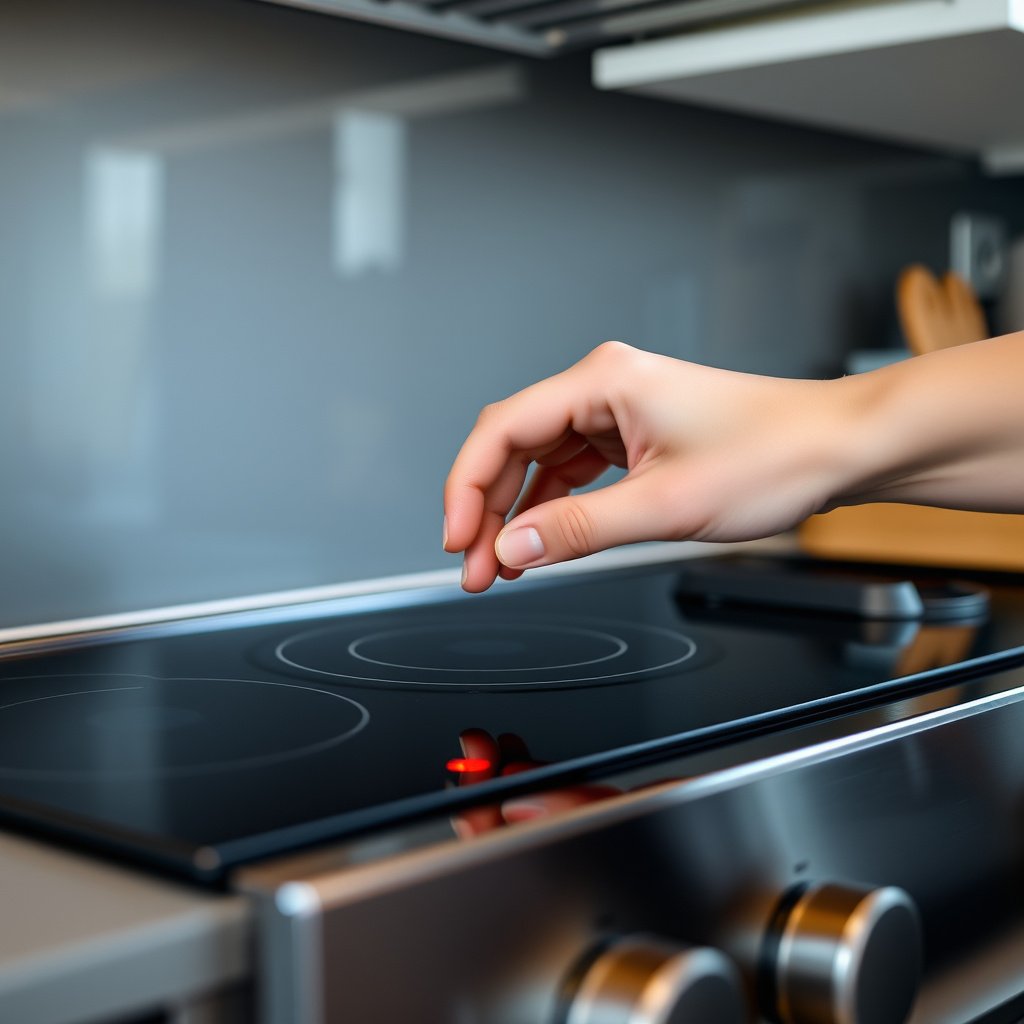
Models with a smooth ceramic stove top are controlled similarly. Turn the burner knob clockwise to activate. The heating element beneath the glass will warm up until reaching the set temperature. Indicator lights may signal when the element is hot.
Avoid sliding cookware across a smooth stove top when hot to prevent scratches. Also, since heating elements are not visible, take extra care when turning burners on or off to prevent accidental burns.
Common Troubleshooting When Turning On Electric Stoves

No Heat or Burners Not Turning On
If an electric stove burner fails to heat when turned on, first check if the stove is plugged in and circuit breakers have not tripped. Test other burners to determine if the issue is specific to one burner or the entire stove.
A faulty burner element, damaged control knob, or internal wiring issues might require professional inspection and repair. Avoid attempting DIY repairs unless familiar with electric appliances.
- Check power supply and breakers
- Test other burners
- Inspect for visible damage
- Consult technician if needed
Burner Takes Too Long to Heat or Uneven Heating
Slow heating can result from worn-out burner coils or dirty contacts between the burner and socket. Remove and clean the burner and socket area with a dry cloth, then reseat properly.
Uneven heating on smooth tops might require recalibration or replacement of sensors inside the unit. Regular maintenance helps preserve consistent burner control.
Safety Tips for Using Electric Stoves

Avoiding Burns and Electrical Hazards
Always assume burners are hot after use and utilize indicator lights as visual safety cues. Use oven mitts when handling cookware on heated burners and keep flammable materials away from the stove surface.
Do not attempt to insert or remove burners while they are hot or connected electrically to avoid shocks or burns. Ensure your stove is installed according to manufacturer guidelines.
- Wait for burners to cool before cleaning
- Use indicator lights as safety guides
- Keep flammable objects away
- Avoid touching control knobs with wet hands
Proper Stove Maintenance Habits
Regularly clean spills and residue on burner coils or glass tops to prevent damage and ensure even heat transfer. Use recommended cleaners for smooth tops to avoid scratching.
Periodically check electric cords and connections for wear or damage. Scheduling professional service annually extends your stove’s lifespan and safe operation.
Electric Stove Burner Control Features

Understanding Heat Settings and Timers
Most electric stove knobs feature gradual heat levels from 'Low' to 'High' or numbered increments, enabling precise temperature control. Some models include additional features like timers or pre-set modes for specific cooking tasks.
Timers integrated with burner controls can automatically shut off the element after a set period, improving safety and energy efficiency. Learning to use these features can enhance your cooking experience.
Modern Digital and Touch Controls
Newer electric stoves may replace traditional knobs with touchpads or digital controls offering greater precision. These allow selecting exact temperature settings and may include lockout functions for child safety.
While digital controls offer convenience, they require familiarity with the interface and sometimes are less intuitive than simple knobs. Reading the user manual helps utilize these features effectively.
Cleaning and Maintaining Your Electric Stove

Cleaning Coil Burners and Drip Pans
Remove coil burners carefully by lifting and unplugging from sockets. Clean them with a non-abrasive cloth and mild detergent to remove grease and grime. Drip pans beneath coils should be replaced if heavily stained or warped.
Avoid submerging electrical components in water. Wipe the area dry before reinstalling the coils. Proper cleaning maintains effective burner control and safe operation.
- Remove coils gently
- Clean with mild detergent
- Replace damaged drip pans
- Dry thoroughly before reinstalling
For more detailed technical background on electric stoves, refer to the Electric stove information on Wikipedia. Electric stove information on Wikipedia.
Maintaining Smooth Ceramic Stove Tops
Use specialized non-scratch stove top cleaners and soft cloths for glass surfaces. Avoid abrasive pads that can damage the smooth top. Clean spills promptly after cooling to prevent burnt-on residues.
Regular maintenance extends the life of the surface and keeps burner control consistent by ensuring the heating elements work properly under the glass.
- Use non-abrasive cleaners
- Clean after cooling
- Avoid sliding heavy cookware
- Polish with appropriate products
Electric Stove Types Comparison
Below is a comparison of common electric stove types to help you understand their features and suitability.
| Stove Type | Burner Style | Heat Control | Ease of Cleaning | Cost |
|---|---|---|---|---|
| Exposed Coil Stove | Metal coil burners | Knobs with Low-High settings | Moderate – coils removable | $300-$600 |
| Smooth Ceramic Top Stove | Hidden electric elements | Knobs or touch controls | High – flat surface easy to wipe | $500-$900 |
| Induction Electric Stove | Magnetic induction coils | Digital touchpad controls | Very high – flat surface | $1000-$2000 |
| Dual Fuel Stove (Electric + Gas) | Electric burners on top | Knobs with standard controls | Moderate – mixed cleaning | $1200-$3000 |
Frequently Asked Questions
How long does it take for an electric stove burner to heat up?
Electric stove burners generally take 5 to 10 minutes to reach the desired cooking temperature depending on the burner size and heat setting.
Can I use any cookware on an electric stove?
Most cookware, including stainless steel, cast iron, and aluminum, works on electric stoves. Smooth tops require flat-bottomed pots for even heating.
What should I do if my electric stove burner does not turn on?
Check that the stove is plugged in and the circuit breaker is not tripped. If the burner remains inactive, inspect for damage or contact a professional technician.
Is it safe to touch the electric stove burner after turning it off?
Burners can remain hot for several minutes after use. Use indicator lights and wait for the burner to cool before touching to avoid burns.
How do digital controls differ from knob controls on electric stoves?
Digital controls offer precise temperature settings and often include timers and safety locks, while knob controls are straightforward with variable heat settings.
Key Takeaways
- Turning on an electric stove involves using burner control knobs to select heat levels.
- There are two main burner types: exposed coil and smooth ceramic glass tops.
- Safety involves watching for hot surfaces and using indicator lights.
- Regular cleaning and maintenance extend the stove's lifespan and efficiency.
Conclusion
When deciding how to turn on an electric stove, the main factor is understanding your stove’s burner type and control interface. Whether working with an exposed coil or smooth ceramic top, familiarity with control knob functions and safety indicators ensures a smooth cooking experience. Selecting the right heat level and waiting for burners to reach temperature avoids undercooked food and reduces risk.
For users with standard coil burners, simple knob rotations with attention to the coil glowing red provide immediate visual confirmation of heating. Smooth top stoves require a bit of caution as elements heat invisibly beneath glass, but indicator lights play a helpful role. Those using modern stoves with digital controls benefit from added precision but should refer to manuals to master special features like timers or child locks.
To start cooking, first check power connections, then turn the burner knob to the desired heat level while observing any safety lights. If issues arise, troubleshooting usually involves checking power and burner condition or calling for service. Getting comfortable with the electric stove burner control will boost your confidence in meal preparation and appliance handling.