Propane Kitchen Stove Range Guide: What to Know Before You Buy
Are you tired of uneven heat and limited cooking options? Many people struggle with traditional stoves that can’t keep up or fail during power outages.
If you want precise heat control and cooking versatility, a propane stove range is a smart choice. It heats quickly, works during power outages, and offers even burners for better results.
Be ready for installation costs like gas line setup and ventilation, and always follow safety tips like using a carbon monoxide detector.
Look for features like sealed burners and auto shut-off valves to boost efficiency and safety.
Keep exploring to uncover more about choosing and maintaining your ideal stove.
Key Takeaways
- Propane stoves give you instant, precise heat control and keep working during power outages, making cooking reliable.
- Installation costs cover gas line setup, ventilation, and permits, usually adding up to about $500 to $1,250.
- Pick a stove design and features that match your kitchen style and cooking needs, like sealed burners and convection ovens.
- Safety is key, so make sure you have proper ventilation, carbon monoxide detectors, and regularly check for gas leaks.
- Keep up with regular maintenance by cleaning spills quickly, inspecting connections, and troubleshooting uneven flames or odors.
Why Choose a Propane Stove Range? Key Benefits Explained
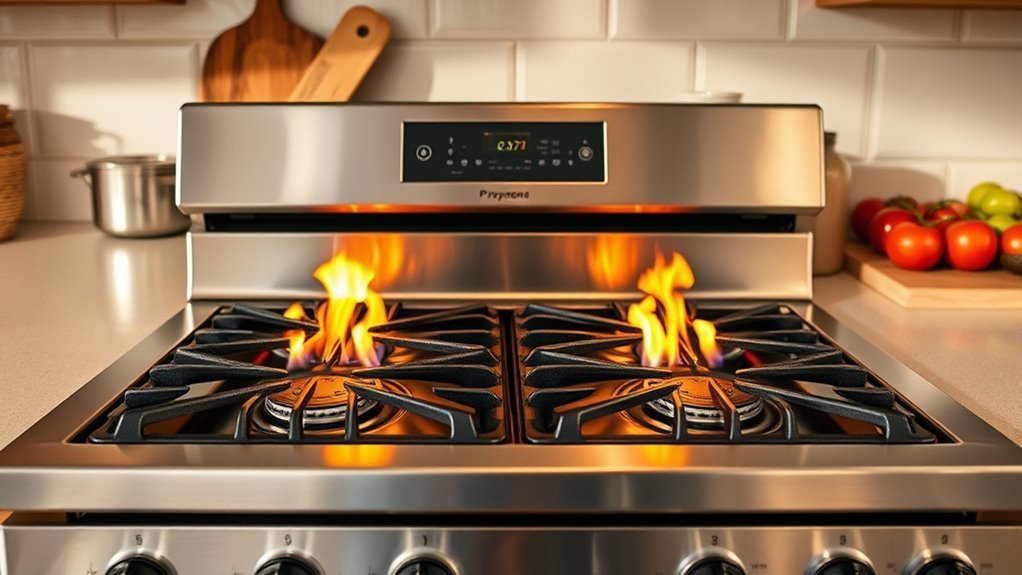
Although electric stoves are popular, choosing a propane stove range offers unique advantages that can improve your cooking experience. One of the main propane benefits is the instant and precise heat control you get, allowing you to adjust flames immediately for perfect temperature management. This responsiveness makes it easier to sear meats, simmer sauces, or quickly boil water without waiting for the burner to catch up.
You’ll also appreciate the cooking versatility propane provides. Whether you’re baking, roasting, or frying, propane stoves deliver consistent heat across the surface, so your dishes cook evenly. Plus, propane works well even during power outages, so you won’t lose your ability to prepare meals.
When you opt for a propane stove range, you’re choosing a reliable, efficient, and flexible cooking option that adapts to various recipes and techniques. This versatility means you can experiment confidently in the kitchen and enjoy better results every time.
How Propane Stoves Work Compared to Electric Models
When you use a propane stove, you get that open flame that’s fueled by gas, which means you can instantly see and control the heat. It’s great for quick adjustments while you’re cooking. On the other hand, electric stoves use coils or induction technology to generate heat. They tend to heat up more slowly, but once they’re hot, they can keep a steady temperature, which is perfect for consistent cooking.
Thinking about energy efficiency can help you figure out which type of stove works best for your cooking style and your kitchen. Propane stoves often offer quick, responsive heat, while electric models might be more consistent and easier to control once they’re up to temperature.
Heat Generation Differences
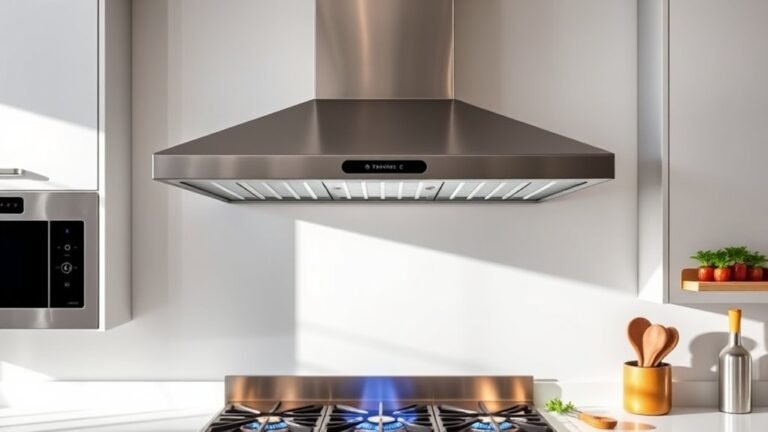
Because propane stoves burn fuel directly, they produce immediate and intense heat that you can control with a simple turn of the knob. This direct combustion allows for precise flame control, giving you the ability to adjust heat levels instantly.
Unlike electric models, which rely on heating elements that take time to warm up and cool down, propane stoves respond quickly, making cooking more efficient. The heat distribution on propane stoves is usually more even because the flame surrounds the cookware’s bottom, reducing hot spots.
This even heat helps you cook food more consistently. When you switch to electric, you’ll notice slower heat changes and sometimes uneven heating, which can affect cooking performance.
Propane’s instant flame control and superior heat distribution make it a favorite for many cooks.
Energy Efficiency Comparison
While propane stoves deliver immediate heat, you might wonder how they compare to electric models when it comes to energy efficiency. Propane stoves generally have lower efficiency ratings because some heat escapes around the burner.
But they heat up quickly, which can cut down on overall cooking time and energy use. Electric stoves, especially induction ones, are more efficient because they transfer energy directly to the cookware with minimal loss.
That said, your overall energy costs depend on local utility rates and propane prices. If you want quick heat and moderate efficiency, propane is a good choice. But if maximum energy efficiency and lower long-term costs matter most, electric models might be better for your kitchen.
Propane Stove Fuel Efficiency and How It Saves You Money
Propane stoves tend to use energy more efficiently compared to many electric models, which means they can help you cut down on your overall energy consumption. And since they use fuel more effectively, you’ll likely see some pretty noticeable savings on your utility bills over time. It’s one of those small changes that can add up to big savings, especially if you cook a lot. So, let’s take a closer look at how choosing propane can be a smart move for your kitchen and your wallet.
Energy Consumption Comparison
Comparing energy consumption between propane stoves and other kitchen ranges shows how propane’s fuel efficiency can help lower your utility bills. The type of fuel you choose impacts factors like heat output and cooking time.
Propane produces more heat per unit than electric or natural gas, so you end up using less energy overall. This means quicker cooking and less wasted fuel, saving you both time and money.
| Appliance Type | Average Energy Use (kWh/year) | Efficiency Rating (%) |
|---|---|---|
| Propane Stove | 400 | 60 |
| Electric Stove | 600 | 74 |
Knowing these factors can help you pick a stove that matches your energy goals without sacrificing performance.
Cost Benefits Analysis
Understanding propane’s energy efficiency helps you evaluate its cost benefits. When comparing costs between propane and other fuels like electricity or natural gas, propane often comes out ahead because it has a higher energy content per unit.
This means your stove uses less fuel to produce the same amount of heat, which lowers your overall energy use. A savings analysis shows that propane stoves can significantly cut your monthly utility bills, especially if you cook often or in large quantities.
Plus, propane prices tend to stay more stable, making your expenses more predictable. Choosing a propane stove is a smart move for both your budget and the environment, as it offers better fuel efficiency and savings.
Installing Your Propane Stove: Requirements and Costs
Before installing your propane stove, make sure your kitchen meets local safety codes and has proper ventilation. These requirements help ensure safe operation and prevent gas leaks. Usually, you’ll need a certified professional to do the installation because improper setup can be dangerous.
Cost estimates will vary depending on your location, the complexity of the gas line work, and labor fees. It’s a good idea to get multiple quotes to help you plan your budget better.
Here’s a quick look at the typical installation costs and requirements:
| Installation Requirement | Cost Estimate |
|---|---|
| Professional inspection | $100 – $200 |
| Gas line installation | $200 – $500 |
| Ventilation adjustments | $150 – $300 |
| Stove hookup | $50 – $150 |
| Permit fees | $50 – $100 |
Essential Safety Tips for Using and Maintaining Propane Stoves
Since propane stoves involve flammable gas, you need to follow strict safety measures to protect your home and family. Always ensure proper ventilation when using your stove to prevent gas buildup. It’s also a good idea to install a carbon monoxide detector nearby for extra safety.
Never leave your stove unattended while it’s on, and keep flammable materials away from the burners. Regularly check hoses and connections for leaks or damage by applying a soapy water solution—bubbles mean you need to fix the leak right away.
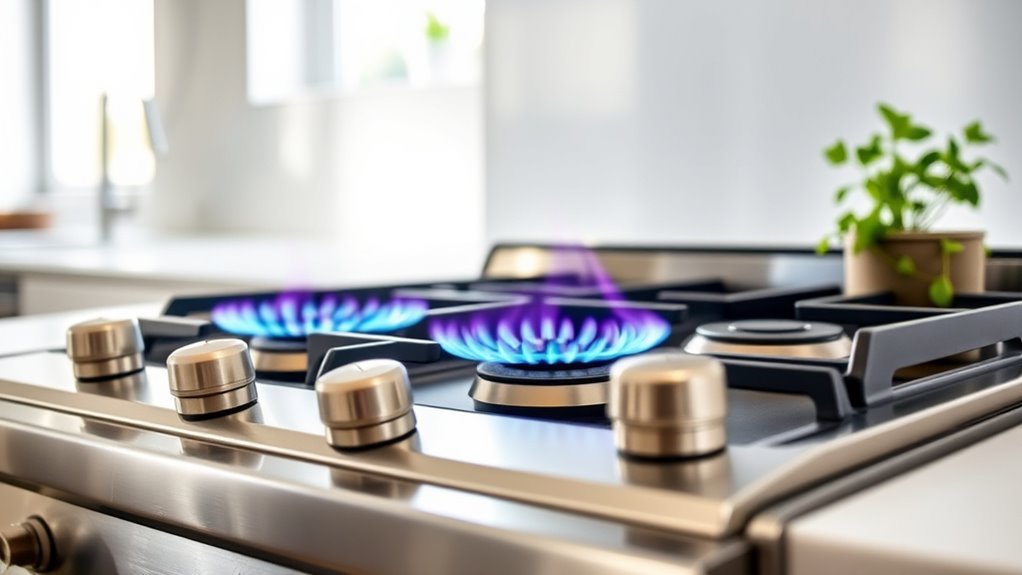
Check the ignition system and burner flames; they should be steady and blue. If the flames are yellow or flickering, there might be an issue that needs attention. Turn off the propane supply if you won’t be using the stove for a long time.
Make sure to clean your stove regularly to prevent grease buildup, which can cause fires. Following these safety tips and doing routine checks will help keep your cooking environment safe and extend the life of your propane stove.
How to Choose the Right Size and Style for Your Kitchen
Before you pick out a propane stove, it’s a good idea to measure your kitchen space carefully. You want to make sure it fits comfortably without crowding the room. Taking these measurements beforehand can save you a lot of hassle later on.
Next, think about the style that matches your kitchen’s overall look. Do you prefer a modern, sleek design or something more rustic? Choosing a stove that complements your decor can really tie the whole space together. And don’t forget to consider the features you need for your cooking habits—like extra burners or specific controls. Doing this will help you find a stove that’s not only functional but also looks great in your kitchen.
Measuring Your Kitchen Space
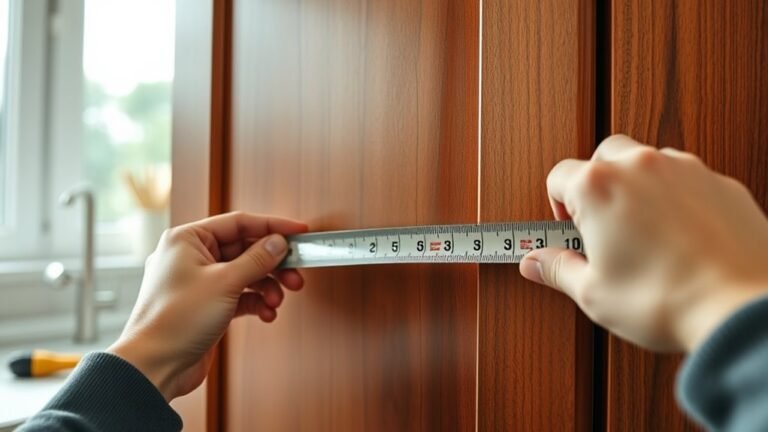
Choosing the right propane kitchen stove starts with accurately measuring your space. First, look at your kitchen layout to see where the stove will fit best without blocking traffic or other appliances.
Use a tape measure to note the width, depth, and height of the area. Don’t forget to include clearance space for ventilation and safety. Measure doorways and hallways too so the stove can be delivered easily.
Sketch a simple floor plan and mark your measurements. This helps you visualize where the stove will go and avoid buying one that’s too big or small. Proper measuring makes your decision easier and more confident.
Selecting Style and Features
Once you’ve measured your kitchen space, it’s time to think about the style and features that fit your cooking needs and aesthetic preferences.
Consider how propane aesthetics blend with your kitchen’s overall look. Sleek stainless steel offers a modern touch, while matte black or classic white finishes create a timeless vibe.
Choose a size that matches your cooking habits. A 30-inch range suits most, but if you entertain often, a larger model with extra burners might be ideal.
Look for features like sealed burners for easy cleaning, convection ovens for even baking, and precise temperature controls.
Must-Have Features in a Propane Stove Range
A propane stove range offers powerful heat and reliable performance, but knowing which features to prioritize can make all the difference in your cooking experience. First, focus on propane efficiency to save fuel and cut costs without sacrificing power.
Look for models with sealed burners and adjustable flame controls. These let you fine-tune heat and improve cooking versatility. Multiple burner sizes are also important, allowing you to handle everything from simmering sauces to boiling large pots quickly.
You’ll want a spacious oven with even heat distribution for consistent baking and roasting. Features like convection fans can speed up cooking and improve results. Safety is key—auto shut-off valves and flame failure devices help prevent accidents.
Finally, consider easy-to-clean surfaces and removable grates to keep your stove looking great and functioning well. Prioritizing these features ensures your propane stove range meets your needs efficiently and upgrades your kitchen’s performance.
How to Maintain Your Propane Stove for Long-Term Use
To keep your propane stove running smoothly for years, you need to perform regular maintenance and address issues promptly. Start by following effective cleaning techniques: wipe spills immediately and clean burner grates and caps weekly.
Use a soft brush to clear debris from burner ports. Avoid harsh chemicals that can damage the stove’s finish or components.
In addition to cleaning, conduct routine checks on gas connections and hoses to ensure there are no leaks or cracks. Inspect the ignition system regularly to confirm it sparks efficiently.
Don’t forget to verify that the stove’s ventilation is clear and working properly. This helps prevent gas buildup and keeps everything functioning safely.
Troubleshooting Common Propane Stove Problems
Although propane stoves are reliable, you might run into issues like uneven flames, ignition problems, or gas odors. If your flame looks weak or uneven, check the burner holes for clogs and clean them with a soft brush.
Proper flame adjustment is key. Flames should be blue and steady, not yellow or flickering. For ignition issues, make sure the igniter is clean and dry since dirt or moisture can stop sparks.
If the igniter still won’t light the burner, try lighting it manually with a match while checking the gas flow. Smelling gas means you might have a leak, so turn off the stove and propane supply immediately.
Ventilate the area and call a professional. Regularly inspect connections and hoses for cracks or damage. By catching these problems early, you’ll keep your propane stove safe and working well, avoiding costly repairs or hazards in your kitchen.
Where to Buy Propane Stove Ranges and What to Expect on Price
Keeping your propane stove in good working order is just one part of the process. Finding the right stove range for your kitchen comes next. When searching for propane stove ranges, check out both local stores and online options.
Local stores let you see models in person and get expert advice. This is helpful if you want hands-on help. Online shopping offers a bigger selection and often better deals, but watch out for shipping costs and return policies.
Prices for propane stove ranges vary a lot depending on size, features, and brand. Basic models usually start around $400, while high-end ranges with advanced features can go over $2,000. Look for seasonal sales or discounts online for the best deals.
Frequently Asked Questions
Can Propane Stoves Be Used Safely Outdoors?
Yes, you can use propane stoves safely outdoors as long as you follow proper propane safety guidelines. Always set up your stove on a stable, flat surface away from flammable materials.
Make sure your connections are secure and check for leaks before lighting. Outdoor cooking with propane is convenient and efficient, but never leave your stove unattended.
Keep a fire extinguisher nearby to handle any emergencies. By taking these precautions, you’ll enjoy safe and fun outdoor cooking experiences.
Are Propane Stove Ranges Compatible With Induction Cookware?
You want efficiency, you want precision, but can you have both with propane stove ranges and induction cookware? Unfortunately, propane cookware compatibility with induction cooking methods is limited. Propane stoves use open flames, while induction needs magnetic cookware and an electric cooktop.
How Does Propane Stove Cooking Affect Food Flavor?
You’ll notice propane stove cooking improves food flavor because the open flame offers precise flame control, letting you adjust heat quickly. This direct flame helps achieve better caramelization and searing, which really boosts the taste.
Plus, propane stoves provide even heat distribution, reducing hot spots that can burn or undercook your food. As a result, your dishes often develop richer, more complex flavors compared to electric cooking methods.
What Are the Environmental Impacts of Using Propane Stoves?
You want cleaner air, reduced carbon footprints, and a healthier planet. Using propane stoves releases propane emissions, which contribute to greenhouse gases and air pollution.
While propane burns cleaner than some fossil fuels, it’s still a non-renewable resource. You can reduce your environmental impact by considering alternative fuels like electric or induction stoves powered by renewable energy.
Making this switch helps you protect the environment while enjoying efficient cooking.
Can Propane Stoves Operate During a Power Outage?
Yes, propane stoves can operate during a power outage since they don’t rely on electricity to generate heat. You’ll appreciate their efficiency, which guarantees consistent cooking even without power.
Just make sure you have enough propane fuel stored so you don’t run out during a longer outage. This way, you can keep cooking smoothly without any interruptions.
Propane stoves are a reliable option when the electricity goes down, making them a great backup for your kitchen.
Conclusion
Choosing a propane stove range is like inviting a reliable chef into your kitchen—efficient, powerful, and ready to serve. You’ll enjoy precise heat control and cost savings while cooking your favorite meals.
Just remember, proper installation and regular maintenance keep your stove burning bright and safe. With the right features and care, your propane stove will be a trusty companion.
It can turn everyday cooking into a flavorful adventure you’ll love coming home to.