Where to Recycle Old Appliances? The Complete Answer
Are you tired of looking at old appliances taking up space in your home? You’re not alone—many people struggle with figuring out how to responsibly dispose of bulky and outdated equipment.
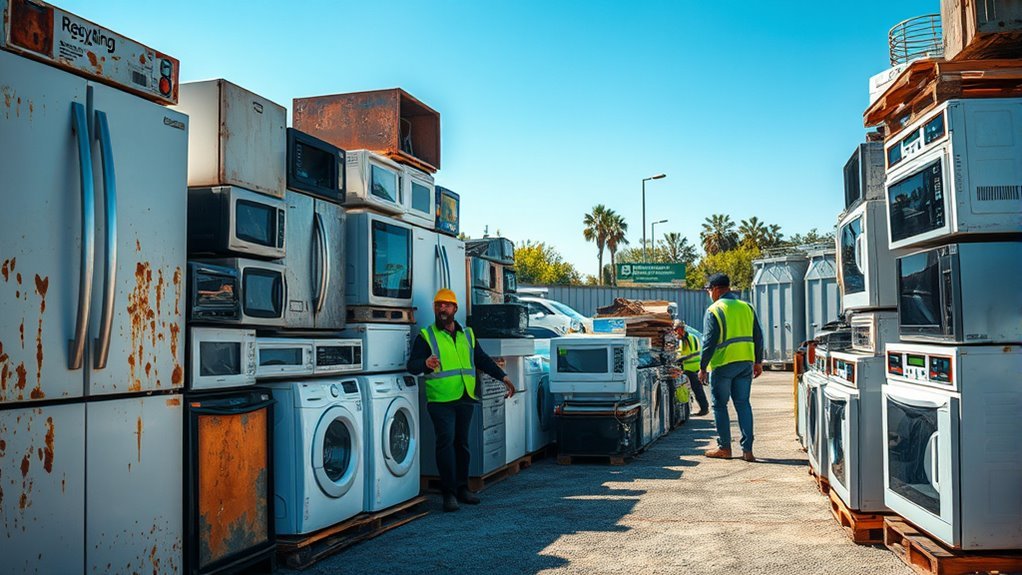
Recycling these items can feel overwhelming, but it doesn’t have to be. You can recycle old appliances by taking them to local recycling centers, municipal waste facilities, or retailer take-back programs that accept bulky and hazardous items.
Many communities offer drop-off points or collection events, making it easier to do the right thing. Some stores even provide trade-ins or pickups when you buy new appliances.
Just make sure to prepare your appliances by unplugging, cleaning, and safely removing hazardous parts.
Keep following for a deeper look into the process and smart tips to recycle responsibly and easily.
Key Takeaways
- Recycle old appliances at local municipal waste centers, dedicated recycling facilities, or community collection events.
- Many retailers offer take-back or trade-in programs when you buy new appliances.
- Check official city or county websites and waste management offices for nearby recycling options and guidelines.
- Prepare appliances by unplugging, cleaning, removing parts, and doing factory resets on smart devices before recycling.
- Choose certified recyclers with EPA or R2 certification to ensure safe handling of hazardous components and eco-friendly disposal.
Why Recycling Old Appliances Matters for the Environment
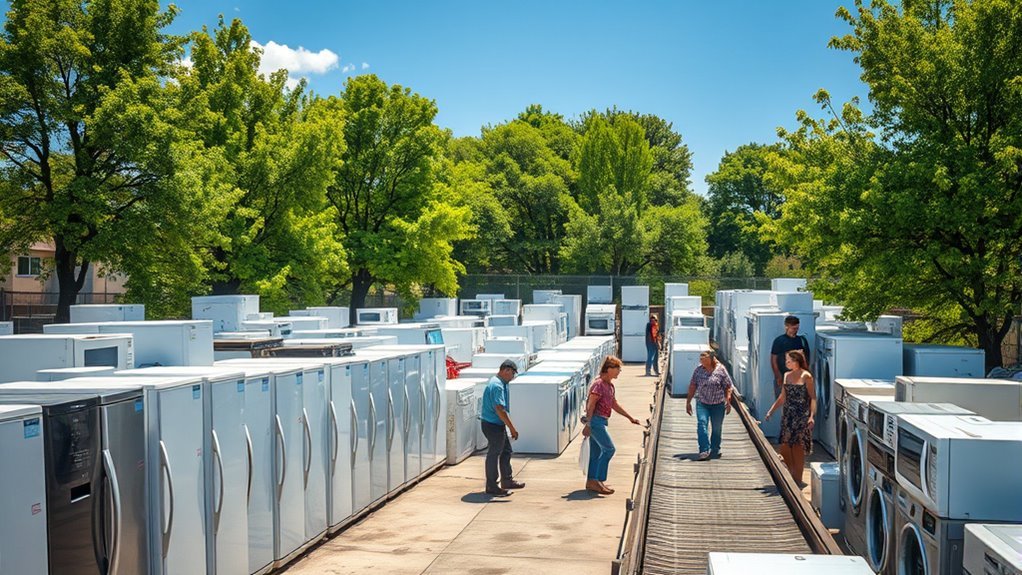
Although it might seem easier to toss old appliances in the trash, recycling them plays an essential role in protecting the environment. When you recycle, you reduce the impact caused by landfill waste and harmful chemicals leaking into soil and water.
Appliances contain metals and materials that can be harmful if not handled properly. Recycling helps prevent pollution and conserves natural resources.
Recycling appliances prevents pollution and conserves valuable natural resources by properly managing harmful materials.
By choosing to recycle, you actively support resource recovery, allowing valuable metals like steel, copper, and aluminum to be reused. This process lowers the demand for new raw materials, which means less mining and energy use.
Recycling old appliances also reduces greenhouse gas emissions linked to making new products from scratch. It’s a simple way to help protect our planet.
What Types of Appliances Can You Recycle?
Recycling old appliances helps protect the environment, but knowing which items qualify is just as important. You can recycle a wide range of appliances, from larger kitchen appliances like refrigerators and ovens to smaller gadgets such as microwaves or toasters. Many of these contain valuable metals and components that reduce electronic waste when properly recycled. Avoid tossing these in the trash because they often include hazardous materials that can harm the environment.
Here’s a quick guide on what types of appliances you can recycle:
| Appliance Type | Examples | Notes |
|---|---|---|
| Kitchen Appliances | Refrigerator, Oven, Dishwasher | Often bulky and need special handling |
| Small Appliances | Toaster, Coffee Maker | Usually accepted at e-waste centers |
| Laundry Appliances | Washing Machine, Dryer | Contain metals and plastics |
| Electronic Waste | Microwaves, Air Conditioners | Require careful disposal |
| Heating & Cooling | Heaters, Fans | Check local facility guidelines |
Knowing this helps you recycle correctly and reduce electronic waste effectively.
Find Local Appliance Recycling Centers
Wondering where to take your old appliances for proper disposal? Start by exploring local resources like municipal waste centers and dedicated recycling facilities. These centers specialize in handling appliances safely, making sure hazardous materials don’t harm the environment.
Many communities also run initiatives focused on appliance recycling, often organizing collection events or offering drop-off points. Checking your city or county’s official website can quickly point you to these programs.
You can also call your local waste management office for details on accepted appliances and any fees involved. Using these local resources helps you recycle efficiently and supports community efforts to reduce landfill waste.
Can Retailers Take Back Your Old Appliances?
If you’re looking for convenience beyond local recycling centers, many retailers offer take-back programs for old appliances when you buy new ones. These programs make it easy to dispose of outdated appliances responsibly without extra trips.
Before making a purchase, check retailer policies carefully, as rules vary by store and location. Some retailers require scheduling a pickup, while others accept drop-offs at their stores.
Always review store policies before buying, as appliance recycling rules differ by retailer and location.
Appliance trade-ins can also save you money on your new purchase, so don’t overlook that option. When you trade in an old appliance, the retailer often guarantees it’s recycled properly, which helps reduce environmental impact.
Keep in mind that not all appliances qualify for trade-ins, and some programs may charge a small fee for removal. By understanding retailer policies and using take-back or trade-in options, you can recycle your old appliances easily and responsibly.
How Your Local Waste Program Recycles Appliances
Many local waste programs make it easy for you to recycle old appliances safely and efficiently. They let you get rid of items like refrigerators, washers, and ovens without harming the environment. Plus, participating helps reduce landfill waste and conserves resources.
Here’s how these programs usually handle appliance recycling:
- You can schedule a curbside pickup or drop off at a designated facility.
- Safely remove hazardous components like refrigerants.
- Dismantle appliances to salvage metal, plastic, and glass.
- Make sure non-recyclable parts are disposed of properly.
- Follow local guidelines to keep everything smooth and compliant.
Using your local waste program not only makes appliance disposal easier but also supports community efforts toward sustainability. You’ll be helping reduce pollution and promote resource recovery, making it a smart and responsible choice for your old appliances.
How to Use Specialized Appliance Recycling Services
Looking for an efficient way to recycle your old appliances beyond local waste programs? Specialized appliance recycling services offer a streamlined solution. Start by finding a certified recycler in your area—many accept various appliances, from refrigerators to washers.
These services often provide pick-up options, saving you the hassle of transporting bulky items. When you use these professionals, you benefit from proper disposal of hazardous materials and maximizing parts reuse.
Some recyclers also coordinate appliance donation programs. If your appliance still works or can be repaired, donating it extends its life and helps community members in need. To get started, contact the recycler to confirm what appliances they accept and schedule a pick-up or drop-off.
Using these specialized services ensures your appliances are handled responsibly, reducing landfill waste and supporting sustainability. It’s a practical choice that benefits both you and the environment.
How to Prepare Your Appliances Before Recycling
Before you toss your appliances into the recycling bin, it’s a good idea to unplug them completely. Give them a good clean to make sure they’re tidy and ready to go. Oh, and don’t forget to remove any personal info from devices like smart refrigerators or washing machines. This way, your privacy stays protected, and the recycling process can happen smoothly without any hiccups.
Disconnect and Clean Thoroughly
Start by unplugging your appliance and shutting off any water or gas connections to ensure safety during removal. Proper disconnection is key to avoiding damage or accidents.
Once it’s disconnected, give your appliance a thorough clean. This makes recycling easier and keeps things hygienic.
Remove all removable parts and wash them separately. Wipe down surfaces with a mild detergent, and clear out any debris or food residue inside.
Make sure to dry all parts completely to prevent mold or rust. Before transporting, check for any leaks or damages.
Remove Personal Data
After cleaning and disconnecting your appliance, the next step is to protect your personal information. Many modern appliances, like smart refrigerators or washers, store sensitive data such as Wi-Fi passwords, user accounts, or usage history.
To guarantee data security, you should perform a factory reset or wipe all stored information according to the manufacturer’s instructions. This prevents privacy concerns by making sure your data isn’t accessible to the recycling facility or anyone else handling your appliance.
If you’re unsure how to remove personal data, check your user manual or the manufacturer’s website for guidance. Taking these precautions helps you recycle responsibly while keeping your private information safe from potential misuse.
What Happens When You Drop Off Appliances for Recycling
When you drop off your old appliances for recycling, skilled workers quickly assess each item to figure out the best way to dismantle and process it. This initial check makes sure the appliance is handled safely and efficiently.
The dismantling phase breaks down the device into parts that can be reused, recycled, or properly disposed of. During recycling, materials like metals, plastics, and glass are separated for recovery.
Here’s what usually happens: hazardous components like refrigerants and batteries are safely removed. Valuable metals such as copper, aluminum, and steel are extracted. Plastic and glass parts are sorted by type.
Non-recyclable materials are disposed of following environmental standards. Recovered materials are then sent to manufacturers to create new products.
How to Recycle Appliances Safely and Responsibly
Before you recycle your appliances, it’s a good idea to prep them first. That means removing any personal items and unplugging everything. It might seem simple, but taking these steps helps keep things safe and easy for everyone involved.
When you’re choosing a place to recycle, go for certified recyclers. These guys follow strict safety and environmental standards, so you can trust that your appliances are handled responsibly. And don’t forget about the tricky parts—hazardous components like refrigerants and batteries need to be handled with care to prevent any harm or leaks. Just a little extra caution makes all the difference!
Proper Appliance Preparation
Start by unplugging your appliance and removing any batteries or detachable parts to prevent hazards during recycling. Proper appliance preparation helps ensure safety and makes recycling more effective.
Before you proceed with disposal, make sure to clean the appliance thoroughly to remove any food or debris. Secure doors or lids to avoid injuries during transport.
It’s also a good idea to document the appliance’s model and serial number for recycling records. If applicable, safely drain fluids like refrigerants or oils.
Finally, separate recyclable parts such as metal or plastic components. Taking these steps helps protect workers and the environment while maximizing material recovery.
Proper preparation is key to responsible appliance disposal and supports the full environmental benefits of recycling.
Choosing Certified Recyclers
How do you guarantee your appliance gets recycled safely and responsibly? Choosing certified recyclers ensures your old appliance is handled with eco-friendly practices that protect the environment. Certified recyclers follow strict guidelines to maximize material recovery and minimize waste, so your appliance won’t end up in a landfill.
Here’s how to spot reliable recyclers:
| Factor | What to Check | Why It Matters |
|---|---|---|
| Certification | Look for EPA or R2 approval | Guarantees compliance with standards |
| Eco-Friendly Practices | Ask about recycling methods | Reduces environmental impact |
| Transparency | Request recycling reports | Confirms responsible disposal |
| Customer Reviews | Check feedback online | Validates trustworthy service |
Handling Hazardous Components
Once you’ve chosen a certified recycler, you need to think about the hazardous components inside many appliances. These materials need special care to ensure safe disposal and to protect both you and the environment. Handling hazardous materials the wrong way can cause serious health risks and pollution.
When preparing your appliance for recycling, focus on these key points:
- Identify refrigerants and oils in cooling units.
- Carefully remove batteries or capacitors.
- Be cautious not to break glass or mercury-containing parts.
- Follow the recycler’s instructions for hazardous waste handling.
- Wear protective gear if you’re dismantling any components yourself.
Tips for Recycling Your Old Appliances
Before you recycle your old appliances, make sure to check for any hazardous materials like refrigerants or batteries that need special handling. Once that’s sorted, think about whether your appliance still works—that could be a great donation opportunity.
Many charities and community centers happily accept working appliances, giving them a second chance and helping those in need. If donation isn’t an option, look into creative recycling methods. Some parts can be turned into art, furniture, or garden tools.
This approach reduces waste and sparks new ideas. When prepping your appliance, remove all personal items and give it a thorough clean. Contact your local recycling center to confirm what they accept and any drop-off rules.
If you’re scheduling a pickup, make sure access is clear and the appliance is disconnected properly. Recycling responsibly helps save resources and protects the environment, so follow these steps to make the process smooth and effective.
Frequently Asked Questions
Can I Get Paid for Recycling Old Appliances?
Yes, you can get paid for recycling old appliances through appliance recycling incentives offered by some local recycling programs. These incentives vary by location and might include cash rewards or discounts on new appliances.
You should check with your local recycling centers or government websites to see if they offer such programs. Taking advantage of these incentives not only earns you money but also helps protect the environment by properly disposing of old appliances.
Are There Any Fees for Recycling Appliances?
Recycling appliances isn’t always a free ride; sometimes fees act like tolls on a highway. Whether you pay depends on the recycling locations and local disposal regulations.
Some places charge a small fee to cover handling and environmental safety, while others accept appliances for free, especially during special collection events.
It’s smart to check with your local waste management or recycling center to understand any costs before you drop off your old appliance.
How Long Does the Appliance Recycling Process Take?
The appliance recycling process usually takes a few days to a couple of weeks, depending on the recycling methods used and your local facility’s schedule. You’ll want to account for pickup or drop-off times and how long it takes to safely dismantle and sort materials.
Efficient methods help minimize environmental impact by properly handling hazardous components. While it might take some time, you’re helping reduce waste and protect the planet.
Can Appliance Parts Be Reused or Sold Separately?
You know what they say: “One man’s trash is another man’s treasure.” Yes, appliance parts can definitely be reused or sold separately.
By exploring appliance donation options, you give your old appliances a second life. It helps someone in need while promoting eco-friendly disposal.
This approach reduces waste and conserves resources, making it a smart and sustainable choice. So, don’t just throw them away—consider parting out and donating!
What Items Should Not Be Included With Appliance Recycling?
You shouldn’t include hazardous materials like batteries, paint, or chemicals with your appliance recycling.
Also, avoid mixing in electronics unless the recycling location explicitly accepts e-waste.
Follow the appliance disposal guidelines by separating items like cords or non-metal parts if needed.
Sticking to these rules helps prevent contamination and ensures safe recycling.
Always check with your chosen recycling spot to confirm what they’ll accept before dropping off your appliances.
Conclusion
Recycling your old appliances is like planting seeds in a garden you’ll never fully see bloom. Your care makes the future greener. Just as each fallen leaf nourishes the soil, every recycled appliance feeds the cycle of renewal.
You hold the power to turn yesterday’s waste into tomorrow’s resource. So, take that step, prepare your appliances well, and watch how your small actions ripple into a healthier planet for all.
When it comes to recycling old appliances, knowing where to go is key. Local recycling centers, donation programs, and special collection events are great options.
Find out if your municipality offers appliance recycling services or partner with certified e-waste recyclers to ensure responsible disposal.
Recycling appliances properly helps reduce waste and conserves valuable materials. It’s an easy way to make a difference and keep our planet clean.
So next time you upgrade or replace, remember where to recycle old appliances and do your part for a greener future.