How Much to Paint Cabinets in Kitchen? The Complete Answer
Are you dreaming of giving your kitchen a fresh new look but feeling overwhelmed by the costs? You’re not alone—many people struggle with figuring out how much it will really take to paint their cabinets.
Luckily, understanding the expenses involved can help you plan better and avoid surprises.
You can expect to spend between $1,000 and $3,000 to paint your kitchen cabinets, depending on your kitchen’s size, cabinet materials, and the paint quality you choose.
Labor makes up a big part of the cost since prep work and painting are detailed tasks. DIY can save money but takes much longer and may not look as smooth.
If you want to know how different factors impact costs and timing, keep exploring for a full breakdown.
Key Takeaways
- Painting kitchen cabinets usually costs between $1,000 and $3,000. The price depends on your kitchen size, materials used, and how much labor is involved.
- Bigger or more complicated kitchens tend to be more expensive because they require more cabinets, prep work, and detailed painting.
- Choosing higher-quality paints and finishes will cost more but can give you a longer-lasting, more durable finish.
- Doing it yourself can save money, with costs around $200 to $400, but it takes a lot of time and effort.
- Hiring professionals generally costs between $1,000 and $3,500. They can do the job faster and often provide better results.
- Proper prep work like cleaning and priming is key to a long-lasting finish. This can also add time, extending the project to about 3 to 7 days.
Typical Costs to Paint Kitchen Cabinets
Painting kitchen cabinets usually costs between $1,000 and $3,000, depending on your kitchen size and the quality of materials.
Labor costs are a big part of the total since prepping, sanding, and applying multiple coats take skill and time.
Labor makes up a large portion of the cost due to the skill and time needed for prep and multiple coats.
Choosing the right paint finish is important because it impacts how your cabinets look and how long they last.
Popular options like semi-gloss or satin are great because they resist moisture and are easy to clean—perfect for a kitchen.
Higher-end finishes can cost more but tend to last longer, saving you money in the long run.
If you do the work yourself, you’ll save on labor but should be prepared for a detailed, time-consuming process.
Hiring a professional can help ensure a smooth, even coat and avoid costly mistakes.
Knowing these costs helps you plan your budget before starting your cabinet painting project.
Key Factors Driving Cabinet Painting Costs
Several key factors influence how much you’ll spend on painting your kitchen cabinets. Knowing the cost breakdown helps you plan your budget better.
Labor costs usually make up the biggest part because prepping, sanding, priming, and painting take skill and time. The design complexity of your cabinets also matters; detailed designs need more work, which raises the price.
Material quality affects the overall cost too. Higher-quality paints and primers cost more but give a better finish and last longer. Whether you hire a professional or do it yourself also impacts expenses. Professionals ensure a smooth, durable result but are more expensive.
Lastly, any repairs or surface prep needed add to the cost. Fixing damaged areas means extra work before painting can begin.
How Kitchen Size Affects Cabinet Painting Costs
Because your kitchen’s size determines how many cabinets you have, it directly impacts the overall painting cost. A larger kitchen usually means more cabinets, which increases the total surface area that needs painting. The more surface area involved, the more paint, labor, and time will be needed, raising the price.
Your kitchen’s cabinet layout also matters a lot. Complex layouts with multiple corners, shelves, and different cabinet sizes take longer to prep and paint than simple, straight-line setups. This extra detail affects how much labor is involved and can increase costs.
On the flip side, smaller kitchens with fewer cabinets and less surface area tend to cost less because the job is quicker and needs fewer materials. Understanding how your kitchen size and layout influence the costs can help you plan your budget better and make smarter decisions before starting your cabinet painting project.
How Paint Type and Quality Influence Your Price
Your choice of paint type and quality plays a big role in determining the final cost of painting your kitchen cabinets. Higher-quality paints usually come with better durability, meaning they resist chips, scratches, and stains longer. This can save you money over time by reducing touch-ups or repainting.
Choosing high-quality paint boosts durability and cuts long-term costs by minimizing chips, scratches, and stains.
On the other hand, lower-cost paints might save you upfront but often wear out faster. Finish options also impact your price. Matte, satin, semi-gloss, and high-gloss finishes vary in cost, with glossier finishes generally being more expensive because of their formulation and the labor involved.
Glossy finishes tend to highlight imperfections more, so prep work might cost more. You’ll want to balance your aesthetic preferences with durability and maintenance needs.
Choosing the right combination of paint type and finish ensures your cabinets look great and last, all while keeping your budget in check.
How Cabinet Material Changes Painting Costs
Although cabinet material might not be the first thing you think of, it really impacts painting costs. Different materials need specific techniques, which can affect both labor and supplies.
For example, solid wood cabinets absorb paint unevenly, so you’ll need primer and multiple coats. This adds time and increases the overall cost.
Laminate or thermofoil cabinets require special primers and sanding to make sure the paint sticks properly. This can make the process more complex and expensive.
Medium-density fiberboard, or MDF, is smoother and easier to paint but is sensitive to moisture. Sealing it properly is essential to prevent damage.
Each material’s surface texture and durability influence the prep work and painting methods. That directly impacts your total price.
Knowing your cabinet material helps you plan better and avoid surprises in your budget. So, before starting, identify what your cabinets are made of to choose the right techniques and keep costs in check.
DIY vs. Professional Cabinet Painting: Which Costs More?
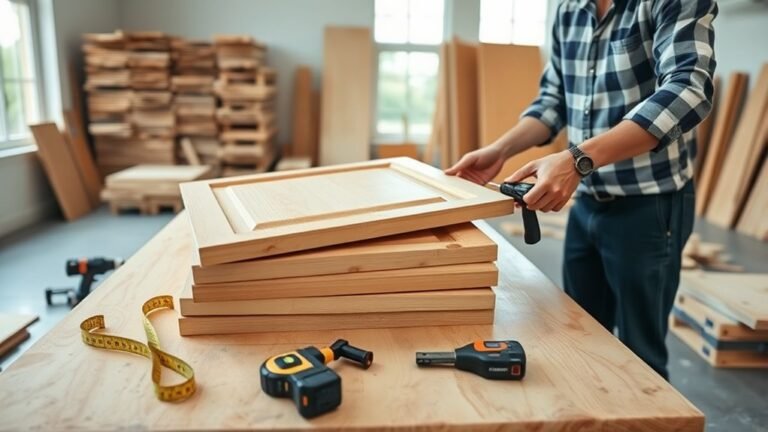
When you’re trying to figure out whether to tackle cabinet painting yourself or hire a pro, it’s a good idea to look at the upfront costs. Doing it yourself means buying supplies like paint, brushes, and primer, which can add up. On the flip side, hiring a professional will come with their labor fees, which can sometimes be pretty steep.
But don’t forget to think about the time you’ll spend prepping, sanding, and painting if you go the DIY route. It might save you some money, but it could also take a lot of your free time. Knowing these differences can help you decide which option works best for your budget and your schedule.
Cost Comparison Breakdown
When deciding between DIY and professional cabinet painting, understanding the cost differences is key to making the best choice. The breakdown shows that DIY projects usually save you money upfront, mainly covering supplies like paint, brushes, and primers, which total around $200-$400.
Professional services, on the other hand, typically range from $1,000 to $3,500, depending on cabinet size and detail. Quality matters here—pros provide smooth, durable finishes with expert prep work, while DIY results depend on your skills and how much time you invest.
You might spend less doing it yourself but risk uneven finishes or needing extra touch-ups, which can add hidden costs. In the end, weighing your budget against your desired quality helps you decide whether to save money or go for a flawless, long-lasting cabinet makeover.
Time Investment Differences
Painting kitchen cabinets takes a lot of time, so understanding how DIY and professional methods differ can help you plan better. When you do it yourself, it often takes several weekends because of prep work, sanding, priming, and drying between coats.
Expect the whole project to take anywhere from a few days to a couple of weeks, depending on your experience and how much time you can dedicate. Professionals, on the other hand, use specialized tools and skills to finish the job faster, usually within 2 to 5 days.
While hiring experts cuts down on time, it does cost more. If you want to save money and have the time, DIY might be the way to go. But if you need quick results, paying for professionals could be worth it.
Extra Costs in Painting Kitchen Cabinets: Prep and Repairs
Although the cost of paint and labor often gets the most attention, extra expenses can add up quickly during prep and repair. You’ll need materials like sandpaper, primer, and cleaning solutions to ensure the surface is ready.
Skipping these steps can lead to poor paint adhesion and an uneven finish. If your cabinets have dents, scratches, or water damage, repairs are necessary. Filling holes, sanding rough spots, and replacing damaged veneers or hinges are common tasks that cost extra.
These fixes require both materials and time, which your painter will include in the estimate. Being aware of these potential costs can help you plan your budget better.
How Long Does Cabinet Painting Take and Affect Cost?
The time it takes to paint your kitchen cabinets can really affect the overall cost of the project. When you include cabinet prep like cleaning, sanding, and priming, it can stretch out over several days.
Proper prep is important because it helps the paint stick better and last longer, but it also adds to the labor time and price. After applying each coat, you’ll need to wait for it to dry, which usually takes a few hours to overnight, depending on the type of paint and the environment.
Rushing this step can ruin the finish and lead to costly touch-ups later. On average, painting cabinets can take anywhere from 3 to 7 days, depending on the size and complexity of your kitchen.
The longer the project takes, the higher your labor costs will be. Knowing these time factors can help you set a realistic budget and understand how long your kitchen might be out of commission during the painting process.
Smart Ways to Save Money When Painting Cabinets
Want to save some money when painting your cabinets? One smart move is to pick affordable paint that still gives you a great finish. You don’t have to splurge on the most expensive brands to get good results.
Also, taking the time to prep your cabinets properly can really pay off. It might seem like a lot of work, but it saves you time in the long run and helps avoid costly mistakes down the line.
And don’t forget to think about whether you want to do it yourself or hire a professional. Doing it yourself can save you money, but sometimes a pro’s touch is worth the extra cost, especially if you’re short on time or want a perfect look.
Choose Affordable Paint Types
When picking paint for your kitchen cabinets, you’ll want to balance cost with durability and finish. Choosing budget-friendly options doesn’t mean sacrificing quality. Look for paints specifically designed for cabinetry or trim, as they offer better adhesion and durability.
Semi-gloss and satin finishes work best because they resist stains and clean easily, making them practical for kitchens. Water-based acrylic paints are usually more affordable and dry faster than oil-based ones, which can save you time if you’re doing it yourself.
Check local stores for sales or discounts on reputable brands to save more. By choosing the right paint finishes and types, you can get a professional look without overspending. Your kitchen cabinets will stay beautiful for years.
Prep Cabinets Efficiently
Picking the right paint sets a strong foundation, but prepping cabinets properly can save you time and money while ensuring a smooth finish. Start with thorough cabinet cleaning to remove grease and dirt, which helps paint adhere better.
Next, focus on surface preparation by sanding cabinets lightly to create a rough texture that grips paint effectively. Finally, don’t skip priming; it seals surfaces and prevents stains from bleeding through.
- Clean cabinets using a degreaser to eliminate buildup.
- Sand surfaces evenly to avoid rough patches.
- Apply a quality primer tailored for cabinets.
DIY Versus Professional Help
How much can you save by painting your kitchen cabinets yourself instead of hiring a pro? A thorough cost analysis shows that DIY can cut expenses significantly, mainly by eliminating labor fees.
However, project planning is key—you need the right tools, quality paint, and time to prep and paint properly. If you’re confident in your skills and can dedicate a weekend, DIY saves money and gives you control over the finish.
On the flip side, professionals bring expertise, speed, and flawless results. This might be worth the extra cost if your time is limited or the cabinets need repairs.
Balance your budget, timeline, and skill level carefully when deciding between DIY or hiring a pro. That way, you get the best value without sacrificing quality.
Is Painting Cabinets Worth It Compared to Replacing Them?
Why choose painting over replacing your kitchen cabinets? Painting is a budget-friendly way to improve your cabinets’ look without the hefty cost of new ones. You can refresh your kitchen’s style while keeping the original structure, saving both time and money.
Here are three reasons painting is often worth it:
- Cost Efficiency – Painting costs just a fraction of replacing cabinets, making it accessible for most budgets.
- Customization – You can pick any color or finish you like, perfectly matching your style.
- Preserved Durability – When done right, painting can extend the life of your cabinets, ensuring they last longer without sacrificing quality.
Replacing cabinets can be expensive and take a lot of time. If your cabinets are still solid but look outdated, painting is a smart and practical choice. It can give your kitchen a fresh new look without the hassle and cost of a full replacement.
Frequently Asked Questions
What Is the Best Time of Year to Paint Kitchen Cabinets?
The best time for you to paint kitchen cabinets is during spring renovations. Seasonal trends show that spring offers ideal weather—mild temperatures and low humidity—which helps paint dry evenly and prevents issues like bubbling or cracking.
Plus, you’ll enjoy better ventilation by opening windows. Planning your project around spring means you’ll get smoother finishes and avoid the moisture problems common in winter or the intense heat of summer.
How Do I Choose the Right Color for Kitchen Cabinets?
You want to choose a color that inspires, a color that soothes, a color that energizes. Start by exploring color psychology to see how hues affect your mood and space.
Consider trending shades like soft greens, warm grays, or classic navy for a modern touch. Balance your personal style with timeless appeal, and test samples in different lighting.
This way, you’ll pick a kitchen cabinet color that feels just right for you.
Can Painting Kitchen Cabinets Improve Home Resale Value?
Yes, painting your kitchen cabinets can boost your home’s resale value. Buyers tend to prefer a fresh, modern look, and updated cabinets make a strong first impression.
Choosing the right colors matters. Neutral or warm tones can make your kitchen feel inviting and spacious, appealing to more potential buyers.
Investing in a quality paint job not only refreshes your space but also makes your home more marketable and can increase its sale price.
What Tools Are Necessary for Painting Kitchen Cabinets?
You’ll want to channel your inner Da Vinci with the right tools. Start with quality brush types like angled sash brushes for detailed edges and foam brushes for smooth finishes. Master prep techniques like sanding and cleaning to guarantee the paint sticks well.
Choose finish options wisely, like semi-gloss for durability.
Don’t forget cleanup tips: use mineral spirits for oil-based paints and soap for latex. These essentials will help you paint cabinets like a pro.
How Do I Maintain Painted Kitchen Cabinets Long-Term?
To keep your painted kitchen cabinets looking great for the long haul, focus on gentle, regular cleaning. Use a soft cloth and a mild, non-abrasive cleaner to wipe down the surfaces.
Avoid harsh chemicals or scrubbing pads, as they can wear down the paint over time. Keeping humidity levels stable is also key to preventing warping or damage.
Conclusion
In terms of painting your kitchen cabinets, keep in mind that “a penny saved is a penny earned.” By understanding costs, materials, and prep work, you can make smart choices that fit your budget without sacrificing quality. Painting is often a cost-effective way to refresh your kitchen, saving you the bigger expense of replacement.
With the right planning and effort, you’ll transform your space beautifully while keeping costs under control. When it comes to how much to paint cabinets in your kitchen, knowing what influences the price can help you avoid surprises.
Factors like the size of your cabinets, the type of paint you choose, and whether you hire a professional or do it yourself all matter. Doing it yourself can save money but requires time and effort. If you hire a pro, expect to pay more but get quicker results.
Overall, painting your kitchen cabinets is a budget-friendly way to update your space. It’s a smart choice to achieve a fresh look without breaking the bank.