How Do Refrigerators Make Ice? A Clear Explanation of the Ice-Making Process
Refrigerators make ice by using a built-in ice maker that freezes water into solid ice cubes through a controlled cooling process. The ice maker includes water supply, freezing trays, and mechanisms to eject frozen cubes automatically. When water fills the tray, the fridge's cooling cycle freezes it, and once solid, the ice is released into a storage bin.
Understanding how refrigerators make ice helps explain why ice production varies based on fridge settings, water supply, and temperature control. It also clarifies how automatic ice makers save time compared to manually filling trays. This convenience relies on precise temperature management and a sequence of mechanical actions inside the freezer compartment.
This article will cover the main components involved in ice-making, the freezing process, common types of ice makers found in refrigerators, maintenance tips, and how to troubleshoot common issues. By knowing these details, users can optimize their fridge’s ice production and keep the maker running smoothly.
How Refrigerators Make Ice: The Basic Process
Water Supply and Filling the Ice Tray
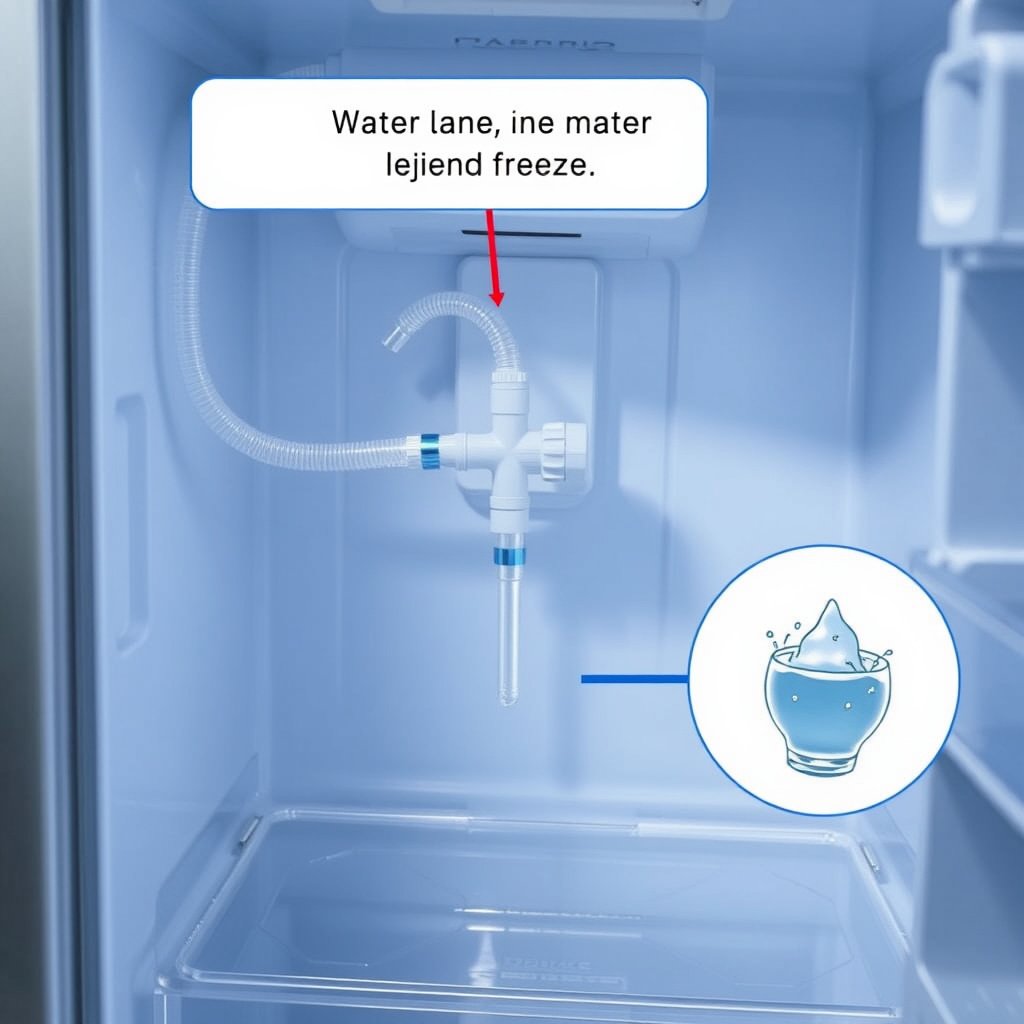
The ice-making process starts with the water supply line connected externally to the refrigerator. When the ice maker signals it requires water, a valve opens to fill the ice tray evenly. This requires a consistent water source under appropriate pressure to prevent overflow or insufficient fill.
Most refrigerators use a small solenoid valve that precisely controls water flow. The ice tray itself is shaped with small compartments to form standard-sized cubes. Once filled, the valve shuts off, and the freezing phase begins.
Freezing Cycle and Ice Ejection
After water fills the tray, the refrigeration system lowers the temperature rapidly to freeze water into solid cubes. The ice maker includes a thermostat or sensor that detects when ice is fully frozen, typically around 0°F (-18°C).
Once frozen, a heating element briefly warms the tray edges to loosen ice cubes. Then, a motor-driven arm rotates to eject the cubes into the storage bin. This cycle repeats automatically as long as water supply and freezer temperature remain optimal.
Types of Ice Makers in Refrigerators

Built-in Automatic Ice Makers
Most modern refrigerators come with built-in automatic ice makers integrated within the freezer. These systems automate the entire ice production process from water filling to ejection without manual intervention.
They feature water inlet valves, freeze control thermostats, motor mechanisms, and storage bins all housed compactly. This design enables consistent ice production and storage, ideal for regular household use.
Modular and Portable Ice Makers
Some fridges utilize modular ice makers, which are removable units that can be serviced independently or replaced. Portable ice makers exist as standalone devices that some users add to their kitchen setups.
These systems might freeze water more quickly or produce different shapes of ice, but generally rely on similar cycles involving water filling, freezing, and ejection into trays or bins.
Maintaining Your Refrigerator’s Ice Maker

Regular Cleaning and Sanitation
Ice makers should be cleaned regularly to prevent buildup of minerals, mold, and bacteria. This involves removing ice storage bins, cleaning trays, and flushing water lines with a vinegar or manufacturer-recommended solution.
Keeping the ice maker clean ensures fresh-tasting ice and prevents mechanical jams. It also extends the life of the water inlet valve and mechanical parts by reducing corrosion and clogging.
- Remove stored ice before cleaning
- Use non-abrasive cleaning materials
- Sanitize water supply lines periodically
Checking Water Supply and Filters
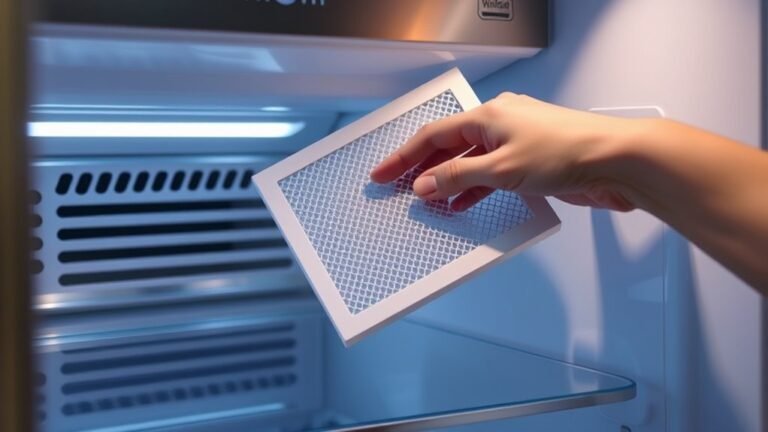
Maintaining adequate water pressure and replacing water filters as recommended keeps ice makers operating properly. Low pressure or clogged filters reduce water flow, causing slow or incomplete ice production.
Filters also trap impurities that might otherwise cloud ice cubes or cause unpleasant tastes. Regularly monitor and replace filters to sustain both ice quality and freezer performance.
- Inspect water supply valve
- Replace water filter every six months
- Monitor ice production rate
Troubleshooting Common Ice Maker Issues

Ice Maker Not Producing Ice
If the ice maker stops making ice, it’s often due to no water supply, a stuck ice ejector arm, or a faulty thermostat sensor. Ensuring the water line is connected and turned on is the first step.
Inspect the ice tray and ejector components for jams and reset the ice maker according to manufacturer guidelines. If none of these fixes work, parts like the water valve or motor may need replacement.
- Check water connection
- Clear ice build-up
- Reset the ice maker
Ice Cubes Are Small or Hollow
Small or hollow ice cubes usually result from interruptions during freezing or insufficient water filling. Low water pressure, a malfunctioning fill valve, or a thermostat that cycles too quickly can cause this.
Adjusting water pressure or replacing faulty valves often restores proper full-cube formation. Avoid opening the freezer frequently during ice making as this destabilizes the freezing process.
Energy Efficiency and Ice Making in Refrigerators

Impact of Ice Makers on Energy Consumption
Automatic ice makers add a slight increase to refrigerator energy use, mainly during water filling and freezing cycles. However, efficient designs and improved insulation have minimized this impact over time.
Energy Star rated refrigerators optimize these cycles to lower consumption, balancing ice production needs with power efficiency, which is especially beneficial for households that use ice regularly.
For more detailed technical insights, the Wikipedia page on automatic ice makers provides extensive information. automatic ice maker.
Tips for Energy-Efficient Ice Production
To reduce energy use, avoid frequently opening the freezer door during ice production, which causes temperature fluctuations and longer freeze times. Keeping the freezer temperature steady around 0°F (-18°C) helps maintain consistent ice production and energy efficiency.
Defrost any frost buildup regularly to prevent strain on the cooling system and ice maker. Using a refrigerator model with an energy-efficient automatic ice maker and quality insulation also conserves electricity.
- Keep freezer door closed
- Set correct freezer temperature
- Defrost frost buildup regularly
Comparison of Common Refrigerator Ice Maker Types
Here's a quick overview comparing characteristics of common ice maker types found in residential refrigerators.
| Ice Maker Type | Installation | Ice Production Speed | Maintenance Needs | Cost Range |
|---|---|---|---|---|
| Built-in Automatic | Integrated in freezer | Moderate (up to 6 lbs/day) | Low | Included in most mid to high-end models |
| Modular Ice Maker | Attached removable unit | Faster than built-in (up to 8 lbs/day) | Moderate | $100 – $300 |
| Portable Ice Maker | Standalone unit | Fast (up to 10 lbs/day) | High | $150 – $400 |
| Manual Ice Tray | Hand-filled trays | Slow (24+ hours) | Very low | Under $20 |
Frequently Asked Questions
Can I use tap water directly in my refrigerator ice maker?
Yes, most ice makers connect directly to your home's tap water line, but using a filtered water supply is recommended to improve ice quality and reduce scale buildup.
Why does my refrigerator ice maker stop working suddenly?
Common causes include a blocked water line, frozen components, or a malfunctioning thermostat. Checking water supply and resetting the unit often resolves this.
How often should I clean my refrigerator ice maker?
Cleaning every six months helps prevent bacteria and mineral deposits, ensuring fresh ice and maintaining the ice maker’s functionality.
Is ice maker energy consumption significant in a refrigerator’s usage?
Ice makers slightly increase energy use, but efficient designs and proper maintenance minimize their impact, keeping overall power consumption reasonable.
How can I speed up ice production in my fridge’s ice maker?
Keep freezer door closed, set the temperature properly, ensure water pressure is adequate, and clean filters regularly for faster ice making.
Key Takeaways
- Refrigerators make ice using a water supply, freezing cycle, and automatic ejection.
- Automatic ice makers are common and require regular maintenance to function well.
- Water quality and consistent freezer temperature strongly affect ice quality.
- Troubleshooting involves checking water supply, clearing jams, and resetting the unit.
Conclusion
Determining how refrigerators make ice clarifies the technology behind a common household convenience. The process depends on accurately filling water trays, freezing with precise temperature controls, and ejecting ice cubes mechanically. Understanding this helps users identify performance issues and appreciate the engineering that balances ice production with energy use in their appliances.
For most consumers, built-in automatic ice makers are the best choice due to their integration, ease of use, and low maintenance. Modular ice makers suit those who need faster production or easier servicing options. Portable ice makers offer flexibility but require more attention. Regular cleaning and filter changes make a noticeable difference in ice taste and speed across all types, redirecting focus from generic maintenance to practical care.
Whether you want to optimize your current fridge’s ice maker or consider a new model, keeping water quality high and freezer settings stable will produce better ice consistently. If you encounter persistent problems, checking manufacturer guides or consulting repair services can help. Taking these steps will maximize ice production convenience and ensure your refrigerator ice maker serves reliably for years.