How Do Refrigerator Ice Makers Work? A Clear Guide to Their Operation
Refrigerator ice makers work by automatically freezing water in a mold, then ejecting the formed ice cubes into a storage bin. A water supply line fills a tray with water, which freezes thanks to the freezer's cold environment. Once frozen, a motorized arm or heating element releases the ice, ready for use.
This mechanism is designed for convenience, providing a steady supply of ice without manual effort. Knowing how refrigerator ice makers work helps in troubleshooting issues and selecting models that match user needs. It also reveals the engineering behind what might seem like simple kitchen tech.
This article will explain the main components of an automatic ice maker mechanism, detail its operation cycle, compare different types, and discuss maintenance tips to keep your ice maker running smoothly.
Key Components of a Refrigerator Ice Maker
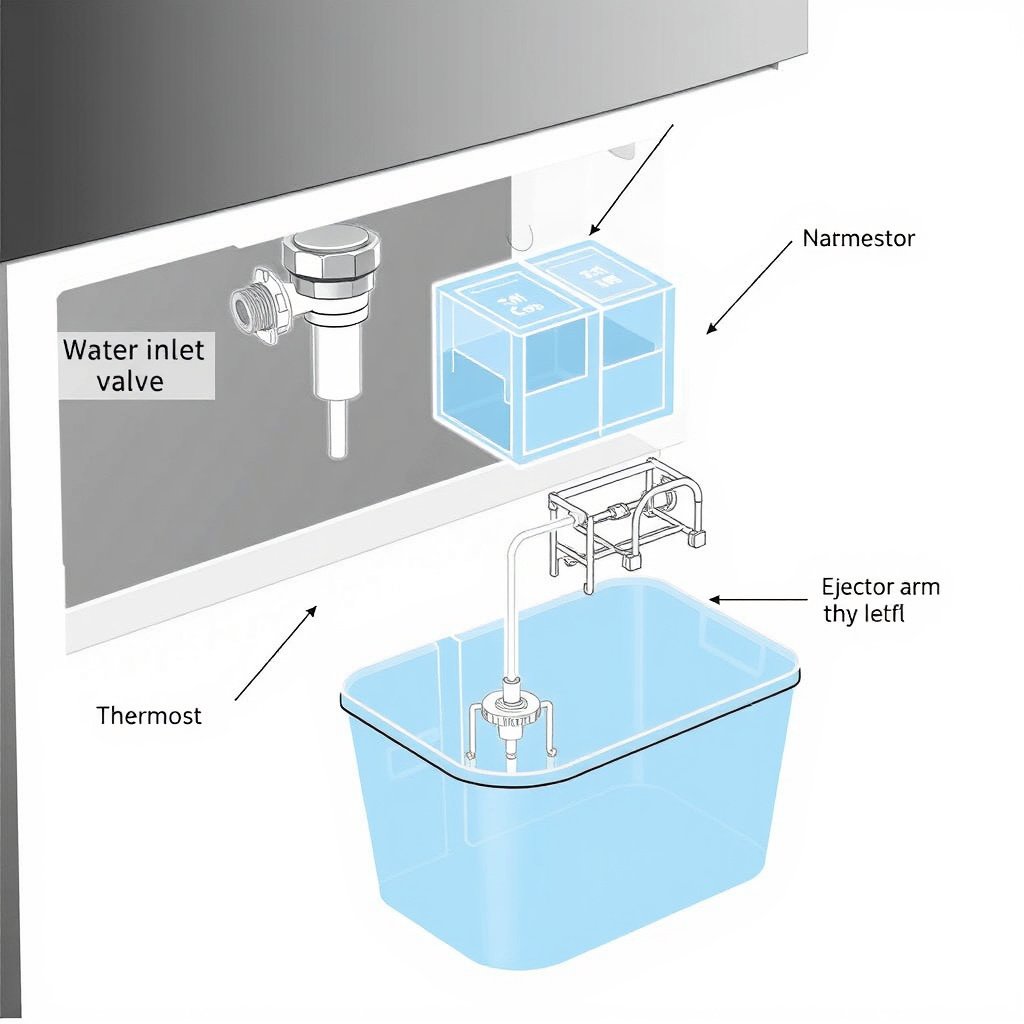
Water Supply and Fill Mechanism
The water supply valve connects the refrigerator to your home's water line, delivering precise amounts of water into the ice mold. This valve is electrically controlled to open just long enough to fill the tray to the correct level.
Sensors or valves ensure that only the required volume fills the tray, preventing overflow and ensuring evenly sized ice cubes. This control system balances water input with freezing speed.
- Electrically controlled water inlet valve
- Water fill tube or nozzle
- Water level sensors or float arms
Freezing Tray and Thermostat Control
The freezing tray, typically made from metal, is shaped to form cubes and is integral to the ice maker. It is directly exposed to the freezer environment, allowing the water inside to freeze quickly and evenly.
A built-in thermostat detects when the water has solidified into ice, triggering the next phase of the cycle, which includes ice release and tray refilling.
- Metal freezing tray with cube-shaped cavities
- Thermostat or temperature sensor to detect ice formation
Ice Ejection and Harvest Cycle

Ejector Arm and Heating Element
Once the water freezes solid, the ice maker uses a motorized ejector arm or a small heating element to slightly warm the tray surface, loosening the ice cubes. The ejector arm then mechanically pushes the cubes out of the tray cavities into the storage bin.
This step ensures the ice doesn't stick to the mold and retrieves all cubes efficiently, preventing jammed trays or incomplete ejection.
- Motorized ejector arm
- Heating element or heater strip for releasing cubes
Ice Storage and Refill Initiation
After cubes are ejected, they drop into an ice storage bin ready for use. Sensors or mechanical arms within this bin detect when it’s full and temporarily pause further ice production to prevent overflow.
If the bin isn’t full, the ice maker begins another cycle starting with the tray refill, maintaining a continuous supply of ice depending on demand.
- Ice storage bin with full sensor
- Control circuitry managing cycling and refilling
Types of Refrigerator Ice Makers

Built-in Automatic Ice Makers
Most modern refrigerators come with built-in automatic ice makers integrated into the freezer compartment. These devices connect to the home water line and provide a hands-free ice supply as part of the fridge’s standard functionality.
They vary in design but generally follow the same cycle of water fill, freeze, eject, and refill with minimal user intervention.
- Plumbed directly to water supply
- Integrated with freezer controls
- Typically found in mid to high-end fridges
Portable and Aftermarket Ice Makers
Portable ice makers are self-contained units that do not require water line connections. Users fill them manually and they produce ice relatively quickly, making them good for temporary or additional ice needs.
These models are common in small apartments, offices, or for entertaining when additional ice capacity is needed beyond the refrigerator’s supply.
- Manual water filling
- Compact and movable
- Faster ice production cycles
Common Issues and Maintenance Tips

Preventing Ice Maker Clogs and Jams
Clogs often occur from mineral build-up or misaligned ejector arms. Regular cleaning of the water inlet valve and tray can help prevent blockages, while inspecting ejector mechanisms ensures smooth operation.
Flushing the water line periodically and using filtered water also reduces scale build-up that can disrupt the automatic ice maker mechanism.
- Clean tray and ejector arm regularly
- Inspect water line and filters
- Use filtered water
Troubleshooting Common Malfunctions
If the ice maker stops producing or produces small or misshapen cubes, this could indicate thermostat failure, a faulty water valve, or blocked water supply. Running diagnostic modes if available or consulting the user manual helps identify the specific issue.
Simple fixes include resetting the ice maker or replacing damaged parts to restore full function.
- Reset ice maker controls
- Check and replace faulty valves or thermostats
- Verify water supply line integrity
Energy Efficiency and Environmental Considerations

Energy Use of Ice Makers
Automatic ice makers add to a refrigerator’s energy consumption because they incorporate additional motors, sensors, and heaters. However, newer models are designed to minimize energy use by optimizing freeze cycles and only running components as needed.
Being aware of the energy rating of a refrigerator with an ice maker can help consumers balance convenience with electric bill impact.
- Increased electricity use from motors and heaters
- Energy-efficient models use sensors to reduce cycle times
Environmental Impact and Water Use
Ice makers rely on a steady water supply and generate wastewater in some models, particularly self-cleaning types. Water conservation is an important consideration when choosing and using an ice maker.
Using water filters and avoiding overproduction of ice can reduce waste and environmental footprint.
- Water usage depends on ice production volume
- Filtered water reduces maintenance needs and waste
Innovation and Future Trends in Ice Maker Technology
Smart Ice Makers with App Connectivity
Recent refrigerators include ice makers that connect to smartphones for monitoring ice levels, scheduling production, and diagnostics. These smart features enhance user control and allow remote management of the automatic ice maker mechanism.
This trend aims to integrate ice production with broader smart home ecosystems for convenience and customization.
- Remote status monitoring
- Customizable ice production schedules
- Diagnostic alerts
For a more technical overview, you can explore this detailed explanation of the automatic ice maker mechanism. automatic ice maker mechanism details.
Improved Ice Quality and Design
Advances also focus on creating clearer, purer ice cubes with better shapes, fewer cracks, and slower melting rates. Some designs use ultrasonic or vacuum technologies in freezing to improve ice quality beyond typical tray methods.
Enhanced aesthetics of ice add value for consumers interested in presentation and taste.
- Clearer ice with fewer bubbles and cracks
- Innovative freezing techniques
- Customizable cube sizes and shapes
Comparing Types of Ice Makers
Below is a comparison of common ice maker categories based on water connection, convenience, speed, and typical use case.
| Category | Water Connection | Ice Production Speed | Typical Use Case | Maintenance Level |
|---|---|---|---|---|
| Built-in Automatic Ice Maker | Connected to water line | Moderate (10-15 lbs/day) | Household freezer | Moderate maintenance |
| Portable Ice Maker | Manual fill | Fast (20-30 lbs/day) | Temporary or additional ice | Regular cleaning required |
| Undercounter Ice Maker | Plumbed in | High (up to 50 lbs/day) | Commercial or large family use | Higher maintenance |
| Countertop Clear Ice Maker | Manual fill or water line | Slow (5-10 lbs/day) | Premium clear ice for drinks | Requires specialized cleaning |
Frequently Asked Questions
Why is my refrigerator ice maker not producing ice?
Common reasons include a blocked water line, a faulty water inlet valve, or the ice maker being turned off. Checking these components and ensuring the freezer temperature is appropriate can often solve the issue.
Can I use filtered water in my ice maker?
Yes, using filtered water helps reduce mineral buildup and improves ice taste, preventing clogs in the automatic ice maker mechanism and extending its lifespan.
How often should I clean my refrigerator ice maker?
Cleaning the ice maker every six months is recommended to avoid mineral deposits and bacteria growth. Some models have self-cleaning features to simplify this process.
Do ice makers consume a lot of electricity?
Ice makers add some energy consumption due to motors and heaters, but modern units are designed to minimize this. Their impact on overall refrigerator energy use is usually modest.
What shapes and sizes of ice can automatic ice makers produce?
Most ice makers produce standard small cubes, but some models offer variations like crescent shapes or larger cubes. Specialty machines can create clear ice or uniquely shaped cubes.
Key Takeaways
- Refrigerator ice makers automate freezing, ejecting, and storing ice cubes using a water valve, freezing tray, and ejector system.
- Different types include built-in, portable, undercounter, and specialty clear ice makers with varying speed and maintenance needs.
- Regular cleaning and using filtered water maintain efficient operation and good ice quality.
- Energy use is increased by ice makers but can be minimized with newer, sensor-driven models.
Conclusion
Understanding how refrigerator ice makers work hinges on recognizing the interplay between the water supply, freezing process, and ice ejection systems. The automatic ice maker mechanism simplifies ice production by coordinating water filling, freezing, and cube release in a controlled cycle. This knowledge helps in evaluating models, troubleshooting issues, and appreciating the engineering that creates fresh ice without effort.
For everyday users, built-in automatic ice makers are the most convenient, seamlessly integrated into modern refrigerators, providing a steady ice supply for daily needs. Those requiring faster or specialized ice have options like portable machines for quick batches or clear ice makers for premium drinking experiences. These varying categories cater to different user priorities around speed, quality, and installation complexity.
When choosing or maintaining an ice maker, consider factors such as water source quality, cleaning frequency, and energy consumption. Starting with a model that matches your household’s consumption and maintenance willingness ensures satisfaction. Checking product specifications and using filtered water help keep the ice maker running reliably over time.