How Do Fridges Make Ice? A Clear Explanation of the Ice-Making Process
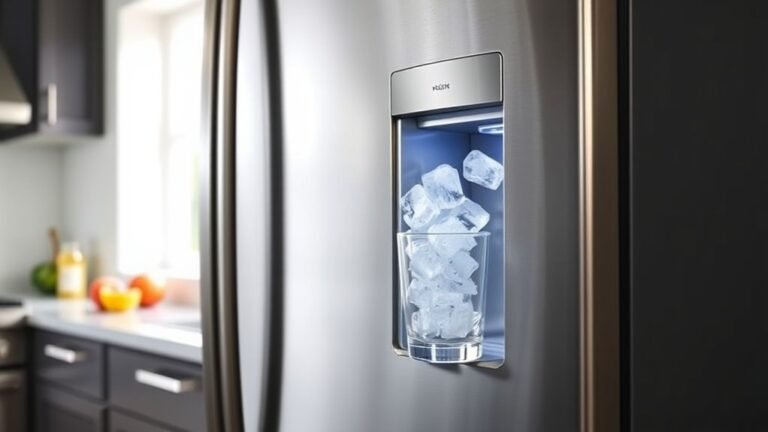
Fridges create ice by using a built-in ice maker system that freezes water in a specialized tray, then ejects the ice cubes into a storage bin. This process begins when water flows into the ice mold through a valve controlled by the fridge’s temperature sensor. Once the water freezes solid, an ejector arm pushes the ice out, making fresh cubes ready for use.
Understanding how fridges make ice helps explain why the ice cubes are consistently formed and why maintenance, like checking the water filter or ensuring proper sealing, impacts ice quality. Refrigerators simplify ice production by automating the freezing and dispensing process, saving time and effort compared to manual methods.
This article will explain how fridges make ice by breaking down their ice maker components, how the freezing cycle works, and common maintenance tips. We’ll also explore different types of ice makers found in refrigerators and how you can troubleshoot common issues to keep your ice supply steady.
Ice Maker Components in a Fridge

Water Supply and Valve Control
The ice maker receives water from the household supply through a water inlet valve that opens and closes electronically. This valve allows a precise amount of water to fill the ice mold behind the freezer wall.
Temperature sensors and a thermostat within the fridge control this valve, ensuring water fills the tray only when conditions are suitable for freezing, preventing overflow or underfilling.
Ice Mold and Ejector System
Water freezes inside the ice mold tray, forming uniform cubes. Once frozen, a motorized ejector arm rotates to push the cubes out of the mold and into the storage bin.
This mechanical step clears the tray for the next batch, and the cycle repeats as long as the ice maker is active and there’s adequate water supply.
How the Freezing Cycle Works in Ice Production

Freezing Temperature and Timing
The freezer maintains a temperature around 0°F (-18°C) or lower, which freezes water quickly in the mold. Freezing usually takes between 90 to 120 minutes depending on freezer settings and ambient conditions.
Once the water solidifies, sensors detect the ice’s readiness and trigger the motor to eject the cubes, marking the completion of one freezing cycle.
Cycle Repetition and Ice Production Rate
After ejection, the ice maker refills the mold with water to start the next batch. Ice production rate depends on freezer temperature and water flow but typically ranges from 6 to 12 batches per day.
This automated repeating cycle keeps the ice bin stocked as long as water input and freezer operation remain uninterrupted.
Types of Ice Makers Found in Refrigerators
Built-In Automatic Ice Makers
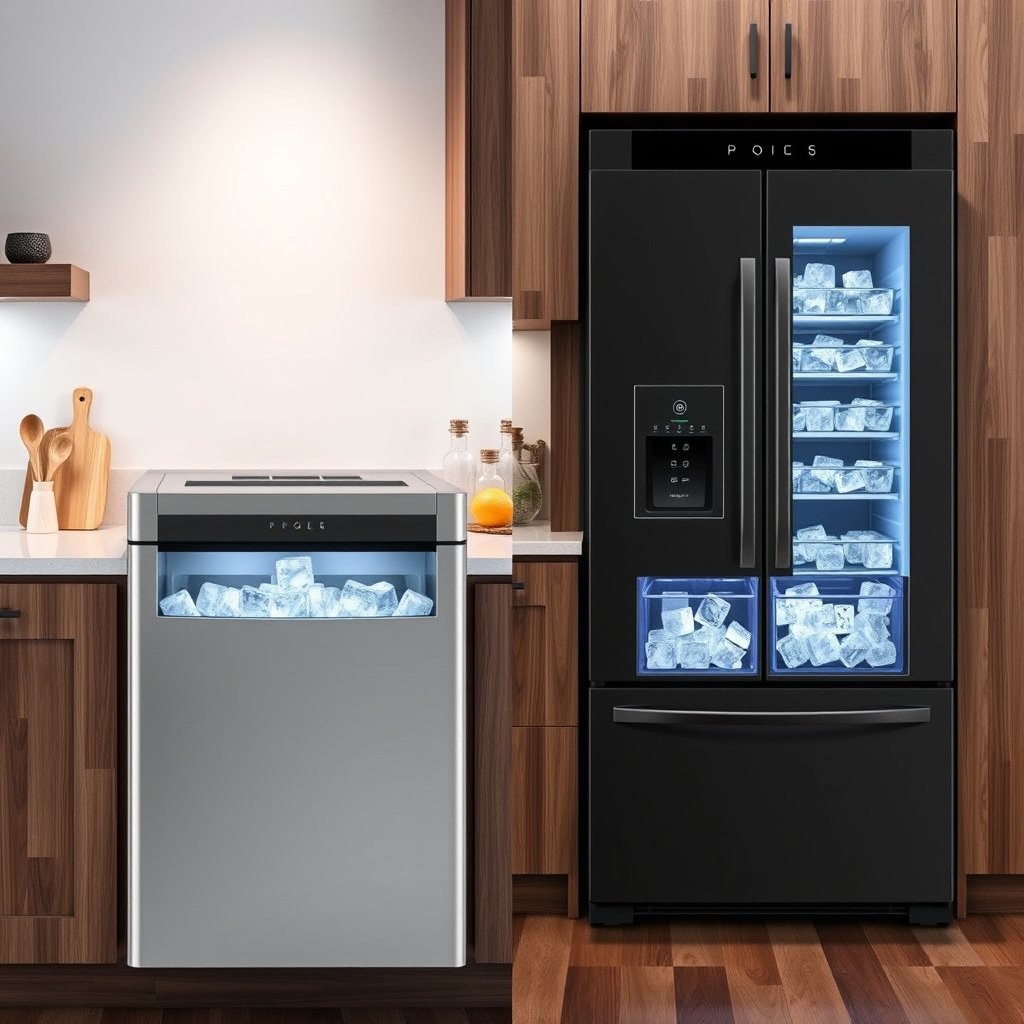
Most modern fridges feature built-in ice makers integrated into the freezer compartment. These systems handle water intake, freezing, and ice ejection without user intervention.
They offer ease of use, continuous ice supply, and often come with options to dispense crushed or cubed ice.
Modular and Portable Ice Makers
Although less common in refrigerators, portable ice makers exist as standalone units. They require manual filling and are separately powered appliances.
These are popular where fridge ice makers aren’t available or when larger ice production is needed temporarily.
Common Issues With Fridges Making Ice
Water Supply Problems
A clogged water filter or a kinked supply line can reduce or stop water flow to the ice maker. This results in smaller, partial, or no ice formation.
Regularly replacing filters and inspecting water lines helps maintain proper operation and consistent ice production.
- Check water filter every 6 months
- Inspect supply hose for kinks or leaks
Mechanical Failures in the Ejection System
If the ejector arm or motor malfunctions, ice cubes can remain stuck in the mold. This stops new ice production since the tray doesn’t refill properly.
Addressing mechanical jams or motor issues promptly prevents longer downtime and potential ice maker replacement.
- Look for frozen ice jam in mold
- Listen for ejector motor sounds during cycle
Maintenance Tips for Consistent Ice Production

Cleaning the Ice Maker and Storage Bin
Accumulated mineral deposits or debris can affect ice quality and machine efficiency. Cleaning the mold, ejector parts, and bin ensures fresh, clean ice.
Use mild soap and water or recommended fridge cleaner products, avoiding harsh chemicals that may damage plastics.
- Clean ice mold every 3 months
- Wipe storage bin weekly to prevent odors
Checking Filters and Temperature Settings
Replacing water filters on schedule helps maintain water purity and prevents ice maker blockages. Also, maintaining proper freezer temperature supports reliable freezing cycles.
Set your freezer to around 0°F (-18°C) for optimal ice formation.
- Replace water filter every 6 months
- Keep freezer temperature stable
Energy Considerations and Ice Maker Efficiency
Energy Use of Ice Makers
Ice makers consume extra energy to operate motors and water valves alongside normal refrigeration cycles. However, their energy use is relatively minimal compared to the entire fridge system.
Understanding this helps in estimating overall household energy consumption when choosing fridge models.
For a more detailed overview of ice maker technology and history, you can visit the Ice maker Wikipedia page. Ice maker Wikipedia page.
Improving Efficiency and Reducing Waste
Avoiding frequent door openings of the freezer preserves temperature stability, keeping ice production timely and efficient. Turning off the ice maker when not needed can also save energy and water.
These small adjustments help maximize efficiency without sacrificing convenience.
- Minimize freezer door openings
- Deactivate ice maker during long absences
Types of Refrigerator Ice Makers Comparison
Below is a comparison of common refrigerator ice maker types, showing their main features, water source requirements, and typical production rates.
| Type | Water Source | Ice Production | Installation | Cost Range |
|---|---|---|---|---|
| Built-In Automatic | Plumbed-in water line | 6-12 batches/day | Integrated into fridge | Included with fridge |
| Modular Cubed | Plumbed or manual fill | 8-15 lbs/day | Freestanding unit | $100-$300 |
| Modular Nugget | Plumbed water line | 8-20 lbs/day | Freestanding unit | $300-$600 |
| Portable Manual Fill | Manual water fill | 10-20 lbs/day | Freestanding, no installation | $50-$150 |
Frequently Asked Questions
Why is my fridge ice maker not making ice?
Common causes include a clogged water filter, frozen water supply line, or mechanical failure in the ejector motor. Checking water flow and resetting the ice maker often resolves the issue.
How often should I change the water filter for my ice maker?
Water filters are typically designed to be replaced every six months to maintain water quality and prevent blockages that affect ice production.
Can I use tap water directly in my ice maker?
Yes, as long as the water supply is clean and properly filtered. Using filtered water reduces mineral buildup and improves ice taste and quality.
What type of ice do automatic ice makers produce?
Most automatic ice makers produce standard cubed ice. Some models offer options for crushed ice or nugget-style ice as well.
Is it okay to turn off the ice maker when not in use?
Yes, turning off the ice maker during long periods of non-use saves water and energy and helps prevent molded or stale ice accumulation.
Key Takeaways
- Fridges make ice using an automatic system that fills, freezes, and ejects water in cycles.
- Water supply valves and sensors control ice mold filling and freezing timing.
- Maintenance like filter changes and cleaning helps keep ice maker working well.
- Different ice makers offer various features and ice production rates suited to needs.
Conclusion
Understanding how fridges make ice clarifies the steps involved and which components are essential for reliable ice production. By focusing on the water inlet valve, freezing cycle, and ejector system, homeowners can better diagnose issues and appreciate the automated convenience offered by modern refrigerators. Awareness of maintenance routines also helps sustain performance and ice quality over time. Keeping the water supply clean, monitoring temperature, and regular cleaning prevent common problems and prolong appliance life.
For those prioritizing convenience, built-in automatic ice makers within refrigerators provide a seamless ice supply with minimal user input. Meanwhile, modular or portable ice makers suit situations requiring larger quantities or mobility. Evaluating your needs, such as daily ice consumption and space availability, will guide whether to rely on fridge ice makers or consider external devices. Maintaining filters and an optimal freezer environment supports any choice, allowing consistent results.
If ice production slows or stops, begin troubleshooting by inspecting the water filter and supply line, and verifying the ice mold and ejector motor operate freely. Should you seek to install or upgrade ice makers, consider efficiency and production capacity aligned with your household requirements. In all cases, the next step is to review your appliance’s manual for model-specific instructions or consult a professional technician to keep ice making smooth and reliable.