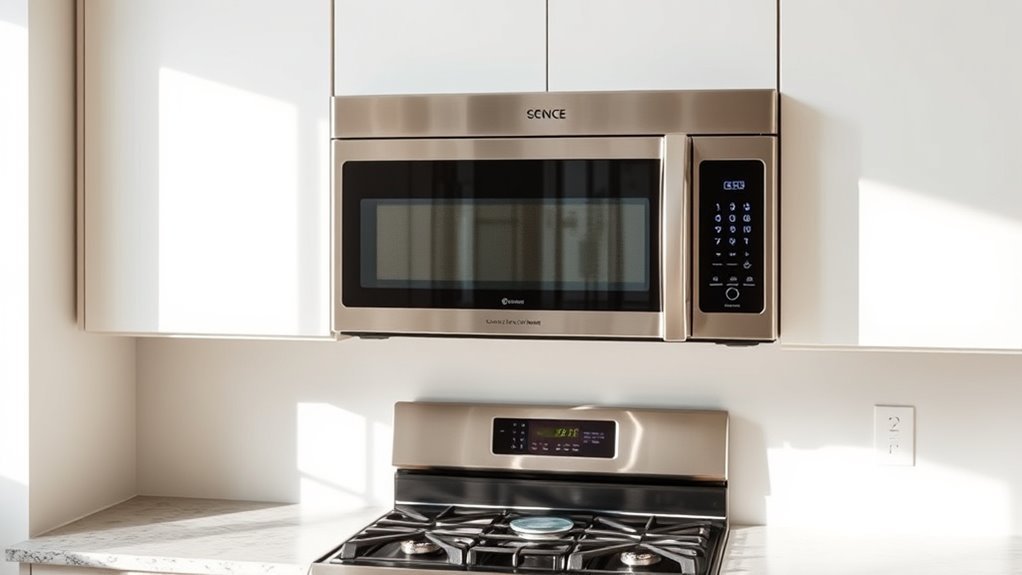
Convection Microwave Over the Range: A Complete Buying Guide
Are you tired of cluttered counters and appliances taking up valuable kitchen space? Many people struggle to find efficient solutions that save room without sacrificing functionality. If that sounds familiar, a convection microwave over the range might be just what you need.
If you want a space-saving kitchen upgrade, a convection microwave over the range combines microwave, convection oven, and vent functions in one. You’ll enjoy faster, even cooking with versatile options like baking and roasting.
Focus on power, capacity, sensor cooking, and venting type to find the best fit. Checking brand reliability and installation needs also matters.
Keep your microwave in top shape with proper cleaning and maintenance. Investigate more to confidently choose and set up the ideal model for your home.
Key Takeaways
- Over-the-range convection microwaves combine microwave, convection oven, and range hood functions for versatile and space-saving cooking solutions.
- Key features to compare include power levels, interior capacity, sensor cooking, turntable size, and user-friendly control panels.
- Choose models based on energy efficiency, size compatibility, user reviews, feature sets, and warranty options for long-term satisfaction.
- Proper installation requires measuring space accurately, selecting venting options (recirculating or external), and ensuring electrical and mounting requirements.
- Maintain performance by using microwave-safe cookware, cleaning spills and filters regularly, and inspecting door seals per the user manual.
What Is an Over-the-Range Convection Microwave?
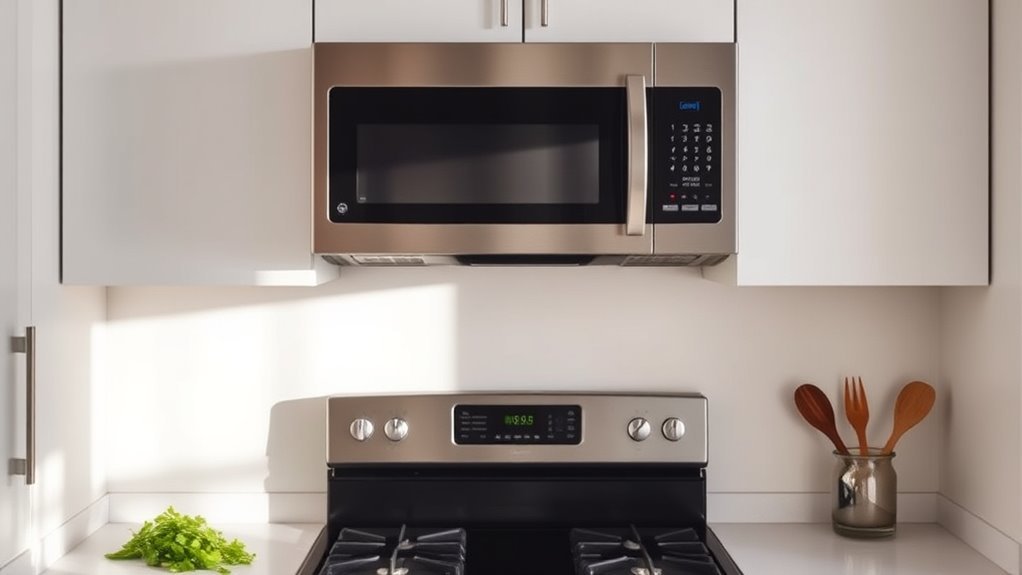
An over-the-range convection microwave combines the functions of a microwave, a convection oven, and a range hood into one appliance installed above your stove.
You’ll appreciate how convection technology works alongside traditional microwave features to cook food more evenly and quickly.
Unlike standard microwaves, this appliance uses a fan and heating element to circulate hot air, allowing you to bake, roast, or crisp dishes with better results.
A fan and heating element circulate hot air for baking, roasting, and crisping with superior results.
You still get all the convenience of microwave features like quick reheating, defrosting, and sensor cooking, but with the added versatility of convection cooking.
Plus, its placement above the range saves counter space while providing ventilation to remove smoke and odors from your stovetop.
When you choose an over-the-range convection microwave, you’re combining multiple kitchen functions into a single, efficient device that fits seamlessly into your cooking routine.
Benefits of Over-the-Range Convection Microwaves
An over-the-range convection microwave is a game-changer when it comes to saving space in your kitchen. Instead of cluttering up your countertops with separate appliances, this one piece does it all — baking, roasting, reheating, and more. It’s like having a mini oven and microwave rolled into one, making your cooking setup much more streamlined.
Plus, since it’s installed above the stove, it helps clear up valuable counter space for other tasks or prep work. And with its convection feature, you get faster, more even cooking — perfect for everything from crispy chicken to baked goodies. Overall, it’s a smart upgrade that boosts your kitchen’s efficiency and opens up more options for your cooking adventures.
Space-Saving Kitchen Design
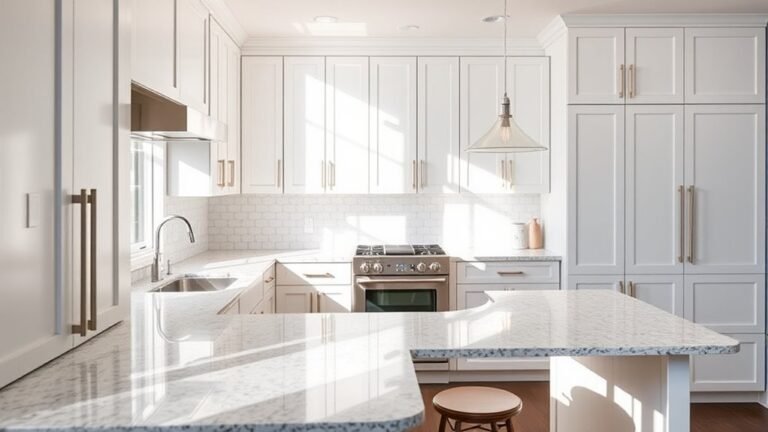
Over-the-range convection microwaves free up valuable counter space by combining two appliances into one. This design makes your kitchen more space-efficient, letting you use your countertops for prep work or small appliances instead of cluttering them with a microwave.
Mounting your microwave above the stove keeps your kitchen looking sleek and organized. It creates a cleaner, less cluttered look that makes your cooking area feel larger and more inviting.
Plus, many of these setups include a built-in ventilation system, so you don’t need extra space for a separate range hood. If you want a streamlined, efficient kitchen without sacrificing style, an over-the-range convection microwave is a smart, space-saving choice.
Enhanced Cooking Versatility
Because they combine microwave and convection oven functions, these appliances give you incredible cooking versatility right above your stove. You can explore a variety of cooking techniques, from quick reheating to crisp baking, all in one device.
This means you’ll save time and have more recipe options without cluttering your kitchen.
| Cooking Techniques | Recipe Ideas |
|---|---|
| Microwave for speed | Popcorn, steamed veggies |
| Convection for crisping | Roasted chicken, cookies |
| Combination mode | Casseroles, baked pasta |
Key Features to Compare in Convection Microwaves
Several key features can make a big difference when choosing a convection microwave oven. You want a model that offers a variety of cooking modes to handle everything from roasting to baking and reheating.
The control panel should be intuitive and easy to navigate, helping you switch between functions effortlessly. Besides that, these features are essential to compare:
- Power Levels. Higher wattage means faster cooking and better results.
- Interior Capacity. Confirm it fits your typical dish sizes and portions.
- Sensor Cooking. Automatically adjusts time and power based on food moisture.
- Turntable Size and Functionality. A smooth-turning turntable promotes even cooking.
How to Choose the Best Over-the-Range Convection Microwave
Wondering how to pick the right convection microwave that fits above your stove? Start by considering energy efficiency to save on electricity and reduce your carbon footprint. Look for models with Energy Star ratings or low wattage that still deliver strong performance.
Next, check user reviews to see real-life experiences and identify any common issues or standout features. Here’s a quick comparison guide:
| Factor | What to Look For |
|---|---|
| Energy Efficiency | Energy Star rating, wattage |
| Size & Capacity | Fits your space, meets cooking needs |
| User Reviews | Reliability, ease of use, durability |
Focusing on these aspects guarantees you choose a microwave that’s efficient, fits your kitchen, and has proven satisfaction among users. This approach helps you avoid surprises and get the best value for your investment.
Comparing Popular Brands and Models
When you’re trying to pick the right brand or model, it’s a good idea to see how each one performs. Taking a close look at their key features can really help you spot what makes each one unique. And of course, comparing prices and what you get for them ensures you’re getting a great deal without sacrificing quality.
Brand Performance Overview
While choosing a convection microwave oven, understanding how different brands perform can save you time and money. Brand reliability and customer satisfaction are key factors to evaluate before making a purchase. You want a microwave that lasts and meets your daily cooking needs without constant issues.
Here’s a quick overview of popular brands:
- Panasonic is known for solid brand reliability and high customer satisfaction.
- Samsung offers innovative features with consistent performance.
- LG balances affordability and durability, gaining positive reviews.
- GE is trusted for dependable appliances and excellent customer support.
Key Feature Comparisons
Because each brand offers unique features, comparing them side-by-side helps you find the convection microwave oven that fits your cooking style and budget. User reviews often highlight specific strengths and weaknesses, making it easier to focus on what matters most to you.
Below is a quick comparison of popular models based on feature highlights and user feedback:
| Brand | Feature Highlights | User Reviews Summary |
|---|---|---|
| LG | Sensor cooking, easy controls | Reliable, intuitive interface |
| Samsung | Powerful convection, sleek design | Fast heating, occasional noise |
| Panasonic | Inverter technology, durable | Consistent results, sturdy |
| GE | Spacious interior, multiple presets | Versatile but complex setup |
| Whirlpool | Quiet operation, energy efficient | Smooth performance, user-friendly |
This table helps you quickly weigh pros and cons, making your choices easier.
Price and Value Analysis
When comparing convection microwave ovens, understanding the balance between price and features can help you get the best value for your budget. Conducting a cost comparison across popular brands helps ensure you don’t overpay for features you don’t need.
A thorough value assessment should consider durability, warranty, and customer reviews along with price.
Here’s what to keep in mind:
- Brand reputation and reliability.
- Key features versus cost—don’t pay extra for functions you won’t use.
- Energy efficiency and long-term savings.
- Warranty length and the quality of customer support.
Measuring Space for Over-the-Range Microwaves
To make sure your over-the-range microwave fits perfectly, start by measuring the space above your stove carefully. Focus on height, width, and depth to see if it matches your kitchen layout. Don’t forget to check the clearance requirements from the manufacturer to avoid any installation issues or safety hazards.
Accurately measuring your space will help you choose a model that fits without crowding or gaps. Think about how much room you have above the stove compared to countertop options, especially if you’re replacing an old microwave or vent hood. Knowing these dimensions upfront keeps you from making costly mistakes and makes installation smoother.
Take a few minutes to grab a tape measure and write down the height, width, and depth of your designated space. This simple step will save you time and effort when shopping and ensure your new convection microwave fits perfectly without any hassle.
Venting Options for Over-the-Range Microwaves
When you’re picking out an over-the-range microwave, it’s a good idea to think about the venting options that come with it. Basically, you have two main choices: recirculating vent systems that filter and recycle the air, or external venting that pushes the air outside. Each one has its perks, so it’s worth considering what will work best for your kitchen setup.
Also, don’t forget to keep installation needs in mind. Some setups might require more space or specific venting routes, so making sure everything fits and works smoothly will save you headaches down the line. Taking a little time to plan now can make your new microwave both effective and easy to use.
Recirculating Vent Systems
Many over-the-range microwaves use recirculating vent systems to manage smoke, steam, and odors without needing external ductwork. These systems pull air through filters that trap grease and neutralize odors before releasing the air back into your kitchen.
While they offer flexible installation options, keep in mind that airflow efficiency can vary depending on the quality of the filters and the power of the fan.
Here’s what you should know about recirculating vent systems:
- They don’t require outside venting, making them ideal for apartments or kitchens without external walls.
- Recirculating filters need regular cleaning or replacement to keep performance up.
- Airflow efficiency tends to be lower than external vents but is still effective for light to moderate cooking.
- They’re usually quieter and easier to install than ducted systems.
Choosing the right system depends on your kitchen layout and how much you cook.
External Venting Benefits
Recirculating vent systems are convenient, but if you want stronger airflow and better removal of smoke, steam, and odors, external venting is the way to go.
External venting directs air outside your home, which significantly improves your kitchen’s air quality by eliminating contaminants instead of just filtering and recirculating them.
This method reduces lingering smells and prevents moisture buildup that can lead to mold or damage.
With external venting, you’ll enjoy a fresher, healthier environment, especially during heavy cooking sessions.
If you want your convection microwave to cook efficiently and keep your kitchen air clean and comfortable, choosing an external venting system is a smart long-term investment.
Installation Considerations
Choosing the right venting option is key to installing an over-the-range convection microwave oven effectively. It affects airflow, odors, and your kitchen’s overall safety.
When planning your install, keep these important factors in mind:
- Venting Type: Decide whether to go with recirculating vents that filter and send air back into the kitchen or external vents that push air outside.
- Mounting Height: Follow the manufacturer’s recommended height to ensure the best performance and safety.
- Electrical Requirements: Make sure your kitchen wiring can support the microwave’s power needs, and plan for a dedicated outlet.
- Ductwork Compatibility: Check existing duct locations and sizes so you avoid complicated adjustments during installation.
Thinking about these points helps you pick the best venting setup, ensuring your convection microwave runs smoothly and safely.
How to Install Your Microwave Safely and Easily
Installing your convection microwave oven correctly ensures safety and top performance. First, gather all your tools, like a drill, screwdriver, level, and stud finder.
Next, follow the manufacturer’s safety tips, such as turning off power at the circuit breaker before wiring. This keeps everything safe while you’re working.
Secure the mounting plate to wall studs for stability. Then, lift the microwave carefully onto the bracket, making sure it’s aligned properly.
Finally, double-check that the unit is level and firmly attached to prevent any accidents or issues down the line.
Using and Maintaining Your Convection Microwave
Maximize your convection microwave’s lifespan by using it properly and performing regular maintenance. Following essential cooking tips and a maintenance checklist will keep your appliance running smoothly and efficiently. Start by avoiding metal containers to prevent sparks, and always use microwave-safe cookware.
Make sure to clean spills immediately to prevent buildup that can affect performance. Here’s a quick maintenance checklist to help you out:
- Wipe the interior after each use with a soft, damp cloth.
- Clean the ventilation filters monthly to avoid overheating.
- Check the door seals regularly for any damage or debris.
- Use the convection setting only as recommended in the manual to avoid unnecessary wear.
Troubleshooting Common Problems With Over-The-Range Microwaves
Why is your over-the-range microwave acting up? Common issues include microwave noise, cooking errors, and sensor problems. First, check if installation or venting issues are causing strange sounds or poor performance.
Improper venting can lead to overheating or odd noises. Cooking errors are often caused by sensor problems or power fluctuations. Make sure your microwave gets stable electricity and that the sensors are clean and working properly.
Refer to your user manual for specific troubleshooting tips for your model. It’s also a good idea to check the microwave’s placement and ventilation to prevent installation issues that could affect how it works.
If problems keep happening, review your warranty before attempting repairs or calling customer support. Fixing these common issues quickly will help your microwave run smoothly and last longer.
Frequently Asked Questions
Can I Use an Over-The-Range Convection Microwave Without a Dedicated Circuit?
You shouldn’t use an over-the-range convection microwave without a dedicated circuit. These appliances need specific circuit requirements to safely handle their power load.
Sharing a circuit can cause overloads, trip breakers, or even create electrical hazards. It’s important to follow safety guidelines to prevent these issues.
For your safety and to meet electrical safety standards, it’s best to install the microwave on its own dedicated circuit. This ensures reliable performance and reduces the risk of electrical problems.
Are Over-The-Range Convection Microwaves Energy Efficient Compared to Traditional Ovens?
Wondering if over-the-range convection microwaves save energy compared to traditional ovens? They do! Their energy consumption is lower because they heat food faster and more evenly, making cooking more efficient.
Unlike conventional ovens, they combine microwave and convection cooking, which cuts down your cooking time and energy use. So, if you want to lower your kitchen’s energy bills without sacrificing performance, an over-the-range convection microwave is a smart choice.
What Types of Cookware Are Safe to Use in Convection Microwaves?
You can safely use ceramic cookware, silicone bakeware, and glass containers in convection microwaves since they handle heat well without causing sparks.
However, avoid metal utensils and metal cookware because they can damage the microwave and create dangerous sparks. Stick to microwave-safe ceramic, glass, or silicone items to ensure your food cooks evenly and your appliance stays in good shape.
Always check for microwave-safe labels before use.
Do Over-The-Range Convection Microwaves Interfere With Wi-Fi or Bluetooth Signals?
You might expect your over-the-range convection microwave to cause signal interference, but it actually won’t disrupt your Wi-Fi or Bluetooth.
While microwaves operate at a frequency close to some wireless signals, their shielding keeps the microwave frequency contained. This prevents interference, so your devices stay connected.
How Loud Are the Fans in Over-The-Range Convection Microwaves During Operation?
You’ll find that fan noise in over-the-range convection microwaves varies but usually stays moderate. Most models produce a sound level similar to a quiet kitchen exhaust fan, around 50-60 decibels.
While cooking, you might notice some hum or whoosh, especially on higher settings, but it shouldn’t be too distracting. If you’re sensitive to noise, check product reviews for fan noise before buying to confirm it fits your comfort level.
Conclusion
Now that you’ve got the lowdown on over-the-range convection microwaves, you’re all set to make a smart choice that fits your kitchen and cooking style.
Don’t let the decision feel like a shot in the dark. Compare features, brands, and venting options carefully to find the best fit.
With the right convection microwave over the range, installation will be simple, and maintenance won’t be a headache.
Soon enough, you’ll be cooking up a storm with ease and confidence, making your kitchen more efficient and enjoyable.