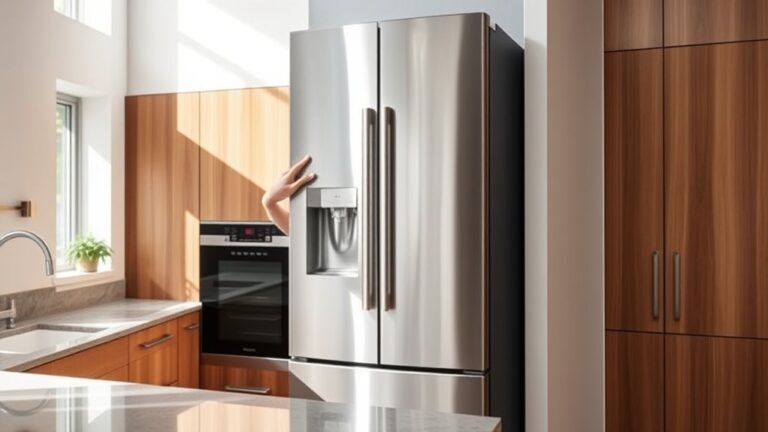
Your Guide to Whirlpool Refrigerator Air Filters: Choosing With Confidence
Many Whirlpool fridge owners know the frustration of dealing with lingering odors, reduced airflow, or just the feeling that their appliance isn’t working as fresh as it should. You’re not alone—keeping your refrigerator smelling clean and functioning properly can be a challenge.
Luckily, choosing the right air filter can make all the difference.
To keep your Whirlpool fridge fresh, start by checking your model number and choosing a compatible air filter, ideally OEM for best fit and performance.
Replace the filter every six months or when you notice odors or reduced airflow. Cartridge-style filters with activated carbon work well for trapping smells and bacteria.
Proper installation guarantees your fridge runs smoothly and your food stays fresh.
Keep going to uncover tips on maintenance, troubleshooting, and maximizing odor control.
Key Takeaways
- Identify your Whirlpool fridge model number to make sure you get the right filter and keep everything working smoothly.
- Replace your air filters every six months to keep the air fresh and stop odors and bacteria from building up.
- Go for activated carbon or multi-stage filters with antimicrobial protection—they work well at removing odors.
- When installing, turn off the fridge first, find the filter, twist out the old one, and then secure the new filter in place.
- It’s best to use OEM filters for a perfect fit, reliability, and a longer lifespan instead of third-party options that can be inconsistent.
Finding the Right Air Filter for Your Whirlpool Fridge
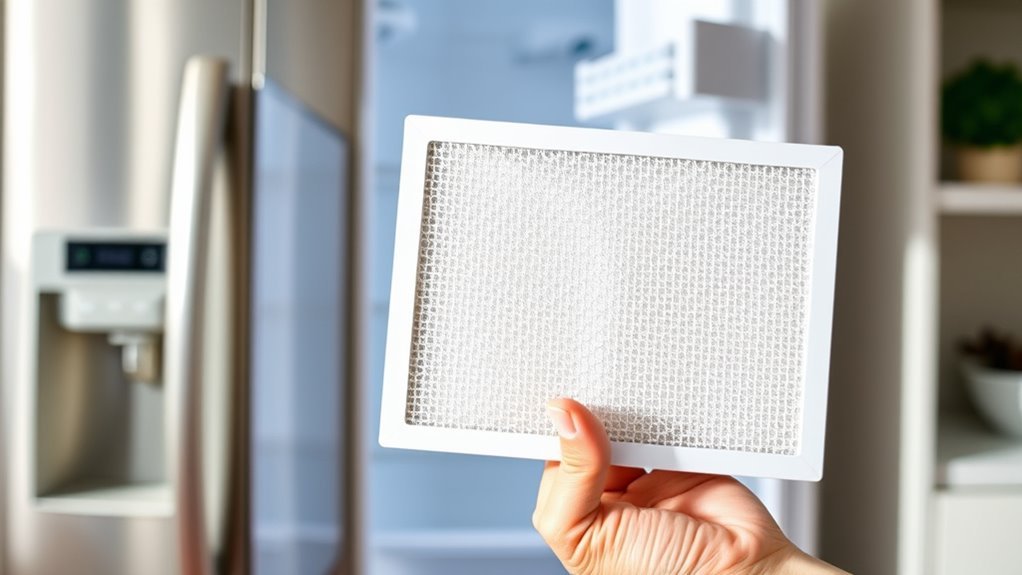
How do you find the right air filter for your Whirlpool fridge? Start by checking your fridge’s model number, usually inside the fridge or on the door frame. This helps you match the exact filter specifications needed for optimal performance.
Whirlpool filters come in different sizes, shapes, and filtration tech, so using the correct one is key. Next, review the filter details, like compatibility, lifespan, and certifications for odor and air filtering.
Choosing the right Whirlpool filter means checking size, compatibility, lifespan, and certifications for effective odor and air filtration.
Always pick filters made specifically for Whirlpool models to ensure a perfect fit. When installing, start by turning off or unplugging the fridge for safety.
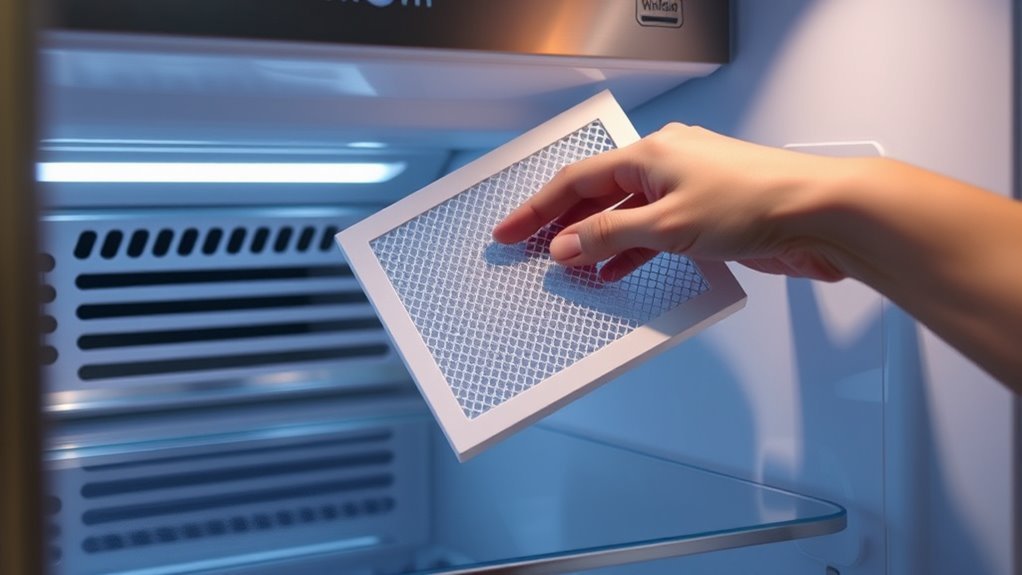
Locate the filter compartment, typically inside the fridge or at the base grille. Remove the old filter gently by twisting or pulling it out.
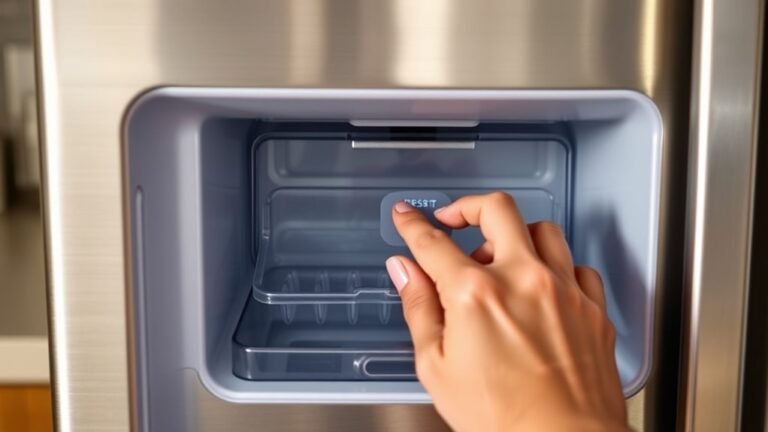
Insert the new filter firmly, making sure it’s seated correctly to avoid leaks. After installing, reset the filter indicator if your fridge has one.
Following these simple steps helps your fridge run smoothly and keeps the air fresh inside.
Why Air Filters Matter for Freshness and Odor Control
Because your refrigerator constantly circulates air around your food, the air filter plays an essential role in trapping odors and airborne particles. When you use a quality Whirlpool air filter, you actively improve air quality inside your fridge, keeping your food fresher longer. These filters are designed for effective odor elimination, preventing unwanted smells from mixing and spoiling your appetite.
You’ll appreciate how a good air filter can:
- Keep your fridge smelling clean and fresh, making every snack more enjoyable
- Protect delicate foods from absorbing strong odors, preserving their natural taste
- Reduce the buildup of bacteria and mold, helping your family stay safe and healthy
Understanding the Different Types of Whirlpool Refrigerator Air Filters
Choosing the right Whirlpool refrigerator air filter depends on your model’s features and filtration needs. Whirlpool offers different filter types, each designed to handle various odors and impurities.
Most filters use activated carbon as the main material, which effectively absorbs odors and gases. Some models combine activated carbon with materials like zeolite or charcoal to boost filtration performance.
Activated carbon, often paired with zeolite or charcoal, enhances odor and gas absorption in Whirlpool filters.
You’ll find two common types: cartridge-style and built-in filters. Cartridge filters are easy to replace and fit into designated compartments, while built-in filters blend seamlessly into the fridge’s air circulation system.
Depending on your model, certain filter materials work better to keep your food fresh and reduce strong food odors. Understanding these types and materials helps you pick the right filter for your Whirlpool fridge.
This ensures good air quality and helps preserve your food longer.
How to Know When to Replace Your Whirlpool Air Filter
You’ll want to swap out your Whirlpool air filter when you start noticing that odors are coming back or the airflow isn’t as strong as it used to be. It’s a good idea to keep an eye on these signs so your fridge stays fresh and runs smoothly.
Most filters are designed to last around six months, but that can vary depending on how often you open the door and the types of foods you store. So, it’s helpful to mark your calendar or set a reminder to check and replace the filter when needed. That way, you’ll keep everything running efficiently and keep your fridge smelling fresh!
Filter Replacement Indicators
Several signs can help you know when it’s time to change your Whirlpool refrigerator air filter. Keeping an eye on these indicators ensures your fridge stays fresh and runs smoothly throughout the filter’s lifespan. Acting quickly can prevent stale odors and decreased efficiency.
Watch for these clear signs:
- Unpleasant smells lingering inside your fridge, which could mean contaminants are trapped in the filter.
- Visible discoloration or buildup on the filter, showing it’s clogged and not working well.
- Decreased air circulation or noticeable changes in cooling performance, hinting at a blocked filter.
Recommended Replacement Frequency
Noticing signs like unpleasant odors or reduced airflow means it’s time to replace your Whirlpool refrigerator air filter. To keep your fridge fresh and working well, stick to the recommended replacement schedule.
Whirlpool usually suggests changing the filter every six months, but this can vary depending on how often you use your fridge and your environment. Paying attention to when you need to replace it helps keep the air quality high and prevents buildup that could affect performance.
If you have pets or live in a dusty area, you might need to change the filter more often. Mark your calendar or set a reminder so you don’t forget. Following these tips will help your fridge run smoothly and keep your food tasting fresh without any hassle.
How to Replace Your Whirlpool Refrigerator Air Filter
Although replacing your Whirlpool refrigerator air filter might seem tricky, it’s actually pretty simple and quick to do. First, find the filter—it’s usually inside the fridge or at the back near the grille.
Replacing your Whirlpool refrigerator air filter is easier than you think—just locate it inside or near the grille.
Gently twist or pull out the old filter, following your model’s instructions. Then, insert the new filter firmly until you hear it click into place.
Keep these tips in mind for maintenance: replace the filter every six months for the best air quality.
Regularly clean around the filter compartment to prevent dust buildup. It’s also a good idea to keep a replacement filter handy so you’re ready when it’s time to swap it out.
What to Look for in Advanced Whirlpool Air Filters
When you’re picking out advanced Whirlpool air filters, it’s a good idea to look closely at the filtration technology. You want to make sure it’s capable of effectively removing odors and impurities, so your fridge stays fresh and smelling clean.
Also, don’t forget to check if the filter is compatible with your specific refrigerator model. This way, the installation process will be smooth and hassle-free.
Keeping an eye on these features can really help you maintain fresh air inside your fridge with minimal effort, making your life a lot easier!
Filtration Technology Features
Because your Whirlpool refrigerator air filter plays an essential role in maintaining fresh, odor-free air, you’ll want to focus on key filtration technology features that guarantee peak performance. Advanced filters use activated carbon or charcoal to trap odors and volatile organic compounds, ensuring better filtration.
Some filters also include antimicrobial protection to prevent bacteria and mold growth, which helps improve overall air quality. When choosing your filter, look for high absorption capacity for long-lasting freshness.
Opt for multi-stage filtration for thorough odor elimination, and make sure the materials are certified to keep the air safe and clean. These features not only keep your refrigerator smelling fresh but also help protect your food’s taste and safety.
Compatibility and Installation
Choosing the right Whirlpool refrigerator air filter starts with making sure it fits your specific model perfectly. Always check the filter specs, including size and compatibility codes, so you don’t end up with one that won’t work with your fridge.
Whirlpool’s website or your fridge’s manual can help you verify the correct filter model. When it’s time to install, follow a few simple steps: turn off the fridge, find the filter compartment—usually inside the fridge or at the base—and twist out the old filter.
Insert the new one firmly until it clicks or locks in place. Proper installation ensures peak performance and helps prevent leaks. By focusing on compatibility and following these steps, you’ll keep the air inside your fridge fresh without any hassle.
Comparing OEM vs. Third-Party Whirlpool Air Filters
Although both OEM and third-party Whirlpool air filters serve the same basic function, you’ll find important differences in quality, price, and performance. OEM benefits include assured compatibility and brand reliability, often backed by rigorous performance evaluation. They tend to last longer and fit perfectly, reducing worries about air quality.
On the flip side, third-party filters might save you money upfront, but they can have inconsistent quality and fit issues that cause frustration. User experiences often highlight varied results, so it’s important to compare costs before making a decision.
Here’s what to keep in mind:
- OEM filters offer peace of mind with tested reliability and consistent performance.
- Third-party options can be tempting because of lower prices but might compromise filter effectiveness.
- Consider user reviews carefully to weigh long-term value against initial savings.
Choosing the right filter is about balancing cost and quality to keep your Whirlpool running smoothly.
Troubleshooting Common Whirlpool Air Filter Problems
When your Whirlpool refrigerator’s air filter isn’t working properly, you might notice unpleasant odors, reduced cooling efficiency, or even frost buildup. These common filter issues often come from clogged or expired filters that restrict airflow.
Unpleasant odors and frost often signal clogged or expired Whirlpool refrigerator air filters restricting airflow.
To troubleshoot, start by checking if the filter needs replacing—most should be changed every six months. If odors stick around after replacing it, clean the filter housing and the nearby vents.
Another common problem is improper installation, so make sure the filter clicks firmly into place. If frost forms, it could mean poor airflow caused by a dirty or blocked filter.
Use regular filter maintenance tips like inspecting the filter often and keeping the fridge interior clean to prevent these issues.
Finally, if problems continue, check your Whirlpool manual or contact customer support for guidance. Staying proactive with filter care helps keep your fridge running well and the air fresh.
Tips for Keeping Your Whirlpool Fridge Smelling Fresh
Proper care of your Whirlpool refrigerator’s air filter is key to keeping odors away. But there are other simple steps you can take too.
Start by organizing your fresh food and making sure leftovers are sealed tight. This helps prevent smells from spreading throughout the fridge.
Next, use odor absorbers like activated charcoal or baking soda. They naturally neutralize stubborn smells and keep things fresh.
Finally, clean your fridge regularly. Remove spills and spoiled items before they cause unpleasant odors.
Here are three easy tips to keep your fridge smelling great:
- Store food in airtight containers to lock in freshness and stop cross-contamination.
- Place odor absorbers on shelves to fight unwanted smells constantly.
- Wipe down shelves and drawers weekly to remove bacteria and lingering odors.
How Whirlpool Air Filters Improve Odor Control and Freshness
Since odors can quickly build up in your fridge, Whirlpool air filters play a key role in keeping things fresh and clean. These filters use advanced odor absorption technology to trap and neutralize unpleasant smells before they spread.
By continuously cycling air through the filter, they effectively reduce odors from strong foods like onions, cheese, or leftovers. Whirlpool air filters also help maintain a consistent, clean atmosphere inside your fridge.
This helps preserve the natural flavors and quality of your food longer. When you install a Whirlpool air filter, you’re actively preventing cross-contamination of scents so every item stays true to its original aroma.
Regularly replacing your air filter ensures optimal odor absorption and freshness. This simple step keeps your fridge smelling pleasant and your food tasting better.
With Whirlpool air filters, you can confidently enjoy a fresher, more inviting refrigerator every day.
Frequently Asked Questions
Can Whirlpool Air Filters Affect the Fridge’s Energy Consumption?
Yes, Whirlpool air filters can affect your fridge’s energy consumption. When the filter gets clogged, your fridge has to work harder to keep everything cool, which uses more power.
Regular filter maintenance helps ensure good airflow and keeps your fridge running smoothly. This can help you save on energy bills over time.
Are Whirlpool Air Filters Recyclable or Eco-Friendly?
Whirlpool air filters usually can’t be recycled through regular curbside programs, but it’s worth checking with local recycling centers or Whirlpool’s customer service for specific options.
They aren’t made from fully eco-friendly materials, but Whirlpool is working on more sustainable designs. If you want to be greener, look for filters that use biodegradable parts or explore recycling programs for electronic appliance components.
Staying informed about your options can help you reduce your environmental impact more effectively.
Do Whirlpool Air Filters Work With Smart Refrigerators?
Yes, Whirlpool air filters work with many smart refrigerators, making sure the filter is compatible with their smart tech. When you pick a filter made for your specific smart model, it fits seamlessly and keeps the air quality top-notch.
These filters often talk to your fridge’s system, letting you know when it’s time to replace them. To get the best results, always check your refrigerator’s manual or Whirlpool’s website for filters that match your smart appliance.
Can Air Filters Prevent Mold Growth Inside the Fridge?
Oh sure, just slap in an air filter, and mold will pack its bags immediately—if only life were that simple! While air filters can improve air quality and help with mild mold prevention by reducing odors and airborne spores, they’re no magic mold-busters.
You still need to keep your fridge clean, dry, and at the right temperature. So, don’t rely solely on filters; combine them with good habits for real mold prevention.
How Do Temperature Settings Influence Air Filter Performance?
Temperature fluctuations directly impact your air filter’s performance by affecting air circulation inside the fridge. When temperatures vary too much, moisture can build up, making it harder for the air filter to trap odors and airborne particles effectively.
Keeping a consistent, ideal temperature helps maintain steady air circulation, allowing your filter to work efficiently and prevent unwanted smells or contaminants.
Conclusion
Now that you know how essential your Whirlpool refrigerator air filter is, imagine the difference a fresh, high-quality filter can make. It’s not just about odor control but also about keeping your food truly fresh.
Don’t wait until that unpleasant smell sneaks up on you. Take charge, choose wisely, and replace your filter on time.
The secret to a fresher fridge is simpler than you think. It’s waiting for you to access it by maintaining your Whirlpool refrigerator air filter regularly.