How to Determine How Old Is My Dishwasher
To find out how old is my dishwasher, the quickest way is to locate its serial number or model number, then decode the manufacture date embedded within. Most brands encode this information in the serial number, which you can usually find on a sticker or metal plate inside the dishwasher door.
Knowing the age of your dishwasher helps in planning maintenance, considering repairs, or deciding when it's time to replace it. Dishwashers typically last about 10 years, so identifying the exact age can save you time and money by avoiding unnecessary purchases or improving reliability.
In this article, you'll learn where to find your dishwasher's serial number, how to decode this information by brand, and alternative tips like checking purchase receipts or online databases. We’ll also cover signs that indicate your dishwasher's age through wear and performance.
Finding Your Dishwasher's Serial Number and Model Information
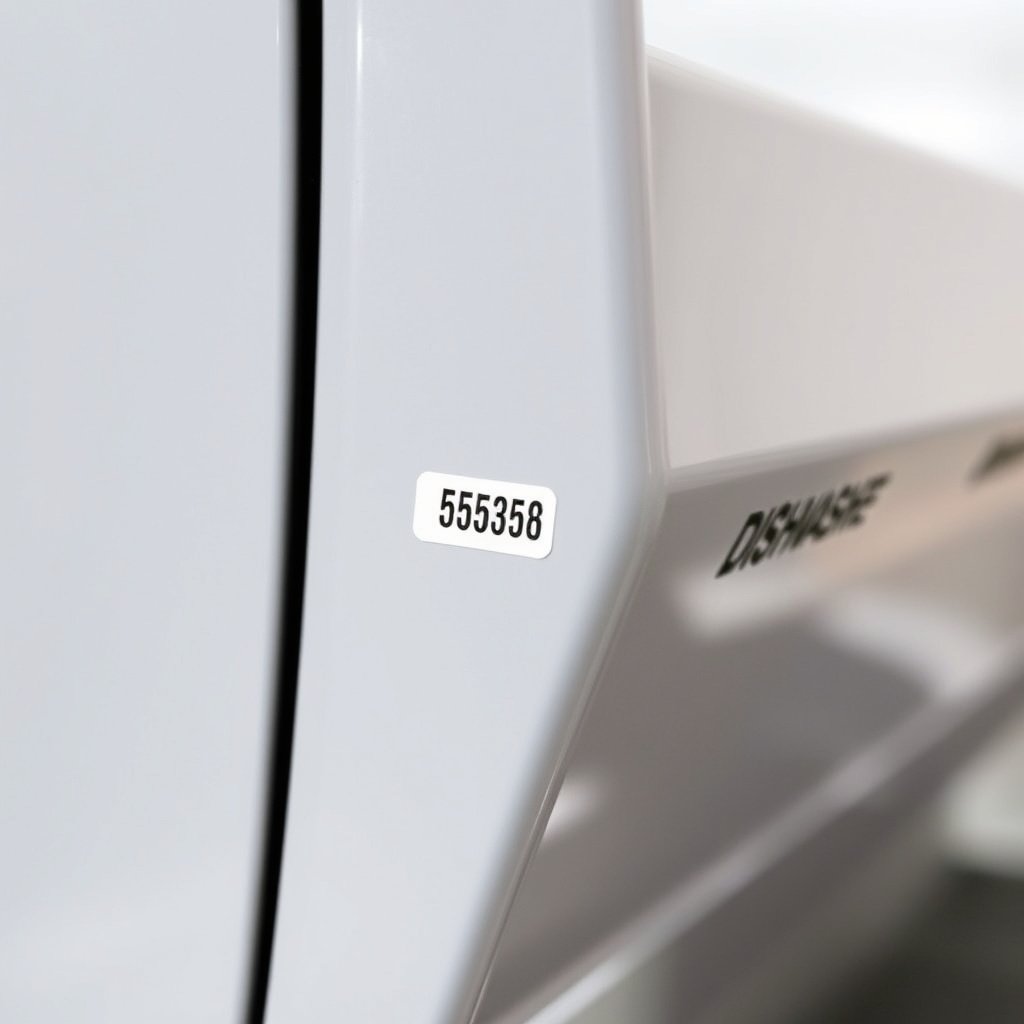
Locating the Serial and Model Numbers
The serial and model numbers are most often found on the inner edge of the dishwasher door, around the door frame, or on the side panel. These identifiers appear on a metal plate or sticker and contain letters and numbers required for decoding the manufacture date.
Sometimes the sticker might be faded or dirty, so inspect carefully using a flashlight. If you cannot find it on the door, check the back of the unit or the sides where the panel is accessible.
- Check inside the top door edge
- Look at the side or back panels
- Use a flashlight to see faint prints
What Information Do These Numbers Provide?
Model numbers specify the exact dishwasher model, including features, capacity, and design year. Serial numbers generally include a production code that pinpoints the month and year of manufacture.
Manufacturers like Whirlpool, Bosch, and GE each use different encoding systems within their serial numbers, so knowing the brand helps when decoding your dishwasher’s age.
Decoding Dishwasher Age by Model Number

Whirlpool and Maytag Serial Number Codes
Whirlpool and Maytag serial numbers often start with two letters followed by numbers. The first letter usually indicates the month (A-L for January to December), and the second letter represents the year (e.g., R for 2018).
By translating these letters using brand-specific charts, you can accurately determine the dishwasher’s manufacturing date within a specific month and year.
- Month codes: A = January, B = February, etc.
- Year codes vary; consult Whirlpool charts
Bosch and GE Serial Number Formats
Bosch uses a combination of letters and numbers often starting with the letter representing the year, followed by numbers indicating the week of production. For example, ‘C’ might signify 2012, and ‘15’ would be the 15th week.
GE serial numbers typically have a 7 or 8-digit format where the first four digits denote the month and year in MMYY format.
Using Purchase Information and Receipts to Estimate Age
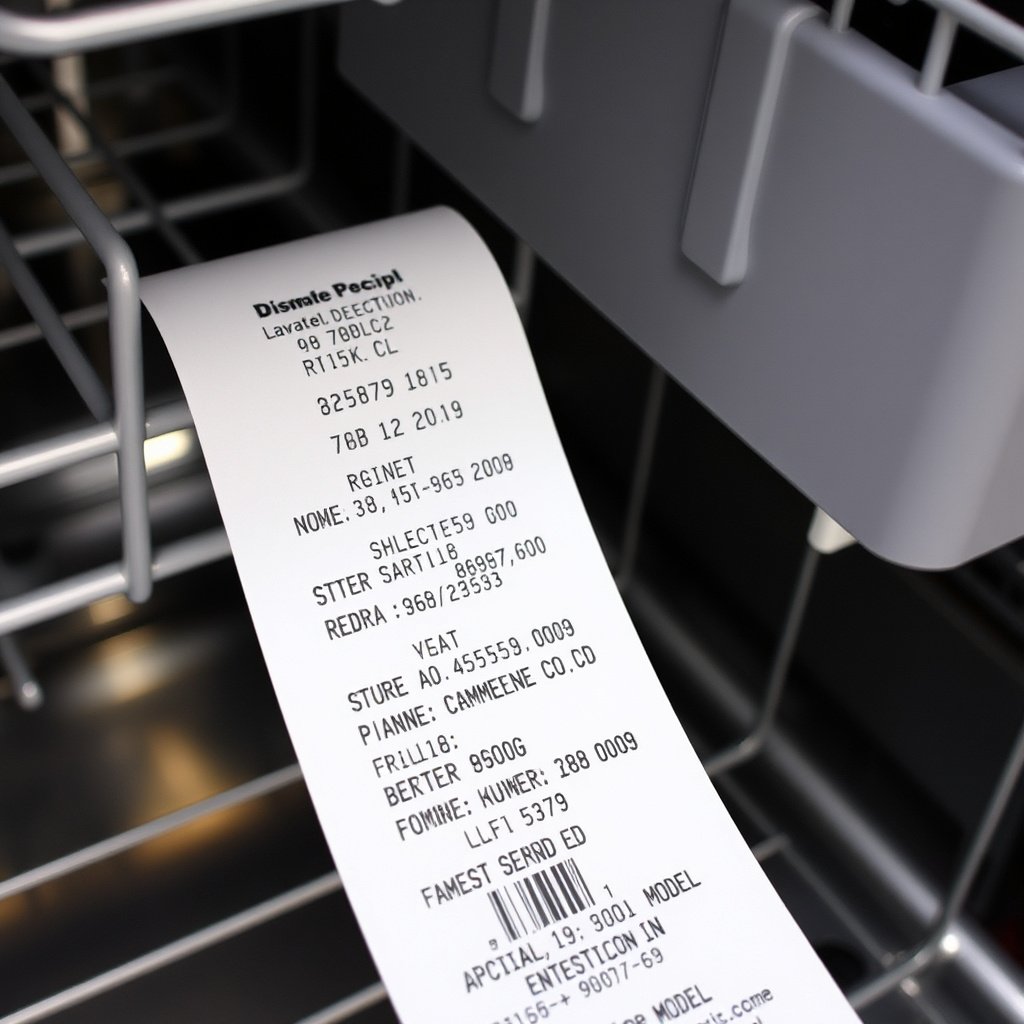
Checking Original Purchase Receipts
If you kept the purchase receipt or invoice, this will directly tell you the dishwasher’s age. The purchase date is often close to the manufacturing date, especially if bought new from a retailer.
Receipts can also clarify which model you own if serial numbers are hard to find or unreadable.
Online Warranty and Registration Records
Many manufacturers offer online registration or warranty lookup tools where entering your model and serial number reveals registration and manufacturing dates.
These databases are reliable for recent dishwashers but may lack older models.
Visual and Performance Clues to Gauge Dishwasher Age
Physical Wear and Tear Indicators
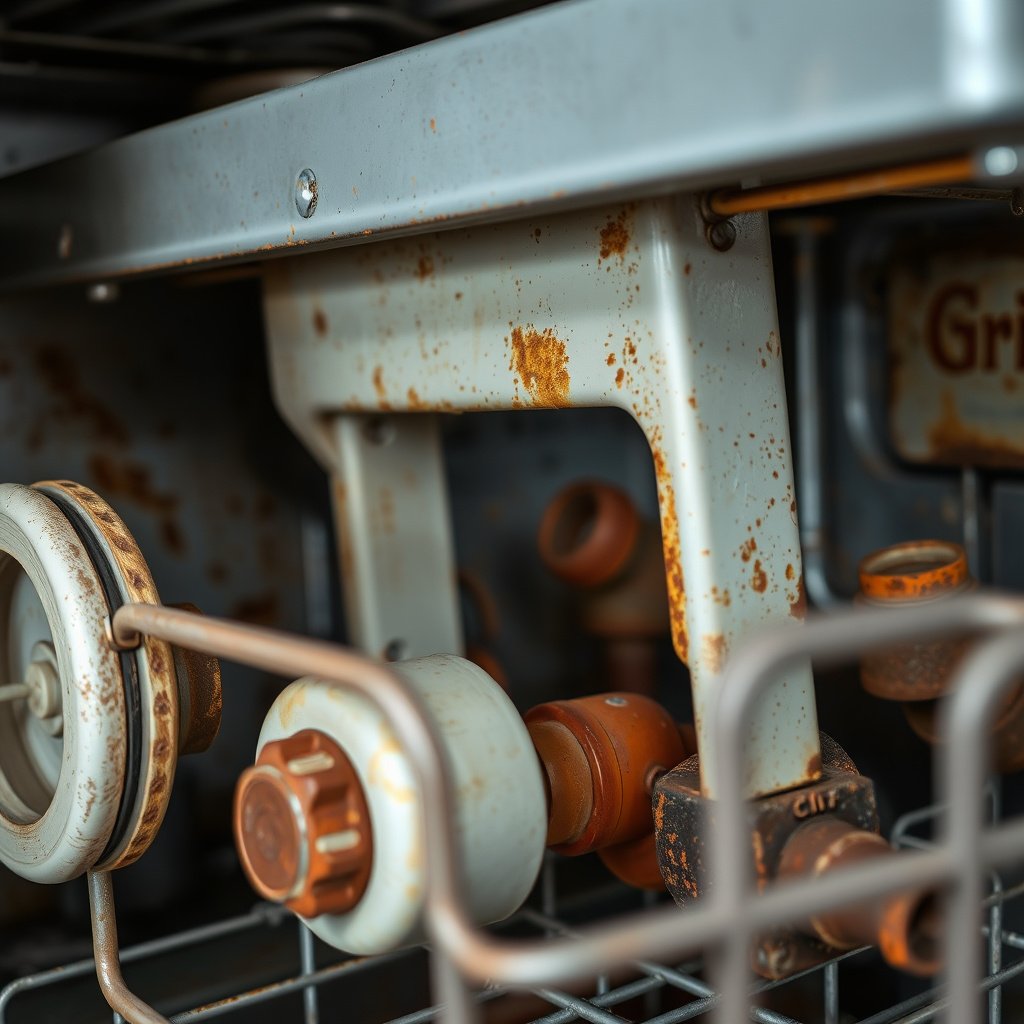
Rust, faded control panels, chipped racks, or worn seals are all signs of an aged dishwasher. These signs usually appear after about 8-10 years of regular use.
Frequent leaks or water accumulation around the door edges also suggest aging parts needing replacement or the end of the dishwasher’s useful life.
- Rust spots inside tub
- Faded or peeling label prints
- Damaged door seals
Changes in Cleaning Performance
An older dishwasher might fail to clean effectively due to worn spray arms, clogged filters, or degraded pump performance. If your machine struggles with grime or leaves spots, it could indicate age-related wear.
Noise levels may also increase as parts wear down, which helps estimate how long the dishwasher has been in service.
Considering Repair History to Understand Age and Condition

Tracking Past Repairs and Maintenance
Review any repair records to see which components have been replaced and how often. Frequent repairs may mean the dishwasher is older than it looks and less reliable.
Knowing repair history helps identify if parts have been upgraded to later versions or if the dishwasher has consistently required new parts due to aging.
Evaluating When Repairing Is No Longer Cost-Effective
Dishwashers older than 10-12 years often reach a point where repairs exceed the value of replacement parts or labor cost. Recognizing this helps with making a practical decision about replacing the unit.
Aged dishwashers may also lack energy efficiency compared to modern models.
- Compare repair costs vs. new dishwasher price
- Check energy efficiency ratings
Why Knowing Your Dishwasher’s Age Matters for Performance
Impact of Age on Energy and Water Use
Older dishwashers generally consume more water and electricity than newer energy-efficient models. Knowing the age helps forecast utility costs and environmental impact.
Replacing an old dishwasher can reduce household energy costs due to modern features like soil sensors and improved water jets.
For more detailed information about dishwasher history and technology, you can visit the dishwasher Wikipedia page. Dishwasher.
Planning Replacement for Long-Term Savings
If your dishwasher is nearing or beyond its typical lifespan, budgeting for a replacement can prevent unexpected breakdowns that disrupt your routine.
Awareness of your dishwasher’s age also helps sell your home with honest appliance condition disclosures.
Dishwasher Age Estimation Methods Comparison
Here is a concise comparison of various methods for determining your dishwasher’s age, highlighting their accessibility, accuracy, and ease.
| Method | Accuracy | Ease of Use | Notes |
|---|---|---|---|
| Serial Number Decoding | High | Moderate | Requires brand-specific code knowledge |
| Purchase Receipt Date | Very High | Easy | Only available if receipt is kept |
| Online Registration Lookup | High | Easy | Limited to recent models |
| Visual and Performance Signs | Low to Medium | Easy | Subjective, estimates only |
| Repair History Review | Medium | Moderate | Depends on detailed records |
Frequently Asked Questions
Where on my dishwasher can I find the serial number?
You can usually find the serial number on a sticker inside the dishwasher door frame or on the side or back panel. It might require a flashlight and careful inspection if faint.
Can I determine the dishwasher’s age just by the model number?
Model numbers identify the dishwasher design but typically don't include manufacturing dates. The serial number is more useful for pinpointing age.
How long do dishwashers typically last?
Dishwashers generally have a service life of about 10 years, though this varies by brand, usage, and maintenance. Beyond that, repairs may become less cost-effective.
Is there a universal code for dishwasher manufacture dates?
No universal code exists; manufacturers use different serial number formats. Consulting specific brand decoding charts is necessary to interpret manufacture dates.
What signs indicate my dishwasher might be too old?
Signs include rust, worn door seals, decreased cleaning performance, increased noise, and frequent repairs, often appearing after around 8-10 years.
Key Takeaways
- Serial number decoding is the most accurate way to find your dishwasher's age.
- Purchase receipts provide a quick and reliable reference for the dishwasher's age.
- Physical wear and cleaning performance can indicate aging but are less precise.
- Different brands use unique serial number codes for manufacture dates.
Conclusion
Determining how old is my dishwasher is about identifying the manufacturing date hidden in serial numbers or checking purchase documentation. These methods offer precise age details necessary for thoughtful maintenance, repairs, or replacement decisions. Understanding dishwasher age also helps gauge appliance efficiency and future reliability.
If you have access to the serial number, decoding it using brand-specific guides like those for Whirlpool or Bosch will give you the most accurate manufacturing date. Alternatively, purchase receipts and online warranty registrations provide quick, reliable age estimates for newer units. Visual wear or persistent cleaning issues can hint at an appliance nearing the end of its lifespan but shouldn’t be solely relied upon.
To best proceed, locate your dishwasher’s serial number and use an online database or manufacturer guide to decode it. Keep repair histories and note physical signs that could indicate aging. This knowledge enables smarter investment in repairs or a new dishwasher, saving money and improving kitchen functionality.