KitchenAid Serial Number Lookup: How to Find It
Finding your KitchenAid serial number can feel like a scavenger hunt, especially when you’re eager to get started or need to troubleshoot quickly. You’re not alone—many people struggle to locate it, often hunting around various spots without success.
But don’t worry, we’re here to help you find it easily. You can find your KitchenAid serial number on specific spots like the bottom or back of mixers, inside refrigerator compartments, or along dishwasher door edges.
It’s key for warranty claims, ordering parts, and registering your appliance. Make sure the serial number matches your model and follows the typical alphanumeric format to confirm authenticity.
If you’re missing it, check your purchase receipt or contact KitchenAid support. Keep it handy, and investigate further to make the most of your KitchenAid appliance.
Key Takeaways
- You can find the serial number on KitchenAid mixers at the bottom or back of the base for easy identification.
- For refrigerators, check inside the compartments or on the door frames to locate the serial number.
- Dishwasher serial numbers are usually on the door’s edge or inside the inner tub for accurate details.
- Verify the serial number by matching the alphanumeric pattern and confirming it with KitchenAid’s official records.
- You can also use the serial number on KitchenAid’s website to check your warranty status and register your appliance for support.
Where to Find Your KitchenAid Serial Number

Wondering where to find your KitchenAid serial number? It’s important to locate this number because it’s key for maintenance and warranty claims. The serial number helps you identify your specific model and ensures you get the right parts and service when needed.
Finding your KitchenAid serial number is essential for maintenance, warranty claims, and getting the right parts quickly.
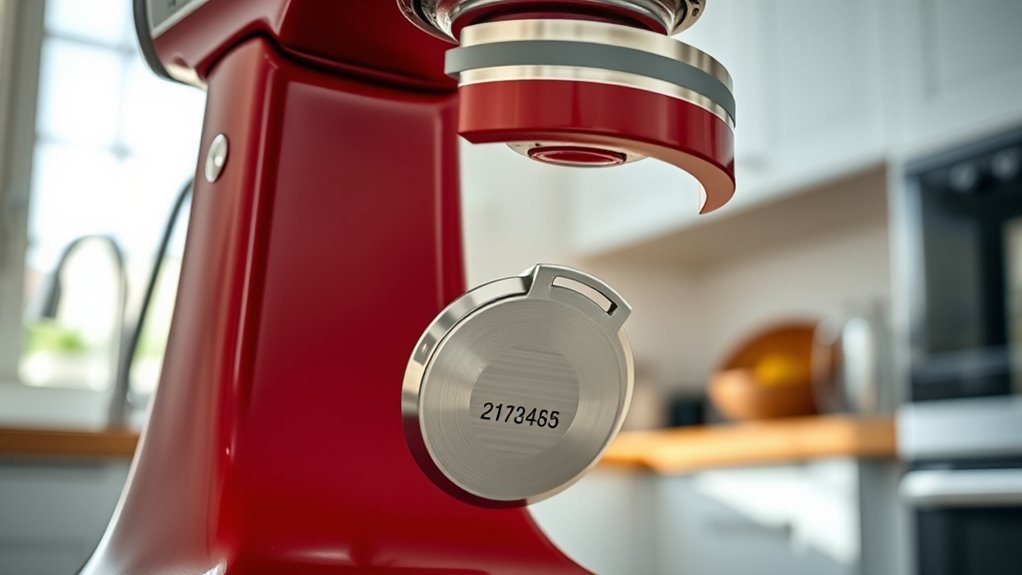
You’ll usually find the serial number on a metal plate or sticker attached to your appliance. Depending on the model, common spots include the back, side, or inside the door frame. For smaller appliances, check the underside or base.
Knowing exactly where your serial number is will save you time and frustration during repairs or when contacting customer support. Since the serial number is more than just identification, keeping it handy helps keep your KitchenAid running smoothly.
Taking a moment to locate and note down your serial number is a small step that makes a big difference. It supports easy maintenance and ensures your appliance stays efficient for years.
How to Locate Serial Numbers on Common KitchenAid Appliances
Finding the serial number on your KitchenAid appliance is usually straightforward once you know where to look. Different appliance types have common spots for serial numbers, which helps with warranty, troubleshooting, and registration.
Serial number formats vary but are typically a mix of letters and numbers. Here’s where to check for your KitchenAid appliance’s serial number:
- Mixers: Look on the bottom or the back of the base.
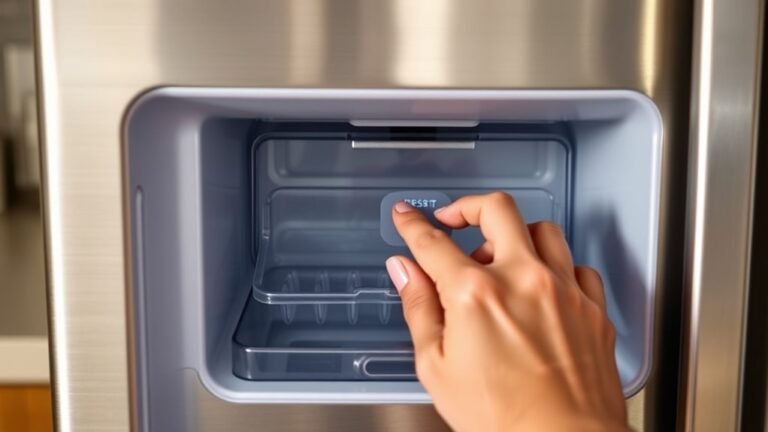
- Refrigerators: Check inside the fresh food compartment or on the door frame.
- Dishwashers: Find it on the edge of the door or the inner tub.
- Ovens and Ranges: Look on the frame behind the door or inside the drawer.
Knowing your appliance’s serial number helps with maintenance reminders, customer service, and following replacement guidelines accurately.
How to Decode KitchenAid Serial Numbers
Although KitchenAid serial numbers might look like random strings of letters and numbers, they actually hold important info about your appliance’s manufacturing date and model.
To decode them properly, you need to understand the common formats used by KitchenAid. Usually, the serial number combines letters and digits, where the first letter often indicates the manufacturing year, followed by numbers showing the production week.
When decoding, keep these tips in mind: start by identifying the initial letter to figure out the year, then look at the following digits to find the week number. Some formats may vary slightly depending on the appliance type, but this pattern is generally consistent.
Using these tips makes it easier to verify your appliance’s age and authenticity quickly. Once you master KitchenAid serial number formats, you can confidently interpret the codes and get accurate manufacturing details for your appliance.
Can’t Find Your KitchenAid Serial Number? Here’s What to Do
Not sure where to look when your KitchenAid serial number seems to be missing? Serial number challenges are common, but don’t worry—you have options. Before getting frustrated, try these steps to make finding alternatives easier.
Check the original packaging or purchase receipt for the serial number. Look inside the appliance door or on the back panel, where the label often hides. Review any user manuals or warranty cards that came with your KitchenAid.
You can also contact KitchenAid customer support with your model number. They can sometimes help locate your serial number. If these don’t work, finding alternatives like proof of purchase or model details can help when registering or servicing your appliance.
How to Use Your KitchenAid Serial Number for Warranty Lookup
Once you have your KitchenAid serial number, you can use it to quickly check your warranty status. Just go to the official KitchenAid website’s warranty lookup page and enter your serial number in the designated field.
This allows you to see the exact warranty coverage for your specific model, including start and end dates. Knowing your warranty details helps you understand what repairs or replacements are covered, saving you time and money.
Don’t forget to register your KitchenAid appliance if you haven’t already. Registration makes warranty claims easier, speeds up customer support, and keeps you updated on product recalls or safety notices.
Find Replacement Parts Using Your KitchenAid Serial Number
Want to find the right replacement parts for your KitchenAid? It’s pretty simple — just use your appliance’s serial number. First, locate the serial number on your KitchenAid, which is usually found on a label or plate somewhere on the appliance. Once you have it, you can easily match it online to the exact parts that fit your model.
Using your serial number makes the whole process much smoother. Instead of guessing or hoping the part will work, you’ll be confident you’re getting the right component. So, next time you need a replacement, just grab that serial number and start your search—it’s hassle-free and saves you time!
Locating Your Serial Number
Where can you find your KitchenAid serial number when you need replacement parts? Knowing its location is key because the serial number’s importance can’t be overstated for accurate appliance maintenance. It helps you get the right parts quickly, saving you time and frustration.
Check these common spots for your serial number:
- On the underside or back of your stand mixer
- Inside the door frame of your built-in ovens
- On the back or bottom of countertop appliances
- On the product’s original packaging or manual
Identifying Compatible Replacement Parts
Although finding your KitchenAid serial number is essential, the real benefit comes when you use it to identify compatible replacement parts. Your serial number provides precise appliance model identification, ensuring you select parts that fit perfectly and function correctly.
When you look up your serial number, you can avoid guesswork and prevent ordering incompatible components that might cause damage or reduce performance. Using the serial number helps guarantee replacement part compatibility, saving you time and money by streamlining repairs.
Whether you need a motor, attachment, or a simple gasket, referencing your serial number connects you directly to the exact parts designed for your specific KitchenAid model. This approach improves your appliance’s longevity and keeps it running smoothly.
Ordering Parts Online
Once you’ve identified the exact replacement parts your KitchenAid model needs, ordering them online is easy. Using your serial number helps ensure you get the right fit.
When shopping online, look for reputable websites that specialize in KitchenAid parts. It saves time and often offers better prices than local stores.
To get the most out of ordering parts online, verify the part number matches your model using the serial number. Check for warranties or return policies before you buy.
Compare prices across different online retailers to find the best deal. Also, read customer reviews to get insights into the quality and reliability of the parts.
How to Register Your KitchenAid Appliance
Want to register your KitchenAid appliance? It’s pretty straightforward—just head over to their official website and create an online account. Once you’re all set up, you’ll need to enter some details about your appliance, like the serial number. This helps make sure everything is registered correctly.
After you’ve entered all the info, just confirm your registration, and you’re all done! That way, you’ll be able to enjoy all the warranty benefits and support that come with it.
Creating Your Online Account
Registering your KitchenAid appliance online helps you get important benefits like warranty coverage, product updates, and personalized support. Creating your online account is quick and easy, making the registration process smooth and hassle-free.
Once you set up your account, you’ll have access to several benefits that enhance your appliance experience.
Here’s what you get by creating your online account:
- Access to exclusive product updates and tips
- Easy management of your registered appliances
- Quick troubleshooting and support options
- Notifications about recalls or service alerts
To get started, visit the KitchenAid website, click on “Create Account,” and fill out your basic information. This step ensures you’re ready to register your appliance and enjoy all the perks of being a KitchenAid customer.
Providing Appliance Details
After setting up your online account, you’ll need to provide specific details about your KitchenAid appliance to finish the registration. This step is important for keeping accurate appliance history and making sure your product details are correct.
You’ll need to gather information like the serial number, model number, and purchase date. These details help us serve you better and track your warranty.
Here’s what to keep ready:
| Detail | Why It’s Important |
|---|---|
| Serial Number | Confirms the unique ID of your appliance |
| Model Number | Identifies the exact product type |
| Purchase Date | Tracks warranty coverage |
| Appliance History | Keeps record of past repairs or claims |
| Product Specifications | Helps identify features and parts |
Providing these details ensures you receive personalized support and accurate service based on your appliance’s history and specs.
Confirming Registration Completion
Once you’ve entered all your appliance details, it’s important to confirm that your KitchenAid registration is complete. This step ensures you can enjoy all the registration benefits, like an extended warranty and faster service.
To verify that your registration is finished, look for a confirmation email or a success message on the registration page. These are good indicators that everything went through smoothly.
You can also check your account on the KitchenAid website to see if your appliances are registered. Make sure your serial number matches the product you registered.
If you don’t see any confirmation, don’t hesitate to contact customer support for assistance.
How to Verify Your KitchenAid Serial Number for Authenticity
How can you be confident your KitchenAid appliance is genuine? Authenticity verification starts with understanding the importance of the serial number. This unique code confirms where your product came from and helps spot counterfeits. To verify, compare your serial number with official KitchenAid records or use their online lookup tool.
Check these key elements when verifying your serial number:
| Element | What to Look For |
|---|---|
| Format | Consistent alphanumeric pattern |
| Location | Found on the appliance’s label |
| Match with Model | Serial number aligns with the model type |
| Official Database | Number appears in KitchenAid records |
If your serial number meets these criteria, it’s probably authentic. This process helps ensure your appliance is legitimate, protecting your investment and warranty. Always keep your serial number handy for quick reference during verification.
When to Contact KitchenAid Support Using Your Serial Number
You’ll want to reach out to KitchenAid support with your serial number when you’re trying to check on your warranty, need a repair, or want to see if your product has been recalled. Having that serial number on hand makes things go a lot faster and helps ensure you get the right information. So, it’s a good idea to keep it nearby whenever you’re contacting them for help.
Warranty Verification Process
Although verifying your KitchenAid appliance’s warranty might seem simple, knowing when to contact support with your serial number can save you time and frustration. Your serial number confirms your warranty coverage and gives you registration benefits, helping you get the right support quickly.
Reach out to KitchenAid support if you’re unsure about when your warranty starts or ends, want to check if your appliance qualifies for registration benefits, need to verify coverage for specific parts or repairs, or notice any discrepancies between your purchase date and warranty status.
Having your serial number ready makes the verification process faster, so you can resolve issues efficiently and enjoy your KitchenAid appliance worry-free.
Repair Service Requests
When your KitchenAid appliance malfunctions or shows signs of wear, contacting support with your serial number helps ensure a faster, more accurate repair.
Before reaching out, try basic troubleshooting tips to identify the issue. If problems persist, provide your serial number during repair requests to speed up verification and parts ordering.
| Issue | Recommended Action |
|---|---|
| Appliance won’t start | Check power source, reset fuse |
| Unusual noises | Inspect for loose components |
| Poor performance | Clean filters, review manual |
| Persistent problems | Contact KitchenAid support |
Using your serial number helps KitchenAid quickly access your appliance info, ensuring efficient solutions without delays or confusion.
Product Recall Information
If KitchenAid issues a product recall, checking your appliance’s serial number is key to see if your model is affected. This step helps keep you safe and ensures you follow the right recall procedures quickly.
You should contact KitchenAid support if you find your serial number listed in a recall notice, notice any safety issues or malfunctions, or receive direct communication from KitchenAid about a recall.
You can also reach out if you want help with repair, replacement, or refund options.
Using your serial number, KitchenAid support can quickly verify your product’s status and guide you on what to do next.
Don’t ignore recall notices—acting fast keeps you safe and makes sure your appliance works properly.
Always keep your serial number handy for quick reference in these situations.
How to Keep Your KitchenAid Serial Number Handy
Since you never know when you might need it, keeping your KitchenAid serial number within easy reach is essential. Proper storage ensures you won’t waste time searching for it during warranty claims, repairs, or product recalls.
Start by noting the serial number on a dedicated document or digital note labeled clearly for easy access. You might also take a photo of the serial number label on your appliance and save it in a specific folder on your phone or computer.
Another effective method is to keep a physical copy in a designated spot, like a kitchen drawer or a home files binder. Whichever way you choose, make sure it’s consistent and easy for you to find.
Frequently Asked Questions
What Is the History of Kitchenaid as a Brand?
You’ll find that KitchenAid’s brand evolution began in 1919 when they introduced their first stand mixer, an innovation that quickly became iconic.
Over the years, they’ve expanded their lineup, blending style with functionality.
As you explore their history, you’ll see how they’ve maintained a reputation for quality and good design.
They’ve turned appliances into kitchen staples that many rely on daily.
Their iconic products continue to shape how you cook and bake every day.
How Do I Clean and Maintain My Kitchenaid Appliance?
To clean and maintain your KitchenAid appliance, follow a routine maintenance checklist: unplug it before cleaning, wipe surfaces with a damp cloth, and avoid abrasive cleaners.
Regularly check attachments and cords for wear. For appliance longevity tips, lubricate moving parts if needed and store accessories properly.
Doing this keeps your appliance running smoothly and extends its life, saving you time and money on repairs down the road.
Are Kitchenaid Appliances Energy Efficient?
Yes, KitchenAid appliances are generally energy efficient, helping you reduce energy consumption in your home. You can check the appliance ratings to see their specific Energy Star certifications, which indicate they meet strict energy-saving standards.
Can I Upgrade Parts on My Kitchenaid Appliance?
Upgrading parts on your KitchenAid appliance is like tuning a finely crafted instrument; it can improve its performance and extend its life. You can boost your appliance with performance upgrades, but you’ll need to guarantee parts compatibility to avoid any disharmony.
Always check model specifics and manufacturer recommendations to find parts that fit seamlessly. With the right upgrades, your KitchenAid can continue to perform beautifully, adapting to your evolving kitchen needs.
What Are Popular Kitchenaid Appliance Models?
You’ll find popular KitchenAid mixers like the Artisan and Classic models, perfect for baking enthusiasts. If you love smoothies or soups, KitchenAid blenders like the K400 stand out.
For your kitchen, KitchenAid ovens and dishwashers offer reliable performance and sleek design. And don’t forget KitchenAid refrigerators, which combine style with smart features.
These models consistently top lists for durability and functionality, making them favorites among home cooks.
Conclusion
Now that you know how to find and use your KitchenAid serial number, keeping it accessible is like holding the key to a well-oiled machine.
Whether you’re registering your appliance, checking warranty status, or verifying authenticity, this simple code opens up a world of support.
Don’t let it slip through the cracks—store it safely and reach out to KitchenAid support whenever you need a helping hand.
Your appliance’s story starts with that number.