How to Choose a Blender for Your Kitchen Needs
A blender is a versatile kitchen appliance designed to mix, purée, or emulsify food and liquids. For anyone preparing smoothies, sauces, soups, or purees, a blender is essential for efficient and smooth results. Choosing the right blender depends on your food preparation style and the appliance’s capabilities.
Blenders come in various sizes and power capacities, affecting their performance and suitability for different tasks. Whether you need a compact model for small tasks or a high-powered unit for crushing ice and tough ingredients, knowing what to look for can save you time and money. Matching your blender to your kitchen helps simplify cooking and encourages creativity in meal preparation.
This article will explore the key features to consider when selecting a blender, including motor power, jar material, speed settings, and ease of cleaning. Additionally, it will review different blender types and provide comparisons to help you find the best blender for smoothies, meal prep, or general use.
Understanding Blender Motor Power
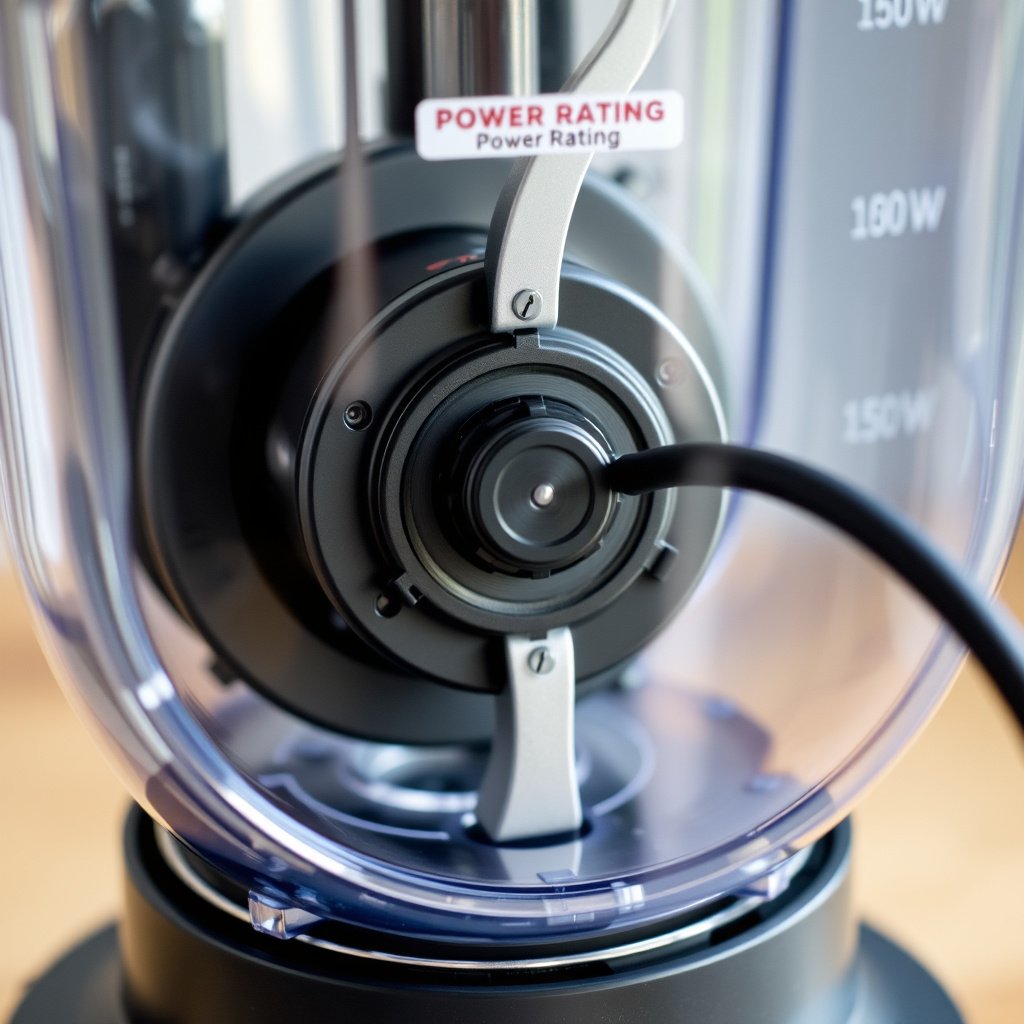
How Motor Wattage Affects Performance
The motor wattage directly influences a blender’s ability to crush and blend tough ingredients like ice, nuts, and fibrous vegetables. Models with higher wattage, typically above 600 watts, provide stronger blending power suitable for frequent or heavy use. Lower wattage blenders are better for simple tasks like mixing soft fruits or liquids.
When selecting a blender motor, consider your usual blending needs. A powerful motor can reduce blending time and produce smoother textures. However, it may generate more noise and consume more electricity. Balancing power with your kitchen tasks ensures better user experience and appliance longevity.
- 600-700 watts for basic blending
- 700-1000 watts for versatile use
- Above 1000 watts for heavy-duty blending
Understanding Continuous vs. Pulse Mode
Most blenders offer both continuous and pulse blending modes. Continuous mode runs the motor until you stop it, ideal for thorough and consistent blending. Pulse mode provides short bursts of power, helping to control texture and prevent over-blending sensitive ingredients.
Using pulse mode allows for controlled chopping or coarse blending, which is helpful in recipes requiring chunkier textures. Knowing when and how to use these modes can optimize your blender’s performance and keep your kitchen creations on point.
Jar Materials and Capacity Options

Choosing Between Glass, Plastic, and Stainless Steel Jars
Blender jars come in glass, plastic, and stainless steel, each with unique benefits. Glass jars resist staining and retain flavor without absorbing odors but are heavier and prone to breaking. Plastic jars are lightweight and resistant to shattering but can scratch and may eventually hold odors. Stainless steel jars are durable and often insulated but do not allow you to see the blending process.
Your choice depends on priorities like visibility during blending, durability, and ease of cleaning. For daily use involving heat like soup blends, glass or stainless steel jars work best. For travel or quick smoothies, plastic jars may offer lightweight convenience.
Selecting the Right Jar Capacity
Blender jar sizes typically range from 20 ounces to over 72 ounces. Smaller jars suit single servings or compact kitchens, while larger jars accommodate family-sized portions and batch cooking. Choosing capacity is about matching your typical recipe volume to avoid wasted space or frequent refills.
Consider the number of people you cook for and your typical blending projects. For frequent smoothie preparation, a medium-sized jar around 40-56 ounces balances capacity with manageable size. Larger families or those preparing sauces and soups in bulk might prefer jars 64 ounces or larger.
- 20-40 ounces: individual portions
- 40-56 ounces: small families
- 64+ ounces: large batches
Speed Controls and Blending Programs
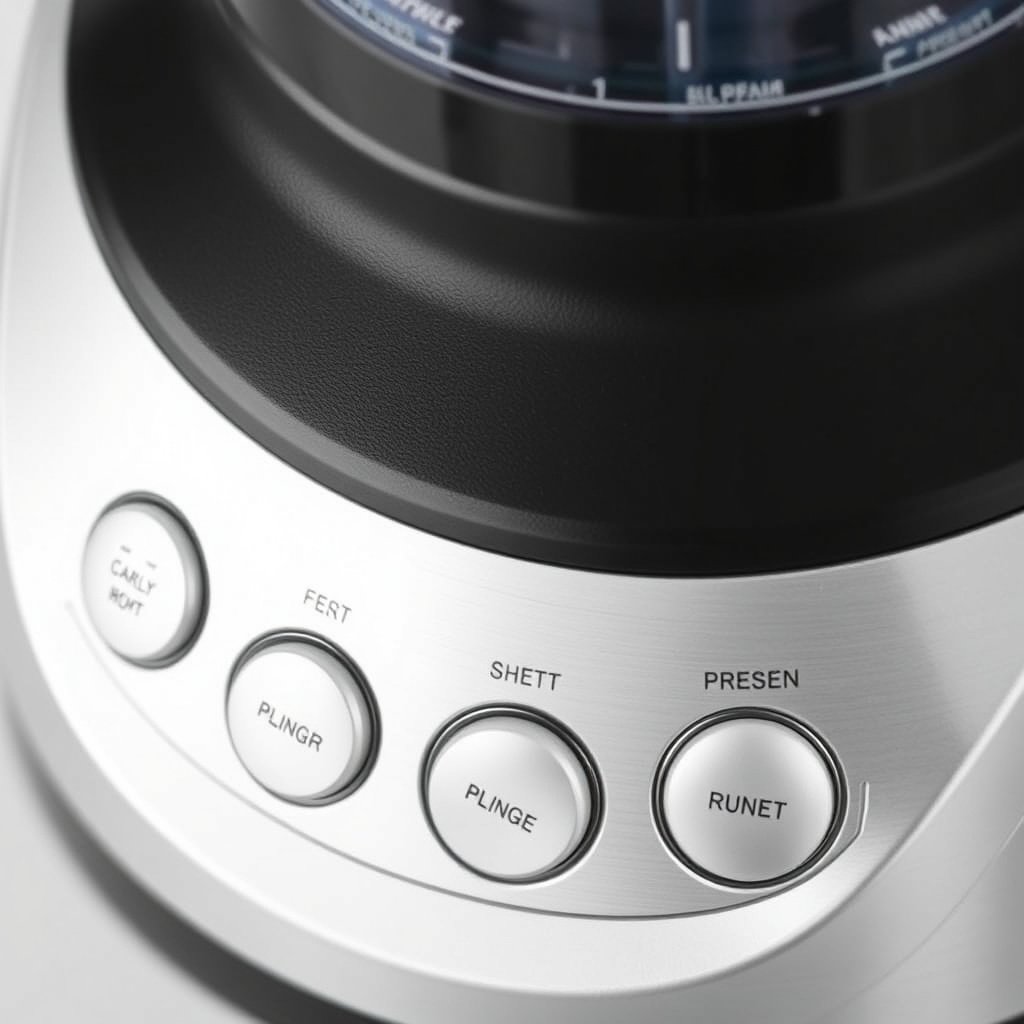
Manual Speed Settings Explained
Manual speed controls let you adjust the blender motor speed continuously or in steps, allowing precise control over texture. Multiple speed options enable both gentle mixing and vigorous blending, accommodating a wider variety of ingredients and recipes.
More advanced blenders offer variable speed dials ranging from low to high, giving users richer control over the blending process. Beginners might prefer simple two or three-speed models, while experienced users enjoy finer adjustments for customization.
- Low speed for stirring and mixing
- Medium speed for smoothies
- High speed for ice crushing
Preset Programs for Convenience
Many modern blenders include preset programs tailored for common tasks such as smoothie making, ice crushing, soup heating, and pulse blending. These presets are pre-calibrated to run for the correct duration and power level, making it easy to achieve consistent results without manual adjustments.
Using preset programs is ideal for users who want simplicity or operate the blender by touch alone. Presets can also extend the appliance life by preventing overuse or inappropriate speed settings.
- Smoothie mode
- Ice crush mode
- Pulse mode
- Soup blending/heating mode
Blender Design and User Experience
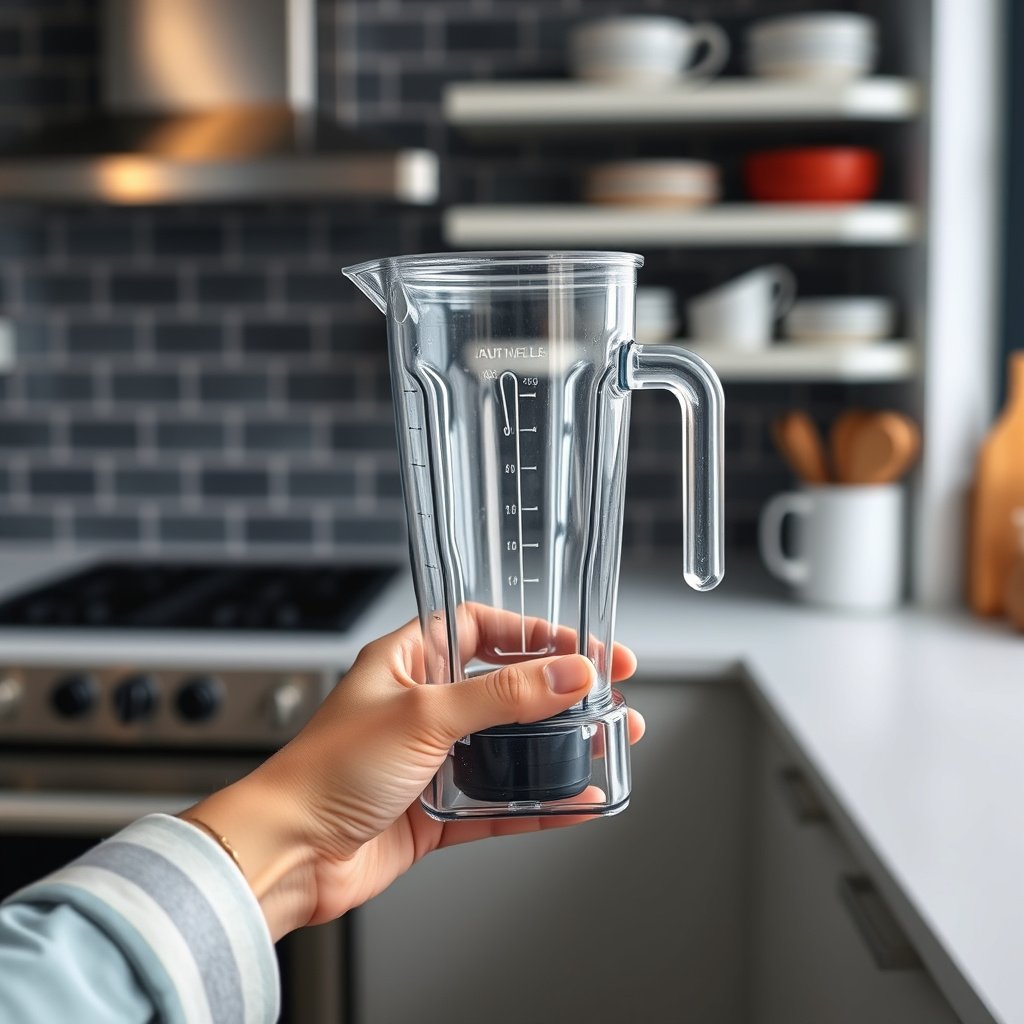
Ergonomics and Handle Design
An easy-to-hold blender jar with a comfortable handle reduces fatigue during use, especially when pouring or carrying heavy blends. Look for textured grips and well-balanced jars that support both right and left-handed users.
The weight of the jar changes when filled, so a handle designed with part of the jar body provides stability. Some blenders offer measurement marks that are simple to read without tilting.
Noise Levels and Appliance Size
Blenders can be noisy, especially high-powered models, which may be an issue in small kitchens or shared spaces. Some brands design noise-dampening casings or insulated motor mounts to reduce operating sound.
Size also matters: compact blenders save counter space but might compromise on power or jar size. Larger blenders deliver more capacity and power but require permanent counter spots or storage space.
- Quiet operation features
- Compact footprint designs
Maintenance and Durability Factors
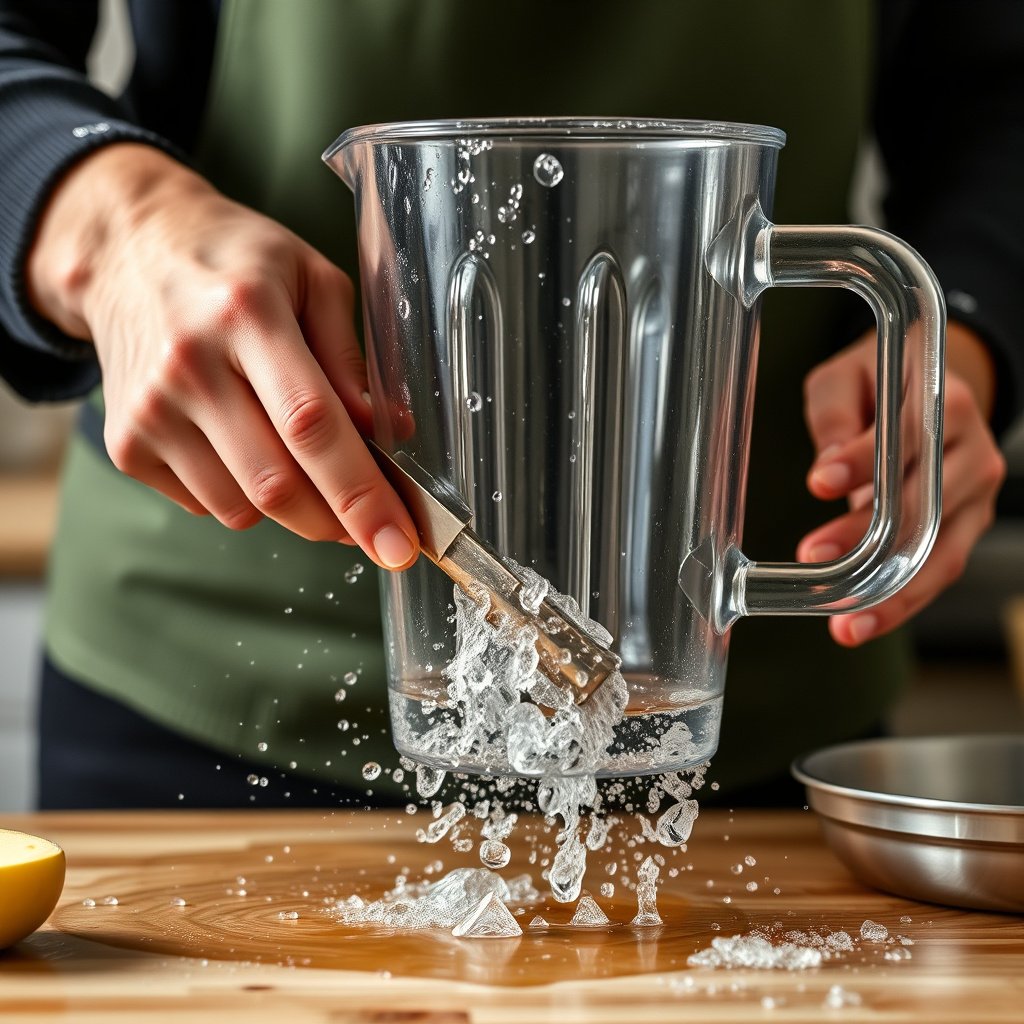
Cleaning Blender Components
Regular cleaning of blender parts, including jar, lid, and blades, extends appliance lifespan and maintains hygiene. Dishwasher-safe parts reduce effort, though some specialized materials require hand washing.
Detachable blades simplify cleaning but need careful handling due to sharp edges. Using a warm water and mild soap solution immediately after use prevents residue buildup and staining.
- Dishwasher safe components
- Detachable blade assemblies
Durability and Warranty Considerations
Blenders with stainless steel blades and thick jar walls typically outperform in durability tests. Warranty periods can reflect manufacturer confidence; longer warranties offer peace of mind against defects.
User reviews often reveal real-world durability experiences and component lifespan. Investing in a well-reviewed model pays off by reducing replacements and repair needs.
- Standard 1-2 year warranty
- Extended warranty options available
Exploring Specialty Blenders

Personal and Portable Blenders
Personal blenders are compact and designed for single servings, ideal for quick smoothies and easy transport. They often feature blending jars that double as travel cups with lids.
While generally less powerful than full-size blenders, personal blenders cater well to active lifestyles and small kitchens. Battery-operated options add convenience but may limit blending time.
- Compact footprint
- Travel-friendly lids
For more detailed historical and technical information about blenders, visit the blender on Wikipedia page. blender on Wikipedia.
Immersion and Handheld Blenders
Immersion blenders offer handheld blending directly inside pots, bowls, or cups, simplifying tasks like sauces and soups blending without transferring contents. They are lightweight and easy to store but less versatile for thick blends or crushing ice.
With various attachments available, immersion blenders can chop, whisk, and puree, making them an affordable supplement or alternative to traditional blenders.
- Multiple removable attachments
- Corded and cordless models
Blender Types Comparison
Here’s a quick comparison of different blender categories to help match features with your kitchen needs.
| Category | Motor Power (Watts) | Jar Capacity (Ounces) | Best Use Case | Price Range |
|---|---|---|---|---|
| Countertop Blenders | 500-1500 | 40-72 | General-purpose blending, smoothies, soups | $50-$500 |
| Personal Blenders | 200-600 | 20-32 | Single servings, on-the-go smoothies | $30-$150 |
| Immersion Blenders | 100-300 | N/A | Sauces, soups, small batch blending | $20-$120 |
| High-Performance Blenders | 1000-1500+ | 48-72 | Heavy-duty blending, ice crushing, nut butters | $300-$700 |
Frequently Asked Questions
What motor power is best for making smoothies?
A blender with 500 to 1000 watts motor power generally works well for smoothies, handling soft fruits and ice effectively for smooth textures.
Are plastic blender jars safe to use?
High-quality BPA-free plastic jars are safe for food preparation; however, they may scratch and retain odors over time compared to glass or stainless steel.
Can I blend hot liquids in my blender?
Many blenders can handle hot liquids if their jars are heat-resistant, such as glass or specially designed plastic. Always check manufacturer guidelines before blending hot contents.
How often should I replace my blender blades?
Blade replacement depends on usage and blade quality but typically every 1 to 3 years or when you notice dull edges and reduced performance.
What is the advantage of preset blending programs?
Preset programs simplify usage by automatically adjusting speed and blending time for common recipes, helping achieve consistent results without manual settings.
Key Takeaways
- Motor power determines blender performance for tough ingredients
- Jar material and size impact durability and capacity needs
- Speed settings and presets enhance control and convenience
- Maintenance and design influence long-term usability
Conclusion
Choosing a blender involves balancing power, jar characteristics, and control features to fit your kitchen lifestyle. Evaluating your cooking habits—whether you frequently create smoothies, soups, or sauces—guides you towards a blender that handles those tasks smoothly and efficiently. Understanding motor wattage, jar durability, and blending options ensures you select an appliance that delivers reliable performance and lasts for years.
For casual users focusing on smoothies or light blending, a personal blender or moderate wattage countertop blender with plastic or glass jars often fits best. More demanding cooks or families benefit from high-performance blenders with strong motors, larger stainless steel or glass jars, and multiple speed settings including presets. Immersion blenders can complement full-size blenders for quick blending directly in cooking pots. Prioritize features such as noise levels, ease of cleaning, and ergonomic design when refining your choice.
After exploring important features and comparing blender types, consider your budget and kitchen space. Trying out models in-store or reading detailed reviews can be helpful before purchase. Once selected, proper maintenance and cleaning will keep your blender performing well. Whether your goal is perfect morning smoothies or versatile meal prep, investing time in choosing your blender pays off with better culinary results and kitchen satisfaction.




One Comment