Understanding the Standard Wall Oven Size: What You Need to Know Before Buying
A standard wall oven size typically measures 27 to 30 inches in width, with heights from 27 to 29 inches and depths around 24 inches. Knowing these dimensions helps you pick a model that fits your kitchen space without costly modifications.
Wall ovens are built directly into walls or cabinetry, making precise sizing essential for a seamless look and efficient use of space. Selecting the correct standard wall oven size ensures proper ventilation, safety, and integration with other kitchen elements.
This article explores the common wall oven dimensions, factors affecting size choices, installation tips, and comparisons of popular size categories. Whether renovating or building new, you'll get practical guidance to find the wall oven size that suits your needs.
Common Standard Wall Oven Sizes and Dimensions
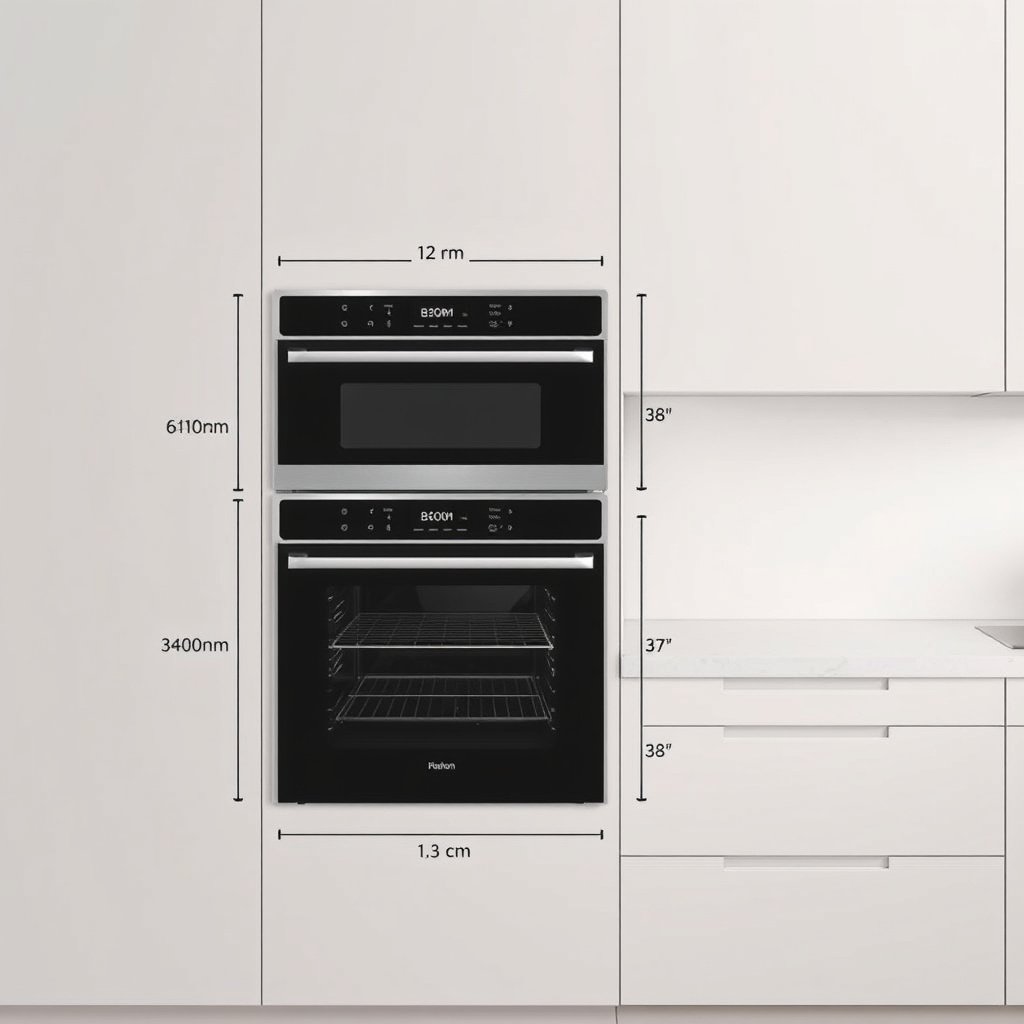
Typical Widths and Heights of Wall Ovens
Standard wall ovens come mainly in two width categories: 27-inch and 30-inch units. The height usually ranges from 27 to 29 inches, allowing these ovens to fit into standard cabinetry openings designed for built-in appliances.
Depth is generally around 24 inches, aligning with typical cabinet depths to maintain a flush installation. These dimensions may vary slightly based on oven features like double ovens or convection technology.
- 27-inch wide wall ovens for compact kitchens
- 30-inch wide ovens for more cooking space
- Height ranges between 27-29 inches
- Standard depth around 24 inches
Double vs. Single Wall Oven Sizes
Double wall ovens typically have a combined height of about 50 to 52 inches while maintaining the standard width of 27 or 30 inches. This configuration offers two separate cooking chambers stacked vertically.
Single wall ovens are smaller and fit into a space roughly 27 to 29 inches tall. Choosing between single and double ovens affects how much kitchen wall space is needed and impacts cooking flexibility.
- Double ovens require taller cabinetry
- Single ovens fit into smaller wall openings
- Both come in 27- or 30-inch widths
Measuring Your Kitchen Space for a Wall Oven

Measuring Width, Height, and Depth
Before purchasing, measure the width, height, and depth of the intended oven cavity precisely. Use a tape measure to get accurate dimensions, including allowances for ventilation space around the appliance.
Be mindful of existing cabinetry, trim, and adjacent appliances that can affect installation. Measurements should be repeated to confirm accuracy before finalizing the oven size choice.
- Measure inside cabinet opening carefully
- Include clearance space for ventilation
- Account for cabinet trim and handles
Accounting for Ventilation and Installation Requirements
Standard wall oven sizes factor in ventilation needs, which usually means leaving a few inches of space behind or around the unit. Installation manuals specify these requirements to maintain safety and performance.
Proper ventilation prevents overheating and damage. It’s essential to check the oven manufacturer's specifications for installation clearances when planning your kitchen setup.
- Leave proper space for airflow
- Follow manufacturer's installation guidelines
- Consider professional installation for best results
Materials and Finishes Affecting Wall Oven Size Choices

Influence of Materials on Oven Dimensions
The material used for the oven front, usually stainless steel, black stainless, or matte finishes, can slightly affect dimensions due to trim thickness but generally won’t alter standard wall oven sizes significantly.
Some finishes might add extra depth or require additional clearance during installation, so considering material specifications can help avoid misfits.
- Stainless steel is common and standard sized
- Custom trims may affect depth slightly
- Finish choices rarely change width or height
Matching Oven Size with Kitchen Design
Beyond measurements, the visual design and finish integrate the oven into kitchen aesthetics. Choosing a size that complements cabinet styles and other appliances ensures harmony in look and function.
For example, a wider 30-inch oven may balance larger cabinetry units better than a 27-inch model, while smaller kitchens might prefer compact, standard-sized models.
- Coordinate size with cabinetry proportions
- Choose finishes that match your appliances
- Balance size with kitchen traffic flow
Energy Efficiency and Wall Oven Size

How Size Affects Energy Use
Larger wall ovens generally consume more energy than smaller ones due to bigger cooking cavities requiring more heat. Opting for the right size avoids unnecessary energy waste based on meal and household needs.
Energy-efficient models feature better insulation, precise temperature control, and convection options that offset size-related consumption differences.
- Smaller ovens use less energy
- Convection improves efficiency
- Proper size avoids wasted energy
Evaluating Energy Ratings by Oven Size
When comparing wall ovens, energy ratings such as ENERGY STAR certifications help identify models that balance size with energy savings. Both 27-inch and 30-inch ovens can come with such certifications.
Selecting an energy-efficient wall oven size tailored to your cooking frequency helps reduce utility bills and environmental impact over time.
- Look for ENERGY STAR models
- Compare ratings between similar sizes
- Choose size based on cooking habits
Popular Brands and Model Sizes in the Market

Brands Offering Standard 27-Inch Wall Ovens
Several brands offer 27-inch wall ovens ideal for kitchens with limited wall space. Brands like Bosch, Whirlpool, and GE provide reliable models with features like convection cooking and self-cleaning.
These models suit apartments or smaller homes where space-saving without sacrificing performance is essential.
- Bosch 27-inch Series 800 Wall Oven
- Whirlpool 27-Inch Single Wall Oven
- GE Profile 27-inch Convection Oven
Options for 30-Inch Wall Ovens
30-inch wall ovens offer expanded cooking capacity favored in larger kitchens. Brands like KitchenAid, Samsung, and LG include several models in this size, often featuring gourmet cooking modes and smart connectivity.
They fit well in more spacious cabinetry openings and often come as single or double oven configurations.
- KitchenAid 30-inch Double Wall Oven
- Samsung 30-inch Smart Wall Oven
- LG 30-inch Convection Wall Oven
Installation and Maintenance Tips for Standard Wall Ovens

Best Practices for Installing Standard Wall Oven Sizes
Professional installation is recommended for wall ovens to handle electrical connections, ventilation requirements, and secure mounting. Following standard sizing helps align cabinetry and avoid costly adjustments.
Proper leveling and sealing during installation prevent operational issues and preserve the integrity of cabinetry surrounding the oven.
- Hire certified installers
- Check clearance for ventilation
- Use manufacturer’s installation guide
For a technical overview and history of wall ovens, you can visit the detailed Wall oven specifications on Wikipedia. Wall oven specifications on Wikipedia.
Maintaining Your Wall Oven Size and Performance
Routine cleaning and checking seals keep your wall oven performing efficiently over time, regardless of size. Pay attention to door alignment and vent openings to maintain heat efficiency.
Regular maintenance also extends the appliance’s lifespan and preserves the appearance especially if you’ve chosen a finish carefully coordinated with your kitchen.
- Clean oven interiors regularly
- Inspect door gaskets for wear
- Keep vents clear of debris
Standard Wall Oven Size Category Comparison
This comparison highlights key differences among various standard wall oven size categories to help narrow down your choice.
| Size Category | Width (inches) | Height (inches) | Typical Depth (inches) | Ideal Kitchen Space |
|---|---|---|---|---|
| Compact 24-inch | 24 | 27 | 22 | Small kitchens, apartments |
| Standard 27-inch | 27 | 27-29 | 24 | Average-sized kitchens, tight spaces |
| Standard 30-inch | 30 | 27-29 | 24 | Medium to large kitchens |
| Double Oven 27-inch | 27 | 50-52 | 24 | Kitchens needing dual cooking zones |
| Double Oven 30-inch | 30 | 50-52 | 24 | Larger kitchens, high cooking volume |
Frequently Asked Questions
What is the most common standard wall oven size?
The most common standard wall oven sizes are 27 inches and 30 inches in width, with heights between 27 and 29 inches, fitting typical cabinetry openings.
Can I install a 30-inch wall oven in a 27-inch opening?
No, a 30-inch wall oven requires a larger opening. Installing it in a 27-inch space can cause fit and safety issues, so choosing the correct size is essential.
Do wall oven sizes impact cooking capacity?
Yes, larger width and height generally offer greater interior cooking capacity, allowing you to cook multiple dishes or larger items simultaneously.
How much clearance do I need around a standard wall oven?
Clearance around a standard wall oven usually includes 1-2 inches on the sides and top for ventilation, plus space at the back per manufacturer guidelines.
Are energy-efficient wall ovens available in standard sizes?
Yes, many standard 27-inch and 30-inch wall ovens come with energy-efficient features like convection cooking and ENERGY STAR ratings.
Key Takeaways
- Standard wall oven sizes are mainly 27 and 30 inches wide with 27-29 inches height.
- Double ovens require taller cabinetry than single ovens.
- Proper measurement and ventilation clearance are critical for installation.
- Energy efficiency varies by size and model, with ENERGY STAR options available.
Conclusion
Selecting the right wall oven size involves balancing your kitchen space, cooking needs, and aesthetic preferences. Standard sizes, mainly 27 and 30 inches widths, offer predictable compatibility with most cabinetry. Measuring carefully and considering installation space ensures your chosen oven fits well and functions safely.
If your kitchen is compact or you prefer single ovens, 27-inch models provide efficient cooking capacity without occupying excessive space. For larger kitchens or households requiring more cooking versatility, a 30-inch single or double wall oven can accommodate simultaneous meal preparation. Comparing features alongside size, such as convection or smart controls, enhances your experience.
After deciding on size, focus on professional installation aligned with manufacturer guidelines. Review energy ratings to pick a model that matches your cooking frequency without extra power usage. Taking these practical steps prepares you to purchase a standard wall oven size that complements your kitchen and meets your daily culinary demands.