How to Choose a Microwave with Air Vent for Better Kitchen Ventilation
A microwave with an air vent is a kitchen appliance designed to not only cook or heat food but also help ventilate the cooking area by removing steam, smoke, and cooking odors. This feature is especially useful when the microwave is installed over a stove or cooktop, combining cooking and ventilation into one compact unit. By directly venting air either outside or recirculating it through filters, these microwaves reduce smells and moisture, improving overall air quality in the kitchen.
This type of microwave is vital for kitchens where space constraints prevent installing a separate range hood or exhaust fan. Venting microwaves streamline kitchen setup and keep your cooking environment comfortable and odor-free, preventing greasy buildup on surfaces. Their capability to replace or supplement traditional ventilation solutions can enhance both functionality and aesthetics in small to medium-sized kitchens.
This article will guide you through the main features of microwaves with air vents, including venting options, power and capacity, installation types, noise levels, maintenance, and design. It will also compare different types, helping you decide which microwave with air vent fits your needs best.
Understanding Microwave Venting Options
External Venting Microwaves
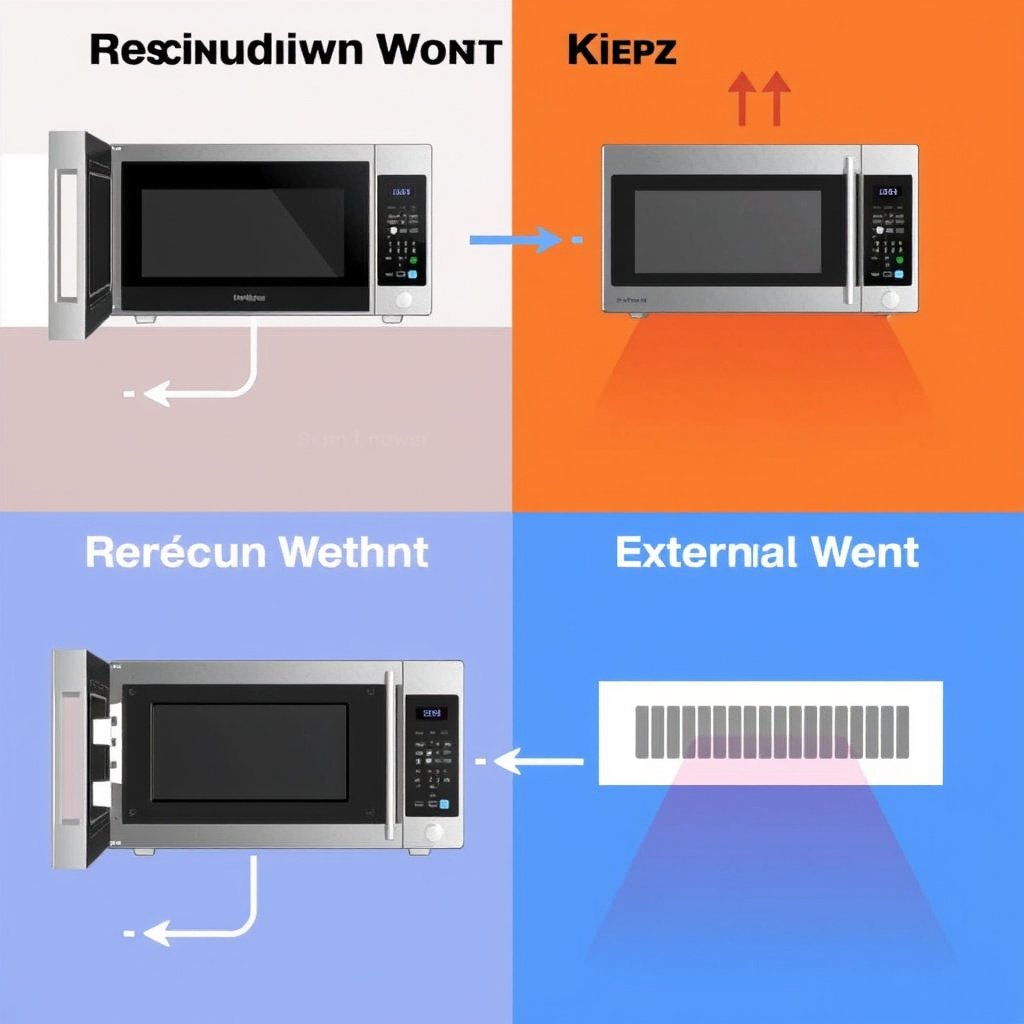
External venting microwaves expel air from the cooking area directly outside through ductwork. This method effectively removes smoke, steam, and odors from your kitchen, providing superior air quality during cooking. Installation requires a connection to an external vent, usually via a duct leading through a wall or ceiling.
While offering the best ventilation performance, these units need more complex installation that may increase cost and require professional help. External venting microwaves are ideal for kitchens able to accommodate ductwork and for users wanting powerful ventilation during stovetop cooking.
- Direct removal of cooking fumes outdoors
- Requires duct installation
- Best for strong ventilation needs
Recirculating Venting Microwaves
Recirculating microwaves pull the air through filters to remove grease and odors and then recirculate the cleaned air back into the kitchen. These models don’t require external ventilation ductwork, offering flexibility in kitchens where adding an external vent isn’t feasible.
The filtration usually involves charcoal and grease filters that need regular cleaning or replacement for effective operation. Although less efficient at removing moisture and heat compared to external vents, recirculating microwaves still improve kitchen comfort and help reduce lingering smells.
- No need for ductwork installation
- Uses charcoal and grease filters
- Ideal for ductless kitchen setups
Microwave Power and Capacity Considerations

Choosing the Right Wattage
Microwave wattage, generally between 700 to 1200 watts, affects cooking speed and overall performance. Higher wattage means faster cooking and more even heating, which is beneficial for frequent use or cooking larger meals.
When pairing with a vent function, wattage remains independent but still crucial for user satisfaction. Select a microwave wattage based on your cooking habits — a higher wattage unit can save time but may use more electricity.
- 700-1200 watts common range
- Higher wattage cooks faster
- Consider cooking frequency and meal size
Microwave Capacity and Size
Capacity is measured in cubic feet and determines the internal cooking space. For average households, 1.5 cubic feet is standard, balancing size and cooking volume. Larger capacities up to 2.0 cubic feet accommodate bigger dishes but require more installation space.
Keep in mind the microwave's external dimensions and clearance needed for venting, especially in over-the-range models where air circulation space is crucial. Size should complement your kitchen layout without crowding counters or cabinets.
- 1.5 cu. ft. common size
- Up to 2.0 cu. ft. for larger needs
- Match size to kitchen space and dishes
Installation Types for Microwaves with Air Vents
Over-the-Range Microwaves
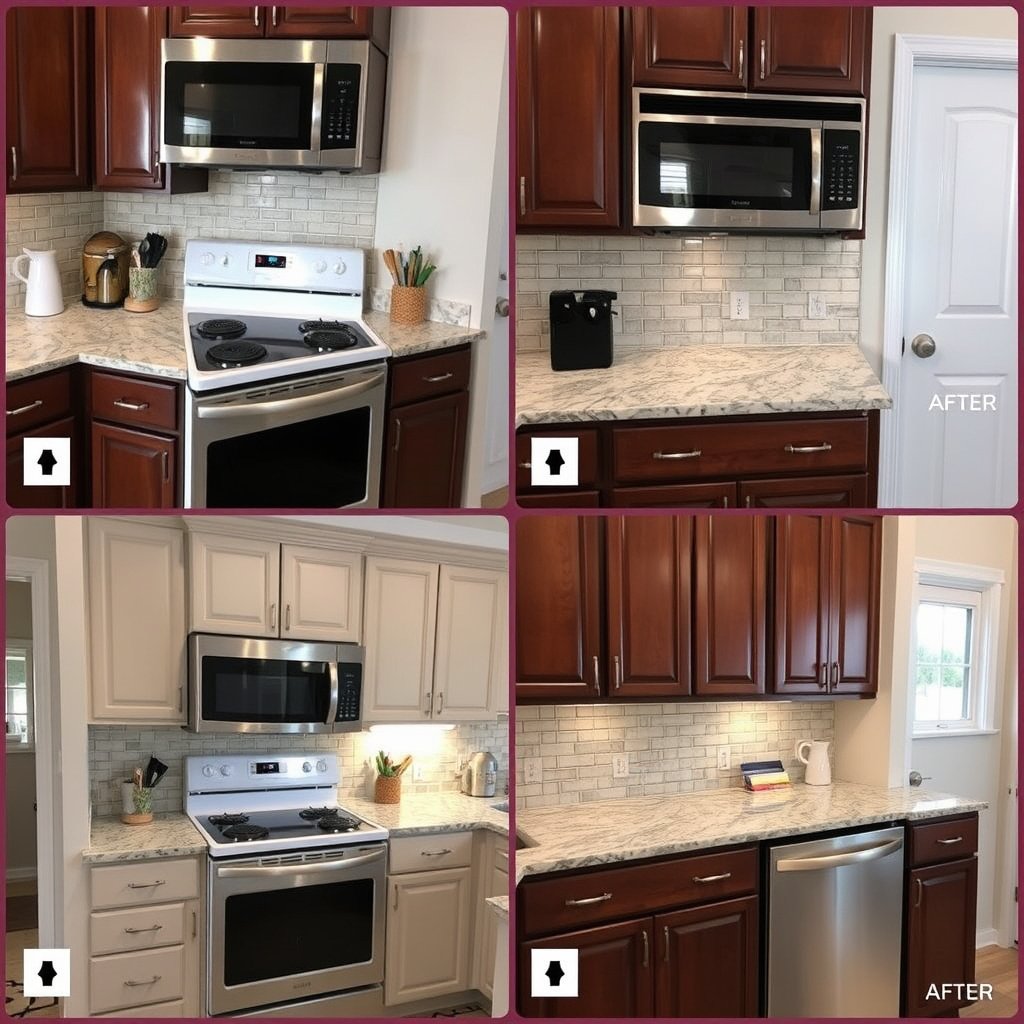
Over-the-range (OTR) microwaves mount above cooktops or ranges, integrating ventilation and freeing counter space. They typically include both external or recirculating vent options and provide task lighting for the cooktop below.
Installation requires secure wall or cabinet mounting and, if vented externally, duct connection through a wall or ceiling. OTR models are popular in kitchens aiming to maximize space efficiency and ventilation in one unit.
- Saves counter space
- Includes integrated vent and light
- Requires proper mounting and vent setup
Built-In and Countertop Microwaves
Built-in microwaves integrate into cabinetry for a seamless look but usually do not include venting since they are away from cooktops. Countertop microwaves are portable and lack venting entirely but can be used alongside separate ventilation systems.
If venting is a priority, built-in and countertop models are less suitable for replacing a range hood. However, they offer flexibility for kitchens where cooking occurs separately from the microwave or where dedicated vents exist.
- Built-in offers aesthetic integration
- Countertop provides portability
- Neither generally includes ventilation
Noise Levels and Vent Efficiency in Microwaves with Air Vents
Evaluating Noise Levels
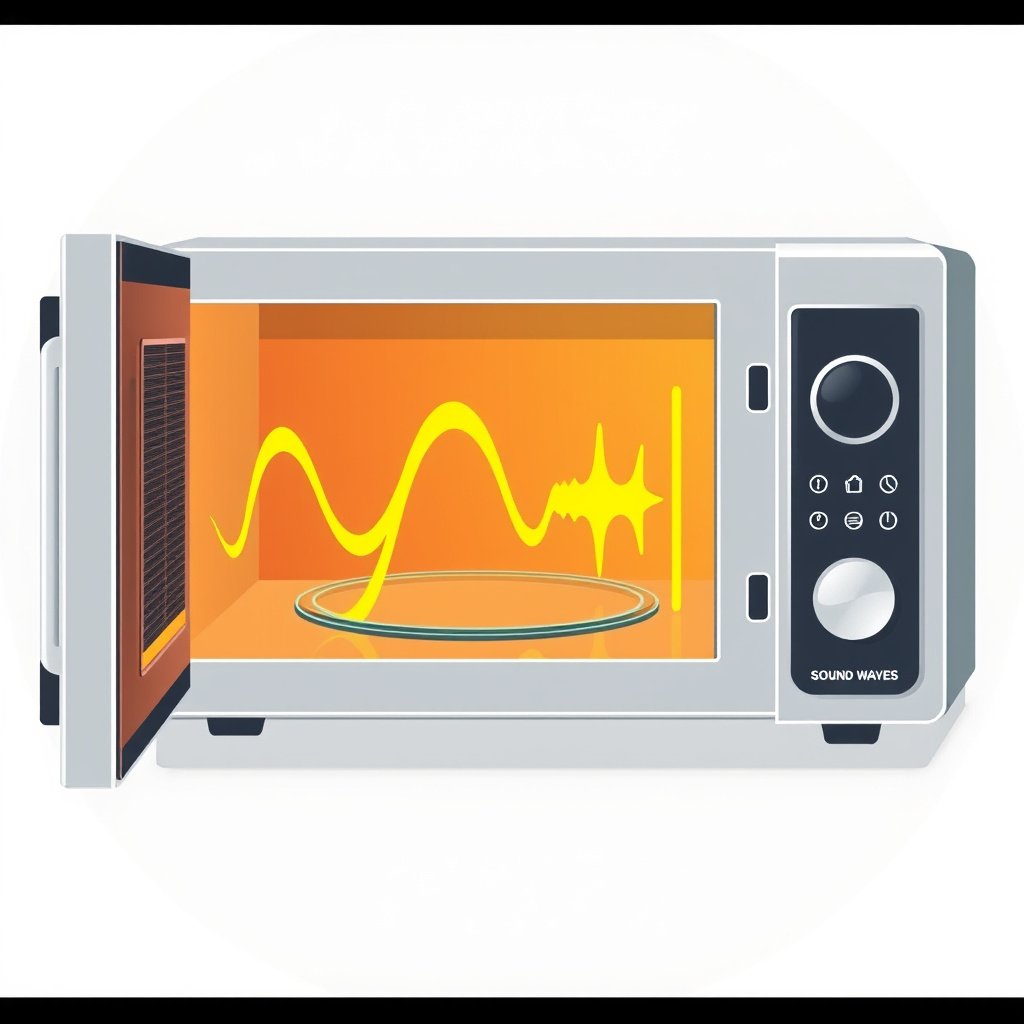
Microwaves with air vents vary widely in noise, depending on fan motor quality and vent design. Noise is measured in decibels (dB), with quieter units operating around 50-60 dB, roughly the sound of a normal conversation.
Choosing a model with lower noise can improve kitchen comfort, especially during long cooking times. Reviews and product specifications often provide typical noise levels to compare before purchase.
- Typical range: 50-70 dB
- Quieter models improve comfort
- Check specs before buying
Ventilation Efficiency Metrics
Vent efficiency is rated by cubic feet per minute (CFM), indicating air volume moved per minute. Most microwaves with air vents range from 200 to 400 CFM, enough for light to moderate stovetop ventilation.
Higher CFM ratings offer better odor and steam removal but may increase noise. Balancing vent power and noise is key for a pleasant kitchen experience.
- Typical ventilation: 200-400 CFM
- Higher CFM means stronger airflow
- Balance power with noise
Maintenance and Filter Care for Venting Microwaves

Cleaning Grease Filters
Grease filters trap airborne fat and particles from cooking. They require regular cleaning, either by hand or in a dishwasher, to maintain efficiency. Failing to clean filters can cause unpleasant odors and reduce airflow.
Most filters are easy to remove and lightweight, encouraging consistent upkeep and prolonging the microwave and vent system's lifespan.
- Removable filters for cleaning
- Dishwasher-safe options available
- Clean filters monthly for best results
Replacing Charcoal Filters
Charcoal filters neutralize odors in recirculating vent microwaves but are not washable. They must be replaced every 6 to 12 months depending on use. Replacement filters are usually model-specific and should be purchased from the manufacturer.
Regular replacement ensures clean air quality and extends microwave vent effectiveness.
- Non-washable charcoal filters
- Replace every 6-12 months
- Use manufacturer recommended filters
Aesthetic and Design Features of Microwaves with Air Vents
Color and Finish Options
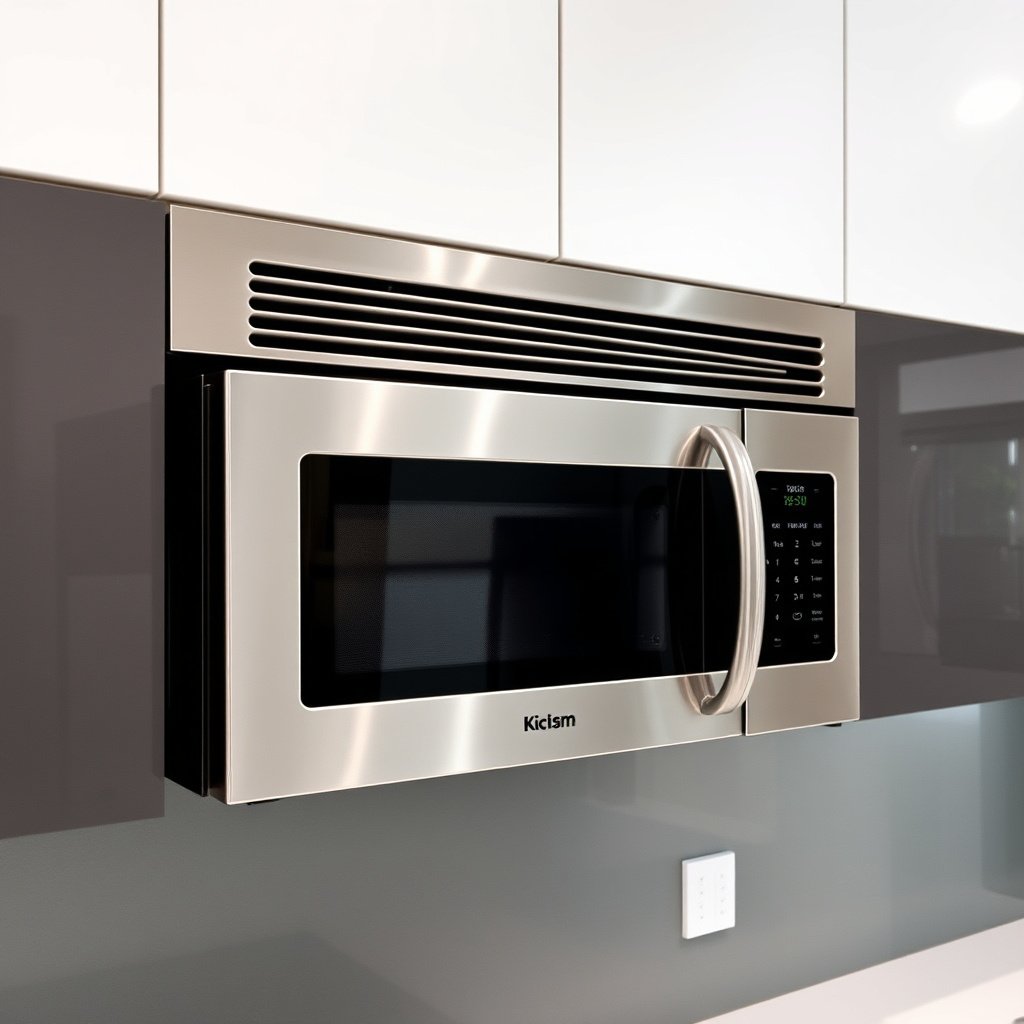
Microwaves with air vents come in various finishes such as stainless steel, black stainless, white, and custom panel-ready options. Choosing a finish that matches your kitchen appliances and decor enhances the overall visual harmony.
Stainless steel remains the most popular due to its durability and contemporary look, often combined with fingerprint-resistant or smudge-proof coatings for easier upkeep.
- Stainless steel most common
- Also white, black, panel-ready
- Choose finish matching kitchen style
To understand more about how microwave ovens integrate ventilation systems, the microwave oven ventilation section of Wikipedia offers detailed background. Microwave oven ventilation.
Control Panel and Lighting
Control panels may feature touchpads, dials, or hybrid systems, influencing ease of use. Lighting options, often LED, illuminate the cooktop below and add ambiance. Brightness and color temperature vary by model.
Well-designed controls and lighting contribute to operational convenience and kitchen atmosphere, important for integrated kitchen appliances.
- Touchpad or dial controls
- Integrated cooktop lighting
- LED lighting for efficiency and style
Microwaves with Air Vent Category Comparison
Here’s a look at key features across different microwave vent types and installation options to help you choose the right unit.
| Category | Venting Type | CFM Range | Noise Level (dB) | Typical Wattage | Installation |
|---|---|---|---|---|---|
| Over-the-Range External Vent | External | 300-400 | 55-65 | 900-1100 | Wall Mount |
| Over-the-Range Recirculating Vent | Recirculating | 200-300 | 50-60 | 900-1000 | Wall Mount |
| Built-In Microwave | None | N/A | N/A | 700-1200 | Cabinet Integration |
| Countertop Microwave | None | N/A | N/A | 700-1200 | Portable |
Frequently Asked Questions
Can I install a microwave with air vent without ducting?
Yes, microwaves with recirculating vent options use filters to clean air and recirculate it inside the kitchen, removing the need for external ducting.
How often should I clean or replace vent filters?
Grease filters should be cleaned about once a month, while charcoal filters need replacement every 6 to 12 months depending on cooking frequency.
Are microwaves with air vents noisy?
Noise varies by model but generally ranges from 50 to 70 decibels. Quieter models are available and recommended if kitchen noise is a concern.
Do microwaves with air vents provide the same ventilation as a traditional range hood?
Microwaves with external vents provide ventilation close to range hoods but usually at lower CFM levels. Recirculating models are less powerful but still reduce odors effectively.
Can I retrofit my existing microwave to add an air vent?
No, you cannot add venting functionality to a standard microwave. Buying a microwave designed with integrated venting is necessary for air vent performance.
Key Takeaways
- Microwaves with air vents combine cooking and ventilation functions, improving kitchen air quality.
- External venting models offer superior air removal but require ductwork installation.
- Recirculating vent microwaves use filters, ideal for kitchens without external vent access.
- Proper maintenance of grease and charcoal filters is essential for vent efficiency.
Conclusion
Selecting a microwave with air vent involves balancing your kitchen ventilation needs, space constraints, and installation capabilities. Consider whether your kitchen allows external ductwork or if a recirculating vent microwave suits your setup better. Evaluating power, capacity, and noise levels alongside vent performance will help you find a unit that blends functionality with your cooking habits and aesthetics.
For kitchens where strong ventilation is necessary and ducting is feasible, an over-the-range microwave with external venting delivers best air quality and stovetop odor removal. If ductwork is unavailable or impractical, recirculating vent microwaves still improve air comfort by filtering odors and grease. Meanwhile, built-in or countertop microwaves without vents may be suitable for supplemental cooking without integrated ventilation needs.
Ultimately, the best next step is to measure your kitchen space, identify your venting requirements, and review trusted models with reliable fan performance and manageable noise levels. Paying attention to filter maintenance and installation options will keep your kitchen fresh and functional for years to come.