Understanding the Typical Temperature of a Freezer for Safe Food Storage
The typical temperature of a freezer is usually set at 0°F (-18°C), which is considered ideal for safely freezing and preserving most foods. This temperature inhibits bacterial growth and maintains the quality and nutritional value of frozen items over extended periods.
Maintaining this standard temperature is important because temperatures above 0°F can allow some bacteria to grow, leading to food spoilage and potential health risks. Conversely, extremely low temperatures can increase energy consumption without providing additional preservation benefits.
This article will examine the typical temperature of freezers, exploring why maintaining certain temperatures matters, how variations affect food safety, and practical tips for setting and monitoring your freezer’s temperature to keep your food in prime condition.
Ideal Temperature Range for Freezers

What Is the Recommended Freezer Temperature?
The widely recommended freezer temperature is 0°F (-18°C), which food safety experts endorse for long-term food storage. This temperature halts bacterial activity effectively and slows enzyme reactions that cause food spoilage.
Many household freezers use a thermostat dial or digital control to maintain this setting. Some models allow fine adjustments to accommodate specific needs like deeper freezing for bulk meat storage or higher settings for short-term freezing.
- 0°F (-18°C) for optimal preservation
- Slightly warmer for short-term storage (around 5°F or -15°C)
- Avoid temperatures above 5°F as they risk spoilage
Why 0°F Is the Standard for Food Safety
At 0°F, most microorganisms become inactive, preventing the growth that spoils food and causes foodborne illnesses. This setting balances energy efficiency with safety, making it the global standard.
Food freezes solid at this temperature, maintaining texture and nutritional integrity better than higher temperatures that cause partial freezing or slow degradation.
Factors Affecting Freezer Temperature Consistency
Common Causes of Temperature Fluctuations
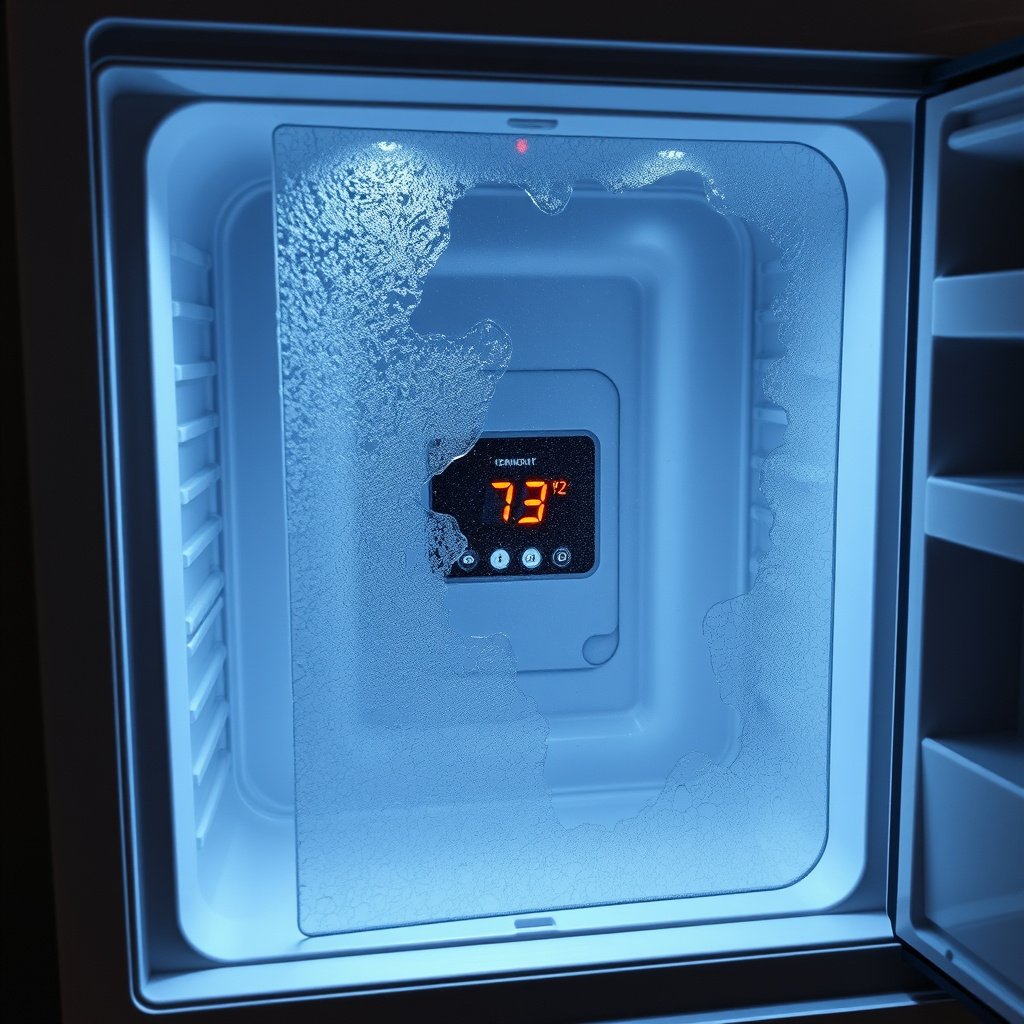
Frequent door openings, poor door sealing, or placing warm foods inside can cause the freezer temperature to rise temporarily. Each of these factors introduces warm air or moisture, forcing the compressor to work harder.
Older or malfunctioning freezer models may have faulty thermostats or insulation breakdowns that prevent maintaining the ideal temperature consistently.
- Frequent door openings
- Faulty door seals
- Warm food placement
- Aging compressor or thermostat problems
How to Monitor and Adjust Your Freezer’s Temperature
Using a dedicated freezer thermometer helps you verify that the built-in thermostat is accurate. Place the thermometer away from walls and door to get a true reading of the internal temperature.
Adjust your freezer control dial gradually and test between adjustments. If fluctuations persist despite adjustments, consider servicing or replacing parts like door gaskets or the thermostat.
- Place a thermometer inside freezer
- Check temperature daily after adjustments
- Inspect door seals regularly
- Schedule professional servicing if needed
Types of Freezers and Their Temperature Settings

Upright vs. Chest Freezers Temperature Differences
Upright freezers generally maintain more stable temperatures due to better airflow from internal fans and organizational design. They typically stick closer to the ideal 0°F setting without much variation.
Chest freezers can be more energy-efficient but might have uneven temperature zones. The lower sections may be colder, while upper areas fluctuate. Proper placement of food is necessary to maximize safety.
Specialized Freezer Types and Their Settings
Deep freezers or commercial-grade units often operate at temperatures below 0°F, sometimes reaching -10°F to -20°F for ultra-long preservation of meats and delicate items. These colder settings require more energy but are beneficial for specific storage needs.
Self-defrosting (frost-free) freezers cycle slightly warmer temperatures periodically to prevent ice buildup. This causes minor fluctuations but usually stays within safe ranges when set correctly.
- Deep freezers: -10°F to -20°F
- Frost-free freezers: periodic slight temperature rises
- Commercial vs. residential settings differ
Signs of Improper Freezer Temperatures
Warning Signs of Too Warm Freezer Temperatures
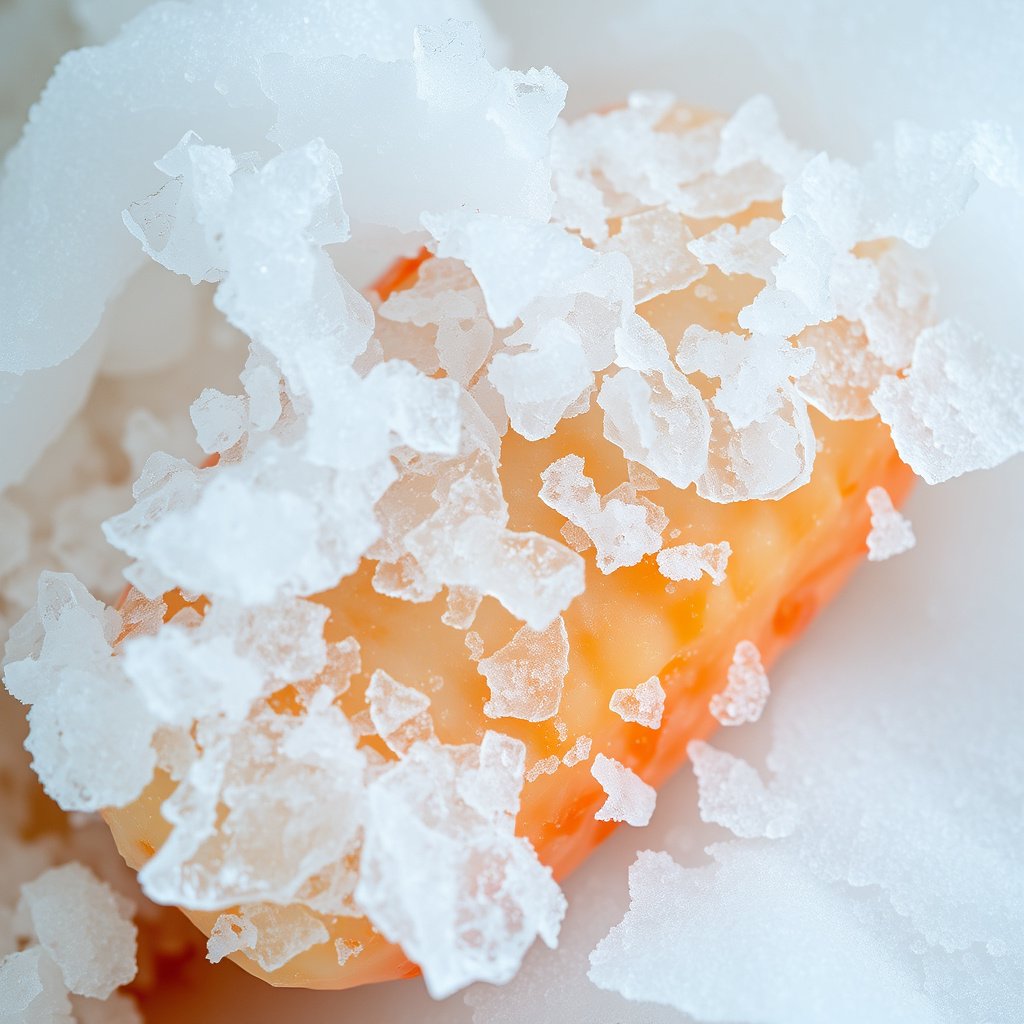
If you notice frost melting, partial thawing of frozen items, or unusually soft textures in frozen goods, it likely indicates the freezer is above the recommended temperature range.
Food spoilage risks increase with warmer temperatures, especially for meat, seafood, and dairy products. Keeping an eye on freezer temperature ensures food safety.
- Ice crystals melting
- Food sticking together from thawing and refreezing
- Unpleasant odors
- Soft or mushy textures
Issues Caused by Excessively Cold Freezers
Freezers set too cold can waste electricity and cause freezer burn, a condition where moisture loss dries out food surfaces leading to texture and taste issues, even if the food remains safe.
Too cold settings can also overwork freezer components leading to premature wear or higher repair costs over time.
- Freezer burn on stored food
- Higher energy bills
- Increased wear on the freezer compressor
- Potential frost buildup inside
Tips for Maintaining the Ideal Freezer Temperature

Best Practices for Freezer Temperature Stability
Limit the number of door openings and minimize the time the door stays open to maintain a consistent temperature. Store food items in an organized manner so you can locate what you need quickly.
Regularly clean door seals and ensure they close tightly. Keep the freezer full but not overcrowded to allow proper air circulation.
- Minimize door openings
- Organize groceries for quick access
- Clean and inspect door seals monthly
- Keep freezer reasonably full for consistent cooling
For official recommendations on freezer temperature and food safety, consider reviewing the USDA’s freezer temperature guidelines. Freezer temperature guidelines.
When to Call a Professional for Freezer Issues
If temperature fluctuations continue despite proper use and adjustment, or if you notice frost buildup or compressor noise changes, seek professional diagnostics. Faulty thermostats, refrigerant leaks, or compressor damage require expert repair.
Ignoring these issues can lead to food loss and increased electricity costs.
- Persistent temperature variations
- Unusual noises from compressor
- Frost or ice buildup inside
- Freezer failing to maintain set temperature
Freezer Type Temperature Settings Comparison
This table compares typical temperature ranges and characteristics of different freezer types to help you decide which fits your needs best.
| Freezer Type | Typical Temperature Range | Energy Efficiency | Common Uses |
|---|---|---|---|
| Upright Freezer | 0°F (-18°C) | Moderate | Everyday household storage |
| Chest Freezer | 0°F (-18°C) but uneven zones | High (more efficient) | Bulk food storage |
| Deep Freezer | -10°F to -20°F | Lower (more energy use) | Long-term commercial storage |
| Frost-Free Freezer | 0°F with cycles | Moderate | Convenience-focused home use |
Frequently Asked Questions
What happens if my freezer temperature is set above 0°F?
Temperatures above 0°F increase the risk of food softening and bacterial growth, which can shorten storage life and cause spoilage, especially in meat and dairy.
Is it safe to set a freezer colder than 0°F?
Setting a freezer colder than 0°F can preserve food longer but increases energy consumption and may cause freezer burn if food isn't properly sealed.
How do I know if my freezer temperature is accurate?
Use an independent freezer thermometer placed away from walls and door. Compare readings to the built-in thermostat and adjust if there are consistent discrepancies.
Can frost buildup affect the freezer’s temperature?
Yes. Frost accumulation reduces cooling efficiency and can cause uneven temperatures, requiring more frequent defrosting or servicing.
What is the effect of frequent door opening on freezer temperature?
Every time the freezer door opens, warm air enters, causing the temperature inside to rise temporarily and forcing the unit to work harder to re-cool.
Key Takeaways
- The standard freezer temperature is 0°F (-18°C) for safe food preservation.
- Consistent temperature helps prevent bacterial growth and keeps food quality intact.
- Different freezer types may have slight temperature variations and usage considerations.
- Regular monitoring and maintenance optimize freezer performance and energy use.
Conclusion
Choosing and maintaining the right freezer temperature means balancing food safety with energy consumption. Setting your freezer to 0°F (-18°C) is the best approach to inhibit bacterial growth and preserve flavor, texture, and nutritional value over time. Monitoring temperature regularly with a thermometer ensures your settings remain accurate and effective in various environmental conditions.
Different freezer types such as upright, chest, deep, or frost-free freezers offer distinct advantages and minor temperature calculus. For example, upright freezers offer stable air circulation ideal for defined temperature control, while chest freezers lean towards energy efficiency with some temperature zones variation. Deep freezers extend preservation by going colder but at the cost of energy usage, better suited for heavy-duty storage. Your specific choice depends on your storage needs, space, and budget.
As a practical next step, keep a reliable freezer thermometer inside your unit and review your door seals and freezer cleanliness monthly. If temperature inconsistencies or malfunctions occur, opt for professional servicing to avoid food loss. By following these guidelines, you confidently manage your freezer’s temperature to ensure the longevity and safety of your frozen foods.