How to Choose the Right Two Door Fridge Dimensions for Your Kitchen
Two door fridge dimensions typically range from about 30 to 36 inches in width, 66 to 70 inches in height, and 29 to 34 inches in depth. Knowing these measurements helps you select a model that fits your kitchen space without causing installation or clearance issues.
Understanding the size of two door refrigerators matters because these units combine freezer and fridge compartments, impacting storage capacity and kitchen layout. A poorly chosen size can disrupt your workflow or waste valuable space.
This article covers standard two door fridge dimensions, factors influencing size choice, how to measure your kitchen area correctly, and tips on selecting a fridge that balances capacity and fit.
Understanding Two Door Fridge Dimensions

Standard Width, Height, and Depth
The width of most two door fridges falls between 30 and 36 inches. Height usually varies from 66 to 70 inches, and depth typically ranges from 29 to 34 inches. These dimensions can shift slightly depending on brand and style.
Width is key for fitting between cabinets or walls, height matters for overhead clearance, and depth affects how far the fridge protrudes from counters. Knowing these helps prevent buying a fridge that’s too bulky or small.
Variations in Size by Model Type
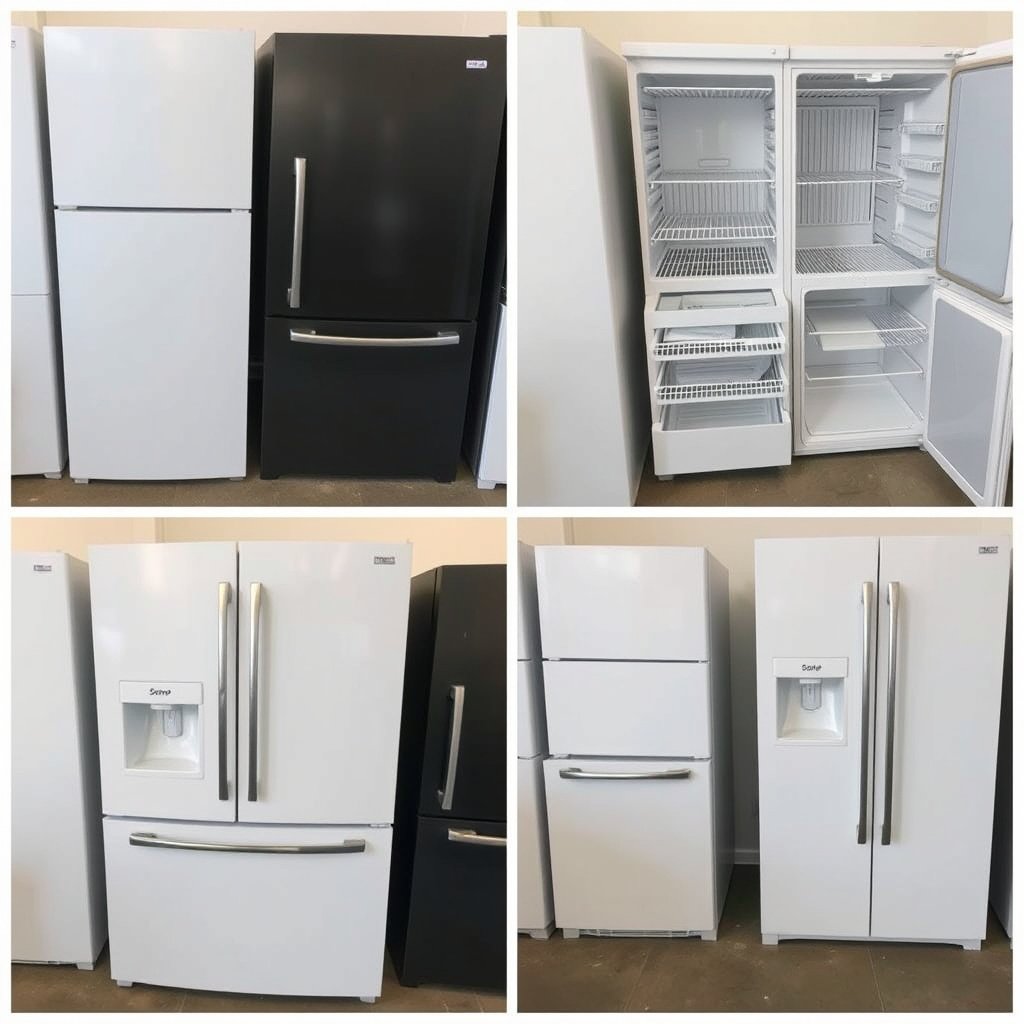
Top freezer models tend to be narrower and more compact, while bottom freezer and side-by-side models usually measure wider and deeper. French door styles often push the upper height limits.
Different manufacturers might add thickness for insulation or doors that close more securely, influencing dimension details beyond the listed specifications.
Measuring Your Space for a Two Door Fridge

How to Measure Width, Height, Depth
Measure the width of the area where the fridge will go by taking the horizontal distance between walls or cabinets. Next, check the height clearance from floor to ceiling or any overhead cabinets.
For depth, measure from the wall to the front edge of cabinets or counters nearby, accounting for fridge doors that swing open. Adding 1 to 2 inches clearance is vital for ventilation.
- Use a steel tape measure for accuracy
- Record measurements in inches
- Double-check clearances on all sides
Why Allowance Space Matters
Leaving a few inches around the fridge improves air circulation and prevents overheating. It also ensures doors open easily without hitting walls or other appliances.
Insufficient clearance could cause the fridge to not cool efficiently or result in door damage from cramped openings.
Capacity and Size Relationship

How Dimensions Affect Storage Volume
Generally, larger exterior dimensions translate to higher cubic feet capacity in the fridge and freezer sections. However, design layout also plays a role in usable storage space.
Models with compact depths may offer less volume than deeper fridges, despite similar height and width, impacting how much food you can store.
Matching Size to Household Needs
A family of four might need a 20 to 25 cubic feet capacity two door fridge, typically sized between 32-36 inches wide. Singles or couples often get by with smaller fridges closer to 18 cubic feet.
Balancing fridge size with kitchen space and buying based on actual storage needs helps avoid clutter or wasted room.
Common Two Door Fridge Styles and Their Dimensions
Top Freezer Dimensions
Top freezer fridges often measure 30 to 33 inches wide, 66 to 69 inches tall, and 28 to 33 inches deep. This compact size suits smaller kitchens and budget-conscious buyers.
Though smaller, these fridges provide ample space for average families with straightforward freezer access.
Bottom Freezer and French Door Sizes
Bottom freezer models usually range from 30 to 36 inches wide and stand about 67 to 70 inches tall, with depths around 32 to 36 inches. French door models also occupy this range but can be taller or wider to allow for double doors.
These styles typically offer more storage flexibility and modern features, appealing to those with more kitchen space.
Installation and Clearance Considerations for Two Door Fridges

Allowing for Ventilation
Manufacturers recommend at least 1 to 2 inches clearance on each side and the rear of the fridge for proper ventilation. This prevents overheating and maintains energy efficiency.
In tight kitchens, using spacer blocks during installation maintains these gaps without sacrificing space.
- 1-2 inch side clearance
- 1 inch at the back
- Extra space on top if required
Door Swing and Accessibility
Fridge doors need enough room to fully swing open; this generally requires another 2 to 3 inches beyond the fridge breadth. Measuring with doors open ensures no obstruction.
Reversible door hinges offer flexibility in some models, changing the direction the door opens to better fit kitchen layout.
Energy Efficiency and Size
Energy Impact of Larger Dimensions
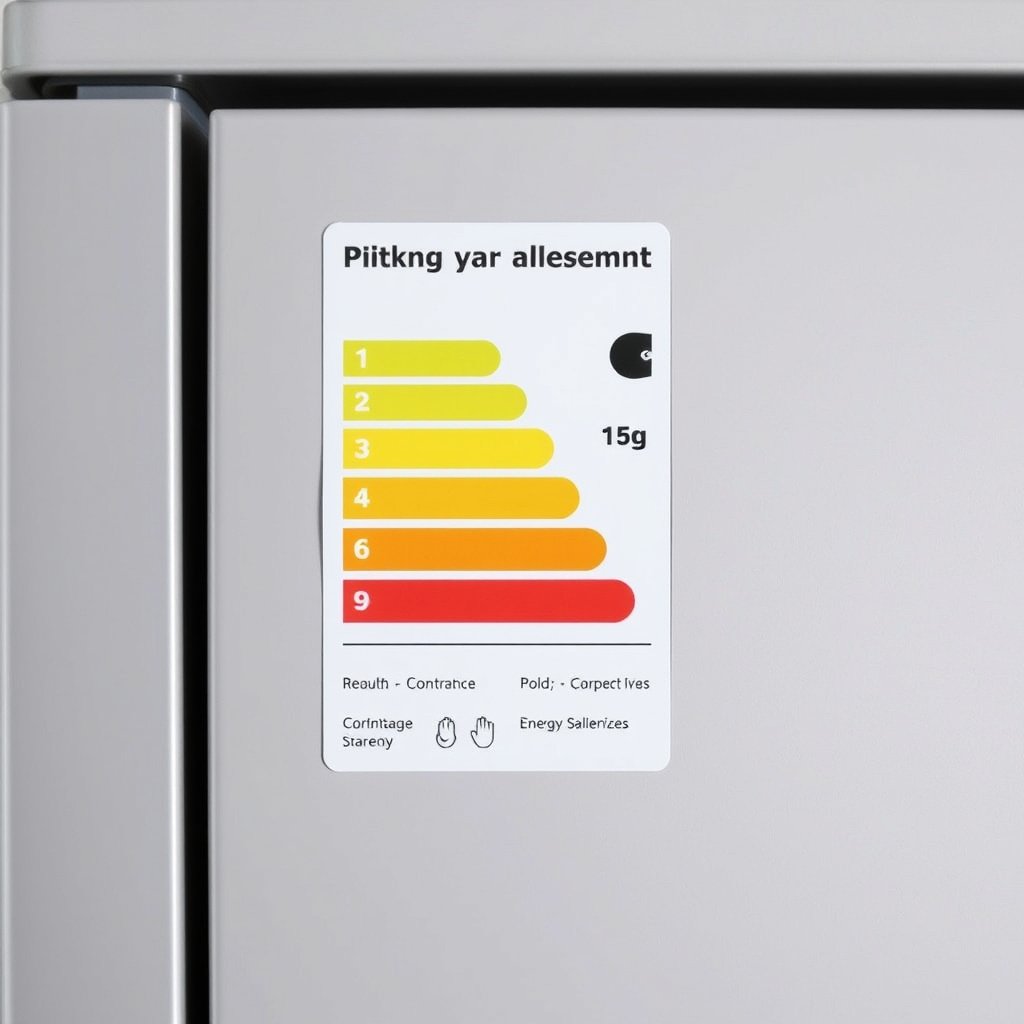
Larger refrigerators with greater dimensions typically consume more power due to increased volume to cool. Selecting an energy-efficient rating can offset this increase.
Consider size carefully against your actual needs to avoid excessive energy consumption from unnecessarily large units.
For more detailed technical specifications and history, see Refrigerator dimensions on Wikipedia. Refrigerator dimensions on Wikipedia.
Features That Save Energy
Models with improved insulation, LED lighting, and inverter compressors perform better at maintaining temperature with less power.
Look for ENERGY STAR certification when choosing a two door fridge to optimize energy savings.
- Inverter compressors
- Enhanced insulation
- Energy Star rated
Two Door Fridge Styles Dimension Comparison
This table compares typical dimensions and features of common two door fridge styles to help you find the best fit.
| Style | Width (inches) | Height (inches) | Depth (inches) | Typical Capacity (cu ft) |
|---|---|---|---|---|
| Top Freezer | 30-33 | 66-69 | 28-33 | 14-20 |
| Bottom Freezer | 30-36 | 67-70 | 32-36 | 18-25 |
| French Door | 32-36 | 68-72 | 32-36 | 20-26 |
| Side-by-Side | 32-36 | 66-70 | 29-34 | 20-26 |
Frequently Asked Questions
What is the average size of a two door fridge?
Most two door fridges measure between 30 to 36 inches wide, 66 to 70 inches tall, and 29 to 34 inches deep, balancing storage capacity with kitchen fit.
How much clearance do I need around a two door refrigerator?
It's best to leave 1 to 2 inches of clearance on sides and back for ventilation, plus extra space for door swing to prevent damage and aid airflow.
Do two door fridges consume more energy due to their size?
Larger fridges generally use more energy, but selecting ENERGY STAR models and those with efficient features helps keep power consumption manageable.
Can I install a two door fridge in a tight kitchen space?
Yes, but accurate measurement and allowance for ventilation and door opening are essential. Narrower top freezer models suit smaller spaces better.
Are two door fridges reversible for door opening side?
Many two door refrigerators have reversible doors, allowing you to change the opening side to fit your kitchen layout more conveniently.
Key Takeaways
- Typical two door fridge dimensions vary by style: 30-36 inches wide and 66-70 inches tall.
- Proper space measurement including clearance is crucial for fitting and ventilation.
- Storage capacity is closely tied to exterior size but design affects usable space.
- Energy-efficient models minimize power use despite larger dimensions.
Conclusion
Selecting the right two door fridge dimensions requires weighing your kitchen’s physical space against your household's storage needs. Measuring width, height, and depth accurately prevents installation headaches and ensures functionality. Ventilation clearance and door swing room must be factored to preserve efficiency and usability. Evaluating fridge styles highlights trade-offs between size, capacity, and kitchen fit, guiding a tailored choice rather than a one-size-fits-all approach.
For smaller kitchens or budget-friendly setups, top freezer models offer compact width and depth with moderate height, fitting tighter areas without sacrificing essential storage. Families requiring larger capacity might consider bottom freezer, French door, or side-by-side models, which generally feature higher capacities but also demand more space. Energy-efficient options with features like inverter compressors and enhanced insulation help manage electrical costs regardless of size.
Once you identify your kitchen’s maximum fridge dimensions and preferred style, verify manufacturer specifications and clearance requirements closely. Visiting showrooms to see actual fridge sizes can solidify your choice. Remember that balancing between sufficient storage volume and fitting seamlessly into your kitchen layout results in better long-term satisfaction with your two door refrigerator.