What Temperature Should Freezer Be Set for Best Food Storage?
Freezers should be set to 0°F (-18°C) for effective long-term food storage. This temperature prevents bacterial growth and helps maintain food quality by keeping items safely frozen. Setting your freezer at or below this point ensures food stays fresh and nutritious for months.
Maintaining the right freezer temperature is essential because it slows down the natural degradation of food. Freezing at 0°F keeps perishable items from spoiling, preserves taste and texture, and prevents freezer burn to a large extent. Many home freezers come with adjustable thermostats, making it easy to select this ideal setting.
This guide covers why 0°F is recommended, how to adjust and monitor your freezer’s temperature, the effects of fluctuating temps, and tips for maintaining freezer efficiency. You'll also find comparisons of freezer types and answers to common questions about freezer temperature settings.
Understanding the Importance of Freezer Temperature
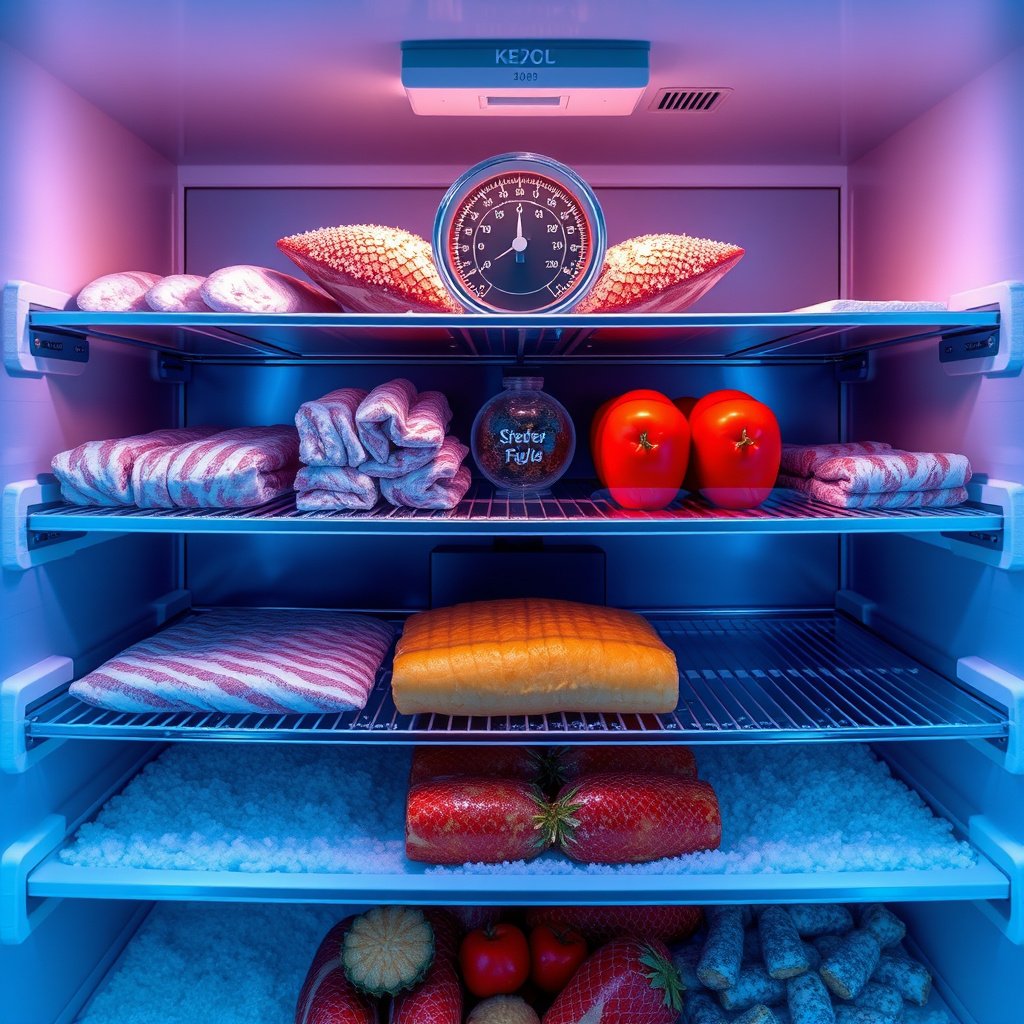
Why 0°F is the Standard Freezer Temperature
Storing food at 0°F (-18°C) stops microbial activity and significantly slows enzymatic reactions that degrade quality. This temperature is internationally recommended by food safety organizations, including the FDA and USDA, ensuring food remains safe and fresh over extended periods.
Freezers set warmer than 0°F risk bacterial growth and faster spoilage since some pathogens can survive at higher temperatures. Conversely, much colder temperatures waste energy without offering extra preservation benefits for typical household use.
- Prevents bacterial growth
- Preserves food texture and flavor
- Minimizes freezer burn
Effects of Temperature Fluctuations on Food Quality
Frequent temperature changes, especially rising above 0°F, can cause thawing and refreezing cycles that damage cell structure, leading to mushy textures and nutrient loss. These fluctuations also increase the risk of bacterial contamination.
Keeping consistent freezer temperatures helps maintain food safety and extends shelf life. Modern freezers use improved insulation and compressors to stabilize internal temperatures, though door openings and overcrowding affect this balance.
How to Set and Monitor Your Freezer Temperature
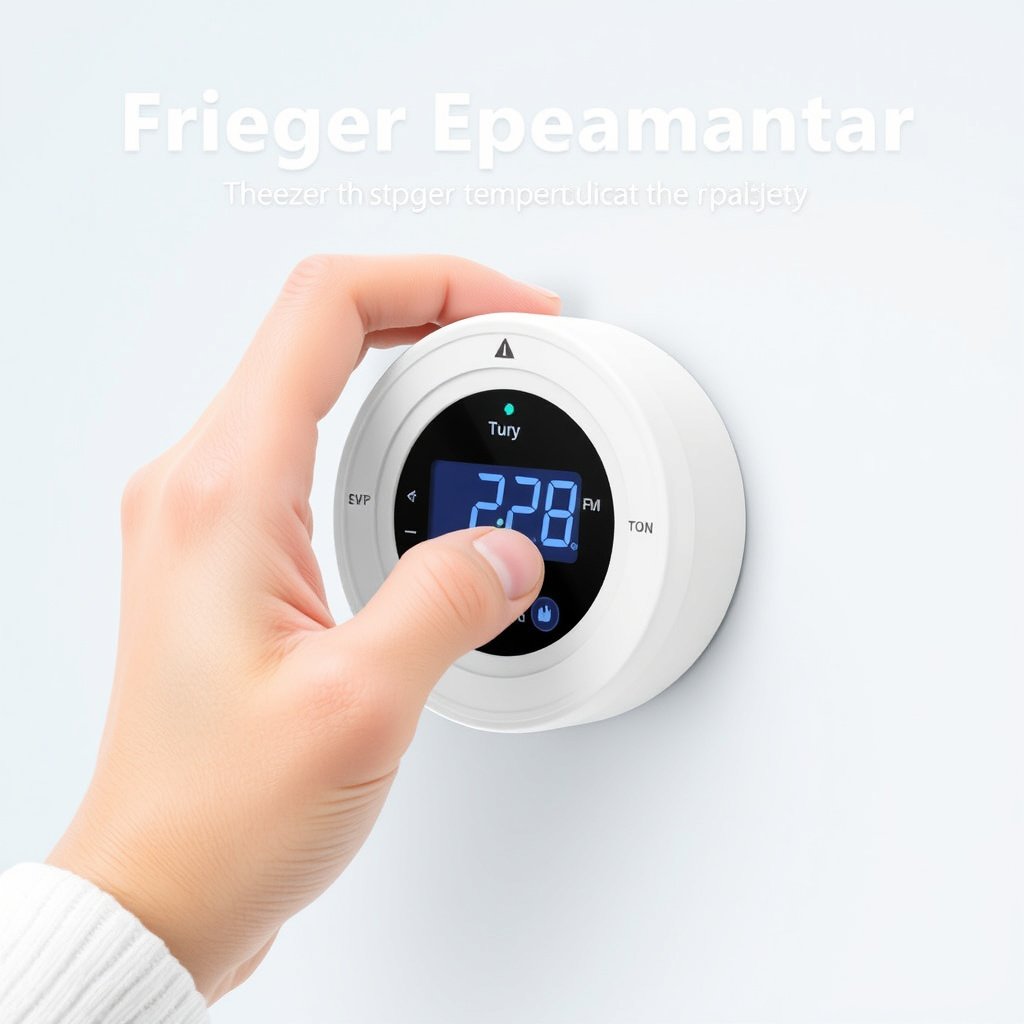
Types of Freezer Thermostats and Settings
Freezers typically use either mechanical dials or digital controls to adjust temperatures. Mechanical dials might have numbered settings (e.g., 1 to 7), where higher numbers correlate roughly with colder conditions, but these can vary by brand.
Digital controls provide precise temperature settings and often include alerts for temperature changes. For best results, use a freezer thermometer to verify the actual internal temperature matches your desired setting.
- Mechanical dial controls
- Digital temperature interfaces
- Freezer thermometer usage
Tips for Maintaining Consistent Freezer Temperatures
To keep your freezer at the optimal temperature, avoid frequent door openings and leave space between items to allow air circulation. Ensure door seals are tight to prevent cold air leakage.
Power outages can cause temperature shifts, so having a backup thermometer and storing food in airtight containers helps maintain quality during interruptions.
- Minimize door openings
- Check and replace door seals if needed
- Use a freezer thermometer
- Store food properly
Comparing Freezer Types and Their Temperature Consistency
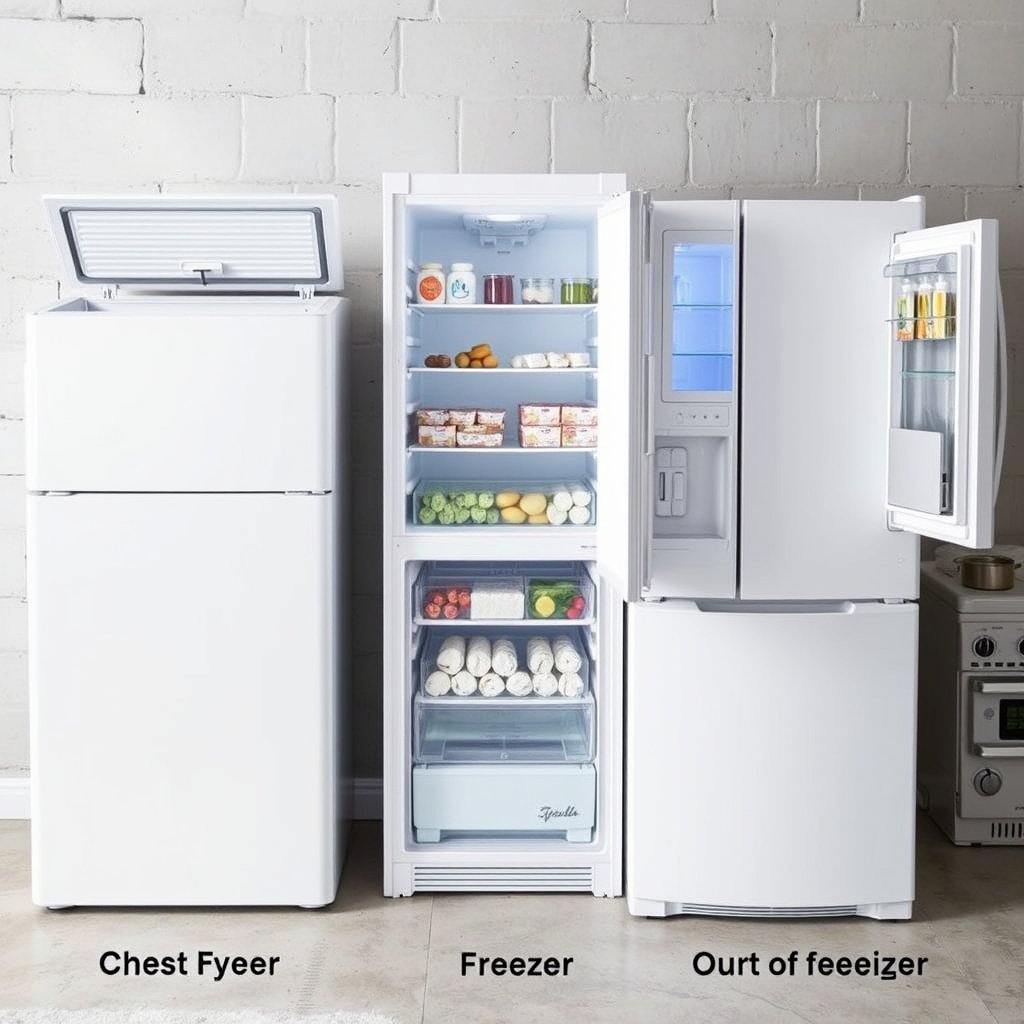
Chest vs. Upright Freezers: Temperature Control Differences
Chest freezers typically maintain more stable temperatures due to their insulated design and less frequent door openings. They operate efficiently and are suitable for bulk storage, preserving the set temperature with minimal fluctuations.
Upright freezers offer easier access and organization but may have more temperature variations because of frequent door use. They incorporate advanced compressors and fans to help manage these fluctuations.
- Chest freezers: better temperature stability
- Upright freezers: easier access, more temperature swings
Refrigerator Freezer Combos and Their Limitations
Combo units share cooling mechanics between fridge and freezer compartments, sometimes resulting in less precise freezer temperature control compared to standalone freezers.
While convenient for small spaces, refrigerator-freezers often maintain temperatures slightly above 0°F, which may reduce optimal food longevity, especially for long-term frozen storage.
Energy Efficiency and Freezer Temperature Settings
The Relationship Between Temperature and Energy Use
Lowering freezer temperature below 0°F significantly increases energy consumption without meaningful preservation gains. Conversely, setting it warmer than 0°F saves energy but compromises food safety and quality.
Balancing the freezer temperature at 0°F is the energy-wise choice that supports food preservation while keeping electricity usage manageable.
How to Improve Freezer Energy Efficiency
Regularly defrost manual defrost freezers to avoid ice buildup, which forces the compressor to work harder. Keep your freezer stocked but not overcrowded to maintain temperature without excessive cooling demand.
Using energy-efficient models rated by ENERGY STAR can reduce consumption, especially those with advanced insulation and temperature control technologies.
- Defrost regularly
- Avoid overloading
- Choose ENERGY STAR appliances
Common Misconceptions About Freezer Temperatures

Is Colder Always Better in a Freezer?
Some believe the colder the freezer, the better the preservation, but temperatures significantly below 0°F don’t enhance food safety and simply increase electricity costs. Standard 0°F storage is sufficient for most foods.
Extremely low temperatures might cause freezer burn more quickly, as moisture migrates out of items faster under harsher conditions.
Does Freezer Burn Mean Food Is Unsafe?
Freezer burn occurs when air dehydrates food’s surface but does not make food unsafe. It mainly affects texture and taste, which can be mitigated by properly packaging food before freezing.
Maintaining proper freezer temperature at 0°F minimizes freezer burn risk but using airtight containers or vacuum sealing is equally important.
- Freezer burn affects quality, not safety
- Use airtight packaging
- Maintain consistent freezer temps
Monitoring and Troubleshooting Freezer Temperature Issues
Using Thermometers to Verify Freezer Temperatures
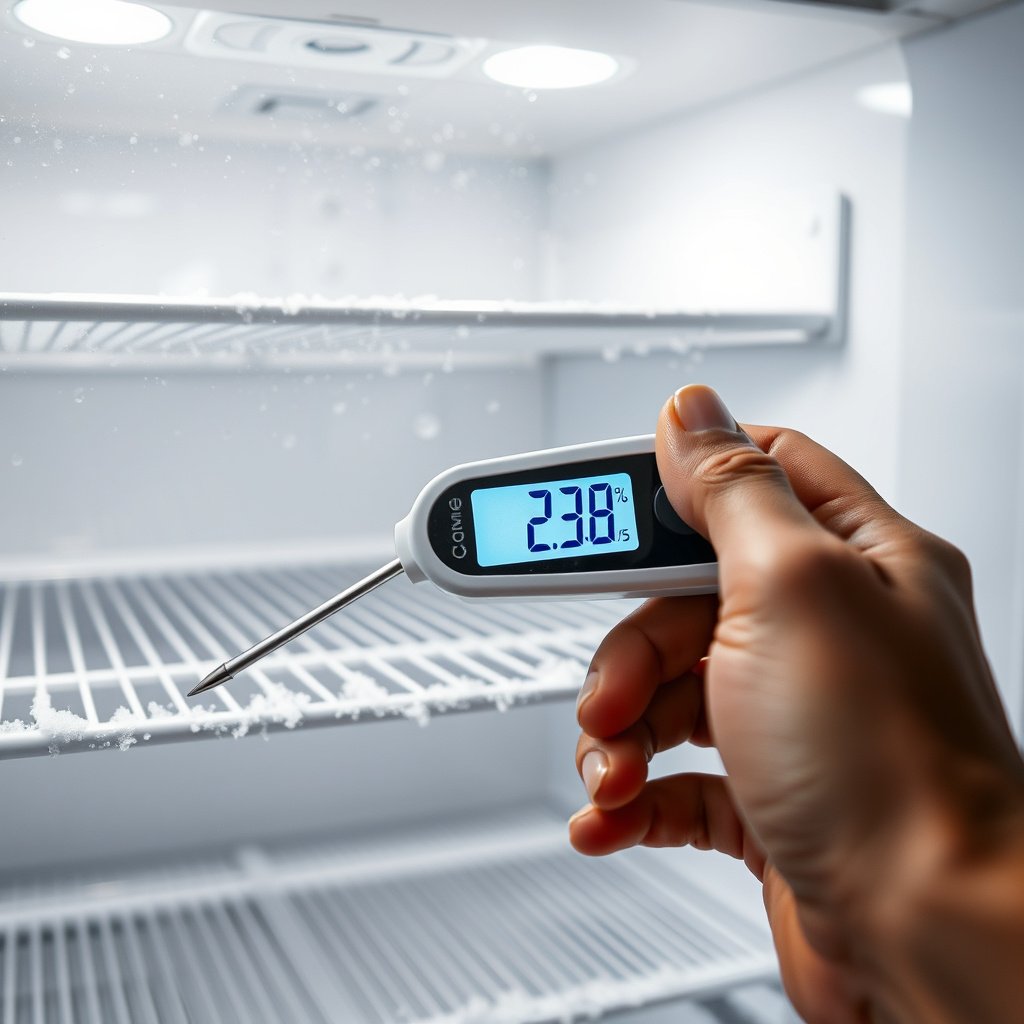
Built-in freezer temperature displays sometimes show inaccurate readings. Using an independent, reliable freezer thermometer helps you confirm the actual temperature, ensuring it stays at the recommended 0°F.
Place the thermometer away from the door or vents to measure consistent interior temperature and check it regularly for any deviations.
For official guidance on freezer temperatures and food safety, see the FDA’s detailed recommendations. Freezing and Food Safety.
Signs of Improper Freezer Temperature and How to Fix Them
If you notice partial thawing, ice accumulation, or frost inside the freezer, the temperature may be too warm or the unit may have mechanical issues. Check sealing, defrost if needed, or consult a technician for compressor problems.
Maintaining a steady 0°F setting with prompt troubleshooting safeguards your frozen food’s quality and safety.
- Check door seals
- Defrost freezer periodically
- Monitor temperature regularly
Freezer Temperature Settings by Freezer Type Comparison
This table compares typical temperature consistency, energy use, and suitability for food preservation across several common freezer types.
| Freezer Type | Temperature Stability | Energy Efficiency | Best Use Case |
|---|---|---|---|
| Chest Freezer | High | Moderate | Bulk long-term storage |
| Upright Freezer | Moderate | Moderate | Household daily use |
| Refrigerator-Freezer Combo | Variable | Lower | Limited freezing needs |
| Commercial Freezer | High | Lower | Large volume or specialty needs |
Frequently Asked Questions
What is the best freezer temperature to keep food safe?
The best temperature for food safety in a freezer is 0°F (-18°C). This temperature halts bacterial growth and preserves food quality for long periods.
Can I set my freezer colder than 0°F for better preservation?
Setting your freezer colder than 0°F doesn’t significantly improve preservation and increases energy consumption. Maintaining 0°F is effective and energy efficient.
How often should I check my freezer's temperature?
Checking your freezer’s temperature weekly with a reliable thermometer helps catch deviations before food quality is affected.
Does freezer burn mean food is unsafe to eat?
Freezer burn only affects taste and texture due to dehydration. It doesn’t make food unsafe but proper packaging helps prevent it.
What should I do if my freezer temperature is too warm?
If your freezer is too warm, check the door seal, reduce door openings, ensure proper airflow inside, and consider professional repair if the issue persists.
Key Takeaways
- The ideal freezer temperature is 0°F (-18°C) for safe, long-term food storage.
- Consistent temperatures prevent spoilage and maintain food quality.
- Use a separate freezer thermometer to monitor accuracy precisely.
- Different freezer types vary in temperature stability and energy use.
Conclusion
Selecting the right freezer temperature involves balancing food safety, quality preservation, and energy consumption. Setting your freezer to 0°F (-18°C) creates a stable environment that halts bacterial growth and slows chemical changes in stored foods. Keeping this temperature consistent minimizes risks of spoilage, freezer burn, and nutrient loss, making it the best choice for most household needs. Regularly using a freezer thermometer ensures your settings remain accurate instead of relying solely on dial numbers or digital displays.
Choosing the freezer type also influences temperature maintenance. Chest freezers offer the most stable environment, ideal for bulk storage and extended freezing times, while upright freezers provide accessibility but slightly more fluctuations. Refrigerator-freezer combos are convenient but may not hold 0°F as precisely, so consider heavy freezing needs before selecting them. Simple practices such as minimizing door openings, ensuring tight seals, and avoiding overcrowding support maintaining the optimal freezer temperature in any unit.
To start optimizing your freezer, set the thermostat to maintain 0°F, invest in a quality freezer thermometer, and organize your food for good airflow. Check temperatures regularly and address issues promptly to protect your food. Following these guidelines will deliver the best balance of preservation and energy efficiency to keep your freezer functioning well and your food safe.




One Comment