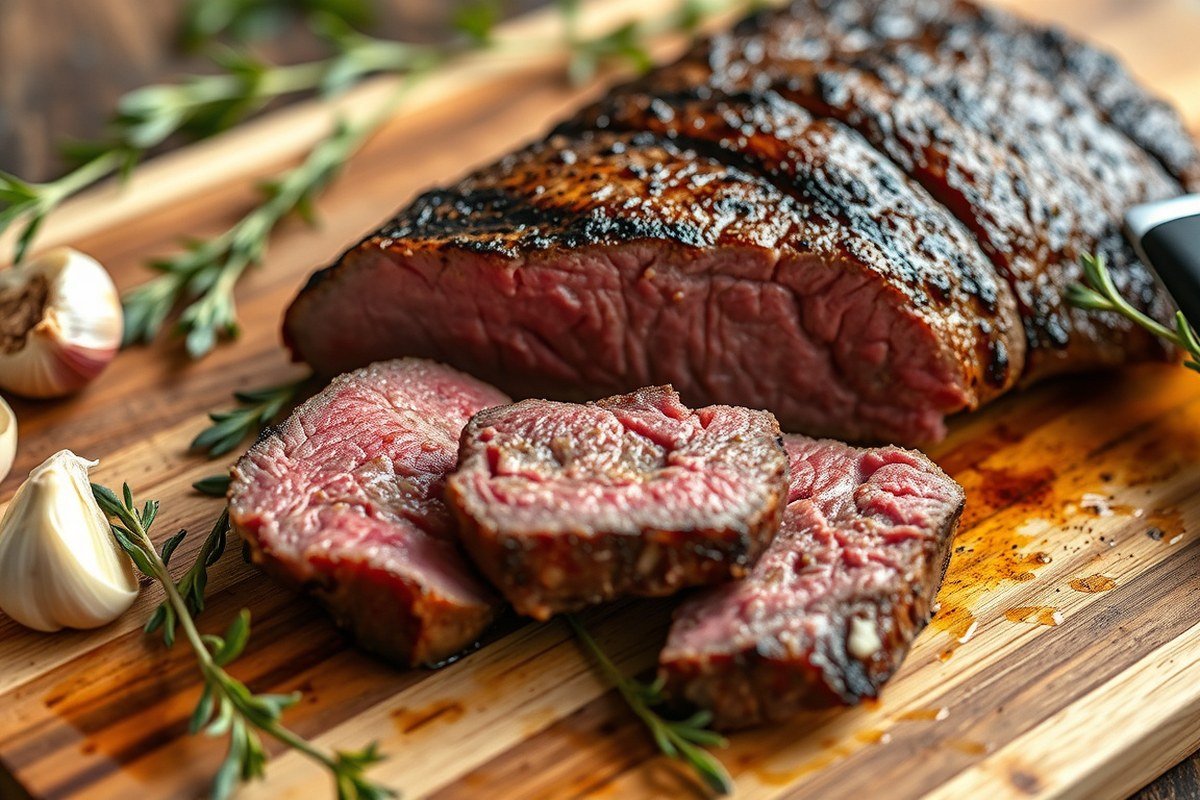
What Is a Sirloin Steak? A Complete Guide with Cooking & Selection Tips
A sirloin steak is a cut of beef taken from the rear back portion of the cow, located just behind the short loin and above the round. It offers a balance of tenderness and flavor, making it suitable for grilling, pan-searing, or roasting. Understanding what is a sirloin steak helps you select the right piece based on tenderness and thickness for your preferred cooking method.
This explanation benefits steak lovers and home cooks who want to buy, store, and cook sirloin steaks properly. You’ll learn about different sirloin cuts, how to choose quality steaks, the best cooking temperatures, and tips to avoid common mistakes, ensuring a juicy and flavorful meal every time.
Key Takeaways
- Sirloin steak is cut from the rear back portion of the cow, behind the short loin and above the round.
- Choose steaks 1.5 to 2 inches thick for optimal cooking and flavor balance.
- Top sirloin is more tender than bottom sirloin, which is often just labeled “sirloin steak.”
- Remove the steak from the fridge at least 30 minutes before cooking to reach room temperature.
- Preheat your oven to 425 degrees F before searing sirloin steaks for best results.
- Cook steak to 135 degrees F for medium, then rest for 5 minutes under foil to retain juices.
What Is a Sirloin Steak and Where Is It Cut From?
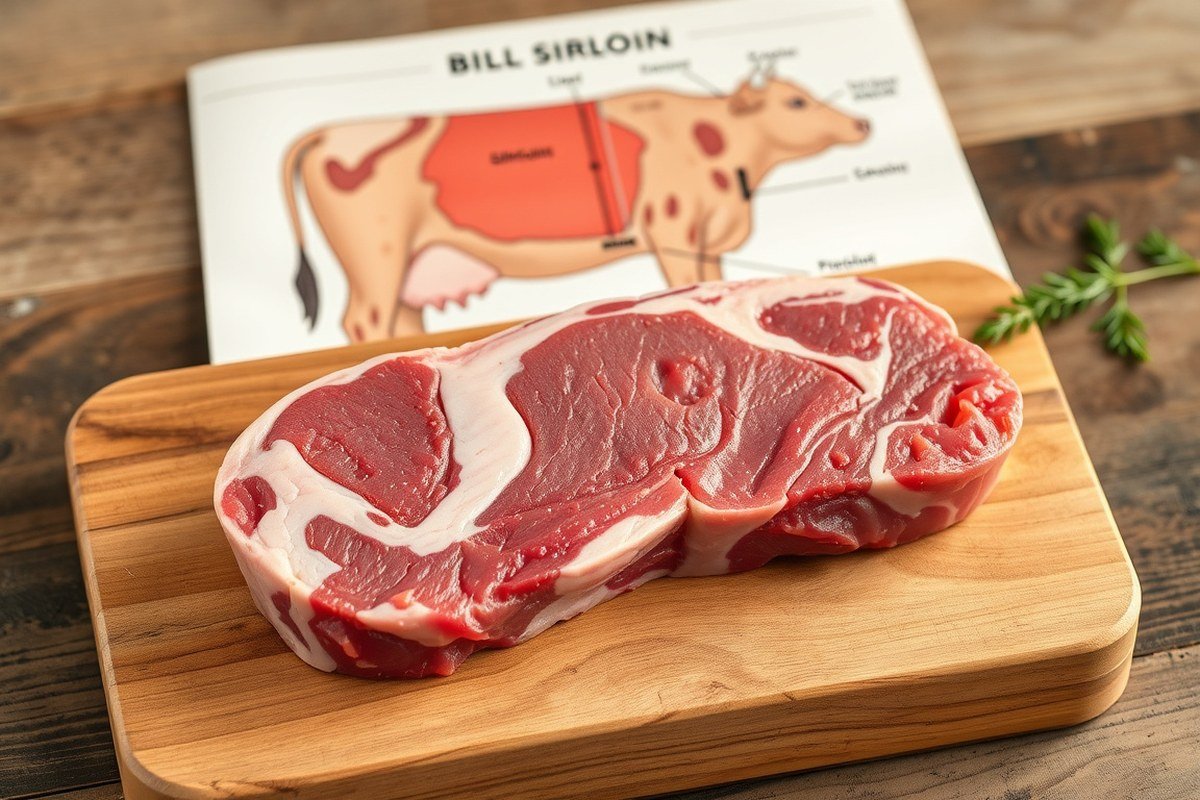
Sirloin steak is cut from the back part of the cow, specifically from the sirloin primal located just after the short loin. This area splits into two parts: top sirloin and bottom sirloin. Top sirloin is usually more tender and preferred for grilling or broiling, while bottom sirloin, which includes rump steak, is firmer and often sold simply as “sirloin steak.” Knowing the sirloin’s location explains the differences you notice in texture and taste.
Unlike tenderloin or ribeye, sirloin steak is made up of several muscles that contribute to its distinct texture. Its location opposite the fillet means it doesn’t have as much internal fat, making it leaner but still offering good beefy flavor. This lean quality can make sirloin a superior cut for those wanting flavor without a lot of fat. Choosing a sirloin that is around 1½ to 2 inches thick and weighing about 1½ to 2 pounds usually ensures a good balance between tenderness and juiciness.
One reason sirloin steak stands out from other cuts is the variety within the sirloin itself. It’s not just one type of steak; it includes at least seven distinct cuts, each with their own cooking needs and flavor profiles. For example, top sirloin is known for being lean and dependable, suitable for cooking methods like grilling or pan-searing. Bottom sirloin is often less tender and works well in recipes where the steak is sliced thin or cut into smaller pieces, such as kebabs or stir-fries.
Different countries sometimes define sirloin differently, which can change how the steak is labeled and the tenderness you can expect. In American butchery, sirloin comes from the area behind the short loin, whereas other places might classify cuts like the T-bone as part of the sirloin. This difference means that a “sirloin steak” label doesn’t always guarantee the same texture or flavour, making it helpful to know the source and specific cut.
Sirloin steak combines a nice balance of taste, leanness, and usefulness in various recipes. The key is selecting cuts from the top sirloin for better tenderness or using bottom sirloin in dishes where the meat is cooked thoroughly or sliced. This knowledge helps you choose the right sirloin steak for your cooking method and taste preferences.
Types of Sirloin Cuts: Top Sirloin, Bottom Sirloin, and More
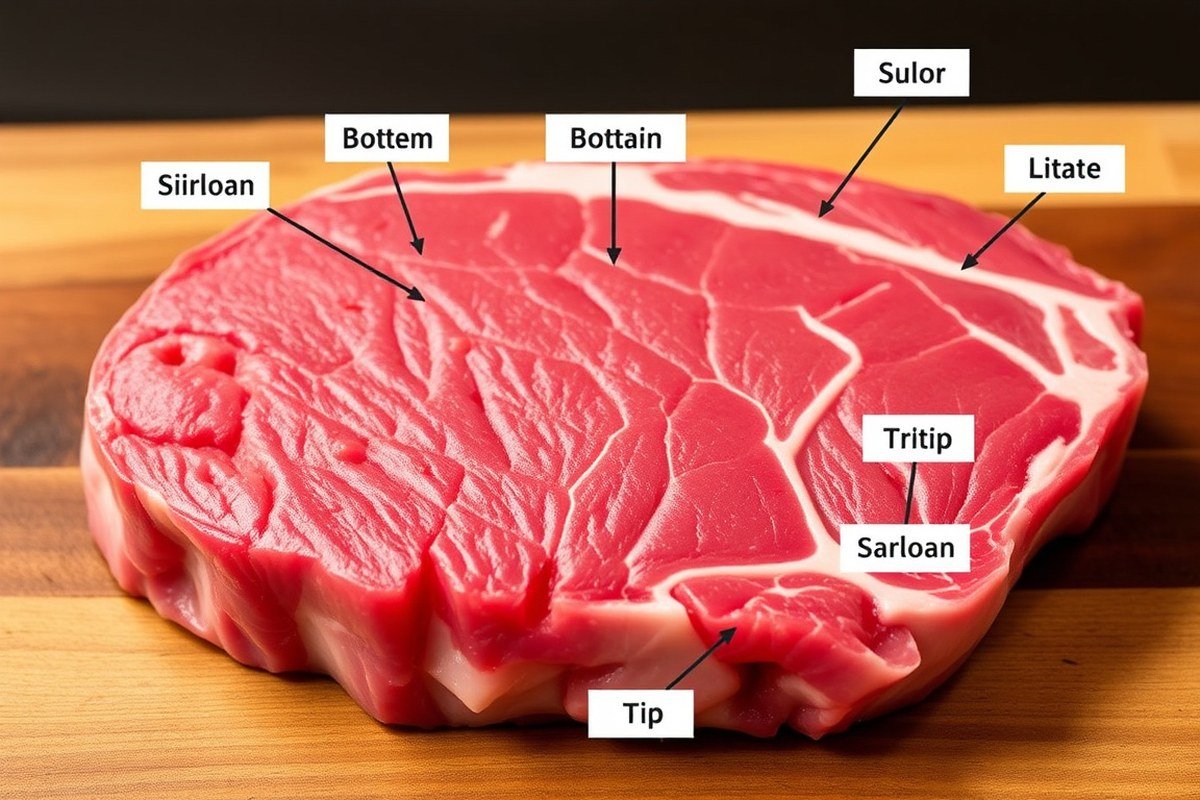
Sirloin steak includes several sub-cuts from the back of the cow, each with different tenderness, flavor, and cooking uses. The two main divisions are the top sirloin and the bottom sirloin. Top sirloin is more tender with a balanced, beefy flavor, making it ideal for grilling or pan-searing. Bottom sirloin is larger and less tender but has a stronger beef flavor, so it benefits from cooking methods like roasting or smoking that tenderize the meat and improve its bold taste.
Other notable cuts from the sirloin section include the center-cut top sirloin, known for its clean, lean profile, and the coulotte or picanha, which has a flavorful fat cap that keeps the meat juicy during grilling or roasting. The tri-tip comes from the bottom sirloin and is popular for roasting, smoking, or grilling, thanks to its bold flavor. The bavette, or sirloin flap, also comes from the bottom sirloin with moderate tenderness and rich flavor, best suited for grilling or slow cooking.
| Cut | Region | Tenderness | Flavor | Price Tier | Best Cooking Method |
|---|---|---|---|---|---|
| Top Sirloin | Upper sirloin | Moderate | Beefy, balanced | Mid | Grill, pan-sear |
| Center-Cut Top Sirloin | Upper sirloin (center) | Moderate-high | Clean, lean | Upper-mid | Grill, broil |
| Coulotte / Picanha | Cap over top sirloin | Moderate-high | Rich, juicy (fat cap) | Upper-mid | Grill, roast fat-side down |
| Tri-Tip | Bottom sirloin | Moderate | Bold, beefy | Mid | Roast, smoke, grill |
The best sirloin cut for grilling is the top sirloin steak, especially if it is cut 1 ½ to 2 inches thick. This cut cooks relatively quickly and offers a satisfying combination of tenderness and flavor without needing a marinade. The center-cut top sirloin steaks are also excellent for grilling and broiling due to their consistent thickness and lean profile. The coulotte (picanha) holds its juiciness during grilling thanks to its fat cap, but it requires careful cooking to render the fat properly without drying the meat.
Tip: Cook top sirloin steaks that are at least 1 ½ inches thick on a medium-high grill to get a nice sear while keeping the inside juicy, thin steaks can dry out quickly.
The bottom sirloin cuts work well with longer, slower cooking methods such as roasting or smoking to break down the tougher muscle fibers and make the meat tender. Tri-tip is a popular choice for these techniques and can be grilled if cooked carefully to avoid toughness. Avoid assuming any “sirloin steak” label means top sirloin unless specified. The bottom sirloin’s tougher texture requires different cooking techniques and won’t deliver the same tenderness as the top sirloin.
How to Choose and Store Sirloin Steak for Best Quality
Choose sirloin steaks that are around 1.5 to 1.75 inches thick and show good marbling for the best texture and flavor. Proper storage at or below 40°F preserves freshness, while freezing at 0°F or below keeps the steak safe for longer periods. Follow specific steps to identify quality cuts and store them correctly to keep the sirloin tasting its best.
Selecting Quality Sirloin Steak
Look for sirloin steaks with bright red color and visible white flecks of fat within the muscle, known as marbling. Marbling increases tenderness and flavor because the fat melts during cooking, basting the meat from the inside. Avoid steaks that look dry, discolored, or have excessive surface moisture, as these signs often indicate poor quality or improper handling.
Check the thickness and fat distribution carefully. A sirloin with too little marbling will be firmer and can be tougher, so balance your preference for leanness with a bit of intramuscular fat. Cuts like the coulotte steak have a visible fat cap and more marbling, which helps keep the meat juicy during cooking.
Recommended Thickness and Marbling
Steaks cut between 1.5 and 1.75 inches thick offer the best balance for cooking. Thicker steaks around 2 inches may work well with a stove-to-oven cooking method to ensure even doneness without overcooking the exterior. Thinner steaks, closer to 1 inch, cook quickly but can dry out if not watched carefully.
Marbling is key to quality in sirloin steak. Look for white flecks of fat distributed throughout the meat. This fat content is lower than in ribeye but still contributes essential flavor and tenderness. Here’s a quick checklist for choosing thickness and marbling:
- Thickness: Aim for 1.5 to 1.75 inches
- Visible flecks of intramuscular fat (marbling)
- A slight fat cap or edge fat around the steak
- Firm texture but not overly dense or mushy
- Bright red color without gray or brown spots
Steaks meeting these criteria will cook more evenly and provide better taste and mouthfeel.
Storing Sirloin Steak Properly
Keep fresh sirloin steak refrigerated at or below 40°F and use it within 3 to 5 days after purchase to maintain optimal quality. If you don’t plan to cook it within this timeframe, freeze it at 0°F or below. Proper packaging is essential, wrap the steak tightly with plastic wrap or butcher paper to keep air out, followed by airtight freezer bags or vacuum-sealing if possible.
Label frozen steaks with the date. Although the USDA states beef remains safe indefinitely at 0°F, freezing longer than 4 to 12 months can degrade texture and flavor. Thaw frozen steaks slowly in the refrigerator for 24 hours before cooking to retain moisture and prevent bacterial growth.
Best Methods and Temperatures to Cook Sirloin Steak Perfectly
Cooking sirloin steak to perfection involves searing it on the stovetop and finishing it in a preheated oven while closely monitoring the internal temperature. Using a meat thermometer is key to getting your preferred doneness, usually between medium-rare and medium for the best flavor and texture. The process varies slightly by thickness but generally follows a straightforward sear-then-oven method.
Prepping Sirloin Before Cooking
Let the sirloin steak sit at room temperature for 30 to 45 minutes before cooking to ensure even cooking throughout the cut. This step prevents the outside from overcooking while waiting for the inside to reach doneness. Pat the steak dry with paper towels to encourage a good sear and season it with salt and pepper or your preferred seasoning just before cooking.
Removing excess moisture is essential because it helps develop a brown, flavorful crust during searing. Well-seasoned and room-temperature steak will cook more evenly and develop better texture.
Searing and Oven Finishing Steps
Searing the steak first locks in juices and builds a tasty crust. After searing, finish the steak in a hot oven to cook it gently to the desired internal temperature. This combination reduces the risk of overcooking the outside while undercooking the inside. Follow these steps for perfectly cooked sirloin steak:
- Preheat your oven to 425 degrees F.
- Heat a cast iron or heavy skillet over medium-high heat until very hot.
- Place the seasoned sirloin steak in the dry skillet and sear for 2 to 3 minutes on one side until a brown crust forms.
- Flip the steak and sear the other side for 2 minutes.
- Transfer the skillet to the preheated oven immediately after flipping.
- Cook in the oven for 3 to 10 minutes depending on steak thickness and your desired doneness.
- Use an instant-read thermometer to check the internal temperature after 5 minutes, then every 1 to 2 minutes until done.
- Remove steak once it reaches your target temperature, tent it with foil, and rest for at least 5 minutes.
The resting phase redistributes juices to keep the steak moist and tender when you cut into it. Overcooking beyond medium doneness can make sirloin tough, so monitoring temperature is important.
Internal Temperatures for Doneness
Using a meat thermometer ensures accuracy when aiming for the perfect doneness. Insert the thermometer into the thickest part of the steak through the side rather than the top for the most accurate reading. Here are commonly recommended target internal temperatures for sirloin steak:
| Doneness | Temperature (°F) | Description |
|---|---|---|
| Rare | 120-125°F | Cool red center |
| Medium Rare | 130-135°F | Warm red center |
| Medium | 140-145°F | Warm pink center |
| Medium Well | 150-155°F | Small amount of pink in center |
For sirloin, aiming between medium-rare (around 135°F) and medium (about 145°F) provides the best balance of tenderness and flavor. Cooking beyond medium can make the meat tough and dry. Check the temperature after 5 minutes in the oven, then frequently until the steak hits your target. Pull it at the desired temperature and let it rest before serving.
Common Mistakes When Cooking Sirloin and How to Fix Them
Sirloin steak can become tough or dry mainly because of overcooking and insufficient resting. This cut is leaner than ribeye or strip steak, so it needs careful temperature control. Cooking sirloin past 150 degrees Fahrenheit risks drying it out and making it chewy. Sticking to medium-rare or medium doneness helps maintain its natural tenderness and juiciness.
Another common issue is skipping the rest period after cooking. Resting allows juices to redistribute throughout the steak. Without it, those juices escape when you cut in, leaving the meat dry. Rest your steak for at least 5 to 10 minutes loosely tented with foil before serving.
Seasoning also affects texture and flavor. Simply adding salt right before cooking doesn’t give it time to penetrate and tenderize. For better results, salt your steak at least 40 minutes ahead or even overnight in the fridge. This dry brining helps retain moisture and improve tenderness.
- Don’t cook sirloin steak past 150°F internally to avoid toughness.
- Rest the steak 5 to 10 minutes post-cooking to keep it juicy.
- Salt the steak early, 40 minutes or more before cooking, for better moisture retention.
- Avoid overcrowding the pan; cook steaks one or two at a time for even searing.
- Use medium-high heat to quickly sear while preserving inside moisture.
- Choose fresh, higher-quality top sirloin steaks for easier tenderness.
Use a meat thermometer to check internal temperature for perfect doneness; guessing tends to cause overcooking.
Overcrowding the cooking pan lowers the temperature and causes steaming rather than searing, which negatively affects texture. A strong sear locks in juices and flavors. Quick, confident cooking on medium-high heat, about 3 to 4 minutes per side for a 1-inch steak, helps avoid dryness. Thickness also plays a role, thinner steaks cook too fast and dry out easily, while thicker steaks allow better temperature control.
Following these steps leads to a sirloin steak that’s tender, juicy, and flavorful. Avoiding high heat for prolonged periods and giving your steak time to rest are simple but effective ways to improve your results. Paying attention to seasoning timing ensures your steak stays moist throughout cooking. These tips work regardless of your grill, pan, or oven setup.
Sirloin Steak Compared: Ribeye, NY Strip, and Filet Mignon
Sirloin steak is a cost-effective choice compared to ribeye, New York strip, and filet mignon, delivering impressive flavor without the highest price tag. It ranks leaner, with less fat and marbling, so its tenderness and juiciness usually don’t match ribeye’s rich, fatty profile or the silky texture of filet mignon. Still, sirloin satisfies many steak lovers looking for a firm texture and meaty taste. Thin strips of sirloin can even approach the tenderness of filet mignon, especially when sliced and cooked properly.
| Steak Cut | Tenderness | Flavor | Fat Content | Price (USD/lb) |
|---|---|---|---|---|
| Sirloin | Moderate; firmer texture | Beefy, leaner taste | Lower marbling | $8 – $12 |
| Ribeye | High; very tender | Rich, juicy, well-marbled | High marbling | $15 – $22 |
| New York Strip | Moderate to high | Bold, slightly fatty | Moderate marbling | $12 – $18 |
| Filet Mignon | Very high; soft texture | Delicate, mild beef flavor | Low marbling | $20 – $30 |
Sirloin’s leanness means its final juiciness depends heavily on grade; a prime grade sirloin will offer more flavor and moisture than a select cut. You can enjoy top sirloin without marinating if you’re after classic steakhouse-style flavor. Marinating tends to mask its natural beefiness. Ribeye, with its higher fat content, stays juicy even with minimal cooking finesse, while filet mignon suits diners who prefer a tender mouthfeel with less chew.
Choosing sirloin offers good value if you want steakhouse-quality taste without spending as much. Restaurants often use bavette or sirloin flap to deliver rich beef flavor at an even lower price, as a thinner cut can match the tenderness of pricier options if sliced against the grain. Ribeye and filet mignon usually command a premium because of their texture and fat, but sirloin balances affordability and taste well, making it a solid option for everyday meals.
Nutritional Value and Health Aspects of Sirloin Steak
Sirloin steak is considered a lean cut of beef, making it a healthier choice for those who want to enjoy red meat without consuming too much fat. Compared to more marbled steaks like ribeye, top sirloin typically contains less fat, which means fewer calories from fat. A 3-ounce cooked portion of top sirloin steak usually has around 150 to 170 calories, depending on the trimming. This portion size provides about 7 to 9 grams of fat, with saturated fat contributing roughly 3 grams or less. Choosing lean sirloin helps maintain a balanced diet by allowing you to limit fat intake while still enjoying the protein and flavor of beef.
Sirloin steak offers a rich source of essential nutrients, especially protein, iron, and B vitamins. Each 3-ounce serving contains about 23 grams of high-quality protein, which supports muscle repair and growth. It also supplies iron, important for carrying oxygen in your blood, with roughly 2.5 milligrams per serving, about 14% of the Daily Value (DV). This makes sirloin a valuable choice, especially for people at risk of iron deficiency. You’ll also get several B vitamins like B12 and niacin, which support energy metabolism and nervous system health. For example, vitamin B12 in sirloin can provide about 45% of the DV, helping maintain red blood cells and neurological function.
Including sirloin steak in a balanced diet means pairing it with plenty of vegetables, whole grains, and healthy fats to round out the nutrients you need daily. Because sirloin is moderately low in fat, you can cook it with minimal added fats to keep calorie counts reasonable. Grilling, broiling, or pan-searing sirloin with a small amount of olive oil is ideal. Avoid heavy sauces or butter-heavy preparation to preserve its lean profile. For people managing cholesterol or heart health, focusing on portion size is important; limiting servings to about 3 to 4 ounces allows you to enjoy the benefits without overdoing saturated fat.
The meat’s vitamin and mineral content varies with cooking method and doneness. Overcooking sirloin can reduce some water-soluble vitamins like niacin and B6, so aim for medium-rare to medium with an internal temperature of about 130 to 145°F for best nutrient retention. Rest the steak for a few minutes after cooking to let juices redistribute and keep the meat tender. Buying sirloin labeled as “top sirloin” ensures you get the leanest cut, while other sub-sections like bottom sirloin have slightly higher fat content and calories.
Prices for sirloin steak usually range from $7 to $12 per pound in U.S. Supermarkets, making it a relatively affordable option compared to premium cuts like filet mignon. This price point, combined with its nutritional benefits, makes sirloin a practical choice for a nutritious meal. Keep in mind that grass-fed sirloin may have variations in fat composition and vitamin content but generally remains lean and rich in nutrients.
Cultural and Regional Differences in Sirloin Steak Naming and Uses
Sirloin steak naming and cuts vary widely by country, affecting how the meat is labeled, sold, and cooked. Differences in butchery practices mean what you call sirloin in the US is often called rump or short loin elsewhere. These naming discrepancies influence common dishes and how you should prepare the steak depending on the region.
US vs UK Sirloin Butchery Differences
In the US, sirloin refers to the rear back portion of the cow, located behind the short loin. This cut includes the top sirloin and bottom sirloin, popular for grilling and roasting. The American sirloin is distinct from the short loin, which produces cuts like T-bone and strip steak.
In contrast, British, South African, and Australian butchery often call the area corresponding to the US short loin “sirloin.” This means the traditional British sirloin includes what Americans recognize as the strip steak and other tender cuts. Meanwhile, the American sirloin equates more closely to the British rump, which is a slightly tougher, more muscular section behind the sirloin.
Regarding the T-bone steak, it is cut from the short loin and contains a section of the tenderloin and strip loin. In British and Australian terms, the sirloin may include this area, but in the US, the T-bone is not considered part of the sirloin since it comes from the short loin.
Regional Sirloin Names and Variations
Regional naming affects what you might expect from a “sirloin” steak. In the UK and Commonwealth countries, “rump steak” refers to what Americans call sirloin. This cut is leaner and less tender than the American top sirloin but is favored for its beefy flavor and lower price.
The term “sirloin” in the US covers subcategories such as top sirloin, which is a firmer cut great for grilling, and bottom sirloin, often used for ground beef or slow cooking. Prices vary accordingly, with top sirloin steaks costing around $8 to $12 per pound in US supermarkets, reflecting their balance of tenderness and flavor.
Japanese butchery has a different approach, where the equivalent cuts have distinct names and are highly prized for marbling. The cultural preference for thinner cuts or wagyu beef changes how sirloin is served, often sliced very thin for quick cooking methods like sukiyaki.
Popular Sirloin Dishes by Region
In the US, sirloin steak is often grilled or pan-seared and served as a classic steak dinner with sides like potatoes or vegetables. It is also common in steak sandwiches or fajitas because of its hearty texture and flavor. Cooking top sirloin to medium-rare at 130 to 135°F internal temperature usually yields the best tenderness.
British and Australian cuisine often feature rump steak, which can be tougher, so slow roasting or braising are popular cooking methods. In South Africa, sirloin steaks are a staple for braai (barbecue), and cuts may be marinated longer to tenderize the meat before grilling over open flames.
In Japan, sirloin cuts are used in thin slices for hot pot dishes or quick-grilled on a tabletop grill. This reflects a preference for tenderness and intensely marbled beef, contrasting with Western usages that emphasize thicker cuts.
Make sure to verify the cut when buying sirloin abroad, as the same name may refer to different parts that require different cooking methods to avoid toughness.
Step-by-Step Action Plan for Cooking and Enjoying Sirloin Steak
Follow these steps to select, prepare, and cook a sirloin steak that suits your taste and ensures a satisfying meal.
- Before You Start: Choose a top sirloin cut with good marbling for better flavor and tenderness. Check that the steak feels firm but slightly springy to the touch.
- 1 Hour Before Cooking: Remove the steak from the refrigerator and let it sit at room temperature. This helps it cook more evenly.
- 30 Minutes Before Cooking: Season the steak simply with salt and pepper or your preferred spices. Avoid seasoning too early to prevent drawing out moisture.
- Cooking Time: Preheat your grill or pan to medium-high heat. For a 1-inch thick sirloin, cook about 4-5 minutes per side for medium-rare doneness; adjust time for thickness and preferred doneness.
- After Cooking: Let the steak rest for 5-10 minutes before cutting. This allows juices to redistribute, keeping the steak juicy.
- Serving: Slice against the grain to maximize tenderness. Serve with your choice of sides.
- Within 2 Hours: Store any leftovers properly in an airtight container in the refrigerator to maintain quality.
Frequently Asked Questions
Is a Sirloin a Good Cut of Steak?
Yes, sirloin is a good steak cut known for its tenderness and beefy flavor, especially top sirloin. It’s leaner than ribeye, making it a healthier but still tasty choice for many steak lovers.
What’s Another Name for a Sirloin Steak?
Sirloin steak can also be called top sirloin, bottom sirloin, or just sirloin. The specific name often depends on the exact part of the sirloin the steak comes from.
Which Is Better, Sirloin or Ribeye Steak?
Ribeye is usually more tender and fattier, while sirloin is leaner and firmer. Your choice depends on whether you prefer flavor-rich, juicy cuts or leaner, meatier ones.
What’s the Difference Between Sirloin Steak and Regular Steak?
“Regular steak” isn’t a specific cut but sirloin comes from the rear back of the cow. It’s generally leaner and less marbled than cuts like ribeye or strip steaks.
Can Sirloin Steak Be Used in Recipes Other Than Grilling?
Yes, sirloin steak is versatile; you can also cut it thin for stir-fries, kebabs, or sandwiches where smaller pieces work best.
Does Sirloin Steak Need to Be a Certain Thickness for Best Cooking Results?
For perfect cooking, sirloin steaks should be 1 ½ to 2 inches thick. This thickness helps achieve a nice sear while keeping the inside juicy and tender.
Wrapping Up
Sirloin steak offers a balance of flavor and texture that appeals to many steak lovers. By selecting a well-marbled cut and cooking it with attention to temperature and rest time, you can enjoy a tender, juicy steak every time. Try cooking your sirloin using the timing above, then experiment with different seasonings to find your perfect match.






2 Comments