
What Is a Crab Cake? A Complete Guide to Types, Ingredients, and Cooking Tips
A crab cake is a savory patty made primarily from crab meat mixed with binders like breadcrumbs and seasonings, then pan-fried or baked until golden brown. It showcases the sweet, delicate flavor of crab, often improve with subtle ingredients like mayonnaise, mustard, and fresh herbs. This explanation suits home cooks and seafood enthusiasts eager to master crab cakes in their kitchens.
You will find clear details on different types of crab cakes, the best crab meat to use, essential binding methods, cooking techniques for a perfect crust, and tips for serving and storing. These insights will help you make crab cakes that hold together well and taste delicious every time.
Key Takeaways
- Panko breadcrumbs effectively absorb moisture and keep crab cakes from falling apart during cooking.
- Chilling formed crab cakes at least 30 minutes before cooking helps them hold their shape in the pan.
- Pan-fry crab cakes for about 4 minutes per side until they develop a deeply golden brown crust.
- Fresh crab cakes taste best, but you can freeze uncooked or cooked ones safely for up to three months.
- Use lump or backfin crab meat for the best texture and flavor in your crab cakes.
- Brush crab cakes with melted butter before broiling to achieve a crispy, golden top in 12 to 15 minutes.
What Exactly Is a Crab Cake and Its Typical Ingredients?
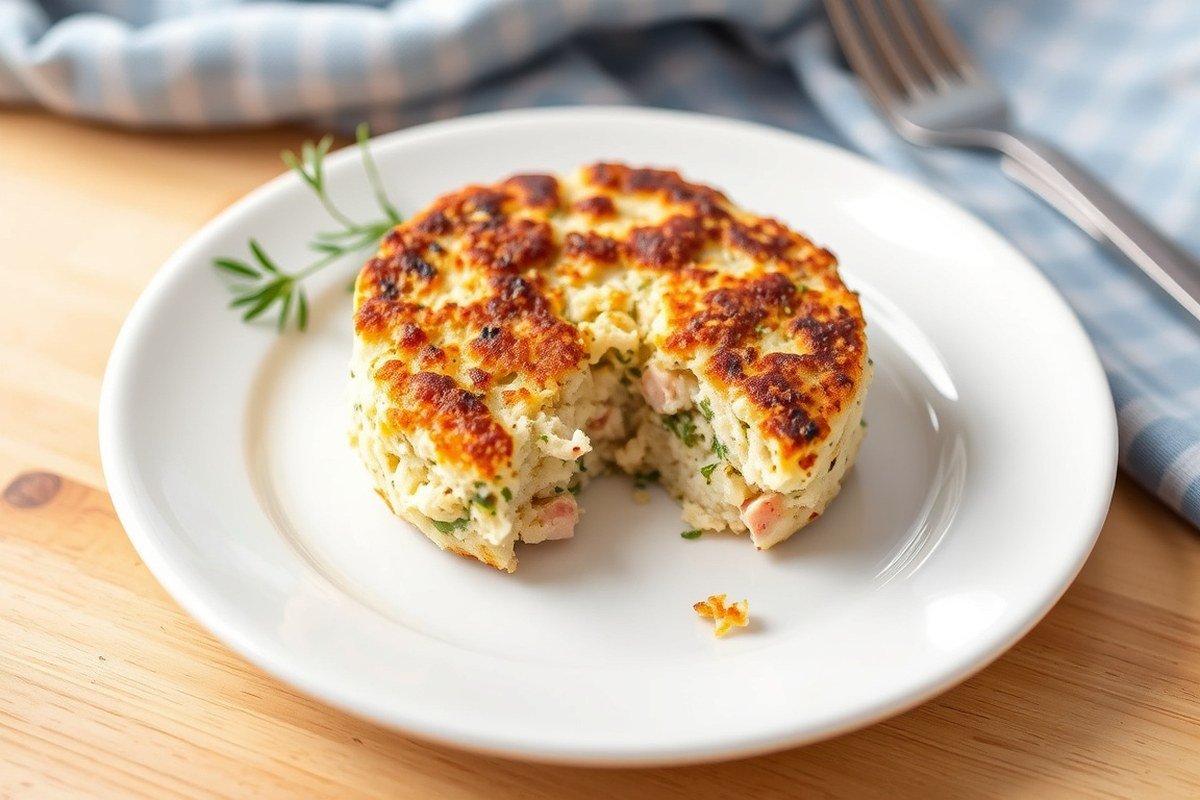
A crab cake is a seafood dish primarily made from crab meat mixed with a few other ingredients that bind the mixture together while improving flavor and texture. The main ingredient is fresh or canned crab meat, which is prized for its sweet and delicate taste. Around this, you typically find a binder such as mayonnaise and eggs, plus dry ingredients like panko breadcrumbs to absorb moisture and help hold everything in shape during cooking.
The name “crab cake” reflects its composition and shape. It is not merely a cake with a small amount of crab; instead, the crab is the star. The “cake” part comes from the shape, small, round patties that resemble miniature cakes formed by pressing the ingredients together. Unlike sweet cakes, crab cakes are savory and focus on highlighting the crab’s natural flavor rather than overwhelming it with heavy breading or fillers.
The typical texture aims to be tender and moist inside with a lightly crisp exterior. Using mayonnaise provides moisture and richness, contributing to a juicy bite without making the mixture soggy. Eggs function as a glue alongside the mayonnaise and breadcrumbs, so the cake maintains its shape when cooking. Panko breadcrumbs are preferred because their coarse texture absorbs moisture without making the crab cake dense, and they also help create a crispy crust during pan-frying or baking.
While mayonnaise and eggs are common, they are not strictly mandatory. Omitting mayonnaise works but can result in a less juicy cake, and the texture might be dry or crumbly without an effective binder. Eggs can sometimes be replaced with alternatives like aquafaba for those who avoid eggs, but doing so may alter how the crab cake holds together. The key is balancing enough binder to keep the crab meat intact without masking its flavor or turning the cake into a heavy, pancake-like texture.
Seasonings usually include mustard, either prepared mustard or mustard powder, and Old Bay seasoning, which adds a subtle kick without overpowering the crab. Mixing should be gentle and minimal to avoid breaking apart the lump crab meat, preserving the distinct chunks in the finished cake. Properly made crab cakes emphasize the crab’s natural sweetness and tender texture with just enough seasoning and binding to create a cohesive yet delicate patty.
What Are the Different Styles of Crab Cakes and How Do They Compare?
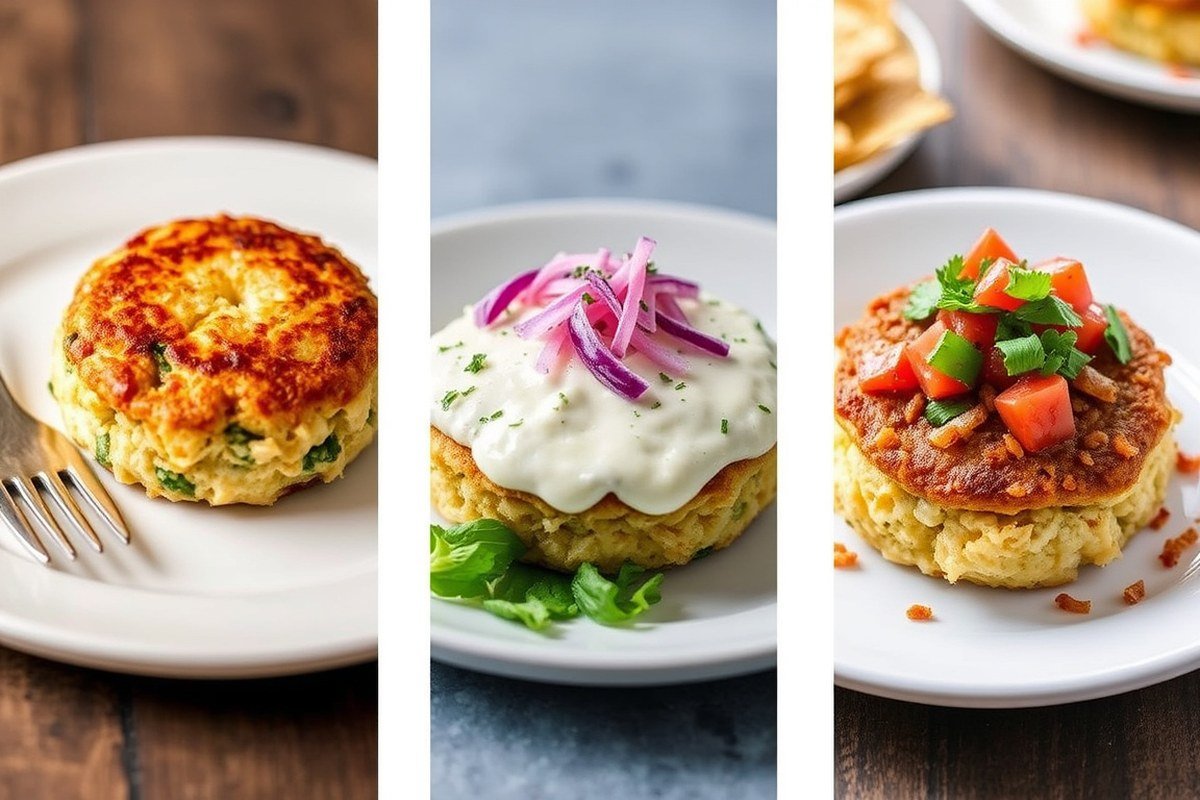
Crab cakes come in several distinct styles that differ mainly in their crab meat type, amount of filler, seasoning, and cooking method. Regional variations like Maryland and boardwalk styles each highlight different flavors and textures, while international versions add their unique spins. Knowing these differences helps you choose the right recipe and preparation technique to best suit your taste and occasion.
Maryland-Style Crab Cakes
Maryland-style crab cakes focus on showcasing premium lump crab meat, using very little filler so the crab remains the dominant flavor and texture. The crab used is usually jumbo or super lump, known for large, sweet chunks. Old Bay seasoning is a signature ingredient, giving the cakes a light but distinctive kick. Instead of heavy breading or batter, Maryland crab cakes typically use just enough binder, like a few crushed saltine crackers or panko breadcrumbs, to hold the cake together without masking the crab.
The cooking method often involves light pan-frying or broiling at moderate heat, enough to brown the outside and warm the inside without making the cake dense or greasy. Dijon mustard sometimes gets added for subtle bite. This style is prized for its delicate texture and sweet crab flavor, but making it requires gentle handling to avoid losing the large crab pieces during mixing and cooking.
Boardwalk-Style Crab Cakes
Boardwalk-style crab cakes contrast sharply with Maryland versions by using more filler and smaller crab meat pieces, typically flaked crab or even claw meat. The binder often consists of a higher ratio of breadcrumbs or mashed potatoes, which helps the cake hold together firmly enough for deep frying. This creates a crisp, golden crust and a compact texture inside.
The seasoning here leans more toward savory blends incorporated in the filler, with less emphasis on the sweet crab flavor. These cakes have a heartier mouthfeel and a more uniform texture, appealing to those who enjoy a fried, crunchy exterior. This style is common in seaside tourist spots known for deep-fried seafood.
| Style | Primary Meat | Filler Ratio | Cooking Method | Flavor Profile |
|---|---|---|---|---|
| Maryland-Style | Jumbo or Super Lump | Minimal (Saltines or Panko) | Broiled or Lightly Pan-Fried | Sweet Crab & OLD BAY® |
| Boardwalk-Style | Flaked or Claw Meat | High (Breadcrumbs or Potato) | Deep Fried | Savory & Seasoned Filler |
This table summarizes key distinctions between Maryland and boardwalk styles. Knowing these details can guide your ingredient choices and cooking methods to get the texture and flavor you want.
Use minimal filler for Maryland crab cakes to highlight the crab’s sweetness; too much filler dilutes the flavor and changes the texture.
International and Regional Variations
Beyond Maryland and boardwalk styles, other regions and countries add their own twists to crab cakes. Louisiana crab cakes, for example, lean into bold seasonings like garlic, cayenne, paprika, green onions, and herbs like thyme and parsley. This creates a spicy, herbaceous flavor quite different from Maryland’s mild sweetness.
The Carolina style typically falls between Maryland and Louisiana in seasoning intensity. It often uses a bit more binder like saltine crackers or homemade breadcrumbs but maintains some Old Bay seasoning for balance. This style reflects a moderate approach that blends simplicity with a touch of spice.
Internationally, crab cake variations may include different spices, binders, and cooking methods, such as adding curry powder or ginger in Asian-influenced recipes or using panko for extra crunch in Japanese-style cakes. These adaptations reflect local tastes and ingredient availability while preserving the core concept of a crab-based patty.
Which Crab Meat Types Work Best in Crab Cakes and Why?
Choosing the right crab meat is key to making crab cakes that taste fresh and hold together well. Lump crab meat, especially jumbo lump, is the top pick for most home cooks aiming for that authentic Maryland-style crab cake. Its large, intact pieces create a tender interior and provide a sweet, delicate flavor that stands out. To create an impressive presentation with big chunks visible, lump crab meat offers this better than smaller or flaked options.
Backfin crab meat is a slightly flakier option and often gets mixed with lump meat in Carolina-style crab cakes. It offers a textural contrast but isn’t as firm or visually striking as lump. Claw meat, by comparison, is darker, more flavorful, and a bit softer with a stronger taste. Use claw meat if you want a richer, more strong crab flavor, but expect the cakes to be denser and darker in color.
Canned crab meat can be a practical and cost-effective alternative. Canned jumbo lump crab meat is especially convenient and widely available, making it a great choice if fresh crab is hard to find or expensive. While canned meat may lack some of the fresh sweetness and delicate texture, it’s fully cooked, consistent in quality, and easy to pick through for shells. Always pick through any crab meat, fresh or canned, to remove shell pieces that could spoil the eating experience.
Fresh crab meat is ideal during peak seasons when blue crab is abundant. Fresh lump or jumbo lump picked over for shells will provide sweet, succulent cakes with a true seaside aroma. They often cost more, typically around $20 to $30 per pound at a seafood market, but the flavor pay-off is noticeable. Look for meat that’s moist and white with no discoloration or off smell. Cloudy or mushy crab meat should be avoided.
| Crab Meat Type | Texture | Flavor | Availability | Typical Cost (per lb) | Best Use |
|---|---|---|---|---|---|
| Jumbo Lump | Firm, meaty, large chunks | Sweet, delicate | Fresh seasonal or canned widely available | $25, $35 (fresh), $15, $25 (canned) | Maryland-style, presentation focused |
| Lump | Tender, large flakes | Mild, sweet | Fresh seasonal or canned | $20, $30 (fresh), $12, $20 (canned) | All-purpose crab cakes |
| Backfin | Flaky, small pieces | Light, less sweet | Fresh seasonal, less common canned | $15, $25 (fresh) | Mixed with lump for texture |
| Claw | Soft, smaller pieces | Stronger, pronounced | Fresh, often cheaper canned | $10, $18 | Flavored, rustic crab cakes |
Pick fresh crab meat based on its appearance and smell. It should look moist with a clean, briny scent, not fishy or sour. Use your fingers to break apart any clumps gently; large lumps are good for presentation but too many small pieces can make the cake fall apart easily. For canned meat, choose premium brands like Chicken of the Sea or Ocean’s Legacy, which come shell-checked and ready to use.
Choosing lump or jumbo lump crab meat means you may use fewer binders like mayonnaise or eggs, resulting in a cleaner crab flavor and better texture. When cooking for a casual gathering or aiming to save money, mixing in some backfin or claw meat reduces cost and adds texture but requires a bit more binder to keep the cakes together. Whichever type you select, thorough picking to remove shells is important to prevent unpleasant bites.
How to Form and Bind Crab Cakes Without Them Falling Apart
Crab cakes need just the right balance of binder ingredients and proper chilling to stay intact during cooking. Using egg, mild cracker crumbs, and a small amount of wet ingredients binds the crab meat without overwhelming its flavor. Forming the cakes gently, chilling them for 30 to 60 minutes, and handling them carefully helps prevent breakage while cooking.
Choosing the Right Binder Ingredients
Binders hold the crab cake together but should not overshadow the crab’s natural taste. Eggs act as the primary wet binder, providing structure and moisture. Use just one large egg per pound of crab meat to avoid a soggy mixture. For a mild dry binder, crushed saltine crackers or plain cracker crumbs are preferred since they blend smoothly and give enough structure without a heavy texture.
Avoid using too many wet ingredients like mayonnaise or sauces, which can loosen the mixture. Whisk the wet ingredients together before gently folding in the crab and cracker crumbs to ensure an even distribution without overmixing. This keeps the crab chunks intact while securing the mixture.
Importance of Chilling Crab Cakes
Chilling is mandatory for crab cakes to hold their shape during cooking. Refrigerate the formed patties for 30 to 60 minutes to let the egg and cracker crumbs firm up. This chilling step acts like natural glue, reducing the risk of them falling apart or spreading when placed on the hot pan.
For extra stability, you can shape the crab mixture into a foil-lined log and freeze it briefly. Slice the log into discs before cooking, which helps maintain the shape perfectly. However, even with the foil method, a chill in the refrigerator is recommended before cooking.
Shaping and Handling Tips
Gentle shaping is important to preserving crab chunks and keeping cakes from becoming dense. Form the mixture into slightly flattened, rounded patties about 3 to 4 inches wide. Avoid pressing too hard, as compact cakes cook unevenly and lose their delicate texture.
Handle the cakes carefully when transferring and flipping them in the pan. Use a thin, flexible metal spatula to check the underside’s color after 3 to 4 minutes on medium heat, flipping only once the bottom is golden brown. Resist flipping too early or pressing down, as they can easily break apart. Follow these steps for stable crab cakes that hold well while cooking:
- Whisk together wet ingredients (egg, mayonnaise, mustard) in a bowl.
- Fold in the crab meat gently to preserve chunks.
- Sprinkle and mix in crushed saltine crackers just until the mixture holds shape.
- Form gently into patties about 3-4 inches wide and ¾ inch thick.
- Place patties on a foil-lined tray and chill in the refrigerator for at least 30 minutes.
- Heat a skillet over medium heat with butter or oil.
- Carefully transfer chilled crab cakes and cook undisturbed for 3-4 minutes until golden brown underneath.
- Flip once and cook an additional 2-3 minutes to firm the other side.
What Are the Best Cooking Methods for Crab Cakes?
Crab cakes cook well using pan-frying, baking, grilling, or air frying methods, each offering different textures and levels of crispiness. Pan-frying delivers the crispiest crust in about 3 to 5 minutes per side at medium-high heat. Baking and air frying are convenient alternatives that cook crab cakes more evenly with less oil, while grilling adds a smoky flavor and requires firmer cakes to keep their shape. Cooking times typically range from 3 to 12 minutes depending on the method and heat level.
Pan-Frying Crab Cakes
Pan-frying crab cakes is the classic approach preferred for a golden, crunchy crust. Heat a skillet over medium-high heat and add a small amount of oil or butter. Cook the crab cakes for about 3 to 5 minutes per side until deeply golden and cooked through. Turn carefully to avoid breaking them. This method yields a rich, crispy exterior while keeping the inside moist.
One drawback is depending on the size and batch cooking, crab cakes can absorb excess oil if left too long. Using a non-stick skillet and cooking in batches can help maintain texture. Allow the pan to fully heat before adding the crab cakes for best browning.
Baking Crab Cakes
Baking crab cakes offers a hands-off method that cooks them evenly and reduces added fat. Preheat your oven to about 375°F (190°C) and place crab cakes on a greased or parchment-lined baking sheet. Bake for 10 to 12 minutes, brushing lightly with melted butter for a golden finish, flipping once halfway through. The crust will be less crispy than pan-fried but still nicely browned.
Baked crab cakes work well when cooking for a crowd or to reduce splatter. They require firmer binding to hold together during baking, especially when flipping. Using panko crumbs inside the mix also helps texture.
Air Frying Crab Cakes
Air frying is a quick, healthier alternative that produces a crispy crust similar to pan-frying with minimal oil. Preheat your air fryer to 370°F (188°C) and lightly spray the basket with non-stick spray. Arrange crab cakes in a single layer and cook for about 8 to 10 minutes, flipping halfway. This yields a crunchy outside and moist inside with less mess and oil absorption.
This method suits smaller batches, but avoid overcrowding the basket to maintain even heat flow. You can add a light brush of butter or oil for extra crispness.
Grilling Crab Cakes
Grilling crab cakes adds a smoky flavor and firm texture, especially suited for outdoor cooking. Form the crab cakes more firmly to prevent crumbling on the grill. Preheat the grill to medium-high heat, lightly oil the grates to prevent sticking, and cook the cakes for about 3 to 4 minutes per side until grill marks appear and they are heated through.
Keep a close eye when grilling since crab cakes can break easily if handled roughly. This method pairs well with a charred exterior and a slightly firmer bite compared to other methods. Use the following table to compare the cooking methods, recommended temperatures, times, and the resulting texture and appearance of crab cakes.
| Cooking Method | Temperature | Time per Side | Crispiness Level | Notes |
|---|---|---|---|---|
| Pan-Frying | Medium-High Heat | 3, 5 minutes | High (deeply golden, crunchy crust) | Best for classic crispy crust, watch for oil absorption |
| Baking | 375°F (190°C) | 5, 6 minutes (flip halfway) | Medium (golden but less crispy) | Good for larger batches, less oil, firmer binding needed |
| Air Frying | 370°F (188°C) | 4, 5 minutes (flip halfway) | High (crispy exterior) | Healthier option, avoid crowding basket |
| Grilling | Medium-High Heat | 3, 4 minutes | Medium-High (charred exterior, firmer texture) | Use firmly packed cakes, watch closely to avoid breaking |
Turn crab cakes gently and only once when cooking to avoid falling apart and to maintain a crispy crust.
Choosing among these cooking methods depends on your available equipment, desired texture, and how much oil you want to use. Pan-frying offers the crispiest crust but requires attention and oil. Baking and air frying reduce fat and mess but produce a less crunchy crust. Grilling works well outdoors and adds flavor but needs firmer cakes to hold together. Each method will cook crab cakes through in about 6 to 10 minutes total, ensuring a hot, flavorful result.
What Sauces and Side Dishes Pair Best with Crab Cakes?
Crab cakes taste best when paired with sauces and sides that improve the delicate sweetness of the crab without overpowering it. A classic choice is tartar sauce, which adds a creamy, tangy element balancing the cake’s rich flavor. Fresh lemon wedges are another simple and traditional option; a quick squeeze brightens the dish and cuts through the richness.
Some regions favor spicier sauces like remoulade, which combines mayonnaise, mustard, herbs, and a bit of heat, adding a flavorful kick. Dijon mustard mixed with Worcestershire sauce and a dash of hot sauce offers a subtle heat that complements crab without overwhelming the natural taste.
For side dishes, many enjoy light, fresh options that keep the meal balanced. Common choices include coleslaw for crunch and acidity, lightly dressed green salads to cleanse the palate, or steamed vegetables such as asparagus or green beans. Potato salad or roasted potatoes provide heartier fare. Serving your crab cakes on a bed of mixed greens with a lemon vinaigrette also works well to keep the meal fresh and bright.
- Tartar sauce: creamy, tangy, classic pairing; serve chilled on the side
- Fresh lemon wedges: simple, brightens flavor; squeeze just before eating
- Remoulade sauce: spicy, herbaceous; good choice for Southern-style crab cakes
- Dijon mustard blend: mild heat; mix with Worcestershire and hot sauce
- Coleslaw: crunchy, acidic side; balances richness
- Green salad with lemon vinaigrette: fresh and light
- Roasted or potato salad: adds heartiness and texture
Drink pairings usually lean toward crisp, acidic white wines such as Sauvignon Blanc or Pinot Grigio, which complement shellfish well. For a non-alcoholic option, iced tea with a splash of lemon works nicely. These beverages refresh the palate between bites and balance the savory flavors.
The key to pairing crab cakes lies in choosing accompaniments that highlight the soft, sweet crab meat while providing contrast in texture or flavor. Avoid heavy sauces or sides that obscure the cake’s character. Serving sauces chilled and fresh sides at room temperature or warm within a simple presentation will make your crab cake meal satisfying and well-rounded.
How to Store, Freeze, and Reheat Crab Cakes Safely
Crab cakes stay fresh in the refrigerator for up to 5 days. To keep them safe and tasty, store leftover crab cakes in an airtight container or wrap them tightly in plastic wrap before refrigerating. This prevents moisture loss and keeps outside odors from affecting your crab cakes’ flavor.
You can freeze crab cakes uncooked to extend their shelf life. Wrap each crab cake individually in plastic wrap, then cover them with aluminum foil or place them together in an airtight container. Frozen crab cakes last up to 3 months without losing quality. Avoid freezing cooked crab cakes, as freezing and reheating can reduce their texture and flavor.
- Refrigerate crab cakes in an airtight container for up to 5 days
- Wrap uncooked crab cakes individually with plastic wrap and foil before freezing
- Freeze uncooked crab cakes for up to 3 months
- Thaw frozen crab cakes in the refrigerator overnight before cooking
- Reheat cooked crab cakes until they reach an internal temperature of 165°F to ensure they are safe to eat.
- Use an oven or air fryer to reheat to keep crab cakes crispy
- Avoid microwaving crab cakes to preserve texture and avoid sogginess
For best results, thaw frozen crab cakes in the refrigerator overnight before cooking. When it’s time to reheat cooked crab cakes, use an oven or air fryer preheated to 350°F. Heat them for about 10 to 15 minutes until they reach an internal temperature of 165°F. This method helps keep the outside crispy while ensuring the center is hot and safe to eat. Avoid reheating in the microwave, as it tends to make crab cakes soggy and rubbery.
Storing crab cakes properly and reheating them correctly maintains their texture, flavor, and safety. Skipping these steps can cause spoilage, off-flavors, or foodborne illness from underheating. Always check the internal temperature with a food thermometer to ensure safety.
Common Crab Cake Mistakes and How to Fix Them
Crab cakes can fall apart during cooking mainly because the binder isn’t mixed properly or the patties aren’t chilled. Start by whisking your wet ingredients thoroughly to activate proteins that help hold everything together. Then fold in the crab meat gently and last to avoid crushing the lumps. Chill your formed patties for at least 30 minutes in the fridge before cooking. This step firms them up, reducing the chance they’ll break apart on the pan or in the oven.
Tough or dry crab cakes often come from overworking the mixture, using too much binder, or cooking at too high a heat for too long. Use just enough binder to hold the crab together, usually about 1/4 cup of mayonnaise or egg per pound of crab meat is enough. Cook your crab cakes at medium heat on the stove or bake them, then finish under the broiler for 2 minutes to develop a golden crust. Overcooking dries the interior, while undercooking leaves them mushy and soft.
- Whisk wet binders (mayonnaise, egg) before folding in crab meat
- Handle crab meat gently to keep lumps intact
- Chill the formed crab patties for at least 30 minutes
- Cook over medium heat or bake, finishing under the broiler for 2 minutes for a golden crust
- Avoid overmixing and using excessive binder to keep the texture tender
- Maintain internal cooking temperature between 145°F and 160°F (63°C to 71°C)
- Brush tops with melted butter before broiling for flavor and crispiness
Bland crab cakes usually mean under-seasoning or using crab meat that lacks flavor. Add seasoning to your binder and taste-test it before mixing with crab to ensure you get the right balance. Classic extras include Old Bay seasoning, mustard, lemon juice, and fresh herbs. These bring a depth of flavor without overpowering the delicate crab.
That golden crispy crust is key for both texture and taste but can burn easily if you’re not careful. Cook crab cakes over medium heat when pan-frying, turning once, to develop an even crust without burning. Alternatively, bake them and then switch the oven to broil for the last 2 minutes while watching closely. Brushing the tops with melted butter before broiling encourages browning and adds richness without drying out the crab cakes.
Use an instant-read thermometer to ensure crab cakes reach 145°F to 160°F inside; this prevents under- or overcooking, which causes texture issues.
Step-by-Step Action Plan to Make Great Crab Cakes
Follow these steps to prepare crab cakes that hold together well and taste fresh, whether you’re cooking from scratch or reheating store-bought ones.
- Before you start: Choose lump crab meat for the best texture and flavor. Check that it’s fresh or properly frozen and thawed.
- Mixing phase: Combine crab meat with minimal fillers like mayonnaise, egg, and breadcrumbs. Make sure the mixture feels moist but firm enough to hold shape.
- Forming stage: Shape cakes gently to avoid breaking but compact enough to maintain form. Test by pressing lightly to see if they hold together.
- Cooking prep: Preheat your pan or oven before cooking. Using moderate heat helps develop a golden crust without burning.
- Cooking step: Cook crab cakes for about 3-4 minutes per side until golden brown. Check that the cakes hold together when flipping.
- Serving moment: Serve immediately with complementary sauces like tartar or remoulade and fresh sides such as a salad or roasted vegetables.
- Storing tips: Cool cooked crab cakes completely before refrigerating. For longer storage, freeze uncooked formed cakes individually, then cook from frozen later.
- Reheating phase: Reheat crab cakes gently in a skillet or oven to preserve texture, avoiding the microwave which can make them soggy.
Frequently Asked Questions
What Do Crab Cakes Taste Like?
Crab cakes taste sweet and delicate, highlighting the natural flavor of fresh crab meat. The crust adds a golden, slightly crispy texture that balances the soft interior.
What Are Crab Cakes Made Of?
Crab cakes are mainly made of crab meat mixed with binders like mayonnaise, mustard, eggs, and bread crumbs to hold them together without overpowering the crab’s flavor.
Why Is It Called a Crab Cake?
It’s called a crab cake because the dish’s main ingredient is crab meat formed into a cake-like shape, not because it contains more filler or bread than crab.
Are Crab Cakes Good to Eat?
Crab cakes are good to eat when made with fresh crab meat and cooked until golden brown, offering a tasty combination of sweet crab flavor and crisp crust.
What REALLY Makes a Maryland Crab Cake?
A true Maryland crab cake uses fresh blue crab meat, minimal fillers, and simple seasonings, allowing the crab’s sweet and tender flavor to shine.
Can Crab Cakes Be Served Cold or Only Hot?
Crab cakes are best served hot to enjoy their crispy crust, but they can be eaten cold after chilling, though the texture will be softer.
Key Points to Remember
Crab cakes offer a simple yet flavorful way to enjoy crab meat with a variety of textures and seasoning styles. Making them at home allows you to control the ingredients and cooking method for the best taste and consistency. Start by selecting good-quality crab meat and practicing gentle handling to keep your crab cakes intact and delicious every time.

One Comment