How to Plan a Christmas Party at a Restaurant: 9 Essential Steps for Success
Successfully planning a Christmas party at a restaurant means booking early, managing your budget carefully, and choosing the right venue to suit your group size and style. You should finalize headcount about a week before the event and decide on your menu format, whether plated, buffet, or passed appetizers. Understanding these key steps helps guarantee an enjoyable, well-organized celebration.
This advice is ideal for event planners, office managers, HR professionals, and individuals organizing holiday parties at restaurants. You’ll learn how to select the venue, handle invitations, plan the menu and entertainment, and communicate effectively with restaurant staff for smooth execution.
Key Takeaways
- Book your restaurant venue 6 to 8 weeks ahead to secure your preferred date and space.
- Match restaurant capacity and minimum spend to your party size and budget before booking.
- Finalize your guest list and headcount at least one week before the event for accurate food planning.
- Send invitations 2 to 3 weeks in advance to allow time for RSVPs and proper headcount.
- Plan your menu type early, choose plated, buffet, or passed appetizers based on event style.
- Account for about 20% more food and drinks than the confirmed RSVP count to avoid shortages.
1. How to Plan Your Christmas Party at a Restaurant Successfully
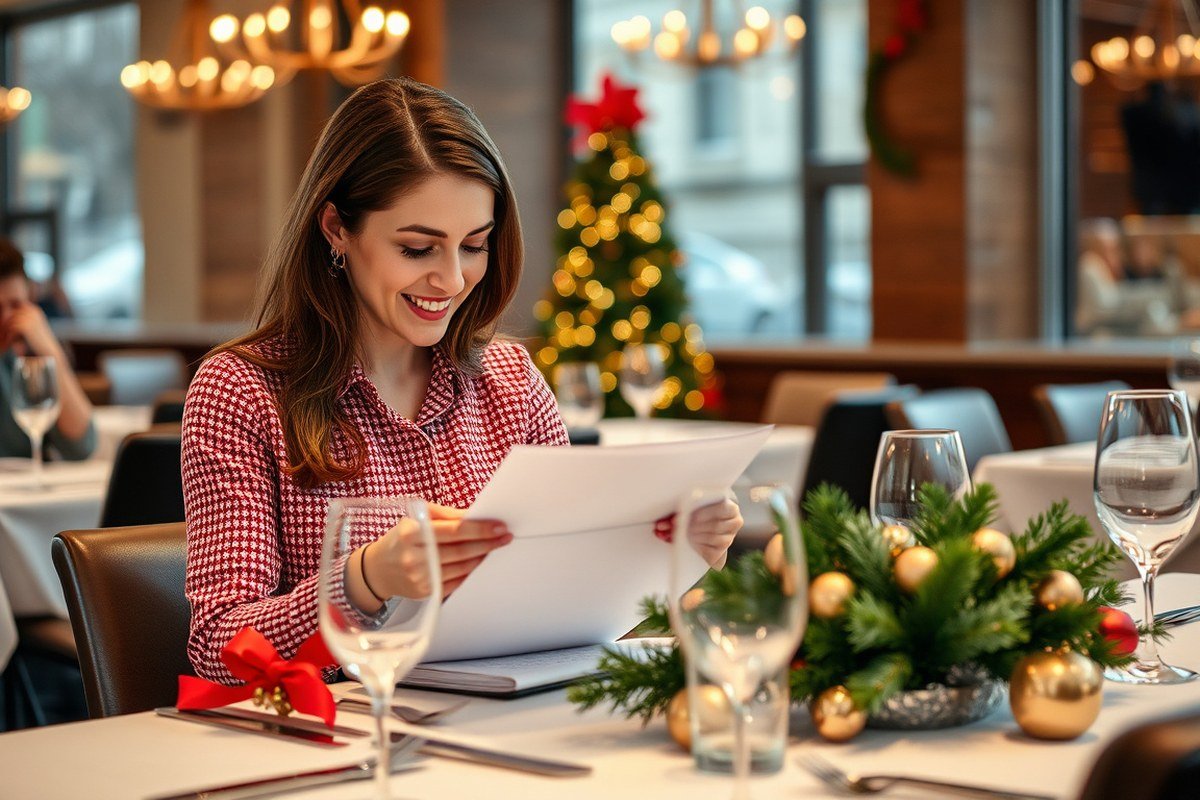
Start planning your Christmas party at a restaurant about six to eight weeks before the event. This timeline allows you to secure a booking during the busy holiday season and gives you enough room to coordinate the details without rushing. Begin by defining the number of guests to determine the size of the space you need. Decide whether you want a private room, a semi-private area, or a full restaurant buyout, as each option comes with different costs and levels of exclusivity.
Next, set your budget based on factors such as venue fees, food and beverage minimums, and any extra services like decorations or entertainment. Confirm the restaurant’s pricing structure, whether it’s per-person for plated meals, buffet, or passed appetizers. These choices affect the overall atmosphere and cost, so align them with your team’s preferences and budget constraints. Be sure to ask about beverage options, including whether alcohol will be available and what kind of service style will be used.
After narrowing down the venue and budget, move on to the guest list and invitations. This will help you finalize headcount about one week before the party, which is necessary to confirm with your restaurant. You should also consider any dietary restrictions or preferences your guests may have to ensure the menu accommodates everyone comfortably.
Throughout this process, communicate clearly with the restaurant staff about your expectations and any special requests. Confirm key details such as the start and end times for your event and the setup requirements. Being organized and precise helps avoid common pitfalls like timing conflicts or misunderstandings about service.
Good planning leads to a smooth event where guests can focus on enjoying the festive ambiance and food. When things go wrong, it’s often due to late bookings, unclear communication with the restaurant, or underestimating guest count changes. Keeping your timeline and checklist on track minimizes these risks and allows you to host a successful Christmas party that feels easy and memorable for everyone involved.
2. Choosing the Right Restaurant Venue for Your Party
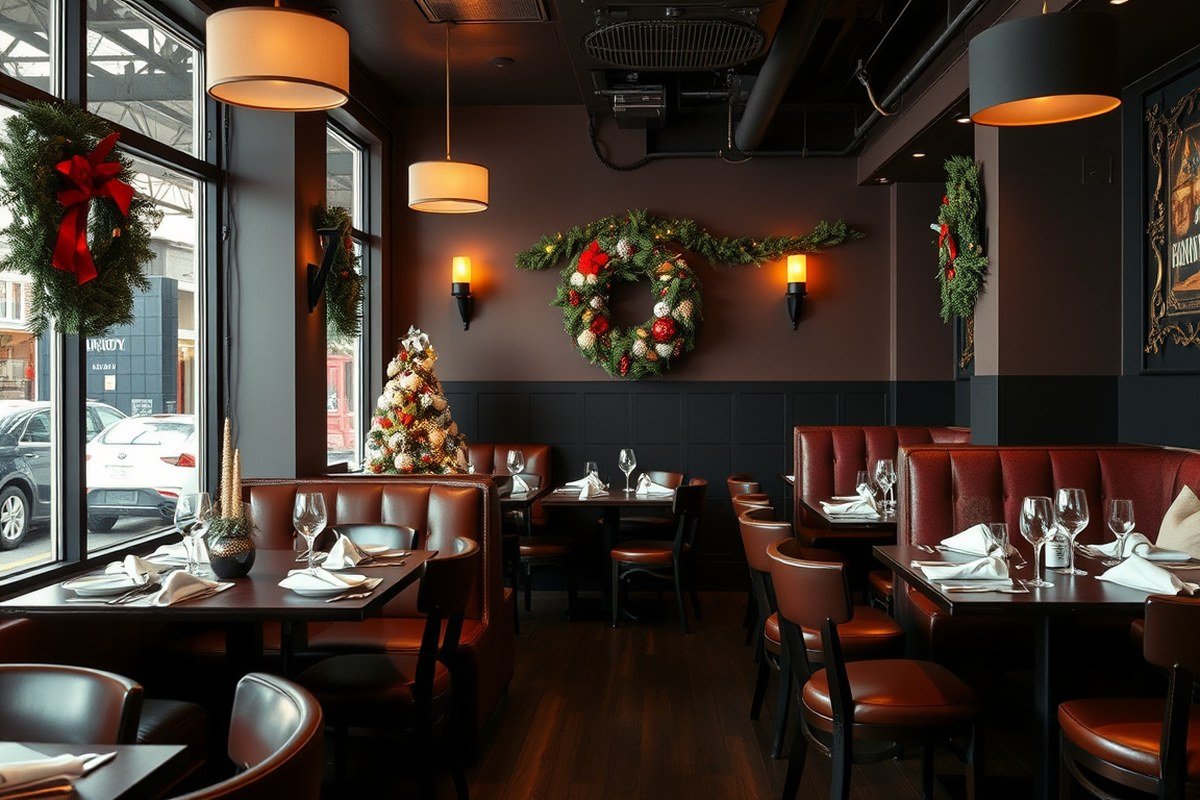
Matching the venue size and style to your guest count is essential for a comfortable and enjoyable Christmas party. Choose a restaurant that can accommodate all invited guests without overcrowding. For groups under 20, a private or semi-private room often works well to create an intimate setting. Your party should have a venue with flexible seating or an option to buy out the entire restaurant when it exceeds 50 guests. This ensures enough space for mingling and activities.
Private rooms offer exclusivity with dedicated service, but they come with food and beverage minimums that typically range from $1,000 to over $10,000 depending on location, size, and event night. Semi-private spaces usually have lower minimums or none, but you’ll share the space with other patrons. Full buyouts cost more but guarantee full control over the environment and timing, ideal for large corporate events.
Food and beverage minimums directly influence your venue choice. Your budget per person between $50 and $150 means you need to calculate the number of attendees required to meet the restaurant’s minimum. For example, a $5,000 F&B minimum requires at least 50 guests at $100 per person. Keep in mind service charges of 18 to 25 percent will add to your costs, and some venues may charge extra for audiovisual equipment or parking. Clarify with the venue what counts toward the minimum to avoid surprises.
Timing is another critical factor. Popular restaurants fill up fast during the holiday season, so book your venue as early as possible, ideally, three to six months before the event date. Weekdays early in the evening may offer lower minimums and more availability, while weekend dates come with premium pricing and often stricter booking rules. Confirm the restaurant’s cancellation and deposit policies to protect your plans.
Ask the venue to provide a clear breakdown of food and beverage minimums, service charges, and any extra fees before signing the contract to keep your budget on track.
To decide among private room, semi-private space, and full buyout, consider the total guest count, atmosphere, and budget. For small groups up to 25, private rooms create a festive but cozy feel. Semi-private rooms suit mid-sized groups around 25 to 50, offering some privacy without the price of a full buyout. For large events beyond 50 guests or higher-impact occasions, a full restaurant buyout can provide the space and exclusivity you need, though costs will rise accordingly.
Location also matters. Choose a restaurant easily accessible for most guests with sufficient parking or transit options, especially important during winter months. The right location ensures guests arrive relaxed and on time, contributing to a smooth and enjoyable party experience.
3. Setting and Managing Your Party Budget Effectively
Start by setting a clear, realistic budget that covers all essential categories: food, drinks, decorations, entertainment, service charges, and taxes. On average, plan for $20 to more than $100 per person depending on your event’s scale and location. Break your total budget into percentages: approximately 40-50% for food, 20-25% for drinks, 15-20% for decorations, and 10-15% for entertainment. This structure helps you allocate funds effectively and avoid overspending on any single category.
Plan for extra expenses such as service fees, taxes, and charges for cake cutting or bringing in outside desserts, which can add $1 to $5 per guest. Budgeting for roughly 20% more food and beverages than the number of confirmed attendees helps avoid shortages and keeps guests happy during the party.
| Budget Category | Approximate Percentage | Cost Example per Person at $50 Budget |
|---|---|---|
| Food | 40-50% | $20 – $25 |
| Drinks | 20-25% | $10 – $12.50 |
| Decorations | 15-20% | $7.50 – $10 |
| Entertainment | 10-15% | $5 – $7.50 |
| Miscellaneous (service charges, taxes, fees) | Variable | $2 – $5 |
Keep track of your spending by creating a simple checklist for every category. For example, note estimates, deposits paid, final invoiced amounts, and any balance due. Maintain communication with the restaurant and vendors to get detailed cost breakdowns, avoid surprises, and adjust your budget early if needed. Planning a 3, 4 hour event with this budget framework ensures you won’t sacrifice important elements like quality food and fun entertainment.
Staying on budget also means regularly updating your headcount and confirming orders 2 to 3 weeks before the event. You can adjust menu choices or drink packages based on the final number of guests, preventing unnecessary last-minute expenses. This disciplined approach helps create a memorable, stress-free Christmas party that fits your financial plan.
4. Planning the Guest List, Invitations, and RSVPs
Finalizing the guest list, sending invitations on time, managing RSVPs effectively, and accommodating special requests are key to a smoothly run Christmas party at a restaurant. These steps help you avoid last-minute problems, ensure everyone’s needs are met, and keep the event enjoyable for all attendees.
Timing Your Invitations
Send invitations at least 2 to 3 weeks before the party date. This lead time allows guests to plan accordingly and gives you a buffer to manage responses and adjustments. For office parties, consider work schedules and holidays when choosing the send date.
Physical, handwritten invitations can add a personal touch, but digital invites offer easier tracking. Choose the method that fits your company culture and budget.
Tracking Guest Responses Efficiently
Tracking RSVPs is essential to confirm the headcount and communicate dietary or seating needs to the restaurant. Use tools that fit the size of your event: spreadsheets for smaller groups or event management platforms for larger ones.
Follow-up reminders one week before the RSVP deadline can boost response rates. Record who has confirmed, declined, or not responded to plan accurately.
Accommodating Special Needs
Ask guests to specify dietary restrictions, allergies, and any accessibility requirements during the RSVP process. Communicate these details to the restaurant well in advance so they can prepare suitable options.
Confirm the restaurant’s ability to serve guests with special needs to avoid surprises. If guests have mobility concerns or require seating accommodations, relay these specifics to the venue promptly.
- Create your guest list: Decide who you want to invite, including employees, managers, and any plus-ones or family members.
- Set the invitation date: Plan to send invites 2 to 3 weeks before the party to allow enough time for responses.
- Choose your invitation method: Select between printed, handwritten cards or digital invitations based on your audience and budget.
- Include RSVP details: Provide a clear deadline and contact method for responses, along with a spot to share dietary needs or accommodations.
- Track incoming RSVPs: Use a spreadsheet or event app to log responses, noting attendance and any special requests.
- Send reminder messages: About one week before the RSVP deadline, follow up with guests who haven’t responded.
- Communicate with the restaurant: Share the final guest count and special requests at least one week before the party.
- Manage last-minute changes: Have an updated list ready to adjust seating or food orders as needed close to the event date.
Invitation Script Template (Email or Card):
Subject: You’re Invited to Our Office Christmas Party! Dear [Name], We’re excited to invite you to our annual Christmas party at [Restaurant Name] on [Date] at [Time]. Please RSVP by [RSVP Deadline] by replying to this email or calling [Contact Number]. Don’t forget to let us know if you have any dietary restrictions or require accessibility accommodations. Looking forward to celebrating together! Best, [Organizer’s Name]
Handling Last-Minute Cancellations and No-Shows: Keep a flexible headcount cushion by inviting a small buffer of extra guests if possible, or discuss cancellation policies with the restaurant upfront. Monitor final RSVPs closely and communicate updates promptly to the venue. Should cancellations occur after final confirmation, notify the restaurant immediately to adjust arrangements and minimize costs or food waste.
5. Choosing the Menu and Beverage Service Style
Choosing the right menu and beverage service style depends on your party size, budget, and the atmosphere you want. Plated meals give formal structure and predictability in cost. Buffets offer variety and a self-paced flow, while passed appetizers encourage mingling and usually cost less. It’s essential to accommodate dietary preferences by offering diverse options and calculating sufficient food and drink quantities to avoid shortages or waste.
Plated Service Overview
Plated meals work best for formal, seated events where you expect guests to remain at their tables. This service style provides a clear per-plate cost, making budgeting easier. It often requires fewer staff because the kitchen controls portion sizes and timing. The drawback is less food variety and limited flexibility for guests with dietary restrictions unless multiple entrée options are offered.
For groups under 100, plated dinners can add polish and ensure everyone receives a plated meal simultaneously. You can include vegetarian, gluten-free, or other special dishes by collecting dietary needs beforehand. However, this approach usually costs more per guest than other formats.
Buffet and Family Style Options
Buffets maximize food variety and let guests serve themselves at their own pace. This format suits medium to large groups and creates a relaxed atmosphere. Station setups can promote smoother flow and reduce crowding. Portion control can be a challenge, so buy extra to avoid running out, especially for popular items.
Family style, where dishes are passed around each table, combines variety with seated comfort. Both buffet and family style allow easier accommodation of dietary preferences by clearly labelling dishes and separating allergen items. Plan for about one pound of food per adult, and consider half that amount for children. Offering take-out boxes helps manage leftovers.
Passed Appetizers and Drinks
Passed appetizers with drink stations create a social, standing event where mingling is the focus. This set-up usually costs 15 to 30 percent less than plated dinners, fitting tighter budgets while maintaining a polished feel. Offer a variety of small bites to cater to diverse tastes and dietary restrictions.
This style keeps guests moving and encourages interaction. It works well for smaller groups or sections of larger parties who prefer casual networking. Include a mix of alcoholic and non-alcoholic beverages, and ensure there are enough servers to maintain steady service without crowding the space. Use the table below as a decision guide for your menu and beverage service style:
| Service Style | Best For | Cost Compared to Plated | Food Variety | Guest Interaction | Portion Control |
|---|---|---|---|---|---|
| Plated | Formal seated dinners, groups under 100 | Standard, predictable per plate cost | Limited, set menu options | Low, guests stay seated | High, fixed portions |
| Buffet | Medium to large groups, casual dining | Similar to plated, varies by complexity | High, broad variety | Moderate, guests serve themselves | Lower, requires careful overbuying |
| Passed Appetizers | Small to medium groups, social standing events | 15-30% lower than plated | Moderate, selected small portions | High, promotes mingling | Moderate, quantity planning important |
Aligning your choice with the event’s tone and your budget will help create an enjoyable experience for all guests.
Plan for extra food, aim to buy roughly double what you expect guests to eat, and provide take-out boxes to handle leftovers graciously.
6. Decorations and Theming Ideas on a Budget
Affordable decorations start with choosing a simple, cohesive colour scheme, such as red and gold or green and white. Sticking to one main colour carried through table settings, napkins, and centrepieces creates a polished look without extra spending. A holiday-inspired theme, like classic Christmas, winter wonderland, or rustic cabin, also guides your décor choices and improve the atmosphere.
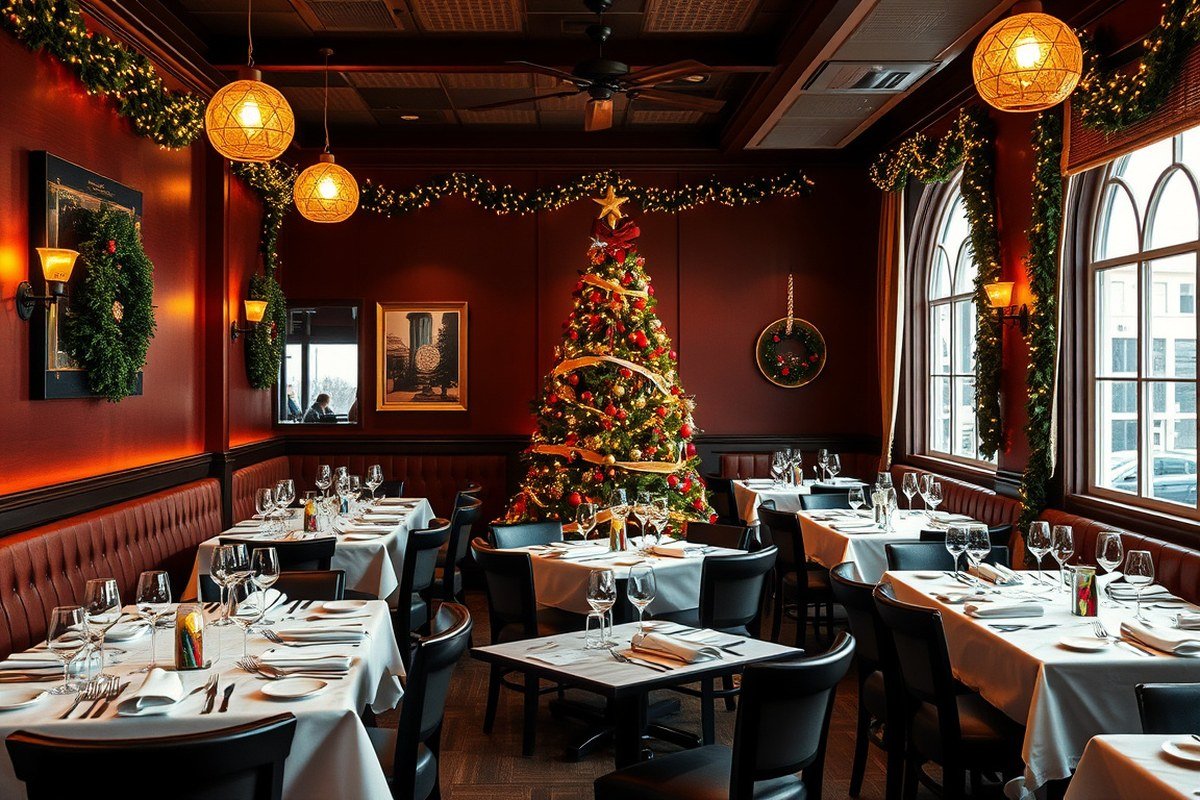
Prioritizing focal points helps maximize impact while keeping costs low. Decorate the entrance with a wreath or garland to set the tone as guests arrive. Allocate budget to dressing the main dining area with string lights or budget-friendly candles in glass holders. A decorated Christmas tree, whether real or artificial, can be the event’s centrepiece, drawing attention and adding festive spirit.
- Use battery-operated string lights for safety and easy setup, costing around $10, $20 per strand.
- Choose reusable decorations like fabric table runners instead of disposable placemats for long-term savings.
- Incorporate natural elements like pinecones, branches, or holly, gathered for free or low cost.
- Create DIY paper snowflakes or ornaments, which guests can also help make as a fun activity.
- Place small decor items like themed napkin rings or salt-and-pepper shakers on tables to add detail without clutter.
- Rent or borrow larger pieces such as a lighted arch or backdrop to improve photo opportunities.
Decorations affect the guest experience by setting a festive mood and encouraging engagement. A cohesive theme communicated through visuals strengthens the sense of occasion, making guests feel valued and comfortable. Overdecorating can clutter the space and confuse the atmosphere, so balance is key. In tightly spaced restaurants, focus on vertical décor like hanging ornaments or wall garlands to avoid crowding tables.
Before the event, coordinate with the restaurant about what decorations you can install and when. Many restaurants have restrictions on open flames and tape that damages walls, so flameless candles and removable hooks are safer choices. Keep setup times realistic, allowing at least 30 minutes before the party for placing key decorations that guests notice immediately.
7. Planning Entertainment and Festive Activities
Entertainment at a Christmas party held in a restaurant should fit the space and mood while keeping guests engaged without overwhelming the setting. Suitable options include light music, brief speeches, interactive games, and team activities that require little room and minimal setup. Choosing entertainment that matches your party’s atmosphere ensures everyone feels comfortable and has fun.
Scheduling Speeches and Formal Notes
Keep speeches under 10 minutes to maintain attention and avoid disrupting the party flow. The ideal time for speeches is between the main course and dessert when guests are settled but not ready to leave. Prepare a short script that thanks attendees, acknowledges achievements, or shares festive wishes. Here’s a simple speech template you can use:
“Thank you all for joining us tonight. This year has brought its challenges, but your dedication has made a real difference. Let’s enjoy this wonderful meal and each other’s company as we celebrate the season together. Happy holidays!”
This keeps the tone positive and concise, leaving room for fun activities afterward.
Easy-to-Run Games and Icebreakers
Choose games that are quick, inclusive, and suitable for adults in a restaurant setting to encourage laughter and connection. Avoid loud or highly physical games that might disrupt other diners or overcrowd the space. Here are some game ideas fit for virtually any restaurant Christmas party:
- Christmas trivia quiz with teams
- “Two Truths and a Lie” holiday edition
- Secret Santa gift reveal game
- Holiday-themed bingo cards
- Guess the Christmas carol from a short hummed tune
- “Who Am I?” with famous Christmas characters
- Charades featuring holiday movies or traditions
Plan for these to last 10 to 20 minutes each, with supplies like bingo cards or trivia sheets prepared in advance. The games can be led by you or a designated host to keep momentum.
Music and Sound Considerations
Music sets the tone but must respect restaurant acoustics and staff operations. A moderate volume works best, enabling conversation and not overwhelming the room. Coordinate with your DJ or playlist provider ahead of time to test sound levels in the space. Some guidelines to manage music smoothly:
- Discuss timing with restaurant staff, especially for transitions like moving from dinner to dancing
- Confirm space constraints for dancefloor or speaker setup
- Use a mix of Christmas and popular tunes to keep variety and energy balanced
- Prepare a backup playlist in case of technical issues
- Agree on volume limits with the venue to avoid complaints
- Plan quieter music during eating times and livelier music during socializing
Good coordination ensures the music complements the evening without creating issues for the restaurant or the guests.
8. Managing Common Challenges and Last-Minute Changes
Scheduling conflicts often arise when party dates clash with other office events, personal commitments, or local happenings. To avoid this, coordinate early by surveying key guests and checking the company calendar. When a conflict appears close to the event, communicate changes promptly via email and calendar updates to minimize confusion. Workforce management tools can help track staff availability, preventing last-minute scheduling gaps that could impact service quality.
Food shortages typically happen when guest counts shift unexpectedly. Establish a flexible menu with the restaurant that allows adjustments up to 48 hours before the event. Confirm the final headcount as late as possible, ideally two days ahead. Should more guests arrive, consult the restaurant about quick additions or buffet expansions. For fewer attendees, request the venue reduce portions to save costs without sacrificing quality. Knowing your restaurant’s policies on last-minute changes helps you manage these fluctuations smoothly.
Venue restrictions or sudden policy changes may include limits on decorations, noise, or the number of guests allowed. Ask for these details during booking and confirm them a week before the party. When a new restriction emerges just before the event, adapt your plans by replacing forbidden decorations with alternatives or adjusting the schedule to comply with noise curfews. Promptly informing guests about any venue-related updates prevents surprises and maintains a positive atmosphere.
Effective communication is key when last-minute changes occur. Use clear, concise scripts for informing guests. For example: “Due to unforeseen circumstances, the party start time has shifted to 7 p.m. Please let us know if this causes any issues.” For staff, hold a brief pre-event meeting to review updates and assign responsibilities for handling on-the-spot problems, like seating changes or food substitutions. Use group messaging apps or email to quickly notify everyone involved.
Keep a “what-if” checklist to prepare for typical holiday party challenges, including guest no-shows, menu item shortages, and venue policy changes, so you can respond confidently and keep the event enjoyable.
9. Communicating with Restaurant Staff for a Smooth Event
Clear and continuous communication with the restaurant staff is essential to ensure your Christmas party runs smoothly from booking through the event day. First, confirm key details well in advance, such as the event date and time, number of guests, menu selections, special dietary needs, and any requests for decorations or entertainment setup. Double-check if the restaurant can accommodate specific AV equipment or a microphone if you’re planning speeches or caroling. Confirm timing for food and beverage service, including when appetizers, main courses, and drinks will be served, so the schedule aligns with your party agenda.
Clarifying service expectations is critical to avoid surprises. You should agree on how many dedicated staff members will attend your party and the timeline for each service phase. For example, ask whether waitstaff will circulate continually or only take orders at specific intervals. Knowing when the kitchen closes and when last call for drinks will be helps manage guest expectations, especially if the party is during work hours and alcohol service needs moderation. You might say, “Can you confirm that appetizers will be served within 20 minutes of guest arrival and that the final course will be served by 8 pm?” This sets a clear frame of reference for service timing.
Assign a point of contact from both your side and the restaurant’s team. Ideally, this is the banquet manager or event coordinator at the restaurant, whose phone number and on-site presence you should have on the event day. For quick resolutions like last-minute menu changes, seating adjustments, or technical issues, having a go-to person cuts down stress and delays. You can inform your guests or party committee members whom to speak with in case of problems during the event. For example: “Please reach out to Sarah, the restaurant’s event manager, for any immediate concerns during the party. Her number is (555) 123-4567.”
Billing details and gratuity should be discussed upfront to avoid confusion or delays at the end of the event. Confirm how the restaurant handles the final headcount, whether they require a guaranteed minimum number of guests a few days before the event or if they can adjust based on actual attendance. Discuss if gratuity is included in the contract or added afterward, and whether you prefer to pay by company credit card, check, or possibly split among organizers. For example, a conversation starter might be: “Could you explain how billing will work and when you need the final guest count? Also, is the gratuity included in the pricing or added as a separate charge?”
Using a communication checklist helps keep these details organized. It might include items like event date confirmation, menu approval, dietary restrictions, service timetable, AV needs, point of contact info, billing procedures, gratuity details, and final headcount deadlines. A simple email script to confirm plans a week before the event could be:
Subject: Christmas Party Final Details Confirmation Dear [Restaurant Event Manager], We are looking forward to hosting our Christmas party at your venue on [date]. Please confirm the following details: Guest count of [number] with any dietary restrictions noted. Menu and beverage selections as agreed. Service schedule, including timing for appetizers, main courses, and last call. Point of contact on the day of the event. Billing process and gratuity terms. Let us know if you require anything further from us before the event. Thank you for your assistance. Best regards, [Your Name]
Good communication ensures the event team meets your expectations and guests enjoy a smooth experience. Problems such as late food arrivals, missing equipment, or billing disputes often result from vague arrangements or last-minute communication gaps. Staying proactive and clear with the restaurant staff keeps your Christmas party on track and stress-free.
Step-by-Step Action Plan for Your Restaurant Christmas Party
Follow this plan to keep your Christmas party organized and enjoyable for everyone. Each step includes a way to check your progress.
- 8 Weeks Before: Choose the restaurant and confirm the booking. Ensure the venue fits your expected guest count and has the needed facilities.
- 6 Weeks Before: Finalize the guest list and send invitations. Track RSVPs to confirm the final headcount by the next step.
- 4 Weeks Before: Select your menu and beverage options with the restaurant. Make sure the choices accommodate dietary restrictions and your budget.
- 3 Weeks Before: Plan decorations and any entertainment. Confirm bookings for any outside vendors and verify they comply with restaurant rules.
- 2 Weeks Before: Review your budget and adjust if needed based on RSVPs and any added services. Confirm all orders with the restaurant and suppliers.
- 1 Week Before: Send a reminder to guests about timing and dress code. Check in with restaurant staff about event details to avoid surprises.
- Day Before: Deliver decorations and coordinate setup times with the venue. Confirm arrival times for entertainers or speakers.
- Day Of: Arrive early to oversee setup and run through the schedule with staff. Be ready to handle last-minute changes calmly.
Frequently Asked Questions
How Far in Advance Should I Book a Christmas Party at a Restaurant?
Book your restaurant Christmas party at least five weeks ahead to secure your preferred date and menu options. Restaurants get busy during the season, so early booking ensures smoother planning and availability.
Can I Have a Semi-Private Area for Smaller Christmas Parties in Restaurants?
Yes, many restaurants offer semi-private spaces perfect for smaller groups, providing a festive yet intimate setting. It allows your group to enjoy a private experience without the full cost of venue rental.
Should I Include Non-Alcoholic Options in My Christmas Party Beverage Plan?
Always include non-alcoholic drinks to accommodate all guests and ensure everyone has suitable options. This makes your event inclusive and helps guests who avoid alcohol feel welcome.
Is It Better to Choose a Fixed Menu or an à La Carte Selection for a Christmas Party?
A fixed menu simplifies service and often fits better within your budget, reducing wait times. It helps the restaurant prepare efficiently for your group and avoids confusion during peak times.
How Can I Handle Last-Minute Guest Cancellations for a Restaurant Christmas Party?
Confirm RSVP details closer to the event, ideally a week before, to adjust your headcount with the restaurant. Many venues allow minor changes without penalty if informed timely.
Can Virtual Christmas Parties Be Combined with Restaurant Gatherings for Corporate Events?
Yes, combining virtual elements lets multi-location teams join the celebration remotely, expanding participation. You can stream parts of the party or use interactive activities to engage online attendees.
Wrapping Up
Taking these clear steps lets you focus on enjoying the event instead of stressing over details. Booking the venue and locking in your guest list early makes the rest easier. Start now by reaching out to restaurants you liked and checking their availability for your preferred date.