How to Make a House Salad: A Complete Guide for Fresh, Crisp Results
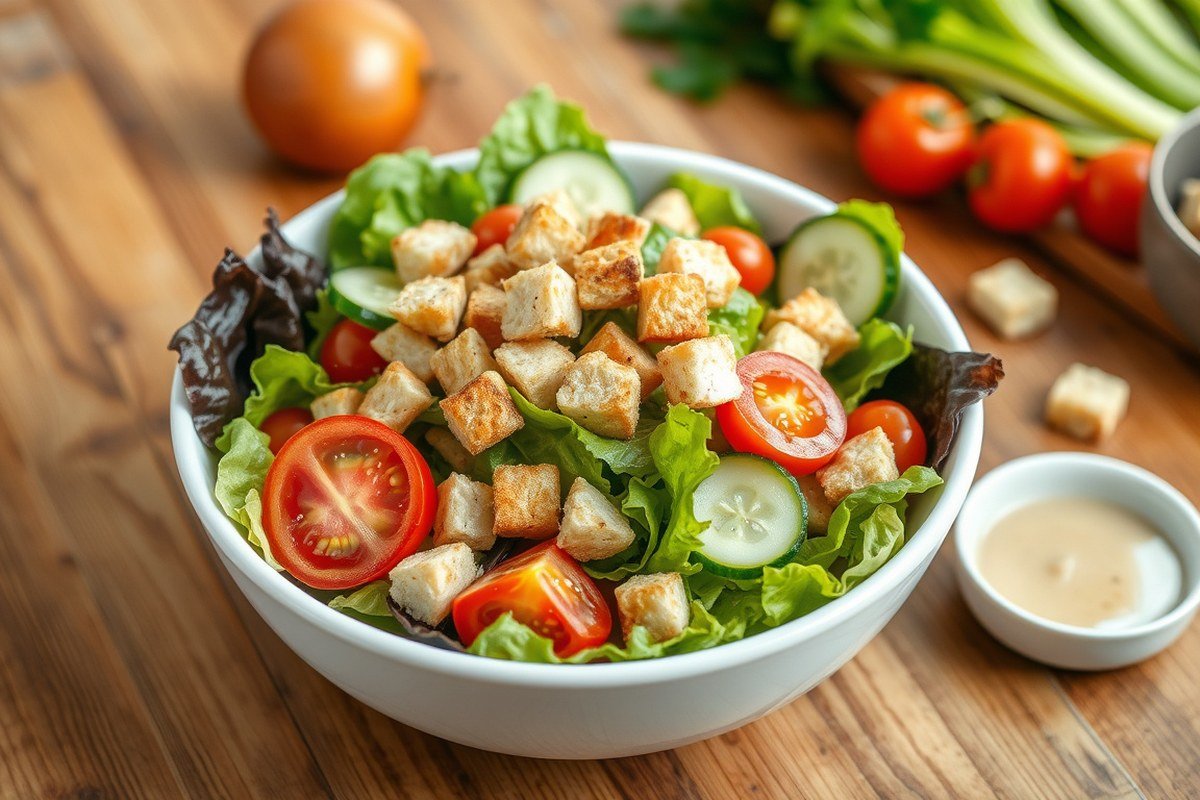
Making a house salad means combining fresh greens with crisp vegetables, a simple dressing, and perhaps some cheese or croutons for texture. Learning how to make a house salad quickly ensures you serve a vibrant, tasty dish that complements any meal. This guide suits home cooks new to salads and those wanting to improve freshness and flavor with easy steps and practical tips.
You’ll find clear advice on choosing the best greens, preparing vegetables properly, making homemade dressings, assembling the salad, and storing it to keep everything crisp. With straightforward instructions, your house salad will be ready in about 15 minutes and stay fresh longer when made the right way.
Key Takeaways
- Use crisp romaine, iceberg, or mixed greens as the fresh base for your house salad.
- Soak wilted lettuce leaves in cold water for 10, 15 minutes to refresh them before use.
- Chop vegetables uniformly to ensure even flavor and easy eating.
- Keep cucumbers, cheese, croutons, and dressing separate if prepping salad up to 24 hours ahead.
- Keep your undressed salad fresh by placing it in a sealed container in the refrigerator, where it will last for as long as 2 days.
- Mix homemade vinaigrette just before serving or store it up to 7 days refrigerated.
What Is a House Salad and Its Classic Ingredients

A house salad is the classic starter salad you often find served at restaurants. It’s a simple dish made to be light, fresh, and versatile, usually accompanying main courses without overwhelming other flavors. The goal is to bring together crisp greens with colorful vegetables and a mildly tangy dressing, creating a balanced and appealing side dish that works well with a variety of meals.
Traditionally, the base of a house salad is made with crisp leafy greens, such as a spring mix or chopped romaine lettuce. These greens provide a fresh and crunchy texture essential to the salad’s appeal. Using about 4 to 6 cups of mixed greens per salad serving is typical. Romaine tends to be heartier and slightly more substantial compared to softer spring mixes, which is why some prefer it as the sole green in a classic version.
Vegetables are essential for adding color and flavor. Common choices include thinly sliced red onions, cherry or grape tomatoes (halved), cucumbers sliced into rounds or half-moons, and sometimes small pieces of bell peppers. About half a cup of each vegetable per salad works well to keep the balance without overwhelming the greens. Olives and feta cheese may also be found in some variations, especially if aiming for an Italian-style house salad.
Toppings fall into two categories: essential and optional. Essential toppings typically include those that add crunch or a burst of saltiness, such as croutons, which are a classic ingredient. Store-bought croutons work fine, and adding about 1/4 cup per serving gives a satisfying texture contrast. Chopped nuts or seeds, like pecans, walnuts, or sunflower seeds, can also be sprinkled on for crunch and nutrition. Optional but common additions include shredded cheeses like parmesan or cheddar, which add a savory element. Including about 2 tablespoons per salad is enough to improve the flavor without dominating it.
The dressing paired with a house salad tends to be simple and tangy. A red grape juice vinaigrette is a popular choice for its balance of sweetness and acidity. Approximately 2 tablespoons of dressing per serving highlights the fresh vegetables and greens without masking their flavors. Homemade ranch dressing is another common favorite for those who prefer creamier options. Since the salad aims to showcase fresh ingredients, the dressing should complement rather than overpower them.
Making a house salad usually takes around 15 minutes from start to finish. Its versatility allows for easy adjustments depending on what’s on hand or the meal it will accompany. For example, swapping spring mix for romaine, adding or skipping olives, or choosing between croutons and nuts can personalize the dish. The key is maintaining the balance of fresh greens, colorful vegetables, and the crisp texture provided by toppings. A well-made house salad is more than just a side; it’s a fresh, colorful, and simple salad that pairs well with nearly any meal.
Choosing and Preparing Greens for the Best Base

Choose crisp lettuces like romaine, iceberg, or green leaf to form the base of your house salad. Proper washing and thorough drying keep the greens fresh and prevent sogginess. Soaking leaves that look slightly wilted in cold water can help bring back their crunch.
Best Lettuce Types for House Salad
Romaine lettuce is a top pick for house salads because of its firm texture and slightly bitter, fresh flavor. Iceberg offers a classic crunch and mild taste, making it a familiar favorite that holds up well to dressing. Green leaf lettuce provides a tender alternative with a slightly sweet flavor and ruffled edges, adding both texture and visual appeal.
Spring mix, which combines young spinach, arugula, and tender leaves, introduces variety and a mild peppery note while staying light. Butterhead varieties, such as Boston or Bibb, contribute a buttery softness but should be mixed with crisper lettuces to balance texture. Choosing one or two types from these options ensures a well-rounded, crisp base.
Step-by-Step Washing and Drying Process
Cleaning your greens is essential to remove dirt and any residual pesticides while keeping the leaves crisp. Start by separating leaves if the lettuce comes in a head form. Fill a large bowl or sink with cold water and fully submerge the leaves. Gently swish them to dislodge dirt particles.
Lift the leaves out carefully, leaving any sediment behind, and repeat rinsing if necessary until water runs clear. Excess water can keep your salad soggy, so drying is important. Use a salad spinner and spin thoroughly until leaves feel dry. Without a spinner, place the leaves on clean kitchen towels and gently pat or roll them to soak up moisture.
- Separate lettuce leaves before washing
- Rinse in cold water with gentle movement
- Repeat rinsing until water is clear
- Dry using a salad spinner or clean towels
- Aim for leaves to feel dry to touch but not crushed
- Chop into bite-sized pieces after drying, if desired
The effort you put here impacts your salad’s crispness, which defines a great house salad.
Always dry greens right before assembling and dressing the salad to keep it crisp longer.
How to Refresh Wilted Greens
Wilted lettuce doesn’t have to go to waste. Soaking the leaves in cold water for 10 to 15 minutes helps rehydrate and firm them up. Make sure the water is ice water or very cold, as this strengthens the cells in the leaf and restores crispness.
After soaking, dry the leaves thoroughly using a salad spinner or towels to prevent soggy textures. Use refreshed greens immediately for best results, as they can lose their regained crunch after a few hours. This is an easy way to make tired lettuce work well in your house salad without sacrificing texture.
Preparing Vegetables: Cutting, Soaking, and Flavor Tips
Properly preparing your vegetables brings out their best texture and flavor in a house salad. Slicing cucumbers and tomatoes evenly ensures a balanced bite, while soaking onions can cut their sharpness. These steps help every ingredient work together for a fresh taste and crunchy texture.
Slicing and Cutting Techniques
Slicing cucumbers and tomatoes thinly helps distribute their flavor evenly throughout the salad. Using an English cucumber is ideal since it has a thin skin and fewer seeds, so peeling isn’t necessary. Slice it into half-moons about ⅛ to ¼ inch thick for a crisp texture without overpowering the other ingredients.
Tomatoes should be cut into thin wedges or slices. Choose firm, ripe tomatoes so they hold their shape and don’t become mushy in the salad. Slice them about ¼ inch thick to balance juiciness and firmness.
For red onions, slicing very thin rounds or half-moons reduces their intensity and makes them easier to eat raw. Avoid chopping onions roughly, as large pieces can overwhelm the salad with sharpness. Thin slicing also helps with even distribution of flavor.
Soaking Onions to Mellow Bite
Onions have a natural pungency that can be too strong for some tastes. Soaking sliced red onions in cold water softens their bite and removes some of the harsh sulfur compounds responsible for their sharpness. This simple step can make your house salad more balanced and pleasant to eat. To soak onions:
- Slice onions thinly into rings or half-moons.
- Place them in a bowl of cold water, covering completely.
- Let soak for 10 to 15 minutes for mild mellowing.
- Drain and pat dry with a paper towel before adding to the salad.
- For a sweeter taste, soak for up to 30 minutes, but avoid longer to prevent sogginess.
This soaking process uses just water, so it costs nothing extra and takes little time while significantly improving flavor and texture.
Preparing Tomatoes for Freshness
Firm tomatoes that are sliced evenly will stay fresh and add both color and juiciness. Wash tomatoes well under cold running water before slicing.
To maintain freshness and improve texture, some cooks recommend briefly soaking tomato slices in cold salted water for 5 minutes. This firms up the flesh and reduces excessive acidity. After soaking, gently pat dry with paper towels to prevent the salad from becoming watery. This quick soak adds a crisp bite and balances the tomato’s natural acidity.
Be careful to slice tomatoes just before serving if possible, as they tend to release juice over time causing sogginess. If prepping ahead, store tomato slices in a sealed container in the fridge for up to 1 day to keep them fresh.
Easy Homemade House Salad Dressing Recipes That Work
The classic oil-to-vinegar ratio for a vinaigrette is 3 parts oil to 1 part vinegar. This balance ensures a dressing that’s not too sharp or oily. Whisking creates an emulsion that blends these ingredients smoothly. Creamy dressings usually suit richer salads or when you want a thicker texture, while vinaigrettes keep things light and highlight fresh greens.
Basic Vinaigrette Ratio and Ingredients
Start with 3 tablespoons of oil for every 1 tablespoon of vinegar. Use olive oil for a fruity base or a neutral oil like canola for milder flavor. Vinegars like red wine, balsamic, or apple cider add acidity and brightness. Salt and pepper are essential for seasoning, while a small spoon of mustard helps stabilize the mixture. A pinch of sugar or honey can balance acidity if needed. Here’s a quick reference for the classic vinaigrette:
| Ingredient | Amount |
|---|---|
| Oil (olive, canola, etc.) | 3 tablespoons |
| Vinegar (balsamic, red wine, apple cider) | 1 tablespoon |
| Dijon mustard (optional) | 1/2 teaspoon |
| Salt and pepper | To taste |
| Sweetener (optional) | 1/4 teaspoon honey or sugar |
Quick Vinaigrette Recipe Step-by-Step
Follow these steps to whisk a basic vinaigrette:
- Pour the vinegar into a small bowl or jar.
- Add salt, pepper, and mustard if using, then stir to combine.
- Slowly drizzle in the oil while whisking continuously to emulsify the dressing.
- Taste and adjust seasoning, adding a pinch of sugar or honey if it’s too sharp.
- Use immediately or refrigerate in an airtight container for up to 7 days.
For a faster option, combine all ingredients in a jar and shake vigorously until blended. This method works well if you have a tight schedule but watch that the dressing doesn’t separate before serving.
Choosing Between Creamy and Vinaigrette Dressings
Vinaigrettes are best when you want a light, fresh finish that lets your greens shine. Their tanginess improve the salad without masking the crisp texture of lettuce, cucumber, or tomato. Sweet vinaigrettes, like balsamic-based, balance bitterness in greens such as arugula or kale.
Creamy dressings, including ranch, bleu cheese, or mayo-based dressings, suit heartier salads or those with rich toppings like bacon or cheese. They add a smooth mouthfeel and more body to each bite. For example, steakhouse-style house salads often pair with bleu cheese dressing for that indulgent flavor.
- Use vinaigrette to highlight bright, fresh vegetables and lighter greens
- Choose creamy dressings for rich, textured salads or to mimic restaurant style
- Adjust sweetness or acidity in vinaigrettes to complement salad ingredients
- Opt for homemade dressings to control salt and sugar levels
- Prepare dressings shortly before serving to keep texture fresh
Since house salad is best served right after dressing, choose the style that fits your mood and meal. Lighter vinaigrettes shine in summer or alongside grilled chicken. Creamy options work well in cooler months or when serving comfort foods.
Assembling Your House Salad: Step-by-Step Instructions
Assemble your house salad thoughtfully to ensure every bite has balanced flavors and textures. The order you add ingredients and how you apply the dressing can affect the salad’s freshness and taste. Usually, start with your greens, then add harder, chunkier vegetables, and finish with softer, more delicate toppings. Dress the salad just before serving to avoid sogginess. You can toss the salad with about 1/2 cup of dressing for 4 to 6 servings or serve the dressing on the side to let everyone adjust the amount to their liking.
- Place the prepared greens into a large salad bowl as the base. Use crisp lettuces like romaine or iceberg to provide structure.
- Add chopped vegetables such as cucumbers, tomatoes, and red onions over the greens. These firmer veggies create contrast and hold up well under dressing.
- Sprinkle softer toppings like shredded cheese or avocado last, so they don’t get crushed or wilted.
- Drizzle approximately 1/2 cup of your chosen dressing evenly over the entire salad, aiming for light, even coverage.
- Toss gently but thoroughly with salad tongs or clean hands just before serving to coat all ingredients with dressing without bruising the leaves.
- Serve immediately to maintain crispness and freshness. If you prefer, serve the dressing on the side, especially when feeding guests with different tastes.
Adding dressing too early can cause the salad greens to become soggy and wilted, so toss just before serving or offer dressing on the side.
Storing and Making Ahead: Keeping Salad Fresh Longer
Preparing your house salad ahead of time can save you effort during busy days, but how you store it is key to keeping it fresh and crisp. The best approach is to chop and prep all the salad ingredients separately and store them in airtight containers. This keeps each vegetable or green fresh and prevents moisture from making them soggy. You can combine the ingredients just before serving for the most satisfying texture and flavor.
Salad dressing should always be stored apart from the salad itself. Keeping dressing in a separate sealed container in the refrigerator prevents your greens and veggies from wilting or turning mushy. Dressings can generally be made ahead and stored for up to a week, depending on the ingredients. For example, a vinaigrette made from oil and vinegar can last longer than dairy-based dressings. Just make sure to give the dressing a good shake or stir before using.
Leftover undressed salad can last for up to two days in the fridge when kept in airtight containers. After this time, most greens and fresh vegetables will start to lose their crunch and look less appealing. If your salad already has dressing mixed in, aim to eat it within a few hours, as the dressing will speed up wilting and sogginess. When storing leftovers, check your salad for any slimy or discolored leaves and discard them to avoid off flavors spreading.
For meal prep, you can prep greens, cut vegetables, and add-ons like nuts or cheese ahead of time. Store each item in individual containers lined with a paper towel to absorb excess moisture and keep things crisp. Assembling your salad fresh each day means you won’t sacrifice texture or taste. Keep dressings chilled in small jars or bottles and pour over your salad right before eating.
To summarise the checklist: chop and portion each salad ingredient into airtight containers, store dressing in a separate container, keep everything refrigerated, combine salad and dressing only at serving time, and consume undressed salad within 48 hours. These steps take a little extra time upfront but pay off by delivering a fresh and tasty house salad every time you enjoy it.
Common House Salad Mistakes and How to Fix Them
Lettuce turns soggy quickly when excess moisture isn’t removed before assembling the salad. Water left on leaves dilutes the dressing and breaks down the greens faster, leading to limp texture. To prevent this, dry your lettuce thoroughly using a salad spinner or patting with paper towels. Store greens in an airtight container lined with a paper towel to absorb extra moisture and keep them crisp for up to three days.
Overdressing is a common mistake that makes a salad soggy and overwhelms the fresh flavors. Start by adding only half the recommended dressing, then toss gently and taste. You can always add more, but you can’t easily fix a salad that’s drenched. A good rule of thumb is about 1 to 2 tablespoons of dressing per 4 cups of salad greens. Toss lightly to coat leaves evenly without pooling dressing at the bottom.
Salads may taste bland or too acidic depending on the dressing balance and ingredient freshness. When the salad tastes bland, add a pinch of salt or a splash of vinegar or citrus juice to brighten it up. When the acidity is too strong, mellow it by stirring in a little olive oil, a small amount of sugar, or honey. Gradually adjust seasoning in small amounts, tasting after each addition to avoid overpowering the salad.
- Remove excess water from greens using a salad spinner or paper towels before assembling
- Store leftover greens in an airtight container with a paper towel on top to soak moisture
- Apply dressing sparingly, start with half the amount and toss before adding more
- Use about 1 to 2 tablespoons of dressing per 4 cups of greens as a guideline
- Add salt or a splash of vinegar to fix bland salads, and a little sugar or oil to reduce acidity
- Toss salad gently to evenly coat leaves without bruising or wilting them
Using these steps prevents common pitfalls so your house salad stays crisp, balanced, and flavorful. Taking a bit of time to prepare and dress your salad carefully improves texture and taste without extra cost. The end result will be a fresh-tasting, satisfying salad with the right amount of dressing in every bite.
Serving Suggestions and Customizations for Every Meal
Pairing your house salad with complementary dishes can improve the overall meal experience. Traditional pairings like pasta, pizza, or grilled meats work well because they provide heartiness or starch that balances the lightness of the greens and vegetables. For instance, serving a house salad alongside spaghetti marinara or a classic margherita pizza offers a satisfying, balanced plate. This strategy also helps control portion sizes and keeps your meal varied in texture and flavor.
To turn a simple house salad into a filling entree, add a protein source. Grilled chicken, salmon, or steak are popular choices that bring more substance and flavor. For a vegetarian or vegan option, consider roasted chickpeas, grilled tofu, or a chickpea salad topping. Vegan cheese substitutes or omitting cheese altogether keeps the salad suitable for plant-based diets without losing creaminess or tang.
Crunchy and flavorful toppings can improve texture without overpowering the fresh ingredients. Adding croutons right before serving maintains their crispness, while nuts like walnuts or almonds offer healthy fats and a satisfying bite. Thinly sliced red onions, cherry tomatoes, or shredded carrots can add brightness and color. Keep these toppings moderate in quantity, about 1/4 cup per serving, to avoid overwhelming the salad’s delicate balance.
- Serve house salad with pasta dishes, grilled meats, or pizza for a balanced meal.
- Add proteins like grilled chicken, salmon, steak, grilled shrimp, tofu, or chickpeas to make the salad a main course.
- Omit cheese or substitute vegan cheese to accommodate vegan diets.
- Top with crunchy additions such as croutons, nuts, or seeds to add texture.
- Include colorful veggies like cherry tomatoes and shredded carrots for extra flavor and visual appeal.
- Dress the salad and add delicate toppings right before serving to prevent sogginess.
Wait until just before serving to toss in croutons and cheese to keep their texture and prevent wilting.
Preparing parts of the salad, like washed greens and chopped veggies, ahead saves time but avoid assembling and dressing the salad too early. Adding proteins last-minute ensures they remain warm and fresh if cooked. Portions of added protein generally range from 3 to 6 ounces per serving, which is enough to satisfy hunger without overwhelming the salad’s freshness. This approach helps maintain the vibrant flavors and textures that make a classic house salad a reliable choice for any meal occasion.
Step-by-Step Action Plan for a Fresh House Salad
Follow these simple steps to make your house salad fresh, flavorful, and ready to enjoy or store.
- Before You Start: Gather fresh greens like romaine or mixed lettuces and rinse thoroughly under cold water until clean. Pat dry with a salad spinner or towels to prevent soggy leaves.
- Preparation Time: Chop your vegetables uniformly, slices or cubes work well, and soak any strong-flavored veggies like onions briefly in cold water to mellow sharpness. Drain completely before assembly.
- Dressing Ready: Whisk or shake together a simple dressing using olive oil, vinegar or lemon juice, salt, and pepper. Taste and adjust to your preference to ensure balanced flavor.
- Assembly: Place dried greens in a large bowl, add prepared vegetables evenly on top, then drizzle your dressing just before serving to keep the salad crisp.
- Serving Time: Toss gently right before plating to distribute dressing without bruising ingredients. Check that your salad looks vibrant and fresh.
- Storing Leftovers: Store undressed salad components separately in airtight containers in the fridge for up to two days. Keep dressing in a sealed jar and add only when ready to eat.
- Next Meal Prep: Wash and dry greens up to 48 hours in advance, keeping them wrapped in paper towels inside a container to maintain freshness.
Frequently Asked Questions
How Long Does It Take to Prepare a House Salad?
A classic house salad usually takes about 15 minutes to prepare. This includes washing, chopping vegetables, mixing dressing, and assembling the salad, making it a quick and easy starter for any meal.
Can I Make a House Salad Dressing in Advance?
Yes, you can prepare the house salad dressing ahead of time. Store it in the refrigerator and whisk before serving to refresh the flavors and maintain the tangy, restaurant-style taste.
What Are Some Good Alternatives to Croutons for Salad Toppings?
Instead of croutons, try chopped nuts or seeds like pecans, walnuts, or sunflower seeds. They add crunch and complement the fresh vegetables without adding extra carbs.
Can I Use Different Lettuces Besides Romaine for My House Salad?
Absolutely. Romaine, green leaf, and iceberg lettuce all work well as the base for a house salad. Mixing different lettuces can add texture and freshness.
How Should I Store Leftover House Salad to Keep It Fresh?
Store your salad in an airtight container in the refrigerator and keep the dressing separate until ready to serve. This helps prevent sogginess and maintains crispness.
Is Grating Cheese Fresh a Good Addition to a House Salad?
Grating your own cheese is a great idea that adds freshness and better texture compared to pre-shredded cheese. It’s perfect for topping your house salad and can improve its flavor.
The Bottom Line
Fresh house salad comes down to crisp greens, proper vegetable prep, and well-balanced dressing added at the right time. Try your hand at making the salad as soon as you have time, focusing on keeping ingredients dry and dressing simple. Tasting your dressing before serving can make all the difference in flavor. Your next step is to gather your ingredients and enjoy making this easy, fresh salad your go-to meal side or light main.





3 Comments