How to Keep Lettuce Fresh: Effective Tips for Crisp, Long-Lasting Greens
To keep lettuce fresh, the key is controlling moisture and temperature while providing enough airflow. Rinse lettuce leaves gently, dry thoroughly, and store them loosely wrapped in paper towels inside a breathable container or perforated bag in the refrigerator. This approach slows spoilage and maintains crispness for up to a week or more.
Lettuce is highly perishable due to its high water content and delicate cellular structure. When moisture accumulates, it accelerates wilting and decay, which is why proper drying and storage conditions matter significantly. Keeping lettuce fresh not only maintains its texture and flavor but also helps reduce food waste and saves money.
This guide breaks down easy and practical methods for keeping lettuce fresh, from washing and drying techniques to storage container options and temperature considerations. You'll also learn how to recognize lettuce that’s past its prime and get tips for reviving slightly wilted leaves.
Proper Washing and Drying Techniques for Fresh Lettuce

Washing Lettuce Safely Without Damaging Leaves
Rinse lettuce under cold, running water to remove dirt and potential pesticides. Avoid using soaps or detergents which can leave residues and pose health risks. Submerging the leaves in a bowl of cold water for a few minutes also helps loosen soil particles, especially for curly or leafy varieties.
Gentle handling during washing is crucial, as bruised or torn leaves tend to spoil faster. Using your hands instead of brushes reduces damage. After rinsing, examine leaves for any signs of sliminess or discoloration and remove these immediately to prevent spreading.
Drying Lettuce Thoroughly to Prevent Wilt and Decay
Excess moisture is the enemy of freshness, causing leaves to become soggy and encouraging bacterial growth. Use a salad spinner with a mesh basket or several layers of paper towels to absorb water efficiently after washing.
If using paper towels, spread leaves out on a clean towel, pat gently, then let air dry for a few minutes. Make sure lettuce is as dry as possible before storage, as trapped moisture inside storage bags triggers faster degradation.
Choosing the Best Storage Methods to Keep Lettuce Fresh

Using Containers and Bags to Maintain Ideal Storage Conditions
Store lettuce in breathable containers or perforated plastic bags that allow some airflow to prevent moisture buildup. Wrapping lettuce loosely in dry paper towels inside containers helps wick away any condensation during refrigeration.
Specialized salad storage containers with vent controls are effective for regulating humidity and airflow. Alternatively, resealable bags with small holes punched can substitute but make sure not to seal lettuce tightly to avoid trapping excess moisture.
- Perforated plastic bags
- Salad storage containers with vents
- Paper towel lining inside containers
For more on this, see our related guide: How to Make a House Salad: A Complete Guide for Fresh, Crisp Results.
Avoiding Common Storage Mistakes that Cause Spoilage
Avoid washing lettuce before storing if you don’t plan to use it immediately; excess moisture can accelerate spoilage. Instead, wash just before eating.
Do not store lettuce near ethylene-producing fruits like apples or bananas, as ethylene gas speeds up decomposition. Also, avoid overcrowding storage space to allow cold air circulation around the leaves.
Temperature and Location Tips for Lettuce Storage

Optimal Refrigerator Settings for Lettuce Preservation
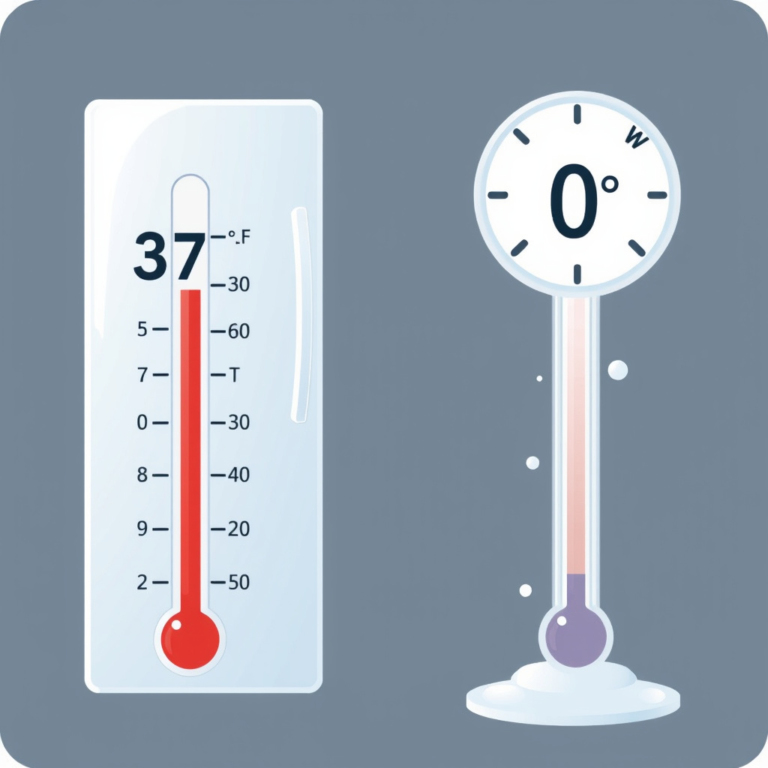
Keep the refrigerator temperature between 32-36°F (0-2°C) to slow bacterial growth and enzymatic decay in lettuce. The crisper drawer is ideal because it offers slightly higher humidity, helping maintain leaf moisture without condensation.
Avoid placing lettuce near the freezer compartment or back wall where temperatures can drop too low and cause freezing damage to the leaves.
Storage Alternatives When Refrigerator Space Is Limited
If refrigerator space is tight, consider storing lettuce in a cool pantry where temperatures stay below 50°F (10°C). Wrap the leaves in paper towels and place them in parchment-lined containers to maintain crispness.
Avoid storing lettuce near heat sources or in plastic bags without airflow, as this will accelerate wilting and decay.
Recognizing and Reviving Lettuce That’s Losing Freshness

Signs Your Lettuce Is Past Its Peak
Wilting, browning edges, slimy or mushy texture, and an off smell indicate lettuce is no longer fresh. Leaves turning yellow or translucent are often signs of cell breakdown and spoilage.
It's best to discard leaves that show these signs, as they can affect the flavor and texture of the entire batch.
For more on this, see our related guide: What Is a Breakfast Special? A Complete Guide to Deals, Menus & Making Your Own.
Ways to Refresh Slightly Wilted Lettuce
Immersing lettuce in very cold water or ice water for 10-15 minutes can help rehydrate drooping leaves and restore some crispness. After soaking, dry thoroughly with paper towels or a salad spinner to remove excess moisture.
Using this method works best for leaves that are only mildly wilted and have not begun to decay or discolor significantly.
Additional Tips and Tricks for Maximizing Lettuce Freshness

Handling and Preparing Lettuce to Extend Shelf Life
Cut lettuce only before use, as slicing damages cell walls and speeds spoilage. Keep whole heads intact where possible, removing only outer damaged leaves.
Using clean knives and cutting boards reduces contamination risk. Avoid crushing or compressing lettuce during transport and storage.
For detailed food safety guidelines on handling and storing lettuce, the USDA provides trusted lettuce storage guidelines. lettuce storage guidelines.
Choosing Lettuce Varieties That Stay Fresh Longer
Certain lettuce types like Romaine and iceberg generally hold up better than delicate leafy varieties like butterhead or loose leaf when stored correctly.
Selecting compact heads with firm leaves reduces chances of bruising. Also, baby lettuce greens tend to spoil faster than mature leaves due to higher moisture levels.
Comparison of Lettuce Storage Methods
This table compares various common lettuce storage options based on freshness retention, ease of use, and cost efficiency.
| Storage Method | Freshness Duration | Ease of Use | Cost |
|---|---|---|---|
| Paper Towel + Plastic Bag | 5-7 days | Easy | Low |
| Salad Storage Container with Vents | 7-10 days | Moderate | Medium |
| Perforated Plastic Bag | 5-7 days | Easy | Low |
| Unwashed Lettuce in Crisper Drawer | 3-5 days | Easy | No extra cost |
| Ice Water Refresh Method | Extends by 1-2 days | Moderate | No extra cost |
Frequently Asked Questions
Can I store lettuce without washing it first?
Yes, if you don’t plan to use lettuce immediately, it’s better to store it unwashed to prevent extra moisture that promotes spoilage. Wash just before consumption.
How long does lettuce typically stay fresh in the fridge?
With proper storage, lettuce can remain fresh for about 5-10 days, depending on the variety and techniques used to control moisture and temperature.
Is it safe to eat lettuce with brown edges?
Brown or slimy edges usually indicate beginning spoilage and can affect taste and texture. It’s best to cut away browned parts or discard if the damage is extensive.
What is the best way to store lettuce in a busy refrigerator?
Use a dedicated salad storage container with vents and line it with paper towels. Keep it in the crisper drawer away from ethylene-producing fruits to maximize freshness.
Can freezing lettuce help keep it fresh longer?
Freezing lettuce isn’t recommended as it causes cellular damage leading to mushy texture when thawed. It’s best to use fresh or preserve with cold storage.
Key Takeaways
- Dry lettuce thoroughly before storing to prevent spoilage.
- Use breathable containers or perforated bags to maintain freshness.
- Keep lettuce cold, ideally in the crisper drawer at 32-36°F.
- Revive slightly wilted leaves by soaking briefly in cold water.
Conclusion
Keeping lettuce fresh involves managing moisture levels, temperature, and airflow carefully from the moment you bring it home. Washing and drying leaves properly limits excess water that accelerates decay, while chilled storage slows bacterial growth. Using breathable containers lined with paper towels tweaks the environment to extend crispness and flavor for days longer than typical fridge storage alone. Learning to identify early spoilage signs helps you save what remains usable and avoid waste.
For those who prefer a hands-off approach, unwashed lettuce in the crisper drawer provides reasonable freshness for several days. Salad storage containers with vent options and perforated bags represent moderately priced, easy solutions favored by many home cooks. In contrast, delicate leafy varieties require extra care compared to heartier types like Romaine or iceberg, which naturally resist wilting better. Refreshing wilted leaves with cold water offers a quick fix for short-term storage lapses, especially before serving.
Ultimately, starting with quality lettuce and choosing the best way to store lettuce based on your kitchen setup and usage patterns will keep your greens fresh and appetizing longer. Try the methods highlighted here yourself and adjust according to your preferences and consumption schedule. With a little attention upfront, you can enjoy crisp, flavorful lettuce that brightens salads and dishes throughout the week.