What Are the Best Places to Visit in Dauphin County a Complete Guide with Top Attractions
What are the best places to visit in Dauphin County? Start with Indian Echo Caverns for stunning natural cave tours and the extensive historical archives for a deep dive into local heritage. Enjoy outdoor activities at nearby parks with easy trails and explore unique spots beyond the usual tourist stops. This information suits visitors who want to experience the varied attractions of Dauphin County, Pennsylvania, from nature to history.
You’ll find recommendations on top sites, museums, outdoor adventures, hidden gems, and local dining options. These highlights will help plan a memorable visit, whether you’re here for a quick trip or a full day exploring the county’s offerings.
Key Takeaways
- Visit Indian Echo Caverns, just 3 miles west of Hershey, for impressive cave tours and geological sights.
- Explore the Dauphin County archives to learn about 130 years of local history through 20,000 items.
- Take short, accessible hikes near Harrisburg for easy nature experiences without much travel time.
- Include museums and wildlife parks to cover a variety of educational and family-friendly attractions.
- Seek out smaller, lesser-known spots to enjoy quieter, unique experiences off the main tourist paths.
- Plan at least one full day to visit a mix of top attractions and sample local cuisine.
Top Must-See Attractions in Dauphin County

Dauphin County offers a variety of attractions that suit different interests, from family-friendly parks to historic sites. Hersheypark is a top destination for families, featuring rides, a water park, and seasonal events that cater to all ages. It costs around $40 to $70 per person depending on the season and ticket type, making it an accessible choice if you’re looking to spend a full day with entertainment and dining options on site.
For history buffs, the State Museum of Pennsylvania stands out. It showcases the state’s natural and cultural history with interactive exhibits suitable for both adults and children. Admission is free, encouraging visitors to explore without worrying about costs. Plan to spend about two hours here to see the main exhibits, and check their schedule for temporary shows or special programs.
Nature lovers will appreciate Wildwood Park in Harrisburg, which offers trails, gardens, and a nature center perfect for relaxing or hiking. The park is free to enter and open year-round, making it easy to visit any day. Bring comfortable shoes for walking the trails, and consider a picnic to enjoy the scenic views along the Susquehanna River.
- Hersheypark: amusement rides, water park, family-friendly events
- State Museum of Pennsylvania: free, interactive exhibits, suitable for all ages
- Wildwood Park: trails, gardens, nature center, free access
- Pennsylvania National Fire Museum: great for history lovers, focuses on firefighting history
- Fort Hunter Mansion and Park: historic site with gardens and river views, good for families
- Susquehanna Art Museum: regional art collections and frequent exhibitions
Choosing the right attraction depends on your group and interests. Families tend to prefer Hersheypark because of its variety and full-day entertainment options. History enthusiasts will find the State Museum and Pennsylvania National Fire Museum informative and engaging. If you want to connect with nature, Wildwood Park offers a peaceful escape without any entry fees or strict schedules.
Keep in mind seasonal variations. Hersheypark is busiest during summer and holidays, so buy tickets online in advance to avoid lines. The museums generally have consistent hours but check before you go for any special events or closures. Visiting parks like Wildwood early in the morning or on weekdays can offer a quieter experience if you want to avoid crowds.
Exploring Dauphin County’s Rich History and Museums
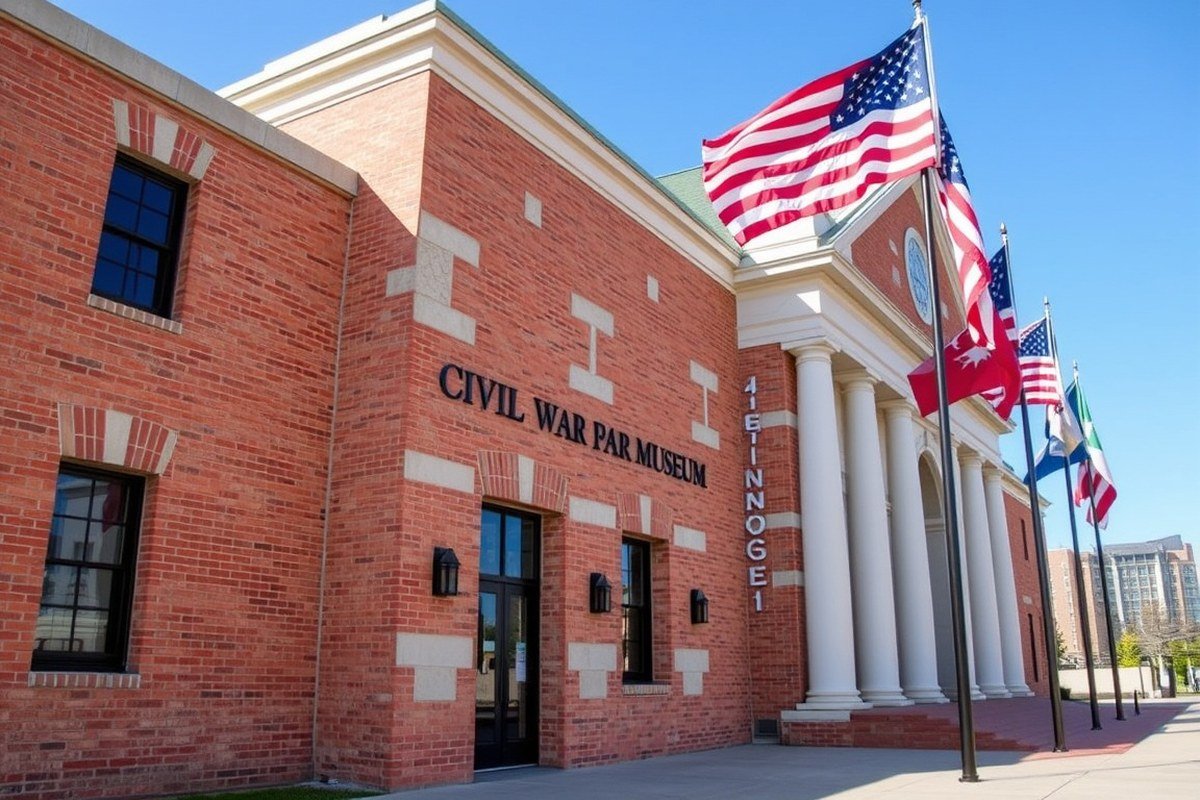
Dauphin County offers a range of historical museums and sites where you can explore American history from multiple angles. The National Civil War Museum, Fort Hunter Mansion and Park, and the State Museum of Pennsylvania are top choices that provide interactive or immersive experiences. Typical visits last between one and three hours, giving a well-paced overview without feeling rushed. Visiting different sites depends on whether you want deep dives or a broad introduction to the county’s past.
National Civil War Museum Highlights
The National Civil War Museum in Harrisburg stands out for its complete portrayal of the entire Civil War. The museum uses interactive exhibits and multimedia presentations to engage visitors with the conflict’s causes, battles, and effects on the nation. You can expect to spend about two to three hours here, allowing time to view artifacts, personal narratives, and detailed timelines that explain the war’s complexity from both Union and Confederate perspectives.
Special exhibits change regularly but often include hands-on displays or soldier life reenactments that deepen understanding. The museum also offers guided tours on scheduled days, which can help you make the most of your visit if you want expert context. Admission is typically under $15 for adults, with discounts for seniors and children, making it affordable for families or groups.
Plan your visit on a weekday or early in the day to avoid crowds and have a quieter, more personal experience.
Fort Hunter Mansion and Park Experience
Fort Hunter Mansion and Park showcases life from the 1700s and 1800s beside the Susquehanna River. The mansion blends historic architecture with scenic surroundings and provides guided tours that typically last between 45 minutes and an hour. Visitors hear stories about colonial times, the area’s early settlers, and the mansion’s involvement during the Civil War era.
The surrounding park lets you enjoy nature and history together, with walking paths and interpretive signs explaining the local landscape and historical events. Fort Hunter also hosts seasonal events like historical reenactments and craft demonstrations, which provide interactive experiences, especially suitable for families or history buffs. There is no admission fee for the park itself, but guided mansion tours usually require a small fee or reservation.
State Museum of Pennsylvania Exhibits
Located next to the State Capitol in Harrisburg, the State Museum of Pennsylvania covers a broad spectrum beyond just local history, including art and natural science. Exhibits showcase Pennsylvania’s cultural heritage, industrial past, and archaeological finds, spanning thousands of years.
The museum offers both permanent and rotating exhibits, and interactive displays that appeal to visitors of all ages. Typical visits take about one to two hours depending on your interest level. Admission tends to be free or very low cost, making it a budget-friendly option. This site is ideal if you want to understand Dauphin County’s role within the larger state history without committing to a lengthy visit.
Nature and Outdoor Activities in Dauphin County Parks
Dauphin County is an excellent place to enjoy the outdoors, thanks to its varied parks, well-marked trails, and access to the scenic Susquehanna River. You can find hiking routes for different skill levels, family-friendly spots, and plenty of opportunities for activities like fishing, paddling, and birdwatching. Preparing for your visit with the right gear and timing helps you make the most of these natural spaces.
Wildwood Park Trails and Features
Wildwood Park offers easy and moderate trails ideal for families and casual hikers who want to explore diverse landscapes without strenuous effort. The park features wooded areas, open meadows, and wetlands, making it a great place for birdwatching and wildlife spotting. Trails here typically range from 1 to 3 miles in length, with flat to gently rolling terrain. The best seasons to visit are spring through fall when the flora and fauna are at their peak.
Families will find picnic areas and a playground, making it a nice spot for a whole-day outing. The park also hosts educational programs that can enrich your experience. Expect to wear comfortable walking shoes and bring water, insect repellent, and sun protection as the trails can be exposed in some areas.
Boyd Big Tree Preserve and Its Hiking Options
Boyd Big Tree Preserve is a 1,025-acre conservation area known for its impressive old-growth trees and scenic hiking trails that vary from easy to moderate difficulty. The preserve has roughly 10 miles of trails winding through towering tulip poplars, oaks, and hemlocks. Trails typically take 1 to 3 hours to complete depending on your pace and chosen route.
The preserve is open year-round, but spring and fall offer the most comfortable temperatures, usually between 50 to 70 degrees Fahrenheit. Prepare by bringing sturdy hiking boots, water, and a trail map, which is available online or at the entrance. The quiet environment is great for peaceful nature walks, photography, and learning about local ecology. Watch for uneven ground and tree roots on forest trails.
- Trail length ranges from 1 to 10 miles depending on route
- Gentle elevation changes, mostly moderate difficulty
- Open year-round; best in spring and fall
- Bring sturdy walking shoes and trail map
- Opportunities for birdwatching and plant identification
- Quiet, low-traffic trails for passive recreation
Paxton Creek and Susquehanna River Parks
Along the Susquehanna River and Paxton Creek, several parks offer a variety of activities like paddling, fishing, and easy walking paths. These parks deliver scenic views of the river and surrounding landscapes and are especially popular during warmer months, from late spring through early fall. Walking trails along Paxton Creek are generally flat and under two miles, offering a gentle experience suitable for all ages.
For paddling or fishing, check local guidelines and consider renting equipment nearby if you do not bring your own. These river parks also provide open spaces for family picnics and seasonal events. Bringing sunscreen, a hat, water shoes, and insect spray is advisable since riverfront areas can get sunny and buggy. Visitors should also prepare for occasional crowds during weekends and holidays by arriving early or visiting on weekdays.
- Flat, easy walking trails under 2 miles
- Paddling and fishing access points along the Susquehanna River
- Picnic areas and open fields for family activities
- Seasonal peaks from late spring to early fall
- Bring sun protection and insect repellent
- Plan for parking and crowd levels on weekends
Unique and Hidden Gems Worth Visiting in Dauphin County
Indian Echo Caverns, located just 3 miles west of Hershey, offers a cool underground experience less crowded than popular Pennsylvania caves. The caverns stretch roughly one mile underground and maintain a steady 52 degrees Fahrenheit year-round, making visits refreshing even in summer. Guided tours last about 45 minutes, showcasing impressive limestone formations. Admission costs vary: adults pay around $10, children ages 3-11 about $7, with discounts for seniors and military personnel.
For wildlife enthusiasts, the Fort Hunter Mansion and Park features peaceful trails along the Susquehanna River and a chance to spot local animals away from busier recreation areas. Birdwatching here is rewarding from spring through fall due to the variety of species migrating through the region.
Those looking for something quirky might appreciate the charm of ChocolateTown Brewing Company in Harrisburg. It offers locally crafted beers inspired by the area’s confectionery heritage. Tasting flights are affordable, usually around $10, giving you a sample of five different brews. The brewery hosts occasional themed events that add to the fun. Hidden gems in Dauphin County invite visitors to try these experiences:
- Explore Indian Echo Caverns with a guided underground tour to admire unique rock formations.
- Walk or bike the quiet trails at Fort Hunter Mansion and Park for scenic river views and birdwatching.
- Visit ChocolateTown Brewing Company for local beer tasting inspired by the region’s sweet heritage.
- Stop by the Millersburg Ferry for a historic Pennsylvania ferry boat ride across the Susquehanna River, a relaxing detour from typical tourist spots.
- Discover the Whitaker Center’s SciTech Labs for interactive science exhibits off the well-known museum circuit.
- Check out local art galleries in smaller communities like Lykens for a taste of regional creativity.
The Millersburg Ferry, operating seasonally from mid-April to late November, offers a ride lasting about 20 minutes, costing around $5 per vehicle and $2 for pedestrians. This quiet trip across the Susquehanna provides unique views locals enjoy and fewer tourists experience.
Whitaker Center’s SciTech Labs, located in Harrisburg, have reasonable admission fees (about $14 per adult) and welcome families for hands-on experiments beyond traditional museum exhibits. Visitors can spend 2 to 3 hours exploring interactive displays, perfect for a break from outdoor pursuits.
Planning your route to include these places depends on your interests and timing. Visit caves early in the day to avoid crowds. Stop at breweries or galleries later in the afternoon. Seasonal considerations matter: the ferry only runs warm months, and wildlife viewing peaks during migration seasons. These spots provide distinct, memorable experiences off the usual tourist track in Dauphin County.
How to Spend a Full Day Visiting Dauphin County Attractions
Planning a one-day trip to Dauphin County requires a smart approach to fit in top attractions without feeling rushed. Start early to make the most of daylight hours and group sites that are close to each other. Prioritizing your interests, like history or nature, will help tailor your route efficiently. Allow enough time at each stop so you can enjoy without cutting corners, typically 1 to 2 hours per major attraction works well, with extra time for meals or shopping.
Here’s a step-by-step itinerary format to maximize your day, combining key places within reasonable driving times. This plan assumes starting around 9:00 a.m. And ending by early evening to avoid fatigue and traffic.
- Begin your day at a historical museum: Spend about 1.5 hours exploring a main museum in Harrisburg to get a solid introduction to the county’s heritage. Arriving at opening time can avoid crowds.
- Drive to a nearby park for outdoor time: Allocate 1 to 1.5 hours for walking trails or a gentle hike. Choose a park within 10 to 15 minutes from the museum to minimize travel. Bring water and wear comfortable shoes.
- Enjoy lunch at a local eatery: Select a place featuring Dauphin County cuisine or family-friendly spots. Allow at least 1 hour here to relax and recharge.
- Visit a unique shopping district or boutique area: Spend around 1 hour browsing local stores, ideal for picking up souvenirs. Choose a location known for its variety of shops within a 10-minute drive from lunch.
- Explore a hidden gem or lesser-known attraction: Dedicate 1 hour to a special site off the beaten path, which adds variety and personal interest to your tour.
- End the day with a scenic overlook or waterfront walk: Allow 30 to 45 minutes to unwind before heading back. Pick a spot that is readily accessible and offers easy parking.
Adjust the timing based on your interests and the season; longer daylight in summer can allow later visits or an extra stop. Keep track of operating hours, as some attractions may close earlier in winter or on certain weekdays.
Start your trip early and check each location’s hours in advance to avoid out-of-service surprises, especially during off-season months.
Dining and Local Cuisine Experiences to Try in Dauphin County
Local markets and small-town cafés emphasize fresh, regional ingredients, reflecting Dauphin County’s agricultural strength. Prices typically range from $10 to $25 per entrée, depending on the restaurant’s style. Visitors should consider dining earlier in the evening on weekends to avoid peak wait times, especially during holiday weekends when local events draw crowds. Booking a table in advance can secure spots at popular farm-to-table restaurants focused on sustainability and seasonal menus. For a casual breakfast or brunch, diners known for scrapple and homemade pies provide a glimpse into local traditions. Many open around 7 a.m., giving early risers a chance to start their day with authentic dishes. This works well if you plan outdoor activities afterward. Lunchtime near museums or parks offers lighter options like fresh salads or sandwiches highlighting Pennsylvania Dutch spices and fresh-baked bread. Those exploring regional wineries or nearby shopping districts will find bistros serving gourmet versions of traditional dishes. Combining local wines or craft brews with dishes like chicken pot pie creates a cultural dining experience. Tasting menus or small plates allow adults to sample multiple specialties without committing to a full meal, usually priced between $20 and $40 for a multi-course option. Taking a food tour can be a practical way to experience several signature dishes in a short time. Some tours focus on sampling pastries, pies, and savory snacks while highlighting the history behind each item, combining eating with education at approximately $30 to $50 per person. This approach suits visitors who prefer variety and a guided introduction to Dauphin County’s culinary scene.
The Dauphin County Parks Passport: What It Is and How to Use It
Dauphin County offers a free mobile program called the Parks Passport that invites visitors to visit various park sites and check in at specific spots. Joining the program is easy, and you can collect rewards that make your time in the parks more enjoyable.
Signing Up for the Parks Passport
Signing up for the Parks Passport is quick and free. It gives you access to an interactive platform where you can view all participating parks and start earning rewards just by visiting. You will need your smartphone to sign up and participate.
- Visit the official Dauphin County Parks Passport website or download the app if available.
- Create your free account by entering your name, email address, and a secure password.
- Confirm your registration via the email confirmation sent to your inbox.
- Log in to your account and review the map of participating parks in Dauphin County.
- Familiarize yourself with the check-in process and rewards system.
How Check-Ins Work and Track Visits
Once registered, you can start visiting parks and checking in to track your visits. Check-ins are done via your phone using GPS or QR codes located at each park. You must be physically present to earn credit for the visit.
All your check-ins are recorded in your Parks Passport account, allowing you to monitor your progress. The program encourages visiting multiple parks by offering rewards as you accumulate check-ins over time.
Redeeming Rewards and Special Offers
Rewards in the Dauphin County Parks Passport program can include discounts on park events, local dining offers, and exclusive merchandise. To redeem rewards, make sure your check-ins are up to date in your account.
Once you qualify for a reward, you will receive a notification with instructions on how to claim it. Some rewards may require presenting a QR code at a visitor center or partnering local businesses. Keep in mind some offers are time-sensitive and limited to certain periods or park locations.
Tips for Visiting Dauphin County Safely and Easily
Getting around Dauphin County is straightforward, especially if you base yourself near Hershey or Harrisburg. Driving is the most common way to reach attractions, and parking is generally available at major sites like parks and museums. Most have free lots close to the entrance, but during peak seasons such as fall foliage weekends or summer holidays, these lots can fill quickly. Arriving early, before 10 a.m., increases your chance of snagging a convenient spot. For shorter trips within Hershey, walking or biking works well, as the town is compact and bike-friendly. Ride-sharing services are also available but may be less frequent outside of urban centers.
Many attractions in Dauphin County have made efforts to be accessible for visitors with disabilities. Trails such as the 0.3-mile loop near main parking areas are typically wheelchair friendly. However, extended trails like Hackers, Cliff, and Buchanan involve more rugged terrain and may not be suitable for all mobility levels. Museums and community centers often provide ramps, elevators, and accessible restrooms. It’s wise to call ahead and confirm accessibility features before planning your visit to avoid surprises.
Outdoor adventures are popular here, but safety should be a priority. Trails can vary from short loops to challenging hikes, so bring sturdy footwear and water. Weather fluctuates by season; summers are mild and sunny, but keeping hydration and sun protection in mind is essential. Fall offers cool temperatures and vibrant colors but can bring wet or slick conditions on trails. For kayaking or fishing, check local conditions and wear personal flotation devices. Always let someone know your plans if venturing onto less trafficked paths or waters. Carrying a map or having a GPS app with offline capabilities adds a layer of security in case of spotty cell reception.
Visitors planning outdoor activities should pack a basic safety checklist, including water, layered clothing, a first aid kit, and a phone charger. Sunscreen and insect repellent are must-haves, especially from late spring through early fall when insects are more active. Even short hikes can take over an hour if you explore connected trails, so timing your visit to finish before dusk helps avoid visibility issues. When attending events or visiting busy attractions, keep an eye on personal belongings and follow any posted guidelines or instructions from staff.
Bring a printed trail map or download an offline version before setting out since some park areas have limited cellphone reception.
Your Dauphin County Visit: Quick-Start Action Plan
Follow this step-by-step plan to make the most of your trip to Dauphin County and ensure you hit all the best spots smoothly.
- Before you arrive: Download the Dauphin County Parks Passport app or pick up a physical copy. Use it to map out the parks and attractions you want to visit, so you’ll save time and enjoy rewards.
- Day 1 morning: Start at the Hershey Gardens to experience local nature and the unique butterfly house. Check that you have a ticket and a map to guide your walk.
- Day 1 afternoon: Head to the Hershey Story Museum to explore the town’s chocolate history. Note your entry time and plan at least 2 hours to cover exhibits comfortably.
- Day 2 morning: Visit Fort Hunter Mansion and Park for a quick historical tour and outdoor stroll. Confirm opening hours ahead and allocate 1 to 2 hours for a fulfilling visit.
- Day 2 evening: Try local dining in Harrisburg’s downtown area. Choose a recommended spot with local cuisine and check reviews beforehand to guarantee a satisfying meal.
- Day 3 morning: Discover a hidden gem like Wildwood Park, enjoying less crowded trails. Bring a trail map and watch for bird species to enrich your experience.
- Each evening: Review your Parks Passport progress and plan the next day’s route to cover missed spots or revisit favorites.
Frequently Asked Questions
What Are the Best Places to Visit in Dauphin County?
The best places to visit include Fort Hunter Mansion and Park, the Historical Society of Dauphin County, and several county parks. Each offers unique history, beautiful scenery, and engaging activities worth your time.
What Are Some Fun Things to Do in Dauphin County, PA?
Fun activities include hiking in county parks, touring historic sites, and exploring local museums. These options provide a great mix of outdoor adventure and cultural experiences.
What Is the #1 Tourist Attraction in Pennsylvania?
The #1 tourist attraction in Pennsylvania is the Liberty Bell in Philadelphia. While outside Dauphin County, the area still offers significant historic sites like Fort Hunter Mansion.
What Is Dauphin County Known For?
Dauphin County is known for its rich colonial history, thriving parks, and as the location of Pennsylvania’s capital, Harrisburg. Its historical landmarks and natural spaces stand out to visitors.
What Are Some Hidden Gems in Harrisburg, PA?
Hidden gems include smaller historic houses, local art galleries, and lesser-known trails in city parks. These spots offer quieter, unique experiences away from typical tourist routes.
Which Town Is the Best Base for Visiting Dauphin County Attractions?
Harrisburg is the best base, providing central access to history, parks, and dining options for exploring the county.
Final Thoughts
Visiting Dauphin County gives you a blend of nature, history, and unique local culture in a compact area. Start planning your itinerary now by choosing a mix of parks, museums, and dining spots that suit your interests. Booking tickets online early will help you avoid crowds and make the most of your time in this diverse Pennsylvania destination.






One Comment