What Is the Population of Millersburg PA? Detailed Facts and Insights
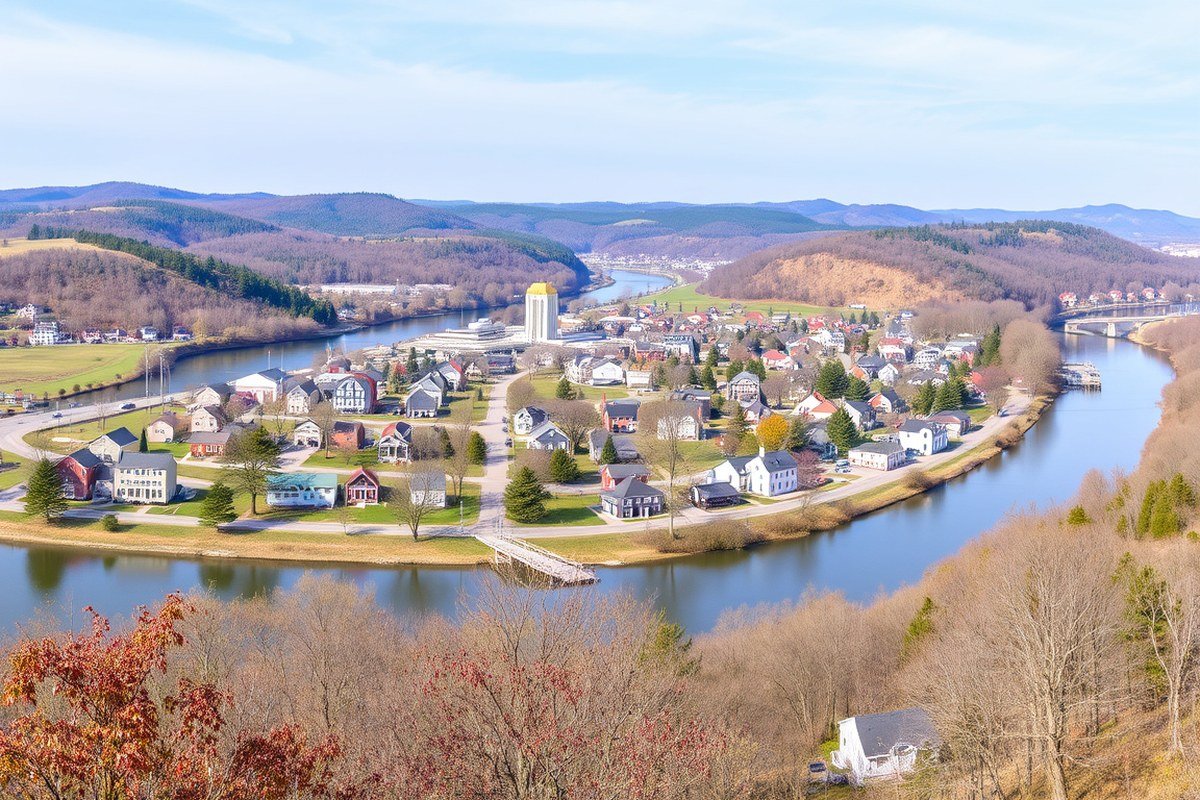
Millersburg, Pennsylvania, has a population of roughly 2,546 residents and a median age of 35.3 years. Located in Dauphin County, this small borough lies beside the Susquehanna River and is known for its close-knit community atmosphere.
This overview fits those researching local demographics or considering Millersburg as a place to live. You’ll find clear information about population size, age distribution, and demographic trends shaping the community.
Key Takeaways
- Millersburg’s population slightly declined by 1.68% over the last decade, reflecting modest demographic shifts.
- About 16.8% of residents are 65 or older, indicating a welcoming environment for retirees.
- The community has a 100% US citizenship rate, higher than the national average.
- Households that consist of families make up just over half, at 50.1% of the total.
- Per capita income of $30,123 positions Millersburg as lower middle income compared to state and national levels.
- Millersburg lies along Pennsylvania Route 147 with accessible transportation links to nearby towns.
Current Population Size of Millersburg, PA
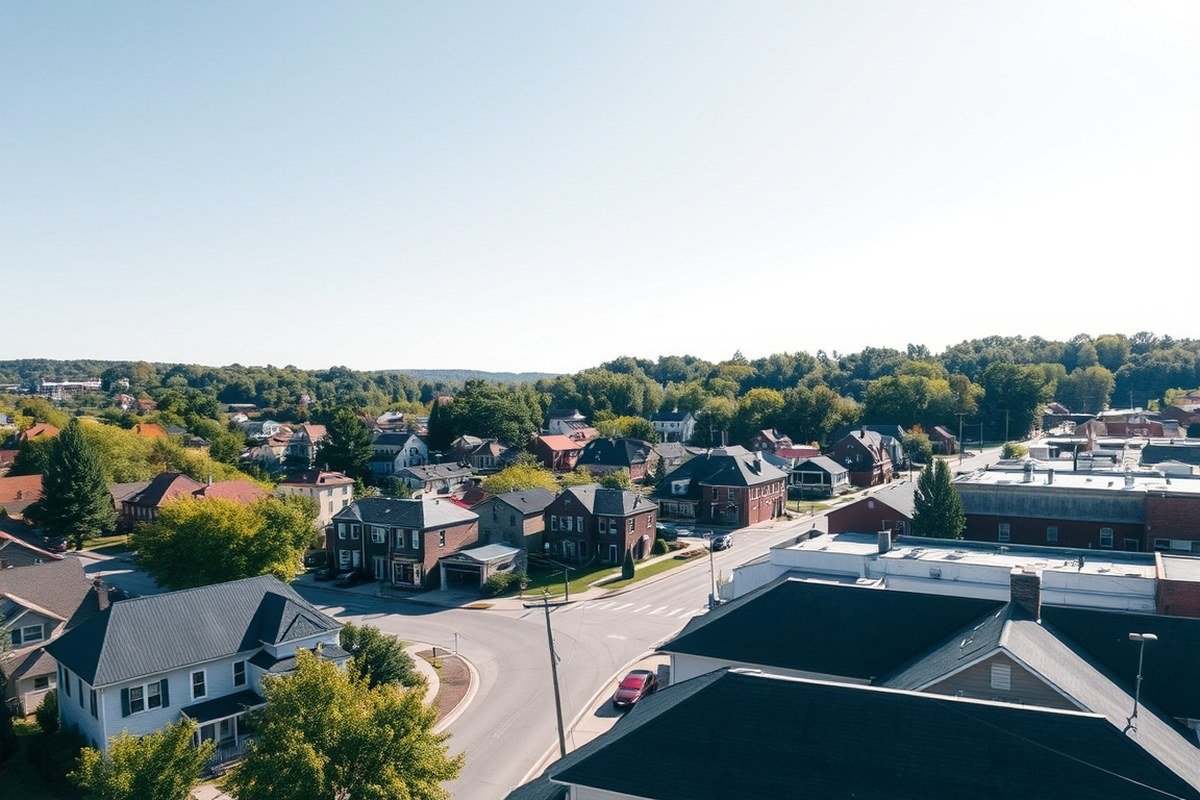
Millersburg, Pennsylvania, has a total population of 2,546 residents as of 2024. This population size reflects a small, close-knit community where local events and interactions often involve familiar faces. The borough covers a compact area, resulting in a population density of approximately 3,290 residents per square mile (1,270 per square kilometer). This density is relatively high compared to rural surroundings but typical for a borough with a small land area and a concentrated residential pattern.
Citizenship status in Millersburg is notable for its uniformity; 100% of the residents are U.S. Citizens, which exceeds the national citizenship rate of about 93%. The borough’s high citizenship rate indicates a stable, native population with relatively few foreign-born residents. Approximately 24 residents, or 0.948%, were born outside the United States, which is much lower than the national average of 14%. Despite this, all residents hold American citizenship.
The population density reflects the borough’s size of around 0.77 square miles, leading to closer living quarters than in most rural parts of Dauphin County. This level of density supports easier access to community services and promotes social cohesion but can limit space for new developments or large private lots. The balance Millersburg strikes allows for a relaxed lifestyle with enough local activity to sustain amenities without overcrowding.
Knowing the exact population and citizenship characteristics helps when evaluating community needs or planning public services. For instance, Millersburg’s senior population accounts for 16.8%, with 427 residents aged 65 or older, emphasizing the importance of health and social support systems tailored to retirees and older adults. Public safety and medical services benefit from this demographic information to match resources to resident needs efficiently.
Tracking population numbers and density influences everything from zoning decisions to school and infrastructure funding. Staying current with these figures ensures that local government can address growth or decline appropriately. The slight population decrease noted from previous census data signals the importance of monitoring community changes over time.
Population Trends and Changes over Time
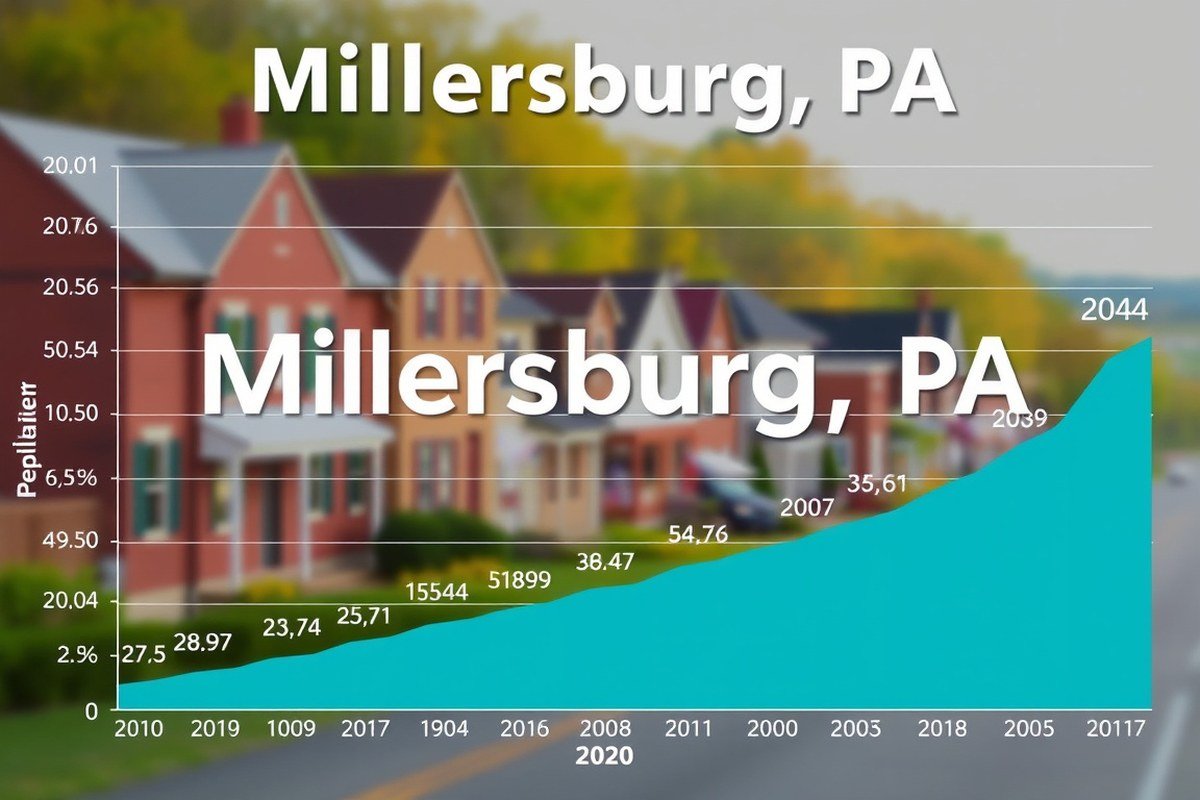
The population of Millersburg, PA, has experienced a slight decline over the past decade and a half, which is important for understanding local economic and community planning. The population counted by the 2010 Census was 2,557, while the 2020 Census showed it at 2,541. This represents a small decrease over ten years, reflecting demographic shifts such as aging residents or limited in-migration. Understanding these changes helps anticipate future community needs and infrastructure requirements. The following table shows population figures from 2010 through 2024 with percentage changes, illustrating the gradual population trend in the borough.
| Year | Population | % Change from Previous Year |
|---|---|---|
| 2010 | 2,557 | N/A (Census) |
| 2011 | 2,522 | -1.37% |
| 2020 | 2,541 | +0.75% (from 2010 baseline) |
| 2022 | 2,514 | -1.06% |
| 2024 (estimated) | 2,500 | -0.56% (estimate) |
The fluctuations above include annual decreases in the early 2010s, a small rebound by 2020, and a steady decline in recent estimated years. These trends suggest a stable but slowly shrinking population, likely influenced by factors such as limited job growth, younger residents moving to larger cities, and an aging population. For those considering moving to or investing in Millersburg, this demographic information helps set realistic expectations about community size and growth.
Projecting population trends ahead, local planners and analysts expect Millersburg’s population to remain fairly steady with a slight decrease due to ongoing demographic patterns. This slow decline may affect housing demand, school enrolment, and local service needs. Monitoring such trends regularly can assist in making informed decisions about resource allocation and community development.
Practical tip: Keep track of yearly population estimates from local government sources to stay updated on demographic shifts, especially if your plans depend on long-term community growth or stability.
Age and Racial Demographics of Residents
The population of Millersburg, PA is predominantly White, with very small percentages of other racial groups. Seniors make up a significant portion of the community, particularly those over 65, reflecting the borough’s focus on providing age-friendly amenities and healthcare. The Hispanic or Latino population is represented but remains a minority segment within the borough.
Breakdown of Age Groups
Millersburg’s residents include a mix of age groups, with seniors comprising a noticeable share of the community. Youth populations, including teenagers and young adults, are present but less prominent compared to the senior segment. About 41% of residents aged 15 and older report being married, which suggests many adults are well-established in family or partnership settings. The presence of only one skilled nursing facility indicates that while senior care is available, the area may not have a large institutional elderly population.
The balance between youth and seniors matters because it shapes community resources, schools, recreation, and healthcare services. You’ll find parks and green spaces that appeal to all ages, but particularly those designed to maintain seniors’ mobility and offer gentle physical activities.
Racial and Ethnic Composition
The racial makeup is overwhelmingly White, with over 98% of residents identifying as such. Other racial groups such as African American, Native American, Asian, and those reporting two or more races constitute very small portions of the population. Hispanic or Latino residents, while present, are a minority and often are included within the White-Hispanic classification or among those identifying as two or more races.
Understanding this composition helps you gauge the community’s diversity and cultural landscape. The limited racial diversity can influence social dynamics, access to culturally specific services, and the variety of community programming offered. This community racial and ethnic data can shape how organizations and researchers approach initiatives or resource planning.
| Demographic Group | Percentage or Number |
|---|---|
| White | 98.52% |
| African American | 0.23% |
| Native American | 0.12% |
| Asian | 0.51% |
| Other races | 0.31% |
| Two or more races | 0.31% |
| White (Hispanic) | 208 individuals |
| Strong populations include two specific racial groups aside from ‘other’ and individuals identifying with three or more races, all classified as Non-Hispanic. | 116 individuals |
This table underlines Millersburg’s predominantly White makeup alongside the smallest racial minority groups and Hispanic representation by number.
Senior Population Highlights
Seniors over 65 represent a key demographic in Millersburg. The borough offers a peaceful environment with easy access to parks, riverside walks, and health care facilities tailored for older adults. With one dedicated skilled nursing home, the Northern Dauphin Nursing and Rehabilitation Center, there is support available, though the senior living options are limited locally.
Seniors benefit from low living costs relative to larger cities in Pennsylvania, which helps them maintain an active lifestyle without undue financial pressure. Public spaces like Memorial Park next to the Susquehanna River provide a safe, pleasant area for seniors to walk or gather, supporting both mobility and social well-being. This focus on seniors shapes the character of Millersburg and influences its community services and amenities planning.
Households, Families, and Living Conditions
Millersburg has 1,213 households, with about half of them classified as family households. Specifically, 50.1% are families while the remaining 49.9% consist of individuals or non-family groups. Understanding these household types matters because it affects community needs such as schools, healthcare, and social services.
The average household size in Millersburg is 2.11 people, and the average family size is slightly larger at 2.78 individuals. These averages show relatively small household units compared to national figures, reflecting a mix of single residents, couples, and small families.
Owner-occupied housing represents just over half of the available housing units, with a 51.2% homeownership rate in 2024. The remaining 48.8% of housing units are rentals or vacant. This split between owners and renters influences the stability of neighborhoods and local investment in property upkeep.
- 1,213 total households in the borough
- 50.1% of households are families
- 37.8% of all households are made up of individuals
- 20.4% of households have someone 65 or older living alone
- 51.2% homeownership rate in 2024
- Average household size: 2.11 people
- Average family size: 2.78 people
Among family households, 44% are married couples living together. About 9.3% have a female householder with no husband present, which signals a portion of single-parent families. Nearly a quarter of households, 24.4%, include children under 18, pointing to a demand for education resources and youth services.
The balance of homeowners to renters affects both housing market dynamics and community engagement. Homeowners tend to invest more in property maintenance and local programs, while renters may bring more transient populations. Since more than half of Millersburg’s housing units are owner-occupied, this suggests a level of residential stability, although the sizeable rental share requires attention to affordable rental housing conditions.
Economic Status: Income, Employment, and Housing Costs
The median household income in Millersburg, PA stands at $54,421, which plays a key role in shaping residents’ economic well-being. The per capita income for the borough is $19,217, indicating individual earning capacity after accounting for total population. This income level supports the local cost of living, which includes housing, one of the largest household expenses.
Employment in Millersburg shows variation depending on gender, with men earning a median income of $29,625 and women $23,205. The industries offering the best median earnings for men include Construction at $85,278, Public Administration at $84,375, and a combined sector of Educational Services, Health Care, and Social Assistance at $66,442. For women, the highest median earnings come from Educational Services, Health Care, and Social Assistance at $45,066, followed by Transportation, Warehousing, and Utilities at $44,271, and Professional, Scientific, Management, Administrative, and Waste Management Services at $43,542. These figures highlight industry sectors with promising earning potential, which may influence job seekers and residents considering career options locally.
Housing in Millersburg is notably affordable compared to both state and national averages. The median owner-occupied home value is approximately $134,500 to $135,200, less than half the national average home value of $332,700. This affordability opens opportunities for first-time homebuyers or investors looking for reasonable entry costs. Renters face a median gross rent of $812 per month, which corresponds to roughly 17.9 percent of the median household income. Compared with typical affordability standards, where housing costs above 30 percent of income are considered burdensome, residents in Millersburg generally face manageable housing expenses.
Knowing how to calculate the income-to-housing cost ratio is useful to assess affordability. To do this, divide the annual housing cost by the annual household income and multiply by 100. For example, with $812 monthly rent, multiply by 12 for an annual total of $9,744. Then, divide $9,744 by the median income of $54,421 and multiply by 100, resulting in about 17.9 percent. This low ratio suggests that typical residents are unlikely to be overburdened by housing costs relative to their income. However, variations in income or rent could change this ratio significantly for individual households.
Keep in mind that large shifts in income or rising housing costs may require re-evaluating your housing budget to avoid financial strain.
The balance of moderately high incomes in certain sectors and low housing costs provides Millersburg residents with economic advantages uncommon in many regions. However, those seeking employment in lower-paying industries may find these figures less representative of their personal situation. Careful consideration of job opportunities and housing affordability is advisable before relocating or making financial decisions in this area.
Geography, Location, and Transportation Links
Millersburg, Pennsylvania, is situated in the northwestern part of Dauphin County on the eastern bank of the Susquehanna River. This location influences local transportation and population movement, especially through the Millersburg Ferry, which continues to serve as a key river crossing. The borough’s geography and transportation infrastructure shape commuting patterns and daily life for residents.
Key Roads and River Crossings
The primary transportation corridors serving Millersburg include state routes that link the borough to larger highways in Dauphin County and surrounding areas. Convenient road access facilitates travel toward Harrisburg and neighboring towns. The Millersburg Ferry, operating on the Susquehanna River, provides a historical and functional river crossing directly connecting Millersburg with the Halifax area across the river. This ferry is the last wooden-stern paddle-wheel ferry in the United States and plays a unique role in local travel, especially for those commuting or accessing recreational sites on either side of the river.
Local transit options further support mobility. Rabbittransit offers fixed-route bus service connecting Millersburg to Harrisburg, important for commuters and residents without personal vehicles. Paratransit services provide door-to-door rides for seniors and individuals with mobility challenges, ensuring access to healthcare and community services. Together, these transportation routes and services facilitate both daily commuting and recreational outings, serving a diverse range of travel needs within the borough.
Proximity to Major Cities and Towns
Millersburg lies within convenient distance of Harrisburg, the state capital, roughly 25 miles to the south. This proximity allows residents access to broader employment opportunities, healthcare facilities, and urban amenities. The connection via Rabbittransit and key highways makes commuting into Harrisburg manageable, impacting the local workforce and housing patterns.
Across the Susquehanna River to the west is Halifax, which provides additional community and recreational options. Halifax Park, with paved paths and benches, attracts seniors and those seeking low-impact outdoor activities. The close relationship between Millersburg and neighboring towns on both sides of the river creates a small regional network that affects population distribution, social interaction, and community resources.
Impact of Geography on Population
The Susquehanna River shapes much of Millersburg’s character and lifestyle. Its presence supports outdoor activities like walking along river trails and engaging in wellness-focused community events. Natural features related to the river also influence local weather patterns, with humid summers that may trigger heat advisories affecting more vulnerable residents and a spring pollen season that impacts allergies.
The borough’s relatively flat terrain and planned walkways improve walkability, which is a positive factor for resident health and social engagement. Safe crosswalks and minimal hills make daily travel easier, especially for older adults. However, the river’s location also imposes limits on expansion, as development must accommodate flood zones and preserve natural areas. These geographic factors contribute to the population density and the steady nature of growth, with a community layout geared toward sustainable living along the riverbanks.
Community Services and Amenities Supporting Residents
Millersburg, PA, provides residents with access to essential community services that support healthcare, senior living, education, and emergency needs. These services ensure residents across age groups maintain quality care and convenience close to home. Options include specialized senior care facilities, public schools, and several hospitals within reachable distances.
Senior Living and Medical Care
Seniors in Millersburg can access skilled nursing and rehabilitation services close by, which support ongoing medical needs and recovery after a hospital stay. The Northern Dauphin Nursing and Rehabilitation Center is located just a few minutes away and specializes in elder care, including memory support for individuals with dementia or Alzheimer’s disease. Residents, typically in their 80s, receive round-the-clock assistance with therapy and daily tasks.
In addition to residential care, seniors benefit from transportation options like the Dauphin County Area Agency on Aging’s shuttle service. This program provides free or low-cost rides to medical appointments and community centers, which helps maintain independence and access to necessary services despite limited public transit in rural settings.
- Skilled nursing and rehabilitation at Northern Dauphin Nursing and Rehabilitation Center
- Memory care programs embedded in skilled nursing services
- Senior-friendly meal options at local eateries such as Millersburg Diner
- Senior shuttle services coordinated by the Dauphin County Area Agency on Aging
- Safe, walkable streets supporting mobility for older adults
These resources collectively support aging residents by addressing healthcare needs, daily living assistance, and mobility challenges within a small-town environment.
Public and Private Schools Serving the Area
Millersburg residents have access to public schooling through the Millersburg Area School District, which operates several elementary, middle, and high schools that serve the local youth population. These schools offer foundational education and extracurricular activities supporting community engagement.
A few private and parochial schools located in surrounding towns provide alternative options for families prioritizing specialized curricula or religious education. Transportation to these schools is generally organized within the district or privately by parents, catering to children of various ages and educational preferences.
Emergency and Healthcare Facilities
Several hospitals serve the Millersburg community with emergency and specialized medical treatments. Geisinger Holy Spirit Hospital, situated about 20 miles from Millersburg in Camp Hill, delivers emergency services and geriatric care important for urgent senior health issues. Hershey Medical Center, located roughly 30 miles away, offers advanced treatments like neurology and cancer care, acting as a key facility for referrals.
Other important facilities include UPMC Pinnacle Harrisburg Hospital, around 25 miles distant, specializing in cardiology and orthopedics, fields important to managing age-related conditions. For immediate or less severe healthcare needs, residents may use local clinics or urgent care centers within the broader Dauphin County area. Public transportation through Rabbittransit facilitates access to these facilities, improving options for those without private vehicles.
- Geisinger Holy Spirit Hospital in Camp Hill (20 miles)
- Hershey Medical Center in Hershey (30 miles)
- UPMC Pinnacle Harrisburg Hospital (25 miles)
- Urgent care centers in Dauphin County
- Rabbittransit public transit connecting to healthcare facilities
These institutions underpin reliable emergency response and specialized healthcare access for Millersburg residents across all age groups.
Demographic Stability and Population Diversity Factors
Population stability in Millersburg, PA, is influenced by relatively low migration rates and steady local residency patterns. Most residents tend to remain in the community for extended periods, contributing to a stable population base. This stability is partly due to limited local immigration, as Millersburg does not experience high rates of new arrivals from outside the United States, which typically impacts population dynamics in larger urban areas. Citizenship rates among residents are predominantly native-born, reflecting low immigration levels and a relatively homogeneous population regarding citizenship status.
Resident mobility is moderate to low, meaning fewer people move in or out compared to more transient or urban communities. This lower churn rate contributes to community cohesion but can also slow shifts in demographic diversity. Researchers and prospective residents can gauge this stability by consulting U.S. Census migration flow tables or local municipal records that track address changes and new housing permits. Tracking these factors annually helps reveal trends in how fixed or mobile the population is, which affects community services and economic planning.
Diversity in Millersburg is generally less pronounced compared to nearby larger towns, such as Harrisburg or towns closer to metropolitan hubs. The racial and ethnic makeup leans heavily toward a white majority, with smaller percentages of minority groups. Although diversity has been increasing slowly over recent decades, it remains less varied when contrasted with bigger cities in Dauphin County. Direct comparisons using census data on race, ethnicity, and language spoken at home provide an exact measure of how Millersburg stacks up diversity-wise. These data help determine the community’s cultural complexity and the need for inclusive programs or multilingual services.
Understanding population stability and diversity involves analyzing multiple factors such as migration rates, immigration status, racial composition, and the presence of different cultural groups. To systematically assess Millersburg’s demographic dynamics, start by reviewing the most recent American Community Survey data, focusing on migration and citizenship columns. Compare those figures with regional benchmarks, like Dauphin County or Pennsylvania state averages, to highlight differences or similarities. Applying these comparisons quarterly or annually provides up-to-date insights critical for community planning or research projects.
This approach requires access to census databases and some familiarity with interpreting demographic statistics, which can be undertaken with freely available tools such as the U.S. Census Bureau’s data portals. While it does demand investment in time to gather and analyze data, the payoff lies in creating actionable profiles of population stability and diversity. Such profiles are essential for government agencies, researchers, or potential residents aiming to understand how welcoming, dynamic, or steady Millersburg’s community environment might be.
Check the latest American Community Survey data annually to monitor any shifts in Millersburg’s migration and citizenship patterns, as these can signal important changes in community stability or diversity over time.
Getting to Know Millersburg: Steps to Understand Its Population and Community
Use this plan to explore Millersburg’s population and community traits before deciding to move, invest, or study the area.
- Day 1: Check the latest US Census data for Millersburg to confirm current population size and major demographic groups. You’ll know you’ve succeeded when you have exact numbers for residents and their age breakdowns.
- Week 1: Review local economic reports or government sites to understand average incomes, employment rates, and housing costs. Recognize improvements or challenges by comparing these figures to previous years.
- Week 2: Map Millersburg’s location and transportation options using online tools or local maps to assess accessibility and commute times. This helps you gauge how well-connected the borough is to nearby towns or cities.
- Week 3: Explore community services such as schools, healthcare, and recreation facilities by visiting official borough websites or local forums. Confirm availability and quality by reading resident reviews or service ratings.
- Week 4: Investigate population diversity and stability by finding recent demographic studies or municipal planning documents. You’ll know you are informed when you understand the factors influencing growth or decline and diversity trends.
- Ongoing: Stay updated on Millersburg’s changes by signing up for local newsletters or following community social media pages. This keeps you aware of new developments or initiatives affecting residents.
Frequently Asked Questions
Is Millersburg, Pennsylvania a Good Place to Live?
Millersburg is a small borough with a population of 2,546 offering a peaceful, tight-knit community. Its affordability and welcoming environment make it attractive, especially for retirees.
What Is There to Do in Millersburg, PA?
Millersburg features local shops, historical sites, and outdoor activities along the Susquehanna River. Residents enjoy a relaxed pace with access to nearby towns for additional amenities.
What Is the Smallest Town by Population in Pennsylvania?
The smallest town populations vary widely, but Millersburg, with 2,546 residents, is among the smaller boroughs. Some Pennsylvania towns have fewer residents, especially in rural counties.
What Is the Crime Rate in Millersburg, PA?
Millersburg generally has a lower crime rate compared to larger cities in Pennsylvania, reflecting its small community environment. Residents experience a safer atmosphere with close community ties.
How Far Is Millersburg from Major Cities in Pennsylvania?
Millersburg lies about 29 miles north to Sunbury and 13 miles south to larger urban centers via Route 147, offering reasonable access to city amenities.
Does Millersburg Have Public Transportation Options?
Public transportation in Millersburg is limited, with most residents relying on private vehicles for travel within and outside the borough.
Final Thoughts
Millersburg’s population reflects a small, stable community with modest economic opportunities and accessible amenities typical of a borough its size. Learning about its demographic makeup and local services gives you a clearer picture of what daily life is like there. To move forward, consider reaching out to local real estate agents or community planners to get first-hand information on current housing and growth prospects.