How to Make Crab Dip: A Complete Guide with Tips and Variations
Making crab dip is simple and rewarding: mix fresh or canned crab with creamy cheese and seasonings, then bake or chill for serving. This method fits any skill level and suits occasions from casual gatherings to special treats. You’ll learn how to make crab dip step-by-step, which ingredients work best, and how to choose between hot or cold versions for your taste.
This guide covers baking instructions to get the perfect golden top, creative twists to customize flavors, storage tips for leftovers, and common mistakes to avoid. Making crab dip for a party or a simple treat gets easier with these tips to ensure your dish turns out tasty and satisfying.
Key Takeaways
- Use fresh or canned crab meat for convenience and flavor balance in your crab dip.
- Preheat your oven to 350°F (177°C) when making hot crab dip to ensure even baking.
- Bake crab dip for 20 to 30 minutes until it’s hot, bubbly, and topped with golden crust.
- Chill crab dip when serving cold and use creamy cheeses for a smooth texture.
- Keep any leftover crab dip fresh by placing it in a sealed container inside your refrigerator, where it will stay good for up to four days.
- Let baked crab dip cool for about 10 minutes before serving to thicken properly.
How to Make Crab Dip Step-by-Step
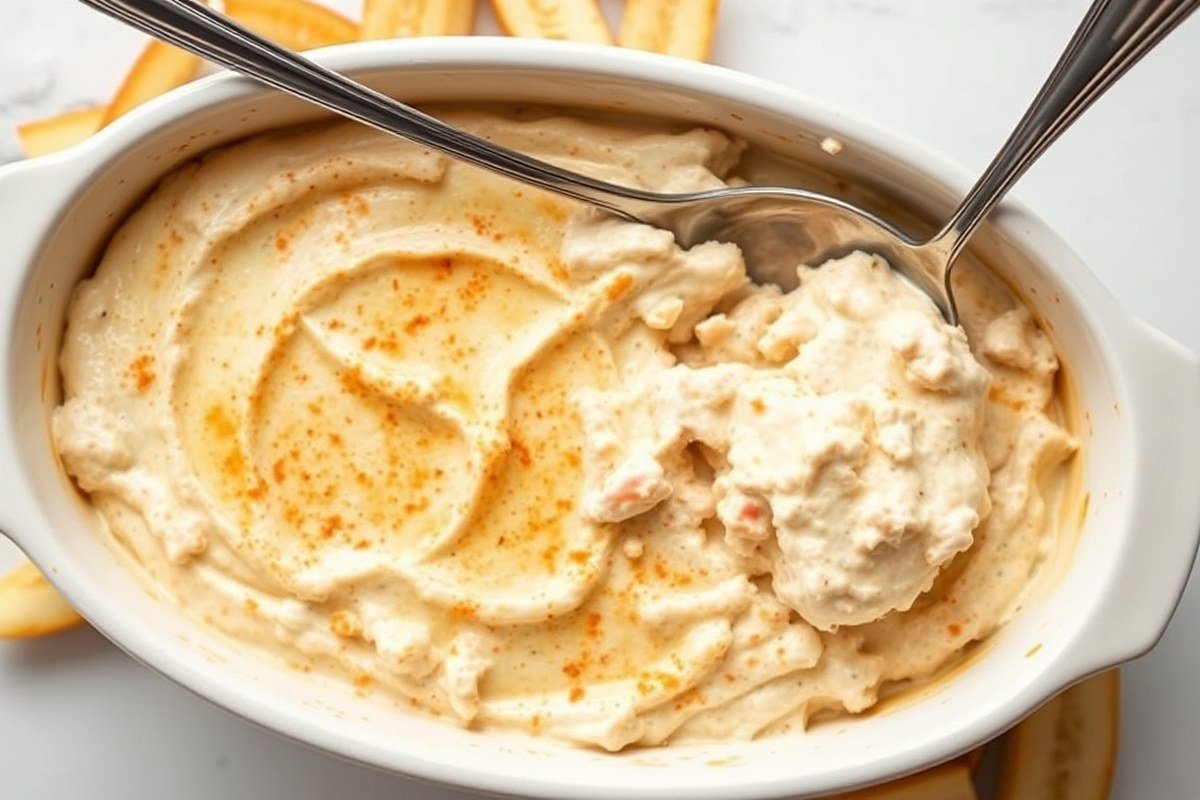
Making crab dip involves simple steps that bring out the rich flavor of crab paired with creamy textures. Mixing ingredients properly ensures a smooth, flavorful dip that can be enjoyed hot or cold. Baking the dip develops a golden top layer and warm, bubbly center, which is often preferred for gatherings.
Follow these steps carefully to make your crab dip from mixing to serving. Baking is recommended for the best experience, but chilling works if you want to serve it cold.
- Preheat the oven to 350°F (177°C) if you plan to serve the dip hot. This temperature allows the dip to heat evenly without burning the cheese topping.
- Combine the ingredients except for the final cheese topping. Mix crab meat with cream cheese and any seasonings or extras like Old Bay seasoning or hot sauce. Stir until you have a smooth, even mixture with no lumps.
- Transfer the mixture into a medium casserole or baking dish. Spread it out evenly to promote uniform heating and browning when baking.
- Add the cheese topping of your choice on top of the mixture. This will melt and brown during baking, creating a desirable golden crust.
- To prevent spills, set the baking dish on a small baking sheet before placing it in the preheated oven. Let the dip bake for 25 minutes, or until the cheese melts, turns a light golden color, and bubbles start to appear along the edges.
- Remove from oven and let the dip cool slightly before serving. Hot crab dip is best enjoyed warm to bring out all the layered flavors and creamy texture.
- For cold crab dip, skip the baking step. Instead, stir in 3 more tablespoons of cheddar cheese for better flavor and texture and chill the dip before serving.
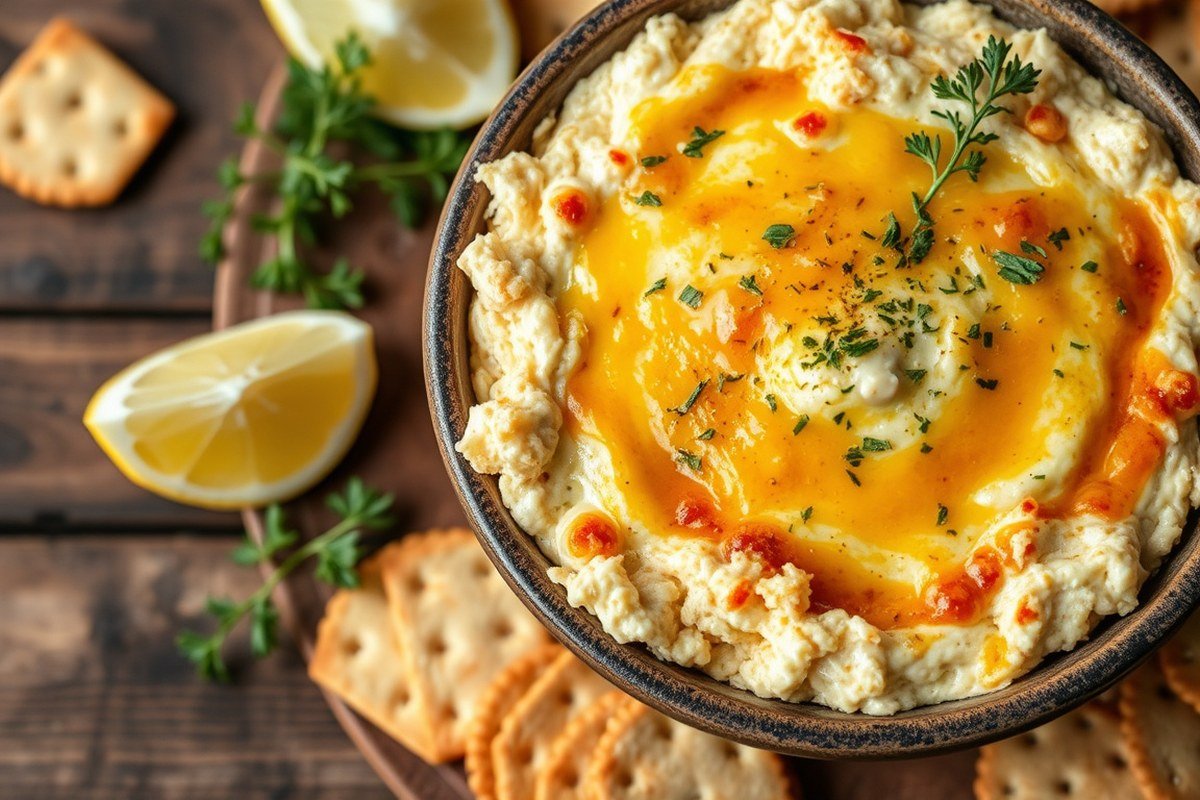
Good results show a bubbly dip with a golden cheese topping and a creamy texture throughout. The balance of crab flavor with cream cheese should shine through. Overbaking can dry out the dip or burn the cheese, so watch the baking time closely.
Besides baking, cold crab dip is quicker and avoids heating. You won’t get the melted cheese crust, but chilling allows flavors to meld. Add extra cheddar for better flavor and texture in the cold version. For best flavor and safety, consume homemade crab dip within 3 to 5 days, storing it in an airtight container in the fridge.
Best Ingredients to Use for Crab Dip
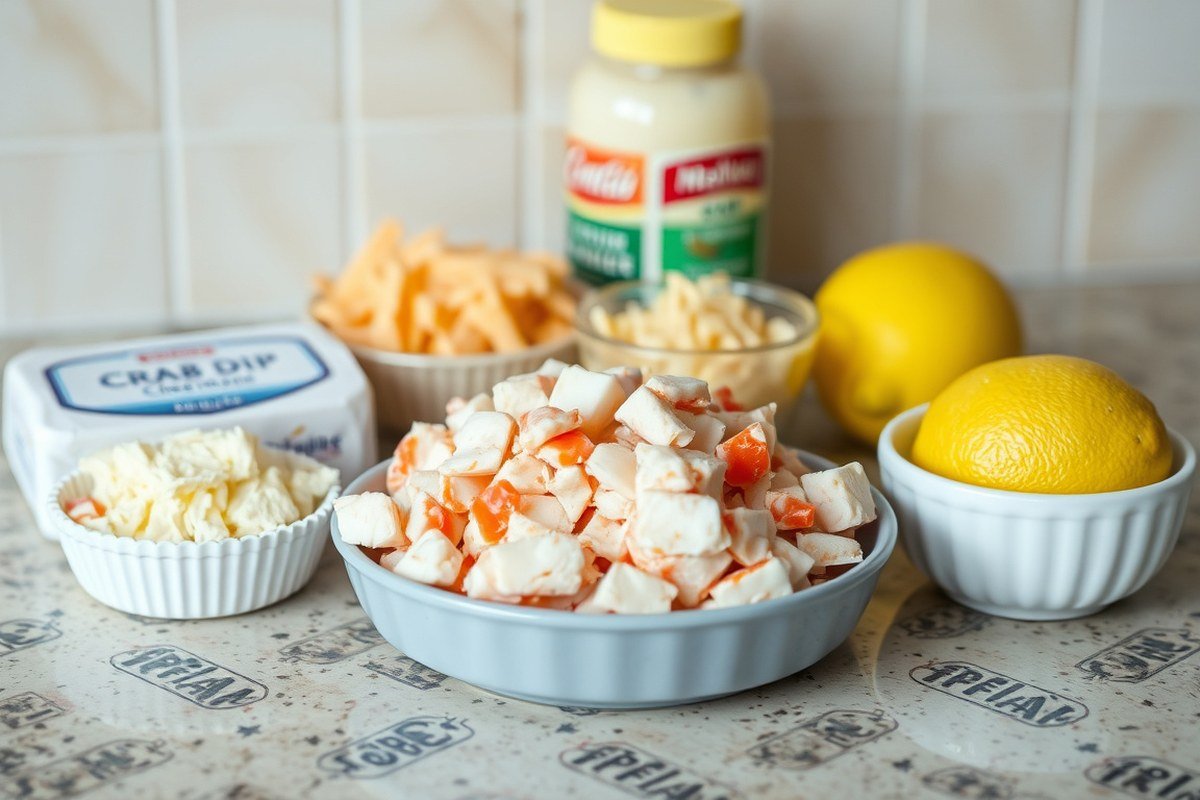
The best crab dip comes from using fresh lump crab meat, a balanced mix of creamy bases, and cheeses that melt well to add flavor without overshadowing the crab. Simple fresh ingredients like parsley or lemon zest bring brightness, while substitutions can be made with care to maintain texture and taste. Understanding your ingredients helps you control the flavor and consistency perfectly.
Types of Crab Meat Explained
Fresh lump crab meat is the top choice for crab dip because it retains a natural, delicate flavor and firm texture that stands out. This type of crab meat includes whole lumps, offering a fresh fishy taste that defines the dip’s quality. When fresh lump crab isn’t available, canned crab meat can be used as a budget-friendly alternative, though it tends to be softer and less flavorful.
Picking over the crab meat for shells is essential, this step avoids unpleasant crunchy bits in the dip. Lump crab meat combines well with creamy ingredients while holding its shape during mixing and baking, making it the preferred option for either hot or cold crab dips. Using lesser-quality crab meat can result in a mushier texture and watered-down flavor, so investing in fresh lump crab improves the end result significantly.
Recommended Cheeses for Creamy Texture
Choosing the right cheese is key to achieving a smooth and flavorful crab dip. Mild cheeses that melt well, such as white cheddar, gruyere, or shredded cheddar, work best to complement the crab rather than overpower it. White cheddar is often preferred for topping hot crab dip, as it melts beautifully and adds a subtle sharpness.
Gruyere adds a slightly nutty flavor that pairs nicely with the crab and creamy base, while shredded cheddar improve the richness without masking the seafood taste. Combining about 1 cup of shredded cheese with the crab and creamy elements yields a balanced texture. Avoid strong or crumbly cheeses that don’t melt well, as they can disrupt the smooth dip texture and taste.
Common Ingredient Substitutions
Mayonnaise, cream cheese, and sour cream form the creamy foundation of crab dip. Mayonnaise adds both creaminess and flavor, while cream cheese provides body and a mild tang. Sour cream lightens the texture and contributes a gentle lactic tanginess. For a lighter dip, you might reduce cream cheese slightly and increase sour cream, but the texture may become less thick and luxurious.
Heavy cream or evaporated milk can substitute some sour cream to further lighten the dip’s texture without losing creaminess. Garlic powder, Old Bay seasoning, hot sauce, parsley, lemon zest, and Worcestershire sauce add zest and depth to the dip’s flavor. You can skip hot sauce if you prefer a milder taste; it is optional and based on your spice tolerance.
Adding fresh ingredients like parsley or spring onions brightens the flavor and balances the richness of the cream and cheese. Lemon zest and juice introduce a fresh acidity that cuts through the richness, while herbs like thyme bring earthiness. Experimenting with these add-ins lets you customize the dip without complicating the recipe.
| Ingredient | Role | Notes |
|---|---|---|
| Fresh Lump Crab Meat | Main seafood flavor | Best for texture and natural taste; picked over for shells |
| Canned Crab Meat | Budget-friendly substitute | Softer texture and less pronounced flavor |
| Cream Cheese | Thickening and creamy base | Mild tang, provides body |
| Mayonnaise | Creaminess and flavor | Improve richness without overpowering |
| Sour Cream | Lightens texture, adds tang | Balances cream cheese, adds brightness |
| White Cheddar | Topping for melt and flavor | Smooth melting, mildly sharp |
| Gruyere Cheese | Flavor enhancer | Offers nutty notes, melts well |
Always pick over crab meat carefully to remove any shell fragments before mixing to avoid unpleasant crunch in your dip.
Hot vs Cold Crab Dip: Which Should You Choose?
Hot crab dip is creamy, bubbly, and rich with melted cheese, while cold crab dip offers a smooth, chilled texture and a fresher taste. Hot versions take longer to prepare due to baking but deliver a comforting experience, especially in cooler weather. Cold crab dip is quicker and simpler, often served as a refreshing party appetizer without additional cooking.
Texture and Flavor Differences
Hot crab dip features melted cheese that creates a soft, gooey texture and a warm, inviting flavor profile. Baking the dip produces a slight golden crust on top, adding a contrast to the creamy interior. This version highlights the richness of the cheese and the natural sweetness of the crab, often improve by spicy or savory seasonings.
Cold crab dip maintains a firm, spreadable consistency that pairs well with crackers, vegetables, or chilled bread. The flavors are more pronounced and slightly tangy, as the ingredients meld together in the refrigerator without the mellowing effect of heat. This dip tends to taste fresher, with the crab flavor more distinct and less masked by melted cheese.
Preparation Time and Equipment Needs
Cold crab dip is easier and faster to prepare. You combine the ingredients, such as cream cheese, mayonnaise, and crab meat, then chill the mixture for at least an hour to allow flavors to blend. This method requires only a mixing bowl and a refrigerator, making it ideal for quick hosting or last-minute plans.
Hot crab dip needs more preparation and equipment. After mixing, transfer the dip to an oven-safe dish like a cast iron skillet or pie pan. You preheat the oven and bake the dip for about 15 minutes until it becomes bubbly and the topping turns golden brown. This step requires an oven and suitable bakeware, and it adds about 20 to 30 minutes to the total preparation time.
| Aspect | Hot Crab Dip | Cold Crab Dip |
|---|---|---|
| Texture | Creamy, gooey, bubbly with a melty cheese top | Firm, spreadable, smooth without melting |
| Flavor | Rich, savory, warming with improve cheese flavor | Fresh, tangy, crab flavor more pronounced |
| Preparation Time | About 30-40 minutes including baking | About 10 minutes plus chilling time (1 hour minimum) |
| Equipment Needed | Oven, oven-safe dish (pie pan or cast iron skillet) | Mixing bowl, refrigerator |
| When to Serve | Cooler months or comfort food occasions | Warm weather, quick appetizers, or outdoor parties |
The choice between hot and cold crab dip depends on your available time, equipment, and the occasion. Both methods use similar ingredients, but adjusting preparation steps affects the final result.
Best Serving Occasions for Each
Hot crab dip shines during chilly months, serving as a warm, cozy appetizer that pairs well with crusty bread. It fits gatherings where guests expect rich, indulgent flavors and the appeal of melted cheese. Serving it fresh from the oven ensures the dip remains bubbly and inviting.
Cold crab dip suits casual get-togethers, outdoor parties, or warm weather events where easy, no-fuss appetizers work best. Since it requires only refrigeration, it can be made ahead and transported easily. Guests enjoy the fresh taste and firm texture on crackers or sliced vegetables.
How to Properly Bake Crab Dip Every Time
Bake crab dip at 350°F to get it hot, bubbly, and creamy without drying out. The ideal bake time depends on the dish size, usually between 10 and 20 minutes. Use shallow oven-safe dishes around 8 ounces to 1 quart for even heating. Watch for bubbling edges and golden cheese as signs that your dip is ready.
Preheating and Oven Setup
Set your oven to 350°F and let it fully preheat before putting the crab dip inside. A well-preheated oven ensures the dip heats evenly and reaches a safe temperature quickly. Avoid higher temperatures to prevent drying or burning the cheese on top. Use the middle rack to allow even heat circulation around the dish.
Choose your baking dish carefully to match your portion size. Shallow dishes, such as an 8-ounce ramekin or a 1-quart ceramic or glass casserole, work best by allowing the dip to heat evenly without steaming on the bottom. Avoid very deep containers as they may extend baking time and risk uneven cooking.
Baking Times for Different Portions
Smaller servings, around 8 to 10 ounces, only need 10 minutes to heat through and melt the cheese topping. Larger dishes holding up to 1 quart should bake between 15 and 20 minutes. This longer time ensures the center is hot and the dip becomes bubbly without drying out. Follow this general timeline for baking crab dip:
- Preheat oven to 350°F.
- Transfer dip to a shallow, oven-safe baking dish (8 to 10 ounces for single servings, up to 1 quart for larger portions).
- Top with remaining shredded cheese.
- Place dish on the oven’s middle rack.
- Bake for 10 minutes for small portions or 15 to 20 minutes for larger dishes.
- Check for bubbling along edges and golden brown cheese on top.
- Remove from oven and let sit 2 to 3 minutes before serving.
Visual and Texture Signs of Doneness
Perfect crab dip shows bubbling around the edges and a lightly browned top, especially on the cheese layer. The cheese should be melted fully and have golden spots without being burnt. Avoid overbaking as this dries the dip and affects taste and texture.
The dip should feel hot to the touch in the center when tested carefully with a spoon or skewer, and the surface will look set rather than runny. Letting it cool a few minutes after baking helps the dip thicken slightly for easier scooping. These cues will help you bake crab dip that is creamy, cheesy, and warm every time.
Creative Variations and Flavor Twists for Crab Dip
Making crab dip your own starts with choosing how bold or mild you want the flavor to be. For a spicy or smoky taste, incorporate ingredients like diced jalapeños, a dash of smoked paprika, or a splash of hot sauce. These add heat without overwhelming the delicate crab flavor. Adding Old Bay seasoning will also provide a classic Chesapeake Bay twist with its blend of spices.
Low-fat or mayo-free options are available if you’re watching calories or prefer lighter dips. Swap mayo for Greek yogurt or low-fat cream cheese to reduce fat and calories while keeping the creamy texture. Nutritional yeast can add a cheesy note without dairy.
Herbs and spices make a big difference in flavor depth. Green onions are a subtle way to add onion flavor without overpowering the dip, while fresh dill, parsley, or chives brighten the taste. A little garlic powder or onion powder can build savory layers, and freshly cracked black pepper adds a mild kick.
Texture adds enjoyment to crab dip. Consider crunchy toppings like toasted breadcrumbs, crushed crackers, or even chopped nuts sprinkled on top before baking for a golden crust. Mix-ins like diced bell pepper, celery, or water chestnuts provide fresh, crisp bites within the creamy dip.
- Add 1 finely diced jalapeño or 1 teaspoon smoked paprika for heat
- Substitute ½ cup Greek yogurt or low-fat cream cheese for mayo to reduce fat
- Mix in 2 tablespoons chopped fresh herbs such as dill or parsley
- Sprinkle ¼ cup crushed crackers or toasted panko on top before baking
- Fold in ½ cup diced bell peppers or celery for crunch
- Use sharp cheddar or smoked Gouda for a richer, cheesier dip
- Season with 1 teaspoon Old Bay for a classic Maryland flavor
Always taste your dip before baking and adjust seasoning, since crab meat varies in saltiness and spice tolerance.
Start by mixing your base first, cream cheese, mayo or yogurt with seasonings, then gently fold in the drained crab meat, checking carefully for shell fragments. This method keeps the crab meat intact for the best texture. Be cautious not to overload the dip with heavy mix-ins, as this can mask the crab’s natural flavor and create a heavier texture than desired.
Adding the right extras might cost a few dollars more, especially fresh herbs or specialty cheeses, but it can transform a simple crab dip into a memorable appetizer. Whether you want to impress at a party or enjoy a casual snack, customizing the flavors and textures lets you control how bold, creamy, or refreshing your crab dip turns out.
How to Store and Reheat Leftover Crab Dip Safely
Properly stored crab dip lasts about 48 hours in the refrigerator. After serving, place any leftovers in an airtight container or cover the dish tightly with plastic wrap or foil. Keeping the container sealed prevents the dip from picking up other fridge smells and maintains its creamy texture. Letting the dip sit out at room temperature for more than two hours can encourage bacteria growth, so it’s best to refrigerate promptly.
Freezing crab dip is possible but can affect the texture. Because crab dip relies on a creamy, smooth consistency, freezing may cause the dairy or dairy-free base to separate or become watery after thawing. To freeze crab dip, choose a container designed for freezer use and leave some room inside to allow for expansion during freezing. Thaw the dip slowly overnight in the refrigerator before reheating to maintain the best texture.
Reheating crab dip requires gentle heat to avoid drying it out. The best way is to use a low oven setting around 325°F. Place the dip in an oven-safe dish and cover it with foil to trap moisture. Heat for about 15 to 20 minutes, checking occasionally to stir gently. This method warms the dip evenly while keeping it creamy. Using a microwave offers a quick way to heat crab dip when time is limited. Heat the dip in short bursts of 20 to 30 seconds, stirring in between. This reduces hot spots and prevents the edges from becoming rubbery or dried out.
For small servings or single portions, reheating in a double boiler can keep the dip creamy. Warm the dip slowly over simmering water, stirring until heated through. This method adds gentle, indirect heat that protects the texture.
Proper storage and reheating preserve the flavor and ooey-gooey texture that makes crab dip a hit at any gathering. Covering the dip tightly protects it from air exposure, which can cause dryness and change in taste. Using moderate heat prevents toughening or separation of ingredients. Keep these tips in mind to enjoy your leftover crab dip just as much as the first serving.
Essential Equipment Needed for Making Crab Dip
A medium-sized baking dish around 8 by 8 inches works best for making crab dip. This size holds about 2 to 3 cups of dip, which is perfect for home gatherings and fits well in most ovens. Porcelain baking dishes with handles, like an 8×8 inch Sweese dish, allow easy handling and even heat distribution. Glass or ceramic dishes are good alternatives but avoid metal pans that may cook the edges too quickly.
You don’t need an electric mixer. Mixing by hand with a sturdy spoon or spatula is fine since crab dip ingredients combine easily. Overmixing with a mixer can change the texture, making it less creamy. To mix well, use firm circular motions and scrape the sides and bottom of the bowl to ensure even incorporation.
A broiler can be helpful, especially for adding a golden topping. After baking your crab dip, place it under a preheated broiler for 1 to 2 minutes. Watch it closely to prevent burning. This step gives the crust a browned, slightly crispy texture that contrasts nicely with the creamy interior.
Serving utensils also make a difference. A shallow, wide spoon or spreader helps scoop the dip and spread it neatly on crackers or bread. Avoid narrow or deep spoons, which make portioning awkward and slow. Small butter or cheese spread knives work well to serve the dip without tearing crackers.
- 8×8-inch porcelain or ceramic baking dish with handles
- Large mixing bowl
- Sturdy spoon or rubber spatula for mixing
- Broiler or oven with broil function (optional for browning)
- Wide, shallow serving spoon or spreader
- Small butter knives or cheese spreaders for serving
Choosing the right equipment improves your control over texture and appearance. The dish size ensures the dip cooks evenly without drying out. Hand mixing prevents overworking the ingredients, keeping the dip smooth. Using a broiler for a brief time adds color and improve presentation. Proper serving tools make it easier for guests to enjoy without mess or fuss. These choices keep your crab dip simple and approachable, with no special equipment required beyond common kitchen basics.
Common Mistakes When Making Crab Dip (and How to Fix Them)
Runny crab dip often happens when there’s too much liquid from the crab meat or other ingredients. To prevent this, drain your crab thoroughly before mixing it into the dip. Use a fine-mesh strainer or pat the crab with paper towels to remove excess moisture. When mixing in cream cheese or mayonnaise, use full-fat versions for better texture as low-fat options can release more water when heated.
Your dip tastes bland most often because it lacks enough seasoning or a balanced flavor. Start by adding salt and freshly ground black pepper in small amounts, tasting as you go. Consider a splash of lemon juice or a dash of hot sauce to brighten the flavors. Fresh herbs like chives or parsley can add a nice lift without overpowering the crab.
Burning or drying out the dip often happens when the oven temperature is too high or baking time is too long. Keep your oven at around 350°F (175°C). Check the dip around 20 minutes, and remove it when it’s heated through and bubbly but not browned excessively. Cover it with foil if the surface starts to get too dark.
The dip might thicken too much, and you can thin it carefully to keep it from becoming runny. Add small amounts of milk, heavy cream, or more mayonnaise, stirring gently until you reach the desired consistency. Do this slowly to keep the creamy texture without diluting the flavor.
- Drain crab meat well before mixing to avoid watery dip
- Use full-fat dairy ingredients for better texture
- Adjust seasoning by tasting and adding salt, pepper, and lemon juice gradually
- Bake at 350°F and keep an eye to prevent burning or drying
- Thin too-thick dips with small amounts of cream or milk
- Cover the dip with foil if the top browns too fast during baking
Always taste your dip before baking to adjust seasoning and texture; this step can save you from bland or runny results.
Step-by-Step Action Plan for Making Crab Dip
Follow these steps to prepare a delicious crab dip that suits your taste perfectly. This plan helps you organize your ingredients and timing for the best results.
- Before you start: Gather fresh or canned crab meat, cream cheese, mayonnaise, seasoning, and optional flavor additions. Having all ingredients at room temperature helps blending.
- 10 minutes prep: Mix cream cheese and mayonnaise until smooth. This ensures a creamy base for your dip.
- 5 minutes: Fold in crab meat and seasonings gently. The dip should hold together with visible chunks of crab for texture.
- 15 minutes: Preheat your oven to 350°F if baking the dip. Baking allows flavors to meld and crisp the top slightly.
- 20 minutes baking: Bake the dip until bubbly and lightly golden on top. Use a timer to avoid overcooking, which can dry the dip.
- Optional cooling: Let the baked dip rest 5 to 10 minutes before serving. This lets it thicken slightly and cool to a comfortable temperature.
- Serving: Serve with crackers, bread, or vegetables. Fresh, warm dip will taste best but reheated leftovers can still be enjoyable.
Frequently Asked Questions
What Are the Ingredients of Crab Dip?
Crab dip usually includes crab meat, cream cheese, sour cream, mayonnaise, and some seasonings. These ingredients blend to create a creamy, flavorful base that’s easy to customize with cheeses and spices.
Can You Make a 3-ingredient Crab Dip?
Yes, a simple crab dip can be made with just crab meat, cream cheese, and mayonnaise. These three ingredients provide enough flavor and creaminess for a quick, tasty appetizer.
What Are the Ingredients in a 3-ingredient Dip?
The basic 3-ingredient crab dip typically consists of crab meat, cream cheese, and mayonnaise. This combination forms a smooth, rich base perfect for a quick party snack.
Can You Make an Easy Crab Dip with Cream Cheese and Mayonnaise?
Yes, cream cheese and mayonnaise make a creamy base for crab dip. Adding crab meat and your choice of seasonings completes an easy, delicious recipe.
How Long Can You Store Leftover Crab Dip?
Store leftover crab dip in a sealed container and keep it refrigerated. Use it within 3 to 5 days for optimal flavor and to ensure it stays safe to eat.
What Is the Best Cheese to Add to Crab Dip?
Cheddar and Gruyere cheeses are commonly used to add sharpness and depth. They melt well and complement crab’s delicate flavor.
Key Points to Remember
Making crab dip from scratch is straightforward with fresh ingredients and attention to baking time. Trying out small flavor twists can make each batch your own. Start by making a simple dip with your favorite crab meat and see how it fits your taste before experimenting further.