What Is a Surf and Turf Dinner? A Complete Guide with Variations & Tips
A surf and turf dinner combines seafood and red meat in one meal, typically steak paired with lobster or shrimp. This classic dish blends rich flavors from land and sea, offering a satisfying main course for special occasions or indulgent dinners.
Home cooks and food enthusiasts interested in making surf and turf will find practical tips, ingredient choices, and preparation techniques here. This information will help you serve a balanced and delicious surf and turf dinner, whether sticking to tradition or trying creative variations.
Key Takeaways
- Start steaks at room temperature about 30 minutes before cooking for even doneness.
- Preheat your oven to 400°F to finish cooking turf items like filet mignon in a skillet.
- Thaw frozen lobster tails in the refrigerator overnight or in cold water for 30 minutes.
- Sear steaks in a hot pan for about 2 minutes per side to develop a dark crust before oven finishing.
- Remove steaks from heat early since resting will raise the internal temperature by about 5°F.
- Pair traditional items like filet mignon and lobster with creative options such as shrimp or scallops for variation.
What Is a Surf and Turf Dinner?
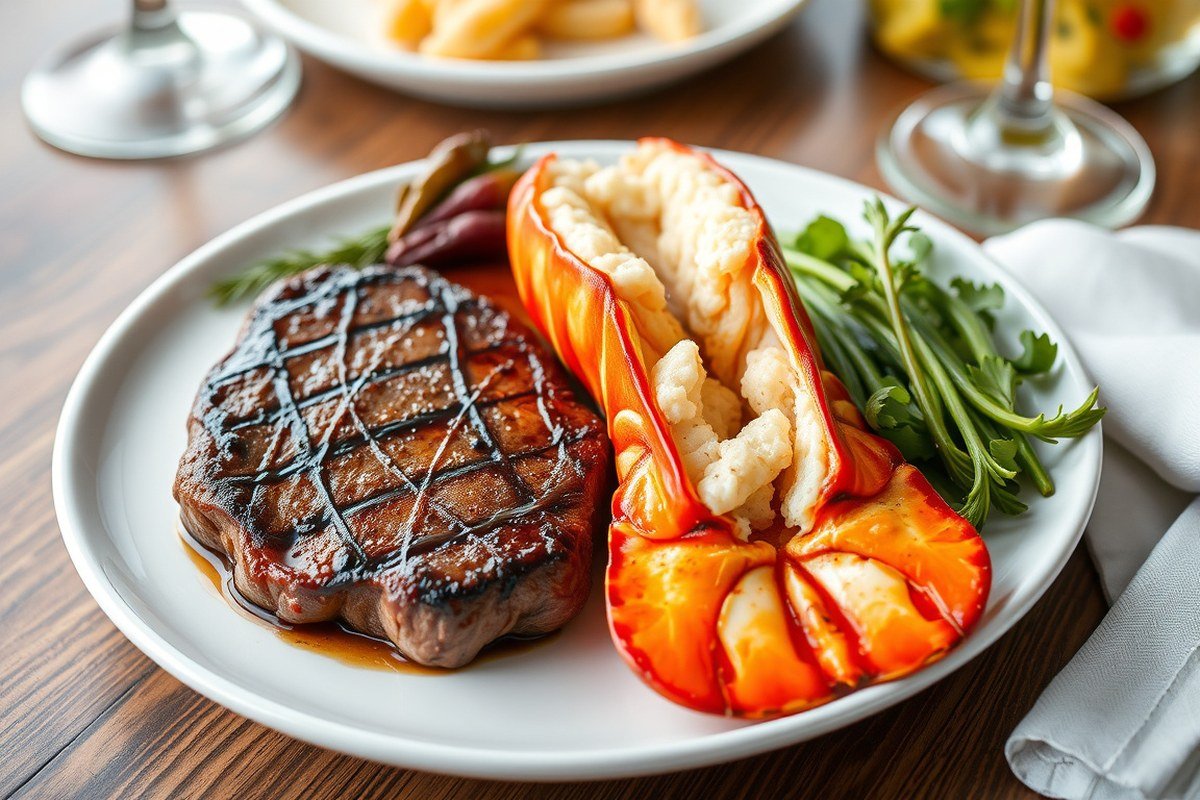
A surf and turf dish combines two main elements: seafood for the “surf” and red meat for the “turf.” Often, it pairs a tender beef cut like filet mignon, ribeye, or New York strip with seafood such as lobster, shrimp, or scallops. This combination blends distinct flavors and textures, contrasting juicy, flavorful beef with the sweet or slightly salty taste of seafood, creating a complex and enjoyable meal.
The pairing often features steaks with shellfish, which adds luxury and sophistication to the dining experience. Contrary to simple mixed plates, surf and turf carefully balances the two elements so neither overpowers the other, giving diners a taste of both land and sea in one bite. This combination became popular in the United States in the mid-20th century, often served at steakhouses as a special offering due to the cost and quality of ingredients.
To create a traditional surf and turf, select beef cuts like a 6- to 8-ounce filet mignon or ribeye steak and complement it with lobster tails, usually 4 to 6 ounces each, or a handful of jumbo shrimp or scallops. Both components require relatively quick cooking times, steak typically cooks at a medium-high heat for 3 to 5 minutes per side for medium-rare, while lobster tails steam or broil in about 8 to 10 minutes. Preparing them to serve together involves timing so both are served hot and fresh. The seafood should be steamed, grilled, or broiled gently to preserve moisture and sweetness, avoiding overcooking that can toughen the meat.
The dish often carries a premium price due to the cost of high-quality red meat and fresh seafood, with meals typically starting at $30, 40 per person at restaurants and higher depending on sourcing. Cooking surf and turf at home is entirely feasible, but expect to spend slightly more on ingredients and plan for careful cooking and plating. A good surf and turf appears balanced: the beef should be juicy and flavorful, the seafood tender and well-seasoned, and together they create a diverse yet harmonious plate.
Common pitfalls include mismatched portion sizes, overcooked seafood, or steak that is too tough. To avoid this, cook seafood just until opaque and shrimp or scallops spring back slightly. Let the steak rest after cooking to keep juices locked in. When done right, surf and turf offers a varied flavor profile that improve a meal beyond a standard steak or seafood dish.
Traditional Surf and Turf Ingredients Explained
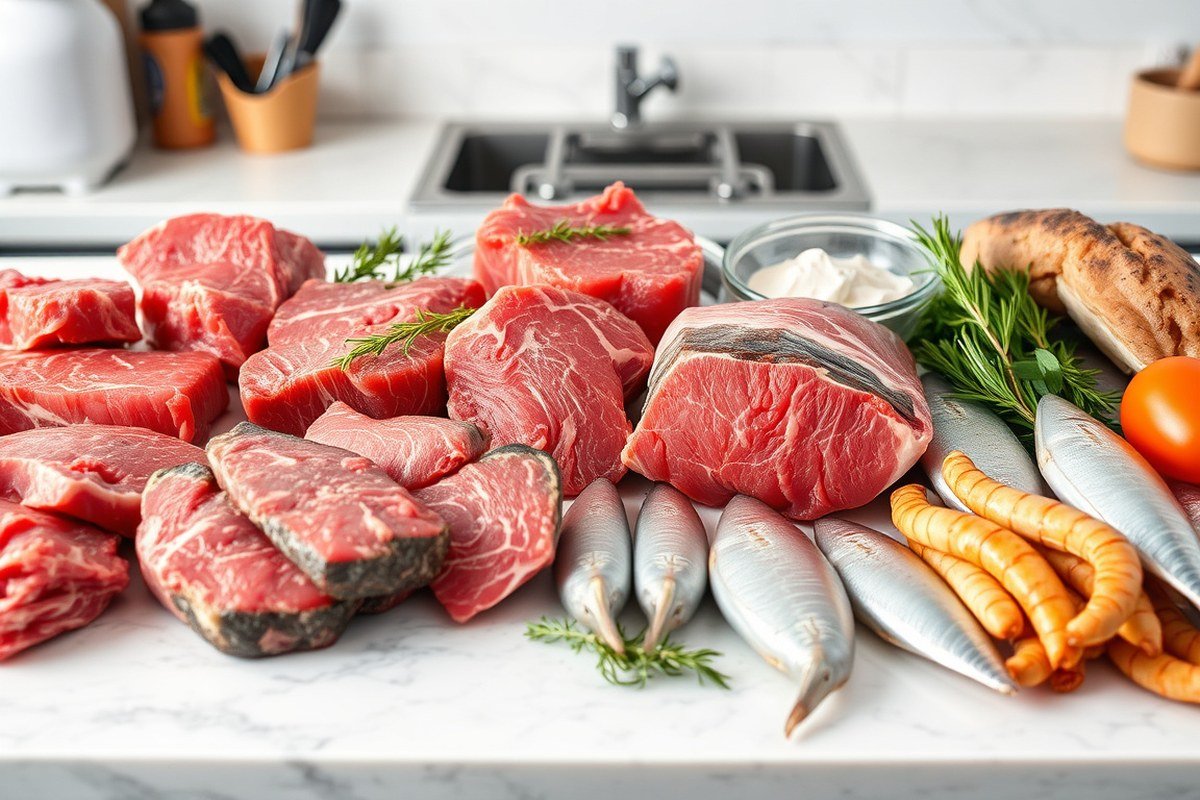
The traditional surf and turf dinner combines premium steak with high-quality seafood, offering contrasting textures and flavors on one plate. The “turf” almost always features beef, often a cut that cooks quickly and tenderly. The “surf” typically includes rich and buttery lobster tails or succulent shrimp, but can also incorporate other seafood like crab cakes or even monkfish medallions.
Steak choices lean heavily toward tender, well-marbled cuts that hold up well to various cooking methods, especially grilling. Filet mignon, cut from the beef tenderloin, is the classic choice. It’s prized for its tenderness and mild flavor, allowing the seafood component to shine. Strip steak, known for more pronounced beef flavor and a firmer texture, offers a reliable alternative, especially when paired with crab cakes. For a more adventurous turf component, skirt steak pairs well with unique seafood like monkfish, balancing boldness from both land and sea.
On the seafood side, lobster tail dominates the traditional surf role, delivering a buttery, sweet flavor that complements beef’s richness. Jumbo shrimp also work well due to their meaty texture and quicker cooking time. Crab cakes present an excellent alternative for a less conventional surf and turf or when adding more texture variation. Each combination depends on balancing cooking times and matching the intensity of flavors. Here is a table showing common traditional surf and turf components, highlighting the typical pairings you can try at home:
| Surf (Seafood) | Turf (Steak/Meat) | Notes |
|---|---|---|
| Lobster tail | Filet mignon (beef tenderloin) | Classic, luxurious combination; both tender and mild-flavored |
| Jumbo shrimp | Strip steak | Balanced texture and flavor; quick cook times for both |
| Crab cakes | Strip steak | Less traditional, adds crispy texture alongside steak |
| Monkfish medallions | Grilled skirt steak | More adventurous pairing with bold flavors on both sides |
| Lobster tail (raw/uncooked) | Filet mignon (steak tartare) | Unique twist; both ingredients served mostly raw |
Keep cooking times in mind as seafood generally cooks faster than beef; overcooking seafood can make it rubbery, while undercooking steak risks toughness.
These pairings work well because the steak’s tender texture and rich, savory profile provide a solid base, while the seafood adds a buttery or sweet contrast. Cooking each component to the right temperature is essential to maximize flavor and texture. For example, filet mignon should hit an internal temperature of about 130°F for medium-rare, while lobster tail cooks through between 135°F and 140°F, depending on thickness. Planning your timing ensures both parts of the surf and turf arrive hot and perfectly cooked on the plate.
How to Prepare and Cook Surf and Turf Together
Cooking surf and turf together requires timing and proper heat management to get both the steak and seafood perfectly done. Steak usually takes longer to cook, so start it first and add the seafood later, adjusting heat and cooking methods to finish them simultaneously.
Preparing the Turf: Steak Cooking Steps
Steak is the base of your turf, and getting its doneness right is key. A medium steak with an internal temperature of 135-140°F takes about six minutes total cooking time, plus resting. Using a cast iron skillet or grill gets you the best crust and flavour.
- Bring the steak to room temperature, pat dry, and season with salt and pepper.
- Preheat your skillet or grill on medium-high to about 400°F.
- Place the steak on the heat source and sear for about 3 minutes on one side without moving it.
- Flip the steak and cook for another 3 minutes for medium doneness.
- Use a meat thermometer to check for 130-135°F as you near the end; the steak will rise to 135-140°F while resting.
- Remove steak from heat and rest loosely covered with foil for 5 minutes before serving.
Preparing the Surf: Seafood Cooking Steps
Seafood, like shrimp or scallops, cooks quickly and needs gentle heat to stay tender. You can cook it in the same pan as the steak after shifting the heat or use a separate pan on medium heat. Timing should allow the seafood to finish as the steak rests.
- Season seafood with salt, pepper, and a little lemon juice or garlic if desired.
- When the steak has about 3 minutes left, reduce skillet temperature to medium and push steak to one side.
- Add seafood to the pan, ensuring it lays flat and doesn’t touch the steak.
- Cook shrimp or scallops for about 2-3 minutes per side until opaque and firm but not rubbery.
- Remove seafood from pan once cooked and keep warm with the resting steak.
Coordinating Cook Times and Resting Periods
Proper coordination prevents overcooking either protein. Steak usually needs 6 minutes of direct heat, plus 5 minutes resting. Seafood takes about 4-6 minutes total, so add it near the end, this sequence maximizes flavor and texture.
Start the steak first on high heat for a good sear, then lower the heat and add seafood halfway through the steak’s final cooking stage. Rest the steak off heat while seafood finishes; this keeps the steak juicy and the seafood tender. Use a thermometer for the steak and watch the seafood carefully to avoid toughness.
Classic and Creative Surf and Turf Variations
Surf and turf dinners come in many variations beyond the classic lobster tail and filet mignon combo. You can explore dishes that range from elegant staples to budget-friendly options, as well as international and seasonal twists that match your taste and occasion.
Traditional Lobster and Filet Mignon
The most recognized surf and turf includes a lobster tail paired with a filet mignon steak. Filets are typically cut 1½ to 2 inches thick and weigh 4 to 6 ounces each. Cook the filet to medium-rare in about 7 to 8 minutes for a tender, juicy result. Lobster tails need around 10 to 12 minutes to cook, usually steamed, grilled, or butter-poached. This combination creates a contrast on the plate with the rich beef and sweet seafood flavors making a celebratory meal that many consider a classic.
Budget-Friendly or ‘Poor Man’s’ Surf and Turf
Surf and turf does not have to be expensive. You can substitute premium seafood and beef with more accessible but still flavorful ingredients that work well together.
- Use shrimp or prawns instead of lobster to save money and reduce cook time.
- Swap filet mignon for sirloin or ribeye, which cost less but offer good flavor.
- Try breaded and fried seafood like calamari or scallops, which are affordable and popular.
- Combine grilled chicken breast with grilled shrimp as a lighter, casual surf and turf.
- Serve steamed or sautéed mussels with ground beef sliders for a fun twist.
These alternatives often cook faster and suit casual meals or family dinners while still giving you the surf and turf experience.
International and Regional Surf and Turf Styles
Surf and turf dishes adapt well to regional and international flavors. Many cultures combine their popular seafood with local cuts of beef or other meats, creating unique interpretations.
For example, in Japan, you might find wagyu beef paired with sea urchin or grilled fish. In the Mediterranean, surf and turf can mean lamb chops alongside octopus or calamari seasoned with regional spices. In Australia, prawns might be paired with kangaroo steak. This diversity lets you tailor surf and turf to suit your culinary preferences and experiment with global tastes.
Seasonal and Alternative Surf and Turf Ideas
Seasonality can guide your choice for surf and turf ingredients, making the meal fresher and often more economical. Lobster and shellfish are often in season during summer and fall, while beef is widely available year-round.
- Use fresh scallops or clams in spring paired with grilled strip steaks.
- In winter, try pairing slow-cooked short ribs with hearty seafood like crab legs.
- Substitute traditional beef with venison or wild boar during hunting seasons and pair with local fish.
- Try vegan or plant-based alternatives combining mushrooms with seared tofu or tempeh as a surf and turf-style dish.
Adjusting ingredients based on season ensures a fresher, more sustainable meal with varied flavors.
Sides and Sauces to Serve with Surf and Turf
Choosing the right sides and sauces can make your surf and turf dinner unforgettable. Traditional steakhouse options like creamy mashed potatoes and sautéed asparagus bring comfort and balance, complementing both the rich steak and delicate seafood. Mashed potatoes add a smooth texture that contrasts with the firm bite of steak and shellfish, while asparagus offers a fresh, slightly bitter flavor that cuts through the richness.
Other excellent side dishes include rich mac and cheese, which adds a creamy, cheesy layer to the meal, or roasted vegetables, which provide an earthy depth. Crisp green salads with a light vinaigrette can refresh the palate without overpowering the main ingredients.
- Creamy mashed potatoes with butter and chives
- Sautéed or roasted asparagus spears
- Rich macaroni and cheese
- Roasted mixed vegetables such as carrots and Brussels sprouts
- Crisp green salad with lemon vinaigrette
- Soft dinner rolls with chive honey butter
- Lemon wedges for a bright, fresh finish
Sauces add another dimension of flavor to surf and turf. Classic choices include Bearnaise sauce, which is similar to hollandaise but infused with tarragon, offering a herbal and buttery punch that pairs beautifully with both steak and seafood. Garlic butter sauce improve lobster tails or shrimp with a rich, savory taste. For a more strong option, a red wine reduction or peppercorn sauce can improve the steak without overwhelming the surf component. Lemon wedges or a simple squeeze of fresh lemon juice brighten seafood flavors and help balance richness.
Warm your sauces before serving to keep the steak and seafood juicy and the pairing smooth rather than cooled down.
Presentation benefits from garnishes like fresh herbs (parsley, tarragon, or chives), which add color and a subtle aroma. Sparkling wine or a light, crisp white wine is a great drink pairing, helping to cleanse the palate between rich bites. Prepare sides such as mashed potatoes or mac and cheese ahead of time, so you can focus on perfectly cooking and resting your steak and seafood. This approach ensures every element reaches the table hot and flavorful.
Why Surf and Turf Is a Luxurious and Popular Meal
Surf and turf originated as a way to combine the best of land and sea in one meal, often showcasing steak and lobster or shrimp. This pairing first gained popularity in upscale restaurants during the mid-20th century, reflecting a post-war era of prosperity when diners sought dishes that symbolized abundance and indulgence.
It’s considered a special occasion meal because it brings together two premium proteins that represent different culinary worlds. Steak, usually cut from tender portions like filet mignon or ribeye, delivers rich, savory flavors, while seafood such as lobster or crab adds a delicate sweetness and a touch of the ocean. Serving both on one plate signals a celebration or important event, such as holidays, anniversaries, or milestone dinners.
Part of surf and turf’s luxury status comes from its expense. High-quality steak prices can range between $25 and $50 per pound or more, depending on the cut and grade. Lobster tails or crab legs can add $20 to $40 per serving. Preparing surf and turf at home requires careful timing and cooking precision to ensure the steak hits an ideal medium-rare temperature of 130°F to 135°F and the seafood remains tender without overcooking. These proteins have different cooking times and methods, so balancing both perfectly demands attention.
Its popularity persists because it offers an elegant, restaurant-quality experience without needing to leave home. Whether you’re marking Christmas Eve, New Year’s, or a significant dinner party, surf and turf delivers both variety and indulgence. A well-executed surf and turf meal impresses guests with its visual appeal, contrasting textures, and harmonious flavors, making any celebration feel more meaningful.
Choosing surf and turf also allows flexibility based on budget and preferences. You can substitute more affordable seafood like jumbo shrimp or scallops if lobster is too costly. Similarly, choosing less expensive steak cuts such as strip steak instead of filet can reduce costs without sacrificing taste. This adaptability helps maintain surf and turf’s reputation as a go-to dish for celebrations, balancing luxury with practicality.
Common Mistakes and How to Avoid Them When Cooking Surf and Turf
One common mistake when preparing surf and turf is uneven cooking times. Steak and seafood require very different methods and temperatures. Steak often needs higher heat to develop a crust, usually seared at 400°F or more, while seafood like lobster tail or shrimp cooks faster and at lower temperatures, around 350°F or less. Putting them on the same pan or grill without adjusting heat or timing can cause overcooked seafood or undercooked steak.
To avoid this, start cooking the steak first, since it takes longer, typically 4 to 5 minutes per side for medium-rare on a hot grill. Add the seafood during the last 3 to 5 minutes, depending on size and type. Using a meat thermometer helps, steak is best at 130, 135°F medium-rare, while lobster or shrimp should reach 135°F. This method ensures both elements finish cooking simultaneously without overdoing either.
Another frequent pitfall is poor seasoning balance. Over-salting steak can overpower the delicate flavor of seafood, while under-seasoning leaves the whole dish bland. Season each component individually to maintain their unique tastes. For example, season steak simply with salt and pepper just before cooking. Seafood benefits from a lighter touch, try brushing with garlic butter or a squeeze of lemon after cooking instead of before.
- Cook steak first at high heat and add seafood in the last 3, 5 minutes
- Use a meat thermometer: steak at 130, 135°F, seafood around 135°F
- Season steak with salt and pepper before cooking
- Apply buttery or citrus-based sauces on seafood after cooking
- Use separate pans or cooking zones to control heat precisely
- Avoid overcrowding the pan to ensure even cooking
- Rest steak 5 minutes after cooking before plating
Plating mistakes often make the dish look cluttered or cause the seafood to lose texture. Surf and turf should be plated with space between items so diners can enjoy each flavor distinctly. Resting the steak before slicing locks in juices, preventing dryness. For clean presentation, avoid drowning both with heavy sauces in one spot. Instead, serve sauces on the side or drizzle sparingly, preserving the fresh, rich taste of each component.
These simple checks and adjustments keep your surf and turf balanced, tender, and visually appealing, similar to what you’d expect at a top local restaurant. At home, controlling timing, seasoning, and plating makes this indulgent meal not only doable but impressive without overspending or stressing in the kitchen.
Storage, Leftovers, and Nutritional Tips for Surf and Turf
You can prepare surf and turf in advance, but proper storage and reheating are essential to keep flavors and textures intact. Leftovers should be refrigerated promptly and reheated carefully to maintain food safety and quality. Understanding the nutritional makeup and managing portion sizes can help balance this indulgent meal within your diet.
Proper Storage and Reheating Methods
Store any leftover surf and turf in an airtight container within two hours of cooking to prevent bacterial growth. Keep the container in the refrigerator and consume the leftovers within two days for the best safety and taste. Avoid leaving surf and turf at room temperature longer than two hours, as seafood and beef can spoil quickly.
To reheat, use a microwave on medium power, heating in 30-second intervals until warmed through. This approach minimizes overcooking the steak or seafood, which can toughen the meat. Alternatively, gently reheat steak in a skillet over low heat, adding a splash of broth or butter to keep it moist, and warm seafood briefly to avoid drying out.
Always refrigerate leftovers within two hours and reheat only once to reduce foodborne illness risks.
Nutritional Balance of Surf and Turf
Surf and turf is typically high in protein, combining red meat’s nutrients like iron and zinc with seafood’s omega-3 fatty acids and vitamin D. Despite these benefits, this meal tends to be rich in saturated fat and calories, so it is not considered a low-calorie or low-fat dish. Choosing lean cuts of beef and moderate portions of seafood can moderate the overall calorie and fat impact.
Adding vegetables or salad as sides increases fiber and micronutrients, supporting better digestion and nutritional variety. Be mindful of sauces or butter-heavy accompaniments that add extra calories and sodium, potentially offsetting the nutritional advantages of the seafood and beef.
Portion and Serving Size Recommendations
A typical serving of surf and turf features about 4 to 6 ounces of steak and 3 to 4 ounces of seafood per person. This balance provides enough protein without excessive portions that can increase saturated fat and calorie intake. Adjust portions depending on your appetite and dietary goals, such as cutting down the steak size for a lighter meal or adding more seafood if aiming for fewer calories.
Pairing your surf and turf with fiber-rich vegetables or whole grains can create a more satisfying plate and help control portion sizes of the richer proteins. Serving smaller meat portions alongside ample sides also offers variety and can reduce food waste, especially when planning leftovers.
Step-by-Step Action Plan for Your Surf and Turf Dinner
Follow this plan to prepare a balanced and satisfying surf and turf meal that showcases both flavors perfectly.
- 1 hour before cooking: Thaw your seafood and bring your steak to room temperature for even cooking.
- 45 minutes before cooking: Season both your steak and seafood with salt, pepper, and preferred herbs to improve flavor.
- 30 minutes before cooking: Prepare your chosen sides and sauces, keeping items like creamy mashed potatoes or grilled vegetables ready.
- 20 minutes before serving: Start cooking your steak to the desired doneness, using a meat thermometer to check for perfect results.
- 10 minutes before serving: Cook your seafood quickly, such as grilling shrimp or searing scallops, so it stays tender and juicy.
- 5 minutes before serving: Rest the steak and seafood briefly to let juices redistribute, ensuring maximum tenderness and flavor.
- Serving time: Plate your surf and turf with sides and sauces, serving immediately while hot and fresh.
Frequently Asked Questions
What Are Some Examples of Surf and Turf Dinners?
Classic surf and turf dinners typically combine filet mignon and lobster tails, but you can also pair ribeye or New York strip with shrimp or scallops for variety. These combinations keep the contrast between land and sea flavors while offering a luxurious experience at home.
What Is Poor Man’s Filet Mignon?
Poor man’s filet mignon usually refers to cheaper cuts like sirloin or top round that are cooked similarly to tender beef steaks. This option gives you a budget-friendly alternative while aiming to approximate the texture of classic filet mignon in a surf and turf meal.
Why Is Surf and Turf so Expensive?
Surf and turf is costly because it pairs premium seafood like lobster or scallops with high-quality beef cuts such as filet mignon. Both seafood and premium steak are pricey ingredients, and this combination is often reserved for special occasions or fine dining.
What Food Is Considered Surf and Turf?
Surf and turf combines a seafood item, such as lobster, shrimp, or scallops, with a beef steak, usually cuts like filet mignon, ribeye, or New York strip. This pairing balances flavors from the sea and land on one plate.
Is Surf and Turf a Traditional Dish?
Surf and turf gained popularity during the 1960s as a classic example of mid-century continental cuisine enjoyed by the middle class. This dish pairs steak with frozen lobster to create a luxurious dining experience. Its fame increased notably after a 1966 advertisement in Massachusetts highlighted a Champagne Surf ‘N Turf dinner event.
Can Surf and Turf Be Made Ahead of Time?
You can prepare some elements of surf and turf ahead, like marinating the beef or prepping sauces, but cooking the steak and seafood fresh ensures the best taste and texture. Perfect timing is key for serving a restaurant-quality meal at home.
Key Points to Remember
A surf and turf dinner combines the rich flavors of land and sea for a meal that feels both luxurious and satisfying. By balancing cooking times and seasoning carefully, you can enjoy this dish without stress. Next time you shop, pick your favorite steak and seafood combo to try this elegant meal at home.