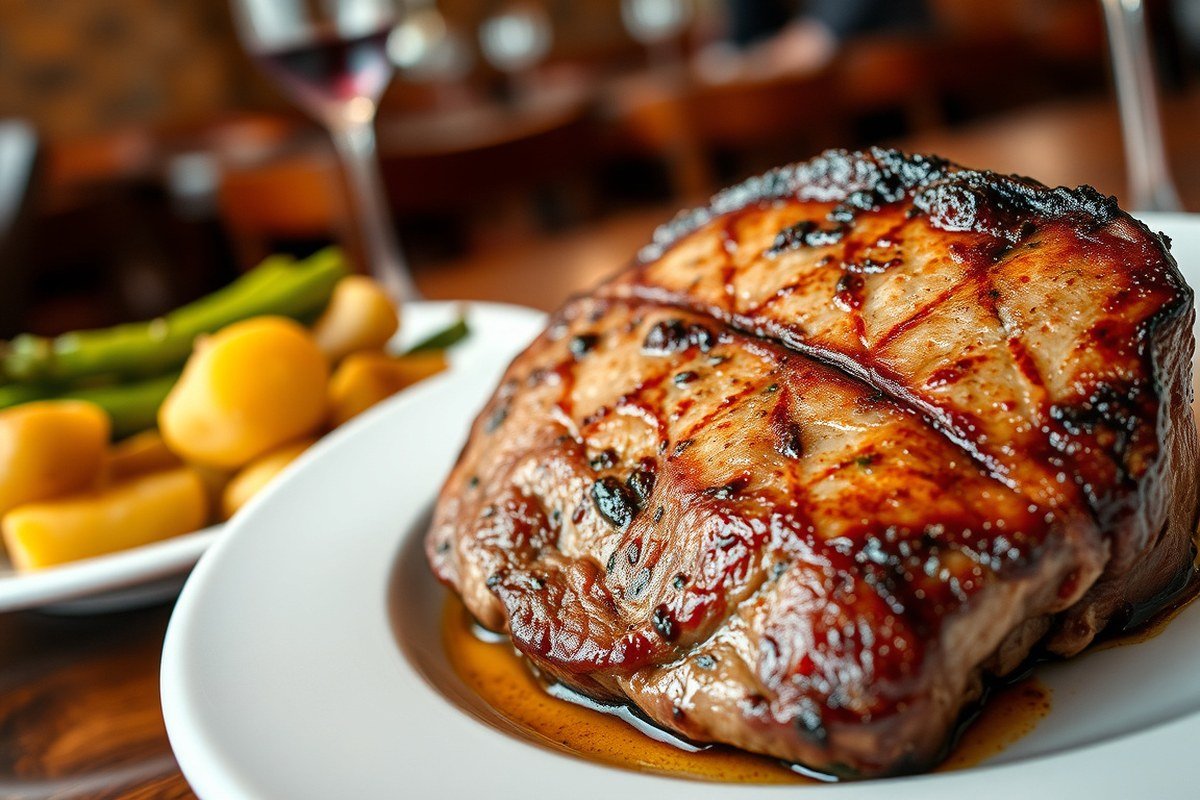
How Much Does a Steak Dinner Cost? A Complete Guide with Pricing Insights
The average cost of a steak dinner today ranges from about $30 to $85 per person when dining out, with home-cooked meals costing significantly less, often under $5 for two. Prices depend on factors like the cut of steak, restaurant type, and location. Whether you’re planning a casual meal, a catered event, or dining out, understanding these variables helps manage expectations and budget effectively.
This information is designed for consumers curious about the pricing of steak dinners, whether at restaurants, catering services, or home. You’ll learn how different cuts and settings affect cost and find practical tips for enjoying steak without overspending.
Key Takeaways
- Home-cooked steak dinners cost far less than dining out, often under $5 for two servings.
- Premium cuts like A5 Japanese Kobe or Vintage Cote De Boeuf ribeye can exceed $400 or more per steak.
- Steak dinner prices have risen about 40% over the last decade from roughly $20 to $28 on average.
- Side dishes add $16 to $18 to a steak dinner’s total cost at restaurants.
- Wedding steak dinners typically range from $15 to $85 per person depending on the style and service.
- Filet mignon averages about $40 per pound, while sirloin can cost as little as $11 per pound.
What Is the Average Cost of a Steak Dinner Today?
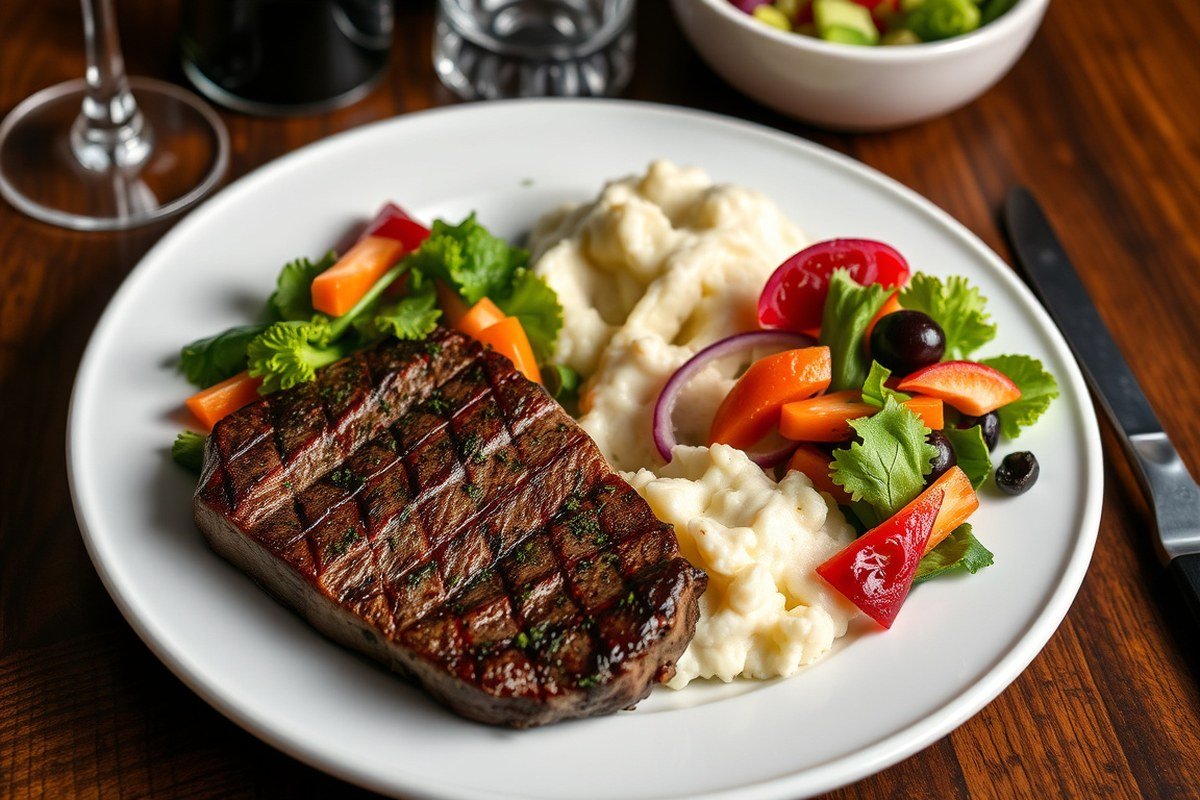
Expect to pay around $30 to $35 for an average steak entrée at most casual to mid-range restaurants. The 9-ounce sirloin typically serves as a reliable price anchor, often listed at about $31.99. More premium cuts like filet mignon cost more, averaging about $40 per pound. Some steakhouses may charge significantly higher prices depending on the cut and quality, with specialty steaks such as Kobe reaching near $200 per dinner. Your choice of cut largely determines the steak portion of the bill.
Sides and drinks usually add an extra $15 to $25 per person. Typical side dishes like fried potatoes, creamed spinach, or sautéed broccoli for two guests run between $16 and $18, while cocktails, wine, or beer quietly increase the total cost. Even complimentary bread can encourage ordering more, pushing the final amount higher. A simple steak dinner for two with a couple of sides and drinks often totals around $200 before tipping.
At weddings or special events, steak dinners fluctuate widely from $30 up to $85 per person, reflecting variations in steak quality, serving style, and venue. Passed hors d’oeuvres or appetizer-sized steak options available during cocktail hour cost about $15 to $25 per guest. Dining experiences at upscale restaurants or with added menu items like crab legs, which can cost $11.99 extra, also significantly raise the overall expense.
For budgeting, plan on a baseline of about $30 for the main steak, add $15 to $25 for sides and drinks, then include tip and taxes to estimate your total. Home-cooked steak dinners cost considerably less, with two-person meals often under $5 for ingredients alone, excluding any premium steak cuts. Restaurant steak dinners have increasingly become a treat rather than an everyday meal, reflecting current economic pressures and ingredient costs faced by the food industry.
How Steak Cuts Affect Dinner Prices
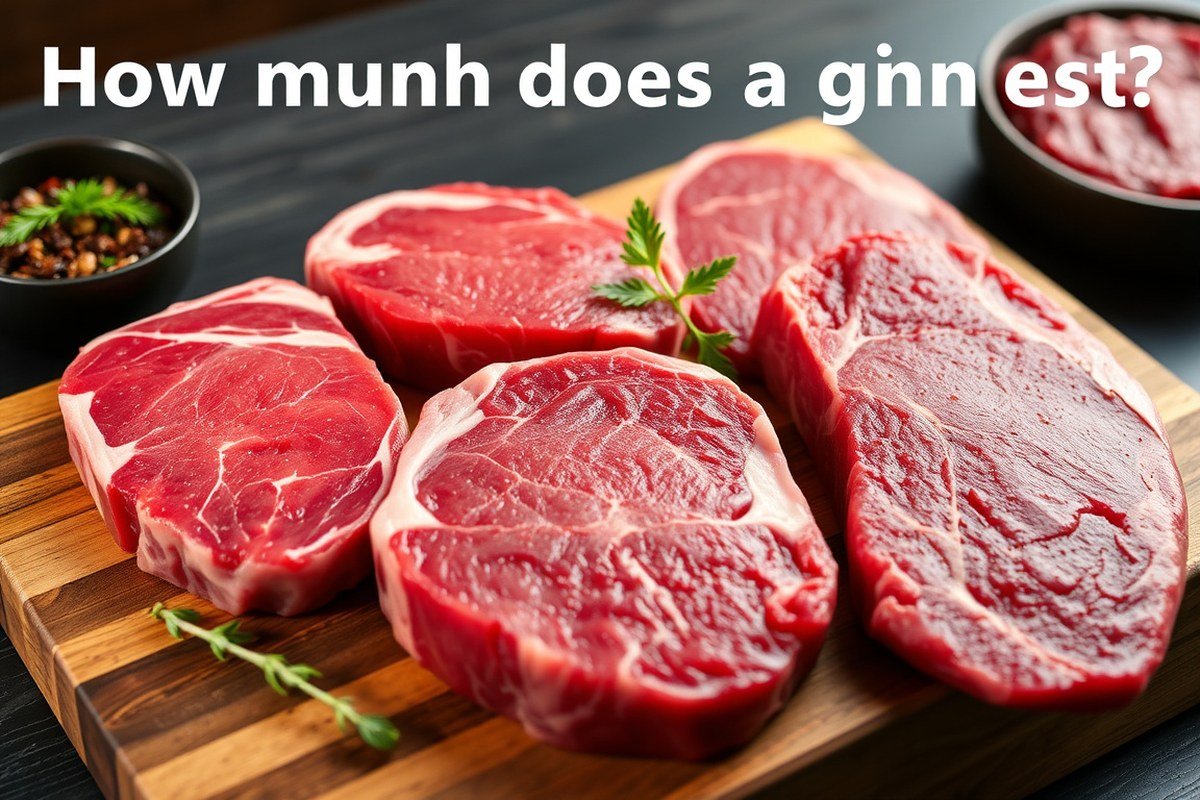
Steak dinner prices vary significantly based on the cut you choose, mainly due to tenderness, flavour, and demand. Sirloin tends to be the most affordable option, with prices around $10 per pound at the supermarket. Ribeye costs more, generally $15 to $20 per pound, thanks to its marbling and richer taste. Filet mignon, an extremely tender and lean cut, often exceeds $30 per pound, making it the priciest common cut on menus.
Portion size also impacts the total cost of your steak dinner. Restaurants typically serve steaks that range from 6 to 14 ounces. Larger portions naturally increase the price but also add value if you’re hungry. For example, an 8-ounce sirloin might cost $15.99, while a 14-ounce ribeye can run about $25.49. Filets are usually smaller but more expensive by weight, with an 8-ounce filet often near $25 or more.
| Steak Cut | Typical Portion Size | Approximate Price |
|---|---|---|
| Sirloin | 6 to 12 oz | $10 to $16 per pound |
| Ribeye | 8 to 14 oz | $15 to $20 per pound |
| Filet Mignon | 6 to 8 oz | $30 to $63 per pound |
| New York Strip | 10 to 12 oz | $20 to $22 per pound |
| Rib Cap | Varies | Up to $90 per pound |
The higher price of filet mignon comes from its limited supply and exceptional tenderness. This cut comes from the smaller end of the tenderloin muscle, making it less abundant than sirloin or ribeye. Filets have less fat but are prized for their texture, which is why restaurants charge more. Ribeye gets its mid-range price from its marbling, which maximizes flavour and juiciness.
When budgeting for steak dinners, consider both the cut and the portion size you want. Larger, premium cuts provide a richer experience but can double the cost of a sirloin dinner. Buying steak by the pound helps you compare prices accurately. For example, a restaurant’s 12-ounce New York strip steak at $21.99 offers a different price-to-satiety ratio than an 8-ounce filet at $24.99.
Choosing a smaller portion of a premium cut like filet mignon can balance cost and quality better than going for a larger, less tender cut.
How Location and Restaurant Type Impact Steak Dinner Costs
Steak dinner prices vary widely depending on the city and the type of restaurant you choose. Urban areas with higher living costs and strong dining cultures, such as New York and Los Angeles, generally have steak dinners priced above the national average. Smaller cities or locations with lower rents and wages tend to offer more affordable steak options. For example, a chain steak dinner in a suburban area might start around $16, while a fine dining experience in a major city can easily exceed $60 per plate.
Chain steakhouses usually provide the most budget-friendly options. These venues operate on a high-volume, lower-margin strategy, which allows them to keep prices relatively low. A casual steak dinner, like the Country Fried Steak at Denny’s, can cost around $15.99 in 2026. In contrast, local independent steakhouses often emphasize quality cuts and atmosphere, pushing prices above $50 per dinner. Fine dining restaurants, especially those offering premium or specialty steaks such as Kobe beef, can charge $400 or more for a single steak.
Restaurant ambiance and service heavily influence costs as well. A local steakhouse with elegant décor, attentive staff, and a well-curated wine list will include those expenses in the menu pricing. Fine dining venues tend to provide a more formal experience, extensive sides, and professional presentation that justify higher prices. If you want a steak dinner with upscale service and premium meat, prepare to pay significantly more than a no-frills chain restaurant. The table below compares steak dinner prices in different types of venues for 2026:
| Venue Type | Location Example | Typical Steak Dinner Price |
|---|---|---|
| Chain Steakhouse (e.g., Denny’s, Texas Roadhouse) | Suburban USA | $15.99 – $30 |
| Local Independent Steakhouse | Mid-sized City | $40 – $60 |
| Fine Dining Steakhouse | New York, Los Angeles | $60 – $100+ |
| Specialty Premium Cuts (Kobe, A5 Wagyu) | Major US Cities | $400 – $500+ |
To get the best value, consider the city’s average cost of living and your dining priorities. When you’re flexible on ambiance and service, chains and casual venues offer reasonable cuts with classic sides. For special occasions or the highest-grade steaks, focus on local steakhouses or fine dining but expect to pay a premium for service quality and atmosphere. Prices can also rise quickly in major metropolitan areas due to higher overhead costs.
Keep in mind that rising beef prices, which surged by as much as 300% for cuts like skirt steak recently, drive overall menu increases. This trend makes steak dinners in independent and upscale eateries costlier over time, especially where specialty or rare beef is featured. Planning according to where you dine and the experience you want helps manage how much your steak dinner will set you back.
Comparing Dining Out, Catering, and Home-Cooked Steak Costs
Cooking steak at home usually costs much less than eating out at a restaurant. When you buy steak from the grocery store, you pay only for the meat and any sides you prepare yourself. Even with inflation driving prices up, the expense to make a steak dinner at home remains roughly one-tenth the cost of ordering in a restaurant. This can mean spending about $10 to $20 per person for a home-cooked meal, depending on the cut and sides you choose.
Private steak catering, on the other hand, sits between these two options in terms of price and experience. Hiring catering for about six people generally costs between $600 and $1,200. This price range reflects the menu choices and the level of service, such as servers, cooking on-site, and entertainment. Catering delivers steak dinners with the convenience and special atmosphere that restaurant dining may not offer, especially for events at home, offices, or rented venues.
Whether catering is more cost-effective than dining out depends on your group size and the event’s nature. For small groups, restaurants might be less costly. But for larger gatherings, catering spreads the cost over more guests and adds value through service and ambiance, often making it a better choice for memorable meals.
| Dining Option | Typical Cost Per Person | Typical Total Cost for 6 People | Includes |
|---|---|---|---|
| Home-Cooked Steak Dinner | $10 to $20 | $60 to $120 | Meat, sides, drinks, cooking time |
| Restaurant Steak Dinner | $50 to $70 | $300 to $420 | Steak, sides, service, taxes, tip |
| Private Steak Catering | Approximately $100 to $200 | $600 to $1,200 | Steak, sides, service, entertainment |
To decide the best option, consider these checklist points:
- Budget: Calculate per-person cost and total expense for your group size.
- Experience: Decide if you want a casual meal at home, a social restaurant environment, or a tailored catered event.
- Time and effort: Cooking at home requires prep and clean-up; catering offers convenience and professional service.
- Venue: Catering fits well with larger or special event locations where you want a unique setting.
- Menu preferences and special requirements can impact catering costs more noticeably than home cooking.
Choosing home cooking stretches your food budget and lets you control ingredients, but it demands more effort. Restaurants provide convenience and consistently prepared food but usually at higher prices and less control. Catering adds a premium for service and atmosphere, which pays off at group events or celebrations where memory-making is part of the meal’s value.
What Add-Ons Typically Increase the Steak Dinner Total?
The price you see for a steak at a restaurant is just the starting point. Sides, drinks, tax, and tip add significantly to your final bill. These extras can raise your total by 30% or more, so knowing what to expect helps you budget properly.
Common Sides and Their Price Range
Steak dinners usually come with choice of sides, but many places charge separately for premium options. Typical sides include mashed potatoes, steamed vegetables, and side salads, which can cost anywhere from $4 to $10 each. Adding a starch or vegetable side plate often increases the final price by about 10% to 20% per person.
Some restaurants offer seafood appetizers like shrimp cocktail or crab cakes for around $2 or less, which further increases your total if included. When ordering, clarify if sides are included or extra to avoid surprises.
How Drinks and Wine Affect the Total Price
Beverages, especially alcoholic ones, can add considerably to your ticket. Non-alcoholic drinks usually cost $2 to $4, while a carafe of wine might be around $1.95 as a lower-end estimate. A glass of house wine or cocktails often adds $6 to $12 per person. Expect the drinks to add 20% to 40% more to the dinner price depending on your choice and quantity.
Estimating Tax and Tips
Tax rates vary by state but typically add around 6% to 10% to your pre-tax bill. It’s best to check local sales tax percentages where you dine. Tips usually range from 15% to 20% of the total, sometimes higher for excellent service or large parties. Combining tax and tip means you should budget an extra 20% to 30% on top of the meal and drinks to cover these charges.
How to Calculate Your Steak Dinner Budget
Here’s a simple way to estimate your steak dinner total before you arrive:
- Start with the steak entrée price (e.g., $70 per person)
- Add sides at $5 to $10 each, based on your preference
- Include drinks and wine, expect $8 to $20 per person
- Calculate tax based on local rates, around 8% is typical
- Add a 20% tip for the server
For example, a $70 steak plus a $7 side and $15 for drinks totals $92 before tax and tip. Adding 8% tax ($7.36) and 20% tip ($18.40) brings the final cost to nearly $118 per person.
Always ask if sides and drinks are included with your steak or billed separately; this helps avoid unexpected charges when the bill arrives.
When Add-Ons Differ by Situation
Steak dinners at casual spots like Outback Steakhouse tend to include simpler or fewer extra charges. You might spend less because sides and drinks are often cheaper or bundled. Meanwhile, high-end steakhouses in large cities frequently charge more for sides and drinks, seeing those add-ons as a chance to increase revenue per guest.
In group settings, some restaurants add mandatory gratuities of 18% or more, sometimes included in the menu pricing notes. Also, wine bottles or large-format drinks shared among guests can increase individual cost but may save money compared to per-glass orders.
How to Budget for Steak Dinners at Special Events
Budgeting for steak dinners at special events like weddings or parties depends largely on guest count, portion size, and whether steak is served as an appetizer or entrée. Expect to pay roughly $30 to $85 per person for steak entrées at catered events, while steak appetizers usually cost between $15 and $25 per person. Knowing these price ranges will help you estimate costs accurately and tailor your menu to fit your budget.
Estimating Number of Guests and Portions
Calculating how many guests you expect and how many steak portions each will eat is important for a realistic budget. Overestimating ensures you avoid running out but increases costs, while underestimating risks disappointing your guests.
For events with 30 to 60 guests, a typical catering budget for steak entrées ranges from $900 up to $4,250 total, depending on the number of servings and steak cut. Each guest usually consumes one portion of steak when it’s the main course. You can adjust the count accordingly when including additional courses or smaller portion sizes.
- Determine your final guest list.
- Decide if steak will be the main course or an appetizer.
- Assign one portion per guest for entrées or fractional servings for appetizers.
- Consult your caterer or venue about minimum portion sizes and serving suggestions.
- Multiply number of guests by portion cost estimates, $30-$85 per entrée or $15-$25 per appetizer.
- Factor in additional servings for staff, vendors, or unexpected guests (about 5-10%).
- Add tax, gratuity, and any venue fees to your total estimate.
Choosing Between Appetizers and Entrées
Serving steak as an appetizer can lower your cost per person and add variety to your event menu without the full price of a main steak course. Steak appetizers typically include smaller portions like steak bites or sliders and cost about half as much as main courses.
Including multiple other dishes or serving a buffet makes appetizers a smart way to feature steak without significantly increasing your catering bill. For formal dinners or weddings where steak is the highlight, expect entrée pricing to apply, roughly $30 to $85 per guest. Appetizers are better suited for cocktail hours or casual gatherings.
Tips for Negotiating Catering Prices
Getting the best price on steak dinners involves clear communication and knowing where there’s flexibility in your budget. Caterers often allow adjustments to the cut of steak, portion size, or side dishes that can reduce your overall costs.
Packages and seasonal pricing typically impact costs, so request detailed quotes for various portion sizes and steak types. Ordering a mix of appetizers and entrées may also balance the budget while still impressing guests. Don’t forget to ask about delivery, setup fees, and gratuities early to avoid surprises.
How Has the Price of Steak Dinners Changed over Time?
Steak dinners have become notably more expensive over the past several decades due to a combination of inflation and supply-side pressures in the beef industry. Examining prices from the 1960s until today reveals how much costs have shifted and the reasons behind those changes.
Steak Prices in the 1960s vs Today
In the 1960s, steak prices were far lower in nominal terms, but it’s critical to adjust for inflation to see the real cost difference. Back then, cuts like sirloin and round steak averaged around $0.60 to $0.80 per pound, according to partial government data on grocery inflation. Given inflation, that would be approximately $5.50 in today’s dollars, which is still below current prices. Today, the U.S. Department of Agriculture reports the average price for sirloin is about $10.84 per pound, while top round cuts cost around $6.90 per pound.
Comparing these figures shows that steak prices have more than doubled above inflation-adjusted levels since the 1960s. This increase partly reflects improvements in quality and consumer demand for premium cuts, but it also signals the rising cost pressures on cattle producers and meatpackers over time.
Inflation Effects over the Last 50 Years
Inflation steadily pushes food prices higher, and beef has followed that general pattern but with some notable surges. Using average consumer price indices, prices for beef products have roughly increased 5 to 6 percent annually over the past few decades in real terms. This rate compounds to large increases over 50 years. For example, what cost $6.00 inflation-adjusted in 1970 might be closer to $15 or more today when factoring in both inflation and market changes.
Adjusting prices for inflation reveals why steak dinners might feel significantly costlier at restaurants and grocery stores. Understanding inflation lets you see that even moderate yearly increases pile up to substantial differences across years. The combination of inflation with supply and demand changes explains much of the price growth you experience when budgeting for steak dinners.
Recent Market Trends Impacting Beef Costs
In the last few years, steak prices have jumped sharply due to tighter cattle supplies and rising production expenses. Ranchers face higher costs for feed, fertilizer, and diesel fuel, partly because of international tariffs and improve energy prices. These increases force producers to raise prices, a change that eventually reaches consumers through restaurant menus and grocery shelves.
For instance, diesel fuel prices alone have grown by nearly $2 per gallon in some areas over a single year, inflating transportation costs for cattle and beef products. Some restaurant owners report “astronomical” price hikes in 2023, with beef prices rising faster than almost any other food category. Overall, supply chain constraints combined with strong consumer demand have pushed steak dinners to cost significantly more recently.
Tips for Getting Better Steak Dinner Value
Choosing the right steak dinner can significantly impact your bill without lowering the quality of your meal. Opting for cuts like the hanger steak, instead of pricier prime cuts, usually costs less. A 10-ounce coffee-rubbed hanger steak, for example, might be around $47 at a mid-range steakhouse, saving you money while still offering bold flavor. Eating during lunch specials often reduces the price further; many restaurants offer lighter portions or combo meals at lower prices than dinner menus. This approach works well if you don’t need a full dinner portion or want to sample several dishes.
Watching for combos or steak certificates can provide good value. Some steakhouses package steak with sides like creamed spinach and a potato for a fixed price. These complete meals can cost less than ordering each item separately. Catering or events can also benefit from this by sticking to set menus instead of à la carte orders.
- Select affordable cuts such as hanger, sirloin, or flank steak over premium ribeye or filet mignon.
- Take advantage of lunch hours for reduced pricing on steak plates with sides included.
- Look for fixed-price combo meals or set menus, especially for group dining or events.
- Use budgeting templates that estimate $20 to $50 per person, depending on the cut and sides you want.
- Consider ordering steaks cooked to medium or medium-rare instead of well-done to preserve juiciness and reduce cooking time.
- Avoid expensive add-ons like lobster or specialty wines to keep the overall cost manageable.
Ordering lunch specials or combos can cut costs by 25% to 40% compared to dinner prices while still enjoying quality steak and sides.Prioritize what you want most from your steak experience. If the taste and tenderness of a specific cut matter more than quantity, it’s better to buy a smaller portion of higher quality steak. Conversely, hosting a steak dinner for a party of six might benefit from ordering mid-priced cuts paired with flavorful but affordable sides. Even at special events, focusing on a few components like compound butter or creamed spinach keeps costs down while improving taste. Always check the menu for limited-time offers or specials that suit your budget.
Step-by-Step Action Plan for Managing Steak Dinner Costs
Plan your steak dinner expenses effectively by following this straightforward timeline. Use each step to track your spending and adjust for the best value.
- Before your dinner: Set a clear budget based on your prioritized steak cut and preferred dining style. Check local restaurant menus or grocery prices online to estimate costs.
- Day of your dinner: Choose a steak cut balancing taste and price, like sirloin or flat iron, unless a special occasion justifies a pricier ribeye. Watch for portion sizes to get the most value.
- At the restaurant or store: Look for combo meals or specials that include sides, which often reduce overall meal cost. Confirm prices upfront to avoid surprises.
- During the meal preparation: If cooking at home, monitor added ingredient costs such as premium sauces or sides and adjust quantities to stay within budget.
- After the meal: Review your total spending and note any extras that increased costs. Use this data to plan better for your next steak dinner.
Frequently Asked Questions
How Much Does a Steak Dinner Cost?
A steak dinner typically costs between $30 and $50 at most restaurants, varying with the cut and add-ons. Adding drinks and sides can quickly raise the total beyond just the steak price.
How Much Is an Average Steak Dinner?
A typical steak dinner at a restaurant begins around $30 and can go higher depending on your drink and side selections. Preparing steak at home usually costs less than $5 for two servings.
What Is the 3-3-3 Rule for Steaks?
The 3-3-3 rule is a cooking guideline: sear the steak for 3 minutes on each side, then rest for 3 minutes. Following this helps achieve a nicely cooked steak with good flavor and juiciness.
Is Eating Steak Expensive?
Eating steak can be costly, especially at steakhouses or for premium cuts like Kobe beef that can start around $400. Home-cooked steak dinners, however, are much more affordable.
What’s the Average Price for Dinner?
Average dinner prices vary widely, but a steak dinner usually starts around $30 at casual restaurants, increasing with location and add-ons. Alcohol and extras are key factors raising the total cost.
Does Steak Dinner Cost More on Weekends?
Steak dinners often cost more on weekends due to higher demand and special dinner menus at many restaurants.
The Bottom Line
Steak dinner costs vary widely depending on cut, location, and extras, but careful planning helps you enjoy a satisfying meal without overspending. Start by choosing the right cut and dining option that fits your budget. Booking early and checking prices can keep you in control. Your next step is to shop or look up menus today, so you have clear cost expectations before your next steak dinner.



2 Comments