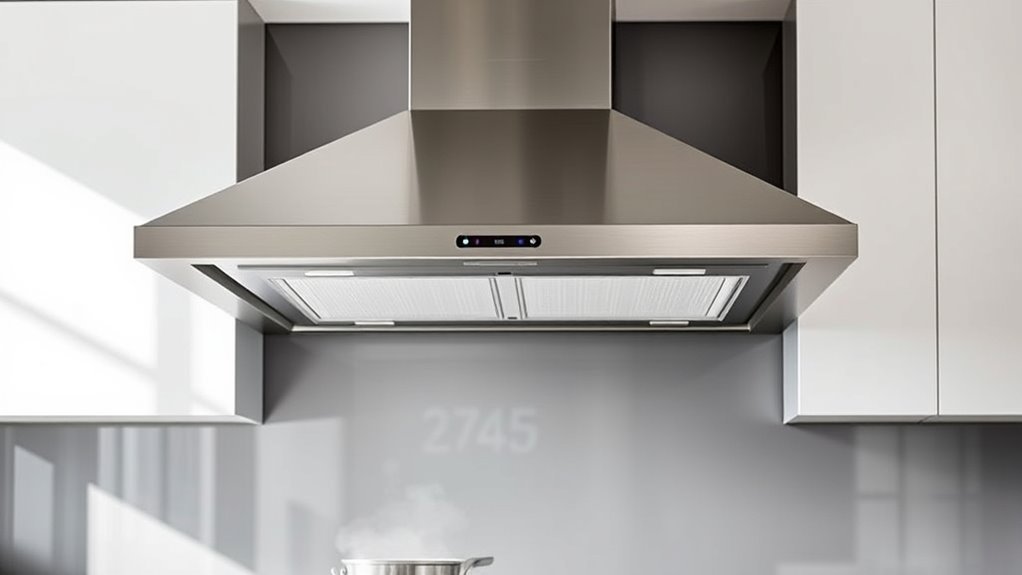
What Is a Range Hood? The Complete Answer
Are you tired of lingering smoke, strong odors, and steam taking over your kitchen every time you cook? You’re not alone—many people struggle with keeping their kitchen air fresh and clean.
Luckily, a range hood can be a game-changer.
A range hood is a kitchen appliance that pulls smoke, steam, odors, and airborne grease away from your cooking area to keep your kitchen air cleaner and safer. It works by filtering the air and either venting it outside or recirculating it back.
Choosing the right type and size for your kitchen improves ventilation, reduces fire risks, and controls moisture.
Understanding how range hoods work and their maintenance can help you get the best performance and energy savings.
Key Takeaways
- A range hood is a kitchen appliance that removes smoke, steam, odors, and airborne grease from your cooking area.
- It helps improve indoor air quality by venting heat, pollutants, and moisture, making your kitchen safer and more comfortable.
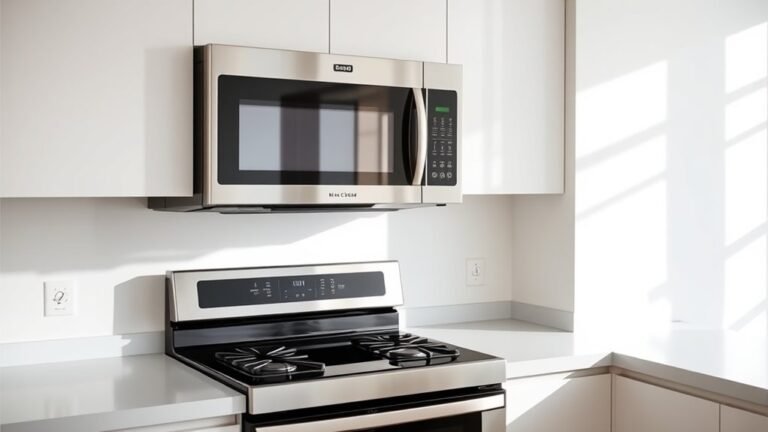
- There are different types of range hoods, like wall-mounted, under-cabinet, island, downdraft, and ductless models.
- Installing one means matching the size to your cooktop, ensuring proper venting, and following the manufacturer’s guidelines for the best results.
- Regularly cleaning filters and ducts is important to keep it working efficiently, reduce noise, and help the hood last longer.
What Is a Range Hood and How Does It Work
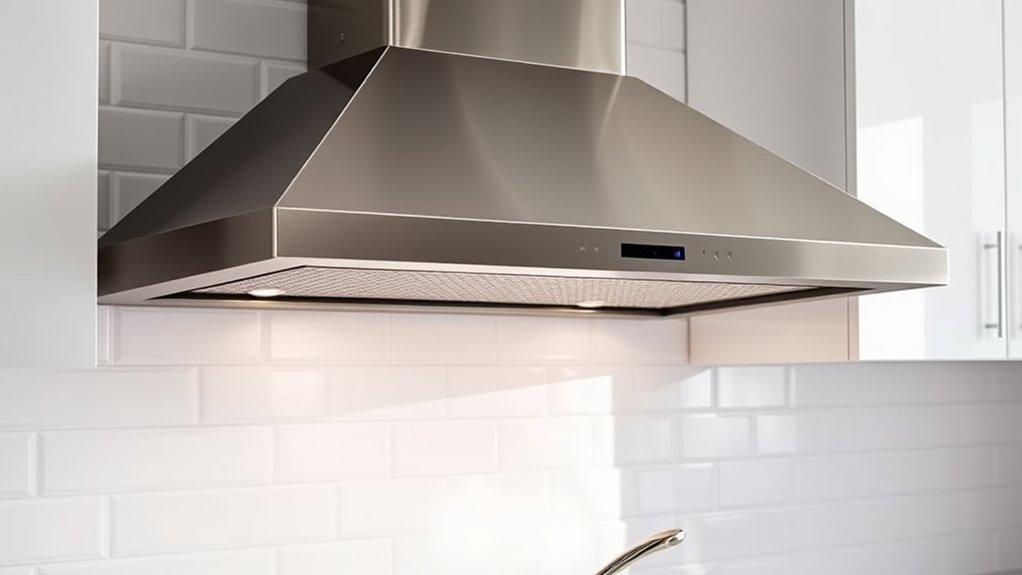
A range hood is a kitchen appliance that helps remove smoke, steam, and cooking odors from the air. When you turn it on, it pulls air through a filter and either expels it outside or recirculates it after cleaning.
Its fan captures airborne grease, smoke, and heat, helping keep your kitchen clean and comfortable. The efficiency of a range hood depends on factors like fan speed, filter type, and duct design.
A range hood’s fan traps grease, smoke, and heat, with efficiency influenced by fan speed, filter, and duct design.
Higher efficiency means better removal of contaminants and less lingering odor. Some models let you adjust the speed, so you can increase suction when frying or turn it down for simmering.
Proper maintenance, like cleaning or replacing filters regularly, also boosts performance. Knowing these functions will help you pick the right model to keep your kitchen air fresh and your cooking space pleasant.
The Importance of Range Hoods in Every Kitchen
Understanding how a range hood works is just the start. You need one in your kitchen because it helps manage cooking odors and removes smoke. Without it, lingering smells and smoke can quickly make your space uncomfortable and less inviting.
A range hood improves ventilation, making sure air circulates properly and keeps your kitchen fresh. Beyond its function, it also adds style to your kitchen design. The right range hood complements your decor, making your space look polished and complete.
Plus, it helps you meet safety standards by reducing heat and airborne grease, which lowers fire risks. Investing in a quality range hood means prioritizing both comfort and safety. It makes your kitchen a healthier, more pleasant place to cook and gather.
Range Hoods and Indoor Air Quality
Did you know that cooking can really impact the air inside your home? It’s not just about the smell—cooking can release pollutants like smoke, fumes, and odors that can hang around in the air.
That’s where a good range hood comes in. It helps pull those pollutants out of the air before they spread all over your kitchen. Using one can make a big difference in keeping your indoor air cleaner and healthier for everyone in the house.
Impact on Air Quality
Because cooking releases smoke, grease, and odors into the air, range hoods are essential for keeping indoor air quality good. When you turn one on, it captures airborne contaminants and stops them from lingering in the kitchen or spreading to other parts of your home.
This helps reduce stubborn kitchen odors that are hard to get rid of otherwise. Ventilating these pollutants outside or filtering them keeps the air fresh and breathable.
Without a range hood, you’d probably notice a smoky smell and greasy residue building up on surfaces. Using one not only makes cooking more pleasant but also protects your health by cutting down on exposure to harmful airborne particles and bad odors.
Reducing Indoor Pollutants
Although cooking can fill your kitchen with delicious aromas, it also releases indoor pollutants like smoke, grease, and volatile organic compounds (VOCs). A range hood helps improve air circulation, making it easier to remove these pollutants and extract smoke.
By managing cooking emissions, a range hood reduces indoor allergens and controls odors, creating a healthier kitchen environment. Good ventilation also helps manage moisture, preventing mold and mildew from forming.
Using a range hood boosts ventilation efficiency, so harmful particles don’t stay in your home. This improves air quality and offers health benefits by reducing exposure to irritants.
In short, a well-functioning range hood is key to reducing indoor pollutants, keeping your kitchen fresh, safe, and comfortable.
The Different Types of Range Hoods Explained
Range hoods come in several styles designed to fit different kitchen layouts and cooking needs. You’ll find wall-mounted designs that attach directly to your kitchen wall, perfect for traditional setups.
Under-cabinet options tuck neatly beneath your cabinets, saving space while efficiently ventilating. If your stove is on an island, island hoods hang from the ceiling, providing powerful extraction without blocking sightlines.
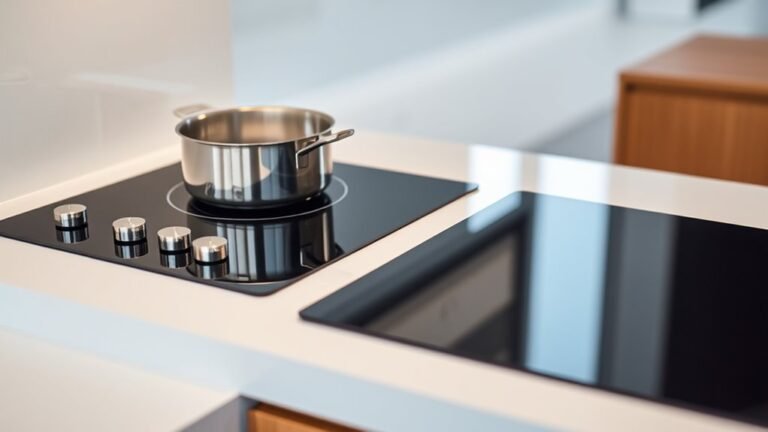
Downdraft systems offer a sleek alternative by pulling air downward behind the cooktop, making them ideal for minimalistic kitchens. Ductless models recirculate filtered air, which is great if venting outside isn’t possible.
For serious home chefs, professional styles deliver high performance and durability. Custom solutions let you tailor the hood’s size and finish to match your kitchen’s exact look.
Portable units offer flexibility if you want ventilation that moves or is temporary. Knowing these types helps you find the best fit for your cooking space and style.
Choosing the Right Range Hood for Your Kitchen
With so many styles available, choosing the right range hood for your kitchen can feel overwhelming. Start by thinking about your design preferences—do you want a sleek modern look or something more traditional?
Size is important too. Make sure your range hood matches your cooktop’s width for proper coverage. Consider airflow capacity to effectively remove smoke and odors from your kitchen.
Next, look at filter types. Some models use washable metal filters, while others have charcoal filters for better odor control.
Installation complexity matters as well. Ducted hoods need venting outside, which can increase setup time and costs. Ductless options are easier to install but might have lower airflow.
Don’t forget to consider your budget and brand reliability. Some brands offer durable, high-performing hoods at different price points.
Top Features to Consider When Buying a Range Hood
When choosing a range hood, focus on features that boost both performance and convenience. Start with energy efficiency; an energy-efficient model cuts down on power use and saves you money on utility bills without losing ventilation power. Look for models with ENERGY STAR certification or variable fan speeds to help control airflow and save energy.
Design also matters because your range hood will be a centerpiece in your kitchen. Pick a style and finish that matches your cabinets and overall decor, whether that’s sleek stainless steel or a classic wood trim. Besides looks, make sure it has strong suction power to remove smoke, odors, and grease effectively. Quiet operation is important too—you don’t want the hood to drown out conversations.
Other handy features include easy-to-clean filters and simple controls like touch panels or remote operation. By balancing energy savings, style, and functionality, you’ll find a range hood that makes your cooking space better both practically and visually.
How to Install Your Range Hood: Options and Tips
Before you start installing your range hood, it’s really important to understand your venting options. Knowing how your hood will vent outside or recirculate air helps ensure everything works smoothly and safely. Once you’ve got that figured out, gathering the right tools and following some simple installation tips will make the whole process a lot easier. Let’s take a look at what you need to know to get your range hood installed efficiently and with confidence.
Venting Options Explained
Although installing a range hood might seem straightforward, choosing the right venting option is key for top performance. You want to balance ventilation efficiency with your kitchen’s look and consider airflow needs to ensure your fan runs well without wasting energy.
Here are four venting options to consider:
- Ducted Venting: Gives you the best ventilation but can be tricky to install because of duct routing.
- Ductless Options: Easier to set up and maintain but need regular filter changes and might reduce airflow.
- Vertical Venting: Perfect if you have attic access, as it improves airflow but could use more energy.
- Horizontal Venting: Works great with sidewall exits, offering a good mix of efficiency and design flexibility.
Choose the option that best fits your space and how much maintenance you’re comfortable with.
Installation Tips and Tools
Installing your range hood requires careful preparation and the right tools to make the process smooth. Start by creating an installation checklist that includes measuring your space, checking power sources, and confirming venting options. This helps you stay organized and ensures you don’t miss any important steps.
Gather essential tools like a drill, screwdriver, measuring tape, level, and safety gear. If your hood needs ductwork, include sheet metal screws and duct tape. Before mounting, double-check the height and clearance based on the manufacturer’s recommendations.
Make sure to secure the hood firmly to prevent vibrations or noise. Finally, test the electrical connection and ventilation to ensure everything works properly. Following these tips and having the right tools will make your range hood installation both easy and hassle-free.
Common Range Hood Maintenance Tips
Since range hoods work hard to keep your kitchen air clean, regular maintenance is essential to ensure they perform well. Sticking to proper cleaning schedules not only prevents grease buildup but also helps your hood last longer. Here are four key tips to keep it in top shape:
- Filter Replacement: Change or clean filters regularly to maintain good airflow and reduce odors. Metal filters usually need washing every month, while charcoal filters should be replaced every few months.
- Fan Maintenance: Check and clean the fan blades to prevent dust buildup, which can affect noise levels and motor health.
- Grease Buildup: Wipe down surfaces often to stop grease from clogging vents and creating fire hazards.
- Safety Checks: Do routine safety checks on wiring and installation to make sure your hood runs smoothly and safely.
Troubleshooting Frequent Range Hood Problems
Having trouble with your range hood not ventilating well or making weird noises? No worries, you can usually figure out what’s going on pretty quickly. Sometimes, the issues come down to simple things like a clog or a loose connection. Let’s take a look at how you can spot these common problems and get your hood back in shape.
Common Ventilation Issues
When your range hood isn’t venting properly, it can lead to lingering odors, excess moisture, and even smoke buildup in your kitchen. To keep air circulating well and find the right ventilation solutions, watch out for these common issues:
- Clogged Filters: Dirty filters block airflow and make your hood less efficient. Make sure to clean or replace them regularly.
- Blocked Ducts: Debris or pests can clog ducts, stopping proper venting outside. Check and clear these pathways often.
- Improper Installation: Using the wrong duct size or length can slow airflow and cause backdrafts. Proper setup is key.
- Insufficient Ventilation: Relying on a recirculating hood without a proper exhaust system limits air exchange. Consider upgrading if needed.
Fixing these problems helps your range hood work better, keeping your kitchen fresh and safe.
Noise and Motor Problems
Although range hoods are designed to run quietly, you might notice unusual noises or motor issues that signal a problem. If your hood starts making rattling, grinding, or buzzing sounds, it’s time to check the motor and fan blades.
Dirt buildup or loose parts can reduce motor efficiency, causing louder operation. To fix this, clean the fan blades and tighten any screws or bolts. Regular maintenance keeps noise down and helps the motor run smoothly.
If cleaning doesn’t help, the motor might be worn out and need replacement. Ignoring these signs can lead to complete motor failure.
Staying proactive with motor upkeep ensures your range hood works efficiently and quietly, keeping your kitchen comfortable and free of unwanted noise.
Saving Energy and Reducing Noise With Range Hoods
Because range hoods run often during cooking, choosing models that save energy and cut down on noise can really improve your kitchen’s comfort and lower your bills. You want a range hood that balances energy efficiency with good ventilation without making your cooking environment too loud.
Selecting an energy-saving, quiet range hood enhances kitchen comfort and reduces utility costs.
Here are four tips to help you save energy and keep noise levels down:
- Choose Energy-Efficient Models: Look for hoods with ENERGY STAR ratings to ensure lower power use.
- Opt for Variable Speed Fans: These let you adjust airflow, so you use less energy when you don’t need full power.
- Insulated Motor and Design: Models with sound-dampening insulation can cut noise without sacrificing performance.
- Regular Maintenance: Cleaning filters and vents keeps the motor running smoothly and prevents excess noise and energy waste.
Frequently Asked Questions
Can a Range Hood Increase My Home’s Resale Value?
Yes, installing a range hood can boost your home’s resale value. Buyers like the benefits, such as better ventilation, fewer cooking odors, and a cleaner kitchen.
It shows you’ve invested in good appliances, which makes your home more appealing. Plus, a stylish, functional range hood can upgrade your kitchen’s look.
This can help attract more offers and even higher prices when you sell. Overall, a range hood is a smart upgrade for your home’s resale potential.
Are There Any Stylish Range Hood Designs for Modern Kitchens?
Absolutely, you can find stylish range hood designs perfect for modern kitchens. Look for sleek finishes like stainless steel, matte black, or even glass that complement contemporary decor.
Custom sizes let you tailor the hood to your space, ensuring a seamless fit and a polished look. These options not only improve your kitchen’s functionality but also add a chic, updated vibe that you’ll love showing off to guests.
How Do Range Hoods Affect Kitchen Lighting Options?
Just like a lighthouse guides ships through the fog, your range hood shapes your kitchen’s lighting styles. It provides focused, adjustable illumination that brightens your cooking space, making prep easier and safer.
You’ll also appreciate how modern LED range hood lights boost energy efficiency, cutting down electricity use while enhancing visibility. So, when choosing one, think about how its lighting complements your kitchen’s vibe and saves energy. It’s a small upgrade with a big impact.
Can Range Hoods Be Used in Outdoor Kitchens?
Yes, you can use range hoods in outdoor kitchens, but you should pay close attention to outdoor ventilation and installation needs.
It’s best to choose a hood made specifically for outdoor use since it needs to handle weather exposure and resist rust. Proper installation is key to making sure it vents smoke and odors effectively.
Make sure your setup supports the hood’s electrical and ducting requirements to keep your outdoor cooking area safe and comfortable. Meeting local codes is also important for a smooth, worry-free installation.
What Warranties Are Typically Offered With Range Hoods?
You’ll typically find range hood warranty durations ranging from one to five years, depending on the brand and model. Many warranties cover defects in materials and workmanship but often exclude installation coverage.
However, some manufacturers offer limited installation coverage or extended warranties if you use authorized installers. Always check the fine print so you know exactly what’s covered and for how long.
This way, you’ll be protected against unexpected repairs or replacements.
Conclusion
Now that you know what a range hood is and how it works, you’re ready to upgrade your kitchen like a true Renaissance cook! These handy devices keep your air fresh, reduce odors, and make your cooking space more comfortable.
Choosing the right hood and maintaining it properly ensures your kitchen stays clean and inviting. Regular cleaning and the right size will keep everything running smoothly.
So don’t wait—embrace this modern essential, and enjoy a fresher, quieter, and more energy-efficient kitchen every day with a quality range hood.