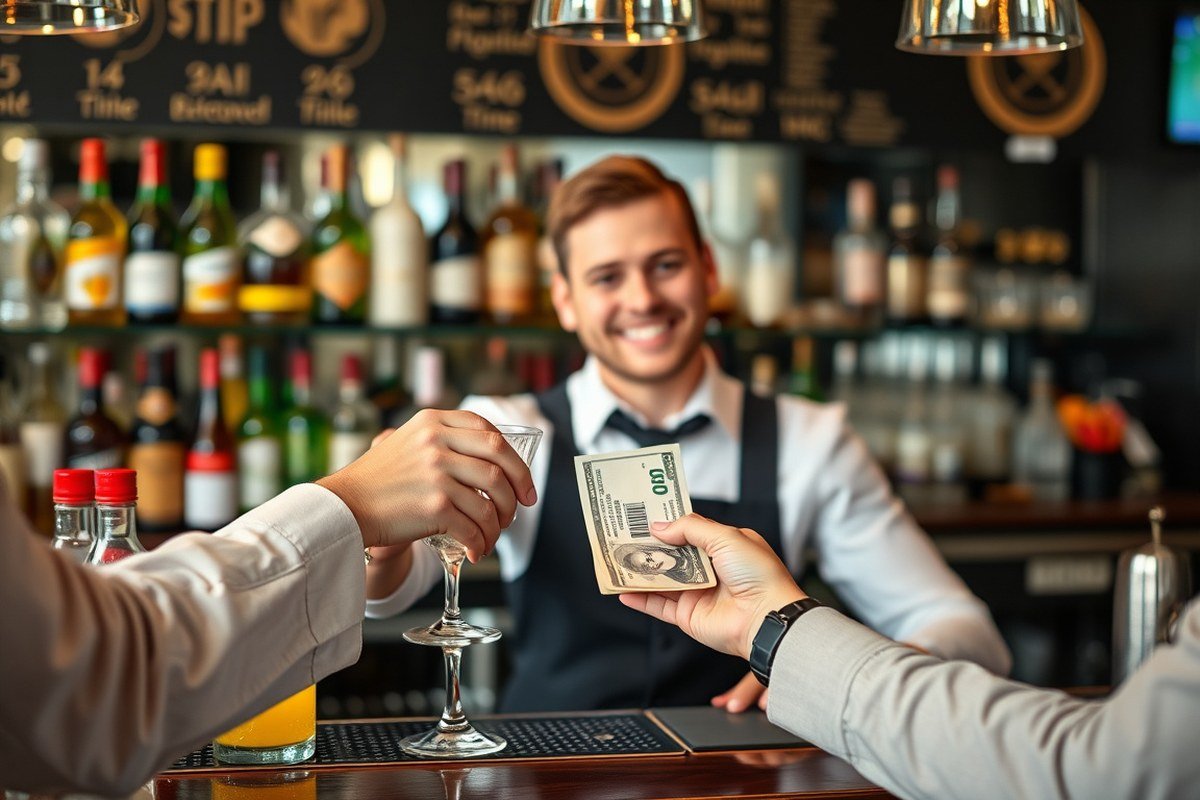
How Much to Tip a Bartender: A Complete Guide with Clear Rules
Tip your bartender $1 to $2 per drink or 15% to 20% of the total tab, whichever comes out higher. For specialty cocktails requiring extra time and skill, a $2 tip per drink is usually fair. When the service is excellent, consider tipping up to 25% to show appreciation. This advice applies whether you’re ordering a single beer, wine, or an elaborate cocktail at a neighborhood bar or a special venue.
This information suits anyone who visits bars and wants clear rules on how much to tip a bartender. You’ll learn how drink types, service quality, payment methods, and bar settings affect tips. Understanding these factors helps you tip fairly and build a good rapport with your bartender while keeping your own budget in check.
Key Takeaways
- Tip $1 per beer or wine that involves only pouring or opening a bottle.
- Increase the tip to $2 per drink for cocktails with multiple ingredients or complex prep.
- When the bartender is attentive or helpful, aim for 20% of the total tab when closing out.
- Settle tabs by tipping at least 18% after taxes, raising to 20% or more for great service.
- Tip $1 per shot when ordering a round of shots for your group.
- When the bartender also serves food, tip 20% of the full bill, including drink and meal charges.
How Much Should You Tip a Bartender per Drink or Tab?

The typical tip per drink ranges from $1 to $3, depending on the type of drink and the venue. For simple beers or basic mixed drinks, tipping $1 to $2 per drink is standard, while specialty cocktails often require $2 to $3. When running a tab, tipping at the end with 15% to 20% of the total usually works better, especially in bars where you stay for multiple drinks. Choosing between tipping per drink or tipping on the tab depends on how many drinks you order and the setting. Here’s a straightforward table summarizing tipping amounts by drink type and common bar situations:
| Situation | Tip Amount | Notes |
|---|---|---|
| Bottle of beer / Simple drink | $1 per drink | Casual bars, dive bars |
| Cocktail / Mixed drink | $2 per drink | Standard mixed drinks |
| Craft cocktail / Complex drink | $2, 3 per drink | More labor-intensive preparation |
| Running a tab (end of night) | 20% of total tab | Best for multiple drinks, avoid tipping per individual drink |
| Hotel bar / Upscale venue | 20% of tab | Matches restaurant tipping norms |
| Dive bar (regular) | $1 per drink minimum | Low drink prices don’t waive tipping |
| Open bar at wedding / event | $1, 2 per round or $20 upfront | Cash tips recommended |
To calculate a tip on a bar tab, find the total bill and multiply by 0.15 to 0.20. For example, if your total is $50, tip $7.50 to $10. For expensive cocktails, tipping 15% of the total bill generally provides a fairer amount than tipping for each individual drink. Use this simple formula: divide the total bill by 5 to get an easy 20% tip amount. For cash tipping, you can leave the tip incrementally after each drink or as a lump sum at the end.
Per-drink tipping is best when ordering only a few drinks or in casual settings. This method shows appreciation immediately and is straightforward for the bartender. For longer sessions or when opening a tab, tipping on the total helps ensure the bartender is rewarded fairly without constant calculations. In places like hotel bars or upscale venues where a tab is common, 20% on the total is customary and easier to manage. A simple decision rule can help:
- Few drinks (1, 3): Tip per drink.
- Multiple drinks or tab open: Tip on the total at 15, 20%.
- Complex cocktails: Lean toward higher per-drink tips or 20% on the tab.
- Open bars/events: Consider tipping $1 to $2 for each round or giving a single $20 tip at the start.
Following these guidelines helps the bartender fairly and fits the usual expectations in different bar environments.
Tipping Differences by Drink Type: Beer, Wine, and Cocktails
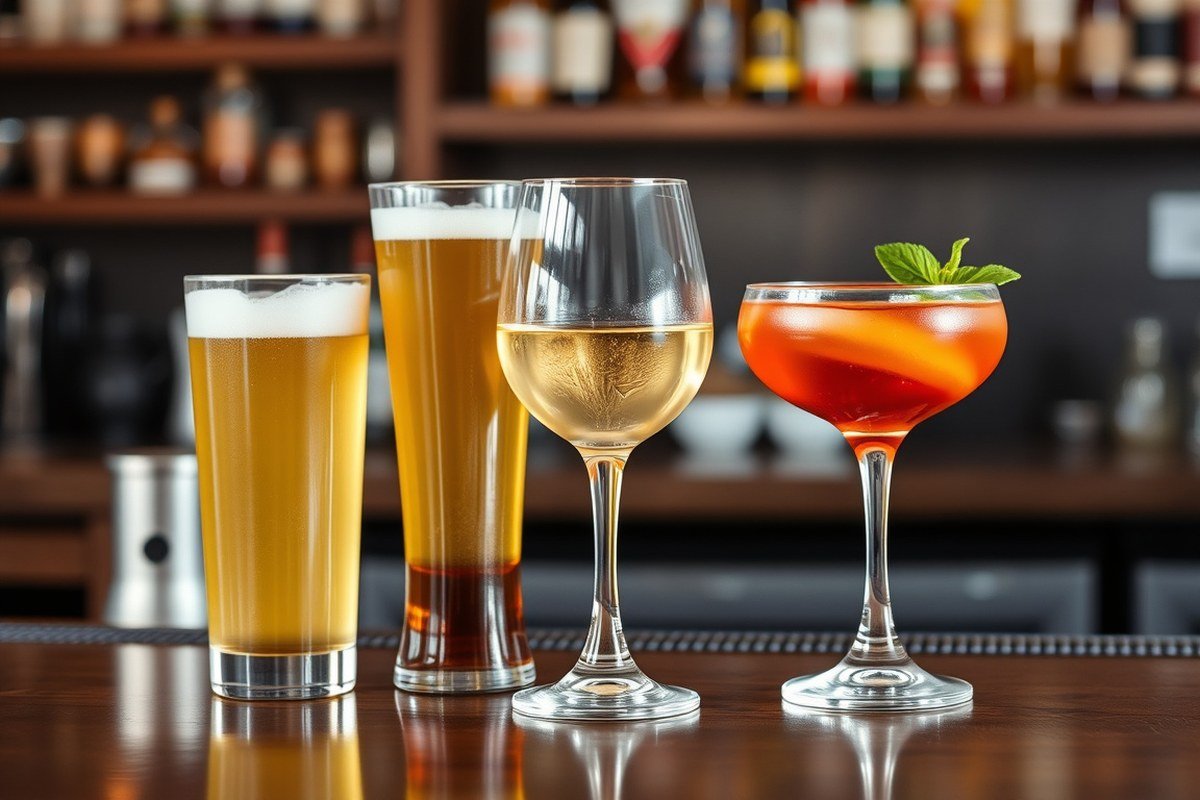
Tipping bartenders depends largely on what kind of drink you order because the effort needed for each varies. For simple beers from a bottle or can, a $1 tip usually covers the bartender’s work since it involves minimal prep. Draft beers take a bit more skill with the pour and glass choice, so tipping $1 to $2 fits better. Wine by the glass falls in a similar range because it mainly requires opening the bottle and pouring without complex mixing.
Cocktails split into basic and specialty categories, demanding different tip amounts. Well drinks or simple mixed cocktails like a rum and Coke or gin and tonic generally deserve $1 to $2 tips due to their straightforward assembly. Craft or signature cocktails involve multiple ingredients, shaking or stirring, and garnishes, so you should tip $2 to $4 per drink to acknowledge the extra time and technique. The bartender is delivering more value with these drinks, and the higher tip reflects that complexity. Using a tiered tipping approach based on drink complexity helps keep your tipping fair and clear. Here is a breakdown of recommended tips by drink type and why:
| Drink Type | Suggested Tip | Reason |
|---|---|---|
| Bottle or Can Beer | $1 | Minimal prep, quick pour |
| Draft Beer | $1, $2 | Good pour, proper glassware, tasting advice |
| Simple Cocktail (Well Drink) | $1, $2 | Fast build, basic garnish |
| Craft Cocktail | $2, $3 | Multiple ingredients, shaking/stirring, specialty garnish |
| Signature or Highly Complex Cocktail | $3, $4 | More techniques, time-consuming |
| Wine by the Glass | $1, $2 | Simple pour, similar to beer |
The dollar amounts can increase as inflation impacts drink prices, so a $2 or $3 tip on a standard beer or cocktail isn’t uncommon today. Tipping a flat $1 on a beer is fine if service is quick and simple, but leaving $2 on a draft beer or a glass of wine helps the bartender more fairly reward their effort. For cocktails, especially craft or elaborate ones, a tip near 20% of the drink price often makes sense because the bartender invests significant time and skill.
Tip at least $2 per craft cocktail to match the bartender’s work, rather than sticking to a flat $1 regardless of drink type.
Following these guidelines ensures you tip in proportion to the service and skill involved in your drink, which encourages good bartending and helps maintain positive bar experiences.
When and How to Tip at Open Bars, Events, and Special Venues
At open bars, private events, or special venues like hotels and airports, tipping still plays an important role even when drinks are comped. Bartenders work the same long shifts and depend on tips as part of their income. Guests should generally tip $1 to $2 per drink or per round, acknowledging the service despite no direct charge on the bill.
Hosts typically cover the cost of the drinks at an open bar, but this does not automatically cover gratuities. In many formal events like weddings or corporate parties, the venue contract might include an automatic 18-20% gratuity for bartenders and other staff. Even then, it’s a good practice for guests to tip on top of that when possible, especially for exceptional service.
When bartenders place tip jars at open bars, it signals that additional tips are welcome since the host hasn’t prepaid gratuities fully or bartenders accept extra cash. Handing cash directly to the bartender ensures they personally receive your tip instead of it going into a pooled tip system. This is particularly appreciated in large events with many staff members.
Hosts should plan to tip bartenders based on the event size and length of service. A common guideline for hosts is to provide a flat tip between $100 and $200 to bartenders for events lasting several hours, scaled by guest count. This upfront tip reduces pressure on guests and rewards the bartender’s effort. At the same time, guests might still leave individual tips for each drink to show appreciation and encourage friendly service.
- Tip $1, 2 per drink or per round at open bars and special events
- Hosts should budget $100, 200 total per bartender for multi-hour events
- Guests can tip $1 per drink or $2 every few drinks at weddings or corporate parties
- Look for tip jars as a sign that bartenders welcome additional gratuities
- Cash tips handed directly to bartenders guarantee they receive your gratitude
- Automatic gratuities (18-20%) may be included in venue pricing but don’t replace extra tipping
- At hotel or airport bars, tipping $1, 2 per drink follows standard bartender etiquette
Open bars mean the guest has no direct charge, but tipping recognizes the hard work behind the scenes. For hotel or airport bars, tipping the same $1-$2 range per drink aligns with typical bar customs because bartenders rely on these gratuities. Choosing when to tip matters: offering cash at the start or during your stay helps build goodwill and ensures smooth service.
Guests should never feel obligated to tip excessively, but skipping tipping entirely at an open bar or special venue may be noticed and could affect service quality. Host tips often facilitate a positive atmosphere, while guest gratuities reward individual attention and speed. Clear communication and reasonable tipping help bartenders maintain friendly and efficient service throughout your visit.
How to Tip for Excellent, Poor, or Complex Service
Tipping the bartender fairly depends on the quality of service and the complexity of your drink. When you get excellent service and the bartender goes out of their way to make your experience enjoyable, tipping 25% or more of the total bill shows appreciation for their effort. This includes occasions when the bartender takes time to craft a complex cocktail or offers friendly conversation.
For complex cocktails that require more skill or time, consider tipping $2 to $3 per drink. This reflects the extra work involved compared to simple drinks like beer or wine. On nights when the bar is very busy, keep these factors in mind before adjusting your tip downward.
Poor service, such as inattentiveness or rudeness, warrants a smaller tip. A range of 10-15% of the bill or reducing the per-drink tip below the usual $1 to $2 can signal dissatisfaction politely. Take a moment to assess whether the poor service might be due to circumstances beyond the bartender’s control before tipping less, which helps avoid unfairly penalizing them. Adjusting your tip fairly starts with a clear checklist so you can respond appropriately and maintain good etiquette without offending the bartender. Use these steps to determine the right tip amount based on service quality and drink complexity:
- Observe the service quality: Notice if the bartender is attentive, friendly, and efficient. Exceptional personal attention or friendly interaction deserves a higher tip.
- Evaluate the drink complexity: For simple drinks like beer or wine, tip around $1 to $2 per drink. For crafted cocktails with multiple ingredients or specialized techniques, increase the tip to $2 or $3 per drink.
- Consider the bar environment: On very busy nights, be more understanding, as delays or minor mistakes might not be the bartender’s fault.
- Decide your percentage tip: Generally, tip 15-20% of your total bill. Excellent service usually calls for a tip of 25% or more.
- Adjust for poor service: When service is genuinely poor, reduce the tip to around 10-15% or leave less than usual per drink, but do not skip tipping completely.
- Tip per drink or the full tab: For cash payments, tip for each drink as you receive it to keep your service priority. For credit card payments, tip 15-20% of the total bill after taxes.
- Communicate kindly if reducing tip: Avoid rudeness or silence if leaving a smaller tip, which can prevent misunderstanding. A polite comment like “Thank you, it’s been a busy night” goes a long way.
Following these steps balances fairness with etiquette. For example, if you order a complex cocktail on a busy night and the bartender is friendly and attentive, a tip closer to 25% or $3 per drink is appropriate. When the bartender is slow or inattentive without a good reason, tipping around 10-15% signals that the service did not meet expectations without being too harsh.
Cash vs Card: Best Practices for Tipping Bartenders
Tipping cash or card both work for bartenders, but each has distinct advantages. Cash tips put money directly in the bartender’s hand that night, while card tips simplify paying large tabs and fit well with digital systems. Choosing the best method depends on your situation, whether you’re paying per round or closing a group tab.
Advantages of Cash Tips
Cash tips are immediate and highly appreciated. Bartenders can take those tips home right away, without waiting for payroll to process card tips, which often pay out weekly or bi-weekly. This directness also helps bartenders avoid some fees or delays tied to card processing. Cash lets you quickly indicate you’re tipping, especially when paying per drink or round.
Handing cash directly to the bartender reduces any confusion about whether you tipped or not. Smaller bills work best, such as $1 to $2 per drink or $5 if dividing for your group. Bartenders rely heavily on tips because federal law allows employers to pay as low as $2.13 per hour with the expectation tips make up the rest of minimum wage.
- Cash tips give bartenders immediate access to money
- Easy for tipping small amounts per drink or round
- Helps avoid mix-ups about tipping
- Best when you don’t have an open tab
- Works well if you want to tip discreetly or frequently
- May avoid processing fees bartenders face on card tips
Always hand cash directly to your bartender rather than leaving it on the bar to prevent confusion or lost tips.
Cash can’t be accidentally skipped online, and it’s more personal. Still, not everyone carries cash, and tipping with a card is perfectly acceptable, especially for bigger or open tabs.
Using Digital Tip Screens Wisely
Digital tip screens appear when you pay with a credit or debit card, asking for preset tip amounts or a custom percentage. These screens encourage tipping around 15-25%, which fits well with standard gratuity expectations. They work best if you close a single tab at the end of your visit because you finish with one payment and tip.
The convenience of digital tipping means no need to carry cash or calculate tips in your head per drink. However, it can lead to smaller tips if patrons feel unsure or default to the minimum suggested amount. Card tips get processed through payroll, so bartenders wait longer to access these funds.
To tip well on a card, plan to tip around 20-25% of your tab after tax. Avoid tipping more just because you pay with plastic. Both methods reward good service and match industry standards equally.
Handling Group Tab Splits
Splitting tips when sharing a tab with friends requires clear communication. When one card pays the whole tab, tip 20% on the total, then settle with your friends separately for the exact amount. This method avoids confusion at checkout and ensures the bartender isn’t shortchanged.
If you’re paying cash per round or drink, tip $1 per shot or $1-2 per simple drink, adjusting for premium cocktails. For large groups ordering rounds of shots, tip at least $1 per shot or follow 20% of the round’s cost. Here’s an example script for closing a group tab with one card:
You: “I’ll cover the card; I’ll add a 20% tip on the total. Let’s each pay me back for our drinks afterward.”
This lets the bartender get a clean tip on the whole tab and stops tip disputes among friends once you divide the costs.
Bartender Tipping Etiquette by Bar Type and Location
Tipping norms for bartenders vary based on the type of bar and its location, affecting how much you should leave for good service. Dive bars typically have a more casual tipping approach, while craft cocktail bars require more generous tips because of the bartenders’ skill and the complexity of drinks.
In dive bars, where the service is quick and drinks are often simple poured beers, a $1 tip per drink is common and appreciated. At craft cocktail bars, the bartender’s effort in mixing layered or infused drinks justifies tipping 20-25% of the drink price, or $2 to $3 per cocktail. Hotel bars and airport bars often set expectations closer to standard bar bars, with 15-20% tips depending on the drink cost and service quality. Tipping in different cities or regions reflects local customs, too. For example, large metropolitan areas where bartenders handle hundreds of transactions per shift rely heavily on tips for income, making it important to tip generously to maintain good service.
| Bar Type | Typical Tip Amount | Why |
|---|---|---|
| Dive Bar | $1 per drink | Simple drinks, fast service |
| Craft Cocktail Bar | $2-$3 per cocktail or 20-25% | Complex preparation, premium ingredients |
| Hotel or Airport Bar | 15-20% | Professional service, higher prices |
| Neighborhood Bar | 15-20% | Standard cocktails, regular interaction |
In cities with higher living costs, such as New York City or San Francisco, tipping tends to be on the higher side of these ranges. Bartenders in busy urban areas may serve up to 200 transactions per shift, so even small tips add up and support their income significantly. Leaving a tip equal to 50-100% of your first round can create a positive connection with the bartender, encouraging attentive service for the remainder of the evening.
Hotel bars often have pricier drinks but do not necessarily require higher percentage tips than craft bars. A $18 cocktail should receive the same 15-20% tip as a $12 cocktail at a neighborhood bar, which translates to around $3-4. If the bartender apologizes for delays or issues, it’s a good practice to still leave about 20% to show understanding and appreciation.
How to Tip Groups, Rounds, and Shots Correctly
Tipping when buying rounds or shots for a group and closing group tabs means being fair and clear. You generally tip around 20% of the total cost when paying the full tab. Tipping per shot or round is less common but still done by many. Larger groups often require a bit more attention, so tipping slightly more can help ensure good service.
Tipping per Shot and Round
The typical tip per shot or round is about $1 to $2 per drink, depending on the price and quality of service. For example, if a shot costs $5, tipping $1 is common, which approximates a 20% tip. When buying a round of multiple drinks for your group, consider tipping 20% on the total cost of the round rather than on each individual drink. Leaving a small tip with each round is okay, but be careful not to under-tip by leaving just a few cents per drink.
Many bartenders prefer that you avoid tipping per round if you plan to keep ordering and open a tab. This reduces confusion and ensures tips reflect the full service provided. When you tip per round, try to give a consistent amount each time to cover the service.
Calculating Tips on Group Tabs
When closing out a group tab, calculating the tip based on the total after tax is the standard. Tips should start at 18-20%, depending on service quality. Here’s a simple checklist to help you calculate your tip:
- Review the final bill total, including tax.
- Decide on a tip percentage, usually 18-20% for standard service.
- Multiply the bill total by the tip percentage to find the tip amount.
- Add the tip amount to the final bill to find your total payment.
- Split the total payment fairly among group members if paying individually.
For example, if a group tab totals $120, a 20% tip would be $24. Many people make the mistake of tipping less overall by only dropping a few dollars per round and not adjusting at the end. Tipping more at the end ensures you reward the bartender for all their work throughout the night.
Adjusting Tips for Large Groups
Larger groups generally require more attention from the bartender, which often means more time and effort to manage orders, mix drinks, and handle payment. For groups of six or more, servers and bartenders expect at least 20% tip, and sometimes a bit more to reflect the complexity of managing increased volume.
Some bars add an automatic gratuity for large groups, usually between 18% to 22%. Check your bill to avoid double tipping. When the bar doesn’t add a service charge, tipping over 20% recognizes the additional effort. Tipping well with larger groups helps avoid slow service and keeps the bartender motivated throughout the night.
Common Tipping Mistakes and How to Avoid Them
Tipping mistakes often come down to either tipping too little, overlooking good service, or not adjusting your tip in special situations. Avoiding these mistakes means recognizing when the bartender went above and beyond and tipping accordingly. Knowing the right amount and timing can make your bar experience smoother and more enjoyable.
Under-Tipping on Specialty Drinks
Specialty cocktails typically require more skill and time from the bartender than pouring beer or wine. Tipping only a dollar or two on these custom drinks can undervalue the effort involved. It’s best to tip at least $2 to $3 per cocktail or aim for 15% to 20% of the drink’s price.
When a bartender remakes your cocktail because of a mistake or a change of mind, keep the tip the same. Keeping the original tip shows appreciation for their willingness to fix the order and maintain quality. This practice encourages courteous corrections and attentive service the next time you visit.
Ignoring Service Quality
Service quality impacts how much you should tip more than the drink price alone. Fast, friendly bartenders who make good recommendations or remember your preferences deserve extra consideration. A standard tip range is 15% to 20% of your total tab, increasing to 25% or more for exceptional service as suggested by industry sources.
On busy nights when the bartender is juggling many customers, timely tipping tells them you value their work. Conversely, if the service feels rushed or inattentive, it’s acceptable to tip at the lower end of the scale but still leave something to acknowledge their effort.
Always adjust your tip based on how well the bartender serves you, not just the price of the drinks.
Failing to Tip on Open Bars
Even at open bars or events where drinks are free, tipping the bartender is important. These situations often involve high demand and fast-paced service, so tip $1 to $2 per drink or $5 to $10 per hour of service to show appreciation. Skimping on tips in these settings can discourage attentive service.
Bringing cash for tips to open bar events avoids awkwardness and ensures the bartender receives the gratuity directly. When paying with a card, check if you can add a tip electronically or leave cash on the bar. Making this effort helps maintain good relations in social or professional settings where bartenders serve many guests.
- Tip at least $2 on specialty cocktails
- Keep your tip the same if a drink is remade
- Adjust your tip for service quality, not just price
- Tip more when bartenders manage busy or complicated orders
- Always tip at open bars, ideally in cash
- Say, “Thanks for the great drink,” when tipping to add a personal touch
- Don’t tip less than 15% unless service was very poor
Step-by-Step Action Plan for Tipping Bartenders
Master tipping bartenders with these clear steps, so you can feel confident in any bar setting.
- Before your first drink: Decide to tip $1 to $2 per beer or glass of wine; for cocktails, plan $2 to $3 per drink. This guideline keeps your tips simple and fair.
- On your first tab: Check your drink types and calculate your tip accordingly. Look at your total; tipping 15-20% at the end signals proper etiquette.
- At open bars or events: Tip $1 to $2 per drink or a flat $5 to $20 for the event, depending on length and service complexity. A smooth experience means you’ve hit the right amount.
- When service is excellent: Add $1 extra per drink or leave a 25% tip on your tab. Notice if your bartender acknowledges your gratitude with friendly service.
- For poor or complex service: Adjust your tip carefully; leave at least $1 per drink and consider giving feedback if service is a problem. You’ll know it worked if your bartender improves or explains delays.
- Paying by card: Leave your tip on the receipt to ensure the bartender receives it. Confirm the tip posts correctly if possible.
- After rounds and group orders: Tip based on total drinks or rounds you bought, not just your own drink. The bartender recognizing your generosity is a sure sign.
- In different bar types or locations: Increase tips slightly in upscale bars or big cities where costs and wages are higher. You’ll feel confident knowing you’re meeting local norms.
Frequently Asked Questions
How Much Should I Tip a Bartender for a Specialty Cocktail?
Tip about $2 per specialty cocktail to reflect the extra time and skill involved in its preparation, which is higher than the basic $1 tip for simpler drinks like beer or wine.
Is It Okay to Tip a Bartender When I Only Buy One Drink?
Yes, tipping $1 to $2 per drink is standard, ensuring your bartender is compensated fairly even for a single drink.
Should I Tip Bartenders at an Open Bar During Events?
Yes, tipping $1 to $2 per drink is appropriate, as hosts usually tip staff only at event ends, so leaving tips per drink supports the bartender directly.
How Do I Tip Bartenders When Paying with a Card Versus Cash?
If paying by card, add the tip on the receipt, but cash tips go directly to the bartender immediately and are often preferred.
What Should I Do If the Bartender’s Service Was Poor?
Leave at least a 15% tip unless the service was very bad, in which case reduce the tip and speak to management respectfully.
How Do Bartenders Prefer to Receive Tips: Cash or Card?
Cash tips are usually preferred because bartenders receive them instantly, while card tips might take longer to reach their pockets.
Before You Go
You can tip your bartender accurately in any situation by using a clear dollar amount per drink or percentage on tabs. Starting with simple amounts for each drink type and adjusting for service quality keeps your tips fair and appreciated. Next time you order, set aside enough cash or be ready to add a card tip so you never miss the chance to tip properly.


2 Comments