
What Is the Weather in Millersburg PA Today and This Week: Full Guide
The weather in Millersburg, PA today is clear with temperatures around 9°C in the evening, becoming mostly cloudy later with a chance of a sprinkle. Tomorrow, expect mostly sunny skies with breezy conditions, low humidity, and a high near 20°C, which raises an improve fire risk due to dry brush. This overview helps you plan your day and week effectively, especially if you live in or are visiting Millersburg and want timely, detailed weather updates.
This guide is for residents, travelers, and outdoor enthusiasts who need accurate current weather conditions and forecasts. You will find weather patterns for the week ahead, seasonal expectations, and tips on using local weather alerts and radar to stay informed. Knowing Millersburg’s weather details helps you schedule activities safely and comfortably.
Key Takeaways
- Expect clear evenings with mild temperatures around 9°C and occasional late-night sprinkles in Millersburg.
- Tomorrow’s mostly sunny and breezy weather comes with low humidity, increasing fire risk for dry areas.
- Use local weather alerts to monitor fire threat levels, especially on dry, windy days.
- Check real-time radar to track changes in cloud cover or precipitation near Millersburg.
- Plan outdoor activities during afternoon hours when temperatures reach about 20°C with pleasant breezes.
- Adjust travel plans around Millersburg accordingly to avoid poor weather conditions or fire hazards.
Current Weather Conditions in Millersburg, PA

The current temperature in Millersburg, PA, typically ranges between the mid-50s and low 70s Fahrenheit during spring mornings into afternoons, with exact numbers varying by the time of day. The weather status often shows partly cloudy skies or light sun, depending on the day’s progression. You can check real-time updates through reliable weather services that report directly from local weather stations near Millersburg. These platforms provide immediate details on temperature alongside descriptions such as “clear,” “cloudy,” or “rain showers,” helping you plan outdoor activities accordingly.
Humidity levels in Millersburg usually hover around 50% to 70% in the spring, rising higher on rainy or foggy days. This range means you might feel a bit sticky but generally comfortable without extreme moisture. Winds blow gently from the southwest or northwest, averaging 5 to 10 miles per hour most days. At times, gusts can reach 15 or 20 miles per hour, which might affect activities like cycling or outdoor dining. Checking wind speed on weather apps or websites helps you prepare, especially if you’re sensitive to wind chill or require calm conditions for scheduling events.
Air quality in Millersburg is generally good but can vary with local conditions. The Air Quality Index (AQI) is a numerical scale from 0 to 500 indicating pollution levels. Values under 50 are considered good and safe for outdoor activities, even for sensitive groups like children and elderly adults. When AQI rises between 51 and 100, it indicates moderate air quality with some potential for irritation to sensitive people. You can find real-time AQI readings on government or environmental monitoring websites and apps. Checking this before extended outdoor time is particularly important for residents with asthma or other respiratory conditions.
Currently, there are typically no severe weather alerts or warnings for Millersburg, PA, aside from seasonal advisories issued during stormier months. Weather services list active alerts if they occur, such as flood warnings, thunderstorm watches, or wind advisories. You can access these updates through the National Weather Service or regional weather apps, which send push notifications about changes in weather emergencies. Remaining aware of these alerts helps ensure your safety and allows prompt changes to travel or outdoor plans without unexpected disruptions.
Using platforms that combine current temperature, humidity, wind speed, and air quality data in real time gives you a clear picture of Millersburg’s immediate weather. Many smartphone apps or local news websites provide this information at no cost. Setting alerts for weather changes is simple and keeps you informed throughout the day. For example, you can enable notifications on your phone for temperature drops, rain starts, or air quality warnings, allowing you to adjust your clothing, travel routes, or activity schedules accordingly.
Detailed 7-Day Weather Forecast for Millersburg
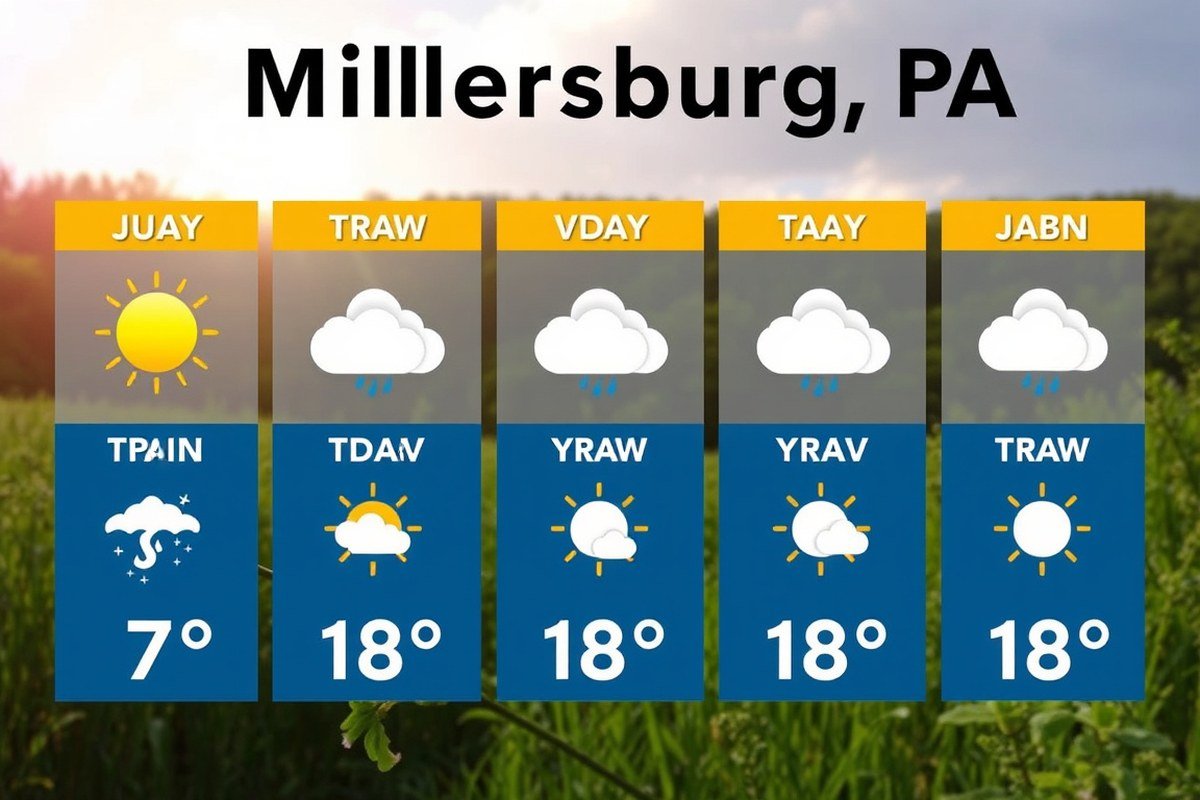
The temperature in Millersburg over the next seven days shows a gentle cooling trend with daily highs gradually moving from around 68°F early in the week down to near 55°F by week’s end. Nighttime lows will dip from the mid-50s to the upper 30s, staying a consistent 12 to 15 degrees cooler than the daytime highs. This difference means you can expect comfortable daytime conditions ideal for outdoor activities, followed by crisp evenings requiring a light jacket.
Rain chances are moderate at around 40% on midweek days, mostly occurring on Election Day when showers and storms could complicate travel. A dry stretch is forecast for the weekend and into next week, bringing mostly sunny conditions with low humidity but increased wind speeds. Snow is not expected during this period, keeping outdoor plans manageable without winter weather disruptions.
Winds will pick up slightly on the breezier days around the middle of the week, reaching speeds up to 15 mph, before calming down again by Friday. Humidity levels will vary with the weather, dropping from 98% on rainy days to between 57% and 66% on dry and sunny days. Lower humidity combined with breezy conditions will contribute to an improve fire risk in dry brush areas along the Susquehanna River corridor. The following table summarizes daily highs, lows, precipitation chances, and wind speeds to help plan your week precisely:
| Day | High (°F) | Low (°F) | Precipitation Chance | Wind Speed (mph) |
|---|---|---|---|---|
| Monday | 68 | 55 | 20% | 8 |
| Tuesday | 65 | 52 | 40% | 12 |
| Wednesday (Election Day) | 63 | 50 | 40% | 15 |
| Thursday | 60 | 48 | 10% | 10 |
| Friday | 58 | 45 | 5% | 8 |
| Saturday | 56 | 42 | 0% | 6 |
| Sunday | 55 | 40 | 0% | 6 |
Tracking the daily highs and lows helps you schedule outdoor plans during the warmer, drier parts of the day. For example, mornings and early afternoons will offer the best conditions to avoid the chilly night air. Keep an eye on the wind forecast to prepare for gustier conditions midweek, and stay updated on any changes in rain chances that could affect your travel or errands around Millersburg.
Tip: On days with low humidity and breezy conditions, avoid open burning or outdoor fire use near dry brush to reduce wildfire risk.
Seasonal Weather Patterns and What to Expect
Millersburg, PA experiences four distinct seasons, each bringing its own changes in temperature, precipitation, and weather patterns. Winters are cold with occasional snow, while summers can be warm and humid. Rain and snow are common in different months, along with occasional severe weather like storms.
Winter Temperatures and Snowfall
Winter in Millersburg usually runs from December through February, with average low temperatures around 20°F and highs near 35°F. Snowfall varies year to year but typically totals around 20 to 30 inches for the season. Snow often falls from late November through March, with January being the snowiest month. Ice and freezing rain can occur, making travel tricky at times. Winters are cold enough to require warm clothing, but extreme cold spells below 0°F are rare.
Summer Heat and Humidity Levels
Summer stretches from June to August, with daytime highs frequently reaching the upper 80s to low 90s °F. Humidity often climbs above 60%, creating a muggy feel. Nights cool down to the 60s and low 70s, offering some relief. The combination of heat and humidity means you’ll want to plan for plenty of water and rest if outdoors. The Millersburg Area Pool provides a local option to cool off during the hottest months.
Rainfall and Seasonal Changes
Most of Millersburg’s annual rainfall occurs in spring and summer, averaging about 40 to 45 inches per year. May and June tend to be the wettest months. Rain often comes as scattered thunderstorms rather than long steady showers. Fall brings drier conditions and crisp air, with temperatures cooling from the 70s down into the 40s by November. Rainfall decreases as winter approaches, but occasional snowstorms can still bring wetter conditions for a few days.
Severe Weather and Storm Events
Millersburg can experience severe weather including thunderstorms with gusty winds, hail, and rarely tornadoes. Late spring through summer is the main season for these events. Wind speeds in storms can sometimes damage trees or cause power outages. Staying informed through local weather alerts is key when storm conditions develop. Winter storms occasionally bring freezing rain or heavy snow that can disrupt travel and daily routines.
How Seasonal Patterns Affect Planning
Understanding these seasonal weather patterns helps you prepare for travel or outdoor activities in Millersburg. Dressing in layers works well for changing temperatures, especially in fall and spring. Carrying rain gear from late spring through early summer reduces surprises from thunderstorms. Winter requires careful attention to forecasts for snow and ice. Noticing how season length and severity can vary year to year will help you stay ready without overpacking or underpreparing.
How to Use Millersburg Weather Alerts and Radar Effectively
Staying safe in Millersburg, PA during unstable weather means understanding alerts and radar images correctly. Knowing the types of alerts and how to read radar maps helps you adapt travel and outdoor plans quickly. Checking updates regularly ensures you get reliable information when you need it most.
Types of Weather Alerts in Millersburg
Millersburg experiences several weather alerts that can affect daily life and safety. Common alerts include watches, warnings, and advisories. A Watch means conditions could develop into dangerous weather, such as a severe thunderstorm watch or winter storm watch. A Warning signals that hazardous weather is occurring or imminent, demanding immediate action. Advisories inform you of less dangerous but still impactful situations, like a dense fog advisory or wind advisory.
Snow and ice alerts often appear in winter months, while summer may bring severe thunderstorm or flood warnings. Each type impacts your plans differently. For example, a flood warning might close local roads and trails, while a wind advisory could make outdoor activities uncomfortable or unsafe.
Basics of Reading Radar Maps
Radar maps show real-time weather patterns like rain or snow around Millersburg. Colors on the map indicate intensity: green means light rain, yellow and orange denote heavier rain, and red signals severe storms. Blue and white shades typically represent snow or mixed precipitation. Reading radar maps accurately requires practice. Use this step-by-step guide to track incoming weather:
- Open a trusted radar source like the National Weather Service or a local weather app.
- Identify Millersburg on the map to focus on your exact location.
- Look at the color legend to understand precipitation type and intensity.
- Check the radar’s timestamp to ensure you are viewing recent data, ideally within the last 5 to 10 minutes.
- Note the movement direction of precipitation patterns to predict arrival time.
- Observe if precipitation is spreading or dissipating to assess how long conditions might last.
- Compare radar with any active weather alerts for consistency.
This process helps you decide whether to postpone commuting, outdoor events, or trips around Millersburg.
Responding to Alerts for Safety
Reacting properly to weather alerts minimizes risks for you and your family. Always treat warnings as signals to take immediate safety measures, while watches suggest increased vigilance. Use this checklist to respond effectively:
- Sign up for local weather alerts via phone or email from official sources.
- Confirm the type of alert and understand what it means for Millersburg’s conditions.
- Check your radar map for visual confirmation of developing weather.
- Secure loose outdoor items if wind or storm warnings are issued.
- Avoid travel during warnings for flooding, ice, or severe storms when possible.
- Inform household members of the alert and establish a communication plan.
- Keep emergency supplies ready if alerts forecast prolonged power outages or dangerous weather.
Alerts may delay travel or cancel outdoor activities such as hiking or festivals around Millersburg. Following this checklist reduces the chance of accidents and ensures you stay informed as conditions change.
Sources for Reliable Weather Updates
Reliable weather updates for Millersburg come from government and regional organizations. The National Weather Service provides up-to-date alerts and radar feeds tailored for local areas. State or county emergency management offices also issue warnings relevant to Millersburg.
Updates typically refresh every 5 to 15 minutes on radar sites, but alerts for severe conditions can be updated more frequently. Mobile apps and NOAA Weather Radio offer prompt notifications and are good options if you need immediate sound alerts. Local news stations with weather reporting on TV and online also track changes.
Check several sources to verify information and guard against delayed updates. Always trust alerts from official agencies over social media or non-official websites, especially during emergencies.
Comparing Millersburg Weather with Nearby Areas
Millersburg’s weather generally aligns with other parts of Central Pennsylvania, but subtle differences arise due to its river valley location versus the more urbanized and slightly lower elevation of Harrisburg. On average, Millersburg experiences slightly cooler nighttime temperatures, especially in spring and fall, because the Susquehanna River valley allows for more pronounced radiational cooling. A comparison of key weather factors helps highlight these differences.
| Location | Average Summer High (°F) | Average Winter Low (°F) | Annual Precipitation (inches) | Average Wind Speed (mph) |
|---|---|---|---|---|
| Millersburg, PA | 85 | 18 | 42 | 7 |
| Harrisburg, PA | 87 | 20 | 43 | 8 |
| Dauphin, PA | 86 | 19 | 44 | 7.5 |
| Lewistown, PA | 83 | 15 | 40 | 6 |
Millersburg tends to have marginally cooler summers and colder winters compared to Harrisburg, with highs around 2 degrees lower on summer days and lows about 2 degrees lower on winter nights. This is mainly due to the rural setting and elevation differences. Harrisburg’s urban heat island effect raises temperatures slightly. Precipitation amounts are similar across these areas, ranging from 40 to 44 inches annually, though Millersburg’s proximity to the river can lead to localized fog and occasional heavier rain bursts. Lewistown, further north and at a higher elevation, sees the coolest temperatures and slightly less precipitation but also less wind on average.
Wind speeds near Millersburg typically run around 7 mph, a bit calmer compared to Harrisburg’s 8 mph average. Local forests and the river valley help reduce wind gusts, producing a microclimate that feels less breezy. This difference matters if you’re planning outdoor activities that depend on wind, such as boating or kite flying.
The microclimates around Millersburg stem from its geography. The Susquehanna River valley creates slightly cooler nighttime conditions and increased humidity compared to surrounding uplands. Urban expansion near Harrisburg increases heat retention, making that area warmer overnight. Also, frost and dew events are more frequent in Millersburg’s lower valley spots.
Tip: Monitor local radar and weather alerts carefully in Millersburg, especially during transitional seasons, as the river valley microclimate can bring localized fog or sudden precipitation that might not appear in broader forecasts.
Daily Sun, Moon, and Daylight Information for Millersburg
The sun in Millersburg, PA currently rises around 6:40 a.m. And sets near 5:13 p.m., giving you roughly 10 hours and 33 minutes of daylight each day. This daylight period changes daily as the seasons shift, shortening toward winter and lengthening in spring and summer. Knowing these exact times helps you plan your outdoor activities smarter, ensuring you make the most of the available light for work, exercise, or leisure.
The moon today is in its waning gibbous phase, with about 80% of its surface illuminated. This phase follows a full moon and precedes the third quarter, meaning the moon is still quite bright for several hours after sunset before fading later into the night. For those who enjoy nighttime outdoor activities like walking or stargazing, this phase provides a good balance of natural light and darkness.
To use daylight efficiently in Millersburg, start your outdoor plans shortly after sunrise to take advantage of the cooler morning hours and natural light. Aim to complete most outdoor tasks by 30 minutes before sunset, allowing enough time to finish activities safely. If you rely on moonlight, evenings near a waning gibbous moon offer good visibility without additional lighting for up to a few hours after dusk, especially in less urban parts of Millersburg.
Keep a daily sunrise and sunset timeline handy, either on a weather app or a printed calendar, and note the changing moon phases across the month. This routine gives you a clear picture of when to schedule longer hikes, gardening, or photography sessions. It also helps you avoid being caught outdoors in reduced visibility or cold after sunset during colder months.
Variations occur notably around the equinoxes and solstices. As days grow shorter moving into winter, plan outdoor activities earlier in the day and prepare for less evening light. Conversely, longer summer days mean you can start activities later in the afternoon and extend them into the evening with residual twilight or moonlight. Adjusting your schedule to match these natural patterns increases safety and enjoyment.
Humidity, Wind, and Their Impact on Millersburg Weather
Humidity in Millersburg, PA, typically ranges from moderate to high throughout the year, with summer months often seeing levels between 60% and 80%. This moisture in the air can make temperatures feel warmer than the official reading, a phenomenon called the heat index. For example, a 85°F day with 70% humidity might feel like 92°F, increasing discomfort and raising the risk of heat-related illnesses like heat exhaustion. Keeping hydrated and seeking shade or air-conditioned environments during humid spells helps reduce these risks.
Wind in Millersburg influences not only how the temperature feels but also local weather conditions. Winds from the northwest often bring cooler, drier air, lowering humidity and making hot days more bearable. Conversely, southern or southeastern winds can carry moisture from the Atlantic, increasing humidity and sometimes bringing rain. Wind speed matters as well; gusts above 25 to 30 mph can make outdoor activities challenging and occasionally unsafe, especially in areas with loose debris or near trees. Securing outdoor furniture and being cautious during these windy spells helps prevent accidents.
Humidity also affects how your body cools down through sweating. High humidity slows evaporation, the body’s natural cooling method, causing you to feel hotter and sweat more. This can strain your cardiovascular system and lead to exhaustion if you’re not careful. On cooler days, high humidity might make the air feel colder, especially when paired with strong winds. This wind chill effect occurs when wind increases heat loss from your body, making temperatures seem up to 10 degrees lower than they actually are. Wearing windproof clothing on blustery, moist days can help maintain comfort and warmth.
To prepare for high humidity, consider wearing lightweight, breathable fabrics and using fans or air conditioning to promote air circulation indoors. Outside, schedule physical activities for early morning or late evening when humidity and temperatures tend to be lower. When strong winds are forecasted, check for warnings, secure outdoor objects, and avoid open fields or wooded areas where falling branches could pose a risk. These precautions support safety and comfort, whether dealing with the sticky heat of summer or gusty fall days in Millersburg.
Best Outdoor Activities Based on Millersburg’s Weather
Outdoor activities in Millersburg, PA, vary with the seasons and changing weather. Sunny, mild days are ideal for hiking and local sightseeing, while summer’s warm weather suits swimming and water sports. Adjusting your plans based on rain or wind helps keep your outings safe and enjoyable.
Summer Pool and Water Activities
During summer, temperatures in Millersburg often reach into the mid-80s °F, perfect for water-based activities. The community pool at 590 Center St offers an accessible spot for swimming and lounging. Many local hotels provide pools and hot tubs, allowing easy access if you’re staying nearby.
For water sports like kayaking or paddleboarding on the Susquehanna River, look for days when temperatures are above 75 °F, and winds are calm (under 10 mph). Bring sunscreen, water shoes, and a life jacket for safety. Water entry fees at community pools typically range from free to a few dollars.
Spring and Fall Hiking Options
Spring and fall bring cooler, milder weather, often ranging from the 50s to low 70s °F, making hiking comfortable. Trails around Millersburg, such as those near local parks, provide scenic views without the summer heat. Layered clothing works best, as mornings and evenings can be chilly.
- Wear moisture-wicking shirts and sturdy hiking boots
- Carry a lightweight waterproof jacket for spring showers
- Bring insect repellent in spring and early summer
- Use a backpack to hold snacks and water bottles
- Plan hikes between late morning and mid-afternoon for warmer temperatures
Check the weather forecast for any sudden changes and avoid hiking during heavy rain or strong winds, which can make trails slippery and dangerous.
Winter Outdoor Sports and Safety
Winter in Millersburg usually means cold temperatures around the 20s to 30s °F, sometimes with snow. Outdoor sports such as cross-country skiing or snowshoeing fit these conditions. Dress in insulated layers, including gloves and hats, to stay warm.
Shoveling snow or walking on icy paths requires sturdy, non-slip boots. Avoid extended exposure to wind chills that fall below 20 °F. To prepare for winter outings, check local snow depth reports and have a plan to warm up indoors afterward.
Adjusting Plans for Rainy or Windy Days
Days with rain or winds over 15 mph call for caution during outdoor activities. Avoid hiking or water sports when trails or river conditions worsen. Instead, indoor options like visiting local museums or nearby shopping can fill your day without weather risks.
- Carry waterproof gear, including jackets and boots
- Check live radar and weather alerts before heading out
- Plan shorter trips or return routes to avoid sudden storms
- Keep extra dry clothing in your car or backpack
- Reschedule activities if lightning is forecast
Always bring a fully charged phone to monitor weather updates and call for help if needed during outdoor trips in Millersburg.
Your Quick-Start Plan for Using Millersburg Weather Information
Follow these steps to stay updated on weather in Millersburg and plan your day effectively.
- Before Your Day Begins: Check the current weather conditions and 7-day forecast to decide your outdoor plans. You’ll feel confident knowing what to expect.
- Each Morning: Review any weather alerts or radar updates to catch sudden changes like storms. This helps you adjust plans in time.
- Midday: Note humidity and wind levels from local reports to dress comfortably and plan activities accordingly. You’ll avoid discomfort from unexpected heat or wind.
- Afternoon: Use daylight and sunset times to schedule outdoor activities or travel during safe light conditions. This keeps your plans aligned with available daylight.
- Before Outdoor Events or Travel: Compare Millersburg’s forecast with nearby areas if traveling to avoid surprises. You can pack and prepare appropriately.
- Daily: Adjust your plans based on seasonal weather patterns to pick the best times for outdoor fun. You’ll maximize your enjoyment and safety.
Frequently Asked Questions
What Is the Weather in Millersburg, PA?
The weather in Millersburg, PA changes daily with current conditions available online. Checking local forecasts helps you plan for temperature, precipitation, or wind patterns that affect your day.
Is Millersburg, Pennsylvania a Good Place to Live?
Millersburg offers a small-town atmosphere with easy access to Harrisburg amenities. It suits those who prefer quiet neighborhoods and proximity to outdoor activities along the Susquehanna River.
What Is There to Do in Millersburg, PA?
Millersburg has outdoor activities like hiking, boating, and local festivals. Its historic district and nearby state parks also provide cultural and recreational options year-round.
Is PA Going to Have a Snowy Winter?
Snowfall varies by year, but central Pennsylvania typically sees snow each winter. Monitoring seasonal forecasts by the National Weather Service helps you prepare for snow conditions near Millersburg.
What Is the Crime Rate in Millersburg, PA?
Millersburg has a relatively low crime rate compared with larger cities nearby. Local police reports and community safety resources can provide updated information for residents and visitors.
How Cold Does It Get in Millersburg During Winter?
Winter temperatures in Millersburg often drop into the 20s °F. Dressing in layers and preparing for cold snaps is important, especially for outdoor plans during December through February.
Before You Go
Weather conditions in Millersburg, PA, change regularly, so staying informed helps you plan your daily activities and travel smoothly. Use available forecasts, radar, and alerts to adapt your schedule to local conditions. Check the current weather now to decide the best time for your next outdoor activity or trip.