How to Use a Food Processor: A Step-by-Step Guide for Beginners
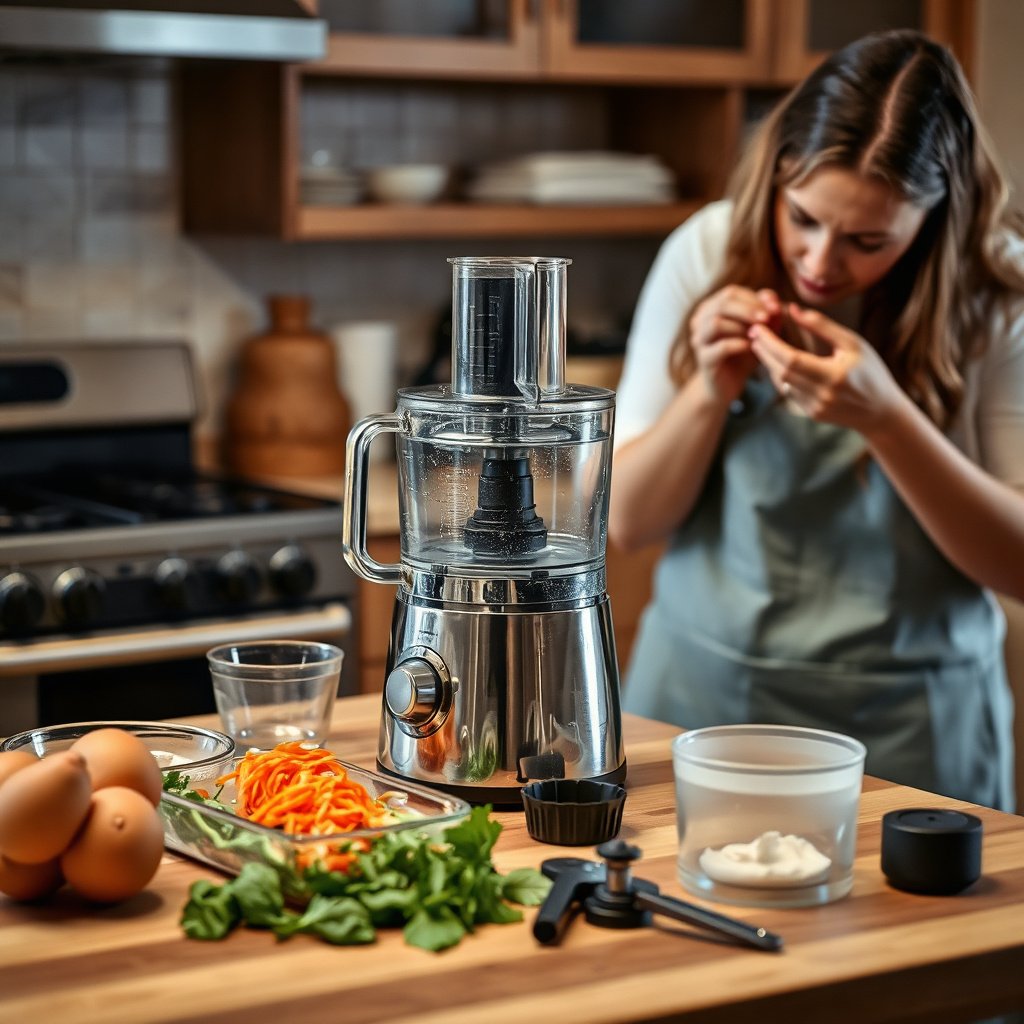
Using a food processor is straightforward and dramatically speeds up meal prep by quickly chopping, slicing, shredding, and pureeing ingredients. To start, assemble the processor with the right blade or attachment, add your ingredients, secure the lid, and choose the appropriate speed or pulse setting for your task. This hands-on appliance handles many kitchen chores that would otherwise take much longer by hand.
Food processors are essential for anyone who wants to prepare fresh meals efficiently. Their versatility means they can be used for everything from making dough to chopping nuts to creating smooth sauces. Understanding how to properly use one can save time and consistently improve your cooking results, especially when a recipe calls for uniform cutting or mixing.
This guide will cover the core functions of food processors, including how to select and install blades, which settings to use for different ingredients, cleaning tips, and safety advice. Whether you want to chop vegetables, shred cheese, or knead dough, you’ll learn how to get the most out of your food processor.
Getting Started: Setting Up Your Food Processor
Choosing and Installing the Right Blade
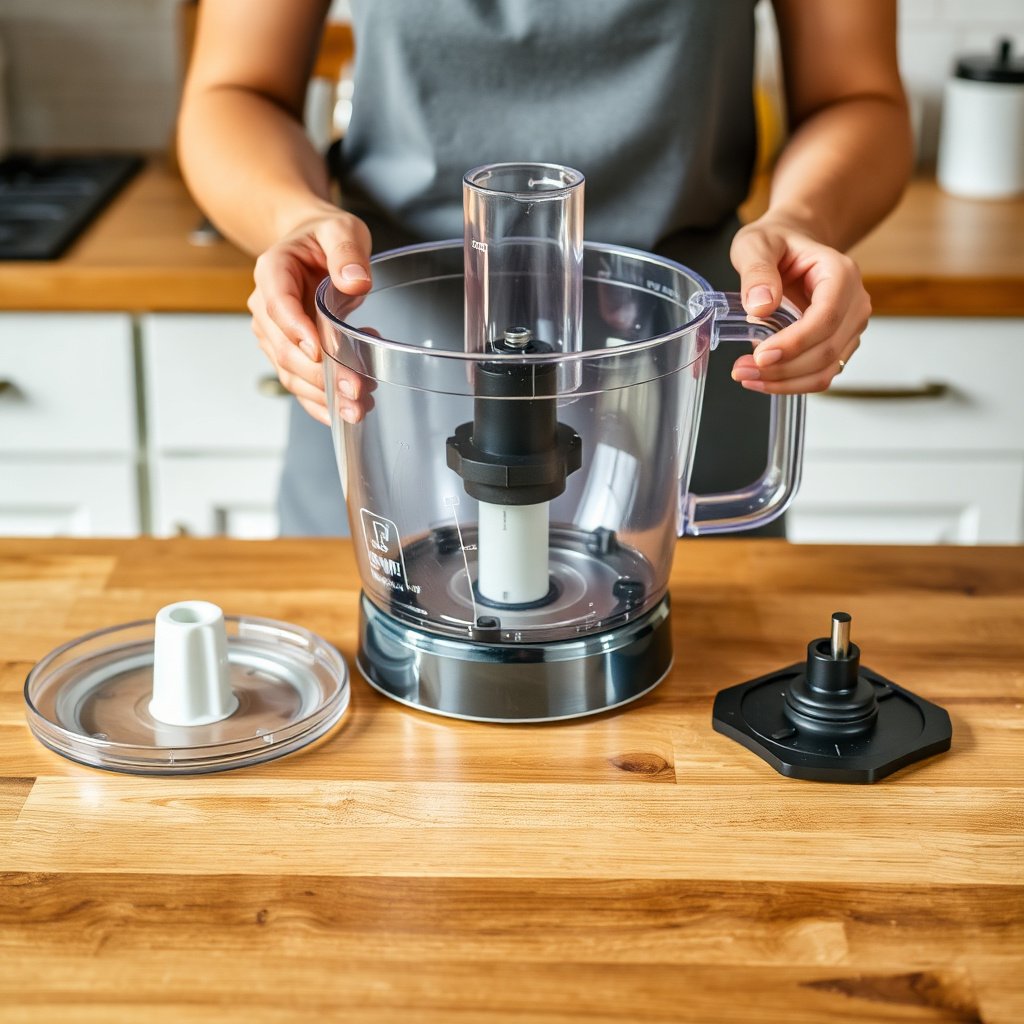
Food processors usually come with several blades and discs designed for specific tasks such as chopping, slicing, shredding, and dough kneading. The S-shaped blade is most common for chopping and pureeing, while discs handle slicing and shredding. To install, align the blade's center hole over the motor spindle inside the bowl, then press down gently until it locks securely.
Using the right blade for your intended task ensures even processing and prevents damage to both ingredients and the machine. Always handle blades carefully to avoid cuts, and never place a blade on the motor base without the bowl in position.
- S-shaped blade for chopping and mixing
- Slicing disc for uniform slices
- Shredding disc for grating
- Dough blade for kneading
Assembling the Bowl and Lid Correctly
To safely operate the food processor, the bowl must be correctly seated on the motor base, often with a locking mechanism that prevents operation if not fully engaged. After placing the appropriate blade, attach the lid securely, ensuring the feed tube aligns properly if you plan to add ingredients while processing.
Some models have safety interlocks that prevent starting unless the lid is firmly in place and the bowl locked. This feature protects your fingers and ensures the ingredients stay contained.
Operating Your Food Processor Like a Pro
Selecting the Correct Speed and Pulse Function
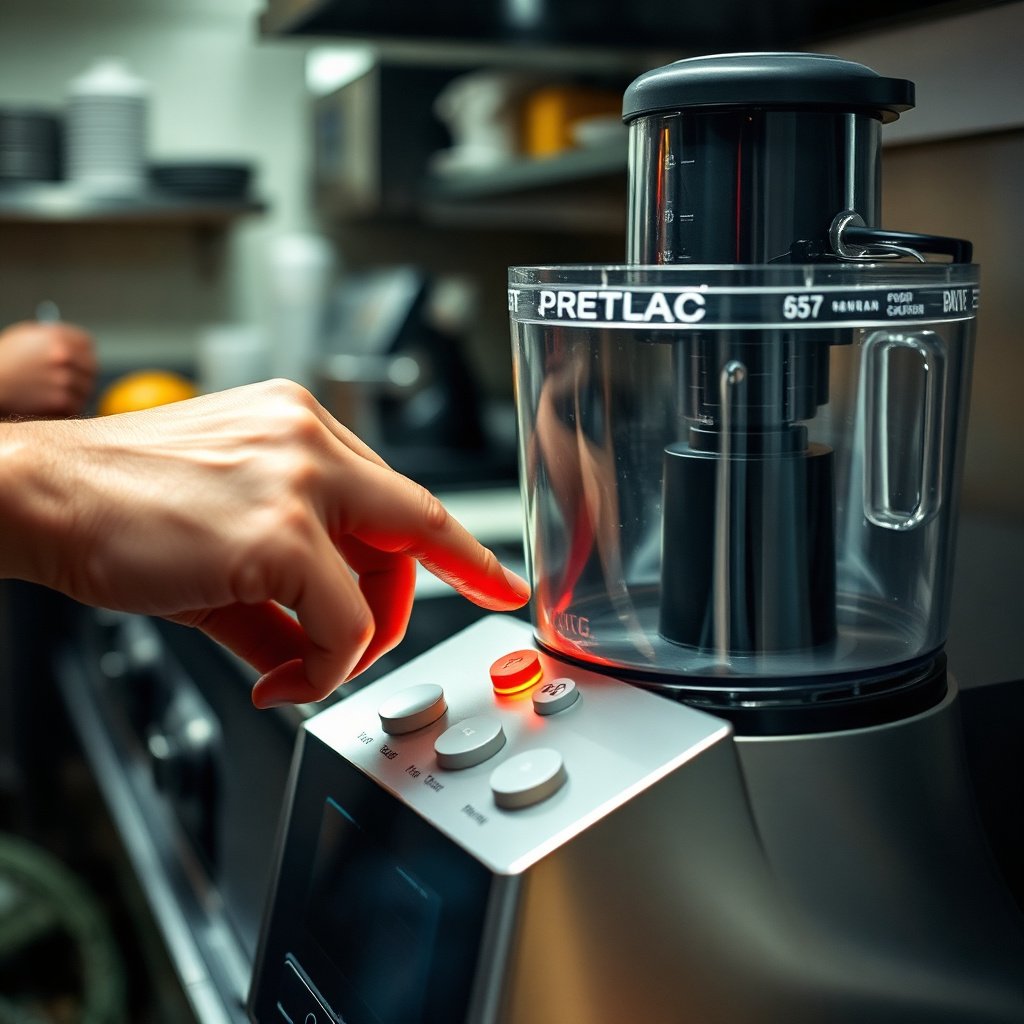
Most food processors offer multiple speed settings plus a pulse button. Low speeds are suited for gentle mixing and kneading dough, while high speeds work better for chopping hard vegetables or pureeing soups. The pulse function offers short bursts of power for greater control over texture, preventing over-processing delicate ingredients.
Using pulse allows you to stop and check your progress often, which is helpful when aiming for coarse chopping or when you want uniform consistency without turning ingredients into paste.
- Low speed for kneading and mixing
- High speed for chopping and pureeing
- Pulse mode for controlled bursts
For more on this, see our related guide: How to Use a Kitchen Scale: A Step-by-Step Guide.
Feeding Ingredients Safely During Operation
If your recipe requires adding liquids or ingredients gradually, most food processors feature a feed tube on the lid. Use the plunger that comes with the unit to push items safely into the blades while it runs. Never insert fingers or utensils directly into the feed tube to avoid injury.
Adding ingredients in portions helps achieve even chopping and blending, preventing clumping or uneven textures especially when processing leafy greens or nuts.
Popular Food Processor Functions Explained
Chopping, Slicing, and Shredding Basics
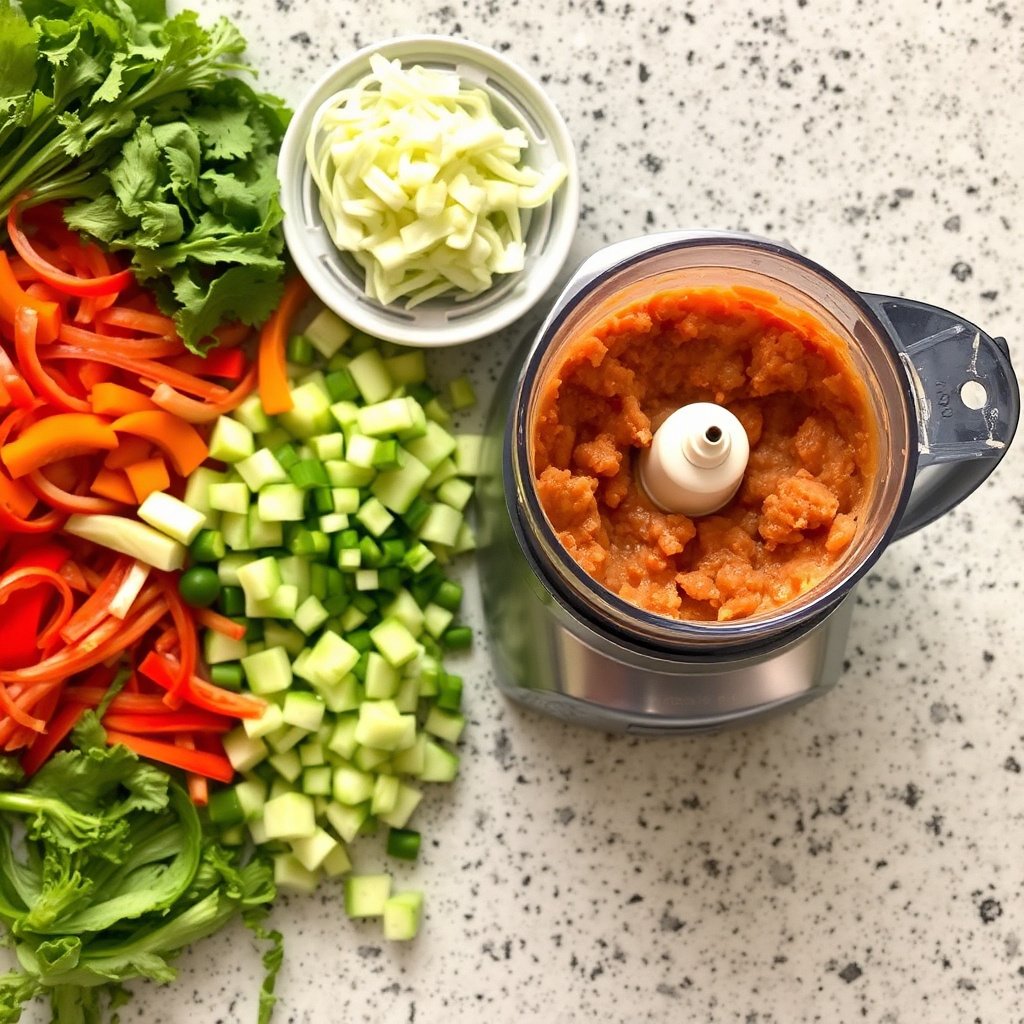
Chopping with a food processor saves time compared to hand-cutting by producing quick and uniform results. Use the S-shaped blade and pulse in short bursts to control chunk size. For slicing, attach the slicing disc and feed firm vegetables slowly to get consistent slices, perfect for gratins or salads.
Shredding uses a grating disc that quickly turns cheese, carrots, or cabbage into fine pieces. This reduces prep time and yields a texture that’s hard to replicate by hand without a box grater.
Mixing and Kneading Dough
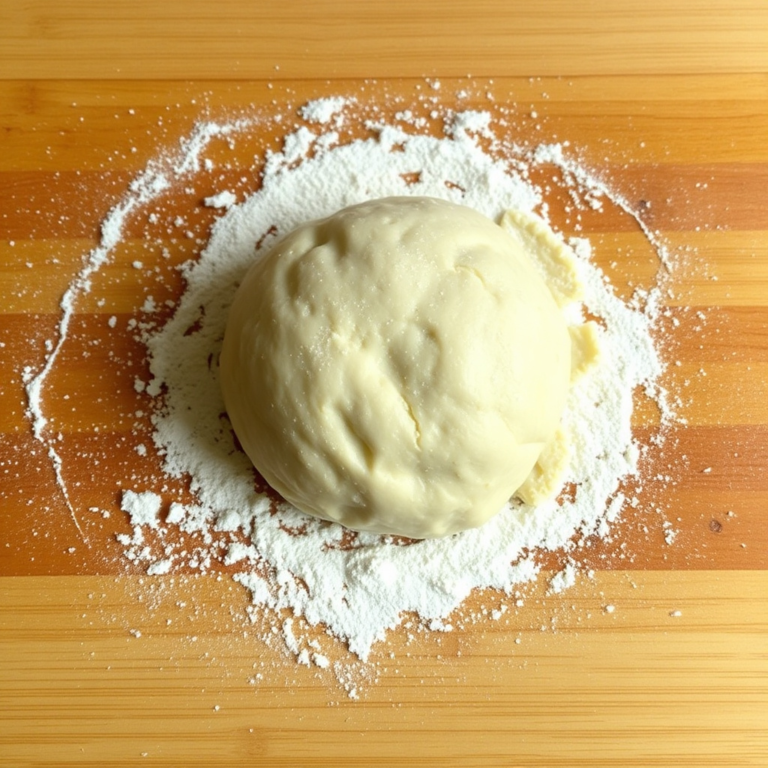
Many food processors come with a dough blade designed for mixing and kneading bread or pizza dough. While the processor runs on a low speed, the dough blade combines ingredients quickly, developing gluten without tiring your hands. This method produces an even dough that’s ready to rest or rise.
Avoid over-kneading by stopping when dough is smooth and elastic but still tacky. Removing the dough promptly prevents the motor from overheating and maintains the quality of your bread.
Maintaining and Cleaning Your Food Processor
Safe Disassembly and Cleaning Tips
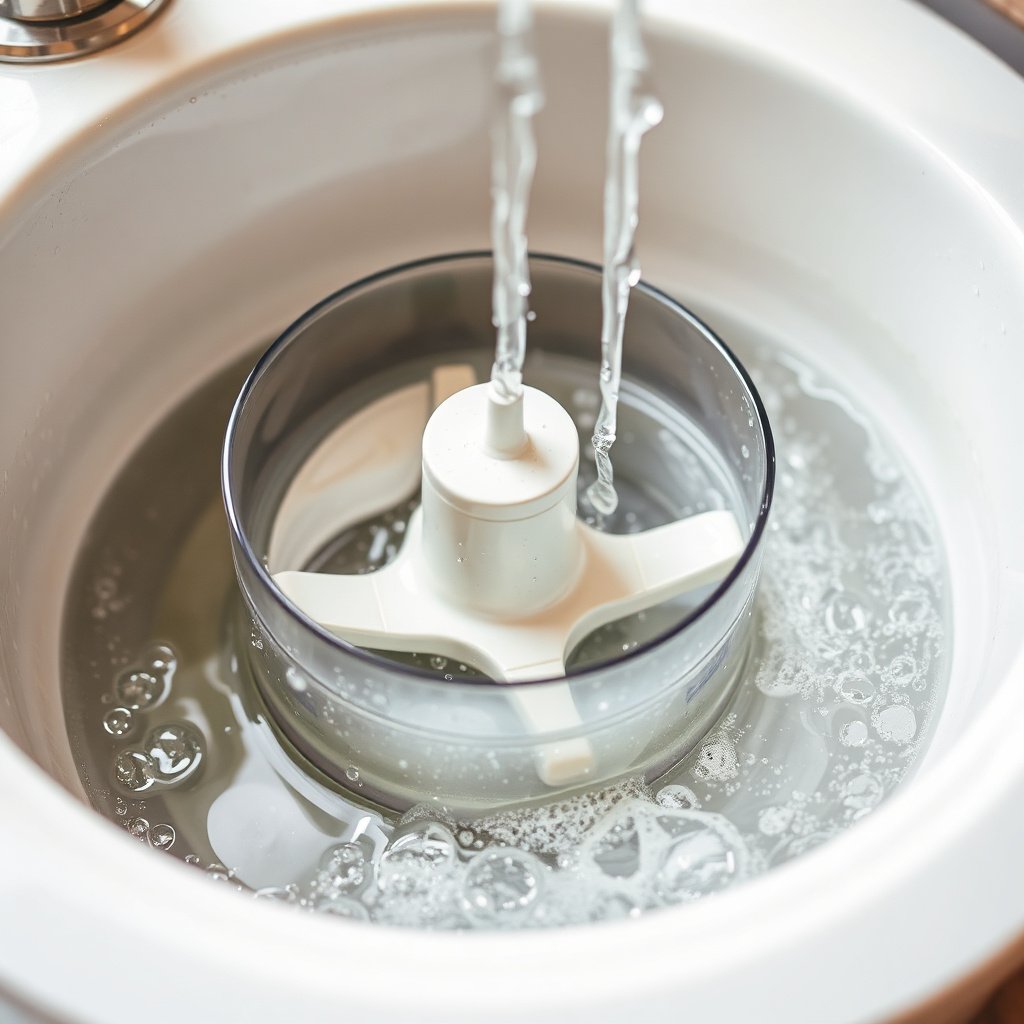
Before cleaning, unplug the processor and carefully remove the lid, blades, and bowl. Wash these parts separately using warm, soapy water or place them in the dishwasher if the manufacturer permits. Avoid harsh scrubbing of plastic components to prevent scratches, and dry thoroughly before reassembling.
Blades should be handled carefully during cleaning to avoid cuts. Use a brush to clean tight spots and always store blades separately to protect their sharp edges.
- Unplug before cleaning
- Hand wash or dishwasher-safe parts
- Dry completely before storage
For more on this, see our related guide: How Much to Tip at a Restaurant: Complete Guide with Practical Tips.
Storing Your Food Processor Properly
To keep your food processor in good condition, store it with blades detached and covered if possible. Keep the bowl and lid in a clean, dry area to avoid dust accumulation. Organize attachments and blades in a designated container or compartment for easy future use and safety.
Routine cleaning after each use prevents residue buildup and preserves the motor’s performance over time.
Troubleshooting Common Food Processor Issues
Motor Won’t Start or Stops Mid-Use
If your food processor won’t start, check that the bowl and lid are locked correctly; most models won’t operate otherwise. Overheating can cause it to stop mid-use; allowing the motor to cool for 15-30 minutes usually solves this. Also, ensure the power cord is securely plugged in and the outlet works.
If problems persist, consult the user manual for reset instructions or consider contacting customer support for repairs.
- Check safety locks
- Allow motor to cool
- Confirm power supply
For more detailed information about food processors and their history, visit the Food processor Wikipedia page. Food processor Wikipedia page.
Uneven Processing or Poor Texture
Uneven chopping or inconsistent purees often happens if ingredients are packed too tightly or chopped for too long. Use pulse mode to control texture and add ingredients in portions through the feed tube for best results. Dull blades can also cause poor cuts; sharpening or replacing them restores performance.
Avoid overloading the bowl beyond recommended capacity for your model to maintain consistent results.
Food Processor Types and Their Best Uses
Here’s a straightforward comparison of major food processor types to help you decide which fits your kitchen needs best.
| Type | Capacity | Ideal Use | Price Range |
|---|---|---|---|
| Mini Food Processors | 1-3 cups | Chopping small amounts, sauces | $20-$50 |
| Standard Food Processors | 7-10 cups | General purpose chopping, slicing, shredding | $80-$200 |
| Large-Capacity Food Processors | 12+ cups | Heavy-duty tasks and large batches | $150-$300 |
| Food Processor with Attachments | Varies | Multipurpose with extra blades and dough tools | $120-$250 |
Frequently Asked Questions
Can I put hot food into my food processor?
Most food processors are not designed to process hot food as it can warp plastic parts or cause steam pressure to build. Let food cool before processing unless your model specifically says it can handle heat.
Is it safe to leave the blade in the bowl for storage?
It’s best to remove blades from the bowl after use to prevent accidents and keep blades sharp. Store them separately, ideally in a blade guard or container.
How do I prevent my food processor from getting clogged?
Avoid overloading the bowl and cut ingredients into smaller pieces if needed. Use pulse mode to process thick mixtures gradually, allowing the blade to circulate ingredients evenly.
Can I use a food processor to make nut butter?
Yes, food processors can make nut butters, but it takes several minutes of continuous processing at high speed. Use a standard or large-capacity model with a sharp blade for best results.
What maintenance is required to keep my food processor working well?
Regular cleaning of all parts after each use, drying thoroughly, and keeping blades sharp ensures long-term performance. Occasionally inspect the cord and motor base for damage.
Key Takeaways
- Choose the right blade and assemble the food processor correctly before use.
- Use pulse mode for better control over chopping and texture.
- Clean and store all parts carefully to extend the appliance’s life.
- Select the food processor size and features that match your cooking needs.
Conclusion
Understanding how to use a food processor properly combines knowledge of the appliance’s parts, safe handling practices, and the functions it offers. Recognizing when to use specific blades and speed settings lets you prepare food more consistently and efficiently. The food processor’s versatility in chopping, mixing, and kneading saves significant time and effort in the kitchen, making it an invaluable tool for both casual cooks and food enthusiasts.
Depending on your cooking habits, different food processor types will fit your needs best. Mini models work for quick chopping or small recipes, while standard-sized units handle everyday tasks like slicing or shredding with ease. For bulk or dough-heavy cooking, larger-capacity models and those with dedicated dough blades are preferable. Combining your needs with these categories helps in finding a machine that’s reliable and comfortable to operate regularly.
Begin by practicing with simple tasks like chopping vegetables or mixing sauces to get hands-on experience with the controls and attachments. Measure your kitchen space and consider features like bowl size and dishwasher-safe parts. This practical approach leads to confident use and maximizes the benefits of your food processor in countless recipes.