How to Use a Stand Mixer: A Step-by-Step Guide for Beginners
Using a stand mixer may seem intimidating at first, but mastering its basics is straightforward. Start by selecting the right attachment, securing the mixer bowl properly, and choosing appropriate speed settings for your task to get consistent mixing results.
A stand mixer simplifies many kitchen tasks, from kneading dough to whipping creams or mixing batters, saving time and reducing manual effort. Knowing how to use your mixer safely and efficiently helps you create better recipes and prevents accidents or damage to the appliance.
This article will walk you through setting up a stand mixer, choosing and attaching accessories, operating the different speed settings, cleaning and maintenance tips, and troubleshooting common issues. By the end, you'll feel confident making the most of this versatile kitchen tool.
Getting Started with Your Stand Mixer
Unboxing and Setup
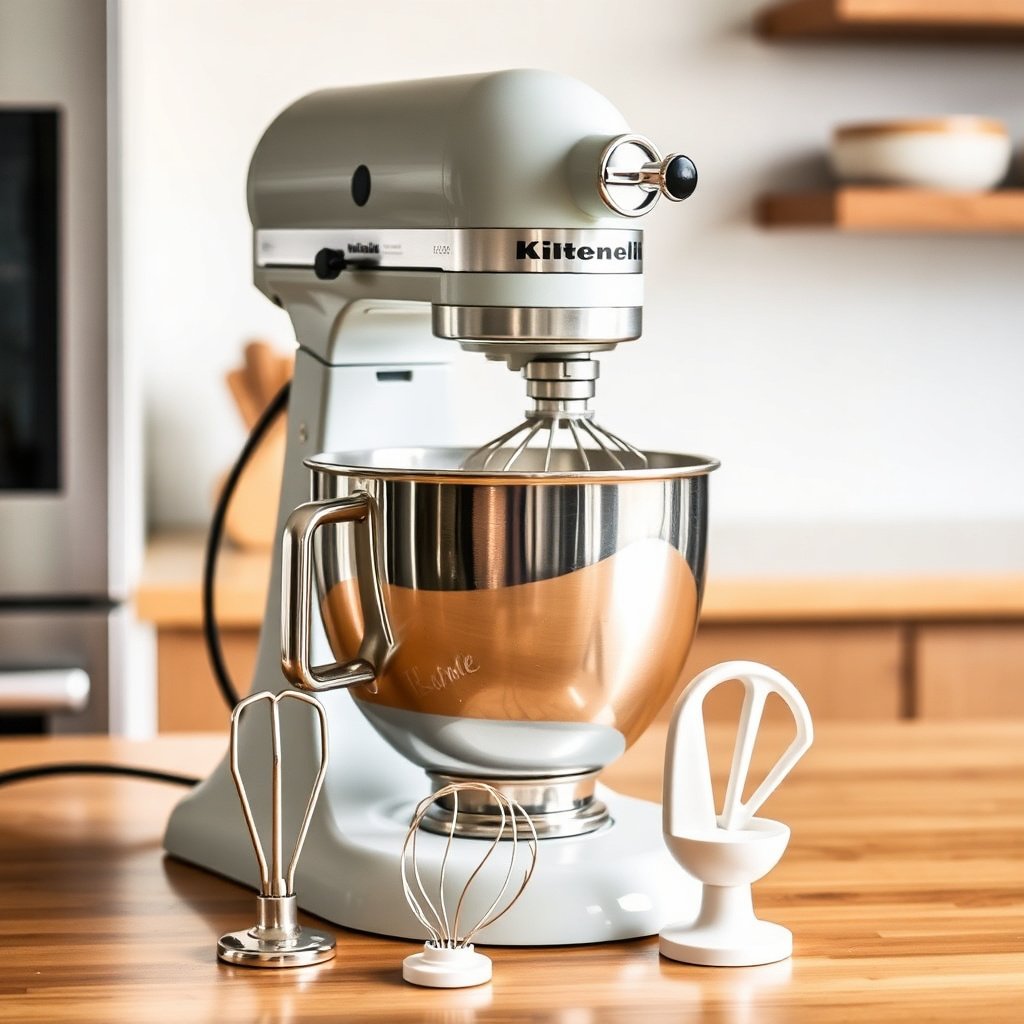
Begin by carefully unpacking your stand mixer and all its components, including the mixing bowl, attachments like the paddle, whisk, and dough hook, and instruction manual. Place the mixer on a stable, flat surface close to a power outlet.
Assemble the mixer by securing the bowl onto the base and choosing the attachment suited for your recipe. Attachments typically twist or lock into the mixer's head, so reference your model’s guide for proper fitting.
Understanding Mixer Controls
Most stand mixers include a speed control dial or lever allowing adjustments from low to high speeds. Low speeds are ideal for gentle combining or starting the mixture to avoid splashing, while high speeds handle whipping and aerating ingredients.
Some models feature a tilt-head or bowl-lift mechanism for easier bowl attachment and removal. Familiarize yourself with these controls to operate the mixer safely and efficiently.
Choosing and Using Attachments
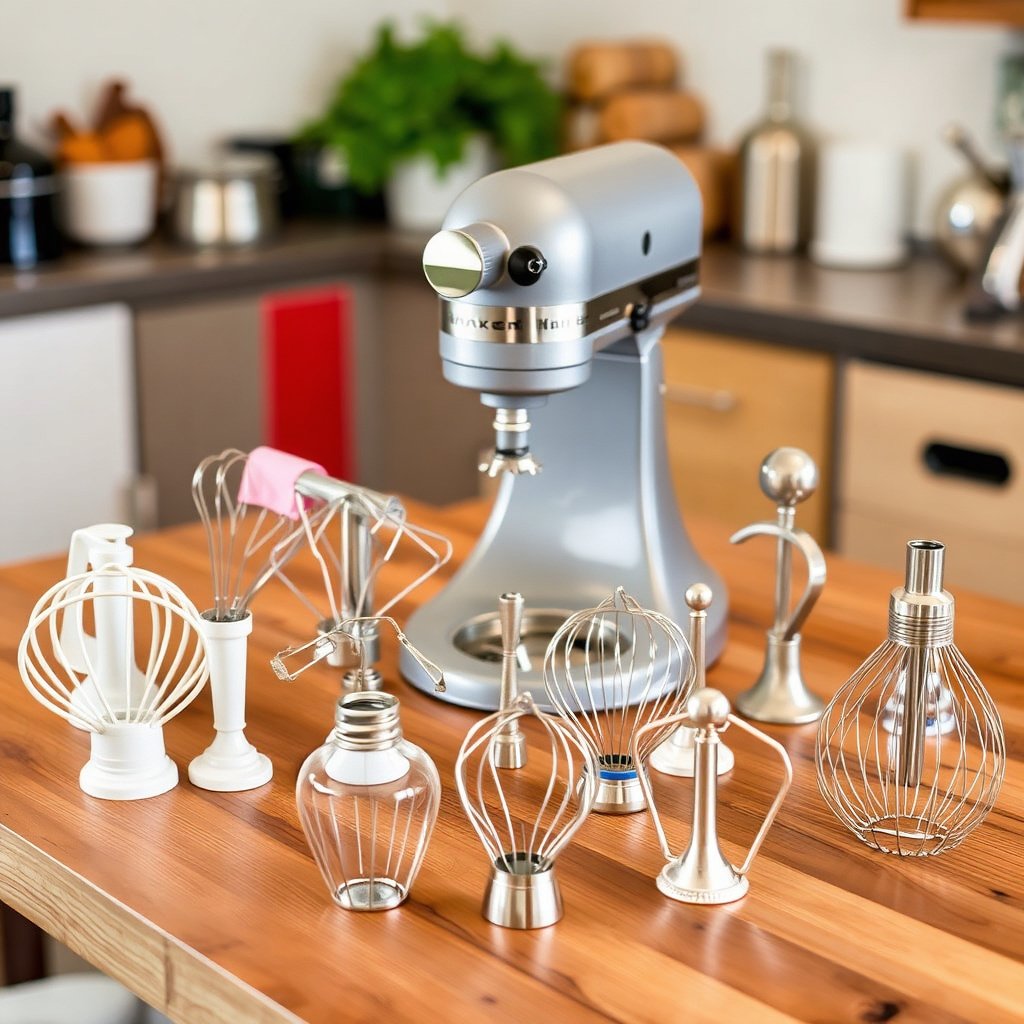
Common Attachments and Their Uses
The flat paddle attachment is versatile for mixing batters, cookie dough, or mashed potatoes. A wire whisk incorporates air into ingredients, perfect for whipped cream or egg whites. The dough hook kneads yeast doughs smoothly without manual effort.
Some mixers also include specialized attachments like a flex edge beater designed to scrape the bowl sides while mixing, or additional accessories sold separately such as pasta makers and food grinders.
- Flat paddle for dense mixtures
- Wire whisk for aerating
- Dough hook for kneading
- Specialty attachments for specific tasks
Switching Between Attachments Safely
Always turn off and unplug the mixer before changing attachments to avoid accidental startup. Unlock or release the current attachment by twisting or pulling it out gently according to your mixer’s design.
Attach the new piece firmly before plugging the mixer back in. Properly secured attachments ensure efficient mixing and reduce the risk of detachment during operation.
Operating Your Stand Mixer Effectively
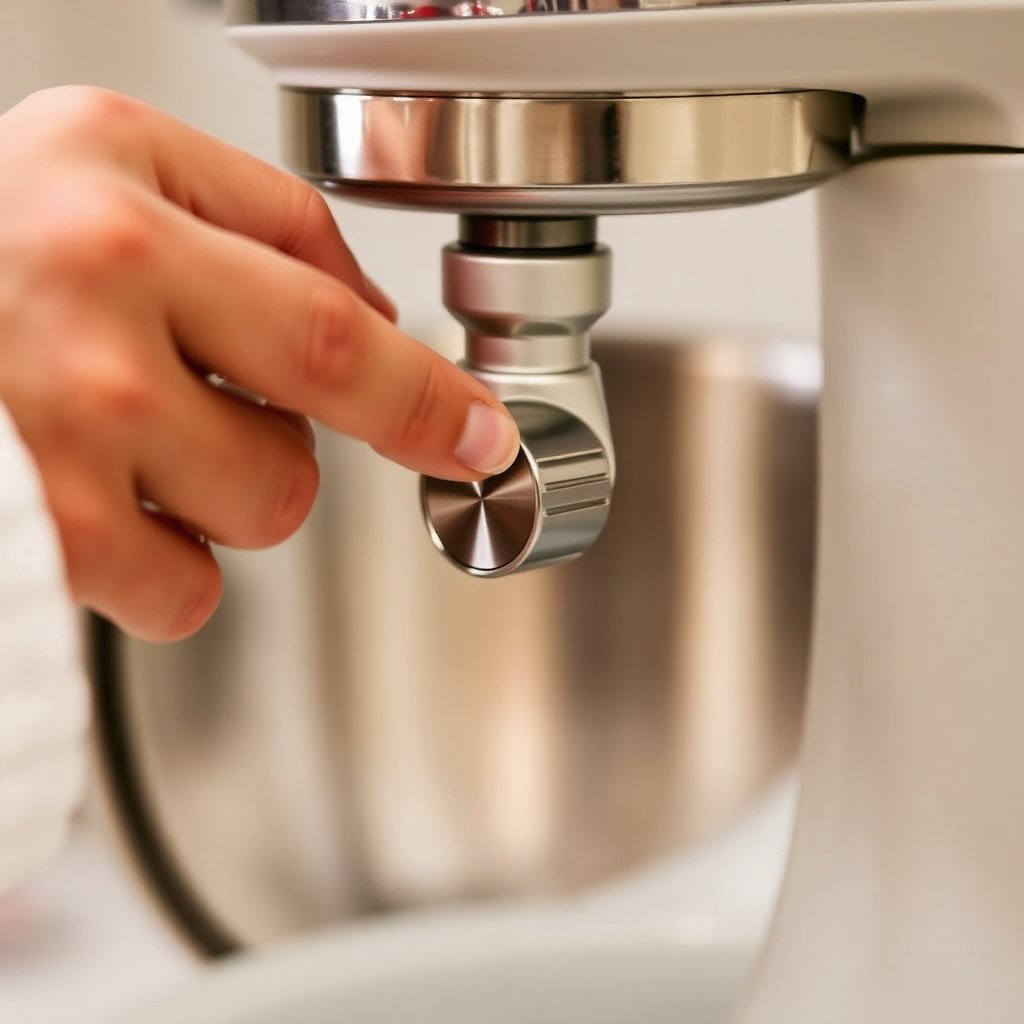
Setting the Right Speed
Start mixing on the lowest speed to combine ingredients gradually, reducing splatter. Then, increase the speed gradually to reach the recommended setting based on your recipe and the attachment used.
For example, kneading dough requires slow to medium speeds to develop gluten without overworking, while whipping egg whites needs high speeds to introduce volume.
For more on this, see our related guide: How to Order a Drink at a Bar: A Complete Guide for Beginners.
Avoiding Common Mixing Mistakes
Overfilling the bowl can lead to uneven mixing or ingredient spillover, so stick to recommended capacities. Avoid running the mixer continuously for too long without breaks, especially on thick doughs, which may strain the motor.
Stopping occasionally to scrape down bowl sides with a spatula ensures even ingredient incorporation and improves the final texture.
- Don’t exceed bowl capacity
- Take breaks to prevent motor strain
- Scrape bowl sides for thorough mixing
Cleaning and Maintenance Tips
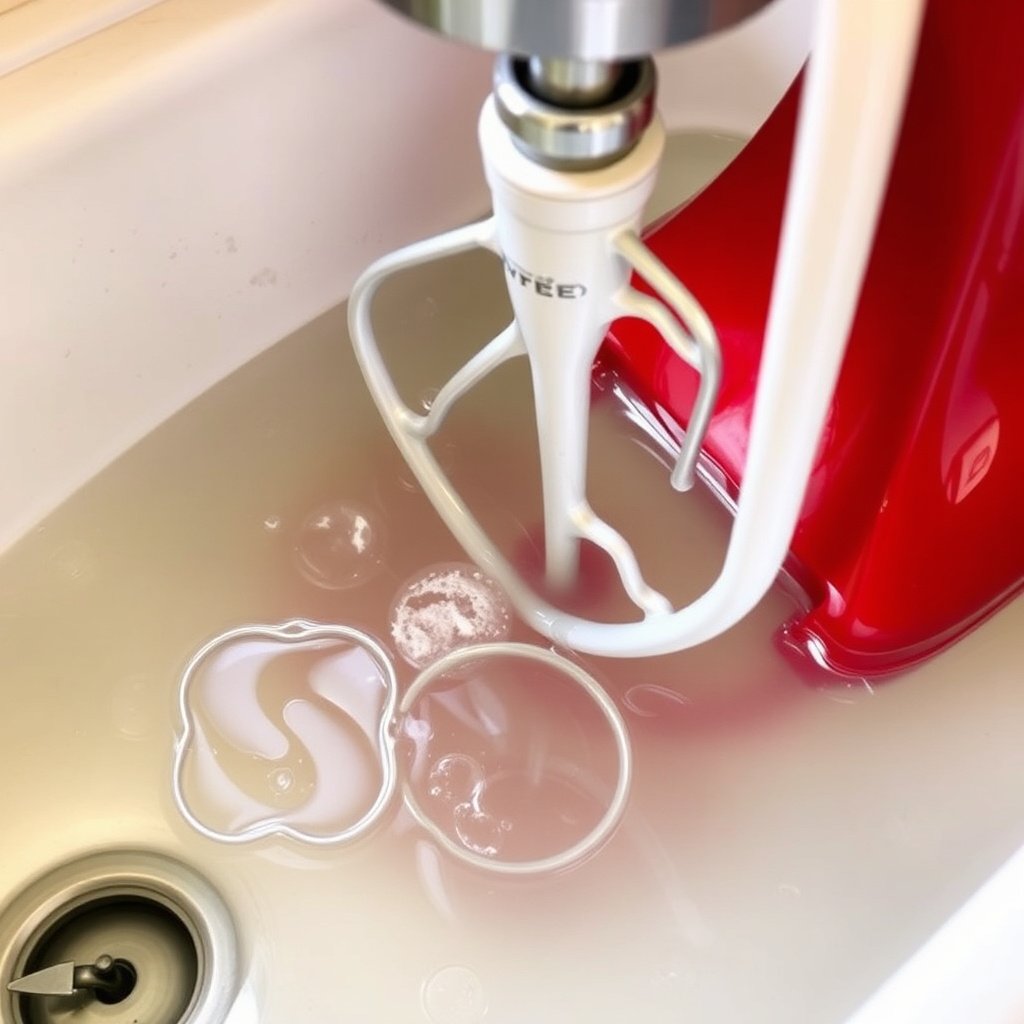
Daily Cleaning After Use
Unplug the mixer before cleaning. Remove attachments and wash them with warm soapy water or place dishwasher-safe parts in the dishwasher. Wipe down the mixer body and base with a damp cloth to remove splashes and flour dust.
Avoid submerging the mixer motor housing in water and never use abrasive cleaners, which can damage surfaces.
Routine Maintenance for Longevity
Check the power cord for any damage before each use and tighten any loose screws or attachments periodically. Lubricate moving parts only if recommended by your user manual to keep the mixer running smoothly.
Store your mixer covered in a dust-free area when not used frequently to protect mechanical components and preserve its appearance.
Troubleshooting Common Stand Mixer Issues
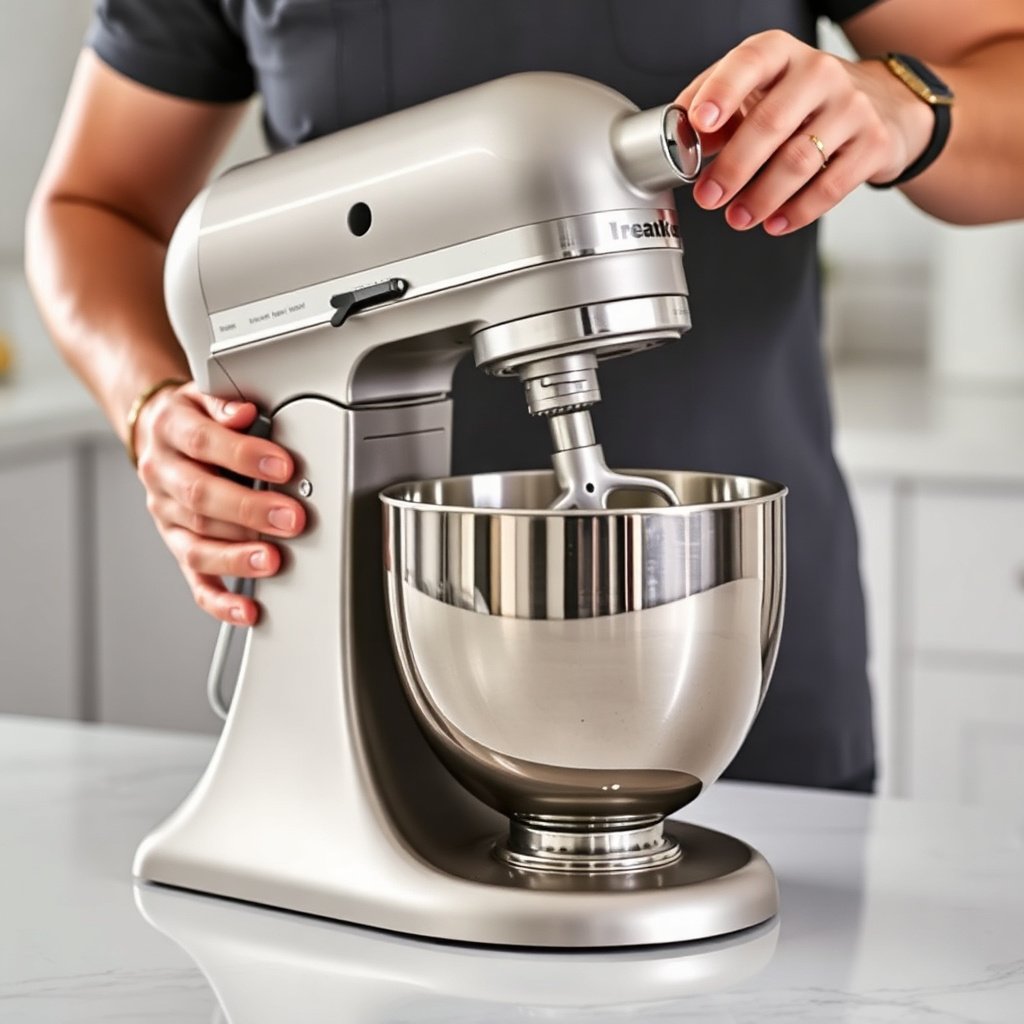
Mixer Won't Start or Turns Off Suddenly
If your mixer fails to start, check the power connection and ensure the bowl and attachments are properly locked in place. Some models have safety switches that prevent operation if these are not engaged.
Overheating can cause the mixer to shut off; allow the motor to cool before trying again to avoid permanent damage.
For more on this, see our related guide: How to Order a Cocktail at a Bar: A Complete Guide for Beginners.
Unusual Noises or Inconsistent Mixing
Grinding, squeaking, or rattling sounds might signal worn gears or loose components. If you notice uneven mixing, ensure attachments are correctly mounted and not bent or damaged.
Consult your service center or user manual for recommended repairs or part replacements to keep your mixer functioning smoothly.
Enhancing Your Stand Mixer Use
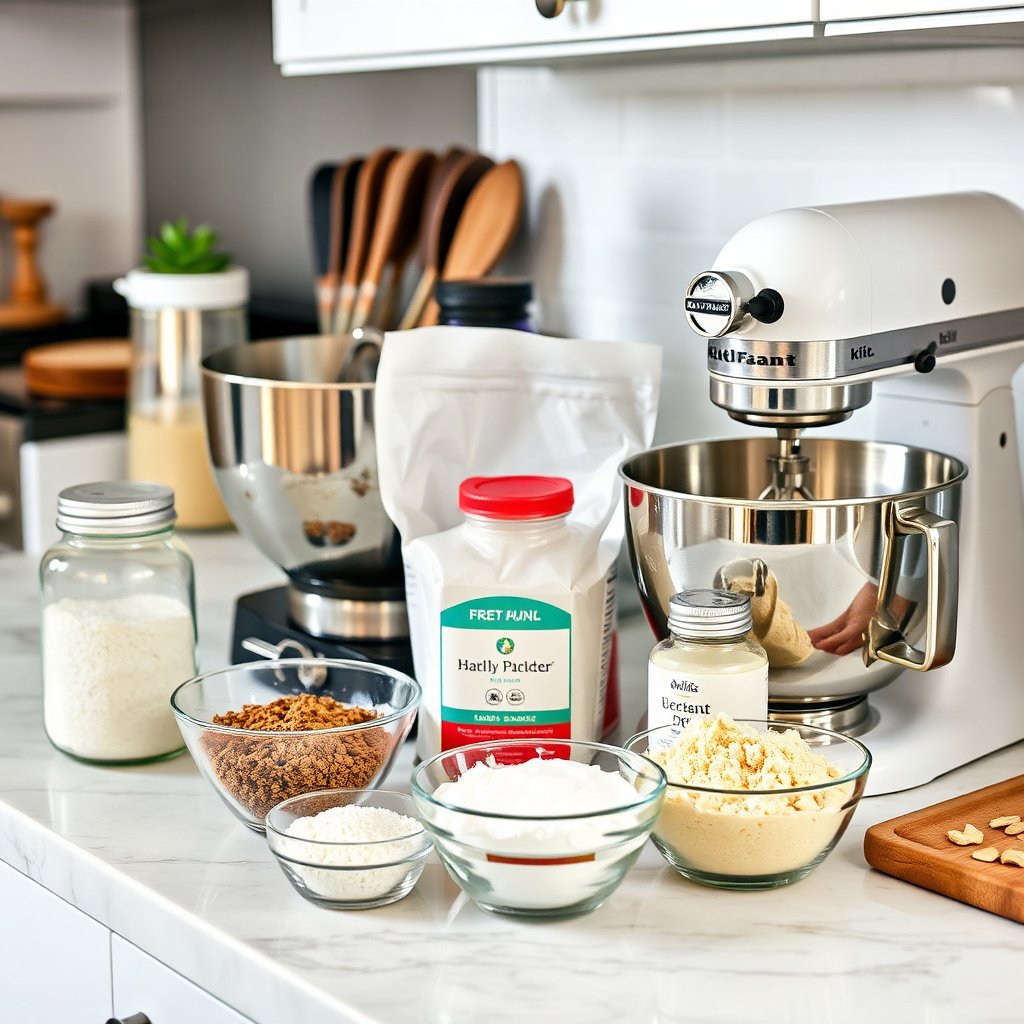
Recipes Optimized for Stand Mixers
Many doughs, batters, and whipped mixtures benefit from the consistent power of a stand mixer, achieving smooth textures that hand mixing struggles to replicate. Experimenting with recipes developed for stand mixers can yield better baking results.
Classic recipes like bread dough, frosting, or meringue are excellent to try first, helping you get accustomed to the mixer's features and speeds.
For more detailed information about the history and design of stand mixers, you can visit the stand mixer Wikipedia article. stand mixer Wikipedia article.
Using the Mixer Beyond Baking
Beyond bakery tasks, stand mixers can efficiently prepare mashed potatoes, meatloaf mixtures, or even homemade pasta with compatible attachments. This versatility makes them invaluable in both simple and complex home cooking scenarios.
Exploring additional attachments expands your mixer's usefulness, such as meat grinders or spiralizers that transform it into a multi-functional kitchen machine.
Stand Mixer Type Comparison
Compare the main types of stand mixers to find the one that fits your kitchen needs and budget.
| Type | Power (Watts) | Capacity (Quarts) | Price Range | Best For |
|---|---|---|---|---|
| Tilt-Head Mixer | 250-350 | 4-5 | $100-$300 | Home bakers with limited kitchen space |
| Bowl-Lift Mixer | 300-600 | 5-7 | $300-$700 | Frequent bakers needing larger batches |
| Commercial Mixer | 600-1200 | 8+ | $700-$2000+ | Professional kitchens and high-volume baking |
| Compact/Mini Mixer | 150-250 | 2-3 | $50-$150 | Small tasks and limited storage |
Frequently Asked Questions
Can I use a stand mixer to knead bread dough?
Yes, using the dough hook attachment on a stand mixer is an efficient way to knead bread dough, saving effort and ensuring consistent gluten development.
How do I prevent my stand mixer from splattering ingredients?
Start mixing on the lowest speed to combine ingredients gently before increasing speed gradually. This technique minimizes splashes and keeps your kitchen clean.
Are all stand mixer attachments dishwasher safe?
Not all attachments are dishwasher safe. Always check your manufacturer's instructions to avoid damaging parts; typically, metal parts are dishwasher safe while plastic components should be hand washed.
What should I do if my stand mixer stops working mid-use?
If your mixer stops unexpectedly, unplug it and let the motor cool down. Check for any safety lock issues and try restarting after 15-20 minutes.
Can I use a stand mixer to whip cream?
Absolutely. Using the wire whisk attachment at medium to high speed incorporates air efficiently, producing fluffy whipped cream quickly.
Key Takeaways
- Start with correct attachment setup and bowl placement
- Match speed settings to your mixing task for best results
- Clean and maintain your mixer regularly to extend its life
- Experiment with recipes designed for stand mixer efficiency
Conclusion
Learning how to use a stand mixer involves understanding its parts, controls, and appropriate attachments for your cooking goals. By focusing on proper assembly, selecting the right speeds, and adhering to safety guidelines, you can enhance your kitchen productivity and achieve uniform mixing results. Avoiding common mistakes like overfilling and neglecting maintenance will also contribute to your stand mixer's smooth functioning and long lifespan.
Different stand mixer categories such as tilt-head, bowl-lift, and commercial models cater to various user needs—whether you are a casual baker, need larger batch capacity, or require professional-grade durability. Beginners often find tilt-head mixers user-friendly, while advanced users benefit from bowl-lift designs for heavy doughs. Match your choice to your typical kitchen tasks, and consider additional attachments for expanded versatility beyond baking.
Your next step should be to familiarize yourself hands-on by choosing simple recipes like cake batter or basic dough to practice speed adjustments and attachment changes. Regular cleaning and checking your mixer's components ensure it stays reliable. With time, your stand mixer will become a central appliance that saves effort and opens up new culinary possibilities.