How to Make Apple Pie: A Step-by-Step Guide for Perfect Results
Making an apple pie starts with preparing the crust and filling separately, then baking them together until golden and bubbly. The key is to use crisp, tart apples like Granny Smith and balance them with sweet spices and sugar. This straightforward approach guarantees a delicious, classic apple pie every time.
Apple pie has long been a symbol of home cooking and comfort food because of its warm flavors and flaky texture. Knowing how to make apple pie from scratch lets you customize sweetness, spice levels, and crust thickness, giving you a pie that suits your taste perfectly. This makes it a meaningful dessert for holidays, family gatherings, or simple weekend treats.
In this guide, we’ll cover how to make apple pie step by step: selecting the right apples, preparing the pie crust, creating the filling, assembling the pie, and baking it to perfection. Along the way, you’ll get practical tips for avoiding soggy bottoms and achieving a golden crust.
Choosing the Right Apples for Your Apple Pie
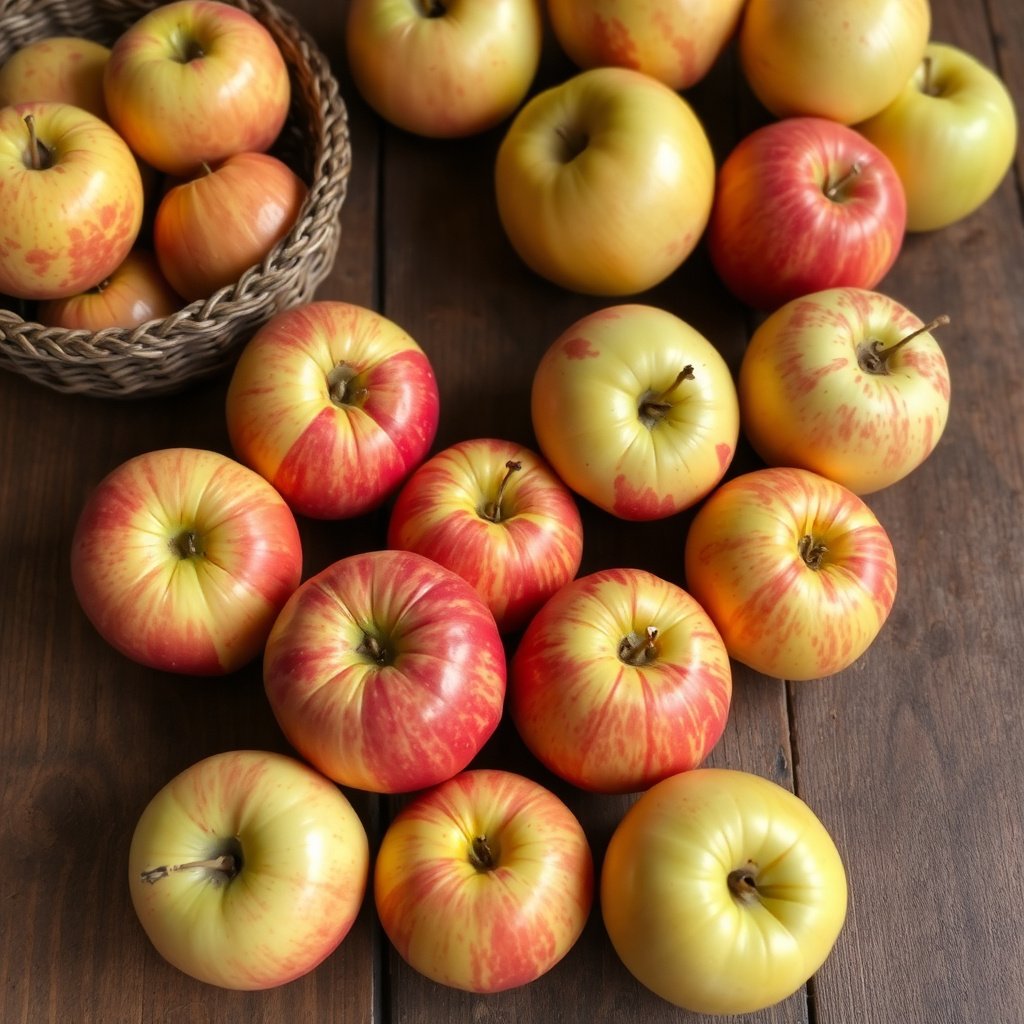
Types of Apples Ideal for Baking
Picking the right apples is crucial for a balanced apple pie filling. Crisp apples that hold their shape when baked, like Granny Smith, Honeycrisp, and Braeburn, provide tartness and texture. Avoid softer apples such as McIntosh or Red Delicious, which tend to become mushy.
Mixing apple varieties can enhance flavor and texture, combining tart and sweet notes for a more complex pie. Using about two-thirds tart apples and one-third sweeter apples gives a pleasant balance without making the pie too sugary.
- Granny Smith – tart and firm
- Honeycrisp – sweet-tart and crisp
- Braeburn – balanced flavor, holds shape well
- Golden Delicious – mild and sweet
Preparing Apples for the Filling
Peeling, coring, and slicing apples uniformly helps ensure even cooking. Slices about a quarter-inch thick work best to avoid overly mushy or undercooked bits. Toss the slices immediately with lemon juice to prevent browning and maintain fresh color in the filling.
Cutting apples shortly before mixing with sugar and spices preserves their firmness. If prepping ahead, store the slices submerged in a lemon water bath in the refrigerator, then drain thoroughly before use.
Making the Perfect Pie Crust
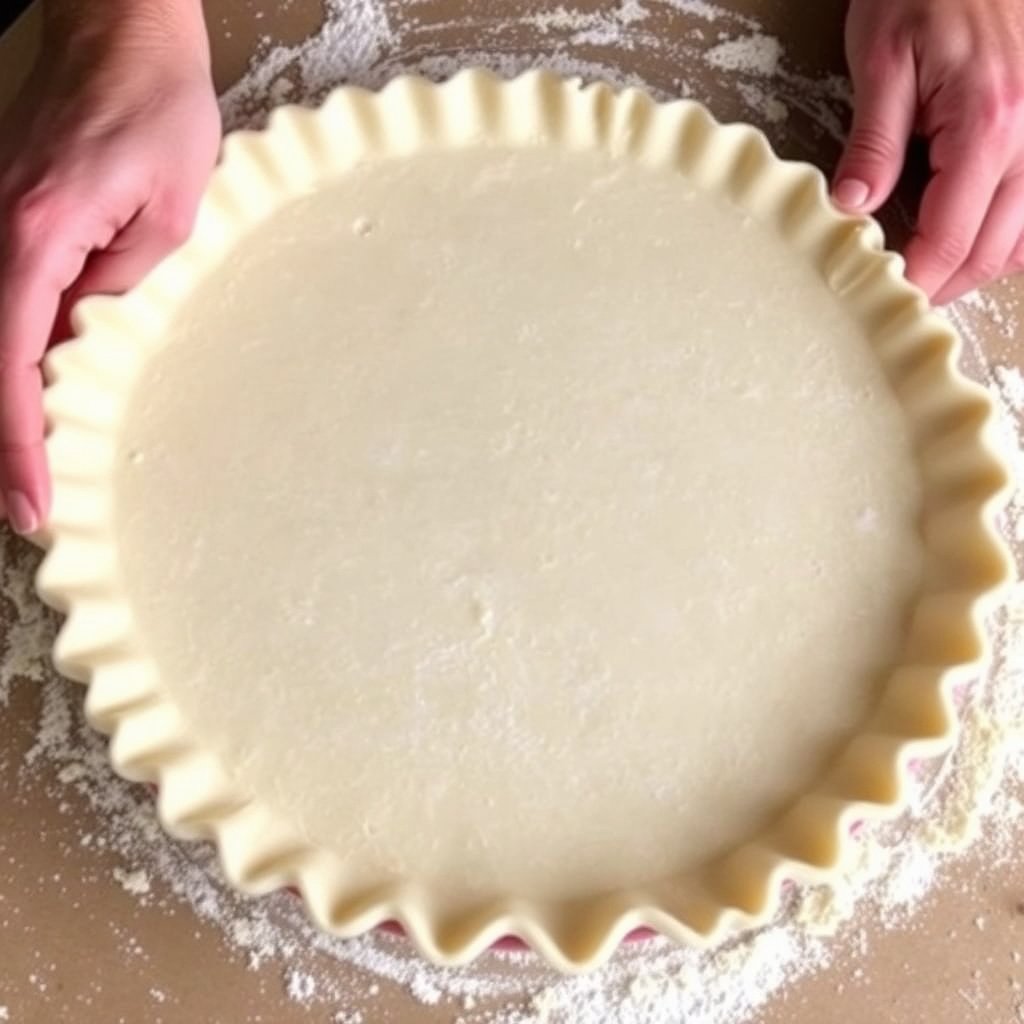
Ingredients and Techniques for Flaky Crust
A classic apple pie crust uses a combination of all-purpose flour, cold butter, salt, and ice water. Butter contributes to a flaky texture and rich flavor. Using cold ingredients and minimal handling prevents overworking the dough, which could make it tough.
Cut butter into flour quickly, then gradually add ice water just until the dough comes together. Chilling the dough before rolling reduces shrinking during baking and helps develop better layers. Avoid adding too much water to keep the dough tender but workable.
- Use unsalted butter chilled
- Work quickly to keep dough cold
- Add ice water tablespoon by tablespoon
- Chill dough for at least 30 minutes
Rolling and Shielding the Dough
Roll the dough out evenly on a lightly floured surface to about 1/8-inch thickness. Fit it gently into the pie dish without stretching, which can cause shrinking. Trim excess dough and chill the crust before adding filling to reduce sogginess.
During baking, a pie shield or foil strips around edges protect the delicate crust rim from burning while allowing the center to brown properly. Remove the shield in the last 10-15 minutes for a golden finish.
Preparing the Apple Pie Filling
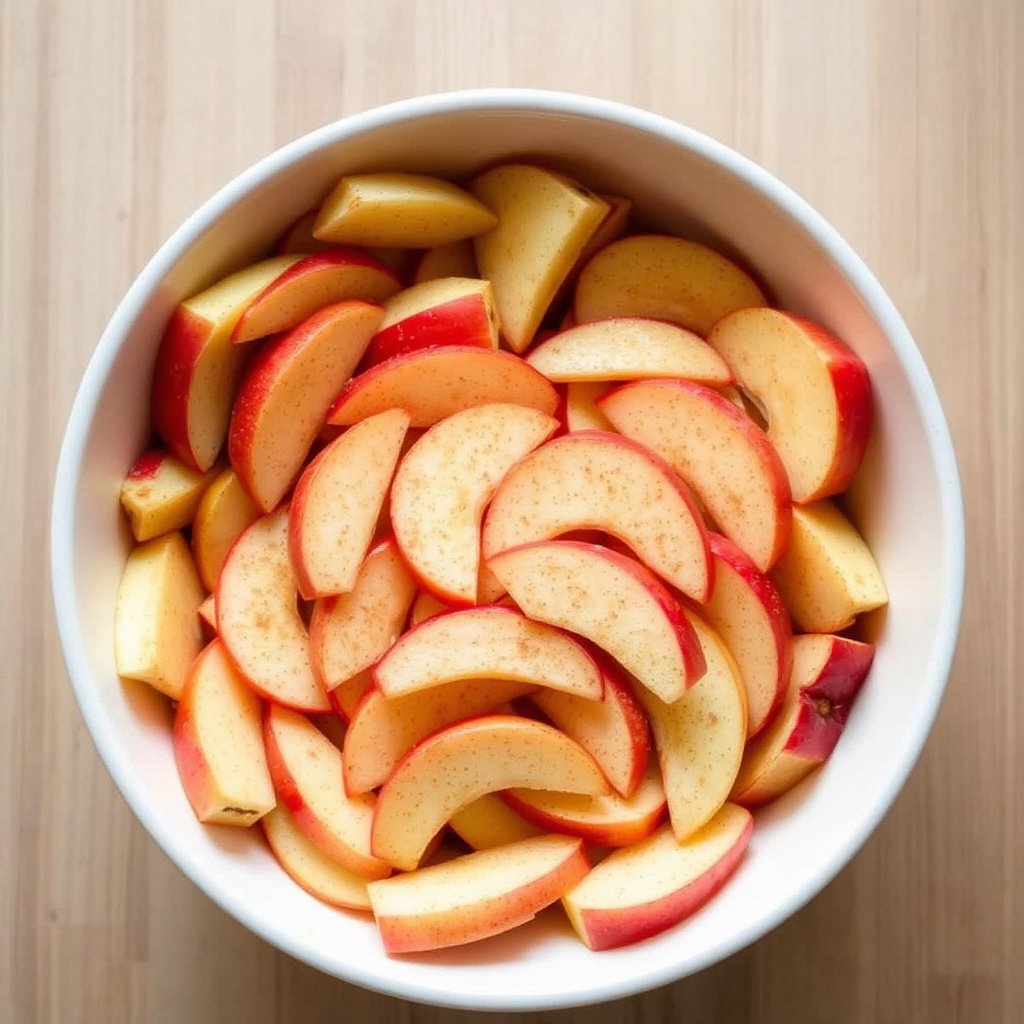
Seasoning and Sweetening the Filling
The apple filling is seasoned with a mixture of sugar, cinnamon, nutmeg, and sometimes allspice or cloves to enhance the natural apple flavors. Brown sugar adds warmth and caramel notes. Adjust sweetness to your taste, but keep in mind apples vary in tartness.
Adding a pinch of salt balances the sweetness and boosts flavor. Some recipes call for a splash of lemon juice or vanilla extract to brighten the mix and add complexity.
- Granulated and brown sugar blend
- Ground cinnamon and nutmeg
- Pinch of salt
- Optional lemon juice or vanilla
For more on this, see our related guide: How to Make French Toast: A Complete Guide for Perfect Results.
Thickening the Filling
To prevent the filling from running and turning watery, add a thickener such as all-purpose flour, cornstarch, or tapioca. Each has a slightly different effect: flour gives a traditional thickening, cornstarch provides a clear gel, and tapioca yields a slightly chewy texture.
Mix the thickener thoroughly with the spiced apples before filling the crust. The right amount depends on the juiciness of your apples but typically ranges from 1 to 3 tablespoons.
Assembling the Apple Pie
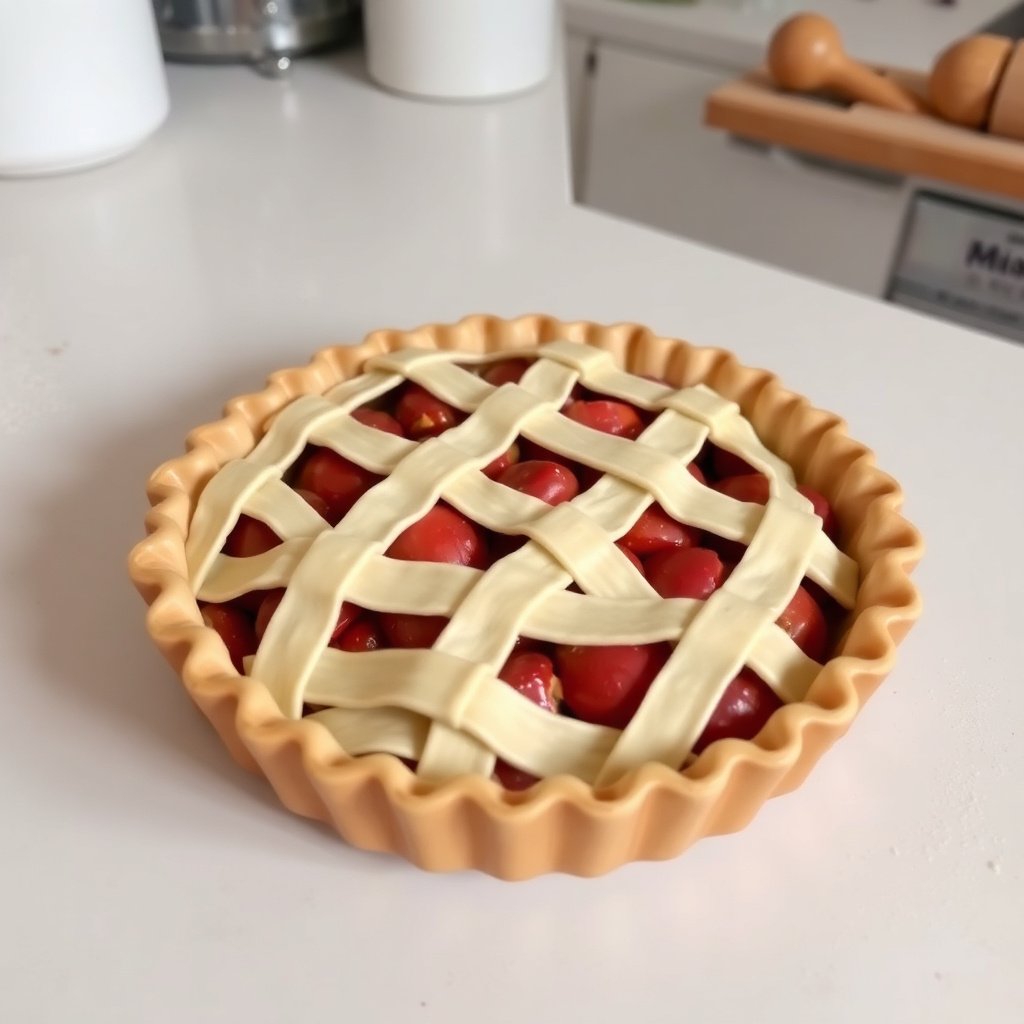
Filling and Arranging Apples
Transfer the prepared apple filling into the chilled crust, spreading evenly but avoiding compacting the slices. This balance allows juice to evaporate and apples to soften perfectly. Slightly mounding the center can help prevent shrinkage during baking.
For an even bake, avoid overfilling the pie, which can lead to overflow and soggy crust. If desired, dot the filling with small butter pieces for added richness.
Choosing and Making the Top Crust
A top crust protects the filling and adds flakiness; choose from a full cover, lattice, or crumb topping depending on your texture preference and presentation. A fully enclosed crust locks moisture in, while lattice allows steam to escape, giving a drier, crisper filling surface.
Seal the top crust edges by crimping or pinching with the bottom crust, and cut steam vents if using a full cover. Baking with a brushed egg wash or milk on the crust produces a glossy, browned finish.
- Full top crust – traditional and sealed
- Lattice crust – decorative, vented
- Crumb topping – sweet and crunchy alternative
Baking Tips for a Golden Apple Pie
Temperature and Timing
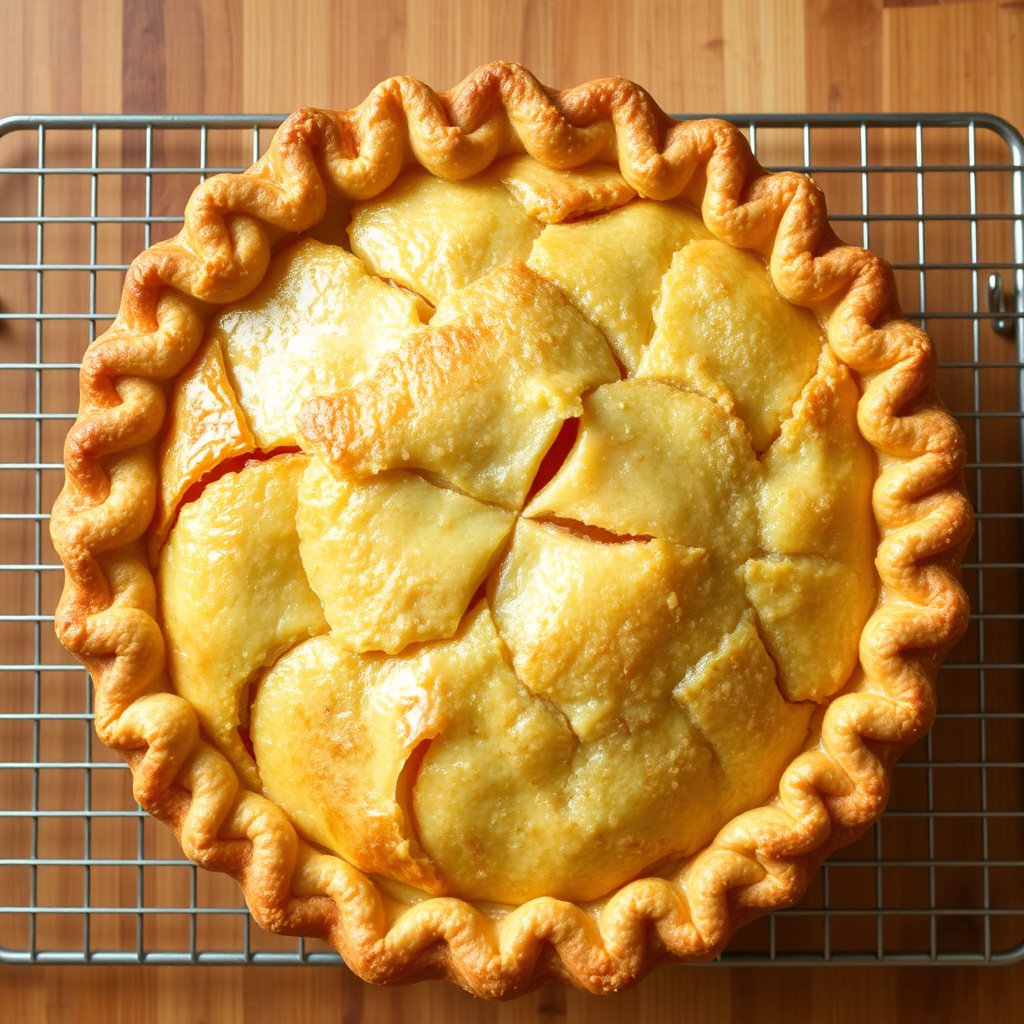
Bake apple pie initially at a higher temperature, around 425°F (220°C), for 15-20 minutes to set the crust and jumpstart browning. Then reduce heat to 350°F (175°C) to finish baking through and cook the apples without burning the crust.
Total baking time typically ranges between 50 to 60 minutes. Adjust baking time based on your oven’s heat distribution and pie size. A well-baked pie has bubbling filling and a golden crust.
For more on this, see our related guide: How to Make Spaghetti and Meatballs with Easy Steps and Expert Tips.
Cooling and Serving
Let the pie cool at least two hours before slicing to allow the filling to set fully, preventing it from running. Serve warm or at room temperature with toppings like whipped cream, vanilla ice cream, or cheddar cheese for classic flavor combinations.
If you want to store leftovers, cover the pie loosely and refrigerate for up to four days. Reheat slices gently in a microwave or oven for best texture.
- Cool pie for at least two hours
- Serve with ice cream or whipped cream
- Store covered in refrigerator
Common Mistakes to Avoid When Making Apple Pie
Preventing a Soggy Bottom
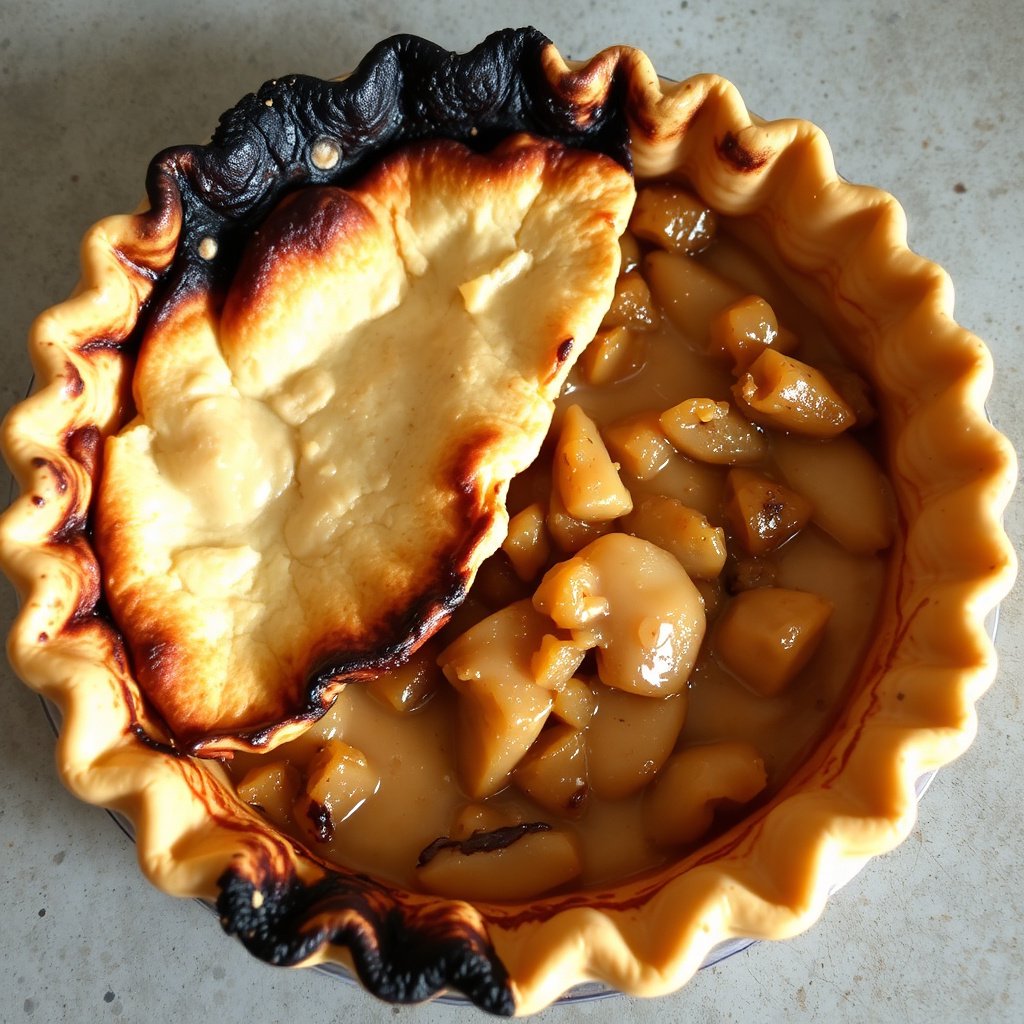
Soggy crust often comes from excess moisture in the filling or unbaked dough. Using thickening agents in the filling and chilling the crust before baking are key to avoiding this. Precooking the apples slightly can also reduce moisture if your apples are very juicy.
Using a metal pie pan or baking on a lower oven rack can improve bottom crust crispness by conducting heat better. Lastly, avoid using too much filling or overfilling.
For further cultural and historical background on this iconic dessert, visit the detailed Apple pie on Wikipedia. Apple pie on Wikipedia.
Avoiding Burnt Crust Edges
Crust edges are thin and prone to burning before the rest of the pie finishes baking. Applying foil or a pie shield early in the bake protects these areas. Adjust oven rack positions so the top of the pie isn’t too close to the heating element.
Baking at a correct temperature and monitoring closely towards the end of baking prevents over-browning.
Apple Pie Crust Types Comparison
This table compares popular apple pie crust options based on preparation difficulty, texture, and flavor to help you choose the best fit.
| Crust Type | Preparation Time | Texture | Flavor Profile |
|---|---|---|---|
| Traditional Butter Crust | 30 minutes | Flaky and tender | Rich and buttery |
| Shortbread Crust | 25 minutes | Crumbly and firm | Sweet and buttery |
| Graham Cracker Crust | 15 minutes | Crunchy and crumbly | Sweet with a hint of spice |
| Puff Pastry Crust | 20 minutes | Light and layered | Buttery with a crisp rise |
| Gluten-Free Crust | 35 minutes | Crumbly and delicate | Mild and nutty |
Frequently Asked Questions
Can I use frozen apples for apple pie?
Frozen apples can work but tend to release more moisture, which might make the filling watery. If using frozen apples, thaw and drain excess liquid before mixing with sugar and spices.
How do I keep my apple pie crust from shrinking?
Chilling the dough before baking and avoiding stretching it when placing in the pan helps prevent shrinking. Also, use minimal handling and prick the crust lightly to release steam.
What is the best way to store leftover apple pie?
Cover leftover apple pie loosely with foil or plastic wrap and refrigerate. It will keep well for up to four days. Reheat slices gently before serving to restore warmth.
Can I make apple pie ahead of time?
Yes, you can assemble apple pie ahead and keep it refrigerated for a few hours before baking. Just bake soon after assembling to avoid sogginess and maintain crust quality.
What thickening agent should I use in apple pie filling?
All-purpose flour, cornstarch, or tapioca are common thickeners. Flour provides traditional thickening, cornstarch creates a glossy filling, and tapioca gives a slightly chewy texture.
Key Takeaways
- Use firm, tart apples like Granny Smith for the best texture in apple pie filling.
- A cold, flaky butter crust improves pie texture and flavor significantly.
- Season filling with cinnamon, nutmeg, and sugar, and add thickener to prevent sogginess.
- Bake at high then moderate temperatures, and protect crust edges for a golden finish.
Conclusion
Making apple pie is both an art and a science that combines ingredient selection, preparation techniques, and baking methods to create a memorable dessert. Knowing how to make apple pie from scratch involves understanding apple varieties, mastering a flaky crust, balancing spices, and managing moisture. This holistic approach yields consistent, delicious results that showcase homemade care.
If you prefer a traditional experience, using a classic butter crust paired with tart Granny Smith apples offers a beautifully balanced flavor. Those seeking variety might experiment with lattice crust or combining multiple apple types for depth. For faster preparation, consider a shortbread crust or crumb topping, though they provide different textures than the main pastry crust discussed here.
Once you’re comfortable with the basics, try your next apple pie by selecting your favorite apples and perfecting crust technique. Each attempt refines your skill and palette, bringing you closer to your ideal apple pie. Serving your homemade pie warm with a scoop of vanilla ice cream is a simple way to enjoy the fruits of your baking efforts.