How to Use a Kitchen Torch Safely and Effectively
Using a kitchen torch involves igniting the device safely and applying its flame precisely to your food for tasks like caramelizing sugar, browning meringue, or searing meats. To start, ensure your torch is filled with butane fuel, ignite following the manufacturer's instructions, and adjust the flame to the desired size for controlled cooking without burning the food. Knowing how to handle the torch and control the flame is essential for safe and effective use.
Kitchen torches provide a way to finish dishes with professional flair and flavor that traditional cooking methods can't easily replicate. They allow chefs and home cooks to add texture and caramelized flavors quickly without heating the entire dish, saving time and preserving delicate elements.
This article will cover step-by-step instructions on using a kitchen torch, safety tips to avoid accidents, common culinary uses, maintenance advice to keep it working well, and comparisons between different torch types to help you choose the right one.
Understanding Your Kitchen Torch
Types of Kitchen Torches
There are two main types of kitchen torches: butane and electric. Butane torches are more common and portable, using fuel canisters that you refill. Electric versions plug into an outlet and heat an element that produces flame.
Choosing the right torch depends on your cooking needs. Butane torches offer hotter flames suitable for searing and caramelizing, while electric torches are great for occasional use and don't require fuel refills.
- Butane torches: portable, refillable, hotter flame
- Electric torches: plug-in, no fuel needed, lower flame temperature
Parts of a Kitchen Torch
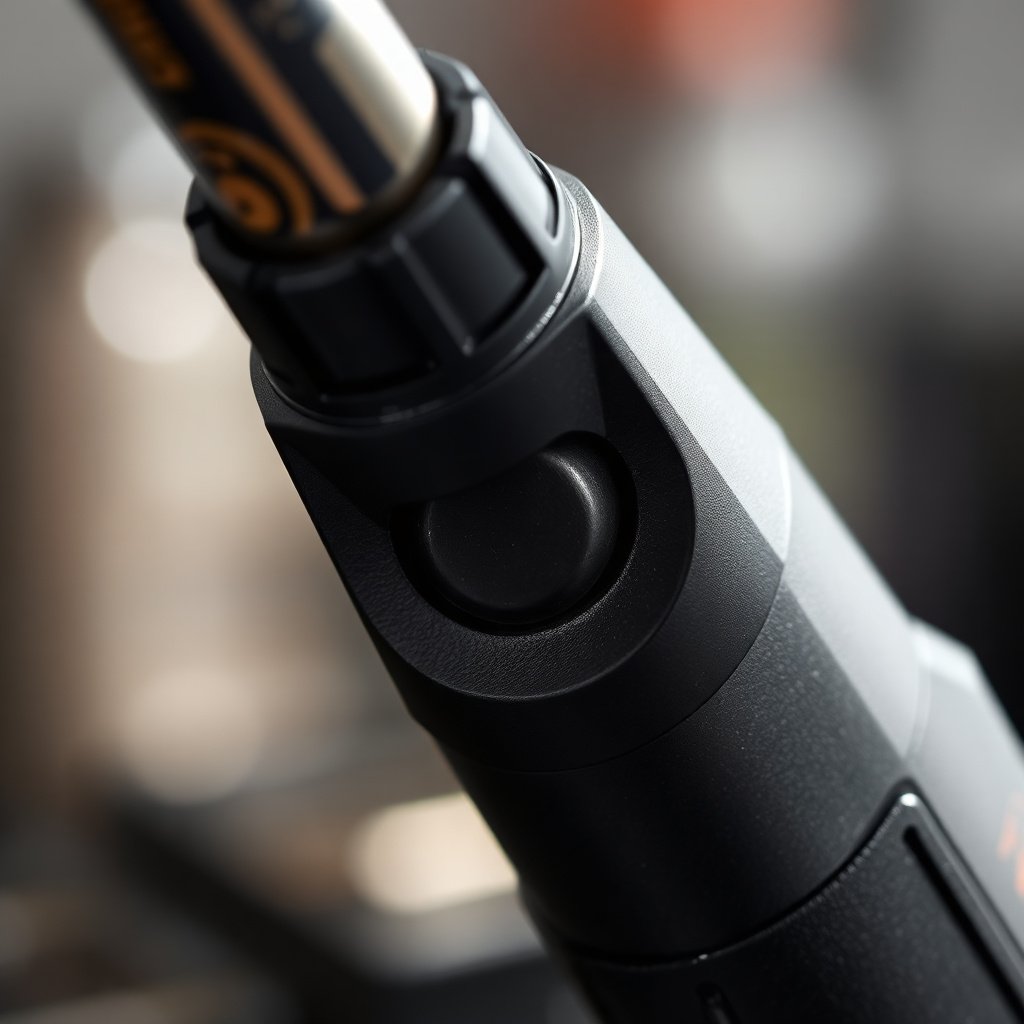
A kitchen torch typically consists of a fuel reservoir, ignition button, flame adjustment knob or lever, and the nozzle through which the flame emerges. Some models include safety locks to prevent accidental ignition.
Understanding these parts helps you operate the torch correctly. Adjusting the flame size allows precise control over cooking intensity, while safety features reduce risks during handling and storage.
Step-by-Step Guide on How to Use a Kitchen Torch
Preparing the Torch and Workspace
Begin by filling the torch with butane fuel if necessary, following the instructions carefully to avoid spills. Set your workspace clear of flammable items and ensure good ventilation in the area.
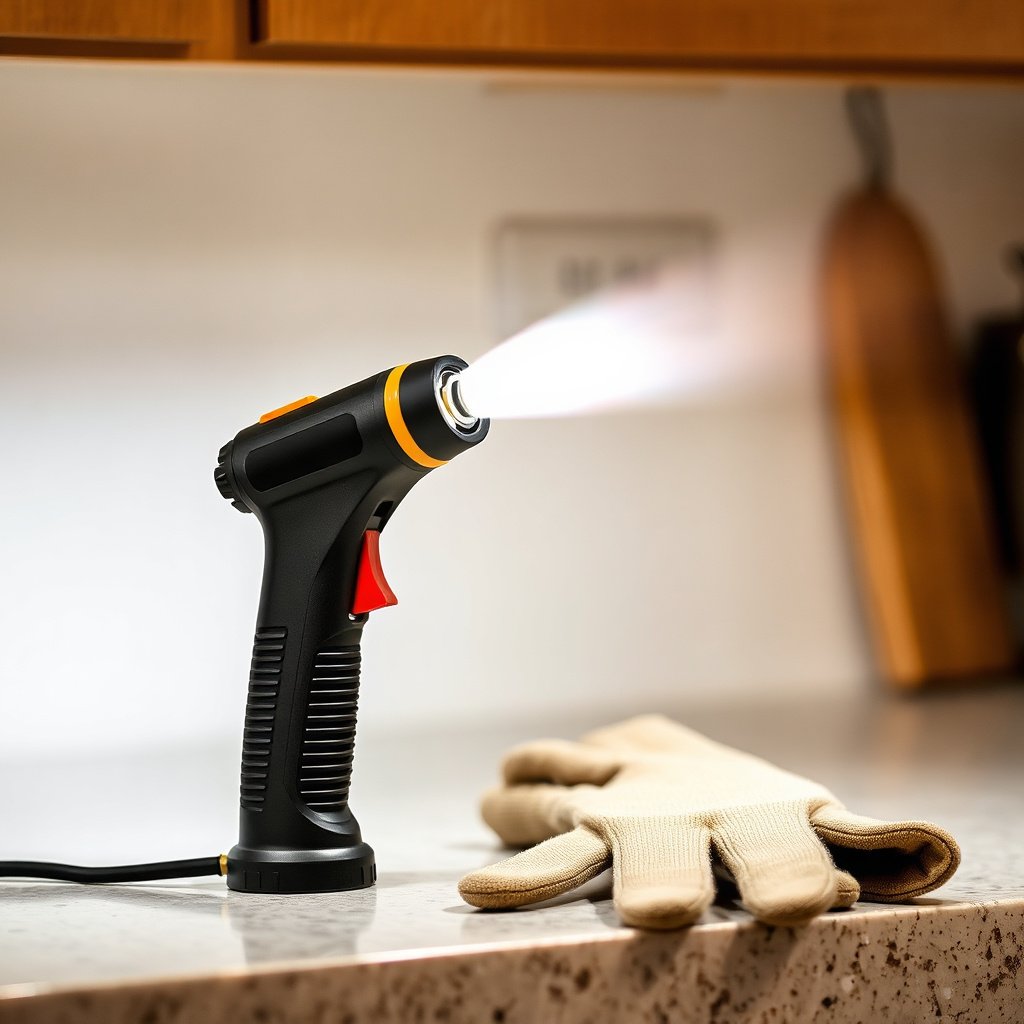
Wear heat-resistant gloves if you are a beginner to protect your hands. Place the food on a heatproof surface and have a wet cloth handy to extinguish the flame if needed.
- Check fuel level and refill if low
- Clear surrounding area
- Have extinguisher or wet cloth nearby
For more on this, see our related guide: How to Make a Kitchen in Minecraft: A Step-by-Step Guide.
Igniting and Adjusting the Flame
Press the ignition button firmly to light the flame, usually near the nozzle. Adjust the flame size using the control knob or lever to a medium size suitable for your task.
Avoid a flame that is too large as it can scorch the food or cause accidental burns. Test the flame on a non-flammable surface before applying it to your dish to gain confidence.
Safety Tips for Using a Kitchen Torch
Handling and Storage Safety
Always point the torch away from your body and never leave it unattended while lit. After use, turn off the fuel supply or ignite button and allow the torch to cool before storing.
Store your kitchen torch out of reach of children in a cool, dry place. Avoid storing near heat sources to prevent fuel leaks or explosions.
- Keep away from children
- Allow cooling before storing
- Store in a well-ventilated area
Preventing Accidents While Cooking
Be mindful of the flame’s proximity to flammable materials including kitchen towels, paper, and clothing. Use the torch in a clutter-free area and keep pot handles turned inward to avoid knocking items over.
Never point the flame toward your face or others. If fuel leakage or strange odors are noticed, cease use immediately and inspect the torch for damage.
Popular Culinary Uses for a Kitchen Torch
Caramelizing and Browning
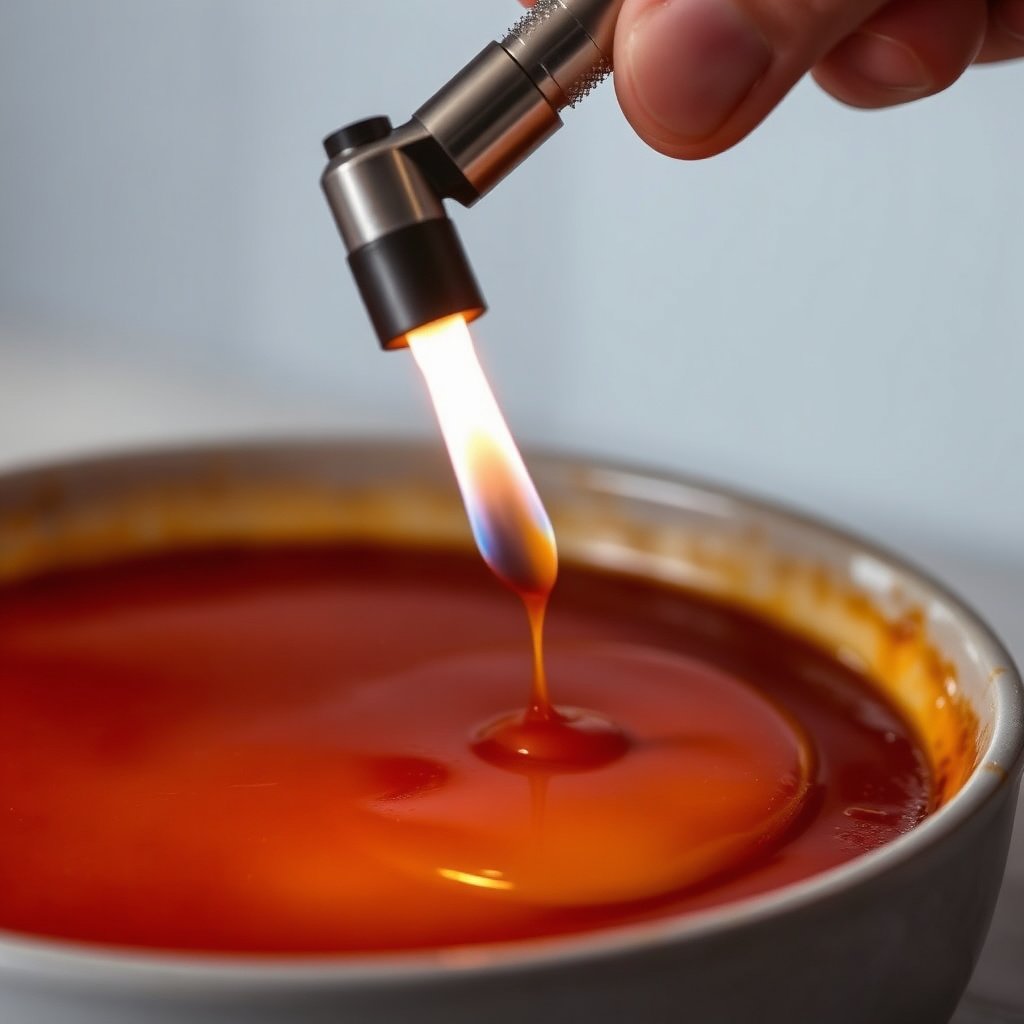
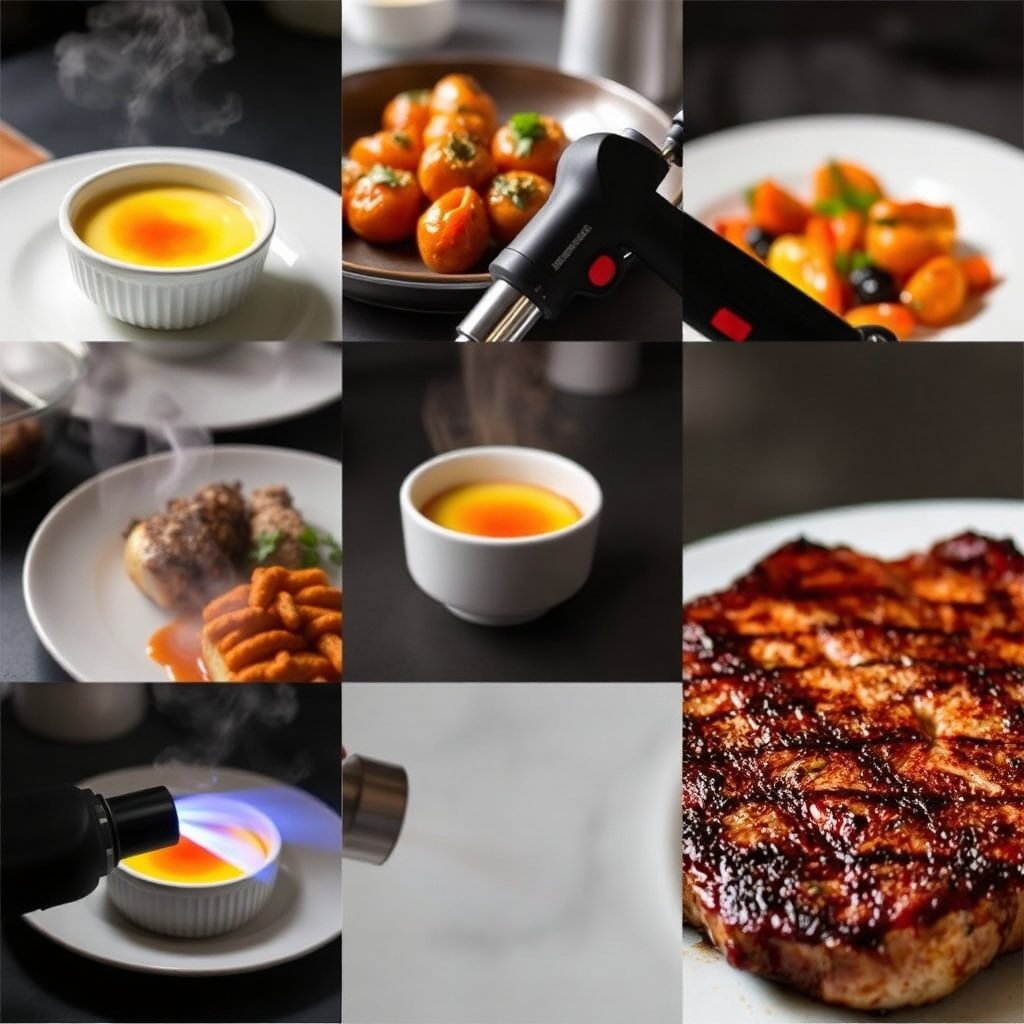
Kitchen torches excel at caramelizing sugar on desserts like crème brûlée and browning the tops of meringues, giving them a crisp, golden finish without baking.
This process adds texture contrast and enhanced flavor without heating the entire dish, preserving the dessert’s overall consistency.
For more on this, see our related guide: How to Make Bread Pudding Perfectly: Complete Steps and Tips.
Searing and Roasting
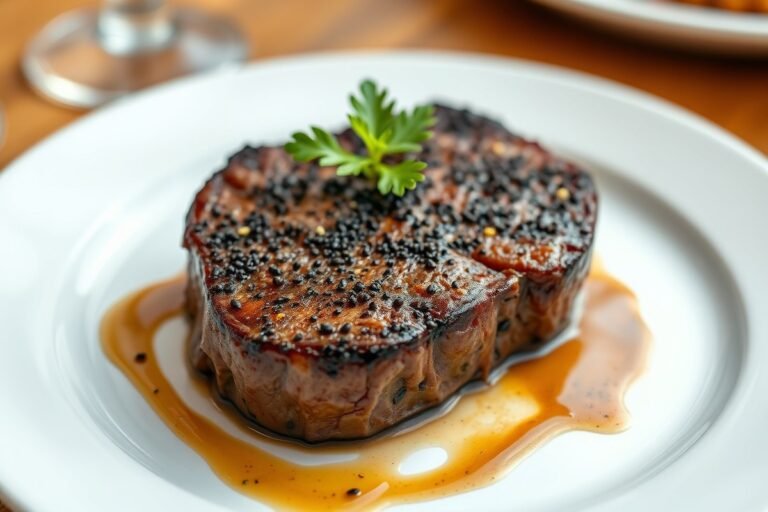
Chefs use kitchen torches to sear meats such as steaks or sous vide cooked proteins, creating a flavorful crust quickly. They also roast vegetables or char peppers to add smoky depth.
Since the heat is direct and localized, it minimizes cooking time while elevating taste and presentation.
Maintaining Your Kitchen Torch
Cleaning and Refilling
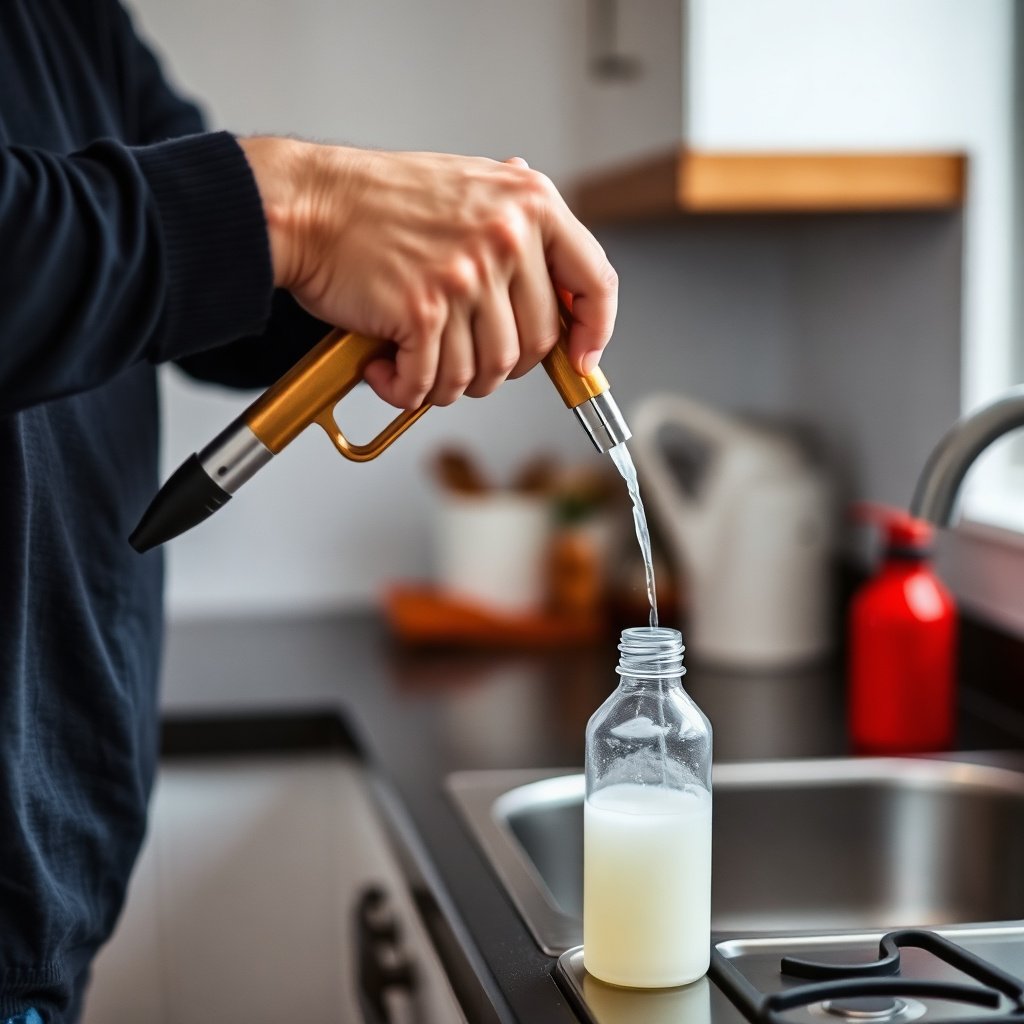
Regularly clean the nozzle with a soft cloth and check for obstructions to maintain flame quality. Refill with high-quality butane fuel as recommended to prevent clogging or uneven flames.
Avoid overfilling the torch reservoir and let it rest briefly after refilling to allow air bubbles to dissipate.
- Use soft cloth for cleaning
- Refill in well-ventilated area
- Use recommended butane fuel
For a general overview and history of kitchen torches, check the kitchen torch Wikipedia article. kitchen torch Wikipedia article.
Troubleshooting Common Issues
If your torch flame sputters or won't ignite, check the fuel level and clean the nozzle. Persistent issues may require professional servicing or replacement parts.
Ensure the flame adjustment is not set to the lowest setting which might prevent ignition.
Kitchen Torch Types Comparison
Review the key differences between popular kitchen torch categories to identify which fits your cooking style best.
| Type | Fuel Source | Flame Temperature | Portability | Typical Uses |
|---|---|---|---|---|
| Butane Torch | Refillable butane gas | Up to 2500°F | High – cordless | Caramelizing, searing, roasting |
| Electric Torch | Electric power (plug-in) | Up to 1200°F | Low – requires outlet | Light caramelizing, small torching tasks |
| Disposable Torch | Pre-filled butane canister | Up to 2200°F | Moderate – single use | Occasional use, easy for beginners |
| Jet Flame Torch | Refillable butane gas | Up to 2600°F | High – cordless | Professional searing, smoking |
Frequently Asked Questions
Is a kitchen torch safe to use indoors?
Yes, kitchen torches are safe for indoor use when operated properly. Always use them in a well-ventilated area, keep flammable materials away, and follow safety instructions.
How do I refill a butane kitchen torch?
To refill, turn the torch upside down, insert the butane canister nozzle into the refill valve, and press firmly. Wait a few moments for the fuel to transfer and avoid overfilling.
What foods can I use a kitchen torch on?
Kitchen torches are great for caramelizing sugar, browning meringue, searing meats, roasting peppers, melting cheese, and finishing dishes with crisp textures.
How do I adjust the kitchen torch flame?
Most kitchen torches have a knob or lever near the nozzle that you turn to increase or decrease the flame size. Adjust the flame to medium for most cooking tasks.
Can I carry a kitchen torch on a plane?
No, kitchen torches typically contain flammable butane fuel and are prohibited in carry-on and checked luggage on commercial flights.
Key Takeaways
- Operate kitchen torches following manufacturer safety guidelines.
- Use kitchen torches for caramelizing, searing, and roasting with precision.
- Choose between butane and electric torches based on your cooking needs.
- Regular maintenance and careful storage extend torch lifespan.
Conclusion
Selecting how to use a kitchen torch effectively involves understanding the specific features of your tool, mastering flame control, and adhering to safety practices. This knowledge allows cooks to create appealing textures and flavors that standard kitchen methods cannot replicate, enhancing meal presentation and taste.
For everyday culinary enthusiasts, a refillable butane torch offers a good balance of power and portability for tasks like caramelizing desserts or searing steaks. Electric torches are better suited for those who want ease of use with less frequent application. Professional chefs might prefer high-temperature jet flame torches to handle intense searing and smoking.
Before using your kitchen torch, prepare your workspace by clearing flammable items and having safety tools at hand. Practice on simple dishes to get a feel for the flame control. Investing time in torch maintenance, including proper refilling and cleaning, ensures consistent performance and safety for your cooking adventures.