How to Make Crème Brulee: A Step-by-Step Guide to Perfect Custard
Making crème brulee starts with preparing a smooth custard base from cream, egg yolks, sugar, and vanilla, which is then baked in a water bath until just set. Once chilled, it is topped with sugar and caramelized with a torch or broiler to create the signature crispy caramel crust. Starting with quality ingredients and controlling the cooking temperature ensures a creamy interior and perfectly burnt topping.
This dessert stands out for its contrast of textures—the velvety custard beneath a crunchy caramel shell engages both the palate and the senses. Perfecting this balance matters because overcooking the custard makes it grainy or curdled, while undercooking leaves it too soft. Also, caramelizing the sugar correctly is key to getting that satisfying crack without bitterness.
The following guide covers every detail you need to know about how to make crème brulee, from ingredient selection and preparation tips to baking techniques and finishing touches. You’ll also find variations and common troubleshooting advice to help you recreate this classic custard dessert recipe flawlessly at home.
Selecting Ingredients for Crème Brulee
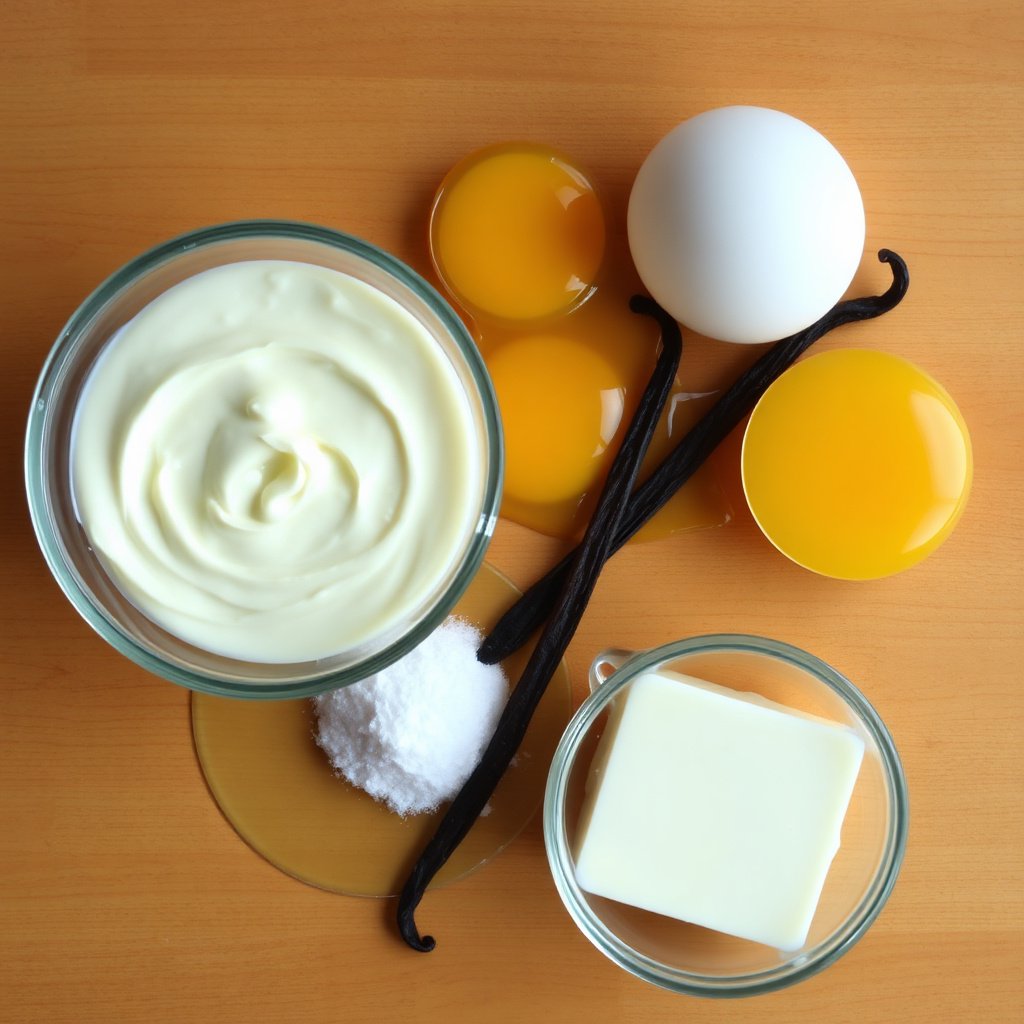
Choosing the Right Dairy and Eggs
The base of crème brulee depends heavily on the quality of cream and eggs chosen. Heavy cream or a combination of heavy cream and whole milk provides the necessary fat content for a rich, smooth custard. Fresh, high-quality eggs with bright yolks contribute to flavor and custard thickness.
Avoid low-fat creams or substitutes as they won’t set properly and affect texture. Organic or free-range eggs can enhance taste but even standard store eggs work well if fresh. For best results, bring cream to room temperature before incorporation.
Vanilla and Sugar Selection
Using a real vanilla bean imparts the deepest fragrance and subtle flavor. Split the bean and scrape out the seeds to include in the custard mix. Vanilla extract is a convenient alternative and delivers good flavor if a bean isn’t available.
Granulated white sugar is standard for both mixing into the custard and for the caramelized topping. Some recipes suggest superfine sugar for smoother dissolving. Avoid raw or brown sugar for the topping to maintain a clean caramel taste.
- Use fresh vanilla beans or pure vanilla extract
- Granulated sugar for custard and topping
- Superfine sugar can dissolve faster in custard
Preparing the Custard Base
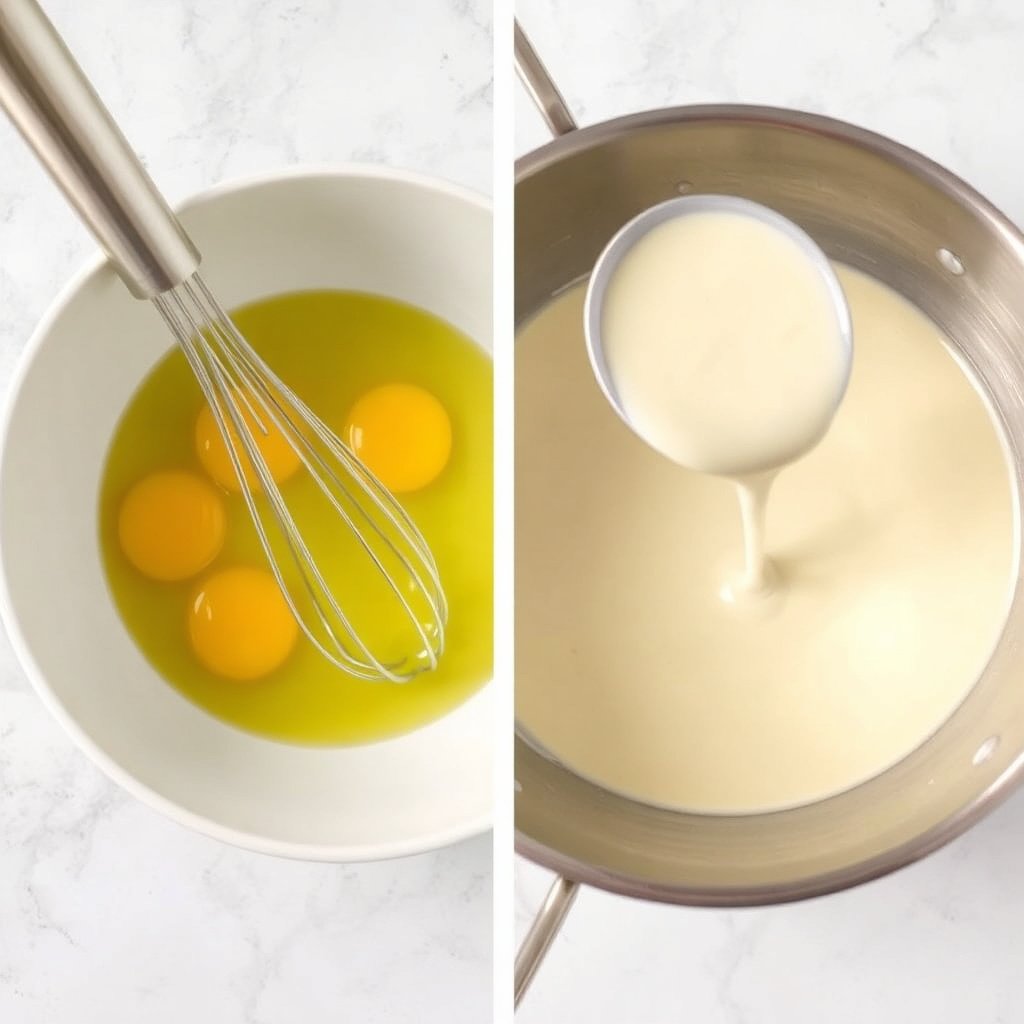
Mixing Eggs and Sugar
Start by whisking the egg yolks and granulated sugar until the mixture becomes pale and slightly thickened. This helps dissolve sugar and incorporate air for a lighter texture. Avoid using whole eggs to prevent a firmer, less creamy custard.
Whisk gently and avoid overbeating, which can introduce too much air and create holes in the baked custard. The goal is a smooth base that feeds richness to the final dessert.
For more on this, see our related guide: How to Make Bread Pudding Perfectly: Complete Steps and Tips.
Incorporating Warm Cream and Vanilla
Slowly temper the egg yolk mixture with the warm cream infused with vanilla bean seeds or extract to prevent scrambling. Pour the cream gradually while continuously whisking.
This step is essential for integrating ingredients smoothly. Once combined, strain the mixture through a fine mesh to remove any curdled bits or vanilla pod pieces, guaranteeing an ultra-silky custard.
- Warm cream to about 170°F (75°C) before adding
- Stain mixture for smooth consistency
Baking Crème Brulee Custard
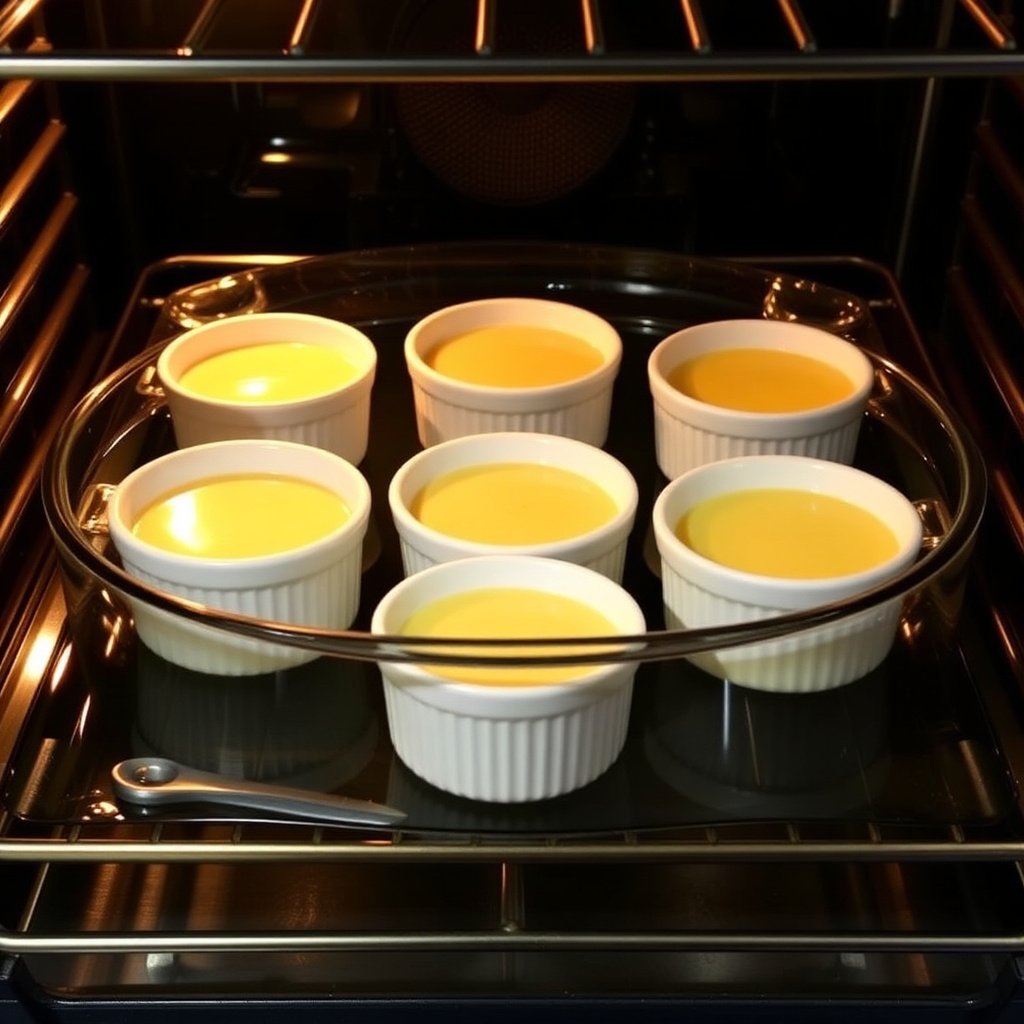
Using a Bain-Marie (Water Bath)
Place the filled ramekins in a deep baking dish. Pour hot water into the dish until it reaches halfway up the sides of the ramekins. This gentle cooking method prevents the eggs from curdling and ensures even heat distribution.
Bake in a preheated oven at around 325°F (160°C) until the custards are just set but still slightly jiggly in the center. The water bath maintains stable, moist heat and produces a creamy texture.
- Use hot water for immediate even heating
- Do not fill water over half the height of ramekins
Checking Doneness and Cooling
Test doneness by gently shaking; the custard should have a slight wobble in the middle but not be liquid. Overbaking results in a grainy texture while underbaking leaves it runny.
Remove ramekins from water bath carefully and cool to room temperature before refrigerating for at least 2 hours to set completely. Chilling also deepens custard flavor and firms the texture for caramelizing.
- Cool custards at room temperature first
- Chill in fridge for 2-4 hours or overnight
Creating the Signature Caramelized Sugar Topping
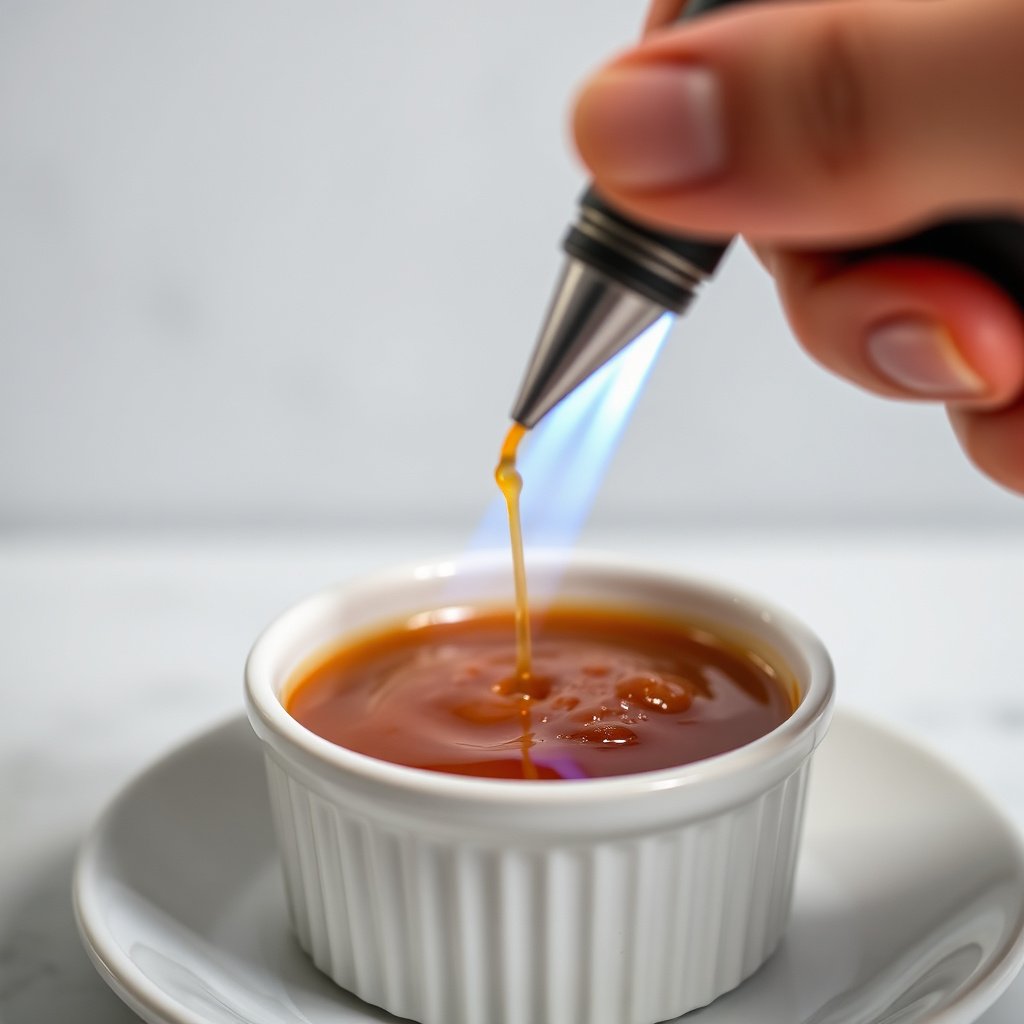
Applying Sugar Evenly
Sprinkle a thin, even layer of granulated sugar over the chilled custard surface. Avoid thick layers which can burn unevenly and mask the custard beneath.
Use a spoon or your fingers to spread sugar to cover completely, tapping off any excess. This promotes even caramelization and a crisp surface.
For more on this, see our related guide: What Is the Best Dessert at a Restaurant.
Caramelizing Sugar with Torch or Broiler
A culinary torch offers precise control and instantly melts sugar to a golden crisp without heating the custard below. Move the flame evenly over the surface until all sugar crystals melt and bubble, forming a glassy crust.
If a torch isn’t available, place ramekins under a preheated broiler for 2-5 minutes, watching carefully to prevent burning. Let the caramelized top cool briefly before serving to harden.
- Keep torch moving to avoid burning
- Cool caramel before eating to crack properly
Variations and Troubleshooting
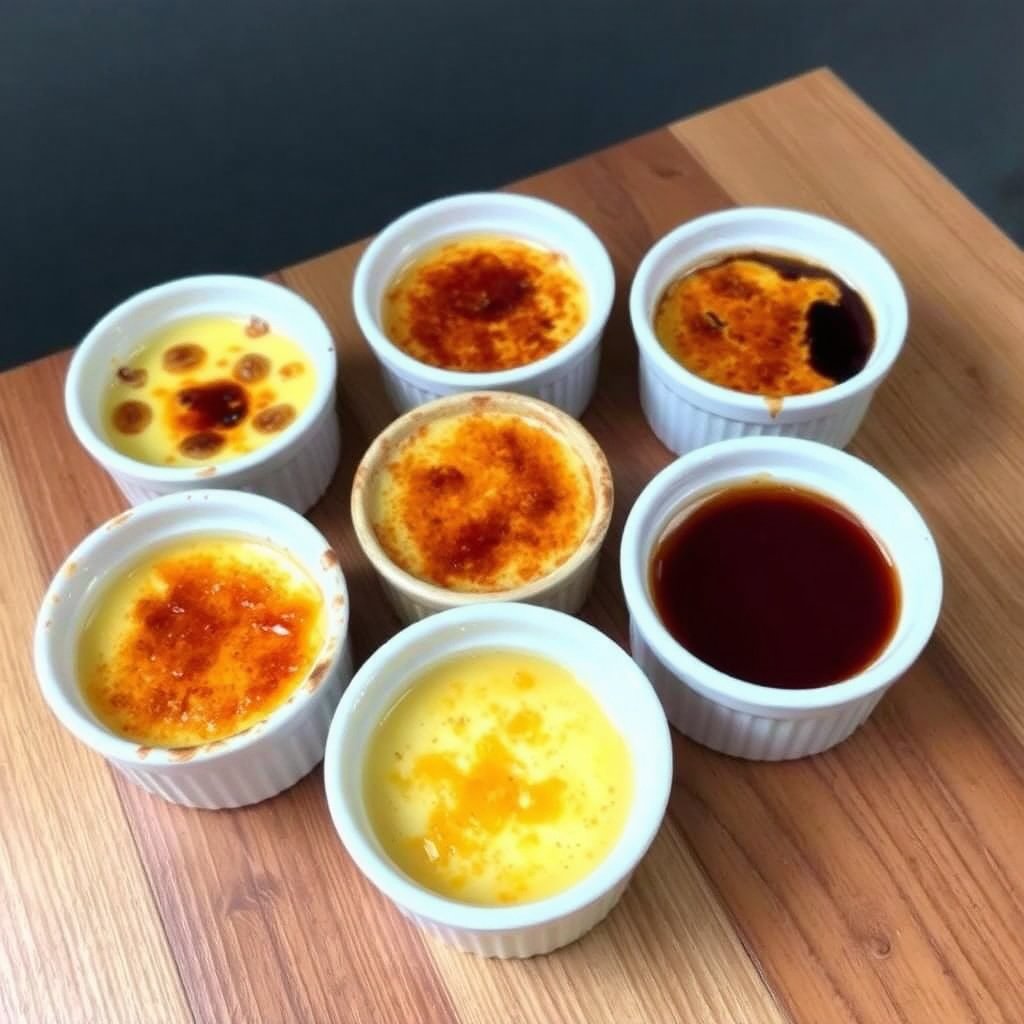
Flavor Variations Beyond Vanilla
Experiment with infusing the cream with herbs like lavender, spices such as cinnamon or cardamom, or citrus zests for unique takes. Chocolate, coffee, and liqueur additions also enhance the custard.
Flavored sugars for caramelizing, such as cinnamon sugar or brown sugar mixed with a little vanilla, add extra dimension but watch for different caramelization rates.
- Lavender, cardamom, or citrus zest infusions
- Add espresso or liqueurs to custard base
For more culinary and historical details, the Crème brûlée Wikipedia article offers a useful overview. Crème brûlée Wikipedia article.
Common Issues and Solutions
A cracked or grainy custard can mean overcooked eggs or uneven baking temperature. To fix this, reduce oven heat and bake in a stable water bath.
If the caramel topping becomes too bitter, it may have burnt—use more sugar or adjust the torch flame. Running custard before caramelizing usually means underbaking and should be chilled longer.
Crème Brulee Cooking Methods Comparison
Here’s a table comparing popular cooking methods used to make the perfect crème brulee custard base.
| Cooking Method | Heat Control | Texture Results | Preparation Time |
|---|---|---|---|
| Traditional Water Bath | High – Gentle and consistent | Smooth and creamy | 45-60 minutes baking |
| Steam Oven | Very high – moist environment | Very silky, even texture | 40-50 minutes baking |
| Sous Vide | Precise temperature control | Extremely smooth and consistent | 90-120 minutes cooking |
| Microwave Custard | Low control, risk of uneven cooking | Risk of grainy texture | 10-15 minutes but less consistent |
Frequently Asked Questions
Can I use whole eggs instead of just egg yolks?
Whole eggs can be used but will produce a firmer, less creamy custard that resembles baked eggs more than classic crème brulee.
How do I prevent the custard from cracking during baking?
Bake using a water bath at a controlled low temperature and avoid overbaking. This prevents rapid temperature changes that cause cracking.
Is it necessary to strain the custard mixture before baking?
Straining removes any cooked egg bits or vanilla pod fragments, resulting in a smoother custard texture.
What’s the best way to caramelize the sugar topping if I don’t have a torch?
Use your oven’s broiler, placing ramekins on the top rack and watching closely to avoid burning while the sugar caramelizes.
Can crème brulee be made in advance?
Yes, you can prepare and bake the custard a day ahead, keep it refrigerated, and caramelize the sugar topping just before serving.
Key Takeaways
- Use high-quality cream and egg yolks for a rich custard
- Bake custard gently in a water bath for smooth texture
- Caramelize sugar topping evenly for signature crispness
- Experiment with flavors but keep caramelizing technique consistent
Conclusion
Making crème brulee is a rewarding process that hinges on attention to detail in selecting ingredients, preparing the custard base, baking carefully, and finishing with caramelized sugar. Each step affects texture and flavor deeply, so patience and precision are well worth the effort. Understanding how the custard sets and how the caramel crust forms will help you achieve the iconic contrast this dessert is famous for. By balancing these elements, you can create a crème brulee that impresses both visually and gastronomically.
For those seeking specific recommendations, the classic custard recipe using heavy cream, fresh egg yolks, and real vanilla bean is the safest starting point. Baking in a bain-marie oven at 325°F offers reliable texture. Culinary torches provide the greatest control for caramelizing the sugar topping perfectly; alternatively, the broiler can be effective with close attention. Flavor variations allow customization but keep the base recipe intact for dependable results. The comparison of cooking methods illustrates that traditional and sous vide preparations each have unique benefits worth trying based on your kitchen setup.
If you want to try making crème brulee yourself, begin with the classic recipe, invest in a good kitchen torch, and follow the guidance on timing and temperature closely. Refrigerate custards overnight for best flavor development and caramelize sugar just before serving for maximum crunch. This approach ensures every bite features the creamy custard beneath a crisp, golden sugar crust—a truly timeless dessert experience. Keep practicing these methods, and you’ll soon master how to make crème brulee that delights every time.