How Much to Renovate Kitchen? The Complete Answer
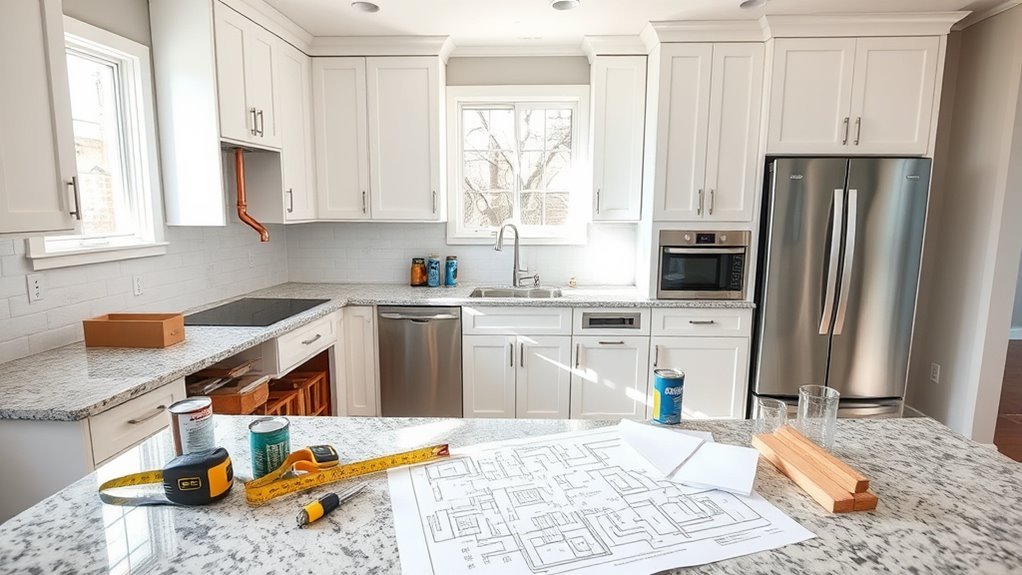
Thinking about renovating your kitchen but feeling overwhelmed by the costs? You’re not alone—many people struggle with figuring out how much their kitchen upgrade will actually cost.
Whether you’re dreaming of a simple refresh or a complete overhaul, understanding the expenses can help you plan better.
Renovating your kitchen can cost anywhere from a few thousand to tens of thousands, depending on the scope, materials, and labor you choose.
Simple updates like new fixtures are quick and budget-friendly, while full overhauls with custom cabinets and luxury finishes take more time and money.
Your kitchen size and design also affect costs, with labor and hidden expenses adding up.
If you want to make smart budget choices and avoid surprises, there’s plenty more to contemplate.
Key Takeaways
- Kitchen renovation costs vary depending on what you want to do, from quick fixes like new fixtures to complete layout overhauls. These changes can affect both the price and the timeline.
- Material choices, like granite countertops and custom cabinets, can really bump up your budget. The more upscale the materials, the higher the costs.
- Labor costs depend on your location, how complex the design is, and how reliable your contractor is. Usually, labor makes up a big part of the overall budget.
- The size of your kitchen also impacts costs. Smaller kitchens tend to be cheaper, but you’ll still need to budget for cabinets, appliances, and labor.
- Be realistic with your budget by focusing on essentials. Don’t forget to include permits, hidden expenses, and a 10-15% contingency fund to cover surprises.
Typical Kitchen Renovation Costs by Project Type

When planning your kitchen renovation, understanding the typical costs by project type can help you budget effectively. If you’re updating fixtures like faucets or lighting, costs tend to be lower and the renovation timeline shorter, often just a few days.
Changing your kitchen layout by moving appliances or walls will increase expenses a lot and extend the timeline to several weeks because of structural work and permits. Mid-level projects, such as replacing cabinets or countertops without altering the layout, usually fall in the moderate cost range and take about one to two weeks to complete.
Altering your kitchen layout raises costs and timelines, while mid-level updates like cabinets take one to two weeks.
Keep in mind that labor and material choices heavily influence costs. By clearly defining your desired kitchen layout upfront, you’ll avoid surprises and keep the renovation timeline on track.
Knowing these cost distinctions helps you decide which projects fit your budget and schedule, ensuring a smoother renovation experience.
Full Overhaul or Simple Update: Which Is Right for Your Kitchen?
First things first, take a good look at your kitchen and figure out what’s really bothering you. Is it outdated cabinets, outdated appliances, or maybe just a lack of space? Knowing what needs fixing will help you decide whether a full overhaul or a simple update makes more sense.
Then, think about your budget. How much are you comfortable spending? A full overhaul can be a bit more expensive and time-consuming, but it might give you a completely new vibe. On the other hand, a simple update can be more budget-friendly and quicker to pull off.
Lastly, consider how you use your kitchen daily. Do you need more storage, better lighting, or updated appliances? Making sure the choice fits your lifestyle will help you end up with a kitchen you love and that works for you.
Assessing Kitchen Condition
Deciding between a full kitchen overhaul and a simple update starts with a thorough assessment of your current space. Use a kitchen inspection checklist to spot issues like outdated appliances, worn cabinets, or plumbing problems. This helps you figure out if minor tweaks are enough or if a complete remodel is needed.
Also, think about the renovation timeline. Full overhauls usually take longer and can disrupt your routine more than simple updates.
| Aspect | Simple Update | Full Overhaul |
|---|---|---|
| Cabinets | Repaint or refinish | Replace entirely |
| Appliances | Upgrade select units | Replace all |
| Layout | Keep the same | Redesign |
| Plumbing/Electrics | Minor repairs | Major upgrades |
| Timeline | A few days to a week | Several weeks to months |
This clear assessment helps you choose the best renovation path for your space.
Budget Considerations
How much you should budget for your kitchen renovation really depends on whether you’re going for a full overhaul or just a simple update. Full renovations tend to cost more, but even small updates can give your space a fresh look without spending a lot.
To stay on track, use budget tracking tools to keep an eye on your expenses. This way, you’ll avoid surprises and make sure your spending matches your plan.
You can also save money by prioritizing essential upgrades, choosing mid-range materials, or doing some of the work yourself. These strategies help you get the most out of your budget without sacrificing quality.
Lifestyle and Needs
Although a full overhaul can transform your kitchen completely, a simple update might better suit your daily routine and budget. Start by evaluating your lifestyle preferences: do you cook often, entertain guests, or need more storage? Your kitchen’s functionality depends on these factors.
If you love experimenting with recipes, upgrading appliances and workspace makes sense. If you mostly reheat meals, small changes like new lighting or cabinet handles can refresh the space without a big expense.
Think about how your needs might change — maybe a growing family or working from home. This could mean more extensive renovations are needed. Ultimately, balance what you want with what fits your lifestyle and budget.
This approach helps ensure your kitchen stays practical, comfortable, and tailored to how you live every day.
What Materials Affect Your Kitchen Renovation Budget?
When you choose materials for your kitchen renovation, they directly impact your overall budget. Selecting countertop materials like granite or quartz can be pricier than laminate, but they offer durability and style.
Choosing countertop materials like granite or quartz affects your budget but adds lasting durability and style.
Flooring options vary widely—from affordable vinyl to high-end hardwood—so pick what fits your budget and lifestyle. Cabinetry styles also influence costs; custom cabinets cost more than stock or semi-custom ones.
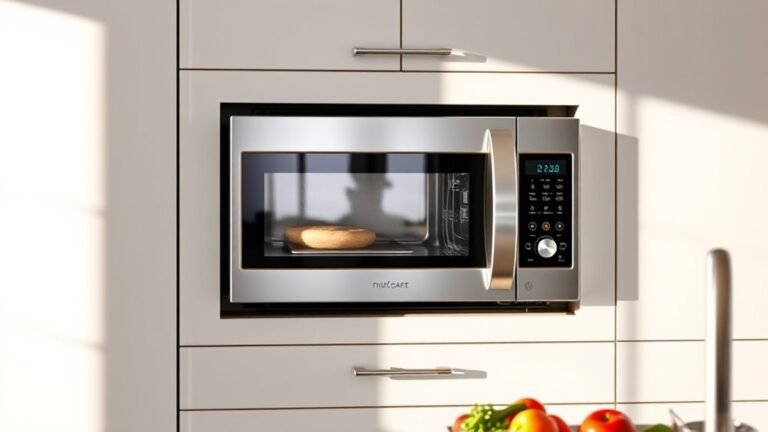
Appliance choices matter, especially when you opt for energy efficiency, which might have higher upfront costs but save money long-term.
Don’t overlook backsplash tiles, lighting fixtures, and sink types, as these details add up quickly. Paint finishes and hardware selections contribute to the kitchen’s look and can range from economical to luxurious.
How Labor Costs Influence Your Kitchen Renovation
Since labor often makes up a big part of your kitchen renovation budget, understanding its impact is key. Labor costs depend a lot on the current labor market, which can change due to demand, skill shortages, or economic shifts. Wage changes directly affect what you’ll pay, so timing your project during stable periods can save you money.
Renovation trends also matter; complex designs or custom work need more skilled labor, which raises costs. You should also think about contractor reliability. Hiring experienced pros can prevent costly delays and keep your project on schedule.
Regional differences are important too—labor rates can vary greatly between urban and rural areas or different states. These costs all influence how much you’ll spend on labor. Doing your research on local rates and choosing trustworthy contractors will help you budget accurately and avoid surprises.
Understanding these factors helps you manage labor costs effectively for your kitchen renovation.
How Kitchen Size Changes Renovation Expenses
Your kitchen size really affects how much you’ll end up spending on renovations. If your kitchen is on the smaller side, you’ll probably find that updating it costs less overall. On the other hand, bigger kitchens tend to need a bigger budget because of the extra materials and labor involved.
Getting a sense of how your space impacts costs can help you plan better and avoid surprises down the line. So, it’s definitely something to keep in mind as you start thinking about your renovation project.
Small Kitchen Costs
Renovating a small kitchen usually costs less upfront, but it has its own challenges that can impact your overall budget. You’ll want to focus on making the most of your space with smart layouts and choose compact appliances to keep things functional without feeling crowded.
Here’s a quick look at typical cost factors:
| Element | Cost Range | Notes |
|---|---|---|
| Cabinets | $2,000 – $5,000 | Custom sizes to fit your small space |
| Appliances | $1,000 – $3,000 | Go for compact models to save space |
| Labor & Installation | $1,500 – $3,500 | Skilled work for tight areas |
Large Kitchen Budget
Larger kitchens need a bigger budget because they require more materials, labor, and often higher-end appliances to fill the space effectively. When you renovate a big kitchen, you’ll want to invest in luxury appliances that match the room’s size and offer great performance. Choosing energy-efficient models can help save money on operating costs over time, making your investment smarter.
The extra square footage means more cabinetry, countertops, and flooring—all of which add up quickly. Labor costs also go up since the project takes longer and involves more complex installs. To keep your renovation manageable, focus on features that improve both functionality and style without overspending.
Planning your large kitchen budget carefully will help you create a beautiful, efficient space that fits your lifestyle.
Which Design Choices Drive Up Kitchen Renovation Costs?
Although updating your kitchen can refresh your home, certain design choices can quickly increase renovation costs. Opting for luxury finishes like marble countertops, custom cabinets, or high-end flooring can significantly raise your budget.
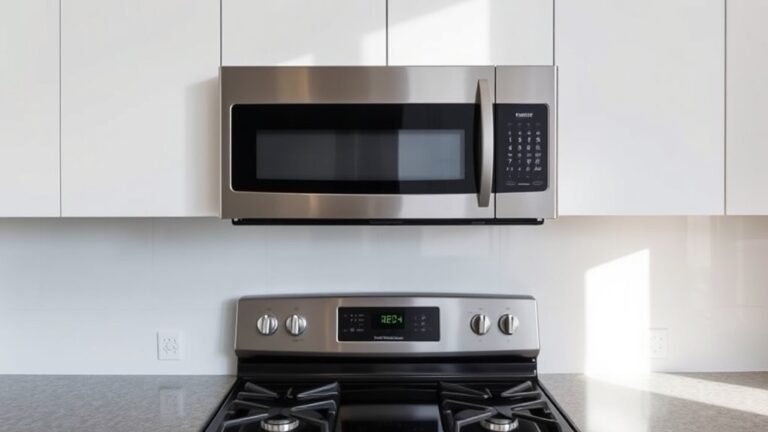
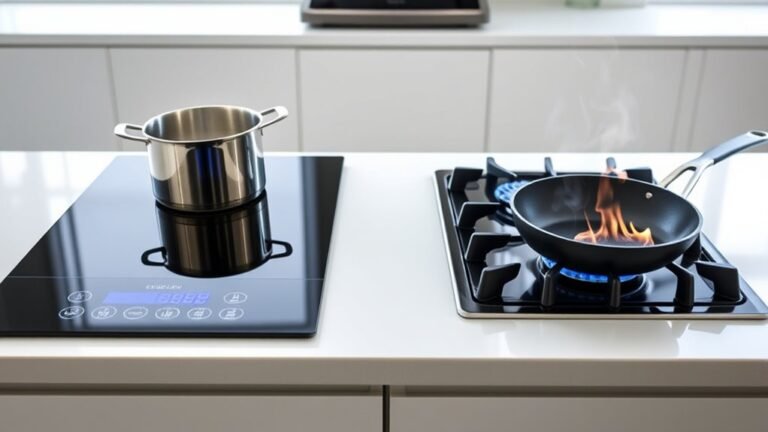
These materials not only cost more upfront but often require specialized installation, which adds to labor expenses. Similarly, upgrading appliances such as professional-grade ranges, built-in refrigerators, or smart ovens can drive up costs.
These appliances often need specific electrical and plumbing work, further inflating your budget. Choosing complex layouts with islands or multiple work zones also adds expenses, as they require more materials and labor.
Custom lighting, intricate backsplashes, and high-quality hardware also contribute to higher costs. While these choices can improve your kitchen’s look and functionality, they come with a bigger price tag.
To keep costs in check, consider what’s essential for you and which upgrades truly add value to your home.
Common Hidden Costs in Kitchen Renovations
What surprises many homeowners during a kitchen renovation are the hidden costs that don’t appear in the initial estimate. These hidden expenses can quickly add up and impact your overall budget.
You might find yourself facing unexpected upgrades or design changes once demolition begins, revealing plumbing issues or outdated wiring that need electrical updates.
Installation fees often go up if custom work or specialty appliances are involved. Permit costs can also be overlooked but are crucial for legal and safety reasons.
Here are common hidden costs to watch for:
- Demolition surprises that require extra labor or repairs
- Plumbing issues uncovered behind walls
- Electrical updates to meet current codes
- Material waste from cutting and fitting
- Appliance upgrades beyond your initial plan
Anticipating these can help you avoid surprises and keep your renovation on track.
Setting a Realistic Kitchen Renovation Budget
Before you dive into your kitchen renovation, it’s important to set a realistic budget that covers everything. Start by listing your top priorities—figure out what’s essential and what can wait. This way, you can focus your funds on the most important features and avoid overspending on less critical upgrades.
Make sure to include costs for materials, labor, permits, and any unexpected expenses. It’s also a good idea to research local prices so you’re not caught off guard. Break your total budget into categories like cabinetry, appliances, countertops, and flooring, then estimate costs for each.
Don’t forget to set aside a contingency fund of around 10-15% for surprises that often pop up during renovations. Having a clear, prioritized budget keeps your project on track and helps you get the kitchen you want without stressing over money. Setting realistic expectations early makes managing your renovation and budget much easier.
Save Money Without Sacrificing Quality in Your Kitchen Remodel
You can totally save some money on your kitchen remodel without sacrificing quality. Just pick budget-friendly materials that still look awesome and will stand the test of time. It’s all about finding that sweet spot between affordability and durability.
And don’t be shy about negotiating with your contractors. Sometimes, a little haggling can get you a better deal or some extra perks. Being smart with your choices like this helps keep everything within your budget while still making sure your kitchen looks and functions great.
Budget-Friendly Material Choices
Wondering how to keep your kitchen remodel budget-friendly without cutting corners? Choosing the right budget materials lets you save money while maintaining quality. Focus on cost-saving alternatives that still deliver durability and style.
Consider these smart material swaps:
- Laminate countertops instead of granite
- Vinyl flooring as a substitute for hardwood
- MDF or plywood cabinets with quality veneer
- Ceramic or porcelain tiles over natural stone
- Energy-efficient, budget-friendly appliances
These options offer a balance between affordability and longevity. By selecting budget materials thoughtfully, you can achieve a stylish kitchen without overspending. Keep your eyes open for sales or clearance items on these materials to stretch your budget even further. This way, you guarantee that your renovation is both wallet-wise and satisfying.
Smart Contractor Negotiations
Choosing budget-friendly materials is just one way to keep your kitchen remodel affordable, but negotiating with your contractor can reveal even more savings without compromising quality. Effective communication is key—be clear about your budget and priorities.
Use negotiation tactics like asking for discounts on bulk materials, flexible timelines, or phased payments to ease cash flow. Don’t hesitate to get multiple bids to find better offers.
Here’s a quick guide to smart negotiation tactics:
| Tactic | Benefit | When to Use |
|---|---|---|
| Bulk Material Buy | Lower costs on supplies | Early in the project |
| Flexible Timeline | Possible labor cost savings | If you’re not in a rush |
| Phased Payments | Manage cash flow | For larger projects |
| Multiple Bids | Better price comparison | Before finalizing the deal |
Use these strategies to save money without sacrificing quality.
When to Hire Professionals vs. DIY for Your Kitchen Renovation
How do you decide when to tackle your kitchen renovation yourself or call in a professional? It all comes down to honestly assessing your skills and understanding how complex the project is.
Deciding between DIY and hiring a pro starts with honestly assessing your skills and the project’s complexity.
If you’re confident in your DIY abilities, you might save some money and enjoy the challenge. But some tasks really need a pro to ensure safety and long-lasting results.
Think about these factors before making your choice:
- Skill Assessment: Are you comfortable with the work involved?
- Project Complexity: Does it include plumbing, electrical, or structural changes?
- Time Considerations: Do you have enough time to do it right without rushing?
- Cost Effectiveness: Will doing it yourself save you more money than hiring someone?
- Safety Issues: Are there risks that only a professional should handle?
Using hiring guides can help you find the right experts when needed. Balancing these points will make sure your renovation is both successful and efficient.
Frequently Asked Questions
How Long Does a Typical Kitchen Renovation Take?
A typical kitchen renovation takes about 6 to 12 weeks, but your timeline really depends on your budget and how well you manage it.
If you plan carefully and stick to your budget, you can avoid delays and keep things moving smoothly. Unexpected problems might pop up, so it’s a good idea to build in some extra time just in case.
Staying organized and checking in regularly with your contractors can help you stay on track and finish your kitchen renovation without too much stress.
What Permits Are Needed for a Kitchen Renovation?
You’ll need to check local permit requirements before starting your kitchen renovation.
Usually, permits are needed for electrical work, plumbing, and structural changes.
If you’re moving walls, upgrading wiring, or changing plumbing, you’ll definitely need approval from your city or county building department.
It’s important to submit detailed plans and get permits to avoid fines or delays.
Following permit rules helps ensure your renovation is safe, legal, and up to code.
How Do I Choose the Right Kitchen Layout?
You choose the right kitchen layout by focusing on workflow and space. Think about how you move between the sink, stove, and fridge, aiming to keep steps minimal.
Consider your space and storage needs. Pick a layout that maximizes functionality without feeling crowded.
Whether it’s L-shaped, U-shaped, or an island setup, prioritize easy movement and efficient use of every inch. This helps create a practical, enjoyable kitchen.
Can I Live in My Home During the Kitchen Renovation?
Living in your home during a kitchen renovation can feel like navigating a construction zone with caution tape. You can do it, but you’ll need to focus on kitchen safety to avoid accidents with dust and tools.
Keep your renovation budget flexible for unexpected delays or temporary fixes, like setting up a makeshift cooking area.
If you’re organized and patient, you’ll survive the chaos and enjoy your upgraded kitchen sooner than you think.
What Are the Latest Kitchen Renovation Trends?
You’ll love the latest kitchen renovation trends, especially smart appliances that make cooking and cleaning easier while saving energy. Eco-friendly materials like bamboo countertops and recycled glass backsplashes are also super popular, helping you reduce your carbon footprint.
You’ll find open shelving and minimalist designs create a sleek, modern look. Don’t forget integrated lighting and touchless faucets—they add convenience and style, making your kitchen both functional and beautiful.
Conclusion
Renovating your kitchen is like planting a seed. You’re investing in a space where memories will grow and flourish.
Whether you choose a full overhaul or a simple update, every decision shapes the heart of your home.
By understanding costs and planning wisely, you’ll cultivate a kitchen that reflects your style and needs without breaking the bank.
Welcome this journey and watch your dream kitchen bloom into reality.
When considering how much to renovate your kitchen, keep in mind the main keyword. This helps you stay focused on making smart, budget-friendly choices for your kitchen renovation.