How to Make Brownies: A Simple Guide to Perfect Fudgy Treats
Making brownies from scratch is easier than you think, and the process yields a rich, fudgy dessert everyone will love. To make brownies, you simply combine basic ingredients like butter, sugar, eggs, cocoa powder, flour, and vanilla, then bake them until just set. This method produces brownies that have a moist, dense texture with a shiny, crackly top.
Brownies are a classic treat because of their perfect balance between cake-like softness and dense, gooey richness. Understanding the right mix of ingredients and baking time ensures your brownies won’t turn out too dry or too cakey. It matters whether you prefer chewy edges or an ultra-fudgy center, as subtle adjustments can shift the texture significantly.
This guide covers everything you need for making brownies: from ingredient selection and mixing techniques to baking tips and tweaks for customizing flavors. Whether you want traditional chocolate brownies, variations with nuts or swirls, or even gluten-free alternatives, you’ll find clear explanations and practical advice here.
Ingredients Essential for How to Make Brownies
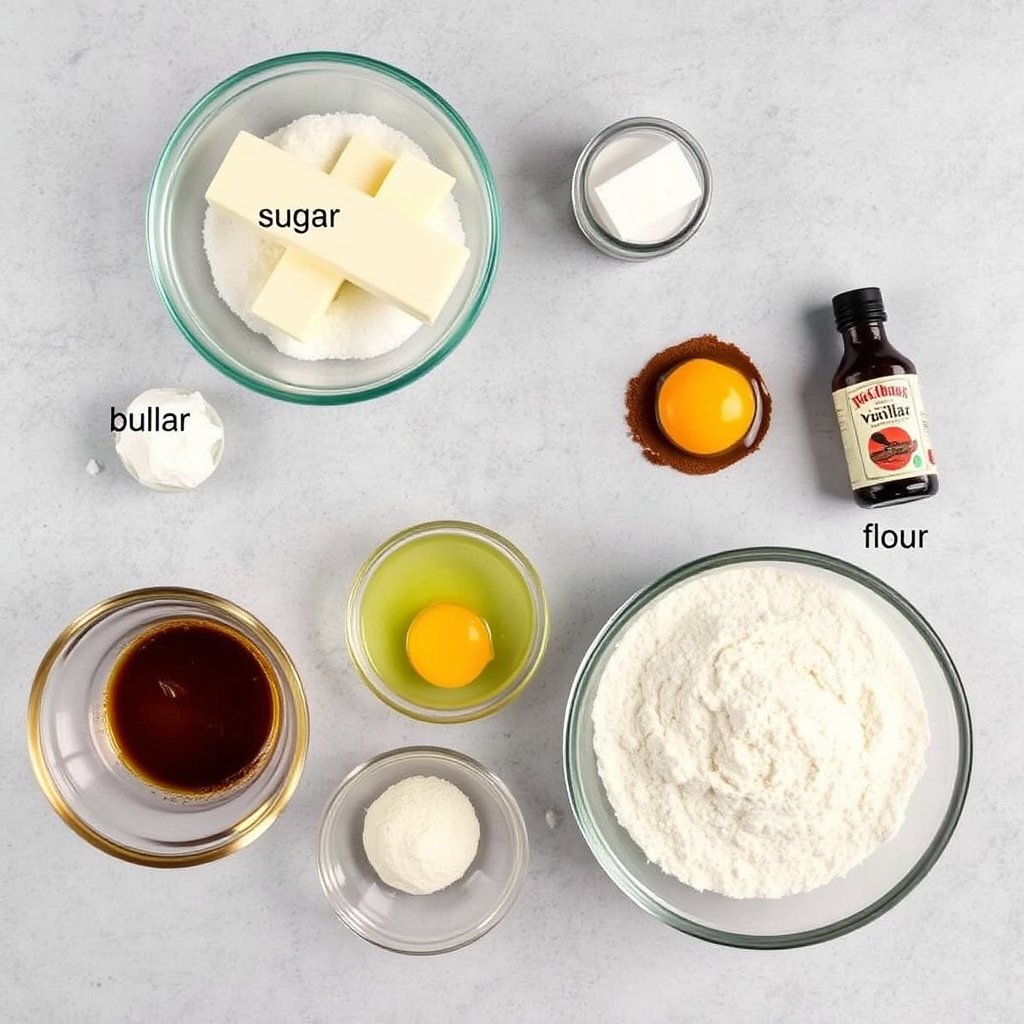
Choosing the Right Cocoa Powder and Chocolate
Cocoa powder significantly impacts the brownie’s flavor and color. Natural cocoa powder delivers a bright, intense chocolate taste with acidity, while Dutch-processed cocoa is smoother and darker. Some recipes use melted chocolate for extra richness; using semi-sweet or bittersweet chocolate bars can make brownies taste deeper and less bitter than cocoa powder alone.
Selecting high-quality chocolate or cocoa is key as inferior ingredients may produce bland or grainy brownies. Most recipes recommend unsweetened cocoa powder for balanced flavor. If using chocolate bars, chop finely so they melt evenly when mixed into the batter, preventing chunks and ensuring a smooth texture.
- Use unsweetened or Dutch-processed cocoa powder depending on flavor preference
- Add chopped semi-sweet chocolate for richer brownies
- Avoid low-quality chocolate that may affect texture
Role of Fats, Sugar, and Flour
Butter is the preferred fat for brownies because it creates moistness and a tender crumb while adding flavor. Some recipes substitute oil for a denser, fudgier bite but sacrifice some flavor depth. The sugar amount influences sweetness and texture; typically granulated sugar is used, though brown sugar can provide extra moisture and a subtle caramel note.
Flour quantity and type affect brownie density. All-purpose flour is standard, offering structure without excess heaviness. Adding too much flour can make brownies cakey, while too little leads to overly gooey centers. Measuring flour accurately by weight or spooning it into the cup prevents texture issues.
- Use melted butter for richer flavor and moist texture
- Granulated sugar is standard; brown sugar adds chewiness
- Measure flour carefully to achieve fudgy consistency
Mixing Techniques and Their Effect on Brownie Texture
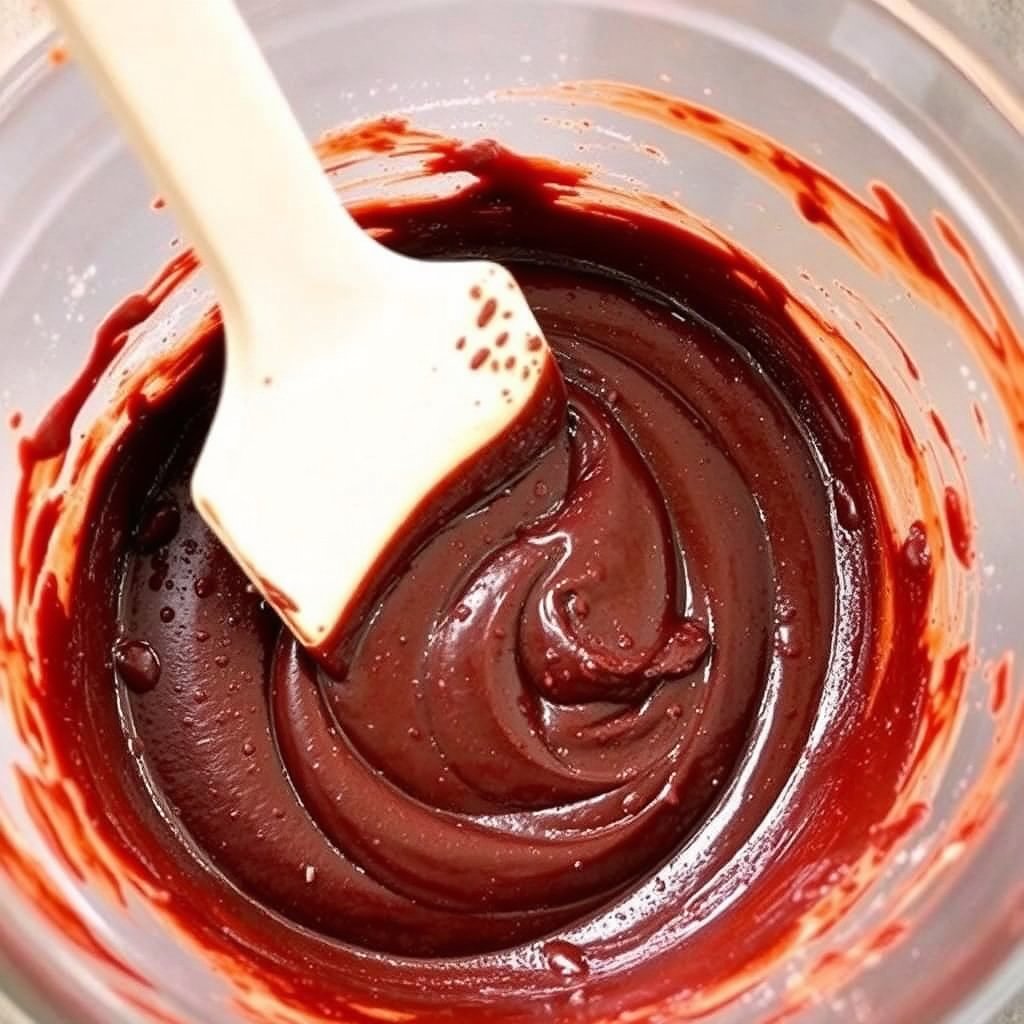
Combining Ingredients without Overmixing
Overmixing brownie batter activates gluten in the flour, resulting in tougher, more cake-like brownies rather than fudgy treats. Mixing just until dry ingredients are incorporated keeps the texture dense and moist. Incorporating eggs well is important as they provide structure and moisture.
The right mixing speed matters too. Stir the batter gently by hand using a spatula or wooden spoon instead of using an electric mixer to avoid excess air incorporation, which can lighten texture and create unwanted crumb.
- Stir until ingredients are just combined
- Avoid electric mixers to limit air in batter
- Incorporate eggs thoroughly for proper structure
For more on this, see our related guide: How Much Does It Cost to Host a Funeral Luncheon? A Complete Cost Guide.
Adjusting Batter for Fudgy or Cakey Brownies
For fudgier brownies, use less flour, more butter, and avoid baking until fully set. Adding an extra egg yolk can enrich the density. For cakier brownies, increase flour slightly, add an extra egg white for lift, or even mix in baking powder to introduce leavening.
Batter thickness also guides texture. A thick, glossy batter generally produces fudgy results, while thinner batter tends to bake into a lighter, cake-like crumb. Keeping these details in mind lets you tweak recipes to your preferred brownie style.
- Less flour and more fat for fudgy brownies
- More flour and an egg white for cakey texture
- Monitor batter thickness for desired consistency
Baking Tips and Timing for Brownie Perfection
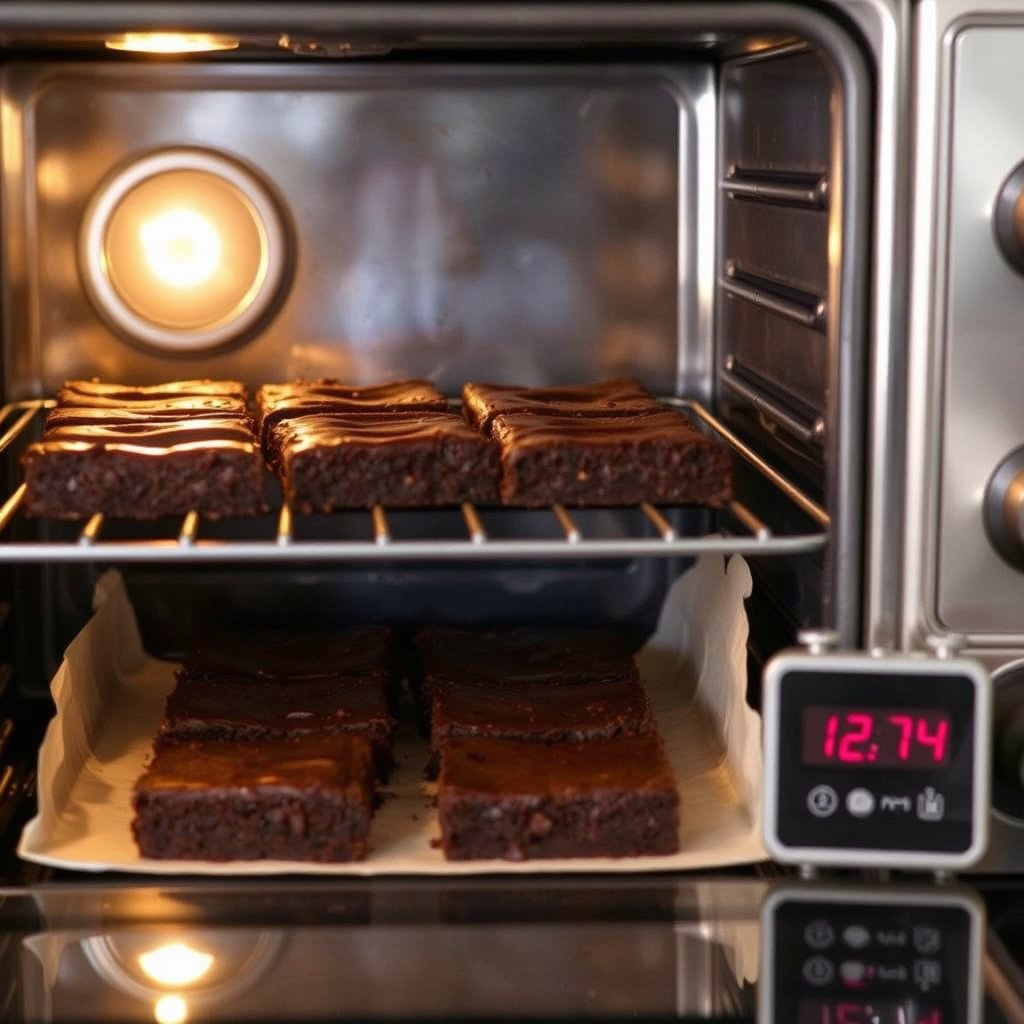
Choosing the Right Pan and Oven Settings
Metal or glass baking pans affect how brownies heat. Metal pans conduct heat quickly and produce crisper edges; glass pans heat slower and yield softer, more even baking. Dark-colored pans absorb heat faster and may cause over-browning, so lowering oven temperature slightly is recommended when using them.
An oven temperature of 325 to 350°F (163 to 177°C) is standard. Baking at the lower end of this range promotes moistness, while higher temperatures speed baking but risk drying. Positioning the pan in the center rack supports even heat distribution for uniform doneness.
- Use metal pans for crispy edges, glass for softer bake
- Reduce temperature for dark pans by 25°F
- Bake at 325–350°F on center oven rack
Knowing When Your Brownies Are Done
Brownies are baked when the edges appear set and start to pull away from the pan but the center remains slightly soft and fudgy. Use a toothpick inserted near the center; it should come out with a few moist crumbs but not wet batter. Overbaking dries brownies and ruins the desired texture.
Letting brownies cool completely in the pan before cutting helps them firm up, making clean slices easier. Some prefer warm brownies with ice cream, but for neater presentation and texture, full cooling is recommended.
- Edges set and pulling from pan is a good doneness sign
- Toothpick test: moist crumbs preferred over wet batter
- Cool completely before slicing for best texture
Customizing Your Brownies: Add-ins and Variations
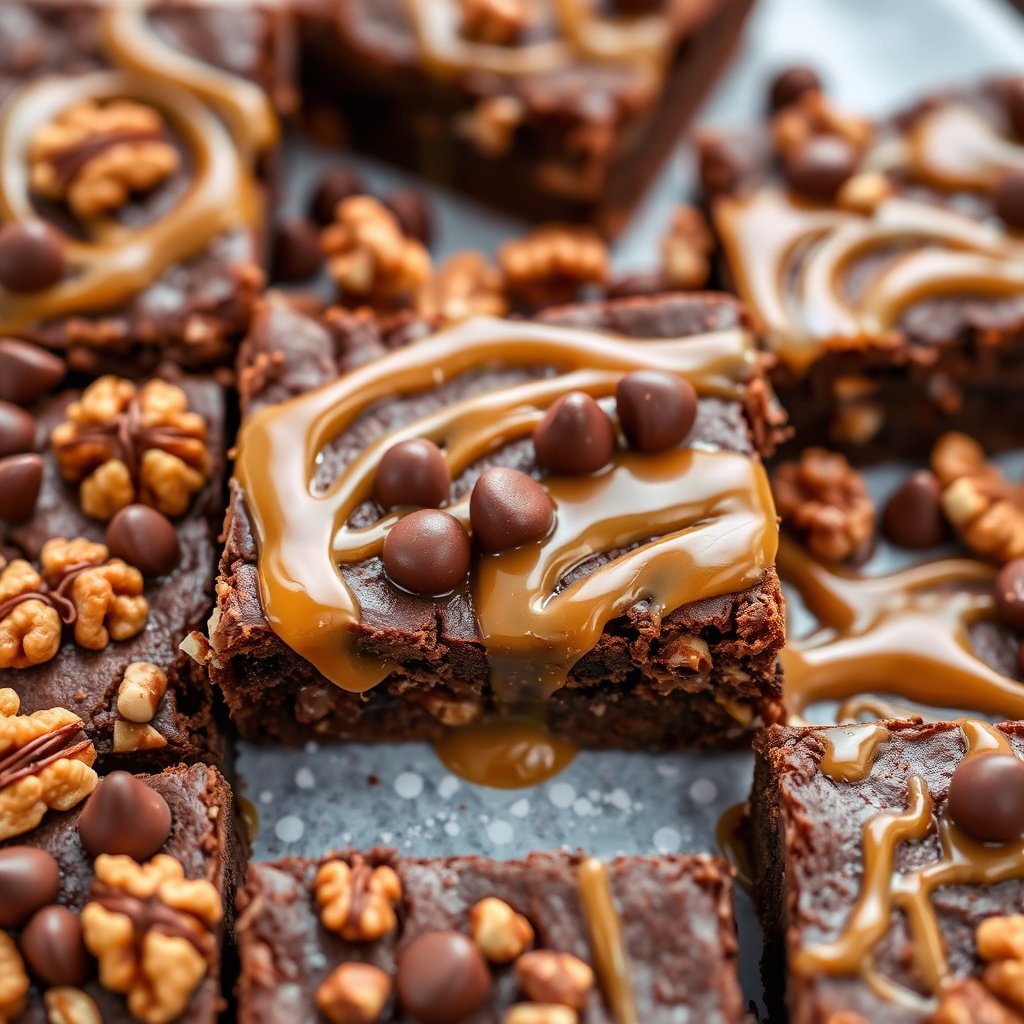
Nuts, Chocolate Chips, and Other Mix-Ins
Adding nuts like walnuts, pecans, or almonds introduces crunch and flavor contrast to fudgy brownies. Chocolate chips or chunks intensify chocolate richness and give pockets of melted texture. Incorporate these add-ins gently after basic batter mixing to avoid uneven distribution.
Other creative mix-ins include dried fruit, shredded coconut, or swirls of peanut butter or caramel. These ingredients can elevate your brownies into unique treats, but be mindful of moisture content as too much can alter baking behavior.
- Fold in nuts for crunch and flavor contrast
- Add chocolate chips for richer texture
- Use swirls of caramel or peanut butter for variation
For more on this, see our related guide: What Is the Best Dessert at a Restaurant.
Dietary Variants: Gluten-Free and Vegan Options
For gluten-free brownies, substitute all-purpose flour with blends of rice flour, almond flour, or oat flour. These often require slight recipe adjustments to maintain moisture and texture. Binding agents like xanthan gum can improve structure.
Vegan brownies replace eggs with flax eggs or mashed bananas and use plant-based butter or oils. Ensure any chocolate or add-ins are also vegan. While texture may differ slightly, vegan brownies can be just as satisfying with the right balance of ingredients.
- Use gluten-free flour blends and xanthan gum as needed
- Replace eggs with flax eggs or fruit purees for vegan baking
- Choose vegan chocolate to keep brownies dairy-free
Storage and Serving Tips for Brownies
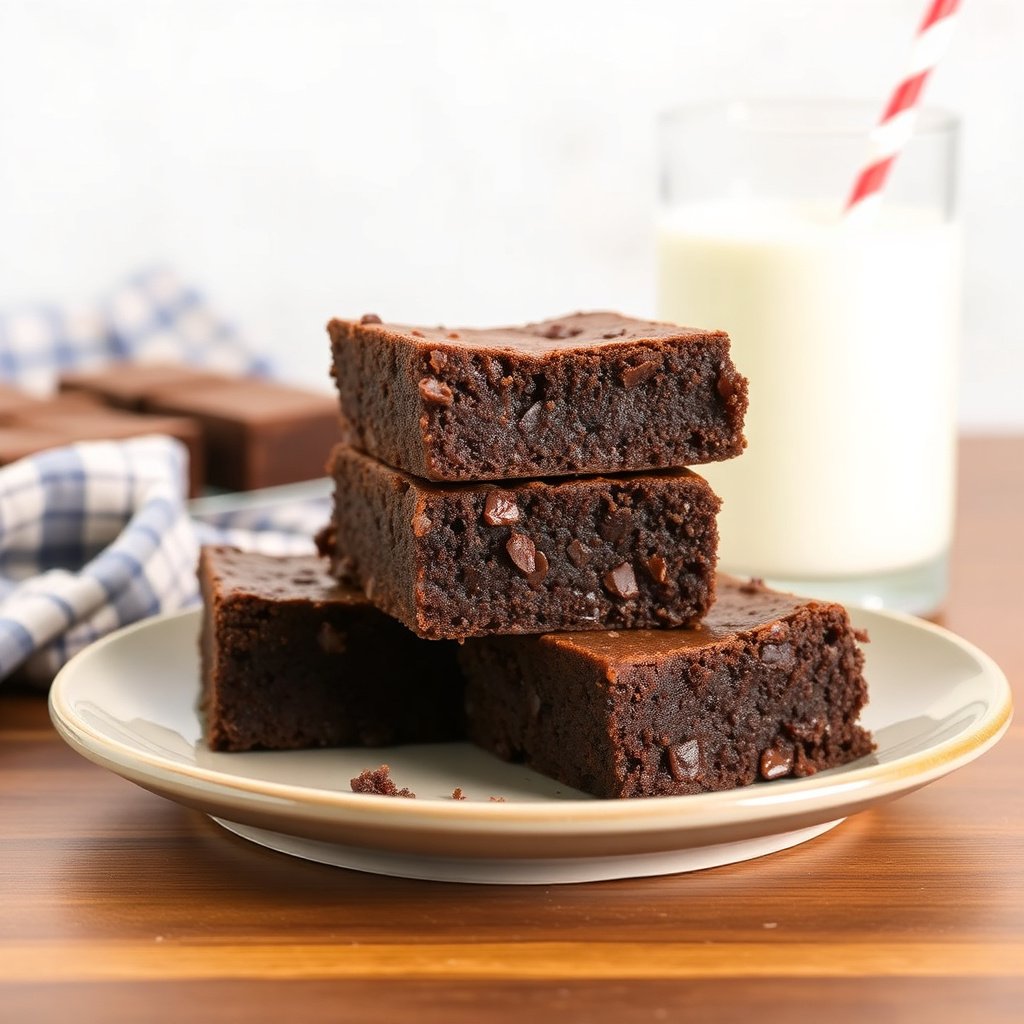
Keeping Brownies Fresh
Proper storage is key to maintaining brownie moistness and flavor. Store brownies in an airtight container at room temperature for up to 4 days. For longer storage, refrigerate in a sealed container for up to a week without sacrificing texture significantly.
Avoid exposure to air which dries them out quickly. You can also freeze brownies individually wrapped for up to 3 months; thaw at room temperature to enjoy like fresh.
- Store airtight at room temperature for 4 days
- Refrigerate for up to one week in sealed container
- Freeze wrapped brownies for up to 3 months
For additional background on brownie history and variations, see the Brownie article on Wikipedia. Brownie on Wikipedia.
Serving Ideas to Enhance Brownies
Brownies can be enjoyed plain or paired with companions like vanilla ice cream, whipped cream, or fresh berries for contrast with sweetness and texture. Dusting with powdered sugar or drizzling with chocolate sauce adds visual appeal and extra flavor.
For special occasions, cut brownies into bite-sized pieces and serve with coffee or milk. Warm brownies slightly before serving to soften and bring out gooey chocolate notes.
- Serve with ice cream or fresh berries
- Dust with powdered sugar or drizzle chocolate sauce
- Warm slightly for gooey texture before eating
Brownie Types Category Comparison
This table compares common brownie categories by texture, ingredients, and ideal baking times to help you find a favorite style.
| Category | Texture | Main Ingredients | Baking Time (minutes) | Flavor Notes |
|---|---|---|---|---|
| Fudgy Brownies | Dense and moist | Butter, cocoa powder, less flour | 20-25 | Rich, intense chocolate |
| Cakey Brownies | Light and airy | More flour, eggs, baking powder | 25-30 | Mild chocolate, fluffy |
| Chewy Brownies | Dense with chewy edges | Butter, brown sugar, granulated sugar | 23-27 | Caramelized sweetness |
| Gluten-Free Brownies | Variable but moist | Gluten-free flours, xanthan gum | 22-28 | Similar to fudgy, sometimes nutty |
| Vegan Brownies | Moist, slightly soft | Flax eggs, plant butter, dairy-free chocolate | 20-25 | Chocolate forward, subtly earthy |
Frequently Asked Questions
Can I use oil instead of butter to make brownies?
Yes, oil can replace butter in brownie recipes, often resulting in moister and denser brownies. However, butter adds flavor and richness that oil lacks, so the taste might be slightly less complex.
Why are my brownies cakey instead of fudgy?
Brownies become cakey if too much flour is added, the batter is overmixed, or baking time is too long. Reducing flour and mixing gently typically helps keep brownies fudgy.
How do I prevent brownies from drying out?
To avoid dry brownies, bake them until just set with a moist crumb, and store them in an airtight container. Avoid overbaking and keep baking times accurate.
Can I add nuts or chocolate chips to brownie batter?
Absolutely. Nuts and chocolate chips add texture and flavor. Fold them into the batter gently after mixing the main ingredients to distribute evenly.
What is the best way to cut brownies cleanly?
Allow brownies to cool completely before slicing. Use a sharp knife dipped in hot water and wiped dry between cuts to achieve clean edges.
Key Takeaways
- Use quality cocoa or chocolate for richer flavor
- Mix batter gently to avoid tough brownies
- Bake until edges set but center remains moist
- Customize with nuts, chips, or dietary alternatives
Conclusion
How to make brownies is a straightforward process once you understand how ingredients and techniques influence texture and flavor. Start with quality butter and chocolate, measure flour carefully, and mix your batter just enough to combine. Using these guidelines keeps your brownies moist and fudgy while avoiding dryness or toughness. Baking times and pan choice further shape the final result, so pay attention to visual cues to catch brownies at their best.
For those who prefer intensely fudgy brownies, focus on a higher fat-to-flour ratio, including melted butter or chocolate, and avoid overbaking by checking for moist crumbs on a toothpick test. If you want cakier brownies, increasing flour and gently folding in an egg white can provide lift and a lighter crumb. Comparatively, vegan and gluten-free recipes need ingredient swaps but can still achieve satisfying texture with correct substitutions. Adding mix-ins like nuts or caramel swirls can customize brownies for special occasions or personal preference.
After mastering the basic brownie technique, experiment by swapping cocoa powder types or trying mix-ins to find your signature version. Store brownies airtight to keep them fresh or freeze for longer preservation. Whether freshly baked and warm or chilled and sliced neatly, homemade brownies offer a delicious treat that rewards careful preparation and attention to detail. Start with simple steps outlined here and enjoy creating your own perfect brownies.