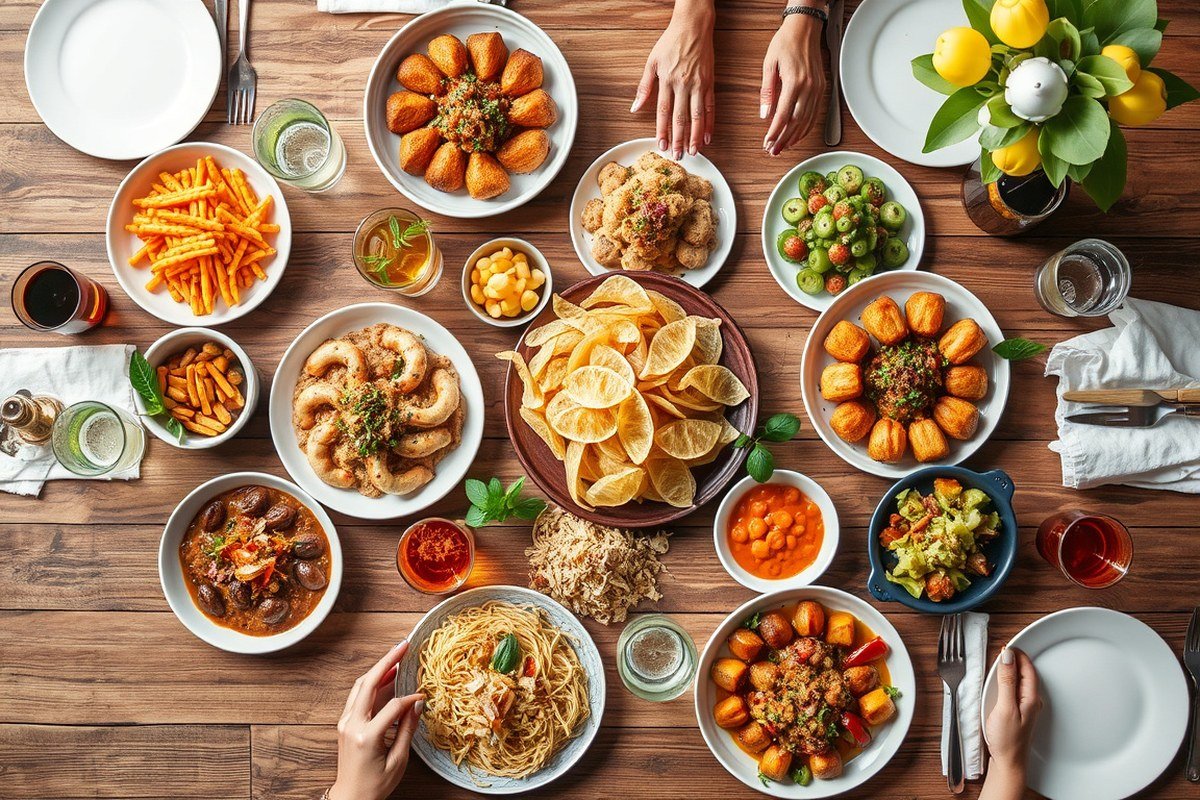
How to Plan a Party Menu: Complete Guide with Pro Tips & Templates
Planning a party menu starts by choosing dishes that suit your event style and guest preferences, followed by balancing flavors and dietary needs. Keep portions appropriate to avoid waste while ensuring everyone leaves satisfied. This approach works whether hosting a casual gathering or an elegant dinner party.
Anyone organizing food for social gatherings will find clear steps and expert tips for menu planning here. You’ll learn how to pick dishes, schedule food prep, handle drinks, and manage your budget effectively to keep the planning smooth and stress-free.
Key Takeaways
- Pick a menu style that matches your event theme and service method to keep the flow natural and enjoyable.
- Balance your menu with a mix of proteins, carbs, produce, and desserts to satisfy diverse tastes.
- Plan for about 60% of invited guests to actually attend when estimating portions.
- Schedule prep tasks ahead, like making sauces a day early or freezing items weeks before.
- Set aside 30 minutes before guests arrive to reheat and arrange dishes for smooth serving.
- Include a variety of drinks and cocktails, adjusting quantities based on guest preferences and event length.
How to Start Planning an Effective Party Menu
Start planning your party menu by first identifying the type of event you’re hosting. Consider whether it’s a casual afternoon gathering, a formal dinner, or a themed celebration. The occasion shapes your menu choices, as a casual party may call for lighter finger foods and snacks, while a dinner party might require a full-course meal with starters, mains, and desserts. Defining the event type early helps you match the food to the setting, making your planning more focused and manageable.
Next, think about your guests’ preferences and dietary needs. Make a list of any food allergies, sensitivities, or lifestyle choices like vegetarianism or veganism. This step prevents last-minute surprises and ensures everyone has enjoyable options. If your guest list includes children, older adults, or people with specific diets, try to incorporate dishes that accommodate these differences without complicating your prep work. Knowing your audience lets you select foods that satisfy as many guests as possible.
Budget is a key factor that influences what you can offer. Decide how much you want to spend on food, supplies, and drinks, and consider the event’s timing to optimize costs. For example, hosting an afternoon party usually costs less because you serve smaller portions rather than full meals. Planning your menu around seasonal ingredients and affordable staples also helps keep expenses reasonable without sacrificing quality. Putting together a clear budget early on prevents overspending and keeps your party financially stress-free.
Finally, outline your timeline for menu planning and preparation. Aim to finalize your menu at least one to two weeks before the event, especially if you’re ordering specialty items or coordinating with caterers. Early planning gives you time to shop for groceries, prepare make-ahead dishes, and test any new recipes. For simpler gatherings, five minutes can be enough to sketch out a quick menu using a basic party planning checklist that includes the type of food, quantities, and when to prepare each item. By setting these milestones, you avoid last-minute rushes and can enjoy your party as a guest.
Here is a step-by-step decision checklist to get you started: Identify the event type and mood, know your guest list well, set your budget, and decide the lead time for preparation and ordering. Use this as your reference as you select dishes, balancing impressive presentation with ease of cooking. Consider how food choices relate to portion sizes and timing so you won’t spend the whole party in the kitchen. This approach helps you stay organized, ensures your menu fits the occasion, and lets you enjoy the company as much as your guests do.
Balancing Flavors, Dietary Needs, and Portion Sizes

Balancing flavors and textures throughout your party menu creates a satisfying and memorable experience for your guests. Aim for variety by mixing tastes like sweet, salty, sour, and umami while alternating textures between crunchy, creamy, soft, and chewy. For example, if your appetizer is a creamy dip, follow it with a crisp vegetable or cracker to keep the palate interested. Avoid repeating similar flavors or textures consecutively, as that can dull taste buds and make the meal feel one-dimensional.
Accommodating dietary restrictions requires clear and early communication. Reach out to guests at least two weeks before your event to ask about allergies, intolerances, or dietary preferences such as vegetarian, vegan, gluten-free, nut-free, or religious dietary rules. Once you know this information, build your menu to include several safe options. For instance, if a few guests have shellfish allergies, serve a fish-free main and label all dishes clearly to prevent confusion. Cross-contamination can be minimized by preparing allergen-free items separately and using dedicated utensils, which helps keep all guests comfortable and safe.
Portion planning is key to controlling waste and ensuring everyone eats their fill without leftovers piling up. Plan for about 5 to 6 ounces of proteins per person when serving mains, and about 3 to 4 ounces for appetizers. Side dishes should be roughly 4 to 6 ounces per guest. These amounts can shift depending on your menu style, buffets often lead to guests sampling smaller portions but more variety, whereas plated dinners require more precise serving sizes. Remember to balance heartier dishes with lighter options if you’re serving multiple courses to avoid overwhelming guests.
Keep in mind the time and cost involved in preparing diverse dishes. Adding a variety of flavors and accommodating multiple dietary needs might increase your prep time and grocery expenses slightly but results in a more inclusive and enjoyable party. You could save effort by choosing some multi-use ingredients across dishes while adjusting cooking methods to keep flavors distinct. Good results look like guests commenting positively on the balance of flavors and enjoying every course, without anyone feeling left out or at risk due to allergies.
Ask about dietary restrictions well in advance and label dishes clearly to protect guests with allergies and avoid accidental exposure.
Planning a menu with these considerations makes your party inviting for all tastes and needs. Balancing flavors, textures, and dietary accommodations also reduces stress by preventing last-minute changes and ensuring portions are just right for your guest count. Achieving this balance helps you focus on hosting instead of worrying about who can eat what or whether there’s enough food.
Choosing Dishes That Fit Your Event Theme and Service Style
Choosing dishes that match your event’s theme and service style helps create a cohesive and enjoyable experience. The food you serve should fit the mood and setting of your party while working with the way you’ll serve it. Knowing the differences between plated, buffet, and family-style service will shape your menu and planning.
Popular Party Themes and Matching Menus
Party themes give you a framework to pick dishes that fit easy without overwhelming your prep time. For example, a backyard barbecue calls for simple, comforting foods like burgers, grilled veggies, and potato salad. An Italian-themed party might include antipasto platters, pasta with rich sauces, and tiramisu for dessert. Here are some common themes with matching menu ideas:
- Casual barbecue: Pulled pork sandwiches, coleslaw, baked beans, corn on the cob
- Seasonal harvest: Roasted root vegetables, apple and walnut salad, butternut squash soup
- Elegant three-course dinner: Caprese salad starter, herb-crusted chicken with asparagus, chocolate mousse
- Tropical luau: Teriyaki chicken, coconut rice, grilled pineapple, fruit punch
Choosing dishes aligned with the theme also helps reduce decision fatigue and keeps your ingredients focused. Picking a handful of knockout dishes that complement each other rather than many unrelated items creates a stronger impression.
Plated Dinner, Buffet, and Family-Style Overview
The service style you pick affects how you prepare and present your menu. The table below compares key aspects of plated, buffet, and family-style service to clarify how each works with your menu choices and guest experience.
| Service Style | Description | Best For | Menu Considerations |
|---|---|---|---|
| Plated | Each guest served an individual portion at the table | Formal dinners, 6-10 guests | Dishes that can be prepared ahead and easily plated; controlled portion sizes |
| Buffet | Guests serve themselves from a spread of dishes | Casual or larger groups | Foods that hold well at room temperature or can be continuously replenished |
| Family-style | Large platters are passed around for guests to serve themselves | Medium-sized groups, relaxed setting | Dishes that can be shared easily, like roasted meats or large salads |
This overview shows plated service suits formal occasions with smaller groups because it demands careful portion control and timing. Buffets allow more variety and casual interaction but require dishes that last well out of the kitchen. Family-style strikes a middle ground, promoting interaction with shared dishes but still requiring some prep planning.
Adapting Menus for Different Formality Levels
Transforming a casual menu into a formal dinner party menu hinges on presentation, ingredient choice, and portion control. For example, meatloaf and mashed potatoes can become mini meatloaf muffins with a rich red wine sauce served on individual plates when hosting a formal dinner.
Begin by focusing on fewer courses, such as a three-course menu of starter, main, and dessert, to maintain elegance without overwhelming your guests or kitchen. Choose dishes that can be prepped in advance and plated quickly to reduce last-minute stress.
You can improve casual foods by incorporating seasonal or gourmet ingredients. Instead of a typical salad, offer mixed greens with shaved fennel and a lemon vinaigrette. Replace generic bread with freshly baked rolls or artisan bread on the side. These small upgrades improve the dining experience without adding excessive cost or complexity.
Planning Drinks and Cocktails for Your Party Menu
Select drinks that complement your party food by focusing on flavor balance and guest preferences. Pair lighter dishes, such as salads or seafood, with crisp white wines like Sauvignon Blanc or a dry Riesling. Richer foods, including roasted meats or creamy cheeses, go well with fuller-bodied reds such as Cabernet Sauvignon or Merlot. Sparkling wine or Champagne can improve appetizers and works as a versatile pairing. For cocktails, choose ones that match the party’s vibe, for example, an elderflower gin fizz offers a floral, refreshing option ideal for spring or elegant dinners.
Include non-alcoholic options to accommodate all guests. Offer a signature mocktail that mirrors the style of alcoholic drinks, like a sparkling elderflower lemonade. Bottled water, sodas, and iced tea are good staples. Aim to have at least one non-alcoholic choice for every alcoholic drink you serve, ensuring everyone feels included and hydrated.
Budgeting for drinks involves estimating consumption based on party length and guest count. Plan for about two drinks per person in the first hour and one drink per person for each additional hour. For a four-hour event with 20 guests, that means ordering approximately 80 drinks total. Limit the number of different alcoholic beverages to control costs, stick to beer, two to three types of wine, and a few basic spirits. Signature cocktails can be made in pitchers to reduce preparation time and reduce waste. A basic drinks template might include one sparkling wine bottle for every three guests, one bottle of white wine and one of red wine for every four guests, and one 750ml bottle of spirit per 10 guests.
Having a few drink options allows guests to choose without overwhelming you with variety. Avoid ordering too many specialty liquors unless you expect connoisseurs, as leftover bottles can be hard to use up. For instance, a party primarily focused on cocktails may need more spirits stock, whereas a casual gathering with pizza and finger foods might do well with a few beers and simple wine selections.
Keep in mind that chilled beverages should be stored ahead of time. White and sparkling wines taste best served between 45°F and 50°F, while reds should be slightly below room temperature at 55°F to 65°F. Prepare and chill non-alcoholic drinks in the fridge at least a few hours before guests arrive. For cocktails served in pitchers, mix and refrigerate them up to a day in advance, then add ice just before serving. This reduces last-minute stress and keeps the drinks crisp and fresh.
Scheduling Preparation and Food Timing for Stress-Free Serving
Setting up a clear prep timeline that matches your party menu ensures everything comes together smoothly and tastes fresh. Focus on making dishes ahead when possible, then schedule day-of tasks carefully to avoid last-minute stress. Backup options will keep your service on track if plans change.
Make-Ahead Dish Categories
Start by selecting dishes that can be prepared fully or partially in advance to save time on the party day. Sauces, dips, and dressings often improve when made a day ahead and refrigerated. Some sauces can even be frozen for up to 3 months. Baked goods and desserts like cakes or cookies can be made one or two days prior. Cold salads, marinated meats, and certain appetizers like canapés can also be prepped early. Avoid packing your menu with too many last-minute dishes to reduce stress and make sure you’re confident in the recipes.
Including a mix of make-ahead and fresh-prep items balances workload and maintains quality. For example, you might prepare a dip and salad the day before, refrigerate the meat marinade overnight, and cook or assemble hot dishes on party day. This approach helps keep all courses tasting great without rushing.
Day-Of Preparation Timeline
Creating a detailed timeline clarifies when to start each task so all dishes are served fresh and on time. Begin by identifying the serving time, then work backward to allocate time for cooking, resting, plating, and warming. Account for prep duties like chopping or assembling that must happen close to serving. Plan simpler tasks for the moments just before guests arrive. Use these step-by-step actions to organize your party day:
- Set your party start and serving times to anchor the schedule.
- List each dish and note prep, cook, and rest times from your recipe or experience.
- Assign specific time blocks for cooking each dish, prioritizing those needing immediate serving.
- Schedule tasks like chopping vegetables, making sauces, or plating for earlier time slots if they can be held without losing quality.
- Plan when to heat or reheat dishes so they arrive warm but not overcooked.
- Include time buffers between tasks for unexpected delays or plating adjustments.
- Review the timeline to confirm it fits the available hours and adjust if necessary.
Not leaving buffer time for last-minute adjustments often leads to rushed, cold, or overcooked food during the party.
Managing Unexpected Delays or Changes
Even the best plan can face hiccups like equipment issues, late deliveries, or sudden guest changes. Have quick-fix dishes on hand, such as pre-made dips, store-bought bread, or ready-to-serve salads, that can fill in gaps if cooking takes longer than expected. Keep frozen or chilled items accessible to quickly finish or refresh meals if timing falls behind.
Knowing which dishes can be warmed or assembled last minute helps accommodate changes without sacrificing quality. Keep communications open with any helpers or caterers so everyone knows the plan and can adjust when necessary.
Budgeting Food, Drinks, and Supplies for Your Party
Budgeting for food, drinks, and party supplies starts with knowing typical costs so you can allocate your spending wisely. Most parties cost between $30 and $60 per guest, which includes food, drinks, and supplies. Supplies like cups, plates, napkins, ice, and trash bags usually add $20 to $30 to your overall budget. Controlling costs without sacrificing quality means planning ahead, choosing versatile ingredients, and shopping smart. Here’s a sample budget breakdown to help you visualize costs for a party of 20 guests. This will give you a solid foundation for allocating funds effectively:
| Category | Estimated Cost | Notes |
|---|---|---|
| Food | $15, $30 per person | Includes appetizers, mains, and desserts |
| Drinks | $7, $15 per person | Alcoholic and non-alcoholic options |
| Supplies | $20, $30 total | Cups, plates, napkins, ice, trash bags |
| Tips (if hiring vendors) | $15, $100 total | Varies by service type, e.g., $15-$20 for entertainers, $50-$100 for chefs |
To save money without lowering quality, plan your menu around seasonal ingredients, which tend to be fresher and less expensive. Buying in bulk for staples like rice, pasta, or frozen vegetables can cut costs significantly. Simplify your menu by focusing on dishes with ingredients that overlap, reducing waste and leftovers. Hosting a buffet or family-style meal is another way to stretch your dollars since portion control is more flexible.
Use a shopping checklist to avoid impulse buys and last-minute trips. List out everything based on your planned menu, including quantities, then shop sales or discount stores for some items. Watch for deals on drinks too, like buying large bottles instead of single servings or choosing a signature cocktail instead of a full bar. Check your kitchen supplies early, so you don’t have to buy unnecessary extras at the last minute.
Popular Appetizers, Mains, and Desserts for Varied Guest Groups
Choosing the right appetizers, mains, and desserts is key to pleasing guests of all ages while keeping your party menu balanced and manageable. Including familiar kid-friendly options alongside adult favorites helps maintain variety and cohesion. Planning around a central main dish and complementing it with simple, crowd-pleasing starters and desserts keeps preparation stress low and ensures everyone finds something enjoyable.
Appetizer Crowd-Pleasers
Start your menu with appetizers that are easy to prepare and appeal to diverse tastes. Simple dips such as reduced fat spinach artichoke or classic hummus with assorted veggies work well, alongside bite-sized finger foods. These choices accommodate dietary preferences and allow guests to nibble while socializing, setting a relaxed tone for the meal. Offering three to five options balances variety without overwhelming the kitchen. Here are a few popular appetizer ideas suitable for most parties:
- Spinach artichoke dip served with pita chips or sliced baguette
- Mini caprese skewers with cherry tomatoes, mozzarella, and basil
- Deviled eggs with paprika garnish
- Chicken satay sticks with peanut sauce for a protein option
- Veggie platter with ranch and hummus dips
- Stuffed mushrooms with cheese and herbs
- Cheese and charcuterie board for adult guests
Selecting appetizers with a mix of served hot and cold servings helps you manage timing closer to the party. Keep kid-friendly choices simple and familiar, avoiding strong spices or unusual ingredients.
Main Courses for Different Ages
In planning mains, choosing a versatile protein that suits both children and adults is a reliable path. Roasted chicken, pasta dishes, or slider-style burgers tend to satisfy all ages without requiring multiple entrée preparations. Complement mains with two or three easy sides; think seasonal vegetables, a starch like rice or potatoes, and perhaps a light salad. This approach maintains cohesion and ensures the plate looks balanced.
For a children’s party, simpler flavors and familiar foods, grilled chicken fingers, mac and cheese, or mini pizzas, work well. Adults appreciate options like roasted sirloin steak or vegetarian risotto, but keep the plate sizes moderate to avoid waste. Planning around three proteins, three carb sides, and three produce options for larger gatherings encourages variety without chaos.
Desserts Everyone Loves
Desserts should close the meal on a light and sweet note. Choose one or two options that cater to all ages and dietary restrictions if possible. Easy sweets like a flourless chocolate cake or a homemade fruit sorbet paired with fresh berries require minimal day-of work but offer memorable flavors. Alternatively, picking up a cake or tart from a local bakery can be a time-saving, crowd-pleasing choice.
Including a no-bake or make-ahead dessert reduces stress. Kid-friendly treats often involve simple items like decorated sugar cookies or cupcakes, while adults might prefer more sophisticated choices such as Pavlova or seasonal fruit tarts. Inviting a baking-enthusiast guest to bring dessert can also add variety and lighten your workload.
Handling Leftovers and When to Seek Professional Help
Managing leftover food efficiently starts with proper storage. Immediately after the party, cool leftovers within two hours to keep them safe. Divide the food into shallow containers, seal them tightly, and label each with the date. Typically, refrigerate leftovers within four days or freeze them for up to three months. For example, soups and stews freeze well, while salads with mayonnaise do not. Reheating leftovers to at least 165°F ensures food safety.
Creative reuse is another smart strategy to prevent waste. Turn leftover roasted vegetables into a hearty soup or use extra grilled chicken for sandwiches the next day. Offering guests the option to take home food in disposable containers can also reduce waste while giving guests an added treat.
Knowing when to hire a caterer or private chef depends largely on your event size, complexity, and your own time constraints. As a general guideline, for gatherings larger than 20 people or when you want a sophisticated presentation, professional help can relieve stress and ensure quality. Professionals offer menu customization, staffing, and cleanup, typically costing $25 to $60 per person, depending on menu and location. Hiring is advisable if you lack time, kitchen space, or cooking expertise for large or formal events.
Use this simple decision template: If your menu exceeds five dishes, involves complex courses, or if you need help serving and cleaning, consider professionals. For smaller, casual parties, you can handle food preparation with good planning.
Common party menu planning mistakes often result in stress and food waste. Setting an unclear budget can lead to overspending or poorly matched menu items. Avoid this by fixing a realistic budget earliest and tracking expenses. Waiting too long to book vendors or venues risks availability issues; lock in arrangements at least a month in advance. Inviting too many guests for your space makes for a cramped environment, while too few guests can feel empty; match guest count to venue capacity carefully. Lastly, leaving setup and food prep until the last minute often causes delays or missing dishes. Creating a detailed checklist with times and responsibilities helps manage these tasks effectively.
Avoiding these pitfalls improves flow and ensures guests enjoy the menu and setting. With planning, you can control costs, maintain food quality, and serve dishes that suit your event’s timing and style.
Label leftovers clearly with date and contents to avoid guessing and potential food waste or illness.
Step-by-Step Action Plan to Plan Your Party Menu
Follow these clear steps to create a party menu that fits your event type, guest list, budget, and dietary preferences. Each step will guide you through what to do and how to know you’re on track.
- Two weeks before: Confirm the guest list and ask about dietary restrictions to ensure your menu accommodates everyone. You’ll know this worked when you have a detailed guest count and clear notes on allergies or preferences.
- Ten days before: Select dishes by balancing flavors, portion sizes, and food types that match your party’s theme and style. You’ll be ready when your menu includes appetizers, mains, sides, desserts, and drinks fitting the vibe.
- One week before: Create a shopping list and budget for all food, drinks, and supplies, keeping an eye on costs without sacrificing variety. This step is done once your planned expenses reflect your budget limits.
- Five days before: Schedule your preparation timeline, breaking down when to shop, prep, and cook so serving is stress-free. You’ll see success when the timeline matches your available time and equipment.
- Three days before: Shop for non-perishable items and start prepping ingredients that keep fresh for a few days. You can check this step off when these items are organized and stored properly.
- One day before: Prepare make-ahead dishes and organize serving areas and drink stations to reduce last-minute work. You’ll be ready when all prep tasks are complete and your setup looks orderly.
- Day of event: Finish cooking hot dishes, set out appetizers, and chill drinks just before guests arrive to ensure freshness and temperature. This works when food is ready on schedule and guests find everything welcoming.
- After the party: Handle leftovers safely by refrigerating or sharing with guests, or arrange for professional assistance if needed. Completion means minimal waste and responsible food handling.
Frequently Asked Questions
How Do I Create a Party Menu That Appeals to All Guests?
Focus on including a variety of dishes that cater to common dietary needs and taste preferences. Offering vegetarian, gluten-free, and kid-friendly options ensures most guests will find something they enjoy.
What Are Quick Tips for Planning a Party Menu on Short Notice?
Choose easy-to-prepare dishes that can be made ahead, like cold appetizers and simple mains. Use store-bought items creatively to save time without sacrificing quality.
How Can I Make Sure My Party Menu Fits the Time of Day?
Tailor your menu to the event’s timing; serve lighter snacks for afternoon gatherings and more substantial meals for evening parties. This helps guests stay comfortable and satisfied.
What’s the Best Way to Manage Portion Sizes for a Party Menu?
Calculate roughly one to one-and-a-half servings per guest to avoid waste. Adjust portions based on the mix of dishes and whether alcohol or desserts are served.
How Do I Keep My Party Menu Within Budget Without Feeling Limited?
Plan an afternoon party that requires lighter food to save on costs. Using seasonal ingredients and simple yet flavorful recipes can also keep expenses in check.
What Should I Avoid When Choosing Dishes for My Party Menu?
Don’t pick dishes solely because they look impressive if they’re hard to prepare or don’t suit your guests’ tastes. Choose dishes that balance ease of preparation and broad appeal.
Wrapping Up
Planning a party menu that suits your event is manageable when you start with knowing your guests and theme, then organize your foods and drinks accordingly. Take a moment now to list your guest dietary needs, this will shape the entire menu and make your planning smoother from here on.


