How to Order Steak Rare: A Complete Guide with Pro Tips to Get It Right
How to order steak rare starts with clear communication about temperature and appearance. Specify a rare steak cooked to an internal temperature between 120°F and 125°F with a cool, red center and soft texture. This ensures you get the classic tender, juicy experience without overcooking.
This guide helps home cooks and restaurant diners gain confidence in ordering rare steak. It offers practical tips on choosing the right cut, timing the cooking, avoiding common mistakes, and pairing your steak for the best dining experience.
Key Takeaways
- Request steak cooked to 120, 125°F for a true rare doneness with a red, soft center.
- Choose tender cuts like ribeye or filet mignon for the best rare steak flavor and texture.
- Pull your steak from the fridge 30, 45 minutes before cooking for even heat distribution.
- Avoid guessing; ask for temperature or use a meat thermometer to ensure precise rare doneness.
- Beware that USDA recommends 145°F for safety, but many prefer rare lower temps for tenderness.
- Order a larger steak to share if dining with others to reduce waste and enjoy more flavor.
How to Order a Steak Rare and Ensure It’s Cooked Right
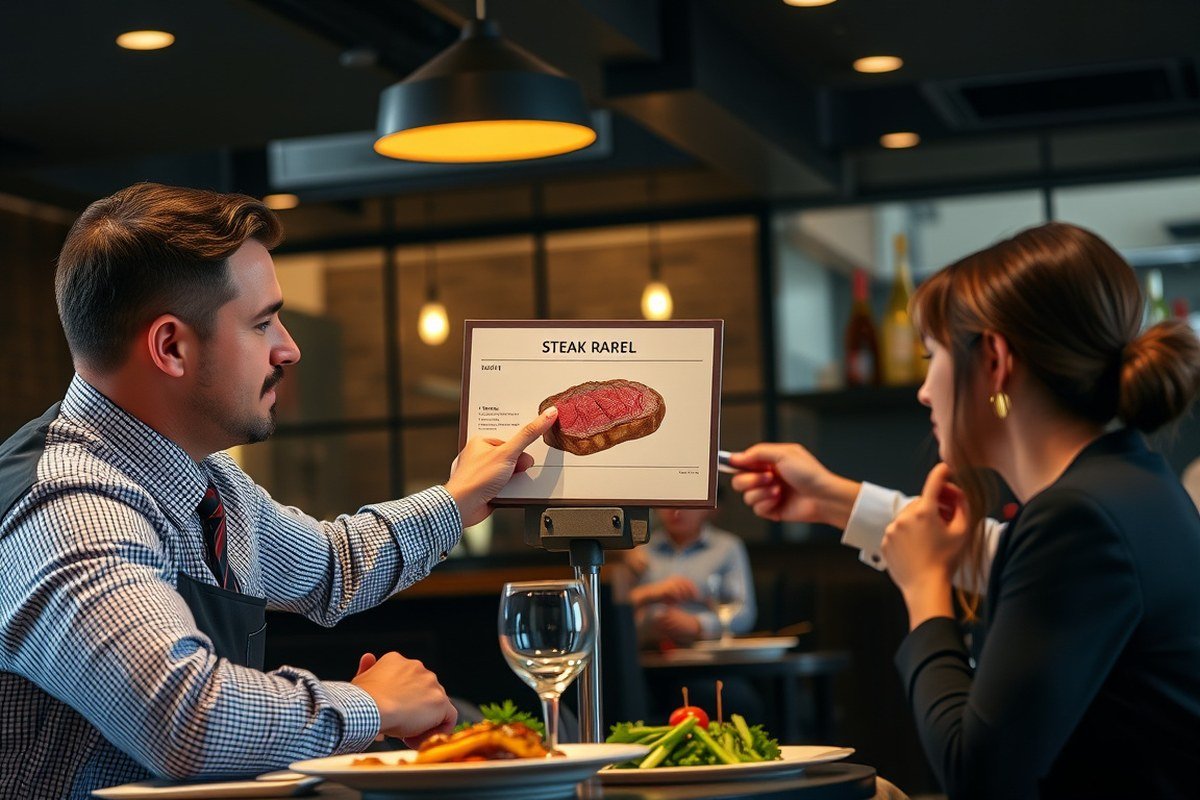
Ordering a steak rare means asking for a steak cooked to about 120 degrees Fahrenheit with a warm red center and a slight sear on the outside. To communicate this clearly, say “rare” when the server asks about doneness. This term is widely understood by kitchen staff. Avoid vague or uncommon phrases like “medium-rare plus” or “extra rare” unless you want to risk confusion.
Some restaurants allow you to customize rare doneness further, specifying if you want it closer to “blue rare,” which is a very lightly cooked steak with an internal temperature as low as 50, 75 °F. This is much rarer than standard rare, so ask specifically if you want “blue rare” or “extra rare.” Use precise language because “blue rare” may not be on every menu and is usually reserved for experienced steak eaters. For a typical rare steak, just say “rare” and expect a warm, mostly red interior.
Asking follow-up questions helps confirm your preference. You can ask the server to describe how the steak will be cooked or inquire about the internal temperature. If you want crisper edges or a sear without overcooking, mention “a good sear but still rare inside.” If you have doubts about the doneness after the steak arrives, politely request it be cooked a bit more. Sending a steak back is acceptable if it’s not cooked as ordered, and most kitchens respect clear communication. Here are steps to order a steak rare successfully and avoid confusion:
- State your preference clearly: When asked how you want your steak cooked, say, “Rare, please.”
- Use standard terms only: Avoid confusing phrases like “medium-rare plus” or “extra rare” unless you want to specify “blue rare.”
- Ask about the cooking if unsure: Request information on the steak’s internal temperature or how it will look when cooked.
- Mention sear preference: If you want a stronger crust, say “rare with a good sear.”
- Check doneness when served: Once your steak arrives, evaluate the color and texture and don’t hesitate to ask the server if it feels off.
- Request adjustments politely: If the steak is overcooked, ask if the kitchen can cook it less next time or if they can provide a replacement.
This approach helps reduce misunderstandings with the kitchen and ensures your rare steak matches your taste. It typically requires no extra cost but does rely on clear communication and willingness to be firm and polite if the steak isn’t right on the first try.
Understanding Rare Steak: Temperature, Appearance, and Texture
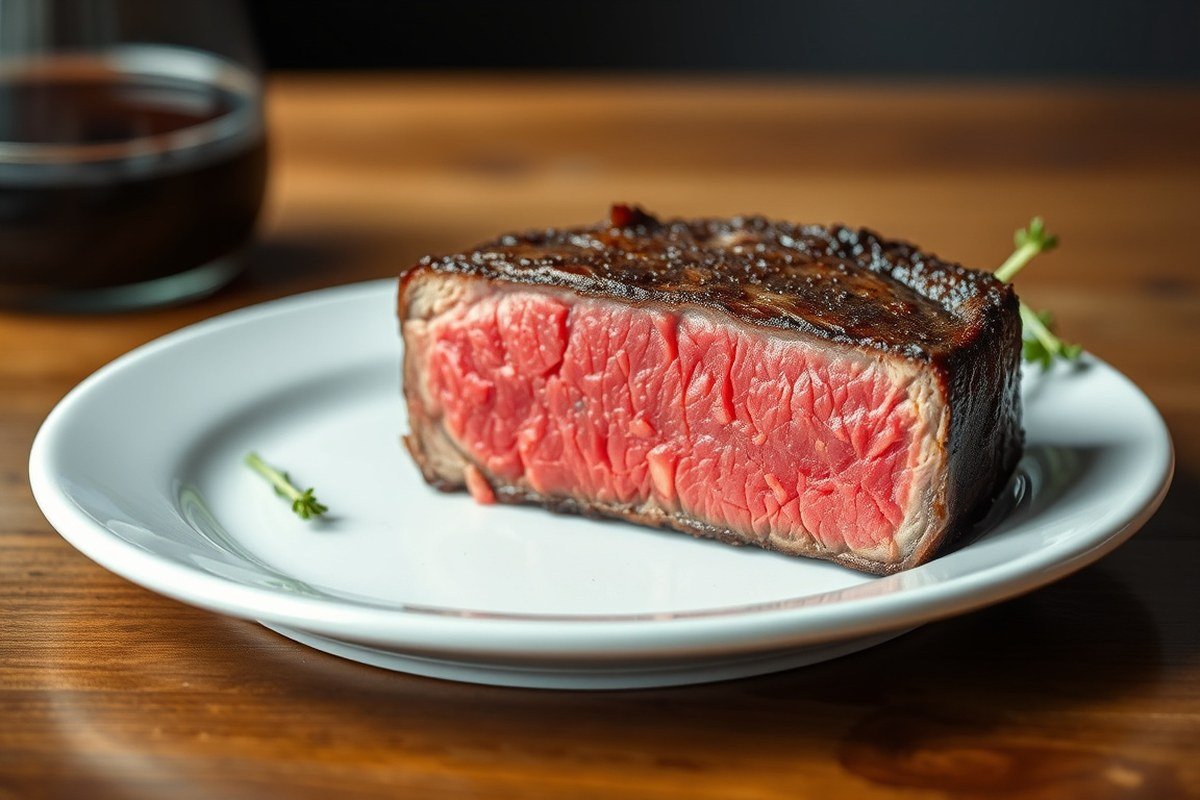
Rare steak is defined by its internal temperature, color, and texture, with a target temperature range between 120 and 130 degrees Fahrenheit. This range keeps the steak warm but leaves the center cool and red, delivering a juicy and tender bite without significant cooking through. Compared to blue rare and medium rare, rare steak strikes a middle ground in doneness that offers both flavor and distinct texture.
To understand this better, the following table compares common steak doneness levels by their internal temperatures and the appearance of their centers. This will help you know exactly what to expect when ordering rare versus other levels.
| Doneness | Final Temperature (°F) | Remove from Heat At (°F) | Center Appearance |
|---|---|---|---|
| Blue Rare | <120 | 110, 115 | Cool, bright red center |
| Rare | 120, 130 | 115, 125 | Cool red center |
| Medium Rare | 130, 135 | 125, 130 | Warm red center |
| Medium | 135, 145 | 130, 140 | Warm pink center |
The texture of rare steak feels softer than medium rare and is less juicy than blue rare, which is almost uncooked inside. Rare steaks have a tender surface with a slight crust if seared properly, but the inside remains cool and red. This contrasts with medium rare steaks that have a warm and rosy center, often more tender and juicy due to the higher internal temperature. Blue rare steaks offer the most raw, bloody flavor with just the outside lightly cooked. Taste sensations for rare steaks balance mild warmth with rich, beefy flavor and a soft but firm chew.
The visual and tactile differences matter because they affect your enjoyment and satisfaction when eating steak rare. Knowing these details helps you confidently ask for the precise level of doneness you want. Keep in mind that rare steak must be rested after cooking to allow the juices to redistribute, and the temperature will rise slightly during this time.
Always let your steak rest for a few minutes after cooking; this prevents juices from spilling out and ensures the center stays juicy and tender.
Best Steak Cuts to Order Rare for Maximum Flavor and Tenderness
Choosing the best steak cuts for rare cooking focuses on tenderness, marbling, and flavor intensity. Cuts like ribeye and strip steak hold up well to rare doneness because their fat content adds juiciness and richness. Leaner cuts, such as flank steak, can be enjoyed rare but require careful slicing to maintain tenderness.
Top Steak Cuts for Rare Preparation
The ribeye steak ranks high for rare cooking due to its heavy marbling. This fat renders partially even at lower temperatures around 130, 135°F, preserving flavor and a tender texture. The strip steak also works well because it combines moderate marbling with a firm texture that holds up to brief cooking.
Filet mignon has minimal fat but remains tender, making it suitable for rare eating if you prefer a softer mouthfeel with less chew. Meanwhile, top sirloin offers a balance between affordability and flavor but is slightly less tender and benefits from slicing against the grain.
How Marbling and Fat Content Affect Your Rare Steak
Marbling refers to the streaks of fat running through the meat. This fat melts slowly while cooking and helps keep the steak juicy and flavorful, especially at rare doneness levels where the internal temperature stays between 120°F and 130°F. Fat content also influences how the crust forms: more fat means better browning and a crispy, caramelized exterior.
Steaks with less marbling, like flank or skirt steak, deliver a leaner taste but can be tougher unless you slice thin and against the grain. Fat reduces toughness by keeping the muscle fibers moist and helps balance the strong beefy taste that rare steaks are known for.
Steak Cuts to Avoid for Rare Cooking
Some cuts are less suited for rare doneness due to their texture or fat distribution. For example, chuck steak and round cuts tend to be tougher and benefit from longer cooking methods like braising to break down connective tissue. Ordering these cuts rare can result in a chewy, unpleasant texture.
Similarly, very lean cuts without any marbling can dry out quickly when cooked rare because they lack the fat that protects and flavors the meat. To enjoy a truly rare steak with maximum tenderness and juiciness, you should generally avoid these cuts.
Choosing Your Steak Cut Based on Texture Preferences
Your preference for chewiness versus melt-in-your-mouth tenderness influences which rare steak cut suits you best. For rich flavor and a bit of chew, ribeye and strip steak make great choices. Both have enough fat to keep the steak juicy and develop a crisp sear.
For a softer, more delicate texture, opt for filet mignon. This cut is the leanest of the premium steaks, making it gentle on the palate but less flavorful than marbled options. For a leaner, more heavily beef-flavored experience, flank steak or top sirloin can work, provided you slice them thinly across the grain to avoid toughness.
Practical Tips for Ordering Your Rare Steak
Remember these quick tips when choosing a cut for rare preparation:
- Pick ribeye or strip steak for rich marbling and built-in juiciness.
- Choose filet mignon if you prefer a tender, low-fat bite.
- Top sirloin offers a budget-friendly option with solid flavor but needs proper slicing.
- Lean cuts like flank steak require slicing thin and against the grain to stay tender.
- Avoid tougher cuts like chuck or round if you want a true rare experience.
Ordering a 16-ounce steak to share can also improve your experience by allowing you and your dining partner to enjoy the perfectly cooked rare steak without trimming or cutting it down too small.
How Long and How to Cook Steak for Rare Doneness
Cooking a rare steak requires careful timing and temperature control to preserve its tender, juicy interior with just a slight sear on the outside. Achieving perfect rare means cooking the steak until the internal temperature reaches about 125°F to 130°F. Searing quickly on high heat and allowing the steak to rest afterward locks in the flavors and juices.
Recommended Cooking Times by Thickness
The cooking time for rare steak depends mainly on the thickness of the cut and the cooking method used. For home cooks, a typical 1-inch thick steak takes about 2 to 3 minutes per side when cooked on a very hot skillet or grill to reach rare doneness.
Thinner cuts like a strip steak cook faster and are less likely to dry out. A ¾-inch thick steak may only need about 90 seconds per side, while thicker cuts like a porterhouse or ribeye closer to 1½ inches require closer to 4 minutes per side. Keep in mind that the steak continues to cook slightly while resting.
Using a Meat Thermometer Accurately
Using a meat thermometer is the most reliable way to confirm your steak’s doneness, especially rare, which requires precision. Insert the probe into the thickest part of the steak, avoiding bone or fat to get an accurate reading.
Look for an internal temperature reading between 125°F and 130°F for rare. Remove the steak from heat just before it reaches this range, as carryover cooking during resting will raise the temperature by 3 to 5 degrees. Using an instant-read digital thermometer makes timing easier and reduces guesswork, particularly for thicker cuts.
Resting Steak: Timing and Purpose
Resting a steak after cooking is essential. It lets the internal juices redistribute evenly throughout the meat, making it tender and flavorful rather than watery when cut. Not resting the steak can cause the juices to spill out, leaving the steak dry.
A good resting time for a rare steak is 5 to 10 minutes. Cover it loosely with foil to keep it warm while resting. This also allows the internal temperature to balance out, finishing the cooking process gently without overcooking. Follow these steps for cooking a rare steak at home:
- Remove the steak from the refrigerator and let it come to room temperature for about 30 minutes.
- Preheat a heavy skillet or grill to high heat until very hot, about 5 minutes.
- Season the steak with salt and pepper or your preferred seasoning.
- Place the steak on the heat and sear for 2 to 3 minutes without moving it to develop a crust.
- Flip the steak and sear the other side for another 2 to 3 minutes.
- Check the internal temperature with an instant-read thermometer, aiming for 125°F to 130°F.
- Remove the steak from heat before it reaches the target temperature.
- Let the steak rest loosely covered with foil for 5 to 10 minutes before serving.
Common Mistakes When Ordering or Eating Rare Steak and How to Fix Them
Ordering a rare steak can easily lead to mistakes that spoil the experience. One of the most common problems is being unclear when ordering. Saying just “rare” without specifying can result in a steak cooked closer to medium rare or even medium, which makes a big difference in texture and juiciness. To fix this, ask for “rare” explicitly and confirm it means the internal temperature is about 125°F with a cool red center.
Another frequent error is cutting the steak incorrectly. Slicing against the grain is important because cutting with the grain makes the meat stringy and tougher to chew. Look at the muscle fibers and cut perpendicular to them. This small change improves tenderness and chewing comfort.
Some diners use too much sauce on a rare steak, hiding its natural flavor and delicate texture. Rare steaks usually shine best when tasted alone or with sauces on the side, which you can add sparingly if desired. Overusing sauce overwhelms the balance.
Overcooking the steak is common if you are unsure how it should look. If you get a steak that’s too cooked, you can try to eat it with a sauce or finish it briefly in the pan at home to either reheat or get it closer to desired doneness. However, you can’t reverse overcooking, so clear communication is key initially.
Eating etiquette also matters. Don’t press down on the steak with your fork, as it squeezes out juices and dries the meat. Also, avoid cutting all the steak into small pieces at once; cut one or two bites at a time to keep the meat warm and juicy throughout the meal.
- Specify “rare” clearly and confirm internal temperature if possible
- Cut steak against the grain for better tenderness
- Use sauces sparingly; ask for them on the side
- Avoid pressing down on the steak with your fork
- Cut only a few bites at a time to retain warmth and juiciness
- Speak up promptly if steak is overcooked for a chance to fix it
- Try a small tasting first if unfamiliar with rare steaks to avoid wasted $20+ dishes
Clarify your doneness preference to your server in exact terms like “rare, 125°F” to reduce guesswork and increase satisfaction.
Ordering rare steak can feel intimidating, but knowing these pitfalls helps you avoid them and enjoy the full flavor and texture of the meat. Remember that sauces should improve, not cover, and that correct cutting and eating techniques preserve your steak’s integrity. Taking these steps requires just small changes in how you order and eat but can greatly improve your steak experience.
Safety and Quality: Is Rare Steak Safe to Eat?
The USDA considers it safe to enjoy steak rare because harmful bacteria typically reside on the surface, not deep inside the cut. Steaks cooked rare have a well-browned exterior that reaches a temperature high enough to kill surface bacteria, while the inside remains red and juicy. To meet USDA safety guidelines, the outer layer should reach at least 145°F (63°C) and rest for three minutes before serving. This timing and temperature reduce the risk of foodborne illness without sacrificing the rare texture you want.
The primary risk with rare steak comes from improper sourcing or handling. Ground beef must be cooked to a higher temperature since grinding can distribute bacteria throughout, but whole cuts like tenderloin or ribeye pose less risk when cooked rare. Sourcing high-quality beef from reputable suppliers who follow strict hygiene and aging practices improves safety. Steak grading, such as USDA Prime or Choice, reflects marbling and tenderness rather than safety directly. Still, higher grades often come from better-managed cattle, which may reduce contamination risks.
To check if the rare steak is safe in a restaurant, look for a firm, well-browned crust at least 1.25 inches thick at its widest part, according to USDA recommendations for cuts like porterhouse tenderloin. Ask the server about the steak’s source and how it’s handled in the kitchen. A proper sear ensures that bacteria on the surface have been destroyed. The interior of the steak should be about 50% red when you cut into it, showing it is rare but not raw. Avoid any steak that looks overly bloodied or slimy inside.
Mitigate risks at home by buying steaks from trusted butchers or grocery stores with refrigerated displays. Store the meat at 40°F (4°C) or below until cooking. Use a reliable instant-read thermometer to verify the sear temperature on the outside. Let the steak rest under loose foil for three to five minutes after cooking to complete the temperature equilibrium and kill off remaining surface germs. When uncertain about your source or how the steak was stored, cook it to medium rare or medium instead.
Rare steak safety depends on surface temperature and handling rather than cooking the entire steak to a high heat. Proper sourcing, a strong sear, and post-cooking rest are the key steps to enjoy that rare steak safely. While USDA guidelines allow consuming steak rare, consumers with weakened immune systems, the elderly, or pregnant individuals should follow their healthcare provider’s advice before ordering steak rare.
How to Choose Sides, Sauces, and Pairings with Rare Steak
Choosing the right sides and sauces can improve your rare steak without overshadowing its delicate flavor. Sides like roasted or grilled vegetables, a simple baked potato, or a fresh green salad add complementary textures and tastes. Avoid overly rich or spicy sides that compete with the natural taste of the meat. Instead, select options that bring balance and freshness to your meal.
Sauces should be requested on the side so you can enjoy the steak’s flavor first. Classic choices like a light béarnaise or a garlic herb butter allow you to add richness gradually. Steer clear of strong commercial steak sauces that might mask the beef’s flavor; instead, a drizzle of compound butter or a mild jus works well. By controlling the amount of sauce, you get to enjoy the steak’s subtle nuances before introducing new flavors.
For drink pairings, the goal is to complement the rare steak’s richness without overpowering it. A medium to full-bodied red wine like Cabernet Sauvignon, Merlot, or Malbec matches well with the meat’s texture and flavor. You might prefer beer; a malty amber or brown ale pairs well. Non-alcoholic options like sparkling water with a slice of lemon can cleanse the palate between bites.
- Roasted asparagus or Brussels sprouts add a slightly bitter contrast
- Simple baked potato or mashed potatoes keep the focus on the steak
- A light arugula salad with lemon vinaigrette provides brightness
- Garlic herb butter or béarnaise sauce served on the side
- Medium-bodied red wines such as Cabernet Sauvignon or Merlot
- Malty brown ales or amber beers for beer drinkers
- Sparkling water or lightly flavored seltzers as non-alcoholic options
Keep in mind that rare steaks have a delicate texture and flavor since they are less cooked. Choosing mild, fresh sides and sauces on the side lets you appreciate the meat fully before adding any extras. With the right wine or beverage pairing, you’ll improve your meal without overpowering your palate.
First-Time Ordering: Tips and What to Expect When Ordering Steak Rare
Ordering a rare steak for the first time involves clear communication and an open mind about taste and texture. Knowing what to expect helps you enjoy the steak fully and handle any surprises calmly. Asking a few key questions to your server can make the whole experience smoother and more satisfying.
How to Describe Your Doneness Preference
Describing your preference for a rare steak should be straightforward and polite. Use terms like “rare,” “cool red center,” or “about 125°F internal temperature” to be specific. You can also ask the server how the kitchen prepares rare to align your expectations with their style. Make it clear you want the steak seared on the outside but mostly red and slightly warm inside, avoiding any confusion with medium rare or medium. Here is a simple checklist to follow when you order rare steak for the first time:
- Confirm the cut you want is ideal for rare cooking, like ribeye, filet mignon, or sirloin.
- Tell the server: “I’d like my steak rare, with a cool red center, around 125 degrees Fahrenheit internal temp.”
- Ask how the kitchen prepares rare steaks to understand their process.
- Request the steak be rested before serving for optimal juiciness.
- Inquire about any recommended seasonings or sauces that won’t overpower the natural flavor.
- Listen carefully to the server’s response and clarify any points if you feel uncertain.
- Be ready to try the steak before adding any salt, sauces, or seasonings.
What the Steak Should Look and Feel Like
A rare steak should have a warm, bright red center surrounded by a browned, seared outside. The texture tends to be tender with a slight chew and is noticeably juicier than steaks cooked longer. Expect the surface to have a bit of crust, while the inside remains soft and moist.
The temperature range for rare steak typically sits between 120°F and 130°F. When you cut into it, red juices should pool without any blood showing. When pressing it lightly with your finger or knife, it should feel soft and spring back slowly. This tactile test helps you confirm doneness before digging in.
Handling Unexpected Results Gracefully
Sometimes the steak might arrive more cooked than rare or with a texture that seems unusual. Avoid rushing to cut it up or complaining aggressively. Politely ask the server if it would be possible to have it cooked a bit less if you find it edging toward medium rare or higher. Restaurants often try to avoid undercooked meat for safety concerns, so a gentle approach helps.
Try small bites with mild seasoning first to help your palate adjust if the steak tastes stronger or chewier than expected. You can also request a small side or sauce to complement the steak without masking its natural flavor. Should you decide rare is not your preference, ask for recommendations or a different cut that might suit your taste better next time.
Always make your doneness preference clear when ordering, and remember that polite questions help servers meet your expectations better.
Step-by-Step Action Plan for Ordering Your Perfect Rare Steak
Follow these steps to confidently order and enjoy a rare steak cooked just right.
- Before Ordering: Choose a tender cut like ribeye, filet mignon, or New York strip for the best rare experience. The right cut helps ensure tenderness and flavor.
- At the Restaurant: Clearly specify “rare” to your server and confirm the internal temperature should be 120-130°F for safe doneness. This helps avoid confusion in the kitchen.
- When Your Steak Arrives: Check the steak’s appearance and texture, expect a cool to warm red center and soft, tender feel. This signals it’s cooked properly rare.
- During the Meal: Taste your steak right away. If it’s overcooked, politely ask the server if the kitchen can adjust the cooking next time you order.
- After Your First Try: Assess which sides and sauces complement your rare steak best to improve your overall meal enjoyment. Take notes for future orders.
- Next Time You Order: Use your experience to specify doneness more precisely if needed, such as saying “very rare” or “medium rare” to get your preferred result.
Frequently Asked Questions
How to Order Steak Rare?
Ask your server for a rare steak, specifying you want it cooked to about 120 degrees Fahrenheit with a cool, red center. This ensures the inside remains juicy and minimally cooked while the outside has a light sear.
Should I Order My Steak Medium or Medium Rare?
Order medium rare for a steak with a crispy, brown crust and a juicy, red center. It offers more flavor than medium, which is cooked to around 140 degrees Fahrenheit and is less pink inside.
What Is the 3-3-3 Rule for Steak?
The 3-3-3 rule refers to cooking a steak for three minutes on each side and resting it for three minutes. This method helps achieve a perfectly cooked steak with even heat distribution and juicy results.
What Are the 5 Levels of Steak Doneness?
The five common levels are rare, medium rare, medium, medium well, and well done. Each level reflects the steak’s internal temperature and color, from red and cool inside at rare to fully brown and hot inside at well done.
How Do I Tell If My Steak Is Rare or Raw?
Rare steak has a warm, red center that is slightly cooked but soft, while raw steak is completely uncooked and cold inside. Rare steak’s texture is tender yet firm enough to bite, different from raw meat.
Can I Order a Steak More Rare Than Rare?
Yes, you can order a steak “blue rare” or “extra rare,” which is seared quickly and very cool inside, around 50, 75 degrees Fahrenheit, offering the most minimal cooking possible.
Before You Go
Ordering a rare steak confidently means knowing the right cut, clear communication with your server, and recognizing what a properly cooked rare steak looks and feels like. Next time you go out, use these steps to make sure your rare steak is exactly how you want it, and don’t hesitate to ask questions before ordering. Enjoy the flavor and tenderness that come from getting it right.