What Is a Pub? A Complete Guide to British Public Houses and More
A pub, short for public house, is a social drinking establishment typically found in the United Kingdom where people gather to enjoy beer, hearty meals, and community company. Unlike bars, pubs often offer a full menu with traditional British dishes, a wide selection of beers, and serve as a local hub for socializing and cultural events.
This overview is for anyone curious about British culture, tourists visiting the UK, or anyone interested in the unique atmosphere pubs provide. You’ll learn the difference between pubs and bars, explore their history, food, and community roles, and find tips on choosing the right pub experience.
Key Takeaways
- Pubs focus on beer and traditional meals, while bars emphasize cocktails and a broad liquor variety.
- The oldest known pub in England dates back to 947 A.D., showing pubs’ deep historical roots.
- Many pubs double as community centers, hosting events like pub quizzes that started in the 1970s.
- Traditional pubs often feature cozy, historic interiors that have changed little over centuries.
- The highest pub in the UK sits 1,732 feet above sea level, offering unique scenic experiences.
- Pub closures occur frequently, reflecting changing social habits and economic pressures in the UK.
What Is a Pub and How Does It Differ from a Bar?

A pub, which stands for “public house,” is a venue licensed to sell alcoholic beverages for people to drink on the premises. The name reflects its original role as a place open to everyone for social gatherings and drinks, unlike private clubs or residences. Pubs usually create a friendly atmosphere where anyone can come in, eat, and drink freely. For instance, Y Goron Fach in Denbigh, Wales, known as the country’s smallest pub, upholds this tradition in a cozy 15 square meter space while serving its local patrons.
Unlike bars and taverns, pubs carry a strong cultural and social identity, especially in the UK and several other countries. Bars often focus more on alcoholic variety and entertainment such as music or dancing, frequently featuring minimal or snack-based food options. Taverns share similarities with pubs but can be more historical or rustic, sometimes lacking a full food menu and often tied to the history of the area. The cultural emphasis of a pub is its role as a community hub, where you come not only to drink but also to connect.
| Feature | Pub | Bar | Tavern |
|---|---|---|---|
| Food Served | Full meals plus appetizers | Minimal menu, often just light appetizers or simple items like pizza | Varies; often limited or no food menu |
| Alcohol Selection | Large selection of mostly beers, some wines and spirits | Wide range including cocktails, spirits, mocktails | Often similar to pubs but depends on the venue |
| Clientele | Community-focused, often village or neighborhood based | City-based, diverse groups, entertainment-driven | Local historical or rustic crowd |
| Atmosphere | Relaxed, social hub for all ages | Livelier, sometimes themed (sports bars, cocktail lounges) | Traditional, sometimes nostalgic or rustic |
| Ownership or Management | Usually by a landlord/landlady or pub manager | Managed by bar managers or owners | Varies, could be family-owned or historical |
Identifying a pub involves more than just the legal right to sell alcohol. It’s about creating a public space that welcomes people from the community for more than just drinking. Pubs usually offer filling meals and promote conversation and socialising. By contrast, bars frequently prioritize a broader alcohol selection and entertainment, often at a faster pace. Taverns often have deep historical roots and can be more rustic or traditional but don’t necessarily serve full meals or maintain the same open social atmosphere.
The History and Evolution of Pubs

Pubs have deep roots in British and Irish culture, evolving over centuries from simple drinking places to community hubs. Their history reflects major social, economic, and legal changes, which shaped their role and appearance today. Understanding this evolution helps explain why pubs remain central to local life.
Origins in Medieval England
The earliest pubs trace back to medieval England, originating as simple inns and taverns that served travelers and locals alike. Roman-era establishments laid groundwork for these social spaces, but the true pub as known today emerged around the 14th century. Pubs provided not just drink but also shelter and a meeting place, embedding themselves in everyday life. By the 17th century, diarist Samuel Pepys called the pub “the heart of England,” underlining its cultural significance.
Early pubs were often family-run and informal, focusing on ale and cider. Their location near roads and town centers made them convenient spots for socialising, trade discussions, and news sharing. Over time, pubs became essential community centers where local stories and traditions were passed on.
Impact of Licensing Laws
The 19th and 20th centuries saw major changes with the introduction of licensing laws that formalized pub operation. Governments regulated opening hours, drink sales, and safety standards to address social concerns and maintain public order. During World War I, laws in England and Wales restricted pub hours to prevent drunkenness among factory workers, introducing the practice known as the British lock-in. This limited time for drinking and altered pub business models.
Licensing laws mandated local authorities to inspect and approve pubs, which increased operational costs and pushed for more organized management. By 2009, around 50% of pubs in Britain were owned by major pub companies, changing the industry’s structure from primarily small independent owners. These regulations helped pubs become more formal businesses while still serving their community functions.
Be aware that pub opening times can still vary widely depending on local licensing laws, so it’s best to check before planning your visit.
Modern Pub Industry Changes
In recent decades, pubs have faced new challenges including increased competition, changing drinking habits, and economic pressures. Despite this, many pubs adapted by reinventing themselves with features like gastro-pubs offering high-quality food alongside traditional drinks. The golden age of pub building in the late 19th to early 20th century introduced architectural elements that many modern pubs still have.
Advances in technology and changing customer habits transformed pub culture. Pubs commonly show rugby, cricket, and football games, and pub quizzes have been popular since the 1970s, making pubs centers for social entertainment. A growing interest in craft beers and microbreweries drives many pubs to offer unique drink options and focus on eco-friendly practices. These changes support pubs in staying current and maintaining their role as social spaces where people share drinks, laughs, and stories.
Typical Food and Drinks Found in Pubs
Pubs typically serve a wide range of food and drinks that cater to casual diners and social drinkers alike. Beer is the most common beverage you’ll find, often including local ales, lagers, and stouts on tap. In addition to beer, pubs usually offer a selection of wines, spirits, and simple cocktails, alongside non-alcoholic options such as tea, coffee, soda, and juice. This variety makes pubs suitable for groups with mixed preferences, including those who do not drink alcohol.
Traditional pub menus often serve hearty, comforting dishes that reflect local and cultural favorites. Classic meals like fish and chips, steak and kidney pie, and shepherd’s pie are staples. You’ll also find a range of sandwiches, burgers, and sometimes roasted meats served with seasonal vegetables. In recent decades, many pubs have expanded their menus to include lighter options or more modern fare, especially in gastropubs, where chefs focus on improve, high-quality ingredients and creative recipes.
Compared to bars and restaurants, pub menus provide a balance between casual snacking and full meals, often with a regional twist. Unlike bars that tend to focus mostly on drinks with some appetizers, pubs place equal emphasis on their food offerings, encouraging guests to dine as well as drink. This makes pubs inviting spots for lunch, dinner, or a relaxed snack, with prices generally falling between inexpensive and moderately priced, often around $10 to $20 per entrée depending on location.
- Fish and chips: battered fish with fries
- Steak and kidney pie or other savory pies
- Burgers and sandwiches with various toppings
- Roast dinners with potatoes and seasonal vegetables
- Ploughman’s lunch: cold meat, cheese, pickles, and bread
- Salads and lighter plates in modern or gastropubs
- Local or house-brewed beers, wines, and classic spirits
When ordering in a pub, it helps to know that many serve food either at the bar for quick bites or at tables where a server will take your order. When you’re unsure, just ask the staff if you should order at the bar or wait to be seated. Drinks come quickly, but food might take 10 to 20 minutes depending on the dish and how busy the pub is. Expect some variation between traditional pubs, where menus stay classic and hearty, and gastropubs, which emphasize more refined or seasonal ingredients.
Some pubs also cater to dietary restrictions, so don’t hesitate to ask about vegetarian, vegan, or gluten-free options. Relaxing with a pint or enjoying a full meal, pubs create a welcoming atmosphere with menus made for sharing food and drinks with friends or family.
Different Types of Pubs and What Sets Them Apart
Pubs come in various styles, each offering a distinct experience based on atmosphere, food, and clientele. Traditional pubs provide a cozy, community-focused environment, gastropubs improve the dining experience with higher-end cuisine, while sports and theme pubs cater to niche interests. Microbrewery pubs emphasize craft beers, serving freshly brewed selections on site. Knowing these differences helps you pick a pub that matches your vibe.
Traditional Pubs
Traditional pubs are the heart of British drinking culture, prioritizing a warm, welcoming atmosphere and community connection. Their décor features old-fashioned wooden furniture, low lighting, and sometimes local memorabilia. The clientele typically includes regulars from nearby neighborhoods, people seeking comfort food like fish and chips or shepherd’s pie, and those looking for a social setting with pub games such as darts or snooker. These pubs emphasize leisure over business and focus on hearty, substantial meals paired with a selection of beers.
Frequenting these pubs turns them into community hubs, helping people build close social connections. Many traditional pubs feature live entertainment like Irish folk music or well-known songs, which adds to their charm. People often pick these spots because they’re near where they live or work, serve tasty food, and have a welcoming atmosphere.
Gastropubs and Food Focus
Gastropubs blend the traditional pub concept with a strong focus on quality cuisine. Unlike typical pubs serving classic hearty fare, gastropubs offer seasonal small plates, artisanal cheeses, and refined dishes prepared to restaurant standards. They cater to diners who want a relaxed pub atmosphere paired with improve food options.
The clientele tends to include food enthusiasts and those who view eating out as a main activity rather than just a social drink stop. Menus often change seasonally to showcase local ingredients and culinary creativity. This type of pub requires more investment in kitchen facilities and skilled chefs, often leading to higher price points compared to traditional pubs.
Sports and Theme Pubs
Theme pubs aim to attract niche audiences by shaping their decoration, menu, and entertainment around a specific culture or activity. Sports pubs, a popular theme, focus on broadcasting live games and offering a lively atmosphere for fans. Other theme pubs may revolve around music genres (like rock pubs), cultural identities (Irish pubs), or hobbies (biker bars, karaoke bars).
The clientele depends heavily on the theme, ranging from sports followers seeking a communal viewing area to music fans enjoying concerts or themed nights. Food and drink selection usually complements the theme, such as traditional Irish dishes in an Irish pub or bar snacks in sports-focused venues. Although theme pubs can broaden appeal, they might limit casual visitors if the atmosphere feels too niche.
Microbrewery and Brewery Taps
Microbrewery pubs, sometimes called brewpubs, brew beer on-site and serve it fresh to customers. These pubs prioritize craft beer lovers interested in trying unique and locally produced brews. The atmosphere still offers a pub feeling but adds an educational or experiential layer by showcasing brewing processes.
Clients often include beer enthusiasts, tourists, and locals curious about the brewing craft. Microbrewery pubs may feature tasting flights, brewery tours, and beer festivals. Compared to traditional pubs, these venues invest more in brewing equipment and expert staff. The focus on fresh, innovative beer selections can attract a younger or more specialized crowd, sometimes offering only limited food menus or simpler fare to keep attention on the beverage. Below is a table comparing the main pub types by key characteristics, clientele, and atmosphere to help you identify which fits your preference.
| Pub Type | Key Characteristics | Typical Clientele | Atmosphere | Food Focus |
|---|---|---|---|---|
| Traditional Pub | Warm, wooden décor; local social hub; pub games | Regular locals; families; community-oriented | Cozy, welcoming, casual | Hearty, classic British dishes (fish & chips, shepherd’s pie) |
| Gastropub | Upscale menu; seasonal ingredients; restaurant standards | Food enthusiasts; casual fine diners | Relaxed yet refined | Sophisticated small plates, artisanal cheeses |
| Sports/Theme Pub | Theme décor; live game broadcasts or specialized entertainment | Fans of specific sports or cultures; niche group enthusiasts | Lively, energetic, focused on entertainment | Themed snacks and traditional bar food |
| Microbrewery Pub | On-site brewing; craft beer focus; tasting events | Craft beer aficionados; tourists; curious locals | Informal, experimental, educational | Simple, often pub-typical but with beer pairings |
Choosing your ideal pub type depends on the atmosphere and offerings you want. Traditional pubs offer comfort and community, gastropubs deliver high-quality meals, theme pubs create energetic niche experiences, and microbrewery pubs provide fresh craft beer adventures.
The Role of Pubs in Communities and Culture
Pubs serve as important centers for social interaction and community cohesion. Their role extends beyond simply providing food and drink; they create a space where locals can connect, share news, and feel a sense of belonging. This social function supports mental well-being by offering regular opportunities to meet neighbors, reducing isolation among all age groups. Pubs often become invaluable gathering spots in villages and towns, fostering community identity through shared experiences and local traditions.
Many pubs host events that celebrate cultural heritage and promote social engagement. Activities like live music nights, quiz evenings, beer festivals, and charity fundraisers attract diverse crowds and encourage participation. These events help keep cultural traditions alive while adapting to contemporary tastes. Regular sports broadcasts at pubs also gather local supporters, improving community spirit. For example, a village pub might sponsor local football teams and organize post-match celebrations, making the venue a focal point for sports fans and residents alike.
Pubs also provide spaces for community groups to meet and collaborate. Book clubs, walking groups, hobbyists, and volunteer organizations often use pub rooms for their gatherings, benefiting from the relaxed, informal atmosphere. Support for local causes is another common feature, as pubs regularly host fundraising events or partner with food banks and charities. This embedded community engagement supports economic and social growth, making pubs essential to local networks. In some areas, when pubs face closure, local residents band together to buy and run them as community-owned establishments, preserving these hubs for future generations.
A community-focused pub usually includes several practical features. It offers ample seating areas for groups of various sizes, a space for live performances or events, and accessible meeting rooms for private gatherings. Outdoor seating can improve the welcoming environment, especially during warmer months. Pubs that actively support local producers by featuring regional food and drink help strengthen local economies and cultural ties. Cooperation with local businesses and tourism initiatives further embeds pubs within the community framework.
Make sure a community pub balances being welcoming to regulars and open to newcomers, avoiding exclusivity that might limit its broader social role.
Effectively fostering social connections requires conscientious management and investment. Hosting events demands coordination and sometimes modest financial outlay for entertainment, advertising, and staffing. Volunteer support often plays a role, particularly in smaller or community-run pubs. Success looks like a steady turnover of patrons, lively social interactions, and strong participation in communal activities. Problems arise if a pub becomes too commercial or fails to reflect local needs, which can weaken community bonds. Versatile spaces and adaptable programming help pubs to serve diverse groups and stay relevant as social centers.
Common Features and Layout of Traditional Pubs
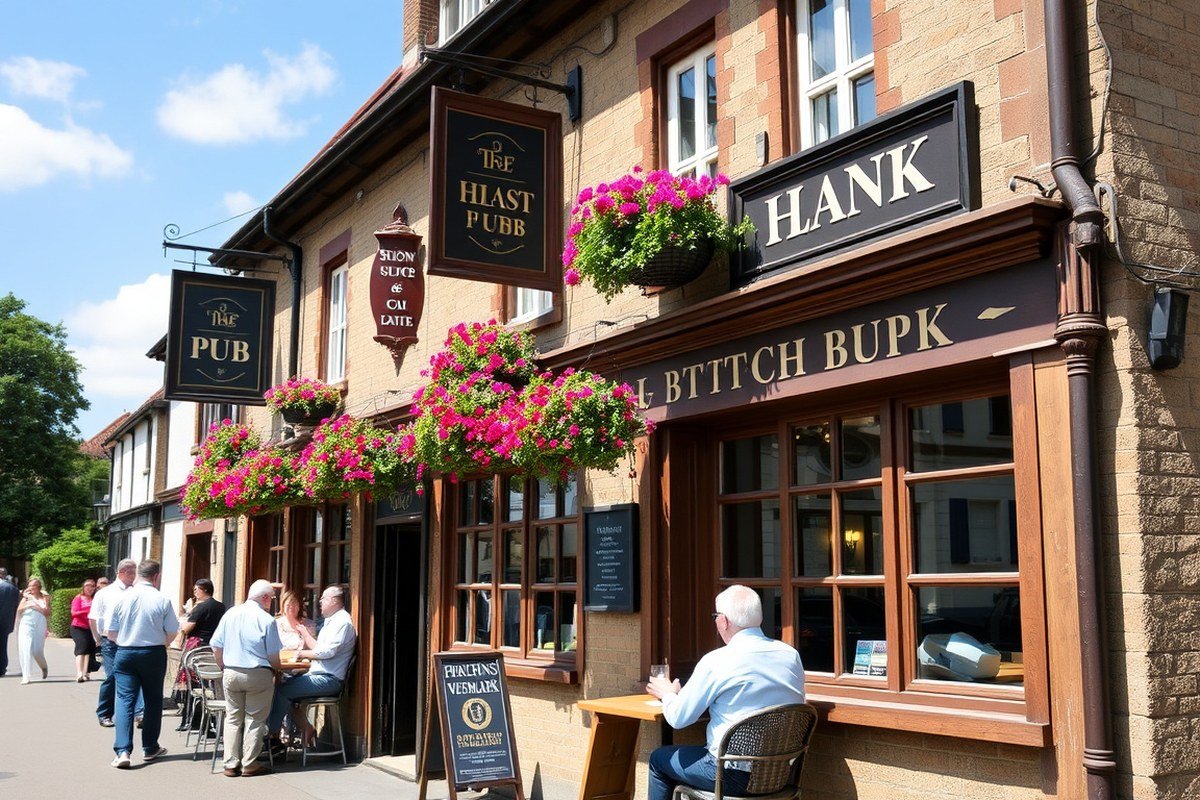
Pubs often feature a warm, inviting interior that encourages socializing through their distinctive layout and ambiance. A traditional pub typically has wooden furnishings and low lighting that create a cozy atmosphere. Fireplaces are common, adding physical warmth and visual charm, especially in older establishments located in cooler climates. Seating arrangements usually include a mix of tables, booths, and bar stools, designed to accommodate both groups and individuals comfortably.
Pub signs hold particular historical and practical significance. Originally, many customers could not read, so iconic symbols like suns, stars, crosses, or images connected to local heraldry helped identify pubs. Signs hanging above the door remain a defining feature of pubs and aid in easy recognition. Some even feature pictorial puns or rebuses that add character and make the pub memorable.
Inside, seating is arranged to balance intimacy and social interaction. The central bar often serves as the hub where customers gather, supported by surrounding tables for those who prefer more private conversations. Booths and corners provide quieter spaces, while communal tables encourage mingling. This diversity in seating promotes a relaxed and welcoming environment, inviting patrons to stay longer and enjoy the experience.
- Wooden paneling and furnishings for a rustic feel
- Fireplaces or wood stoves for warmth and ambiance
- Decorated pub signs with symbols or pictorial designs
- Central bar area with bar stools for socializing
- Mix of tables, booths, and communal seating
- Low, warm lighting to create a cozy atmosphere
- Display of local memorabilia or traditional decor elements
When you walk into a pub, look for these key features to get a sense of its authenticity and atmosphere. Check the style of the pub sign, the comfort and arrangement of seating, and the overall decor. Well-maintained wooden surfaces and a functioning fireplace often indicate a commitment to preserving the traditional pub experience. Ambiance hinges on details like lighting and seating choices, shaping how comfortable and social the space feels. In newer or urban pubs, the traditional charm may be adapted but usually retains core elements like a central bar and clear visual identity through signage.
Legal Rules and Operating Practices in Pubs
Pubs must follow specific legal rules that affect who can enter, when they can serve alcohol, and how they operate. The minimum legal drinking age varies between 18 and 21 depending on the country or state. In the UK, for instance, you must be at least 18 to buy or consume alcohol in a pub. These laws help prevent underage drinking and ensure responsible serving practices.
Alcohol licensing laws also determine the hours when pubs can legally sell drinks. Many places have set closing times, commonly between 10 p.m. And midnight. After closing, some places have “lock-ins,” where the pub locks its doors and customers keep drinking as part of a private event. Operating outside legal hours risks fines or closure.
Children’s access to pubs depends on local rules and the pub’s own policies. In some pubs, children can enter if they are with an adult and during food service hours. This promotes a family-friendly environment while still respecting the focus on alcohol. Other pubs may restrict entry entirely to those 18 or over to maintain an adult atmosphere.
Smoking bans have significantly changed pub environments. Since around 2007 in the UK and similar times elsewhere, smoking indoors in pubs has been prohibited to protect public health. This ban moved smoking outdoors, often leading pubs to create or improve outdoor seating areas. Non-smoking rules make the air cleaner and more comfortable but might reduce the time some smokers spend inside.
- Legal drinking age: usually 18 to 21 years depending on the location
- Licensing hours: often from mid-morning until 10 p.m. To midnight
- Children: allowed only in some pubs during daytime or meal hours with adults
- Smoking: banned indoors, permitted in designated outdoor areas
- Lock-in practices: private events after licensed hours under strict conditions
- License types: vary by venue size, food service, and alcohol sales
- Staff training: required on age verification and responsible service
Following these rules protects pubs and patrons. When you visit a pub, always carry valid ID to verify your age. Respect closing times and smoking regulations to avoid conflicts. Checking a pub’s posted rules or website can clarify if children are welcome and where to smoke outside. Observing these practices supports safe, legal, and enjoyable pub experiences for everyone.
How to Choose the Right Pub Experience for You
Choosing the right pub experience depends on what atmosphere you enjoy, the kind of food and drink you prefer, and your social goals. By focusing on these factors, you can select a pub that fits your mood and makes your visit enjoyable. This approach helps you avoid the wrong vibe, whether you want a lively gathering or a quiet meal.
Assessing Atmosphere and Ambience
Start by thinking about the kind of environment you want. Traditional pubs usually offer a relaxed, casual atmosphere with rustic décor and a friendly vibe. Chain pubs may have a more standardized look and feel, while gastropubs focus on a refined dining setting with contemporary style. Checking reviews or photos online can give you a quick sense of the atmosphere before you go.
Look for cues like background noise level, lighting, and seating arrangements. A crowded, noisy pub suits socializing and watching sports, while a quieter spot suits conversations or dates. Pay attention to opening hours too; some pubs are busy during early evenings but quiet later on, which may guide your timing.
Matching Food and Drink Preferences
Your choice should also reflect your hunger and drink tastes. Traditional pubs often serve hearty classics like fish and chips or pies, while gastropubs typically offer a more varied menu with gourmet dishes and craft drinks. If you prefer local specialties, pick pubs known for using local ingredients or regional beers.
Reading the menu carefully helps set expectations. Watch for signs highlighting daily specials, locally brewed beers, or food allergens and dietary options. This can prevent surprises and saves time if you have dietary restrictions.
Menus and chalkboards often highlight what the kitchen recommends; these dishes usually showcase the pub’s best offerings.
- Look for pubs offering a wide beer selection if you enjoy trying different brews.
- Choose gastropubs for a more polished dining experience with smaller portions priced higher.
- Traditional pubs are better for simple, filling meals at lower prices.
- Check if the pub serves food all day or only during specific hours.
- Consider whether the menu includes vegetarian or gluten-free options if needed.
- Note any happy hour or food deals to get better value.
- Ask staff for recommendations based on your taste preferences.
Considering Community and Location
The local community often shapes a pub’s character. University campus pubs tend to be lively hubs for students and may include regular events like trivia nights or live music. Pubs in smaller towns often act as community centers where locals gather regularly. Think about whether you want to mingle with locals or visit a more tourist-friendly setting.
Location also affects convenience and cost. City center pubs might be pricier and crowded, whereas neighborhood pubs could offer a quieter, more affordable experience. Access to public transport or parking should also weigh into your decision, especially if you plan to stay late or drink alcohol.
Step-by-Step Action Plan to Enjoy Your Ideal Pub Experience
Use this plan to find and enjoy a pub that suits your tastes and expectations, whether you’re visiting one for the first time or trying a new type.
- Before your visit: Research pubs nearby or in the area you’ll be visiting by checking online reviews and menus to match your preferred atmosphere and food options.
- Day 1: Visit a traditional or local pub known for community vibe; gauge how comfortable you feel with the crowd and service.
- Week 1: Try ordering popular pub dishes and classic drinks to see how they compare to your expectations and previous experiences.
- After your first visit: Note what you liked or didn’t like about the pub’s layout, noise level, and bartender friendliness to refine your preferences.
- Week 2: Explore a different style of pub such as a gastropub or themed pub to experience variety and decide your favorite type.
- After two visits: Assess the pub’s adherence to legal and operating standards like serving hours and licensing, ensuring a safe and legal environment.
- Ongoing: Regularly try new pubs or revisit your favorites to become familiar with local drinking culture and support community hubs.
Frequently Asked Questions
What Is the Origin of the Word “Pub”?
The word “pub” is short for public house, originally meaning a place open to the public for drinking and socialising. It developed in England as a community meeting place away from private homes.
Are Pubs More Popular Than Bars in the UK?
Pubs tend to be more popular in the UK due to their historical and cultural significance as community hubs. Bars often have a more modern or club-like atmosphere.
Do All Pubs Serve Food?
Not all pubs serve food; some focus solely on drinks and socialising. Many traditional pubs offer simple meals, but dining options vary.
How Do Pubs Contribute to Local Culture?
Pubs often act as social centres that bring communities together, hosting events and fostering local traditions. They support socialising beyond just drinking.
What Is the Busiest Time for Pubs During the Week?
Friday and Saturday evenings are usually the busiest times in pubs, as people relax after the workweek. After-work hours on Thursday can also be busy.
Are There Pub Traditions Unique to England?
Yes, traditions like pub quizzes, Sunday roasts, and calling last orders are common in English pubs but less so elsewhere. These rituals add to the pub’s social role.
Final Thoughts
Understanding what sets a pub apart improve your appreciation of this unique venue that blends history, culture, and social life. Start by finding one nearby that matches your ideal atmosphere and enjoy the simple pleasures of good food, drink, and company in a setting made for community connection.